












-

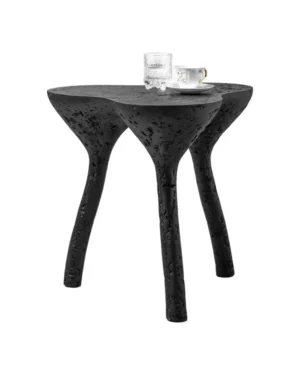
Flamingo Stool
By Mina Wright
€1.264 -

Domino Dining Table
By Assimply Studio
€8.670 - €23.400 This product has multiple variants. The options may be chosen on the product page -

Matera Side Table in Verde Lepanto Marble
By MERCOEUR EDITION
€1.813 -
 In stock
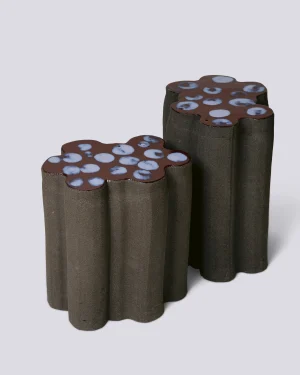
Trunk Ice and Red Poison Frog Pair Side Table in Stoneware
By Slō
€2.900 -
 In stock
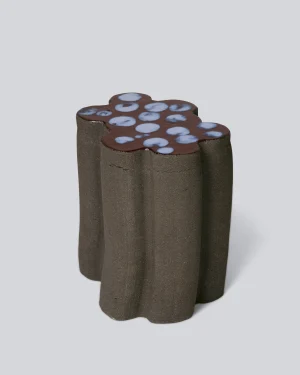
Trunk Ice and Red Poison Frog Side Table in Stoneware
By Slō
€1.495 -

Low Gathering Console Table
By Hanna Fastrich
€5.020 -
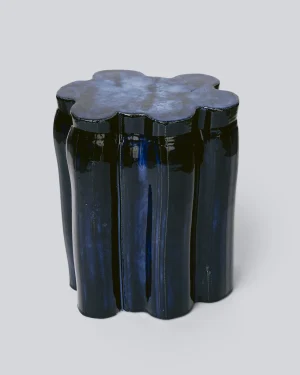 In stock
Trunk Black and Navy Blue Side Table in Stoneware
By Slō
€1.395 -
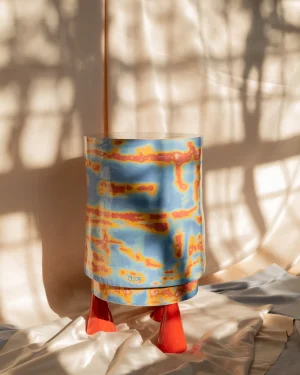 In stock
The Oven Side Table in Glazed Stoneware
By UAU Studio
€1.670 -
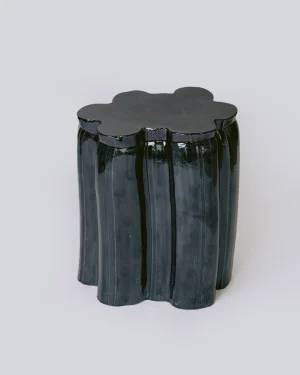 In stock
Trunk Navy Side Table in Stoneware
By Slō
€1.395 -
 In stock
ZTISTA console
By FAINA
€2.470 -
 In stock
Down To Earth – Hand-sculpted Red Earth Stone Coffee Table
By Odditi
€6.480 -
 In stock
White Lotus Side Table in Glazed Ceramic
By LATESS
€2.800 -
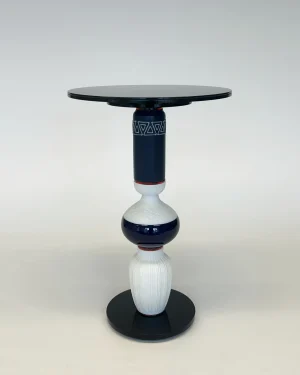 In stock
Angels Side Table in Glazed Clay and Glass
By Andreas Berlin
€3.500 -

Ruins Totem
By Szymon Keller
€4.090 -
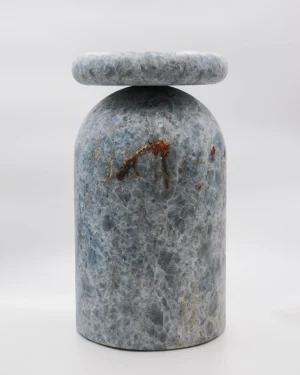
Cult Stool – Sculptural Side Table In Blue Calcite
By Panorammma Atelier
€2.732 -
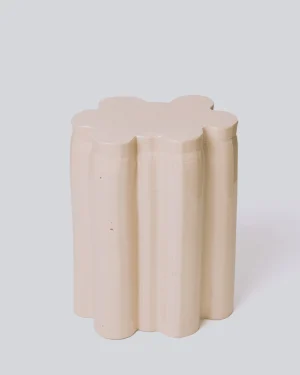 In stock
Trunk Strawberry Milkshake Side Table in Stoneware
By Slō
€1.395 -
 In stock
Hidden Secrets Side Table in Glazed Ceramic
By BERTO
€1.200 -

Cone Object 1 – Squared Stool/table
By Hanna Fastrich
€1.900 -
 In stock
Joe’s Dream Side Table in Ceramic
By Andreas Berlin
€8.000 -
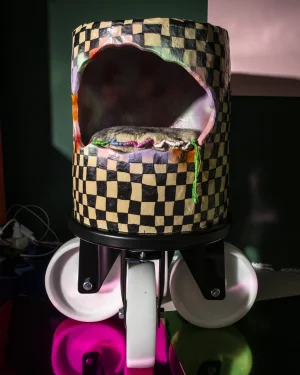 In stock
Cat Cave Side Table in Glazed Ceramic
By UAU Studio
€2.000 -

Korotun – Ash Wood/ Clay Coffee Table
By FAINA
€8.230 -
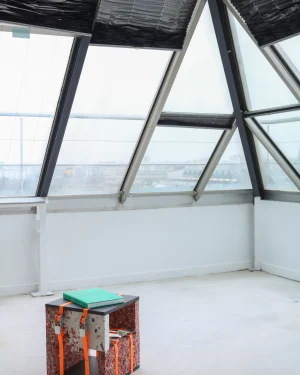 In stock
La Croisée Side Table in Terracotta Textile
By FabBRICK
€617 -
 In stock
Blue Lagoon Stool
By LATESS
€2.000 -
 In stock
Isla No. 1 Side Table in Stoneware and Blown Glass
By Ceren Gürkan
€4.400 -
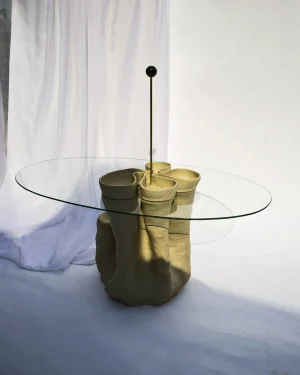
Space – Line – Form
By UAU Studio
€1.670 -

Mas Coffee Table Matt Lacquer
By hermhaus
€3.195 This product has multiple variants. The options may be chosen on the product page -
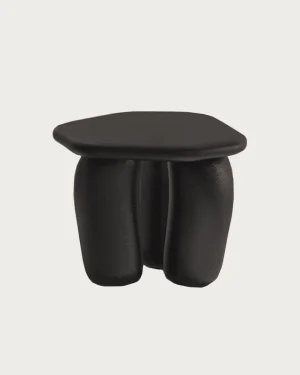
Trio Coffee Table
By Alter Ego Studio
€4.450 -
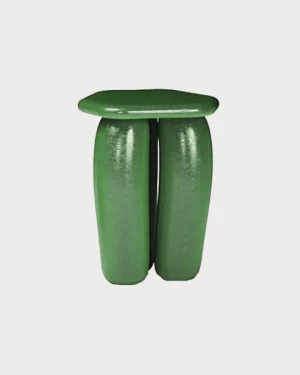
Trio Side Table in Ceramic
By Alter Ego Studio
€2.520 - €5.200 This product has multiple variants. The options may be chosen on the product page -
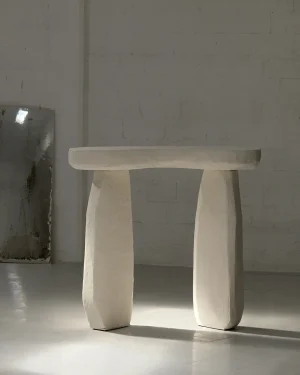
Ruins Console 1.0
By Szymon Keller
€5.528 -

Trama Wood Coffee Table
By Joana Teixeira
€2.250 -
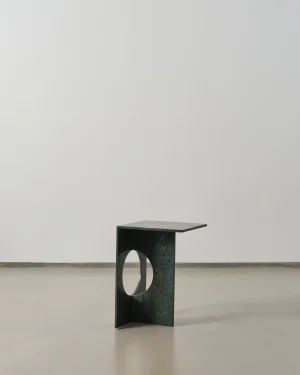
Ola Side Table in Diabase Volcanic Stone
By Studio Mohs
€2.068 -
 In stock
Despertar
By Kresta Studio
€8.500 -
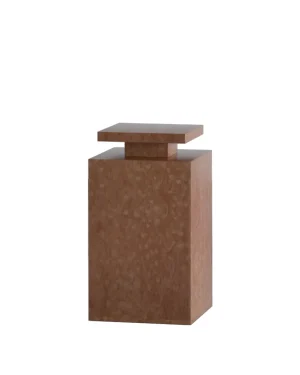
Asos Pedestal Side Table
By hermhaus
€1.114 - €1.238 This product has multiple variants. The options may be chosen on the product page -
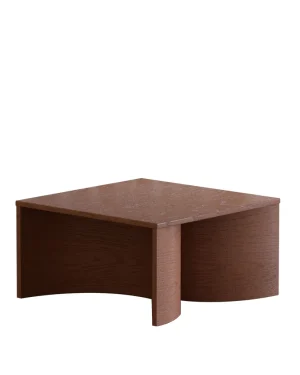
Venn Coffee Table
By hermhaus
€4.605 This product has multiple variants. The options may be chosen on the product page -
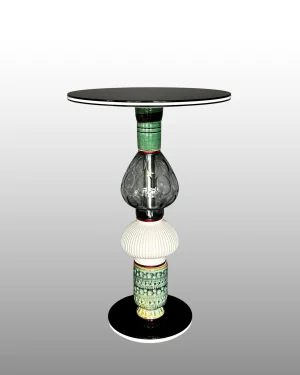 In stock
Aeroplane Side Table in Glazed Clay and Glass
By Andreas Berlin
€3.500 -
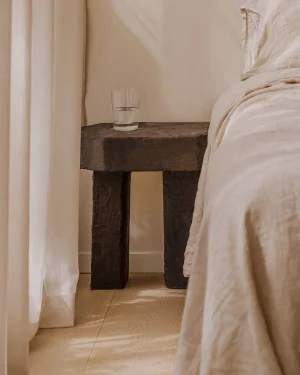
Ruins Side Table
By Szymon Keller
€3.546 -
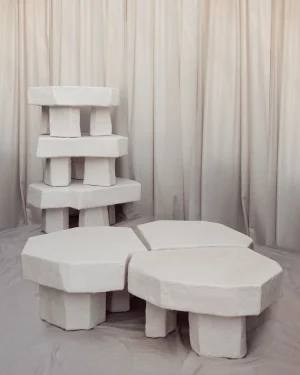
Ruins Coffee Table 3.0
By Szymon Keller
€6.455 -
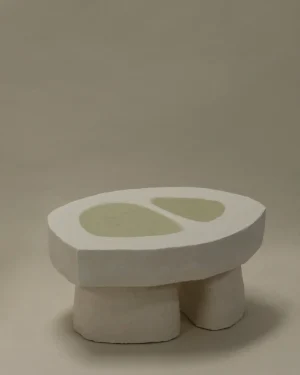
Ruins Coffee Table 2.0
By Szymon Keller
€3.546 -

Trama Ceramic Coffee Table
By Joana Teixeira
€2.850 -
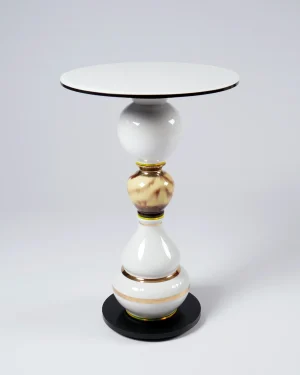 In stock
Sommers Song Side Table in Clay and Painted Glass
By Andreas Berlin
€3.500 -
 In stock
Strata Low Square Side Table in Marble
By Iyo Hasegawa
€4.500 -
 In stock
Infinite Aya Console
By TheUrbanative
-

Nasara Console
By TheUrbanative
Price Upon Request -
 Sold
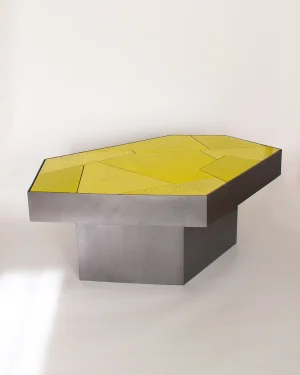
SoldRaku Table – Ceramic & Brushed Steel
By Crina Arghirescu Rogard
Price Upon Request -
 In stock
Orange Lady – Stool
By LATESS
Price Upon Request -
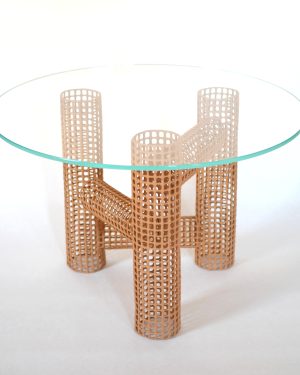
Hera Side Table
By Dzovag Kotchian
€1.400 - €1.900 This product has multiple variants. The options may be chosen on the product page -
 Sold
SoldCypress #6 Side Table in Cypress Wood and Stoneware
By Studio Kloak
€2.500 -
 Sold
SoldCypress #1 Side Table in Cypress Wood and Stoneware
By Studio Kloak
€2.100 -
 Sold
SoldAeroplane Side Table in Ceramic
By Andreas Berlin
€7.000
Ceramic tables bring fired clay to a surface built for daily use, carrying weight on a material usually reserved for vessels and tiles. Studios working in stoneware, earthenware and glazed clay shape tabletops and bases by hand-building, slip casting or wheel techniques, then fire and glaze them to withstand knocks, spills and sunlight. The result sits somewhere between furniture and sculpture, with a surface that reads as solid, cool and slightly uneven under the hand.
What defines a ceramic table
Clay body determines how a tabletop ages. Stoneware fires at high temperatures and comes out dense and hard, resistant to chipping and good for a surface that takes daily plates, cups and keys. Earthenware fires lower and stays more porous, so makers usually seal it with a heavier glaze before it meets a room.
Glaze is where color and finish happen. A glossy glaze pools light and shows color saturation, from black and white through blue, rose and yellow; a matte or raku-fired surface absorbs light instead and often carries cracks, specks or smoke marks that mark the firing itself. No two glaze pours behave exactly alike, which is part of why ceramic pieces read as grounded rather than uniform.
The range of ceramic tables on ADORNO
What shows up under this material shifts as studios list and sell new work, but the kinds on offer tend to repeat:
- Clay bodies: stoneware, earthenware, terracotta and mixed clay, sometimes paired with bronze or metal legs
- Finishes and colors: glazed black, white, blue, rose, yellow, multicolor and raw bisque
- Techniques: hand-building, glazing, raku firing, terrazzo inlay and painted or drawn surface work
- Editions: open editions made to a standing design, limited editions fired in small batches, and one-off pieces where no two tops glaze the same way
Styles run from pared-back, minimalist tables with a single glazed slab to Bauhaus-leaning geometry, wabi-sabi pieces that leave the clay's irregularity visible, and brutalist or rustic forms that lean on thick, unglazed edges.
How to choose a ceramic table
Start with scale. A ceramic tabletop carries real weight, so measure the base against the room before deciding on a side table, coffee table or dining-height piece; standard coffee tables sit around 16 to 18 inches, dining tables closer to 29 to 30 inches.
Finish matters as much as size. A glossy glaze shows fingerprints and reflects window light, which suits a room that gets strong daylight; a matte or raku surface hides marks better and reads warmer under lamp light. Check the base material too, since a bronze or metal stand will carry the visual weight differently than a stoneware pedestal.
Where ceramic tables belong
A glazed coffee or side table anchors a seating area in a living room without competing with upholstery or rugs, since the surface stays quiet in pattern even when the color is bold. In a dining space, a ceramic top works best away from direct, heavy knife or cutting contact, which is why most dining pieces pair the top with another surface for food preparation. Smaller glazed tables also hold their own as a stand for lighting or objects, carrying weight in a hallway or reading corner.
Caring for a ceramic surface
Wipe glazed tops with a damp cloth; avoid abrasive scrubbing, which can dull a glossy glaze over years of use. Felt pads under glasses and planters reduce scratching on both glazed and raw surfaces, and raw or unglazed clay should stay away from standing liquid, since it can absorb moisture and stain. For the full range of fired clay forms beyond tables, the ceramic material pages cover lighting, decor and other objects, while the complete set of tables on ADORNO spans wood, metal and glass for rooms where clay is not the right fit.
How do I choose a ceramic table?
Consider the room's light and traffic, since glazed surfaces show reflections and unglazed clay shows every mark. Weight matters too, as ceramic tables sit heavy and suit a fixed spot rather than frequent moving.
How do you care for a ceramic table?
Wipe with a damp cloth and avoid abrasive cleaners, which can dull a glaze over time. Use coasters and trivets, since sudden heat or sharp impact can chip or crack the surface.
What sizes and heights do ceramic tables come in?
Side and coffee tables generally sit low, around 16 to 20 inches, while dining tables run close to standard 28 to 30 inch height. Exact dimensions vary by piece, so check the listing or chat with the maker.
Which rooms suit a ceramic table?
Their weight and cool surface suit living rooms and dining areas where a table stays put, and their glaze reads well under direct light near windows or lamps.
Is shipping insured and how do returns work?
Shipping is insured and arranged worldwide, and a 14-day return policy applies, though made-to-order pieces are excluded. Every piece ships with a certificate of authenticity and a lowest-price guarantee.
Can I order a custom ceramic table?
Some studios take custom requests on glaze, color or size, though this varies by maker. Chat with the maker on the piece's page to confirm what is possible.