





-

Ginkgo Chair
By Luke Crouch Studio
€2.550 -

Origo Low Stool
By ASUL-STUDIO
€1.250 -
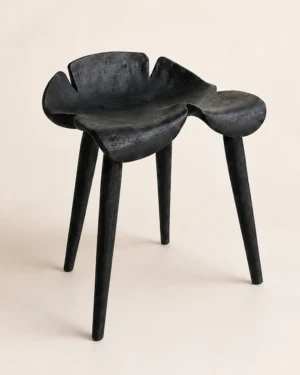
Flower Stool
By Luke Crouch Studio
€2.150 -
 In stock
Dawn – Stool
By Studio Onno Adriaanse
€732 This product has multiple variants. The options may be chosen on the product page -

Ginkgo Counter Stool
By Luke Crouch Studio
€2.350 -
 In stock
Shift Stool – Ash – Light Purple
By Studio Yann Gandon
€550 -
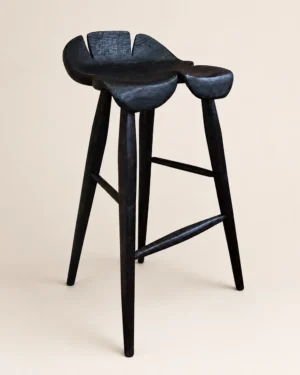
Flower Counter Stool
By Luke Crouch Studio
€2.450 -
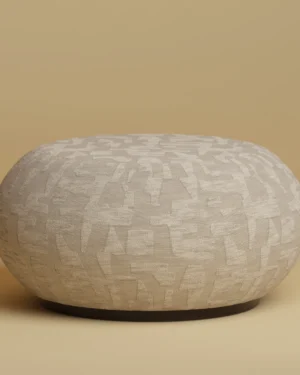
Wooden Stool Pouf – Kuna Series In Smoked Oak
By Lebanto
€3.700 -
 In stock
Shift Stool – Ash – Green
By Studio Yann Gandon
€550 -
 In stock
Shift Stool – Ash – Light Pink
By Studio Yann Gandon
€550 -
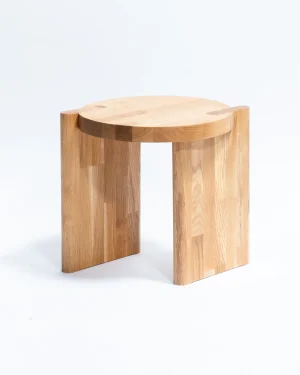
Shift Stool – Oak
By Studio Yann Gandon
€690 -
 In stock
Shift Stool – Ash – Dark Blue
By Studio Yann Gandon
€550 -

Copablanca Black Oak Stool
By NO AGE STUDIO
€1.314 -
 In stock
Shift Stool – Ash – Black
By Studio Yann Gandon
€550 -
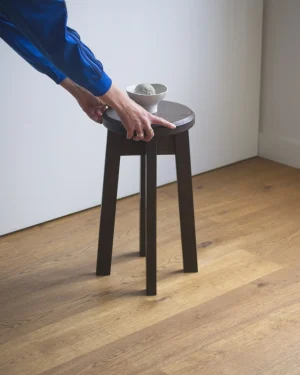 Sold
SoldEbonized Oak Stool
By OggettoForte
€450
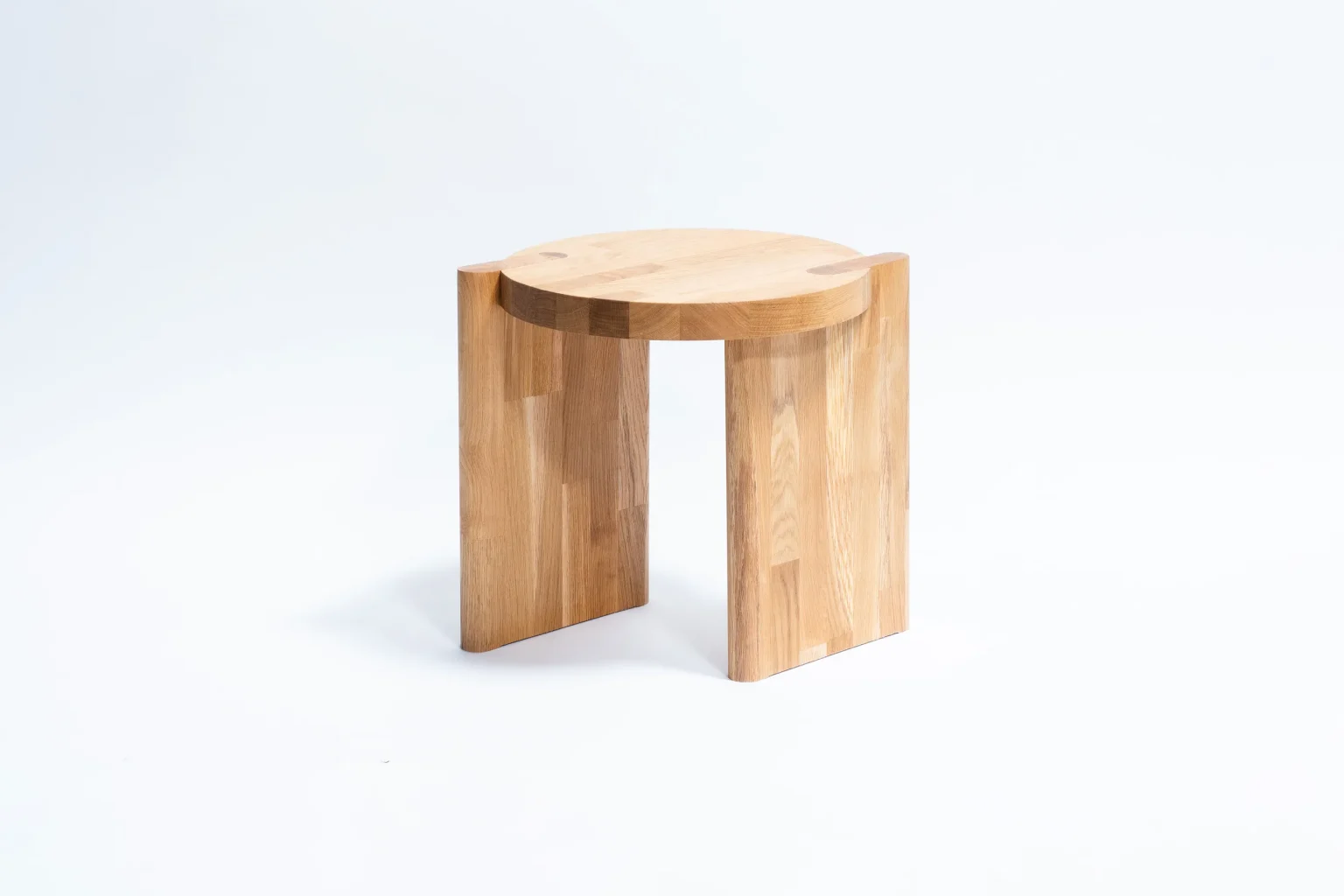
Solid oak stools are built from a single hardwood species, sawn and joined rather than veneered onto a core, so the grain runs through the entire seat and legs. Studios working in wood and cabinetmaking favor oak for its density and straight grain, which let a stool carry weight on a narrow footprint without flexing. Some pieces are turned or carved by hand, others joined with classic joinery, but all depend on the same slow-grown timber.
What makes oak suited to stools
Oak is a ring-porous hardwood with a pronounced grain that reads clearly under an oil or a clear lacquer finish. This density makes solid oak stools durable under daily use, resisting dents and scuffs better than softer species, which matters on a piece that gets pulled, kicked and climbed on. Left untreated or finished with a thin oil, the wood ambers slightly over years of light exposure, a change that reads as settling in rather than wear.
The range of finishes and making techniques
Within solid oak, the surface varies by studio and technique. Some stools keep a raw, sanded finish that shows the wood's natural color and lets an oil treatment soak in evenly. Others are lacquered for a harder, more water-resistant surface, or charred using the shou sugi ban method, which blackens and seals the grain while leaving the structure of solid wood underneath. Joinery and wood carving both appear across the range, from stools with exposed joints to seats shaped from a single block. Most pieces are made in open editions, though occasional one-off seats turn up where a studio has carved or finished a single stool by hand.
Choosing a stool for scale and placement
Seat height is the first measure: a counter stool needs enough clearance under a kitchen island, while a low stool suits a living room or reading corner, where it can double as a side table. Width and footprint matter as much as height once stools are lined up along a bar or kitchen counter, since legs and stretchers need room to clear each other. For a room with other oak furniture, matching the finish, a raw oil versus a darker lacquer, keeps the grain and tone consistent across pieces.
Oak's pale, warm tone works equally in a kitchen, a bar area or a living room, where living room stools often sit lower and double as occasional tables. Paired with other timber pieces from wooden stools made in walnut or ash, oak holds its own without needing to match exactly, since wood species read well together when grain and finish are considered.
Caring for solid oak
Oak tolerates daily use well, but it still moves with humidity and should sit away from direct heat sources such as radiators or fireplaces, which dry the wood and can open small cracks. A light wipe with a dry or barely damp cloth is usually enough; standing water left on an oiled surface will leave a mark. Reapplying oil once or twice a year keeps a raw finish from drying out, while lacquered or charred surfaces need little beyond regular dusting.
Across finishes and heights, solid oak stools bring warmth and durability to kitchens, bars and living rooms alike. For the full range of stools across materials and heights, see all stools, or look across solid oak seating for chairs and benches in the same wood. Every piece made in this timber, across stools and other furniture, sits under solid oak on ADORNO.
How do I choose a solid oak stool?
Consider the finish and the joinery as much as the shape: a raw or oiled surface shows the grain plainly, while lacquer or charring changes both look and upkeep. For a specific piece, use Chat with the maker on its page.
How do I care for a solid oak stool?
Wipe with a dry or slightly damp cloth and keep away from standing water and direct heat. Oiled surfaces benefit from occasional reoiling; lacquered or charred finishes need little beyond regular dusting.
Will a solid oak stool change color over time?
Yes, oil-finished or raw oak ambers gradually with light exposure, a shift that reads as settling in rather than damage. Lacquered or charred surfaces resist this change and keep their tone longer.
What height stool should I pick for a counter or island?
Height depends on the counter or table it pairs with, so check the piece's listed dimensions against your surface. For sizing guidance on a specific stool, use Chat with the maker on its page.
Where do solid oak stools work best in a home?
Their density and narrow footprint suit kitchen islands, home bars, and spots needing extra seating that can be moved and climbed on daily without flexing or marking easily.
What are ADORNO's shipping, returns and authenticity terms?
Shipping is insured and worldwide. Returns are accepted within 14 days, excluding made-to-order pieces, and every piece ships with a certificate of authenticity alongside a lowest-price guarantee.