








-

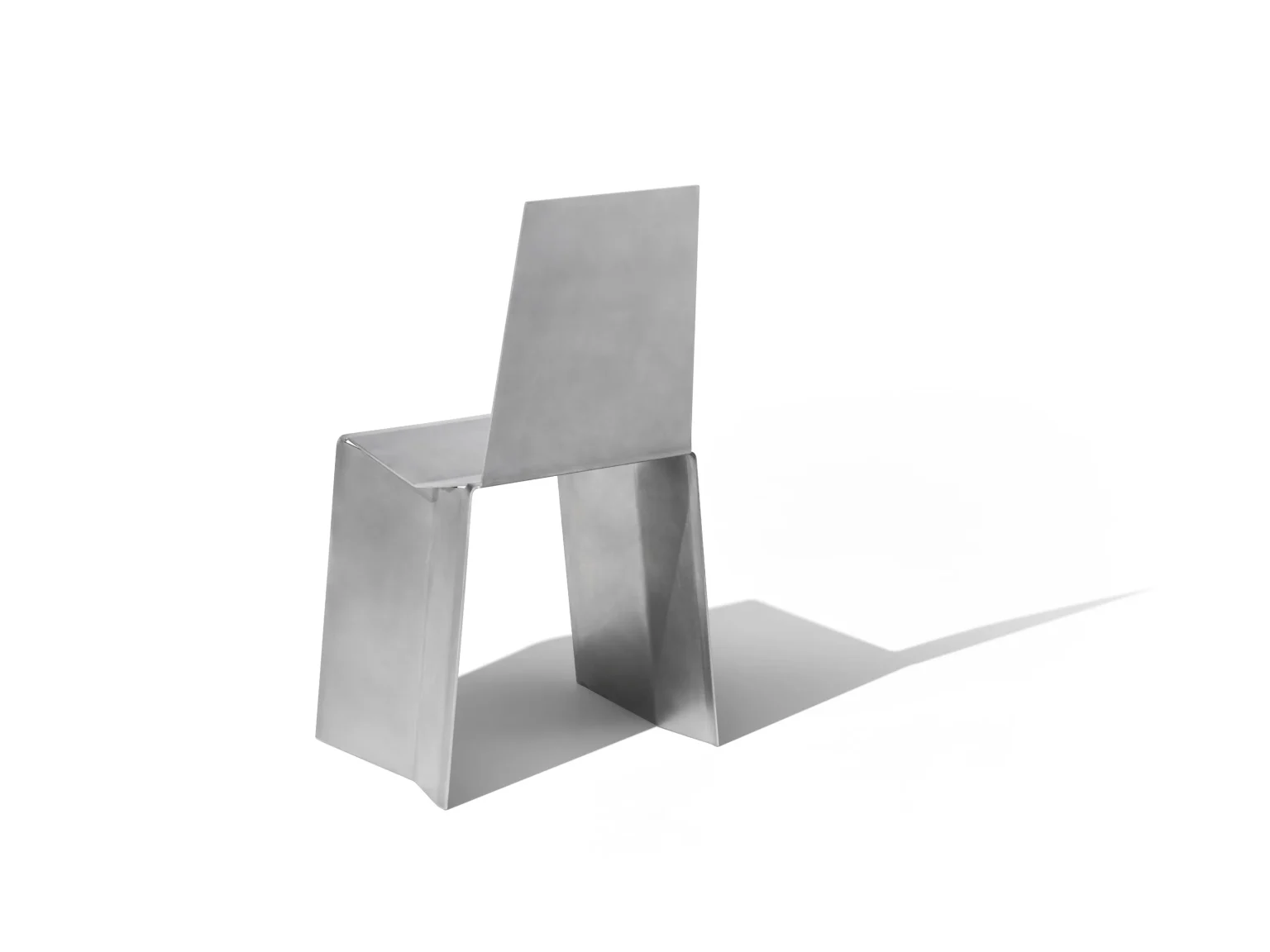
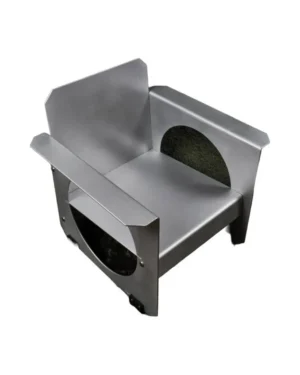
Camber – Stainless Steel Chair
By Paul Coenen
€1.121 -

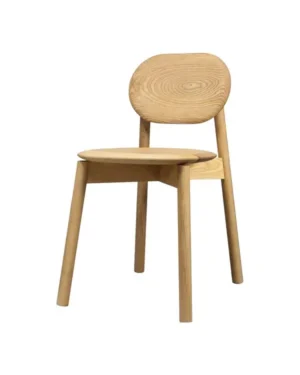
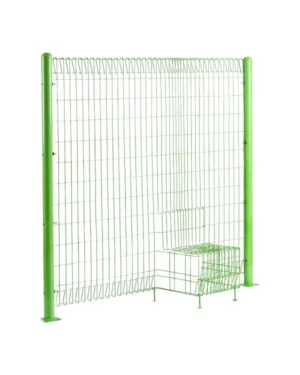
Chainmail Sculptural Chair, Nickel Plated Steel Finish, Hand Linked Mesh
By Panorammma Atelier
€4.200 -
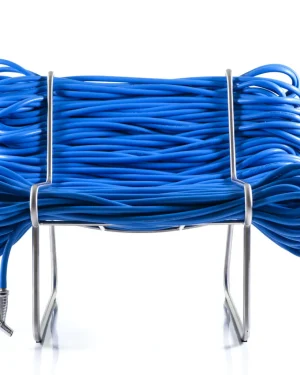
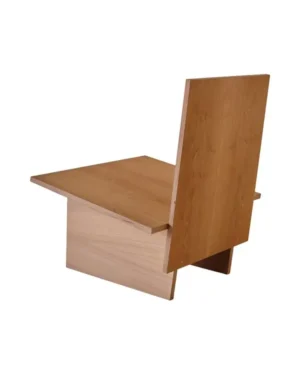
Super Jardim Armchair
By Cultivado em Casa
€4.549 This product has multiple variants. The options may be chosen on the product page -
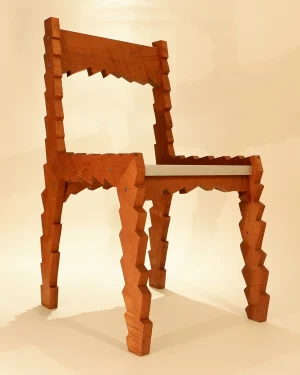
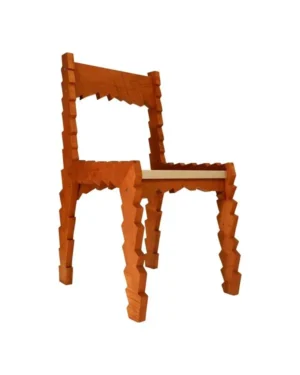
Shocking Chair – Stained Oak Wood Dining Chair
By Josh Page Studio
€940 -
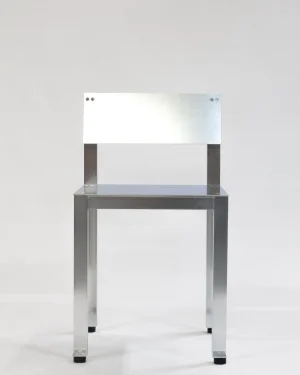
Canto – Aluminum Dining Chair
By Luiz Solano
€840 -
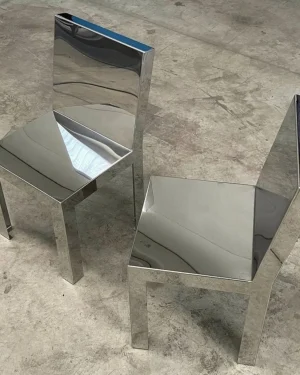
Sedia 1 – Mirror Polished Stainless Steel Chair
By Julia Chiaramonti
€5.500 -
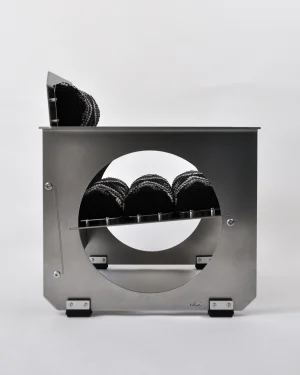
D400 Armchair – Black Mamba – Matte Stainless Steel
By MLK Furniture
€7.590 -
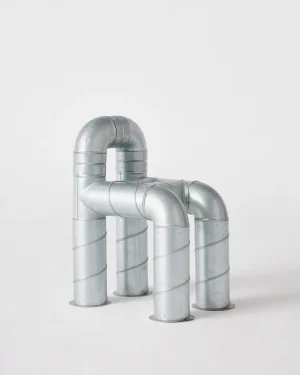
O.F.I.S Series, Steel Chair
By Lucas Muñoz Muñoz
€1.200 -

Kut – Accent Chair
By SABAN FURKAN
€3.400 -
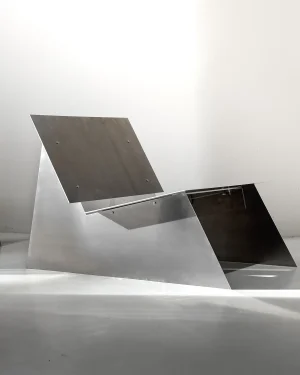 In stock
Aluminium Lounge Chair
By case studios
€1.571 -

Binario II – Accent Chair
By SABAN FURKAN
€3.600 -

J O H N | Chair | Stainless Steel
By N I S H
€1.250 - €1.500 This product has multiple variants. The options may be chosen on the product page -
 In stock
Diaframma – Armchair
By Metalmorphosis Studio
€1.450 -
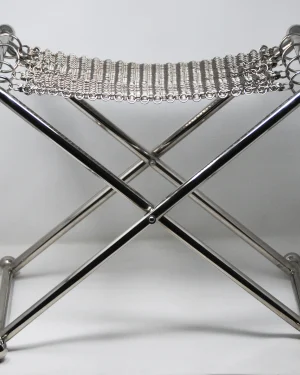
Chainmail Camping Stool
By Panorammma Atelier
€1.990 -
 In stock
Kafka Sofa
By Arbore x Cezar Moldovan
€16.200 -
 In stock
Pneumatic Chair 2
By Szostak Atelier
€5.990 This product has multiple variants. The options may be chosen on the product page -

Sitting Bull – Stainless Steel Accent Chair
By ORFEO STUDIO
€5.800 - €6.200 This product has multiple variants. The options may be chosen on the product page -
 In stock
Kafka Lounge Chair
By Arbore x Cezar Moldovan
€6.780 -
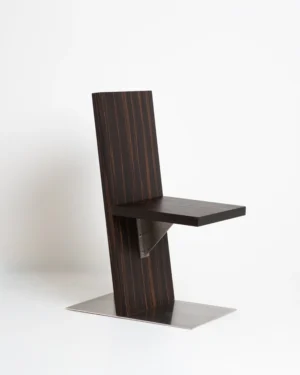
F – Accent Chair
By SABAN FURKAN
€3.600 -
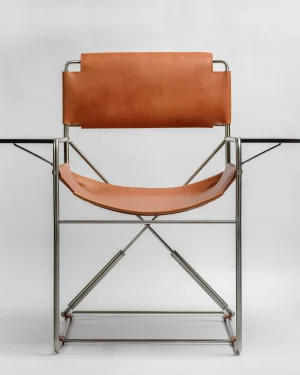
Pneumatic Chair – Unique Piece
By Szostak Atelier
€9.000 -
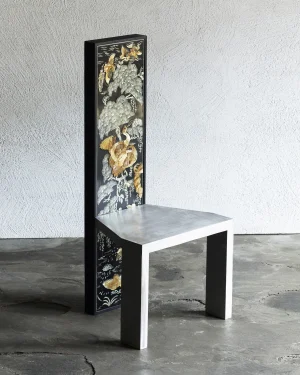
Narrative 001 – Stainless Steel / Wood Chair
By STUDIO KIMBYUNGSUB
€8.000 -

Slide Stool / Chair
By Ziroru Studio
€1.360 -
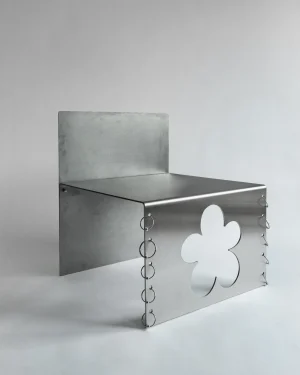
Pierced Cosmic Flower Chair
By LAÔMA ATELIER
€983 -

Case – Armchair With Natural Stone And Stainless Steel
By Alter Ego Studio
€5.920 -
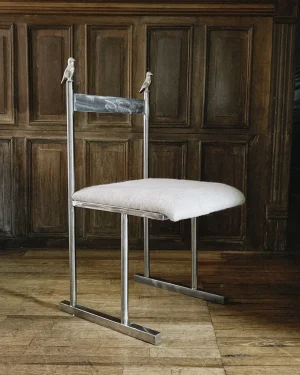
School Chair – Upcycled Materials
By Around the Studio
€1.500 -

Bo Armchair
By Giácomo Tomazzi Studio
€3.550 -
 In stock
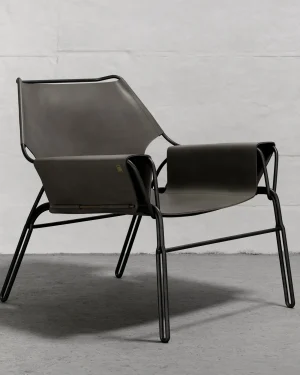
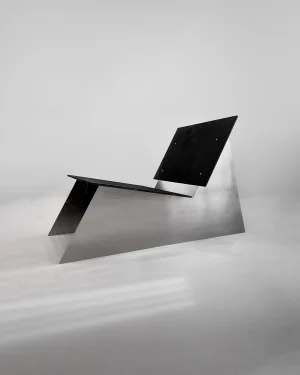
Perfidia_02 – Thick Leather Sling Lounge Chair In Black Steel
By ANDEAN
€4.542 This product has multiple variants. The options may be chosen on the product page -
 In stock
Aluminium Blackwood Lounge Chair
By case studios
€1.571 -
 In stock
Church Chair – Dining Chair
By Kari Kadak
€5.000 -

Nerve – Armchair
By Metalmorphosis Studio
€1.500 -
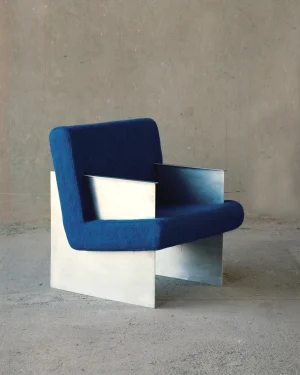
Sword Armchair
By Around the Studio
€3.900 -
 In stock
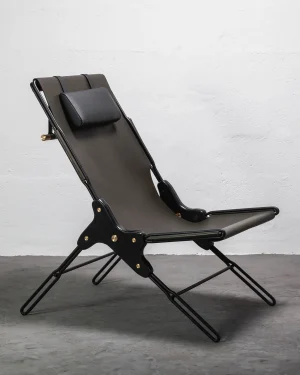
Perfidia_01 – Thick Leather Sling Lounge Chair In Black Steel
By ANDEAN
€4.133 This product has multiple variants. The options may be chosen on the product page -
 In stock
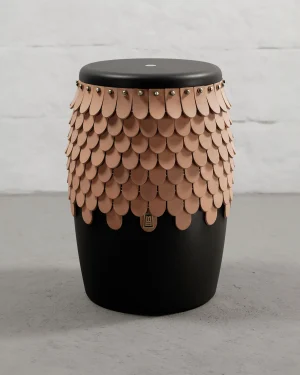
Sitiera_01 Solid Wood Stool, With Thick Leather Accents, Aged Bronze
By ANDEAN
€2.495 - €3.743 This product has multiple variants. The options may be chosen on the product page -
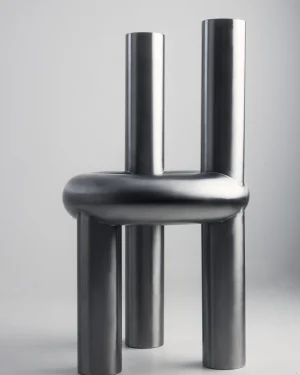
Chunk Chair – Stainless Steel
By Obscure Objects
€6.303 -

Finepianta 02 – Dining Chair
By FINEPIANTA
€1.785 -
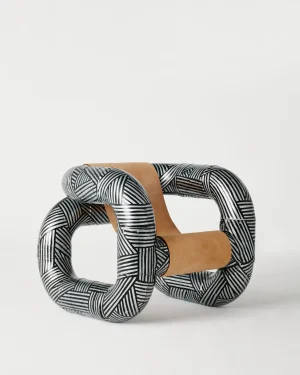
O.F.I.S Series, Tubular Armchair, Anitgoon Edition
By Lucas Muñoz Muñoz
€28.000 -
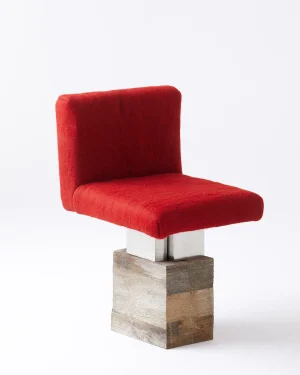
Tbilisi Street Chair – Upcycled Materials
By Around the Studio
€1.500 -
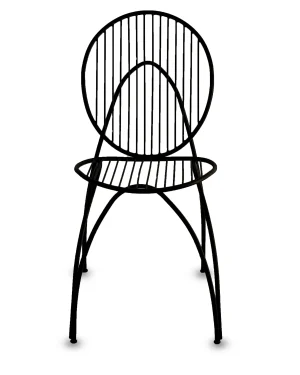
Petalo Dining Chair
By Pablo Sinan Design
€1.700 -

Markfield’s – Lounge Chairs
By StorqueStudios
€6.457 -
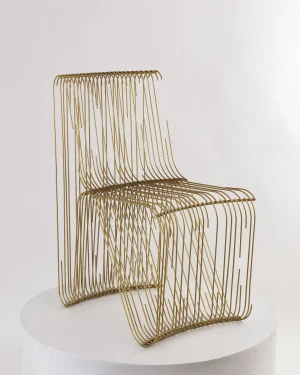
Glitch – Stainless Steel Chair
By Nama Home
€3.630 -
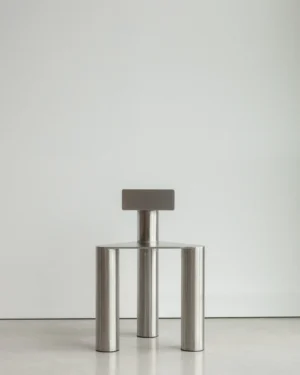
La Chaise — Trépieds Collection
By Olive®
€1.200 -

Random Chair – Upcycled Materials
By Around the Studio
€1.400 -

Tube Chair
By hakankemal studio
€960 -
 In stock
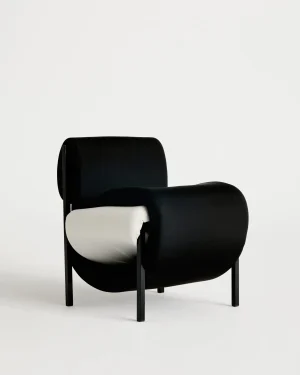
F.C Series, Forma Curva 01
By Lucas Muñoz Muñoz
€4.000 -
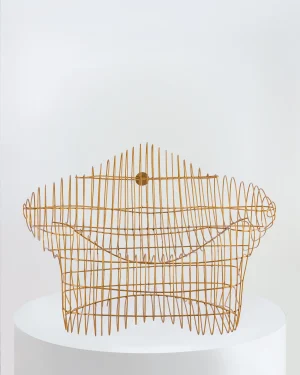
Starfish – Stainless Steel Lounge Chair
By Nama Home
€3.185 -
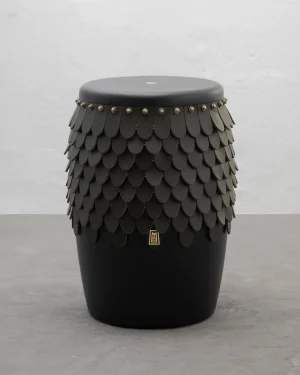
Sitiera_01 Solid Wood Stool, With Olivo Thick Leather Accents, And Aged Bronze
By ANDEAN
€2.495 -
 In stock
Sand Cushion Armchair
By Undress House
€2.450 -

Tronco Chair
By Nitush and Aroosh
€4.750 -
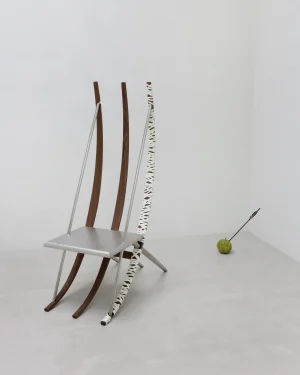
Bow Chair
By Undress House
Price Upon Request -

Rest Chair
By Obscure Objects
€5.800 -
 In stock
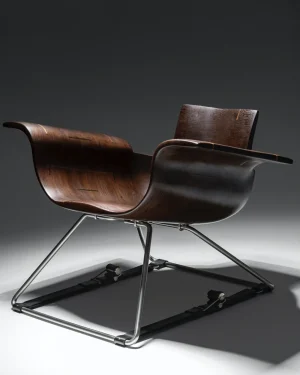
Roadster Armchair with Footstool
By Szostak Atelier
Price Upon Request -
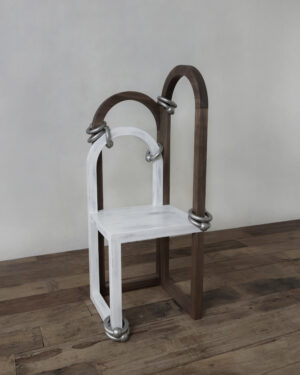
Linked Chair
By Undress House
Price Upon Request -
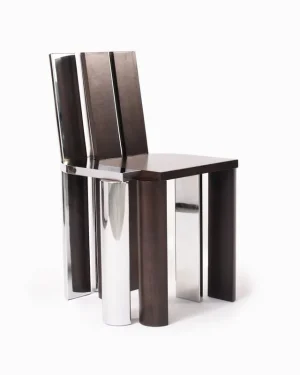
DV Chair – Chrome Edition
By Studio S II
Price Upon Request -
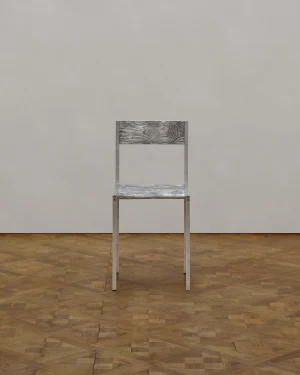
Aluminum Veneer Chair
By Bureau.parso
Price Upon Request
Stainless steel chairs take their shape from a metal that resists rust, holds a sharp edge, and keeps its surface long after a painted or lacquered frame would dull. Studios working in this material choose it for seating that carries daily weight: dining chairs, task chairs, and pieces that move between a kitchen and a covered terrace without flinching. The metal is cut, bent, and welded into frames, then finished bright, brushed, or left with a visible weld seam that marks the maker's hand rather than hiding it.
What stainless steel brings to a chair
Unlike painted steel or chrome-plated tube, stainless steel does not need a coating to stay bright. The alloy itself resists corrosion, so a scratch does not expose bare metal underneath the way it would on a chrome-finished frame. This makes stainless steel chairs a practical choice near windows, in kitchens, or anywhere humidity and daily contact would otherwise wear a surface thin.
Finishes, colors, and ways of making found here
Within the stainless steel range, finishes vary by how the metal is worked. A mirror-polished surface reads reflective and throws light back into a room, while a brushed or satin finish sits quieter and shows fewer fingerprints. Some studios pair steel with upholstery in leather or wool, others leave the frame bare and let its gray, silver, or reflective surface carry the whole piece. The making itself ranges from hand-welded, one-off frames to open editions produced in small production runs, so a buyer can choose between a piece built once and a design made in a repeatable batch. Related metalwork and welding techniques also turn up across the wider metal chairs on ADORNO, where steel sits alongside aluminum and chrome.
Choosing a stainless steel chair for scale and placement
Stainless steel chairs tend to look lighter than their weight suggests, since slim tube or sheet reads as a line rather than a mass. This makes them useful where a room already carries visual weight from upholstered seating or a heavy table, and needs a counterpoint rather than another solid form. Check seat height against the table or desk it will sit at, and consider whether a polished or brushed finish will suit the light in the room: a mirror surface amplifies a bright window, while brushed steel stays calm under direct sun.
- Pair a polished frame with a table that already has reflective or glass elements, so the finishes agree rather than compete.
- Use brushed or satin steel where fingerprints and scuffs need to stay unnoticed, such as a busy dining setup.
- Match seat depth to the room: a slim steel frame suits a narrow kitchen corner better than a wide-armed lounge chair would.
Where these chairs work in a room
Steel's resistance to moisture and its unfussy surface make it a natural fit for kitchens and dining rooms, where spills and daily wiping are routine. The same qualities carry it into dining room chairs and, in a quieter register, into living spaces where a steel-framed chair can sit next to living room seating without clashing against wood or wool. Some studios also apply the same alloy to tabletops and bases, so a steel chair can be set against a matching surface from the stainless steel tables on ADORNO.
Caring for stainless steel
A damp cloth and mild soap handle most marks; dry the surface afterward to avoid water spotting, especially on a polished finish. Avoid abrasive scrubbers or chloride-based cleaners, which can dull the surface or, over years, pit it. Buffing in the direction of any brushed grain keeps a satin finish even rather than streaked.
For the wider range of seating in this metal, the full set of chairs on ADORNO spans wood, chrome, and steel alike, while every stainless steel piece across furniture and lighting shows how studios apply the same alloy beyond seating.
How do I choose a stainless steel chair?
Consider where it will sit and how much weight it needs to carry. Welded frames suit daily dining use, while polished or sculptural forms work well as accent seating in a living room or entryway.
How do you care for a stainless steel chair?
Wipe with a damp cloth and mild soap, then dry to avoid water spots. Stainless steel resists rust and staining, so it needs no polish or sealant to stay sound.
What height should a stainless steel dining chair be?
Standard seat height runs sixteen to eighteen inches, matching most dining tables around thirty inches tall. Check the measurements on each piece's page, as sculptural frames can vary.
Which rooms suit stainless steel chairs?
Their hard, reflective surface reads well in dining rooms, kitchens and offices, and holds up in bright, high-traffic spots. Paired with warmer materials, they also anchor a living room without dominating it.
Is stainless steel heavier than other chair materials?
Yes, it carries more weight than wood veneer or chrome-plated steel, which gives the chairs a settled, stable feel. That weight also makes them resistant to tipping or shifting underfoot.
What are ADORNO's shipping and return policies for chairs?
Shipping is insured and covers worldwide delivery. Returns are accepted within fourteen days, except for made-to-order pieces, and every chair arrives with a certificate of authenticity.