





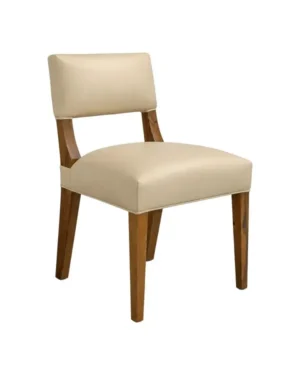




-

Crispy Chicken Light Orange Papier-mâché Chair
By David Čáp
€1.000 -
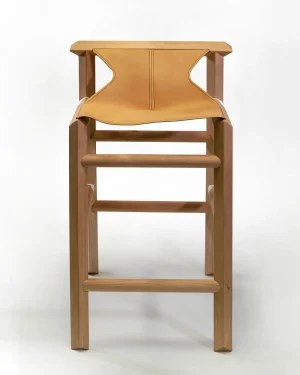
1903 – Cognac Leather And Wood Barstool
By espina corona
€890 -
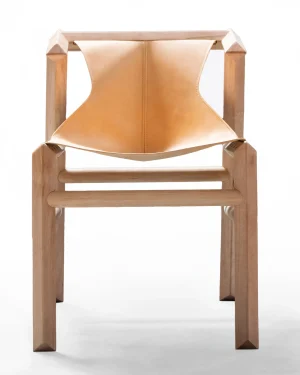
1901 – Cognac Leather And Wood Dining Chair
By espina corona
€890 -
 In stock
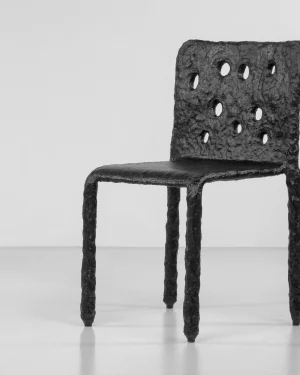
ZTISTA Chair
By FAINA
€1.900 This product has multiple variants. The options may be chosen on the product page -
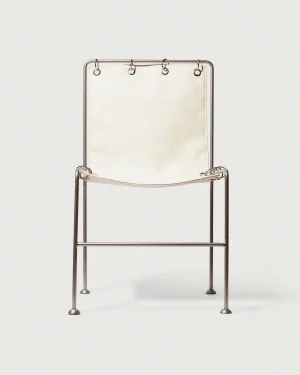
Institution Sculptural Chair, White Lamb Leather
By Panorammma Atelier
€1.990 -
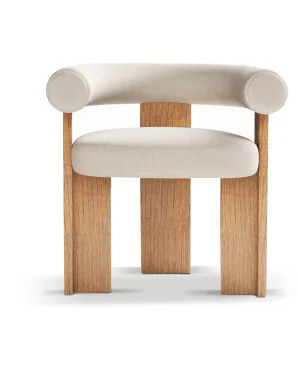
Cassette – Upholstered Armchair
By Alter Ego Studio
€2.215 -
 In stock
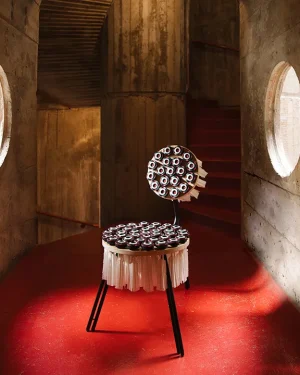
56 Petecas Chair
By Cultivado em Casa
€3.590 -

A2 – Aluminum Armchair
By Luiz Solano
€1.250 -
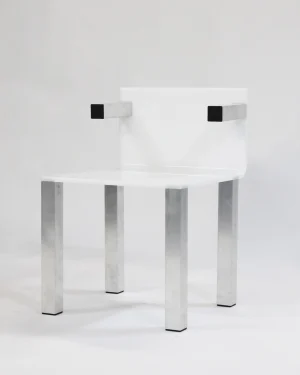
Acrilar – Acrylic Chair With Aluminum Armrest
By Luiz Solano
€1.250 -
 In stock
Charcoal-drawn Papier-mâché Chair
By David Čáp
€1.000 -
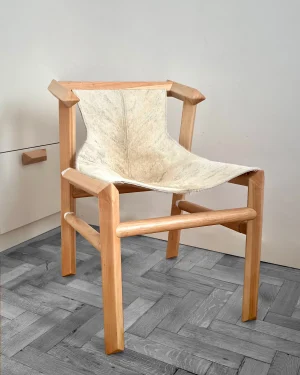 In stock
Hairy Leather Dining Chair
By espina corona
€990 -
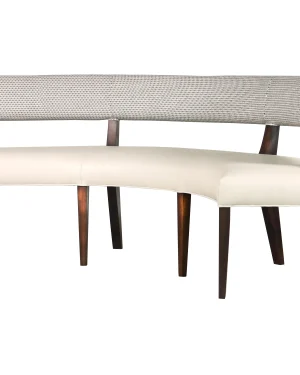 In stock
Bruno – Modern Exotic Wood Booth Seating
By Costantini Design
€14.276 -
 In stock
Samples Kit
By espina corona
€90 -
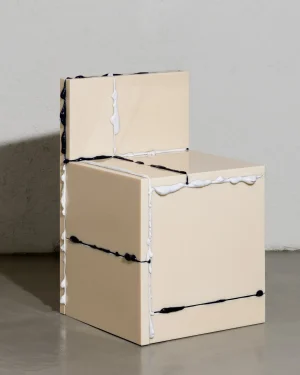 In stock
B. S. P Series – Recycled Plastic Chair
By Atelier SOHN
Price Upon Request
White dining chairs bring a pale, light-reflecting surface to the table, made from painted or lacquered wood, powder-coated steel and aluminum, molded PLA, recycled plastic and paper pulp pressed or papier-mâché into shape. Studios working across these materials finish them in chalky matte tones, gloss lacquer or bleached and limed wood grain, each surface behaving differently under daily use. The color reads as a single family on ADORNO, from cool off-whites to warmer ivories, and it sits easily beside the wider range of dining chairs in the catalog.
What defines white in a dining chair
White is rarely one shade. A powder-coated steel frame carries a flatter, cooler white than a hand-painted wood seat, which often has a faint warmth from the primer underneath. Molded plastics and PLA take an even, factory-consistent white, while paper pulp and papier-mâché pieces tend toward a raw, slightly grayed white that changes with the fiber used.
This range of whites matters because the undertone decides what the chair sits well against. A warm ivory wood chair reads calmer next to oak or walnut tables, while a stark, cool white in steel or aluminum holds its own against concrete, marble or glass. None of this is accidental: the base material governs how the white ages, chips, or stays put.
Materials, techniques and editions found here
Wood and cabinetmaking produce white dining chairs with painted or limed finishes, built from solid frames with steamed or bent elements for the backrest. Metalwork turns tubular or flat steel and aluminum into lighter frames, often powder-coated white for a surface that resists scratching better than paint. Leatherwork and upholstery appear as white or off-white seat pads and covers set onto wood or metal bases.
- 3D printing and digital fabrication shape PLA and recycled plastic into chairs with repeating, machine-consistent forms.
- Hand-building and papier-mâché work paper pulp and by-product fibers into lighter, matte-surfaced seats.
- Styles span Bauhaus and mid-century modern frames, Brutalist and minimalist volumes, coastal and eclectic upholstered forms, and sustainable pieces built from recycled or reclaimed stock.
Editions vary by maker: some white dining chairs are produced as open editions in steady runs, others as limited editions in small, numbered batches, and a smaller number as unique pieces, each one carrying slight variation in hand finish or pulp texture that keeps it from matching another exactly.
Choosing a white dining chair
Start with scale. A chair should tuck fully under a table's apron, with roughly twelve inches between seat and tabletop so knees and cutlery both have room. Measure the seat height against your existing table before committing to a frame, since steel and aluminum bases often sit lower than solid wood ones.
Finish matters as much as shape. Powder-coated metal and molded plastic resist marks and wipe clean, which suits a chair used daily. Painted or limed wood shows more character over time, taking on small marks that read as wear rather than damage, while a raw paper pulp surface asks for a gentler hand.
Placement also shapes the decision. A pale frame against a dark floor or table reads as a strong outline across a room, where the same chair against white walls and pale timber recedes and lets the table itself carry attention. For a fuller sense of pale-toned seating and its range of frames, the minimalist dining chairs and metal dining chairs groupings are worth comparing against wood-based options.
Where these chairs work and how to keep them
White dining chairs suit dining rooms and open kitchens where light bounces off pale surfaces, and they hold their own in smaller apartments where a darker chair might visually crowd the space. Painted wood needs a damp cloth rather than solvents, which can lift the finish. Powder-coated steel and aluminum tolerate more frequent cleaning, while paper pulp and papier-mâché pieces are best kept away from standing liquid and direct sun, which can yellow or warp the fiber over time.
Anyone building out a full pale interior can look across the broader white furniture grouping, or see how the same color behaves across lighting and objects through every white piece on ADORNO.
How do I choose the right white dining chair?
Match the seat height to your table, usually around 18 inches, and consider the material: wood and steel frames suit daily use, while painted or lacquered finishes show every scuff, so think about how the chair will actually be used.
What materials are white dining chairs usually made from?
Most are wood, steel or aluminum with a painted or lacquered finish, though some studios work in recycled plastic, paper pulp or PLA, each carrying white differently, from matte chalk to glossy bright.
How do I clean and care for a white dining chair?
Wipe painted or lacquered surfaces with a damp cloth and avoid abrasive cleaners that dull the finish; wood should be kept from direct sun and standing water to prevent yellowing or warping.
What size and height should a dining chair be?
Standard seat height runs 18 to 19 inches, leaving about 10 to 12 inches of clearance under a table, so the chair tucks in comfortably without legs catching.
Do white dining chairs work in small or dark rooms?
White reflects light and reads as open space, so these chairs suit small dining areas and rooms with limited natural light, pairing easily with darker tables or floors for contrast.
What are ADORNO's shipping, returns and authenticity policies?
Shipping is insured and worldwide. Returns are accepted within 14 days, excluding made-to-order pieces. Every piece comes with a certificate of authenticity, and ADORNO offers a lowest-price guarantee.