








-
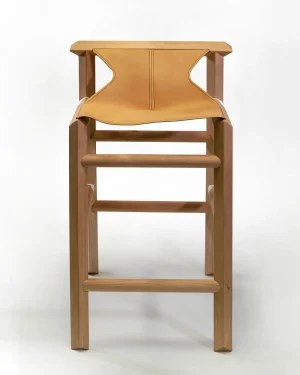
1903 – Cognac Leather And Wood Barstool
By espina corona
€890 -
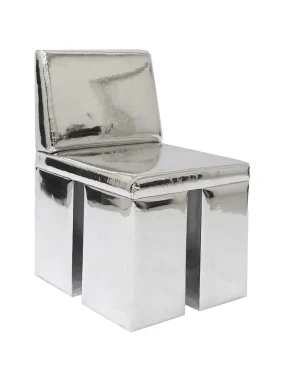
Object106 – Upholstered Chairs
By NG DESIGN
€585 - €1.115 This product has multiple variants. The options may be chosen on the product page -
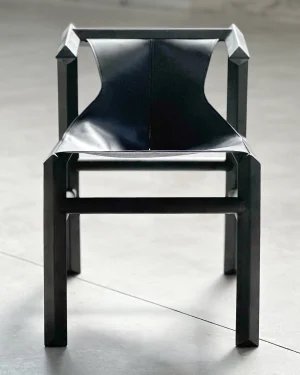
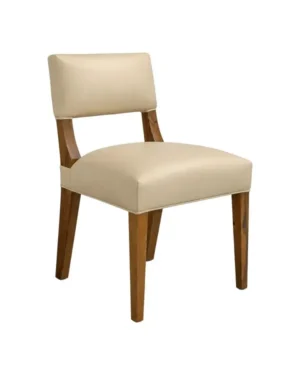
1901 – Black Leather And Wood Dining Chair
By espina corona
€890 -
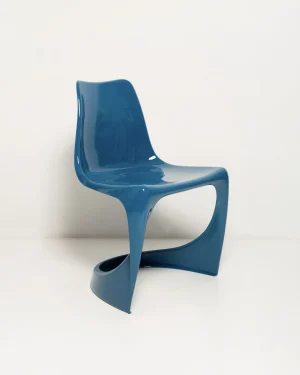 In stock
Sea Blue Cado Chair
By Vintola Studio
€900 -

Red Chair 1901
By espina corona
€890 -
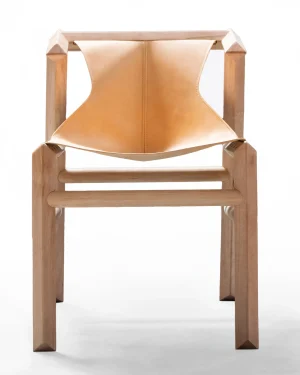
1901 – Cognac Leather And Wood Dining Chair
By espina corona
€890 -
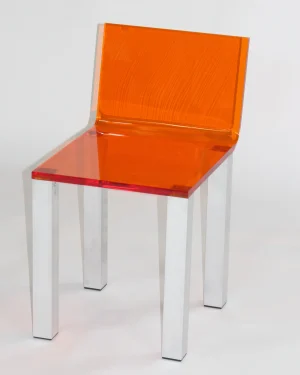 In stock
Acrilar – Acrylic Chair I
By Luiz Solano
€840 This product has multiple variants. The options may be chosen on the product page -
 In stock
56 Petecas Chair
By Cultivado em Casa
€3.590 -
 In stock
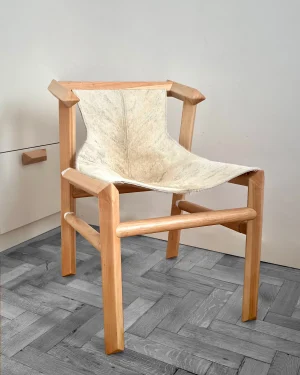
Hairy Leather Dining Chair
By espina corona
€990 -

1907 Wood And Felted Wool Lounge Chair
By espina corona
€1.050 -
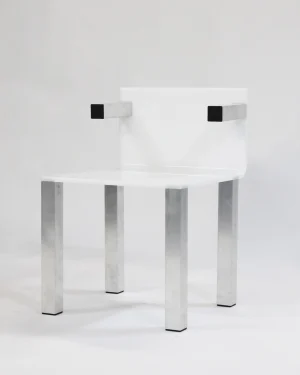
Acrilar – Acrylic Chair With Aluminum Armrest
By Luiz Solano
€1.250 -
 In stock
Samples Kit
By espina corona
€90 -
 Sold
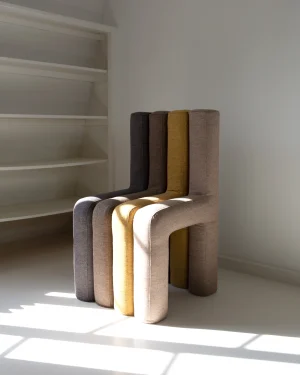
SoldMeta Chair – Upholstered Modular Chair
By Jaclyn Pappalardo
€2.340 -
 In stock
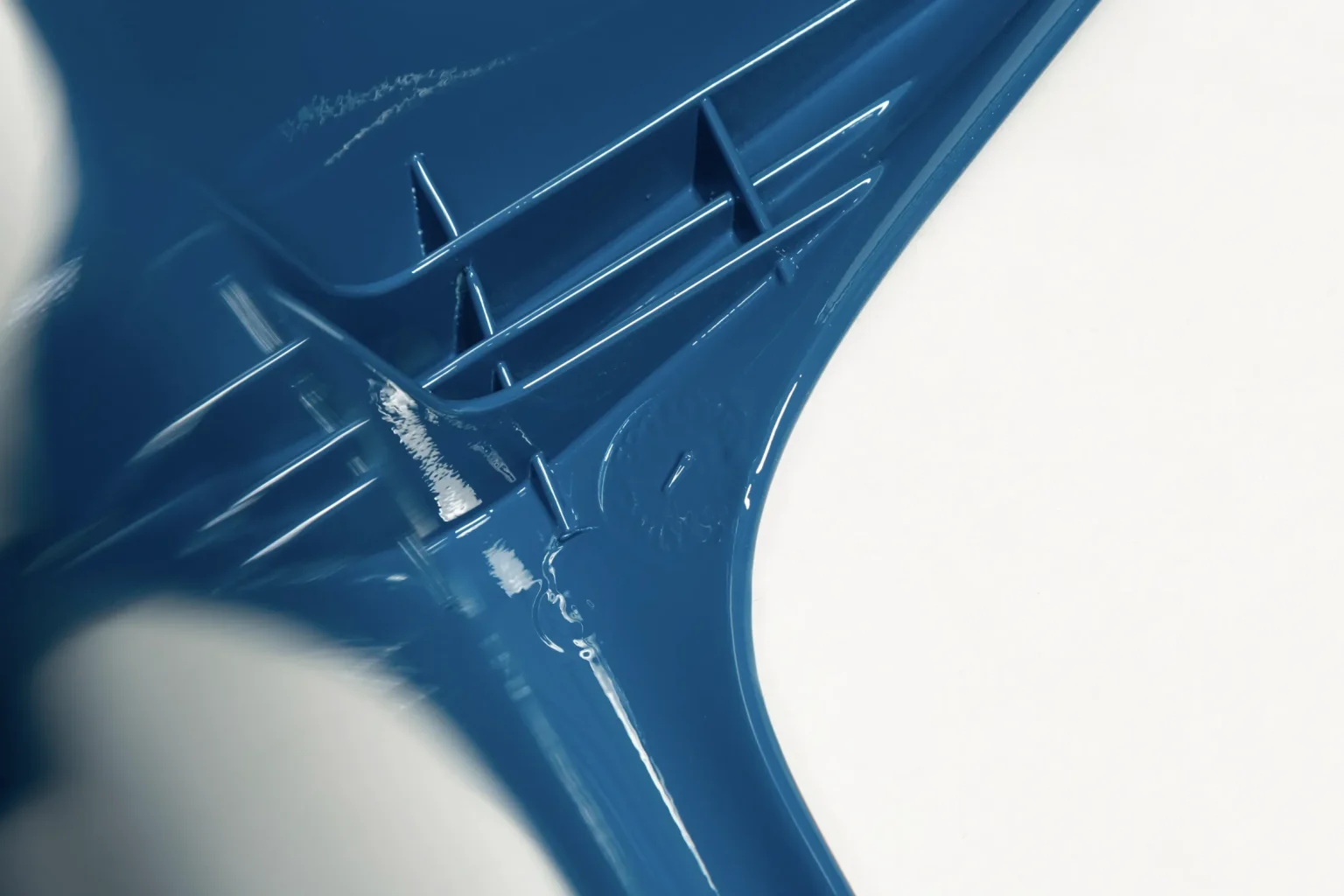
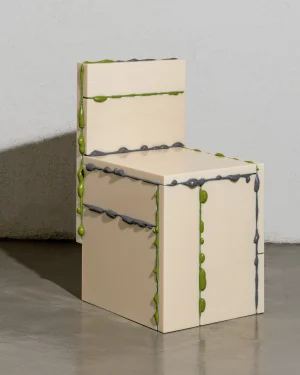
B. S. P Series – Recycled Plastic Chair
By Atelier SOHN
Price Upon Request -
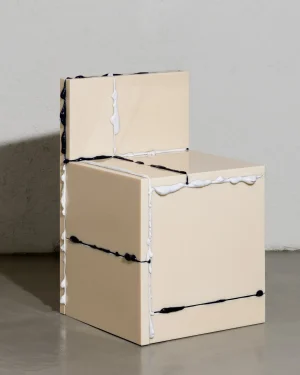 In stock
B. S. P Series – Recycled Plastic Chair
By Atelier SOHN
Price Upon Request
Plastic dining chairs take their shape and their character from the material itself: a single mass of PLA, acrylic or recycled plastic, pressed, injection-molded or 3D printed into a form that holds a seat, a back and four legs without a single joint. Studios working in this material favor it because it moves from liquid to solid in one continuous process, which lets them chase curves that wood or metal cannot hold. The result is a seat that reads as one gesture rather than an assembly of parts.
What defines plastic and polymer dining chairs
Plastic behaves differently from wood or metal at every stage. It can be poured into a mold and come out glossy, matte or translucent, and it can carry pigment all the way through so a scratch does not show a different color underneath. Recycled plastic brings a slightly mottled, marbled surface, a visible record of the material it once was, while virgin PLA and acrylic tend toward cleaner, more uniform fields of color.
Because the material is rigid yet slightly forgiving, a one-piece plastic seat can flex a little under weight without cracking, which is part of why these chairs have stayed in dining rooms for decades. Studios lean on this property to design backs that curve away from the spine or seats that taper without added padding.
The range of finishes, colors and techniques on ADORNO
Within plastic and polymer dining chairs, the variation sits mostly in color, finish and the base they are paired with. Expect to find white, black, beige and ivory alongside bolder runs in red, cognac, amber and reflective surfaces that catch light rather than absorb it. Legs and frames often introduce a second material: aluminum for a cooler, more industrial stance, or wood where a studio wants to soften an otherwise hard-edged seat.
- Techniques: 3D printing and digital fabrication for one-piece forms, hand-building for smaller runs, metalwork for the base
- Styles: brutalist and futuristic shapes that expose the molding process, alongside mid-century modern, coastal and contemporary profiles that read as quieter
- Editions: open editions produced to a steady specification, and unique pieces where a studio treats each cast as a one-off
Acrylic chairs in particular tend toward transparency or deep saturated color, which makes them read as lighter in a room even at full size. Polyester and recycled plastic, by contrast, usually come matte and opaque, closer in weight and presence to a painted wood chair.
How to choose a plastic dining chair
Start with the seat height relative to the table: a dining seat typically sits so the gap between seat and tabletop allows forearms to rest without hunching, and plastic shells rarely hide much hardware for adjustment, so measuring beforehand matters more than with upholstered seating. Scale matters next. A molded shell with a wide, flared back will occupy more visual space than its footprint suggests, which can crowd a small dining nook even if it fits physically.
Finish is the other variable worth weighing. Glossy surfaces reflect a room's light and show fingerprints more readily, while matte and recycled finishes hide daily wear and read as calmer against patterned floors or busy kitchens. If the chair will sit against a wood table, consider whether the plastic should contrast sharply or echo the table's own tone through a cognac or amber cast.
Where these chairs work best
Plastic dining chairs suit kitchens and dining rooms where spills and quick wipe-downs are routine, and they hold up equally well on the living room dining chairs side of an open-plan layout, where a set needs to look as considered from the sofa as it does from the table. Their light weight makes them easy to pull out, stack or move for extra seating, which suits smaller households and frequent entertaining alike.
Caring for plastic seating
Most plastic and polymer finishes ask for little beyond a damp cloth and a mild, non-abrasive cleaner; avoid solvents, which can dull gloss or cause fine cracking over time. Keep recycled plastic and acrylic pieces out of direct, prolonged sun, since UV exposure is the main cause of fading and brittleness in these materials. For a broader look at how the material performs across other kinds of furniture, the full range of plastic furniture and every plastic and polymer piece on ADORNO follow the same basic rules of care. For comparison, wooden dining chairs and metal dining chairs sit alongside the full set of dining chairs for anyone weighing plastic against other materials before settling on a set.
How do I choose a plastic dining chair?
Look at how the piece is made: molded Pla and recycled plastic hold a single curved shell well, while acrylic suits a lighter, translucent look. Match the finish to how often the chair will be wiped down or sat on daily.
How do you clean and care for plastic dining chairs?
Wipe with a damp cloth and mild soap, avoiding abrasive pads that dull the surface. Keep chairs out of direct, prolonged sun, since some polymers fade or grow brittle over time.
What is the standard height for a plastic dining chair?
Seat heights typically run between 17 and 19 inches, pairing with tables around 28 to 30 inches tall. Check the maker's listed dimensions, or chat with the maker on the piece's page to confirm fit.
Which rooms suit plastic dining chairs?
Their light weight and easy-clean surfaces suit kitchens, dining rooms and outdoor-adjacent spaces where chairs move often or face spills. Molded shells also read well in smaller rooms, since they sit low and visually light.
Are plastic dining chairs durable for everyday use?
Molded Pla and recycled plastic hold up to daily sitting and wiping, though they can scratch under sharp or abrasive contact. Acrylic stays rigid but shows scuffs more visibly than matte finishes.
How does shipping, returns and authenticity work when buying through ADORNO?
Shipping is insured and worldwide. Returns are accepted within 14 days, excluding made-to-order pieces, and every piece arrives with a certificate of authenticity alongside a lowest-price guarantee.