





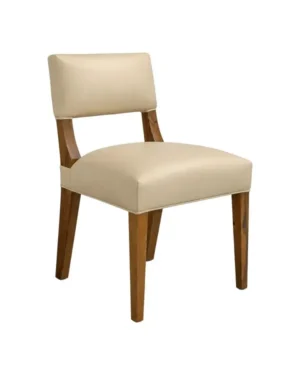




-
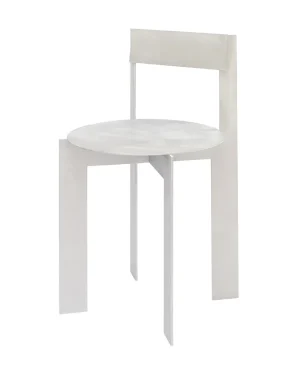
Object111 – Aluminum Chair
By NG DESIGN
€333 -

Dessert – Steel Chair
By SALAK Studio
€790 -
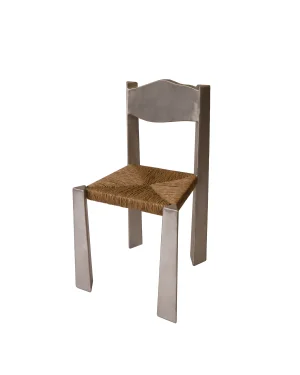
‘woven Chair’ – Aluminum & Paper Cord Chair
By Six Dots Design
€2.375 -
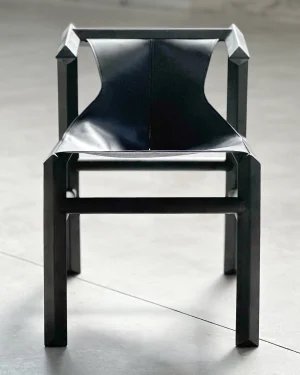
1901 – Black Leather And Wood Dining Chair
By espina corona
€890 -
 In stock
Pneumatic Chair 2
By Szostak Atelier
€5.990 This product has multiple variants. The options may be chosen on the product page -

Rounded Edges Aluminum Chair
By LESORR
€1.273 This product has multiple variants. The options may be chosen on the product page -
 In stock
Cowgirl Oxidized Steel Chair
By Toro Manifesto
€3.918 -
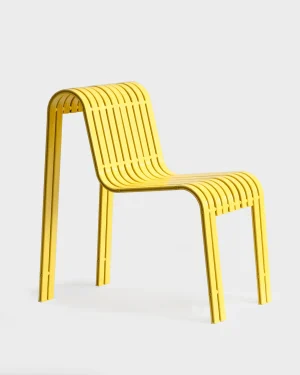
Slide Chair
By Studio Yann Gandon
€1.250 -
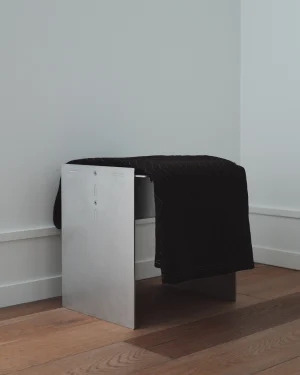
Flat Metals – Seat 01
By Estudio Material
€900 -
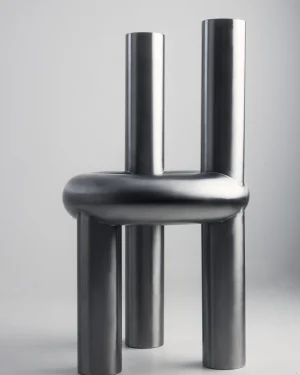
Chunk Chair – Stainless Steel
By Obscure Objects
€6.303 -
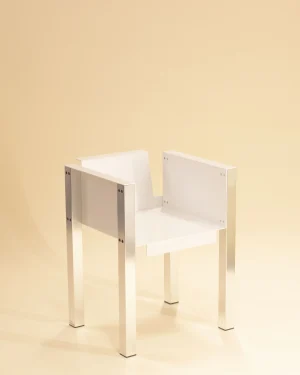
A2 – Aluminum Armchair
By Luiz Solano
€1.250 -

Dream Chair
By Six Dots Design
€1.500 -
 In stock
Alux Chair
By Spero Furniture
€530 -
 In stock
Avivé Chair – Maple
By Vital Lainé
€1.000 -
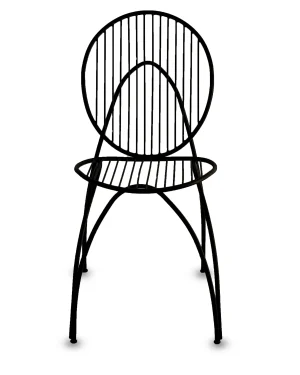
Petalo Dining Chair
By Pablo Sinan Design
€1.700 -
 Sold
SoldRest Chair
By Obscure Objects
€5.800 -
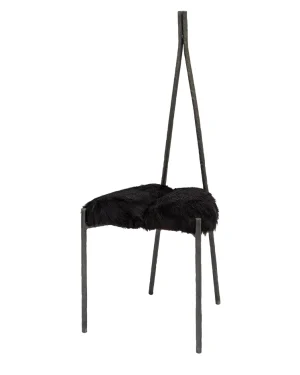
Object117 – Sculptural Chair
By NG DESIGN
Price Upon Request -
 In stock
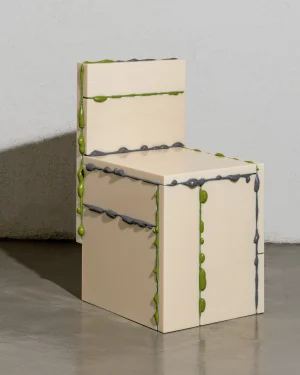
B. S. P Series – Recycled Plastic Chair
By Atelier SOHN
Price Upon Request -
 In stock
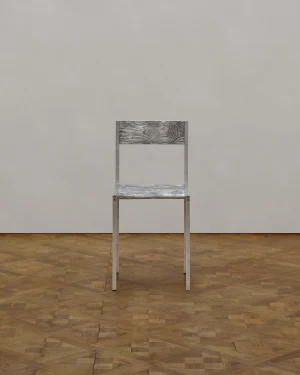
Aluminum Veneer Chair
By Bureau.parso
Price Upon Request -
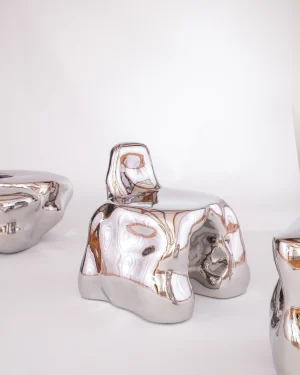
Surface Chair – Mirror Polished Stainless Steel
By studio NAWA
Price Upon Request -
 In stock
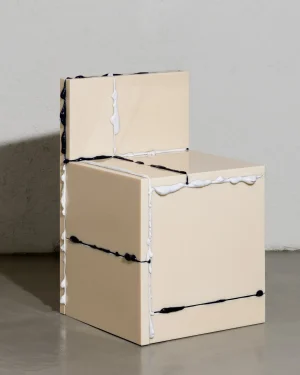
B. S. P Series – Recycled Plastic Chair
By Atelier SOHN
Price Upon Request
Neo-industrial dining chairs take their cue from the factory floor and the workshop, built from steel, aluminum and sometimes raw aluminum left visibly unfinished. Studios working in metalwork, welding, laser cutting and powder coating shape these seats with a bias toward exposed joints, visible seams and surfaces that read as worked rather than polished. Leather, where it appears, is usually saddle-stitched or riveted rather than upholstered smooth, keeping the hand-made logic of the frame intact.
What defines a neo-industrial dining chair
The style borrows its vocabulary from old machinery: flat steel plate, tubular frames, rivets and weld lines left as part of the design rather than ground away. Color sits mostly in the Black, Silver and Rust range, with raw metal often left to show its own patina rather than hidden under lacquer. Off-white or ivory leather seats sometimes soften the look, but the frame stays the dominant note.
Materials, finishes and editions found here
Across neo-industrial dining chairs, aluminum and steel lead, followed by stainless steel for pieces that need to resist kitchen humidity or coastal air. Powder coating gives a matte, chip-resistant surface in black or silver; patination is used where a studio wants the metal to look already aged. Metal casting appears on chairs with heavier, sculptural legs, while laser cutting lets makers perforate seat backs or cut pattern into flat steel. Editions range from open runs, repeated to a standard specification, to limited editions and unique pieces where a maker works a frame or a patina by hand and no two chairs finish quite the same.
How to choose a neo-industrial dining chair
Start with the table. A steel-framed chair with a thick seat pan can sit higher off the ground than a slim wooden chair, so check seat height against the table's clearance before committing to a set. Scale matters more than style here: a chair built from heavy gauge steel will visually anchor a small room, while a slimmer tubular frame keeps sightlines open around a long table built for more guests.
- Match the finish to the room's light: raw or patinated metal reads differently under daylight than under warm, low lighting.
- Pair a leather seat with a frame that shares its undertone, so the chair reads as one piece rather than two materials competing.
- Leave room between chairs for the arms or stretchers typical of welded frames, which take up more lateral space than molded plastic shells.
For context on proportions and finishes across the wider style, the neo-industrial furniture range shows how the same material language carries into tables, shelving and storage.
Where these chairs carry weight
Neo-industrial dining chairs suit rooms that already lean toward exposed brick, concrete or raw plaster, where a soft upholstered chair would look out of place. They hold their own in open-plan kitchens and dining areas, and work equally well pulled up to a console in a living room used for both eating and working. A set of metal dining chairs in this style also reads well alongside existing industrial lighting or shelving, rather than needing a full room rebuild to make sense.
Caring for metal and leather seating
Powder-coated steel and aluminum need little beyond a damp cloth; avoid abrasive cleaners that can dull the coating or expose bare metal underneath. Raw or patinated surfaces will continue to change with handling and humidity, which is part of the material's behavior rather than a fault. Leather seats benefit from an occasional wipe and should stay out of direct sun, which dries and cracks the surface over time. Small accents in the same material family, such as pieces from neo-industrial decor, tend to age at a similar rate, which keeps a dining setting visually consistent as the metal and leather both soften with use. For the full spread of seating in this material and style, the complete range of dining chairs on ADORNO sits alongside these pieces.
How do I choose a neo-industrial dining chair?
Look at the metal first, whether it is welded steel, aluminum or stainless steel, then check how the seat pairs with it, wood, leather or recycled material, to match weight and tone to your table.
How do I care for a steel or aluminum dining chair?
Wipe metal frames with a dry or barely damp cloth, keep them away from standing moisture to prevent rust, and avoid abrasive cleaners on powder-coated or patinated surfaces.
What is the standard height of a dining chair?
Most dining chairs sit between 17 and 19 inches from floor to seat, suited to tables around 28 to 30 inches high, allowing roughly 10 to 12 inches of clearance beneath the tabletop.
Which rooms suit neo-industrial dining chairs?
Their exposed metalwork and raw finishes anchor open-plan kitchens, lofts and dining rooms with concrete, brick or wood surfaces, and work well where furnishings mix old and new materials.
Can I order a custom neo-industrial dining chair?
Some makers offer made-to-order sizing, finish or upholstery options; chat with the maker on the piece's page to confirm what can be adjusted for a specific chair.
What are ADORNO's shipping and return policies?
Shipping is insured and worldwide. Returns are accepted within 14 days, excluding made-to-order pieces, each chair arrives with a certificate of authenticity, and ADORNO offers a lowest-price guarantee.