









-
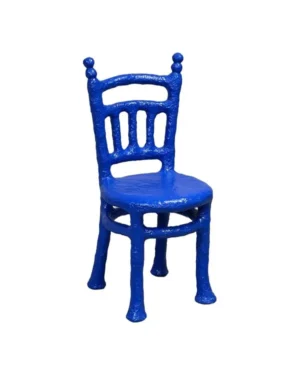
Amigo Dining Stool
By Fi
€1.200 -

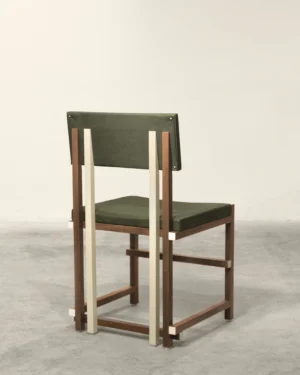
Ruva Chair
By AEXIO
€825 -
 In stock
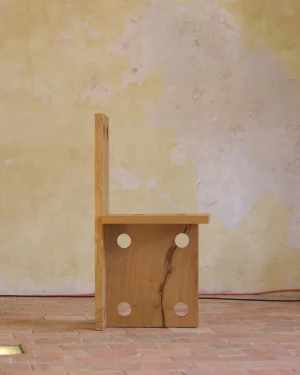
Sensitive Wood – Domino Chair
By Vital Lainé
€1.000 -
 In stock
Trestle Chair
By Vital Lainé
€1.000 -
 In stock
Church Chair – Dining Chair
By Kari Kadak
€5.000 -
 In stock
Gavrinis – Oak Wood Chair
By Vital Lainé
€1.000 -
 In stock
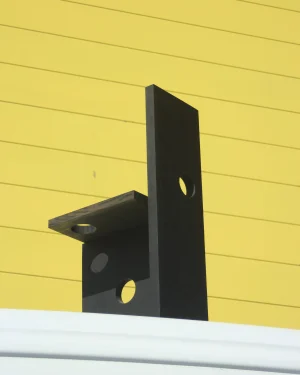
O Chair – Oak Dining Chair
By Vital Lainé
€800 -
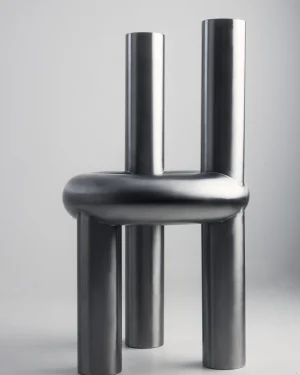
Chunk Chair – Stainless Steel
By Obscure Objects
€6.303 -
 In stock
Accueil Armchair
By Vital Lainé
€1.150 -
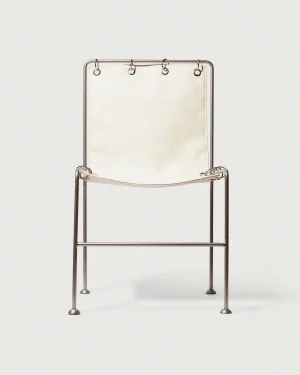
Institution Sculptural Chair, White Lamb Leather
By Panorammma Atelier
€1.990 -
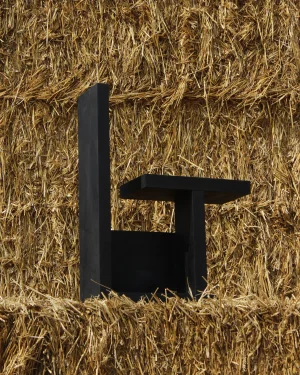 In stock
Mutation Chair – Maple
By Vital Lainé
€900 -
 In stock
Présence Chair – Oak / Brass
By Vital Lainé
€4.000 -
 In stock
Paroxysm Chair
By Vital Lainé
€1.500 -
 In stock
Avivé Chair – Maple
By Vital Lainé
€1.000 -
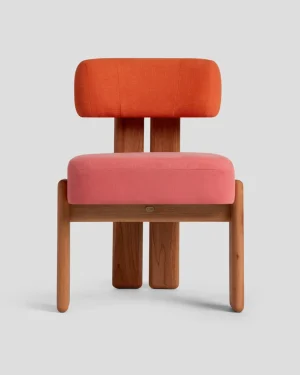
Anni Toronja De La Paz Dining Chair
By Comité de Proyectos
Price Upon Request -
Anni Toronja De La Paz Dining Chair
By Comité de Proyectos
Price Upon Request -
 Sold
SoldCocar Chair: Handmade In Brazill With Braided Tucumã Straw And Cabreúva Wood
By YANKATU
€4.100 -
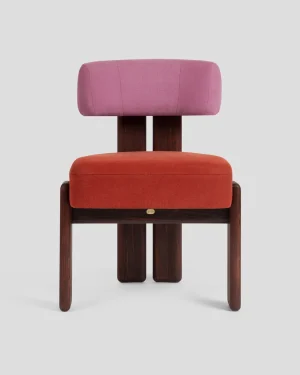
Anni Cocoa De La Paz Dining Chair
By Comité de Proyectos
Price Upon Request -

Surface Chair – Mirror Polished Stainless Steel
By studio NAWA
Price Upon Request -
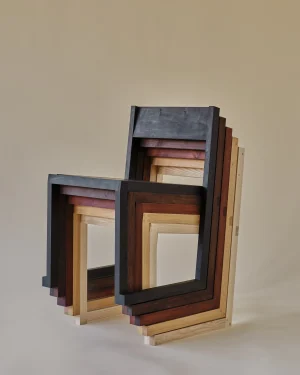 Sold
SoldStacking Chair
By Mock Studio
€1.200
Limited edition dining chairs are made in small runs, often numbered or produced only while a studio keeps the mold, the jig or the pattern in use. They come from oak, maple and mahogany worked by hand, from stainless steel and chrome formed through metalwork, and from leather and textile stretched over a seat pan by studios who treat the dining chair as a piece of design rather than a commodity. What defines them is not rarity alone but intention: a joint cut rather than stapled, a frame welded rather than bolted, a finish left to show the maker's hand.
What makes a dining chair a limited edition
A limited run usually means a studio has fixed the number of pieces, closed the edition once a batch sells out, or built each chair to order rather than for stock. The construction tends to follow: wood carved or joined by hand, steel welded and ground smooth, leather cut and stitched over a frame instead of molded in one piece. These are slower methods, and the chairs carry that pace in their weight and finish.
Materials and techniques found here
Oak and maple appear most often, left pale or darkened with oil, their grain still visible under the finish. Mahogany, heavier and redder, turns up in chairs built for formal rooms. Stainless steel and chrome bring a cold, reflective surface and read as more Bauhaus or neo-industrial than domestic. Leather seats and backs, worked through traditional leatherwork, soften a metal or wood frame and take on a patina with use.
- Wood and cabinetmaking, joinery, and wood carving for solid-frame chairs
- Metalwork for steel, chrome and mixed-metal frames
- Leatherwork and textilework for upholstered seats and backs
- Biofabrication and weaving, where studios work with newer or plant-based materials
Color ranges from black and beige through to red, orange, pink and violet, with some studios working in multicolor upholstery or mixed finishes. Style runs from brutalist and radical forms, blunt and geometric, through contemporary and eclectic work, to quieter minimalist and modern lines. None of this is fixed: studios open and close editions, so what is in stock changes while the underlying materials and techniques stay the same.
How to choose one
Start with the table. A seat height of about eighteen inches suits most dining tables, but a heavier arm or a high back can change how a chair reads around the table even at the same height. Measure the width at the widest point of the seat or arms and leave several inches between chairs so people can push back and stand without catching the next seat.
Finish matters as much as form. A dark oak or mahogany frame reads heavier and suits a room with other solid wood; a chrome or stainless frame throws light back and can lighten a small dining room. Leather or textile seats add warmth and sound absorption that bare wood or metal does not, which is worth weighing in a room with hard floors and few soft surfaces.
Where these chairs sit
Most limited edition dining chairs are bought for the dining room, placed around a table they are meant to be seen with rather than tucked away. The same chairs often move into a living room as occasional seating, paired at a console or set alone against a wall, since a chair built to be looked at does not need a table to make sense. Studios working across both rooms can be found among the dining room dining chairs and the living room dining chairs.
Care by material
Oak, maple and mahogany want a dry, stable room; wipe spills quickly and keep the wood away from direct heat, which dries and cracks a finish over time. Oil down the years with a wood-safe conditioner rather than wax over an existing patina. Steel and chrome need only a soft cloth and a mild cleaner, since abrasives dull a polished surface. Leather should be wiped, not soaked, and kept out of direct sun, which fades and stiffens it faster than regular use.
For the full range of dining seating, see all dining chairs, including pieces in wood and metal, or narrow by line to minimalist dining chairs. Limited editions extend beyond seating too, into the wider range of limited edition furniture on ADORNO.
How do I choose a limited edition dining chair?
Start with how the table and room are used day to day, then narrow by material and silhouette. Oak and maple suit daily wear, while chrome or leather read sharper for occasional dining.
What materials are limited edition dining chairs made from?
Common choices include oak, maple and mahogany wood, stainless steel, chrome and leather, often shaped through joinery, metalwork or leatherwork. Each material carries its own weight, grain and finish.
How do I care for a limited edition dining chair?
Wood chairs want a dry, stable room and occasional oiling to keep the grain from drying out. Metal frames need a wipe to prevent fingerprints and oxidation, and leather benefits from periodic conditioning.
What size and seat height should a dining chair have?
Most dining chairs sit between 17 and 19 inches at the seat, matching standard table heights of 28 to 30 inches. Exact dimensions vary by piece, so confirm with Chat with the maker on the piece's page.
Which rooms suit a limited edition dining chair?
They anchor dining rooms and open-plan kitchens, and work equally well pulled up to a desk or console in a living space. Their sculptural form holds its own outside a formal table setting.
How does buying a limited edition dining chair through ADORNO work?
Shipping is insured and worldwide, with a 14-day return policy excluding made-to-order pieces. Every order includes a certificate of authenticity and benefits from a lowest-price guarantee.