









-
 In stock
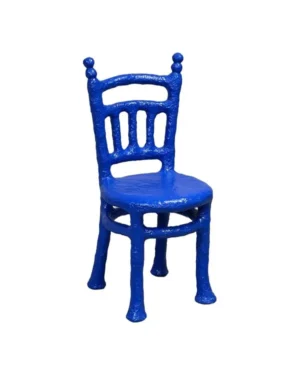
Splitted Dining Chair
By Teun Zwets
€1.765 This product has multiple variants. The options may be chosen on the product page -

Stoa Chair
By Studio Mohs
€1.322 -
 In stock
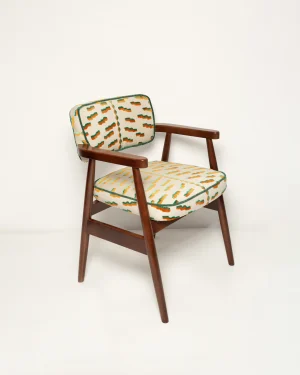
Classic Dining Chair
By Vintola Studio
€1.250 -
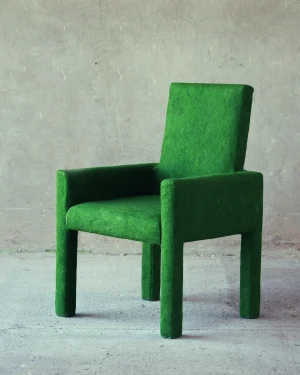
Sheep Chair
By Around the Studio
€2.400 -
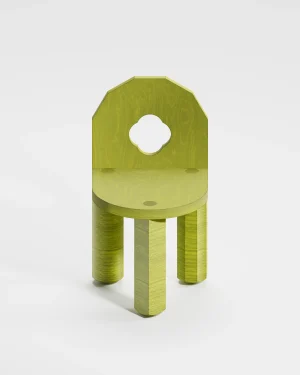
Bold Shkam Chair – Green
By SHAPE & SHADE
€333 -
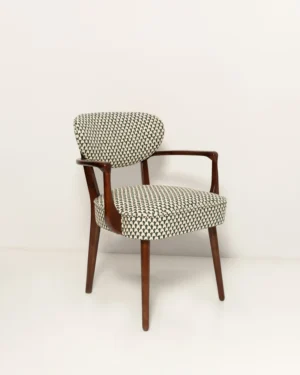 In stock
Vintola Studio Hug Chair In Jacquard Fabric
By Vintola Studio
€1.850 -
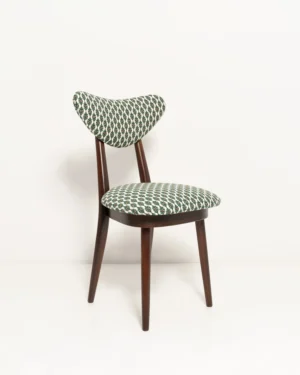 In stock
Mid Century Heart Chair, White And Green Art Deco Jacquard
By Vintola Studio
€900 -
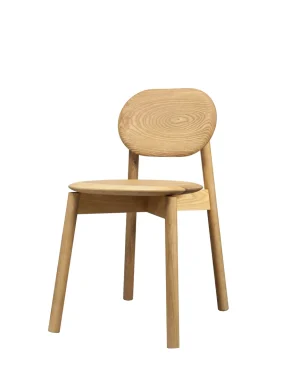 Sold
SoldRua Cha – Minimalist Ash Wood Chair
By Clementine Caurier
€360 This product has multiple variants. The options may be chosen on the product page -
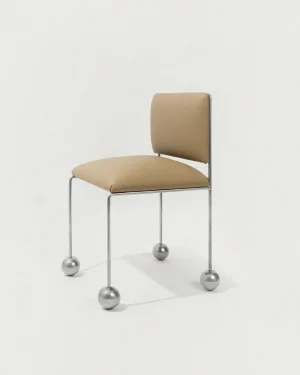
Ball Foot Sculptural Chair, Vegan Leather
By Panorammma Atelier
€2.100 This product has multiple variants. The options may be chosen on the product page -
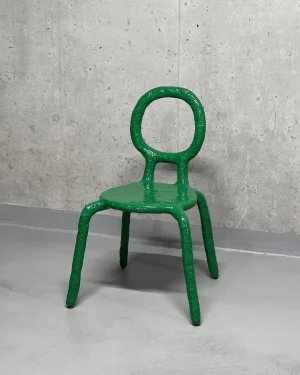 Sold
SoldFrog Chair Green Gloss
By David Čáp
€1.000 -
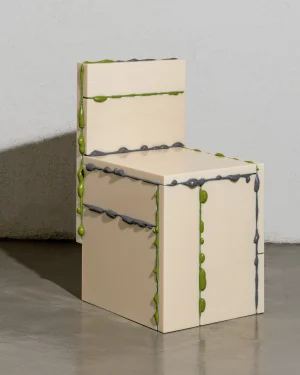 In stock
B. S. P Series – Recycled Plastic Chair
By Atelier SOHN
Price Upon Request
Green dining chairs gather seats finished in shades from sage to deep forest, made by studios working in wood, metal, textile and leather. The color comes from stained or painted wood, powder-coated steel, dyed cotton and wool upholstery, or leather and cactus leather dyed before cutting. Some studios turn to green because it reads as calm against a table, others because the pigment suits a plywood seat shell or a woven cane back.
What gives these chairs their color
Green behaves differently depending on what carries it. A stain lets the wood grain show through, so ash or oak keeps its figure under a thin wash of pigment. A lacquered or powder-coated frame holds a flatter, more even tone, which reads harder and suits a neo-industrial or futuristic table setting. Upholstered seats in wool, cotton or leather carry the deepest, most saturated greens, since the dye sits in the fiber rather than on a sealed surface.
Apple green and other bright tones tend to show up on molded or upholstered pieces, where the color is part of the material itself. Deeper, mossier greens are more common on wooden dining chairs, where a stain lets the chair read as furniture first and color second.
The range of materials and techniques
Across green dining chairs, a few ways of making recur. Wood and cabinetmaking produce solid frames, often in ash, with joinery that can be sanded and refinished over years. Metalwork gives slimmer, lighter frames in steel or aluminum, usually finished with a baked-on color rather than a stain.
- Upholstery, textilework and felting bring soft, enclosed seats in wool or cotton, sometimes with a visible stitch or seam as part of the design.
- Leatherwork and biofabrication cover seats in leather or cactus leather, a plant-based material that behaves like a stiffer, matte hide.
- Styles run from mid-century modern and eclectic to minimalist, contemporary and sustainable, depending on how the frame is shaped and finished.
- Most pieces are open editions, made to a standing design; a smaller number are unique pieces, where the color or finish was mixed or applied by hand and will not repeat exactly.
Choosing a green dining chair
Start with the frame material, since it sets how the chair will wear. A stained ash or oak chair ages slowly and can be refinished if the color dulls, while a painted or powder-coated metal chair holds its tone but can chip if knocked hard against a table edge. Upholstered seats in wool or cotton soften a room acoustically but need more regular care than a wiped-down wood or metal seat.
Scale matters as much as finish. Seat height should clear the underside of a dining table by around eleven to twelve inches so knees have room to move, and a chair with arms needs a few extra inches to slide under comfortably. For a long table, a lighter metal or molded frame avoids crowding the room, while a heavier wood chair can anchor a smaller table on its own.
Where these chairs sit well
Green dining chairs are made for the dining room first, where a set around one table lets the color carry the whole space without competing with artwork or rugs. A single chair, or a pair, can also work at a console or a small table in a living room, used for extra seating rather than every day. Paired with natural wood tables, green tends to read as grounded; against darker or black frames, it sits brighter and more graphic.
For a fuller sense of how these chairs sit among other finishes, the wider group of dining chairs on ADORNO spans wood, metal and upholstered frames in every color, while every green piece on ADORNO extends the same tone into lighting, decor and other furniture.
Caring for the material
Wood frames want an occasional wipe with a damp cloth and a yearly pass of wax or oil to keep the stain from drying out and flaking at the edges. Painted or powder-coated metal holds up to daily wiping but should be kept away from scraping chair legs across stone or tile floors, which can expose bare metal. Upholstered seats in wool, cotton or leather benefit from blotting spills immediately and keeping direct sun off the fabric, since strong light fades dyed fiber faster than it fades sealed wood or metal, a detail worth weighing alongside metal dining chairs if low maintenance matters more than softness underfoot.
How do I choose a green dining chair?
Consider the shade against your floor and table: deep greens like forest or bottle ground a room, while sage or apple green lighten it. Match the finish, wood, upholstery or lacquer, to how often the chair will be used.
What materials are green dining chairs made from?
Wood, often ash, takes a green lacquer or stain well and shows its grain through it. Cotton, wool, textile and leather upholstery hold color differently, with wool and leather deepening and wood lightening slightly with age.
How do I care for a green dining chair?
Wipe wood and lacquered surfaces with a dry or barely damp cloth, away from direct sun to avoid fading. Vacuum textile and wool upholstery regularly and treat leather with a light conditioner a few times a year.
What size and height should a dining chair be?
Most dining chairs sit between 17 and 19 inches at the seat, leaving 10 to 12 inches of clearance under a standard 28 to 30 inch table. Check seat depth and armrest height against your table before ordering.
Which rooms suit green dining chairs?
Green works in dining rooms and open kitchens, especially alongside wood tones, stone or brass, and in living rooms used for dining where it reads as a furnishing color rather than a seasonal accent.
What are ADORNO's shipping, returns and authenticity policies?
Shipping is insured and worldwide. Returns are accepted within 14 days, excluding made-to-order pieces, and every chair arrives with a certificate of authenticity alongside our lowest-price guarantee.