





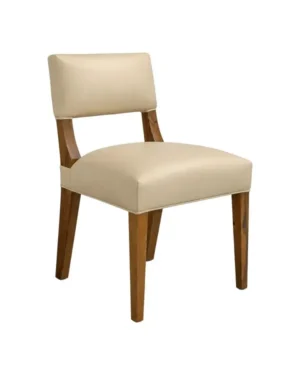




-
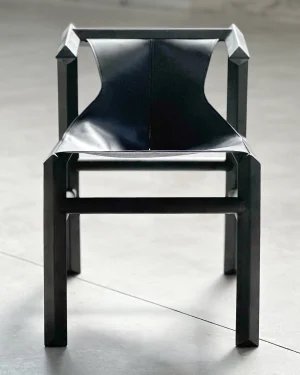
1901 – Black Leather And Wood Dining Chair
By espina corona
€890 -
 In stock
Boni Dining Chair
By Heaps & Woods
€2.750 - €2.937 This product has multiple variants. The options may be chosen on the product page -
 In stock
Luna Chair
By Arbore x Cezar Moldovan
€1.988 -
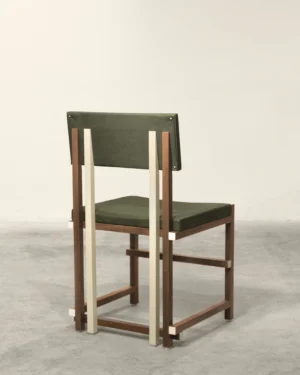
Amigo Dining Stool
By Fi
€1.200 -
 In stock
Pneumatic Chair 2
By Szostak Atelier
€5.990 This product has multiple variants. The options may be chosen on the product page -
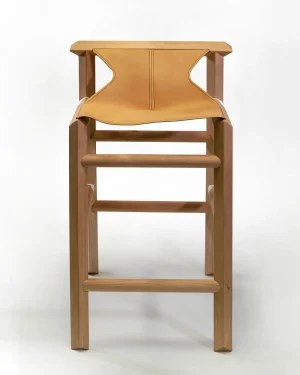
1903 – Cognac Leather And Wood Barstool
By espina corona
€890 -
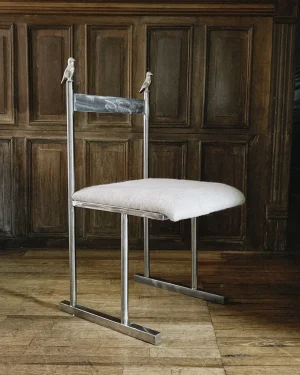
School Chair – Upcycled Materials
By Around the Studio
€1.500 -
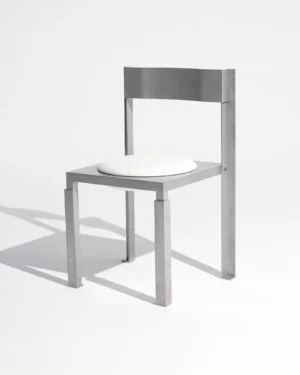
Strut Chair
By Yet Design Studio
€1.250 -
 In stock
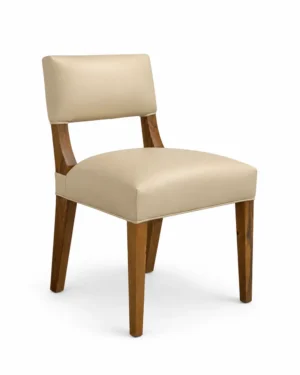
Bruno – Modern Dining Chair In Argentine Exotic Wood & Leather
By Costantini Design
€1.850 -
 In stock
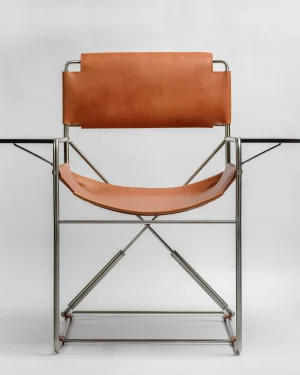
Pneumatic Chair – Unique Piece
By Szostak Atelier
€9.000 -
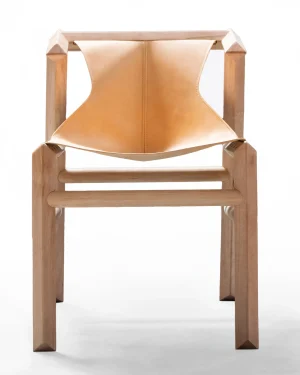
1901 – Cognac Leather And Wood Dining Chair
By espina corona
€890 -

Red Chair 1901
By espina corona
€890 -
 In stock
Cowgirl Oxidized Steel Chair
By Toro Manifesto
€3.918 -
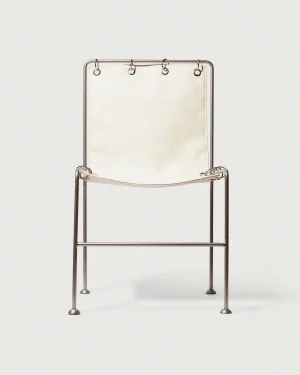
Institution Sculptural Chair, White Lamb Leather
By Panorammma Atelier
€1.990 -

Fly Chair
By Tiago Curioni
€1.920 -
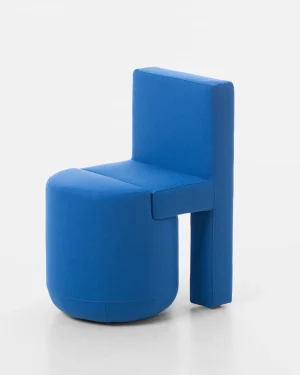 In stock
Fossil Dining Chair
By oitoproducts
€1.534 -
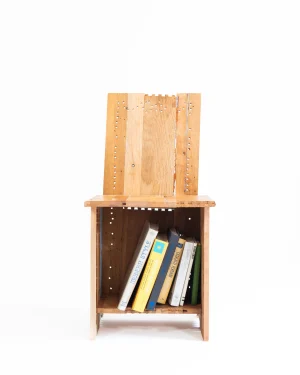
Chair 1 – Deconstructed Wood
By Yuxuan Huang Studio
€2.470 -
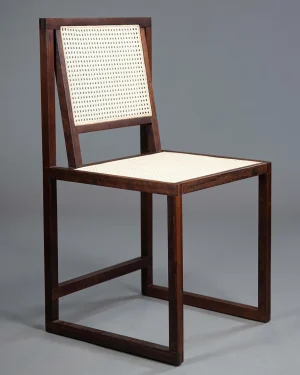
The Square Chair
By am.o atelier
€985 -
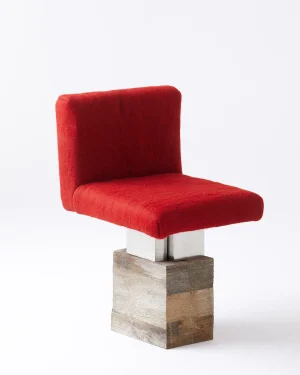
Tbilisi Street Chair – Upcycled Materials
By Around the Studio
€1.500 -
 In stock
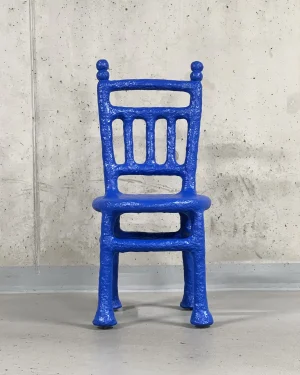
Chess Chair 2 Blue
By David Čáp
€1.000 -
 In stock
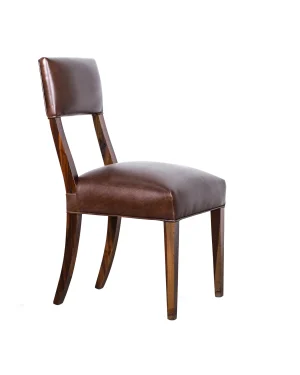
Luca – High Back Dining Chair In Exotic Wood And Leather Or Sheepskin
By Costantini Design
€1.550 - €1.780 This product has multiple variants. The options may be chosen on the product page -
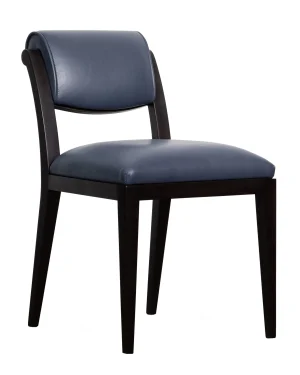 In stock
Gianni – Contemporary Art Deco Style Leather Dining Chair
By Costantini Design
€1.970 -
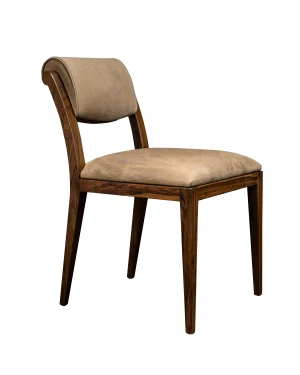
Gianni – Art Deco Dining Chair
By Costantini Design
€1.502 -
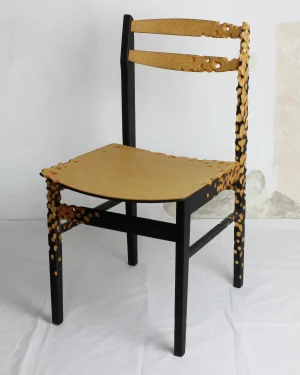
N1 Chair
By Gábor Góbi
€1.990 -
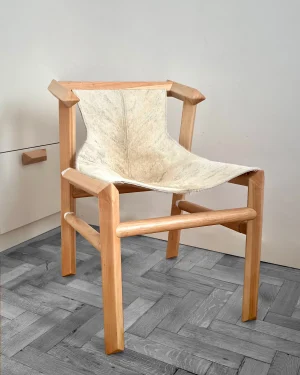 In stock
Hairy Leather Dining Chair
By espina corona
€990 -
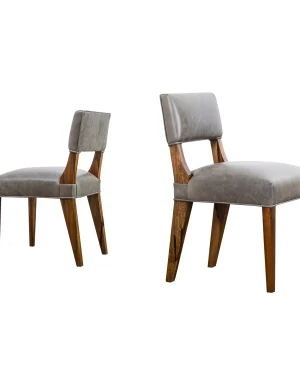 In stock
Bruno – Modern Dining Chair In Argentine Exotic Wood & Leather
By Costantini Design
€1.748 -

Random Chair – Upcycled Materials
By Around the Studio
€1.400 -
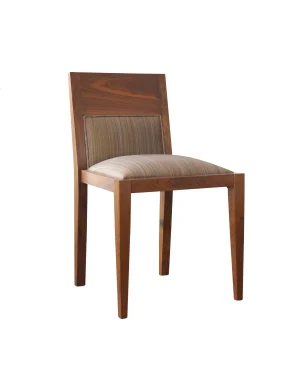
Palermo Hollywood – Contemporary Wood Dining Chair
By Costantini Design
€1.330 -
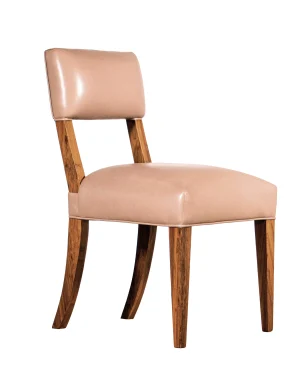
Neto – Transitional Wood Dining Chair
By Costantini Design
€1.331 -

Twisted Hand Carved Dining Chair
By Deya
€1.318 -
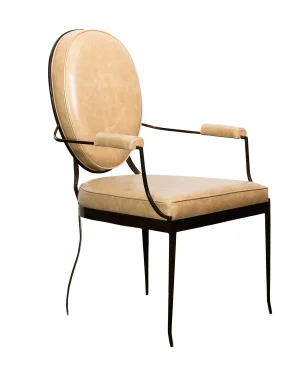
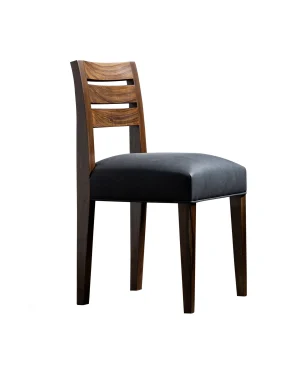
Hand Forged Metal And Leather Chair In The Of Style Andre Arbus By Costantini
By Costantini Design
€4.675 -
 In stock
Renzo – Contemporary Exotic Wood And Leather Side Chair
By Costantini Design
€1.456 -
 In stock
Samples Kit
By espina corona
€90 -
 In stock
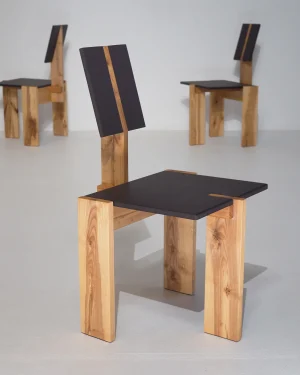
Knast – Ash Wood Dining Chair
By Benjamin Nordsmark
€700 -
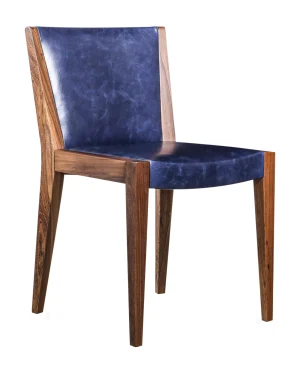
Giovanni – Wood And Wrapped Leather Dining Chair
By Costantini Design
€1.720 This product has multiple variants. The options may be chosen on the product page -
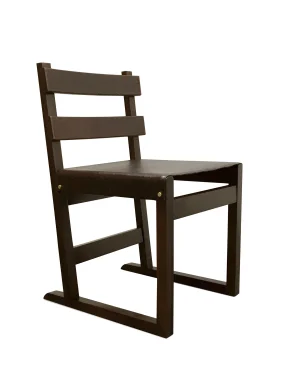
Piero Chair – Leather Slatted-back Chair
By Costantini Design
€1.416 -
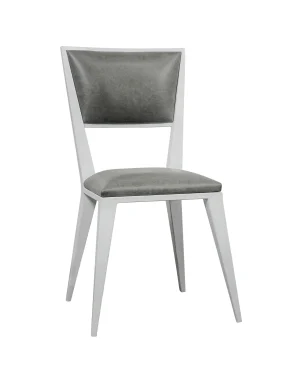
Rodelio Bianco Chair – Lacquered Metal And Leather Chair
By Costantini Design
€1.330 -

Twisted Hand Carved Dining Chair
By Deya
€1.562 -
 Sold
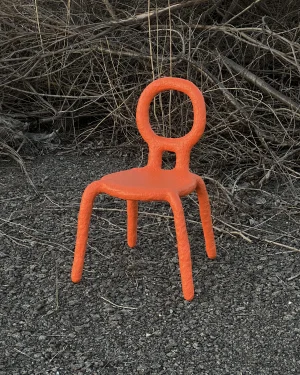
SoldFrog Chair – Orange Matte
By David Čáp
€1.000 -
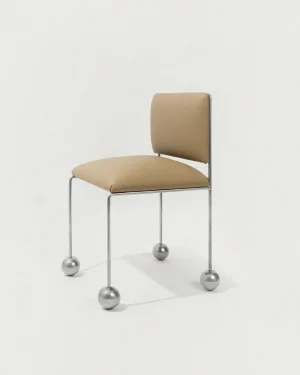
Ball Foot Sculptural Chair, Vegan Leather
By Panorammma Atelier
€2.100 This product has multiple variants. The options may be chosen on the product page -
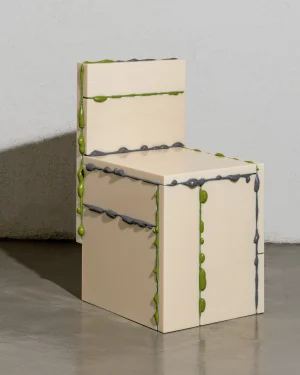 In stock
B. S. P Series – Recycled Plastic Chair
By Atelier SOHN
Price Upon Request -
 In stock
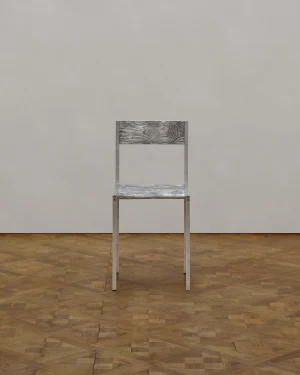
Aluminum Veneer Chair
By Bureau.parso
Price Upon Request
Biomaterial dining chairs are seats built from matter that was grown, pressed or recycled rather than mined or drilled from the ground: paper pulp, cactus leather, corn-based PLA, reclaimed wood and recovered textiles among them. Studios working in papier-mâché, 3D printing, leatherwork and wood and cabinetmaking turn these materials into seating that carries weight at the table while asking less of the planet to do it. The result ranges from molded, almost sculptural forms to frames that read close to conventional wood or leather chairs.
What defines a biomaterial dining chair
A biomaterial dining chair starts with a plant, a byproduct or a reclaimed source rather than a fresh-cut tree or a drum of petroleum resin. Paper pulp is soaked, pressed and dried into rigid shells. Cactus leather is tanned from cactus leaves and stitched over a frame the way cowhide would be. PLA, drawn from corn starch, is extruded layer by layer through 3D printing rather than molded in a single pour. Recycled material, reclaimed plastics, textile offcuts, reworked wood, gets a second life as seat shells, webbing or structural parts.
What unites them is behavior rather than appearance: these biomaterial dining chairs are lighter on extraction, often lighter in the hand, and they age by their own rules rather than conventional wood or leather rules. Some pieces sit as unique pieces or limited editions because the process resists exact repetition; others run as open editions once a studio has settled a stable method.
Materials, finishes and techniques found here
Alongside the biomaterials themselves, frames and finishes commonly worked in oak wood, steel and leather appear in support roles, a welded steel base under a paper pulp shell, an oak frame holding cactus leather upholstery.
- Paper pulp and papier-mâché, pressed and dried into seat shells
- Cactus leather and other plant leathers, cut and stitched by hand
- PLA and other bio-plastics, built through 3D printing
- Recycled material worked into structural or upholstered parts
- Oak wood and steel used in frames beneath or around the biomaterial
Finishes stay close to the source: unbleached pulp tones, natural leather browns and camel, or the slight grain variation that comes from recycled plastic batches. Colors run from beige, brown and camel through to black, blue and the occasional burgundy or baby blue upholstery detail.
How to choose a biomaterial dining chair for your table
Seat height matters more than style here: most dining chairs sit so the seat clears the underside of the table by roughly twenty-five to thirty centimeters, so measure before choosing a taller, more sculptural shell. Check the width across the widest point against the space between place settings, since molded biomaterial forms can flare wider than a slim wood frame. Scale against the table itself, a heavy oak table carries a substantial shell well, while a slender table calls for something lighter visually, whatever its actual weight.
Finish decides how the chair reads day to day. A raw, undyed pulp shell shows every mark of its pressing; a leather-covered or painted surface hides more. If chairs will be pulled in and out daily, a sealed or upholstered finish wears better than a completely untreated one.
Where these chairs sit well
Biomaterial dining chairs suit dining rooms and kitchen tables equally, and the lighter-weight shells move easily between a dining setup and extra seating in a living room when guests arrive. Their textures, matte pulp, grained leather, the fine ridges of 3D-printed plastic, read well against plain painted walls or alongside wooden dining chairs and oak tables, giving a room contrast without competing finishes.
Caring for biomaterial seats
Paper pulp and papier-mâché pieces prefer a dry room; wipe spills immediately and keep them off damp floors or near steam. Cactus leather and other plant leathers take the same care as animal leather, a damp cloth, no direct sun for long stretches, an occasional leather balm. PLA and other bio-plastics hold up to normal dusting but can soften near direct heat, so keep them clear of radiators and fireplaces. Recycled-material frames and shells generally take wear well; a damp cloth and mild soap handle most marks.
For the full range of dining seating in other materials, see all dining chairs, or compare against metal dining chairs for a harder-edged option. Every biomaterial piece on ADORNO, chairs included, sits within the wider biomaterials material group, alongside biomaterial seating more broadly and biomaterial chairs beyond the dining table.
How do I choose a biomaterial dining chair?
Look at what the material was grown or pressed from, cactus leather, paper pulp, PLA, recycled fiber, since each behaves differently. Match the finish and firmness to how often the chair will be used and cleaned.
What are biomaterial dining chairs made of?
Studios work with plant-based leathers, paper pulp, PLA and other recycled or renewable fibers in place of conventional leather or plastic. These materials are shaped, pressed or 3D printed into seats and shells.
How do you clean and care for a biomaterial chair?
Wipe with a dry or slightly damp cloth and keep away from direct heat and prolonged sun, which can dry or warp plant-based materials. Avoid soaking or harsh solvents, since biomaterials absorb moisture differently than leather or hardwood.
What size and seat height should a dining chair have?
Most dining chairs sit between 17 and 19 inches at the seat, matched to a table height around 28 to 30 inches. Leave roughly 10 to 12 inches of clearance between seat and tabletop for comfortable knee room.
Do biomaterial dining chairs suit every room?
They work well in dining rooms and kitchens, and their lighter environmental footprint suits sustainable or eclectic interiors. Check a chair's specific material for moisture or heat sensitivity before placing it near windows or stoves.
How does shipping, returns and authenticity work on ADORNO?
Shipping is insured and worldwide, with a 14-day return policy, excluding made-to-order pieces. Every piece comes with a certificate of authenticity, and ADORNO offers a lowest-price guarantee.