








-

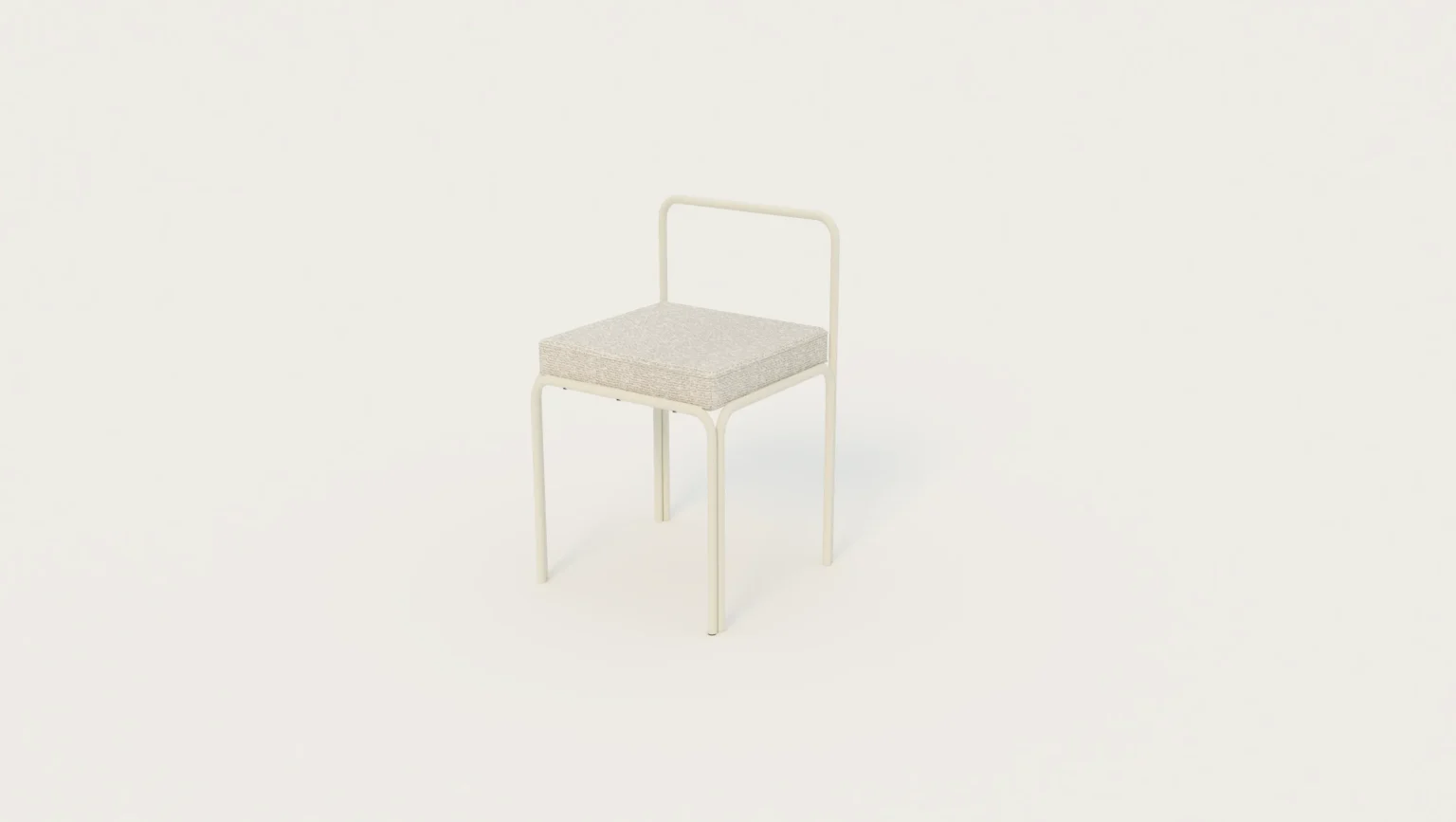
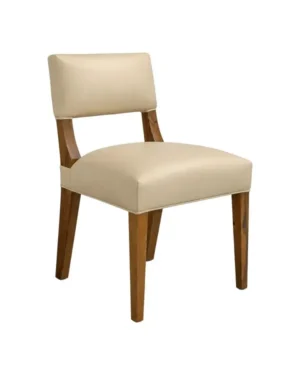
Dessert – Steel Chair
By SALAK Studio
€790 -
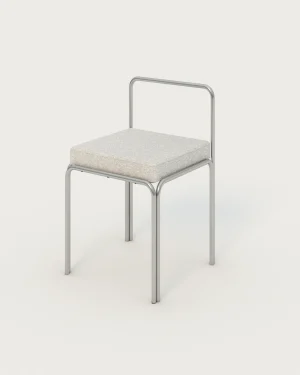
Sali – Upholstered Chair
By SALAK Studio
€620 This product has multiple variants. The options may be chosen on the product page -
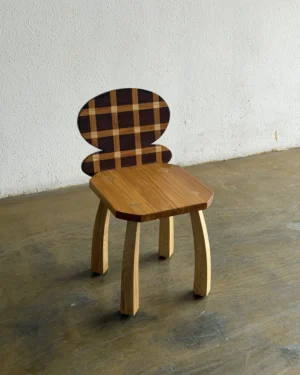
Bend Chair
By STUDIO KALLANG
€2.900 -
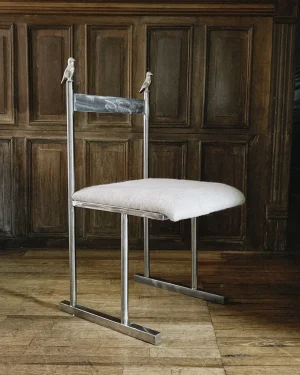
School Chair – Upcycled Materials
By Around the Studio
€1.500 -

Rounded Edges Aluminum Chair
By LESORR
€1.273 This product has multiple variants. The options may be chosen on the product page -
 In stock
Ohio – Iron Sculptural Chair
By Nama Home
€1.360 - €1.450 This product has multiple variants. The options may be chosen on the product page -

Chair 1 – Deconstructed Wood
By Yuxuan Huang Studio
€2.470 -
 In stock
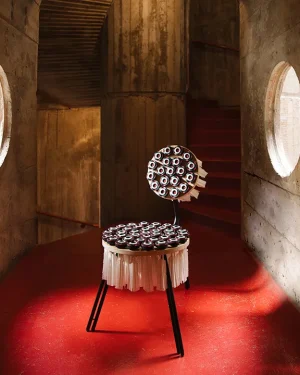
56 Petecas Chair
By Cultivado em Casa
€3.590 -
 In stock
O2 – Iron Chair
By Nama Home
€1.360 This product has multiple variants. The options may be chosen on the product page -
 In stock
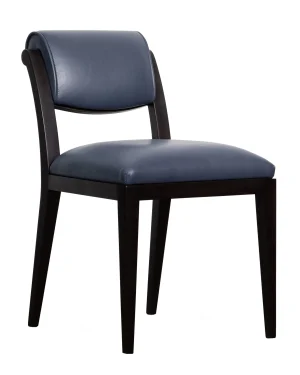
Gianni – Contemporary Art Deco Style Leather Dining Chair
By Costantini Design
€1.970 -
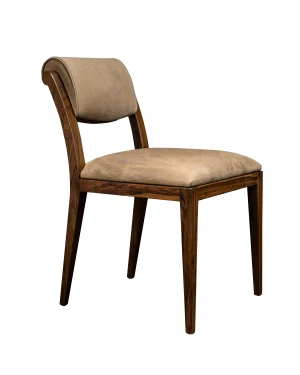
Gianni – Art Deco Dining Chair
By Costantini Design
€1.502 -
 In stock
O2 – Padded Iron Chair
By Nama Home
€1.450 This product has multiple variants. The options may be chosen on the product page -
 Sold
SoldLisa – Upholstered Iron Chair
By Nama Home
€1.450 This product has multiple variants. The options may be chosen on the product page -
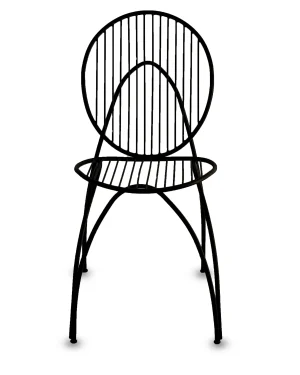
Petalo Dining Chair
By Pablo Sinan Design
€1.700 -
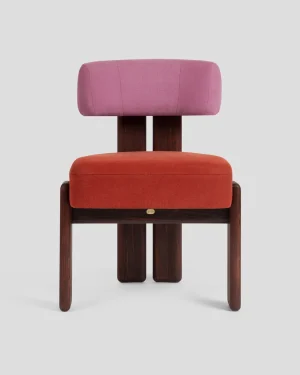
Anni Cocoa De La Paz Dining Chair
By Comité de Proyectos
Price Upon Request
Art deco dining chairs carry the geometry of the 1920s and 1930s into the dining room: stepped backs, sunburst motifs, and a sense of symmetry that favors straight lines over curves. Studios working in this style pair dense hardwoods or lacquered pine with metal accents in brass, chrome, or black-painted steel, often finishing the seat in leather or a woven textile. The result reads as formal and composed, built for a table that is meant to be looked at as much as used.
What defines the art deco style in a dining chair
The style began as a reaction to the ornament of earlier decades and the plainness that followed it, landing on a middle ground: pattern without clutter, decoration that follows a rule. Backrests are often fan-shaped or stepped, legs taper or flare at a single point, and hardware sits flush rather than proud. Where earlier dining chairs hid their joinery, art deco pieces frequently expose it as part of the design, a dovetail or a visible bolt doing double duty as ornament.
Materials and finishes found here
Wood remains the most common material, usually a dark-stained hardwood or a pine finished to resemble one, chosen because density holds a crisp edge and takes a high polish. Iron and steel appear next, bent or welded into frames that support upholstered seats, sometimes plated in chrome or finished in black or charcoal for contrast against a wood table. Leather upholstery is typical on the seat and sometimes the back, chosen for its ability to hold a tufted or channeled pattern; some studios use woven textile instead, in violet, gold, or deep brown tones that nod to the period's taste for saturated color.
Editions vary by maker. Some studios work in open runs from a standing pattern, repeating a design across a production cycle, while others limit a run to a fixed number of chairs or finish each one as a unique piece, with grain, stitching, or patina that will not repeat. None of this changes the chair's footprint at the table, only how it was made and how many left the workshop.
How to choose an art deco dining chair
Start with scale: art deco chairs tend to sit slightly higher in the back than contemporary designs, so measure the clearance under your table before committing to arms or a tall stepped crest. Seat height should match the table within the standard range, roughly seventeen to nineteen inches, with a few inches of knee clearance once the chair is pushed in.
- Finish: a dark walnut or stained pine chair will anchor a room with more weight than a pale wood or chrome frame, which reads lighter against a large table.
- Upholstery: leather wears in and darkens with use, while woven textile holds color longer but shows wear at the seams first.
- Placement: pair the chairs with a table that shares at least one material or finish, so the set reads as considered rather than assembled.
Anyone furnishing a full dining room can look across the broader dining chairs range to compare scale and finish before narrowing to style, or move directly into related art deco furniture to keep a room consistent in period and line.
Where these chairs suit the home
Art deco dining chairs belong most naturally in a dedicated dining room, where their formality has room to register, but a pair also works at the head of a kitchen table or along a console used for occasional seating. Those drawn to the wood-first versions of the style can compare options among wooden dining chairs, while anyone set on exposed frames and metal detailing should look through metal dining chairs for welded and chrome-finished alternatives.
Caring for wood, metal, and leather
Dark hardwoods and stained pine need only a dry cloth for dust and an occasional wipe with a wood-safe oil to keep the finish from drying out; keep them away from direct heat and standing water, which lift lacquer and raise grain. Chrome and polished steel should be wiped with a soft cloth rather than an abrasive one, since fine scratches dull the reflective finish these frames depend on. Leather seats benefit from a conditioner every year or two, applied sparingly, and from being kept out of direct sun, which dries and cracks the surface over time.
How do I choose an art deco dining chair?
Look for strong geometric lines, symmetry and rich materials like dark wood, polished metal or leather. Match the scale and finish to your table, since art deco pieces favor bold contrast over blending in.
What materials are art deco dining chairs made from?
Common choices include wood with high-gloss or lacquered finishes, iron and steel frames, and upholstery in leather or velvet-like textiles. Many combine two materials to create the contrast the style is known for.
How do I care for an art deco dining chair?
Dust wood and metal frames regularly and avoid direct sunlight, which fades lacquer and dries leather. Wipe spills quickly and condition leather upholstery a few times a year to keep it supple.
What size and seat height should a dining chair be?
Most dining chairs sit between 17 and 19 inches at the seat, fitting standard tables around 28 to 30 inches high. Leave 10 to 12 inches of clearance between seat and tabletop for comfortable legroom.
Which rooms suit art deco dining chairs?
They anchor formal dining rooms well but also work in open-plan spaces where the table doubles as a statement piece. Pair with warm lighting and solid color walls to let the geometry stand out.
What is ADORNO's shipping and return policy?
Shipping is insured and worldwide. Returns are accepted within 14 days, except for made-to-order pieces, and every chair arrives with a certificate of authenticity.