
-
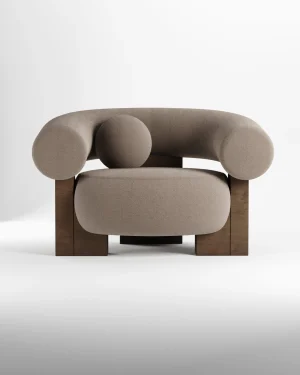
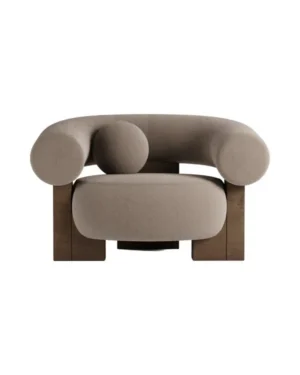
Cassette – Upholstered Lounge Chair
By Alter Ego Studio
€5.860 -

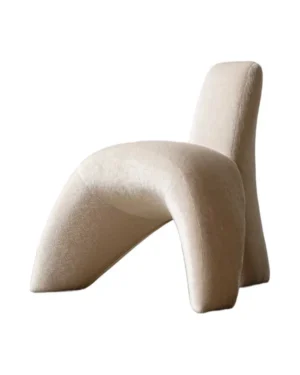
Twisted – Velvet Armchair
By Deya
€4.302 -
 In stock
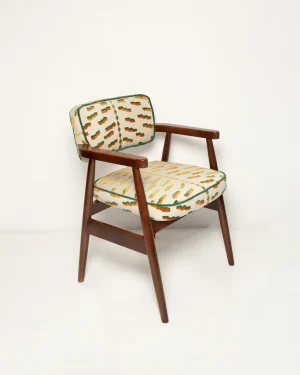
Classic Dining Chair
By Vintola Studio
€1.250 -
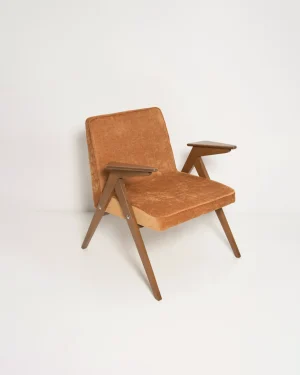
1960s Upholstered Armchair
By Vintola Studio
€1.300 -

Xb-70 V Armchair
By Mantas Lesauskas
€2.400 -
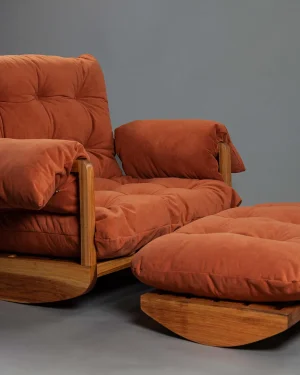
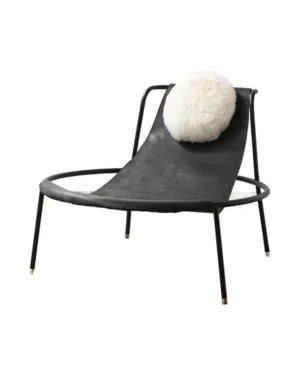
The Laziness Armchair
By am.o atelier
€3.130 -

High Heels – Oak Wood And Fabric Armchair
By Deya
€5.180 -
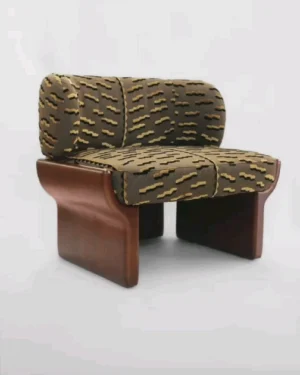
Lucky Armchair Tiger Mountain
By Alter Ego Studio
€5.220 -

Icpalli
By Kresta Studio
€1.930 -

Bend – Upholstered Armchair
By Alter Ego Studio
€4.880 -

Jell – Asymmetric Armchair
By Alter Ego Studio
€7.220 -
5% off

Armchair Tobo
By Alter Ego Studio
€4.220€4.010 This product has multiple variants. The options may be chosen on the product page -
Lucky Armchair
By Alter Ego Studio
€5.220 This product has multiple variants. The options may be chosen on the product page -
 In stock
Kafka Sofa
By Arbore x Cezar Moldovan
€16.200 -
 In stock
Pierre – Sucupira Armchair
By Tiago Curioni
€4.200 -
 In stock
Kafka Lounge Chair
By Arbore x Cezar Moldovan
€6.780 -

Voron Chair
By ZEMNA
€7.400 -
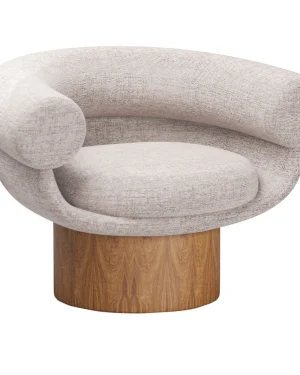
Bowl Armchair
By Alter Ego Studio
€5.500 - €5.550 This product has multiple variants. The options may be chosen on the product page -
 In stock
Boni Lounge
By Heaps & Woods
€2.750 - €2.938 This product has multiple variants. The options may be chosen on the product page -

Red Chair 1901
By espina corona
€890 -
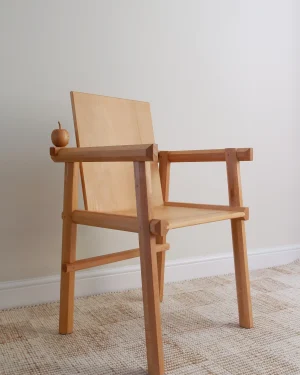
Apple Chair – Beech Wood Arm Chair
By Josh Page Studio
€1.710 -
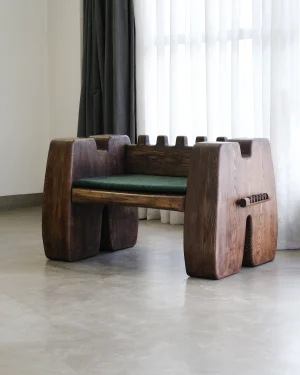
Takhat Armchair
By Shivangi Vasudeva
€5.000 -

Trono – Brazilian Wood Armchair
By Estúdio Ramiros
€4.150 -
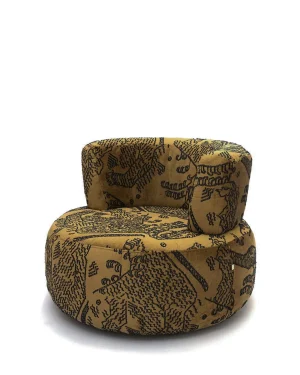
Object051 – Dedar Fabric Armchair
By NG DESIGN
€2.095 -

Mochi Armchair
By Joana Teixeira
€5.250 -
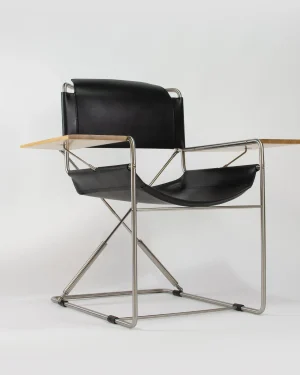 In stock
Pneumatic Chair 2
By Szostak Atelier
€5.990 This product has multiple variants. The options may be chosen on the product page -
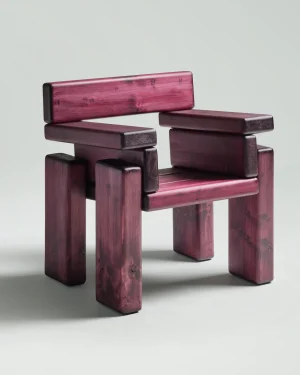
Timber – Pine Armchair
By Studio Onno Adriaanse
€3.224 -
 In stock
Danik’s Felt Armchair & Ottoman Set
By Danik Uderbekov
€3.200 -
 In stock
Cleave Arm Chair
By Tectona Grandis Furniture
€1.270 -
 In stock
Bells And Whistles Armchair
By Toro Manifesto
€7.975 -
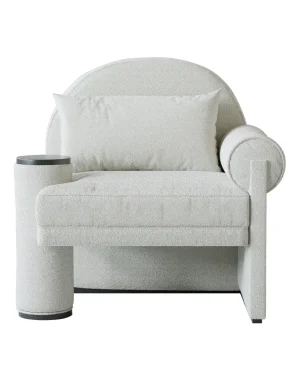
Moon Armchair & Coffee Table
By hermhaus
€3.030 This product has multiple variants. The options may be chosen on the product page -
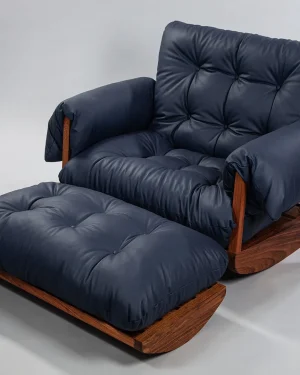
The Laziness Armchair In Leather
By am.o atelier
€3.728 -

Pulse Armchair Collection Du Mobilier National Francais
By MERCOEUR EDITION
€11.662 -

Re-36 Armchair
By AREES
€4.700 -
 In stock
Sanctuary – Wood Cocoon Lounge Chair
By Laluz Handcraft
€6.372 -
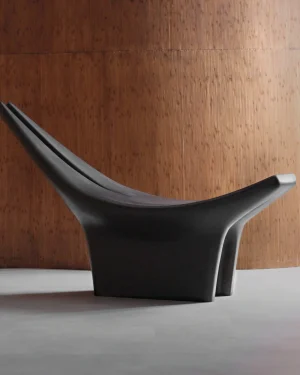
Dym Lounge Chair
By ZEMNA
€7.500 -
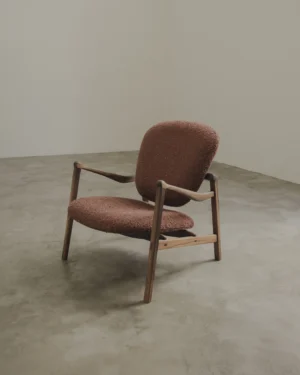
Serena Armchair
By PROSA
€3.300 -
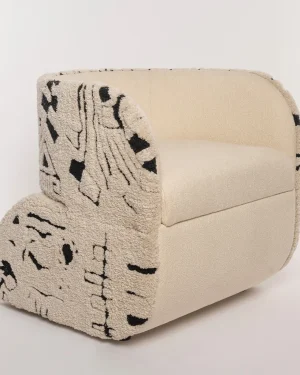
Horn – Hand Woven Armchair
By hermhaus
€4.850 -
 In stock
Stringer – Cork Bench
By raawii
€1.040 -
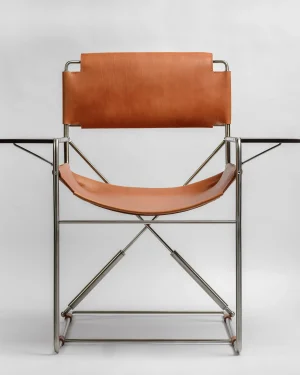 In stock
Pneumatic Chair – Unique Piece
By Szostak Atelier
€9.000 -
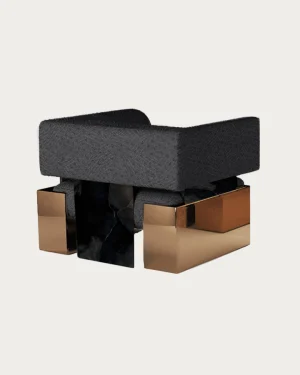
Case Armchair – Small
By Alter Ego Studio
€6.300 -

Elephant Armchair
By Szymon Keller
€5.000 -

Fos Leonor Bamboo Chair
By Daniel Orozco Estudio
€2.306 -
 In stock
Fartura – Tauari Wood Armchair
By Tiago Curioni
€3.900 This product has multiple variants. The options may be chosen on the product page -

Serena – Glass & Wood Armchair
By PROSA
€6.000 -
 In stock
Bruno – Modern Arm Chair In Argentine Exotic Wood And Leather
By Costantini Design
€1.870 -

And Armchair
By hermhaus
€2.379 This product has multiple variants. The options may be chosen on the product page -
 In stock
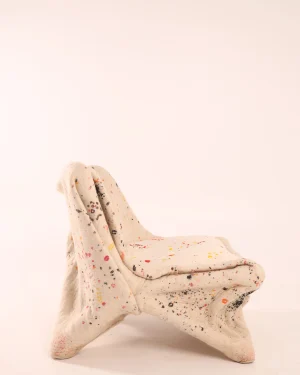
10 Nodes Felt Armchair – Danik Wool
By Danik Uderbekov
€3.000 -
 In stock
Gfm 142 Armchair by Edmund Homa
By Vintola Studio
€1.800 -

Chunky Armchair Dark Turquoise
By David Čáp
€1.500 -

Rolle Armchair
By hakankemal studio
€1.650 -
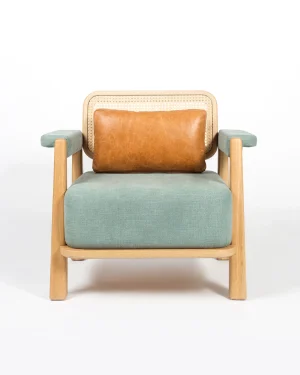
Toledo Armchair
By Comité de Proyectos
€3.000 - €3.600 This product has multiple variants. The options may be chosen on the product page -
 In stock
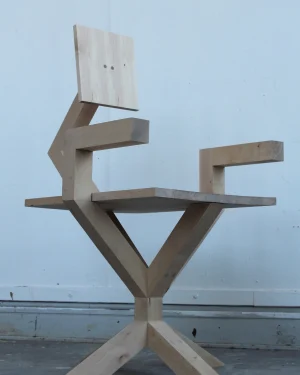
Björn Office Chair
By Olle Sahlqvist
€6.000 -

Voron Bench
By ZEMNA
€6.540
Wooden armchairs take their shape and their weight from the species beneath the finish, oak, walnut, and other hardwoods worked by studios that pair traditional joinery with upholstery, leatherwork or wood carving. What unites them is the frame: a solid or veneered wood structure that carries the sitter's weight, often finished to show the grain rather than hide it. Some arrive padded in cotton or leather, others left bare, the wood itself doing the work of comfort through curve and angle.
What defines wooden armchairs
A wooden armchair reads differently from an upholstered one because the material sets the terms. Oak runs pale and open-grained, walnut darker and tighter, and both harden and settle with age rather than losing shape the way foam can. The arms, legs and back are usually joined rather than bolted, which is part of why these pieces tend to outlast the room they first sit in.
The range of woods, finishes and ways of making
Within wood as a material on ADORNO, studios draw on oak and walnut most often, sometimes finished in amber or brown tones that deepen with light exposure, sometimes left closer to raw. Techniques vary from cabinetmaking and joinery, where parts are cut and fitted dry, to wood carving, where a seat or arm is shaped from a single block. Some frames are paired with textile or leather upholstery for the seat pad; others stay entirely wood, relying on contour for comfort.
Editions vary by studio. Some wooden armchairs come from open editions, made in ongoing runs; others are limited editions or unique pieces, where the wood carving or joinery is done by hand in small numbers. Style ranges across mid-century modern proportions, Bauhaus restraint, Art Deco curves and more contemporary, neo-industrial pairings of wood with metal.
How to choose a wooden armchair
Scale matters more with wood than with upholstered seating, since the frame is visible and the proportions read clearly in a room. A few points worth checking before choosing one:
- Seat height and depth relative to the other seating nearby, so the chair sits at a comparable level.
- Arm height, which decides whether the chair reads low and lounging or upright and formal.
- Finish and tone, oil versus lacquer, pale oak versus darker walnut, against existing floors and other wood in the room.
- Whether the frame is left bare or padded, which changes both comfort and the amount of wood visible.
A chair bought for a reading corner can sit lower and deeper than one meant for a dining table or desk, where an upright back and firmer seat carry the sitter through longer stretches.
Where wooden armchairs sit in a room
Living rooms are the most common setting, where a wooden armchair anchors a seating group or stands alone near a window. The same frame works in a bedroom corner, a study, or an entryway, anywhere a single seat needs to hold its own without a sofa alongside it. Wood's warmth also makes it a natural match for other wood pieces in a space, from wooden tables to wooden shelving, where grain and tone can run through a room rather than stopping at one piece.
Caring for wood over time
Solid wood frames respond to humidity and direct sun, so keeping an armchair away from radiators and south-facing glass helps the joints stay tight and the finish stay even. A light wax or oil, reapplied occasionally, keeps oak and walnut from drying out at the surface. Spills on an unpadded wood seat wipe away easily; on upholstered versions, the textile or leather should be treated according to its own care rather than the wood's.
For the full range of seating in this material, the wooden seating and wooden chairs groups sit alongside these armchairs, and the broader armchairs category covers the same shapes in other materials, for anyone weighing wood against textile or leather before settling on a frame.
How do I choose a wooden armchair?
Consider the wood species, the joinery, and how the frame meets the upholstery, since these determine both the look and how the chair holds up over years of use.
How do you care for a wooden armchair?
Keep wood away from direct heat and damp, dust with a dry cloth, and wipe spills quickly. Oak and walnut darken slightly with age and light exposure, which is normal.
What size armchair fits a living room?
Standard armchairs sit with a seat height around 17 to 19 inches and an overall width of about 28 to 34 inches, enough to anchor a corner without crowding a walkway.
Which rooms suit a wooden armchair?
Living rooms, studies, and bedrooms all take a wooden armchair well, anywhere a single seat needs to carry visual weight or create a reading spot.
Does ADORNO ship wooden armchairs internationally?
Yes, shipping is insured and worldwide.
Can I return a wooden armchair bought on ADORNO?
Most pieces can be returned within 14 days of delivery, though made-to-order pieces are excluded. Each armchair ships with a certificate of authenticity.