







-
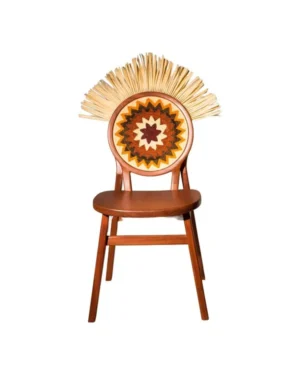
Contemporary Vanity Chair V2
By Six Dots Design
€920 -
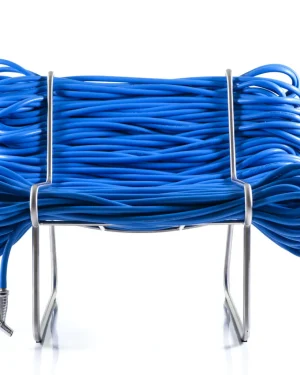
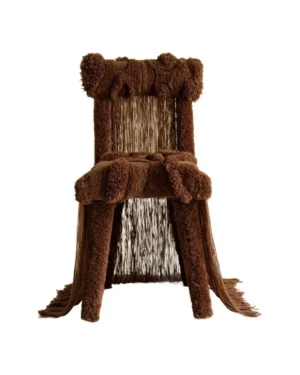
Super Jardim Armchair
By Cultivado em Casa
€4.549 This product has multiple variants. The options may be chosen on the product page -
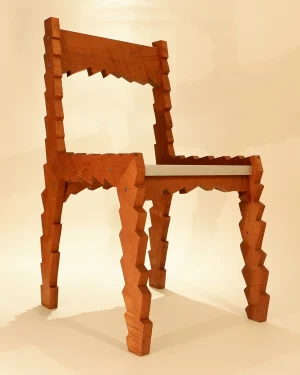
Shocking Chair – Stained Oak Wood Dining Chair
By Josh Page Studio
€940 -
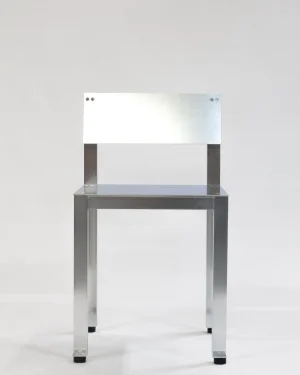
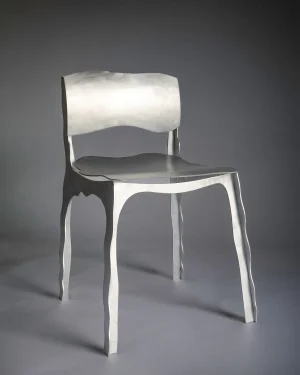
Canto – Aluminum Dining Chair
By Luiz Solano
€840 -
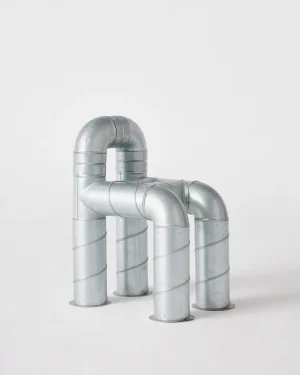
O.F.I.S Series, Steel Chair
By Lucas Muñoz Muñoz
€1.200 -
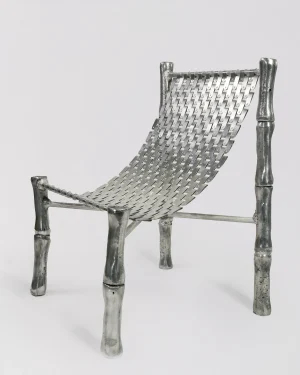
Bone Chair – Aluminum Lounge Chair
By BY JAMPS
€4.000 -

Harakiri – Aluminum And Damascus Steel Chair
By ORFEO STUDIO
€4.918 -

Sitting Bull – Stainless Steel Accent Chair
By ORFEO STUDIO
€5.800 - €6.200 This product has multiple variants. The options may be chosen on the product page -

Dumb Chair
By Jumbo
€12.400 -
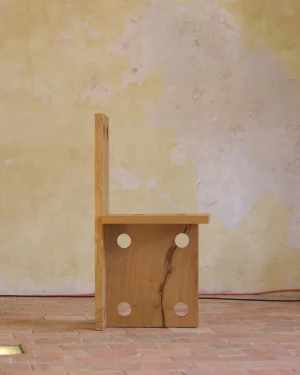
Sensitive Wood – Domino Chair
By Vital Lainé
€1.000 -

Invisible Chair No. 1 – Steel Wall Chair
By lee hyokk
€2.070 -
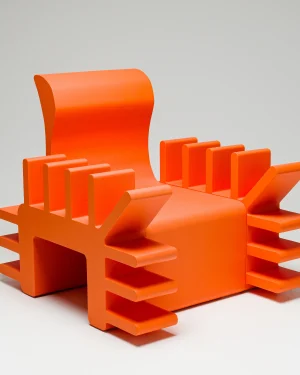
Book Monster
By JLF Design Studio
€10.000 -
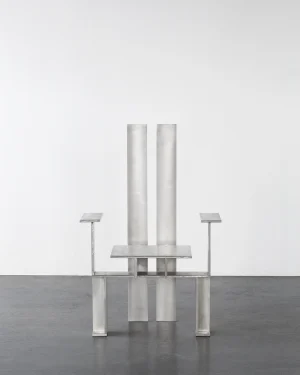
Relatively Comfy Armchair
By Thomas Gayet
€2.900 -

Rounded Edges Aluminum Chair
By LESORR
€1.273 This product has multiple variants. The options may be chosen on the product page -

Charcoal-drawn Papier-mâché Chair
By David Čáp
€1.000 -
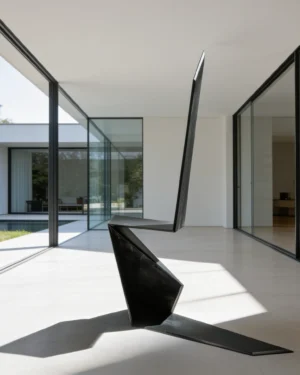
Dark Side – Aluminum Chair
By ORFEO STUDIO
€5.082 -
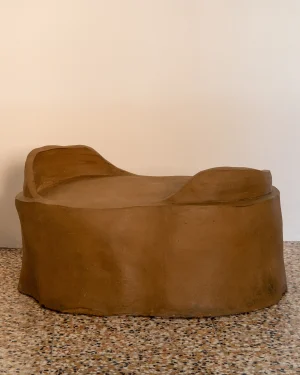
Confidente
By Studio Terre
€3.200 -
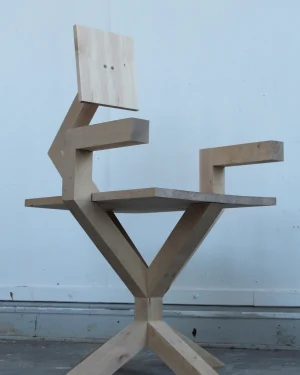
Björn Office Chair
By Olle Sahlqvist
€6.000 -
 In stock
Toptun Chair
By FAINA
€1.980 This product has multiple variants. The options may be chosen on the product page -
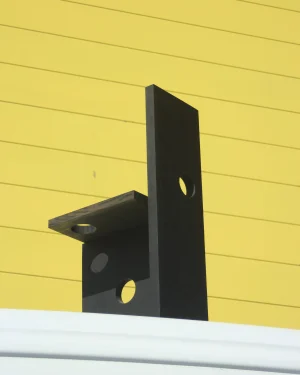
O Chair – Oak Dining Chair
By Vital Lainé
€800 -
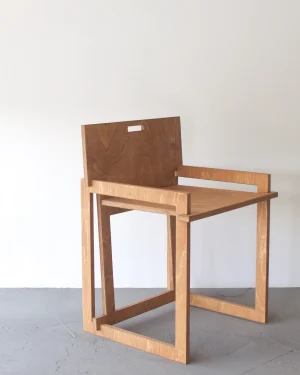
Sedia Quadra Natural
By Edoardo Lietti Studio
€790 -
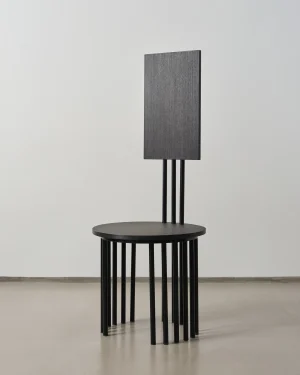
Reina Chair
By Studio Mohs
€1.614 -
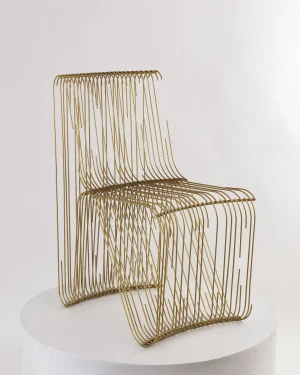
Glitch – Stainless Steel Chair
By Nama Home
€3.630 -
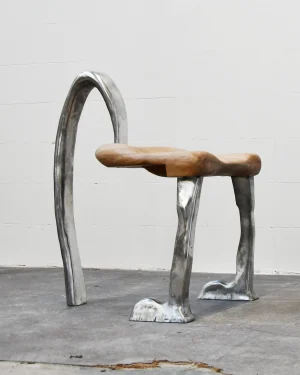
Tpf Series (the Parasitic Factors) _no.02
By Sai.E Studio
€5.200 -
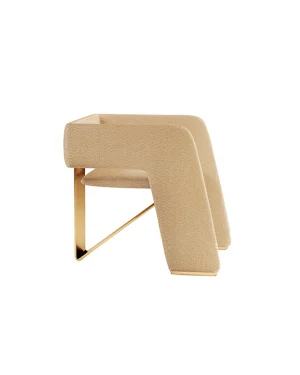
Futura Chair
By Alter Ego Studio
€3.900 This product has multiple variants. The options may be chosen on the product page -
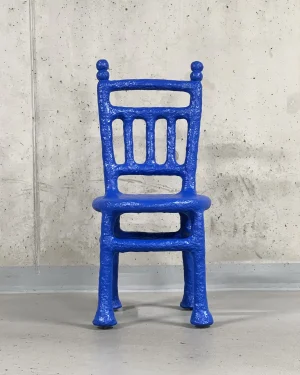
Chess Chair 2 Blue
By David Čáp
€1.000 -
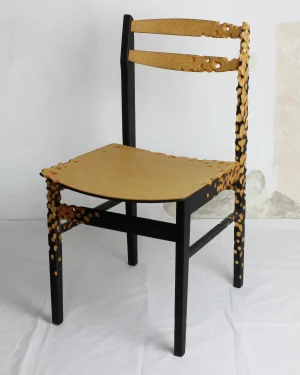
N1 Chair
By Gábor Góbi
€1.990 -
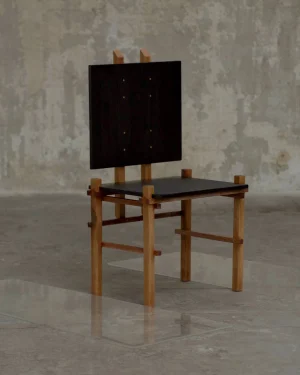
Lava – Symmetrical Wooden Chair
By Jaclyn Pappalardo
€1.285 -
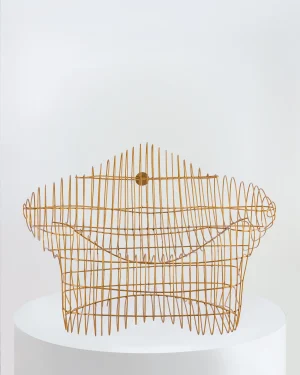
Starfish – Stainless Steel Lounge Chair
By Nama Home
€3.185 -
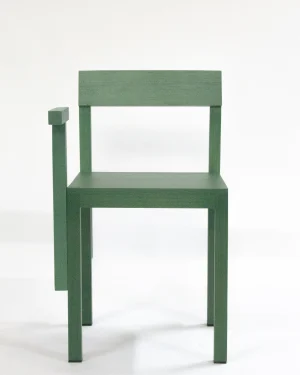
Sm1 – Tauari Colored Wood Chair
By Luiz Solano
€1.400 - €1.500 This product has multiple variants. The options may be chosen on the product page -
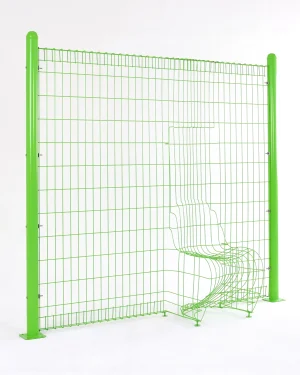
Invisible Panton Chair
By lee hyokk
Price Upon Request -
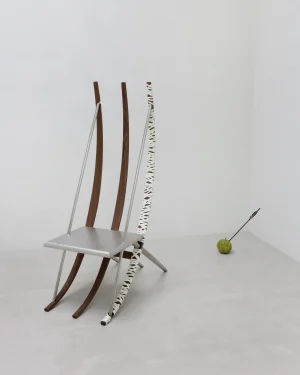
Bow Chair
By Undress House
Price Upon Request -
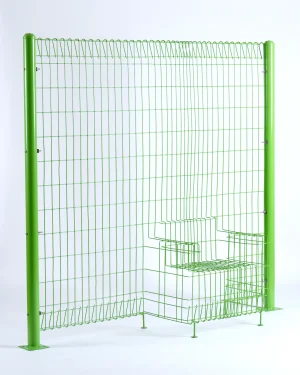
Invisible Chair No. 2 – Steel Wall Armchair
By lee hyokk
€2.470 -
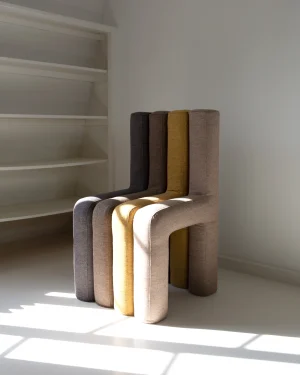
Meta Chair – Upholstered Modular Chair
By Jaclyn Pappalardo
€2.340 -

“Envisioned Comfort” Armchair
By Marija Puipaitė & Vytautas Gečas
€4.900 -
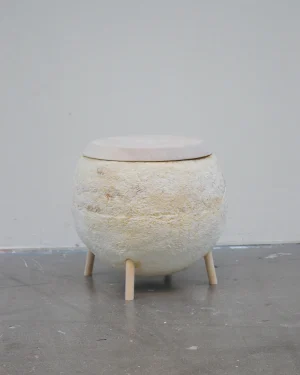
Spore – Mycelium Stool
By Olle Sahlqvist
€2.214 -
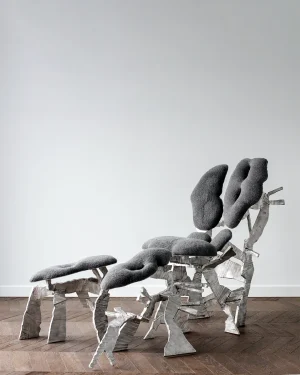
Insect Lounger – Recycled Cast Aluminum
By BY JAMPS
Price Upon Request -
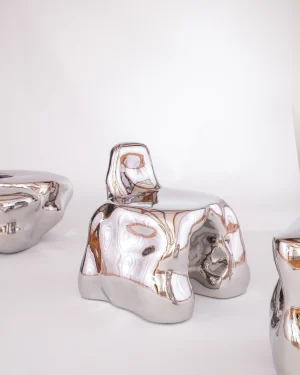
Surface Chair – Mirror Polished Stainless Steel
By studio NAWA
Price Upon Request -
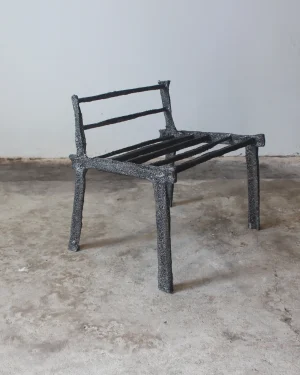
Melancholy Chair – Aluminium
By Saturday Yard Work
Price Upon Request -
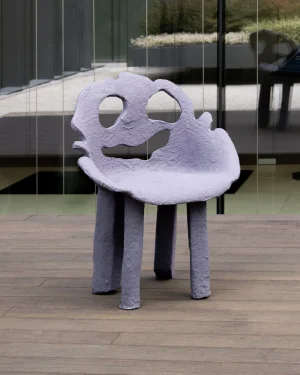
Violetta Accent Chair
By Jonathan Bocca
Price Upon Request -
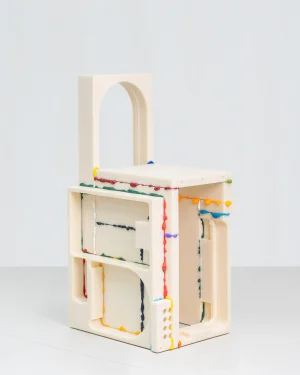
B. S. P Series “the Original”
By Atelier SOHN
Price Upon Request
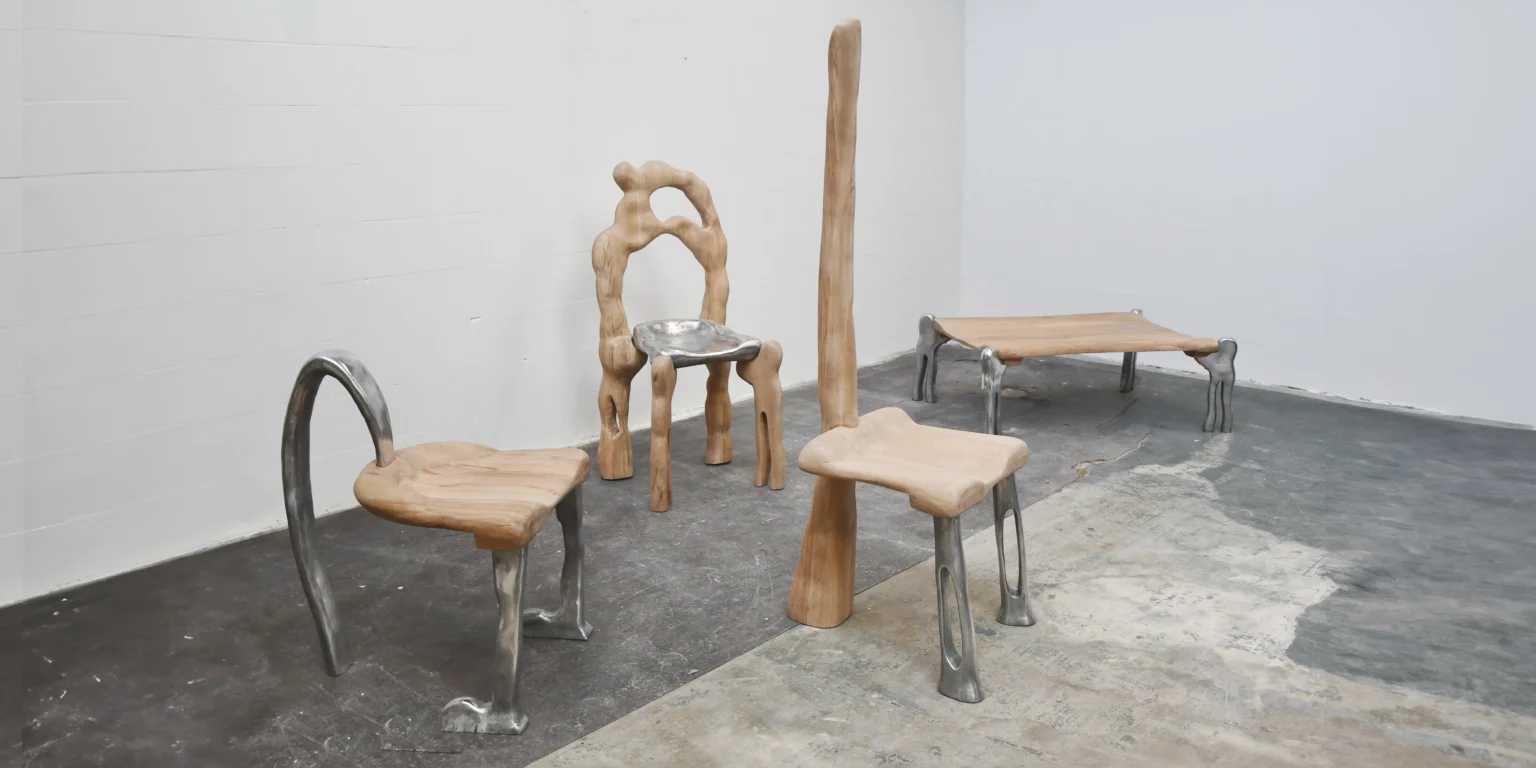
Radical accent chairs break the usual rules of what a chair should look like, pairing exaggerated silhouettes with materials more often associated with industrial work than living rooms. Studios working in aluminum, steel and cast metal use welding, metal casting and laser cutting to produce forms that lean, twist or balance in ways a conventional frame would not. Wood appears too, worked by cabinetmakers into shapes that argue with proportion rather than settle into it.
What makes a chair radical
The style takes its name from the Radical Design movement of the 1960s and 70s, which treated furniture as a provocation rather than a solution. A radical accent chair keeps that spirit: an asymmetric arm, a seat set at an odd angle, a base that reads as sculpture before it reads as support. Color does much of the talking, with cobalt blue, apple green, orange and amber finishes applied over steel or cast aluminum so the form stays legible from across a room.
Materials, finishes and the ways they are made
Metalwork dominates this part of the range. Steel and stainless steel get bent, welded or powder coated into matte or gloss surfaces that resist fingerprints and fading; cast aluminum is poured into molds that let a chair hold a curve no sheet material could manage. Chrome appears on frames that want to catch light rather than absorb it. Teak and other woods, worked through cabinetmaking rather than casting, bring warmth and a different kind of weight to silhouettes that still refuse to sit quietly in a corner.
Painting and drawing, and patination, show up as surface treatments rather than base materials, adding color or controlled oxidation over a metal structure. Editions vary piece to piece: some of these chairs come from open runs, others from limited editions or as unique pieces, so finish and exact form will not repeat indefinitely.
How to choose a radical accent chair
Start with scale. A chair built to be looked at as much as sat in needs space around it to read properly, so measure the corner or wall it will occupy before measuring the chair itself. Seat height still matters for comfort, so check it against nearby surfaces even when the frame is unconventional.
- Match finish to light: gloss and chrome surfaces throw reflections, matte powder coating absorbs them.
- Let one radical piece anchor a room rather than placing several together, since the forms compete for attention.
- Choose wood if the room already carries warm tones; choose metal or lacquer if it leans toward cooler, harder surfaces.
For a fuller view of wood-based options alongside the metal and cast pieces here, the wooden accent chairs carry the same attention to form in a different material, while the metal accent chairs show how welding and casting behave across styles beyond this one.
Where these chairs carry weight in a room
A radical accent chair tends to work best alone, set against a plain wall or an empty corner where its outline stands clear. Living rooms give it the room to be seen from a distance, and the living room accent chairs show how sculptural seating sits alongside sofas and low tables without disappearing into them. A single piece near a window or beside a bookshelf also works, where its shadow becomes part of the composition through the day.
Looking after unconventional frames
Powder coated and painted steel need only a dry or lightly damp cloth; abrasive cleaners will dull the finish over time. Chrome shows fingerprints readily and benefits from a soft cloth kept nearby. Cast aluminum left unpainted can develop a light surface change with handling, which most owners leave alone rather than polish out. Wood components should stay away from direct heat sources and be wiped rather than soaked.
For the full range of radical furniture beyond seating, including objects and lighting built on the same provocations, see every radical piece on ADORNO, or return to all accent chairs to compare styles side by side.
How do I choose a radical accent chair?
Look for a form that argues with the room rather than blending in, then check the frame and finish suit daily use. Chat with the maker on the piece's page for specifics.
What materials are radical accent chairs made from?
Most are welded or cast from aluminum, steel or chrome, sometimes paired with wood, and finished with powder coating, painting or patination for color and surface depth.
How do I care for a metal or wood accent chair?
Wipe metal frames with a dry or barely damp cloth to avoid water spotting, and keep wood away from direct heat or moisture to prevent warping or fading.
What size is a standard accent chair?
Accent chairs typically sit lower and lighter than armchairs, scaled for a corner or occasional seat rather than long use. Exact dimensions are confirmed on each piece's page.
Which rooms work best for a radical accent chair?
Their sculptural forms suit living rooms, entryways or reading corners, anywhere a single seat can hold its own against the rest of the room.
How does shipping, returns and authenticity work on ADORNO?
Shipping is insured and worldwide, returns are accepted within 14 days except on made-to-order pieces, and every piece ships with a certificate of authenticity.