






















-
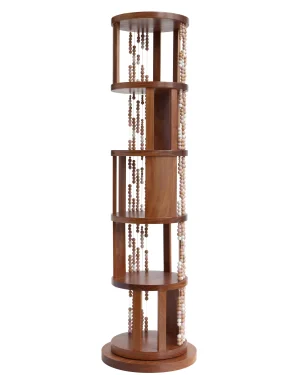
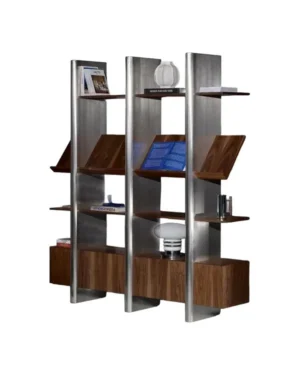
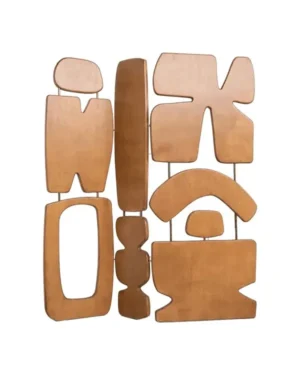
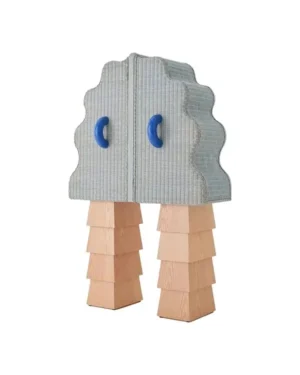
Contas Round Swivel Bookcase – Cabreuva Wood / Ceramic
By YANKATU
€5.100 -
 In stock
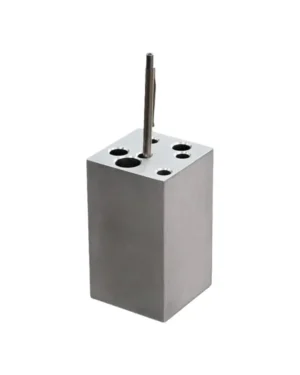
6 Stk Knstrkt – Stoneware Organizer
By STUDIO BERG
€155 -

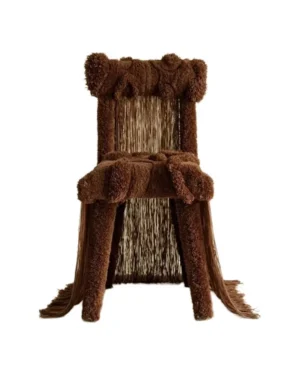
Flamingo Stool
By Mina Wright
€1.264 -
 In stock
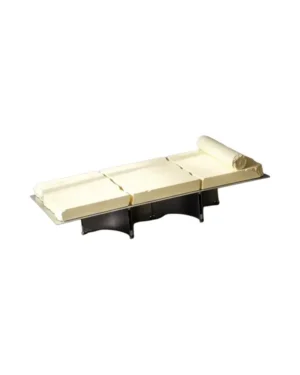
Stool No:01
By Od Studio
€1.800 -
 In stock
Volyk – Hand Sculpted Bench
By FAINA
€6.000 This product has multiple variants. The options may be chosen on the product page -

Domino Dining Table
By Assimply Studio
€8.670 - €23.400 This product has multiple variants. The options may be chosen on the product page -

Matera Side Table in Verde Lepanto Marble
By MERCOEUR EDITION
€1.813 -
 In stock
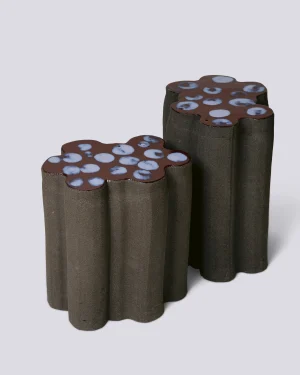
Trunk Ice and Red Poison Frog Pair Side Table in Stoneware
By Slō
€2.900 -
 In stock
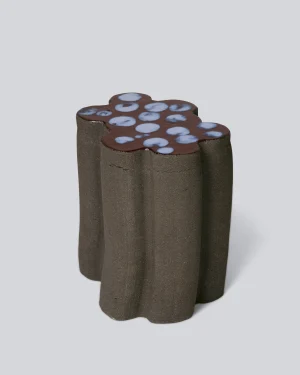
Trunk Ice and Red Poison Frog Side Table in Stoneware
By Slō
€1.495 -

Low Gathering Console Table
By Hanna Fastrich
€5.020 -
 In stock
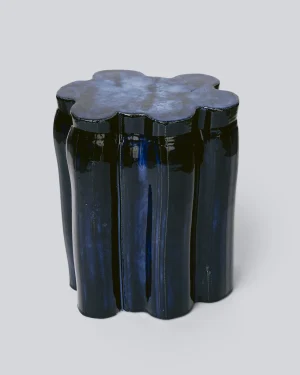
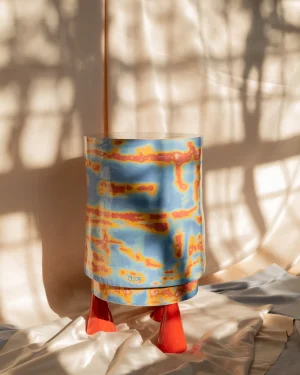
Trunk Black and Navy Blue Side Table in Stoneware
By Slō
€1.395 -
 In stock
The Oven Side Table in Glazed Stoneware
By UAU Studio
€1.670 -
 In stock
5 Stk Knstrkt – Stoneware Organizer
By STUDIO BERG
€121 -

Taburet – Sculptural Ceramic Low Stool
By Catalin Filip
€1.100 -
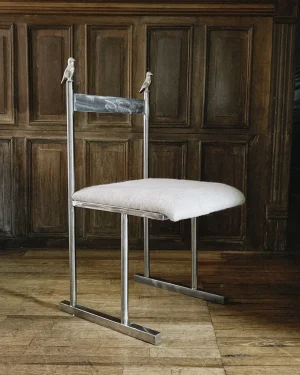
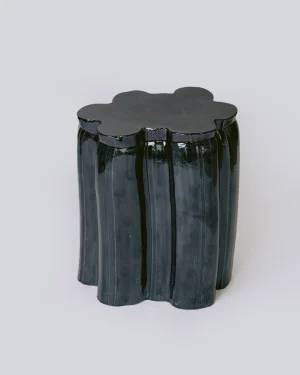
School Chair – Upcycled Materials
By Around the Studio
€1.500 -
 In stock
Trunk Navy Side Table in Stoneware
By Slō
€1.395 -
 In stock
ZTISTA console
By FAINA
€2.470 -
 In stock
Down To Earth – Hand-sculpted Red Earth Stone Coffee Table
By Odditi
€6.480 -
 In stock
2 Stk Knstrkt – Stoneware Organizer
By STUDIO BERG
€40 -
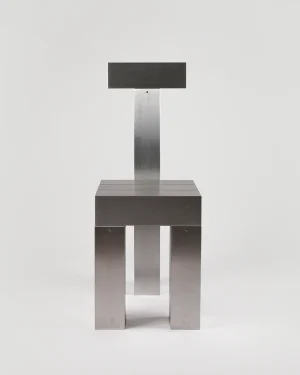
Garriga Chair
By Lucas Cambier
€3.500 -
 In stock
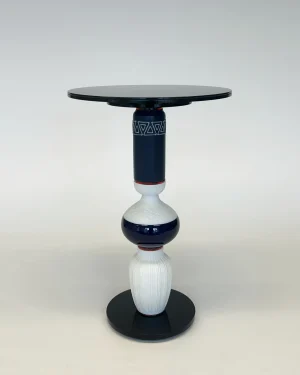
White Lotus Side Table in Glazed Ceramic
By LATESS
€2.800 -
 In stock
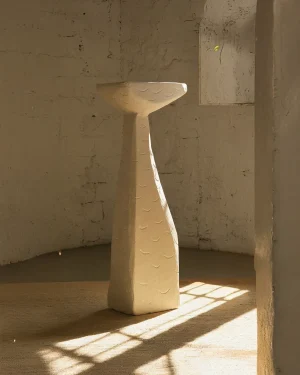
Angels Side Table in Glazed Clay and Glass
By Andreas Berlin
€3.500 -
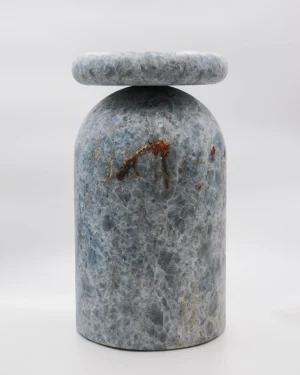
Ruins Totem
By Szymon Keller
€4.090 -
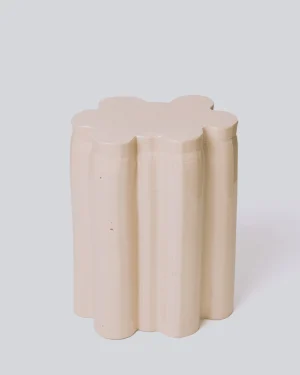
Cult Stool – Sculptural Side Table In Blue Calcite
By Panorammma Atelier
€2.732 -
 In stock
Trunk Strawberry Milkshake Side Table in Stoneware
By Slō
€1.395 -
 In stock
Hidden Secrets Side Table in Glazed Ceramic
By BERTO
€1.200 -

Cone Object 1 – Squared Stool/table
By Hanna Fastrich
€1.900 -
 In stock
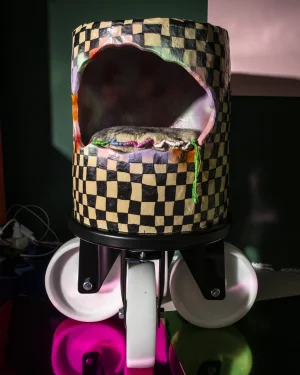
Joe’s Dream Side Table in Ceramic
By Andreas Berlin
€8.000 -
 In stock
Cat Cave Side Table in Glazed Ceramic
By UAU Studio
€2.000 -
 In stock
14 Stk Knstrkt – Stoneware Organizer
By STUDIO BERG
€382 -
 In stock
L2 Stk Knstrkt – Stoneware Organizer
By STUDIO BERG
€50 -

Korotun – Ash Wood/ Clay Coffee Table
By FAINA
€8.230 -
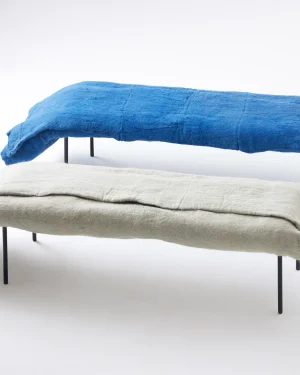
Carpet Bench – Felt / Steel
By Around the Studio
€1.700 This product has multiple variants. The options may be chosen on the product page -
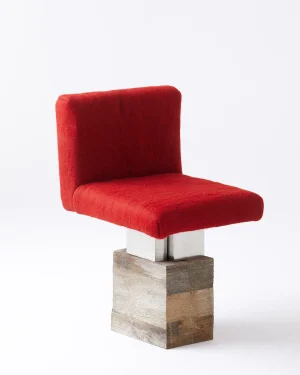
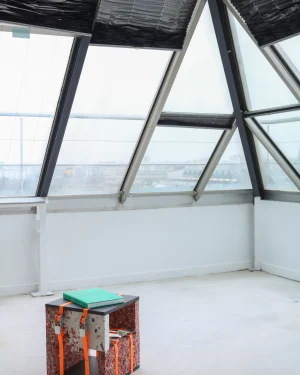
Tbilisi Street Chair – Upcycled Materials
By Around the Studio
€1.500 -
 In stock
La Croisée Side Table in Terracotta Textile
By FabBRICK
€617 -
 In stock
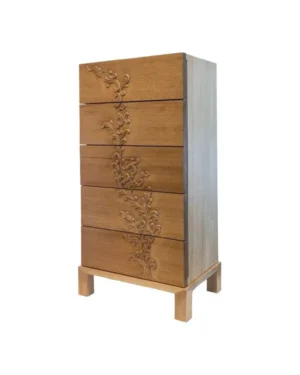
The Cabinet In Love
By Masha Volkova
€4.600 -
 In stock
Blue Lagoon Stool
By LATESS
€2.000 -
 In stock
Isla No. 1 Side Table in Stoneware and Blown Glass
By Ceren Gürkan
€4.400 -
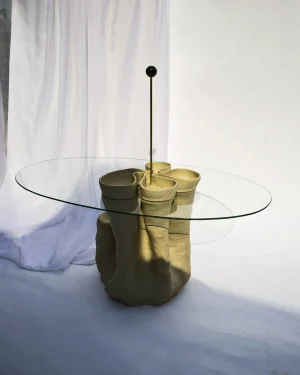
Space – Line – Form
By UAU Studio
€1.670 -
 In stock
L’isola Che Non C’e’ – Sculptural Briarwood Island
By M’ama edizioni
€17.790 -

Mas Coffee Table Matt Lacquer
By hermhaus
€3.195 This product has multiple variants. The options may be chosen on the product page -
 In stock
4 Stk Knstrkt – Stoneware Organizer
By STUDIO BERG
€82 -
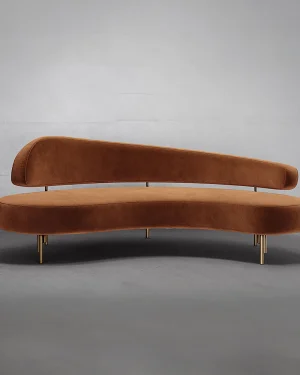 In stock
Sitiera_01 Velvet Upholstered 3-seater Sofa With Aged Bronze Legs
By ANDEAN
€10.285 This product has multiple variants. The options may be chosen on the product page -
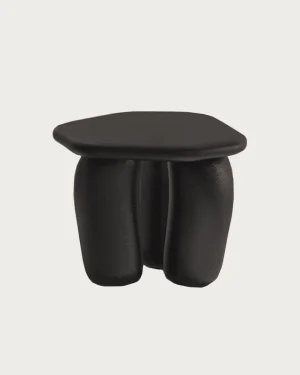
Trio Coffee Table
By Alter Ego Studio
€4.450 -
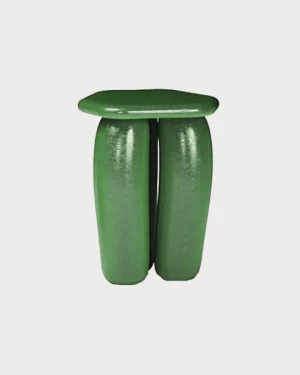
Trio Side Table in Ceramic
By Alter Ego Studio
€2.520 - €5.200 This product has multiple variants. The options may be chosen on the product page -
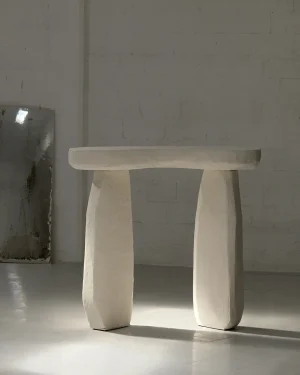
Ruins Console 1.0
By Szymon Keller
€5.528 -

Trama Wood Coffee Table
By Joana Teixeira
€2.250 -
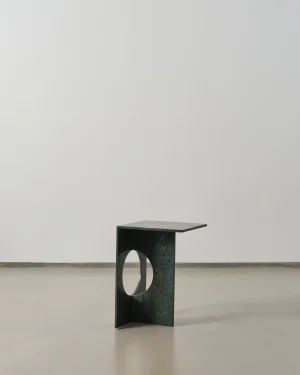
Ola Side Table in Diabase Volcanic Stone
By Studio Mohs
€2.068 -
 In stock
Despertar
By Kresta Studio
€8.500 -

Mat Pouf
By hermhaus
€3.250 -
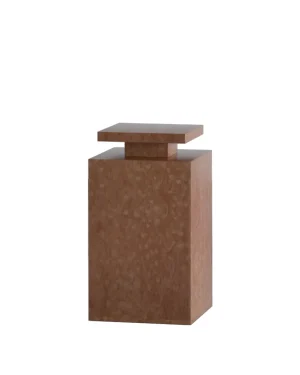
Asos Pedestal Side Table
By hermhaus
€1.114 - €1.238 This product has multiple variants. The options may be chosen on the product page -
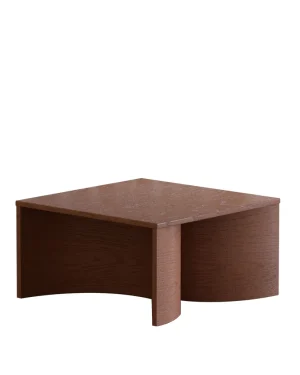
Venn Coffee Table
By hermhaus
€4.605 This product has multiple variants. The options may be chosen on the product page -
 In stock
7 Stk Knstrkt – Stoneware Organizer
By STUDIO BERG
€172 -
 In stock
8 Stk Knstrkt – Stoneware Organizer
By STUDIO BERG
€230
Ceramic furniture brings the vocabulary of pottery into the scale of tables, stools, seating and consoles: clay bodies that are hand-built, cast or thrown, then fired and glazed to a surface that reads as stone, as chalk, or as glass. Studios working this way treat furniture less as carpentry and more as a form pulled from earth, dense, cool to the touch, and settled rather than assembled. Within the wider furniture category, these pieces sit alongside wood and metal but carry a weight and a silence those materials do not share.
What sets ceramic apart from wood or metal furniture
Clay has no grain to follow and no joinery to hide, so a ceramic stool or table is usually a single continuous form, shaped by hand or cast in a mold, then hardened by heat rather than held together with screws or glue. The furniture carries its weight through mass and curvature instead of a structural frame, and a tabletop or seat can be as smooth as a glazed vessel or left raw where the clay was cut or scraped back.
Firing fixes color and finish for good. A matte stoneware base will not fade the way a stained oak leg can, and a glaze will not scuff the way a lacquered surface does, though it can chip if struck hard against another ceramic edge.
Materials, finishes and techniques in this range
Across ceramic and clay furniture, the body itself varies: stoneware for density and chip resistance, earthenware for a softer, more porous base, and glass used alongside ceramic in tabletops or shelving. Finish work ranges from raw clay left matte to glossy glazing that behaves like polished stone, with terrazzo-making techniques sometimes folding fragments into a cast surface.
- Color runs from black, white and black-and-white pairings to rose, beige, and multicolor glaze work.
- Style spans brutalist mass, Bauhaus restraint, art deco curves, and plainer modern or contemporary forms.
- Pieces turn up as unique pieces, open editions and limited editions, depending on how each studio casts or builds a run.
Every ceramic piece on ADORNO, across furniture, lighting and tableware alike, can be seen on the ceramic material page, where the same clay bodies and glazes carry into smaller objects.
How to choose a ceramic stool, table or console
Scale matters more here than with most materials, since a stool or side table in dense stoneware is heavier than its wooden counterpart and harder to shift once set down. Decide on its position before buying: ceramic furniture rewards a fixed spot near a sofa, bed or entry, rather than pieces moved from room to room.
Match the finish to its use. A glazed top resists spills and wipes clean, which suits a side table holding drinks or a lamp, while a raw or matte stoneware surface marks more easily and suits lower-contact pieces such as a plinth or low stool. Height and proportion follow ordinary furniture logic, so measure the surrounding wooden furniture or seating nearby before committing to a cast or hand-built form.
Where these pieces sit in a room
Ceramic furniture suits rooms where it can stand undisturbed: a living room corner, a bedroom nightstand spot, an entry console against a wall. Many pieces pair well with metal furniture nearby, letting the ceramic form read as the quieter, denser counterpoint. In a minimalist furniture layout, a single glazed stool or table often does more work than several lighter pieces combined.
Caring for glazed and raw ceramic surfaces
Glazed surfaces wipe clean with a damp cloth and need no sealing, since firing has already closed the surface. Raw or matte stoneware is more porous and can stain if liquid sits on it, so a coaster or tray helps on a tabletop used daily. Lift ceramic furniture rather than dragging it across a floor; the material carries weight well but resists lateral stress and can crack at a base or foot under sideways pressure.
How do I choose a ceramic furniture piece?
Look at the glaze and the form together, since both show how the piece was fired and finished. Pick a silhouette whose weight and footprint suit the room, then let color or texture guide the final choice.
How do you care for ceramic furniture?
Wipe glazed surfaces with a soft, damp cloth and mild soap, avoiding abrasives that can dull the glaze. Protect edges and feet from sharp impact, since ceramic resists scratches but chips under sudden force.
How big or heavy is ceramic furniture?
Ceramic pieces run from low stools to seat or table height, and their density makes them heavier than wood or aluminum of the same size. For exact dimensions on a specific piece, chat with the maker on its page.
Which rooms suit ceramic furniture?
Ceramic stools, tables and seating hold up well in living rooms, bedrooms and covered outdoor spaces with stable temperatures. Avoid direct, prolonged sun or frost, which stress the glaze over time.
Does ADORNO ship ceramic furniture worldwide?
Yes, shipping is insured and worldwide, with packing suited to the weight and fragility of ceramic pieces.
Can I return a ceramic furniture piece or order one custom made?
Standard pieces can be returned within 14 days, though made-to-order pieces are excluded. For custom requests, chat with the maker directly on the piece's page.