-
 In stock
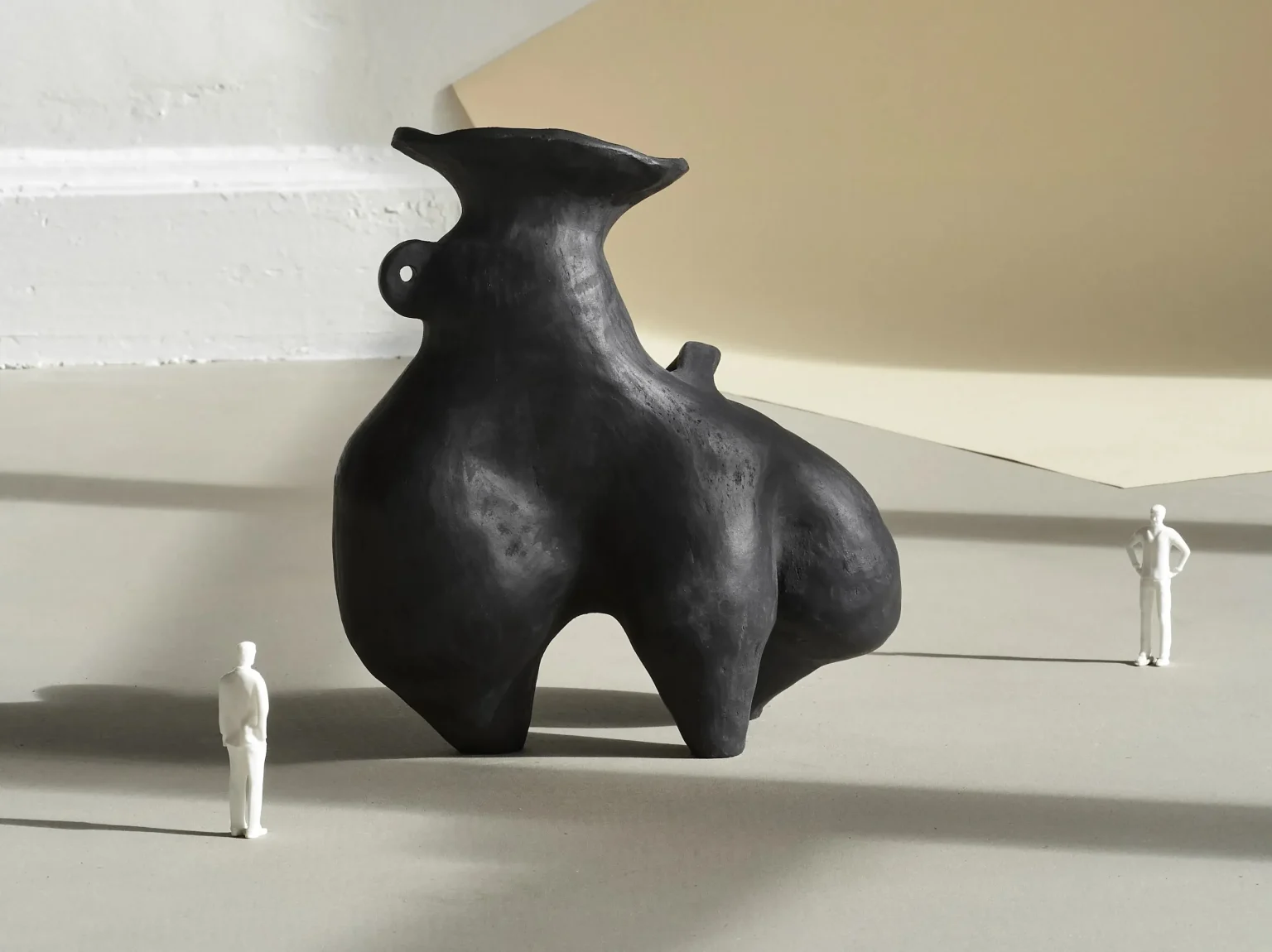
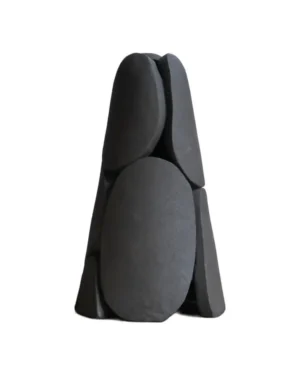
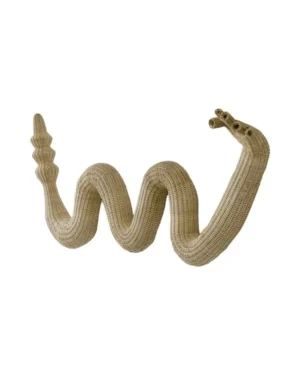
Artefacto Chan Maák Sculpture – Pol & Cab
By LØRDAG & SØNDAG
€655 This product has multiple variants. The options may be chosen on the product page -
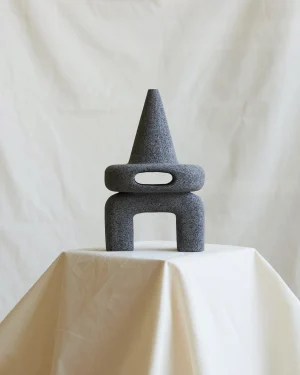 In stock
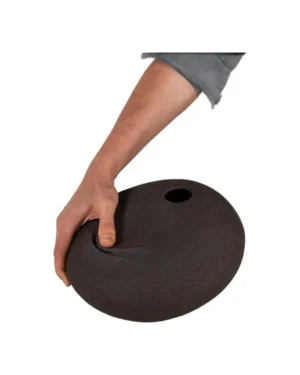
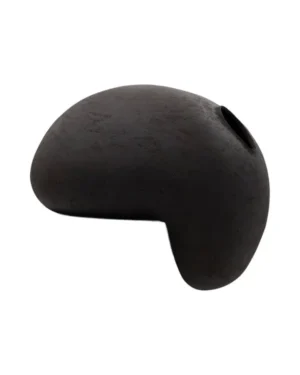
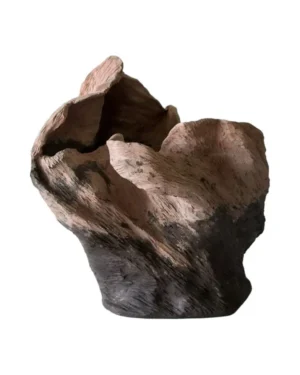
Artefacto Volcán Ls 06
By LØRDAG & SØNDAG
€490 -
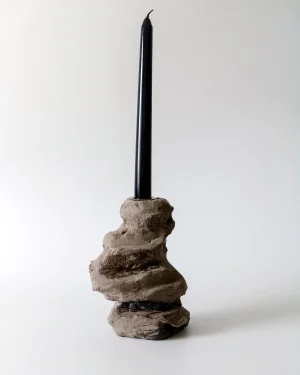 In stock
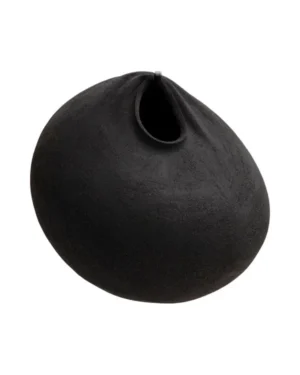
Abyss Candle Holder
By Ceren Gürkan
€120 -
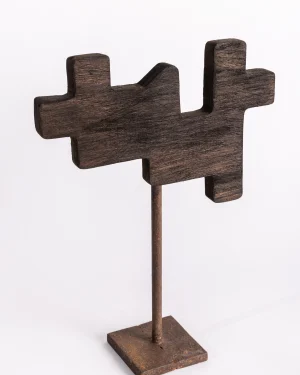
Puzzle Sculpture
By Daniel Orozco Estudio
€385 -
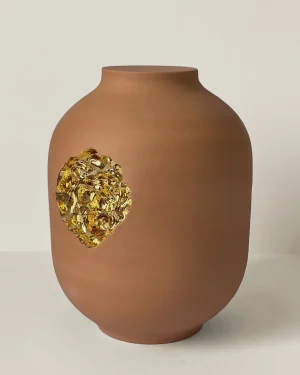 In stock
Intro – Large Ceramic Vase
By Federica Paglia
€590 -
 In stock
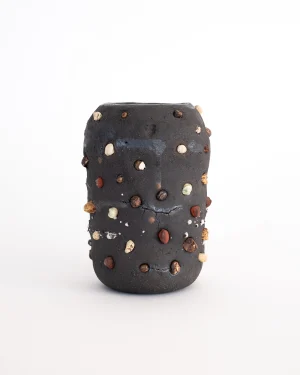
Little Rock Vase – Special Edition (deconstructed O.1)
By Ugly Things et al.
€590 -

Zm Cochambre Totem
By Daniel Orozco Estudio
€1.346 -
 In stock
Black Earth – Vase O.6
By Ugly Things et al.
€560 -
 In stock
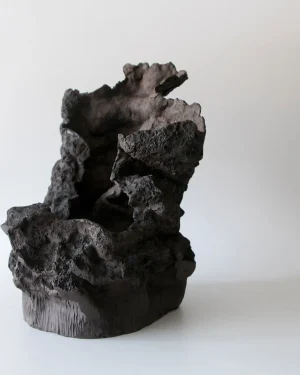
Abyss No. 19 – Sculptural Vessel
By Ceren Gürkan
€1.400 -
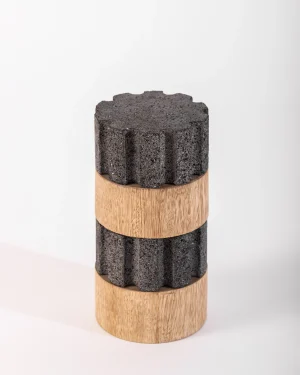
ZM Mix Sculpture
By Daniel Orozco Estudio
€550 -
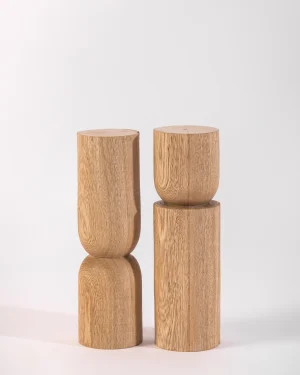
ZM Jungle Mini Sculpture
By Daniel Orozco Estudio
€244 -
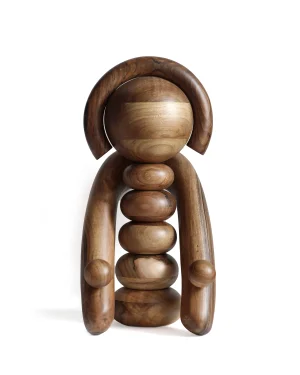
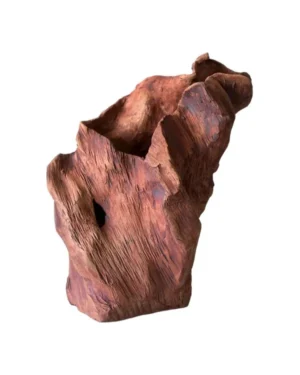
Earth Totem In Walnut
By ZEMNA
€530 -
 Sold
Wall Sculpture N°1
By Dzovag Kotchian
€2.200 -
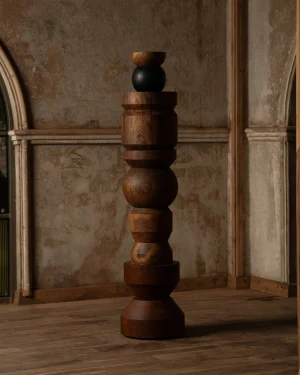 In stock
Recreational Verb – Wooden Floor Sculpture
By WANNAS
Price Upon Request -
 In stock
Circle – One-of-a-kind Suspended Ceiling Sculpture
By Kajsa Melchior
Price Upon Request -
 Sold
Bowels – Stoneware Collectible Sculpture
By Vale Ro
€3.600 -
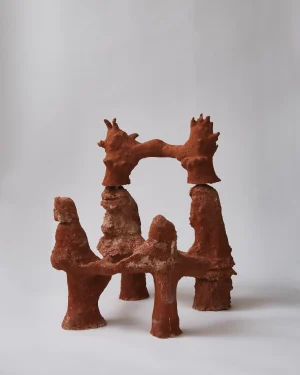 In stock
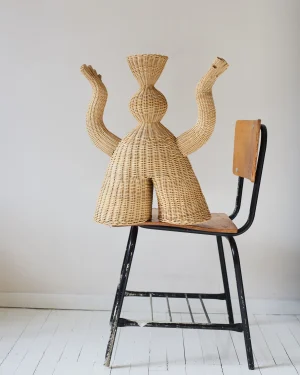
RESEMBLINGS OF A CHAIR – Sand Casted Acrystal Sculpture
By Kajsa Melchior
Price Upon Request
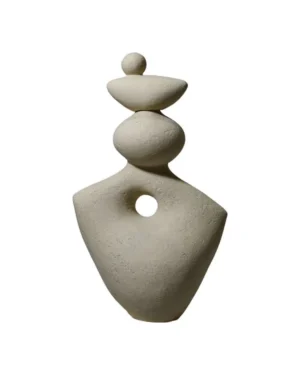
Rustic sculptures carry the mark of the hand and the memory of raw material. Stoneware left with a pitted glaze, wood kept close to its grain, clay fired without high polish — these pieces favor weight and texture over symmetry. They come from studios who work slowly, by hand-building, carving or turning, and who let the material's imperfections stay visible rather than smoothing them away.
What defines a rustic sculpture
Rustic style in sculpture reads as unfinished in the best sense: a surface that shows the tool marks, a form that keeps the lump or log it started as. Color stays close to the source — bark brown, ash gray, the beige and brown of unglazed stoneware, sometimes a deep black from smoke firing or charring. Nothing about the piece pretends to be machine-made, and that is the point.
Materials, finishes and ways of making
Across the full range of sculptures on ADORNO, the rustic ones tend to share a working method as much as a material. Clay and stoneware get hand-built or coil-built, then glazed thinly enough to leave texture showing through. Wood, often walnut or another dense hardwood, is carved or turned on a lathe, with cuts left visible rather than sanded flat. Volcanic stone appears too, carved rather than cast, its natural pitting left alone. Some makers work in natural fiber, knotting or weaving forms that read as sculptural rather than functional.
- Hand-built or coil-built clay and stoneware, often finished with a matte or partially glazed surface
- Carved or turned wood, usually walnut or another close-grained hardwood
- Carved volcanic stone, left with its natural surface
- Woven or knotted natural fiber forms
- Unique pieces and open editions, depending on how the studio works
Editions vary by maker: some rustic sculptures are one-offs, each one slightly different from the last because no two pieces of wood or firing behave the same way; others are produced as open editions, repeatable but still made by hand at each stage. Either way, the irregularity is part of the material, not a flaw to be corrected.
Choosing a piece for scale and placement
Start with scale relative to the surface it will sit on. A small carved form reads as a detail on a shelf or console, while a taller wood or stone piece can hold its own on the floor or on a low plinth. Weight matters too — stoneware and stone pieces sit low and solid, which suits them to surfaces that will not shift, while lighter fiber or wood forms can move between a table and a shelf without strain.
Finish is worth checking before anything else. A raw, unsealed wood surface will behave differently over time than one treated with oil or wax, and a matte stoneware glaze will show fingerprints and dust more readily than a glossy one. If you want a piece to anchor a room rather than sit quietly in a corner, look for the ones with the most visible texture and the darkest or densest material.
Where rustic sculptures sit well
These pieces tend to suit rooms built around natural materials already — oak floors, linen upholstery, stone counters. A living room console, a dining table centerpiece, or a reading corner all give a rustic sculpture room to be seen without competing for attention. The same logic carries into rustic furniture and rustic accessories more broadly, where raw wood, stone and fiber repeat across different kinds of pieces in a room.
Caring for raw and natural surfaces
Unsealed wood and stone should stay out of direct sun and away from damp, which can warp grain or stain porous surfaces. Dust with a dry or barely damp cloth; avoid household cleaners on unglazed clay or stoneware, since they can strip the surface the maker left exposed on purpose. A light coat of wax on wood, reapplied occasionally, keeps the grain from drying out without masking its texture. For the wider world of rustic design beyond sculpture, every rustic piece on ADORNO follows the same principle: material left honest, finish kept close to its source.
How do I choose a rustic sculpture?
Look at the surface first, whether it is unglazed clay, carved wood, or rough stone, since that texture carries the rustic character more than the form itself. Pick a scale and tone that match the materials already in the room.
What materials are rustic sculptures usually made from?
Common choices are stoneware, clay, wood, and volcanic stone, often left with visible texture, tool marks, or an unglazed finish that shows the hand in the making.
How do I care for a rustic sculpture?
Dust ceramic and stone pieces with a dry or barely damp cloth, and keep wood out of direct sun and damp rooms to avoid cracking. Avoid harsh cleaners on unglazed or porous surfaces.
What size sculpture works for a table or a floor?
Small stoneware or clay forms suit shelves and tabletops, while taller wood or stone pieces hold their own on the floor or in an entryway. Let the piece's own listing confirm exact dimensions.
Which rooms suit a rustic sculpture?
Living rooms, entryways, and reading corners all take well to rustic forms, especially alongside natural fiber, wood, or stone furniture that shares the same unpolished tone.
How does shipping, returns, and authenticity work on ADORNO?
Shipping is insured and worldwide, with a 14-day return policy excluding made-to-order pieces. Every piece includes a certificate of authenticity, and ADORNO offers a lowest-price guarantee.