-
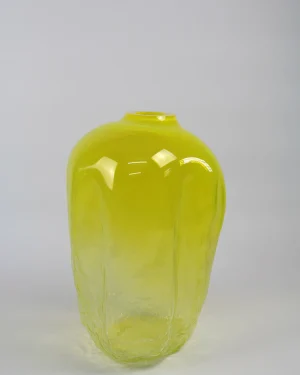 In stock
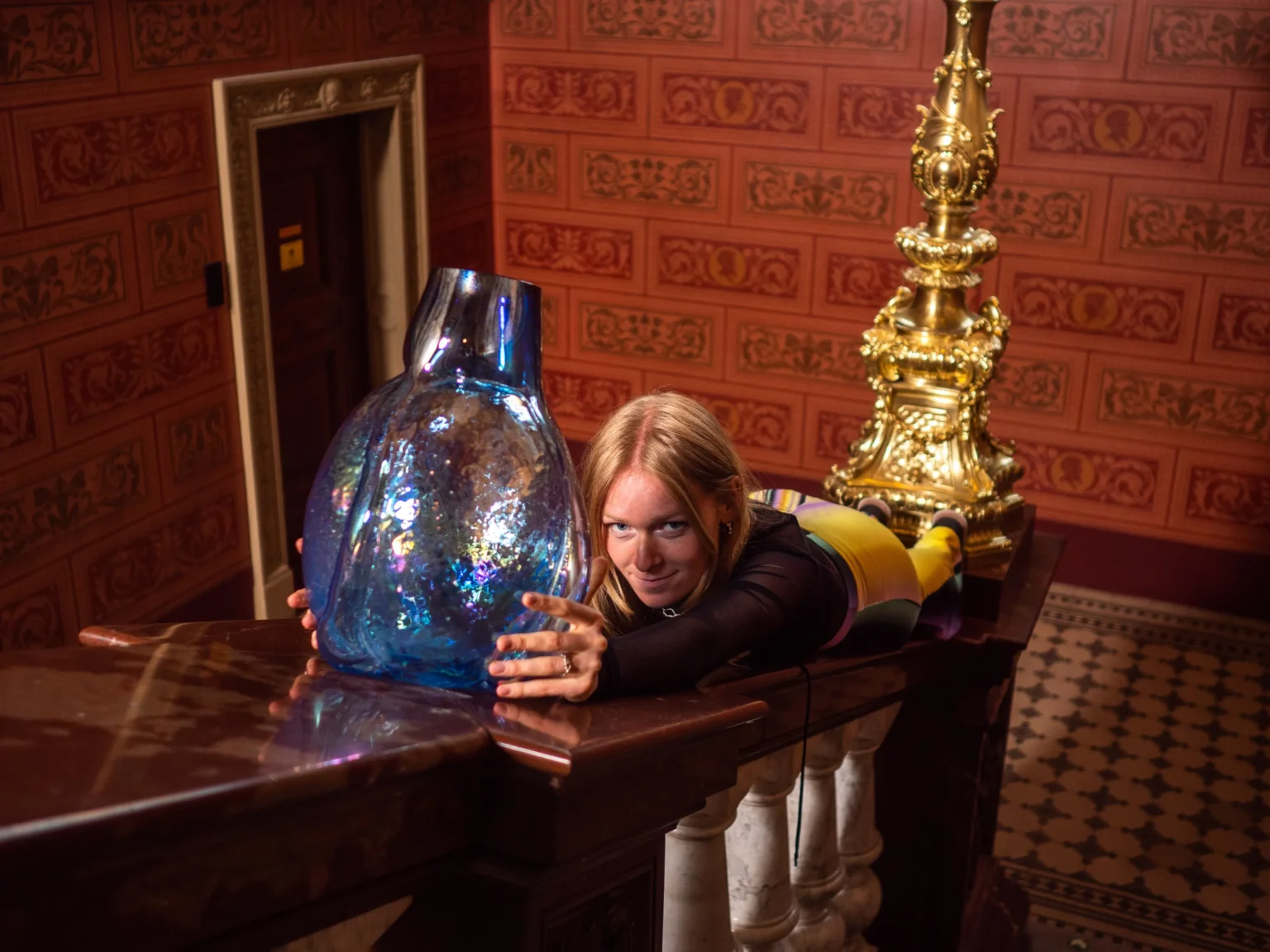
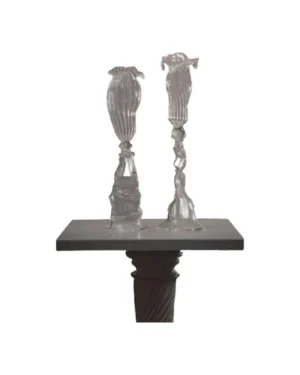
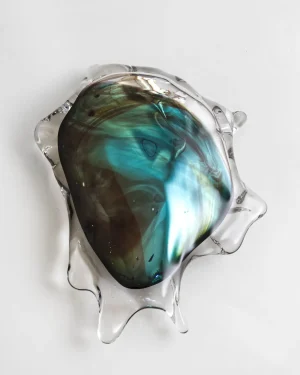
Sand Series – Narcissus Handmade Glass Object
By Vogel Studio
€1.150 -
 In stock
Persona Mirror Sculpture – Multicolour
By MILA ZILA
€1.150 -
 In stock
Garden Unique Aquatic (collectible Unique) Vase
By Frantisek Jungvirt
€7.300 -
 In stock
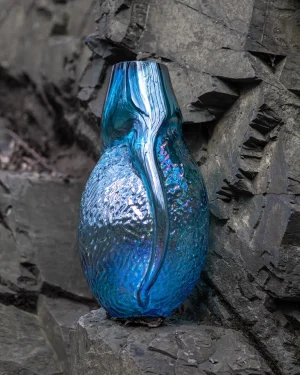
Nava Glass Vase Blue
By Anna Jožová
€1.300 -
 In stock
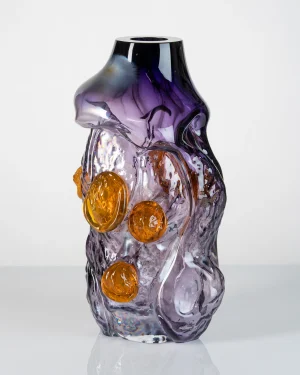
Dysplasio Vase Purple
By Anna Jožová
€1.900 -
 In stock
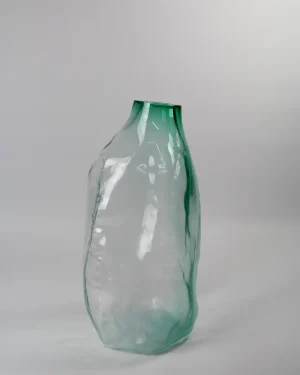
105 Ltr Forms – Emerald Green Glass Object
By Vogel Studio
€1.470 -
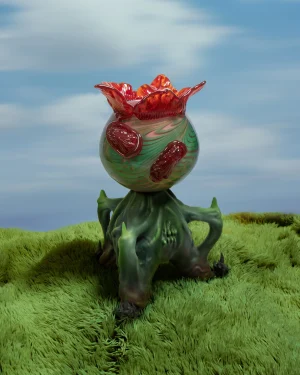 In stock
Sarkora
By Anna Jožová
€2.100 -
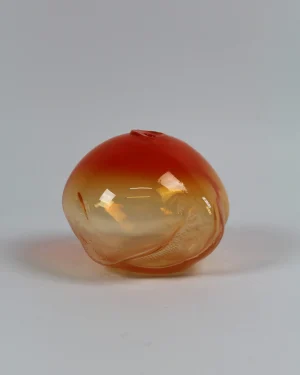 In stock
1/2 Ltr Forms – Saffron Handmade Glass Object
By Vogel Studio
€100 -
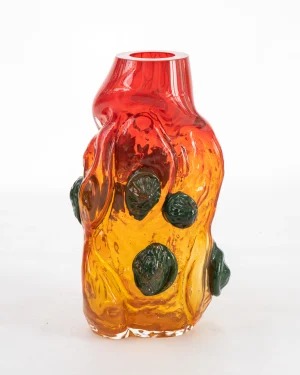 In stock
Dysplasio – Spring-Red Sculptural Glass Vase
By Anna Jožová
€1.900 -
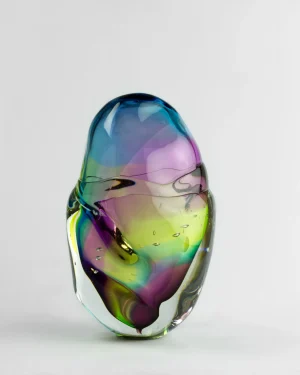 In stock
Persona Scupture
By MILA ZILA
€2.500 -
 In stock
Garden Unique Aquatic Matt (collectible Unique)
By Frantisek Jungvirt
€7.300 -
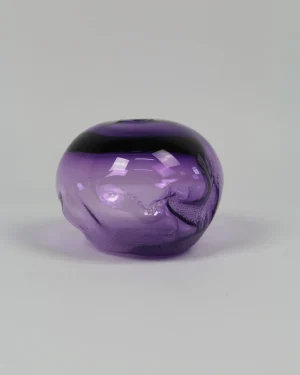 In stock
1/2 Ltr Forms – Violet Blue Handmade Glass Object
By Vogel Studio
€100 -
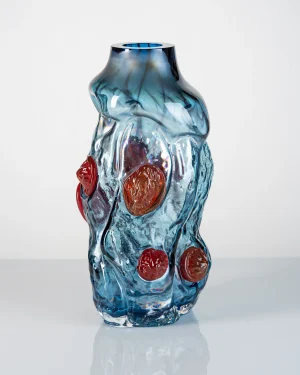 In stock
Dysplasio Glass Vase Blue
By Anna Jožová
€1.900 -
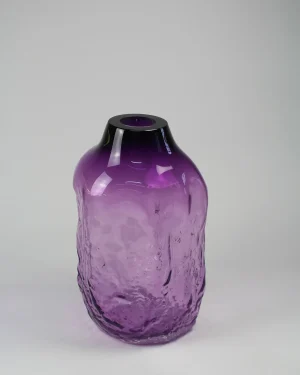 Sold
SoldSand Series – Hyacinth Handmade Glass Object
By Vogel Studio
€1.150 -
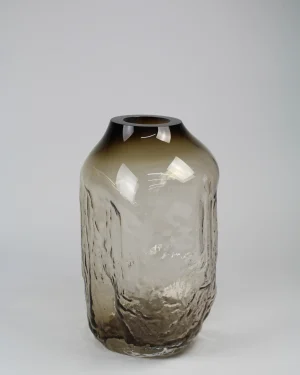 Sold
SoldSand Series – Smoke Topaz Handmade Glass Object
By Vogel Studio
€1.150 -
 Sold
Sold105 Ltr Forms – Beryl Green Handmade Glass Object
By Vogel Studio
€1.180 -
 Sold
Sold105 Ltr Forms – Fuchsia Handmade Glass Object
By Vogel Studio
€1.470 -
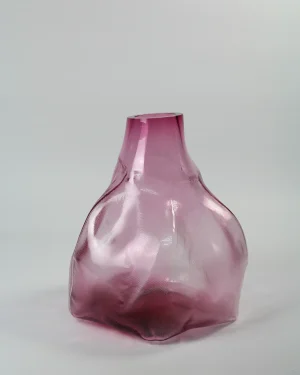 Sold
Sold105 Ltr Forms – Wine Red Handmade Glass Object
By Vogel Studio
€970 -
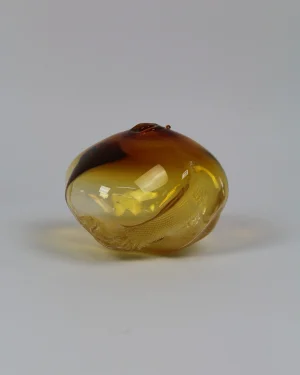 Sold
Sold1/2 Ltr Forms – Brilliant Gold Handmade Glass Object
By Vogel Studio
€100 -
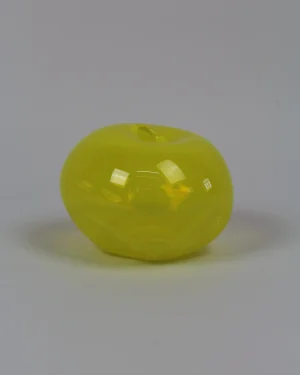 Sold
Sold1/2 Ltr Forms – Lemon Yellow Handmade Glass Object
By Vogel Studio
€100 -
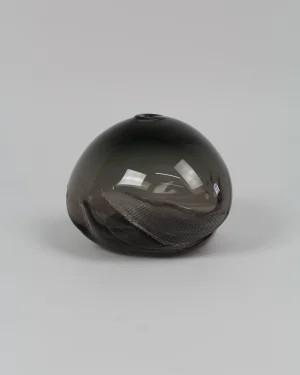 Sold
Sold1/2 Ltr Forms – Neutral Grey Handmade Glass Object
By Vogel Studio
€100
Blown glass sculptures take their form while the material is still molten, shaped by breath, gravity and the turn of a blowpipe rather than by a mold alone. Each piece comes from a studio working at the furnace, where heat decides how far a form can stretch before it collapses or cools too fast to move. What results is sculpture that carries the memory of the moment it was made, in the pull of a stem, the thickness of a base, or a bubble trapped mid-turn.
What blowing and cold working leave behind
Glassblowing begins with a gather of molten glass on the end of a pipe, turned and inflated until a wall of material holds a shape on its own. Thickness varies on purpose: thin necks catch light, heavier bases carry weight and keep a tall form standing. No two gathers behave quite the same way, so slight asymmetry, a faint ripple, a trapped air pocket, belong to the material rather than count against it.
Some studios return to a cooled piece for cold working, grinding, cutting or polishing surfaces that fire alone cannot finish. This is where a matte facet, a flat base or a sharp edge gets added after the glass has set, giving an otherwise fluid form a point of contrast and a steadier footing.
Color and finish across the range
Within the wider sculpture collection, blown glass sculptures run from clear aquamarine and aqua green through cherry red, orange, gray and multicolor pieces that layer several hues within one body. Alongside pure glass, some studios set mouth-blown forms against silver leaf or metal bases, or combine glass with acrylic and epoxy for weight and contrast. Editions vary by studio: some pieces are one-offs, blown and finished by hand with no exact repeat, while others are produced as limited editions or as open editions made on an ongoing basis, so the degree of exclusivity shifts from piece to piece. For a fuller view of the material across lighting, vessels and objects, every blown glass piece on ADORNO sits together in one place, and blown glass decor covers the wider range of finished objects beyond sculpture alone.
Choosing a blown glass sculpture for a room
Scale decides the first question: a tabletop form asks to be seen at eye level from a chair or sofa, while a floor-standing piece needs room to be walked around rather than pushed against a wall. Check the footprint against the surface it will sit on, since a wide base needs more depth than a narrow shelf allows.
Finish is the second question. A clear or pale piece reads quietly against most backgrounds, while a saturated color or a multicolor form reads as a focal point and works best with little competing nearby. Placement near a window or a lamp lets light pass through the glass and change with the hour, which flat artificial light cannot do in the same way.
- On a sideboard or console, where the piece gets seen from across a room
- On a dining table as a centerpiece, kept low enough not to block sightlines across it
- On a shelf or window ledge, where daylight moves through the glass over the course of a day
Where these sculptures sit well
Blown glass suits rooms built around light as much as rooms built around furniture: living rooms, dining spaces, entryways and bedrooms all hold a single glass form without needing to be organized around it. In contemporary sculpture settings the material sits comfortably alongside stone, oak or steel, while in coastal or maximalist rooms a saturated color or a cluster of smaller blown pieces can carry a corner on its own. Where a vessel form is wanted instead of a purely sculptural one, blown glass vases follow the same making process with function added.
Caring for blown glass
Glass itself does not stain or fade, but it chips and scratches, so lift a piece by its body rather than a thin neck or rim. Keep it away from direct heat sources and sudden temperature swings, which can stress the material along old seams from the blowing process. Dust with a soft, dry cloth, and if a piece has cold-worked or matte facets, avoid abrasive cleaners that can dull the finish over time.
How do I choose a blown glass sculpture?
Start with color and silhouette against the room's existing palette, then consider how light moves through the space across the day. Clear and aquamarine tones read differently at noon than under evening light, so view a piece at the hour it will actually sit.
How do I care for blown glass sculptures?
Dust with a soft, dry cloth and avoid abrasive cleaners, which can dull the surface. Keep pieces away from direct heat sources and sudden temperature swings, which can stress the glass and cause cracking.
What size blown glass sculpture should I buy?
Match scale to the surface it will anchor: a console or shelf calls for a smaller form, while a low table or floor can carry a taller one. For exact dimensions, chat with the maker on the piece's page.
Which rooms suit blown glass sculptures?
Living rooms, entryways, and dining tables all let light catch the glass from different angles through the day. Avoid damp bathrooms near steam, where mineral buildup can cloud the surface over time.
Is glassblowing a handmade technique?
Yes, glassblowing is a handmade process in which molten glass is shaped by breath and tools, so each sculpture carries small variations in form and bubble pattern that no mould can repeat exactly.
What are ADORNO's shipping and return policies?
Shipping is insured and worldwide. Returns are accepted within 14 days, except for made-to-order pieces, and every sculpture arrives with a certificate of authenticity and ADORNO's lowest-price guarantee.