



-
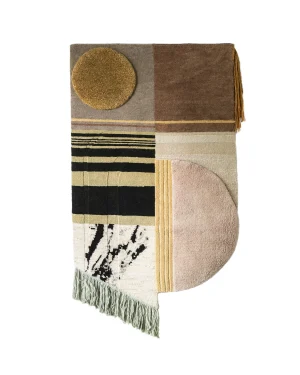
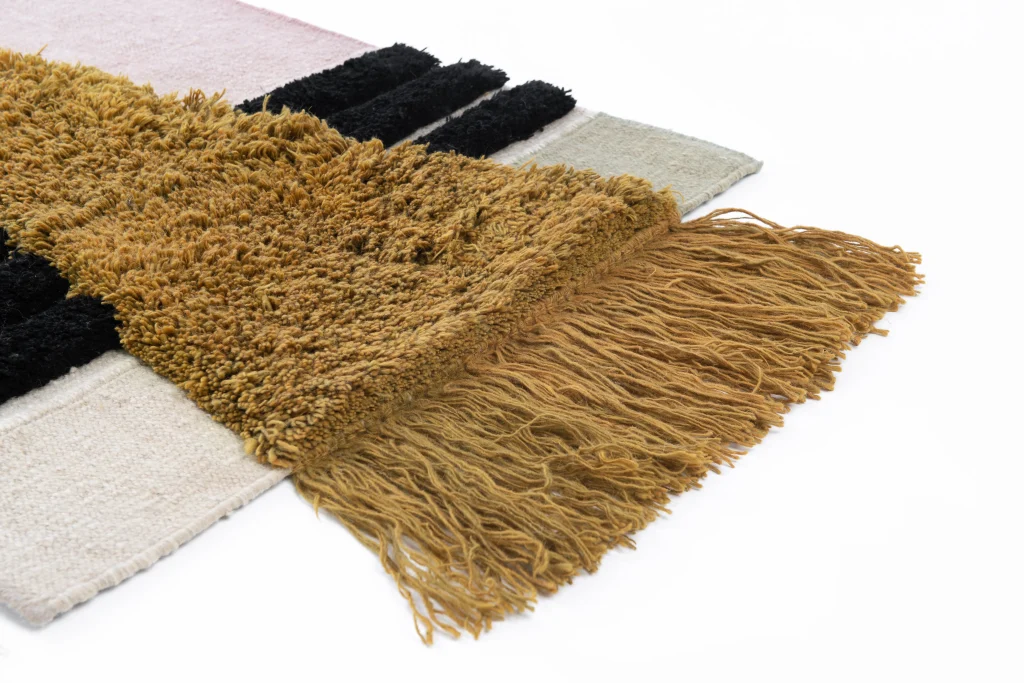
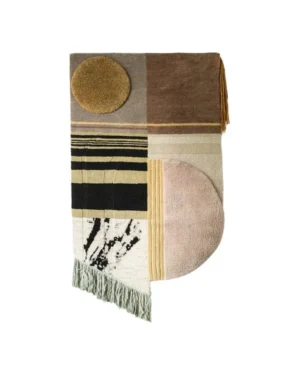
Textile Poster No. 11 – Geometric Tapestry
By Lyk Carpet
€2.674 -
 In stock
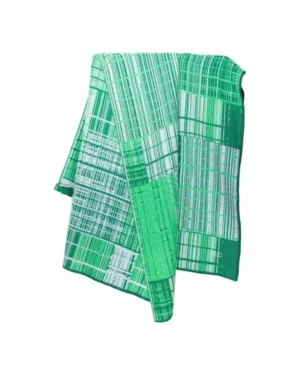
Eros Mirror
By Dzovag Kotchian
€860 -
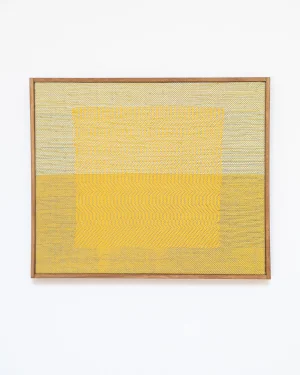
Bandiera N° 20 – Hand-woven Wall Art
By Susanna Costantini
€950 -
 In stock
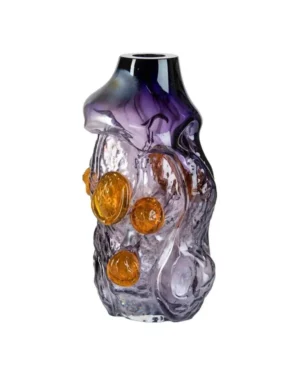
Arc Annex No.3 – Vase
By Anoe Melliou
€2.300 -
 In stock
Arc Annex No.3 Vase
By Anoe Melliou
€3.600 -

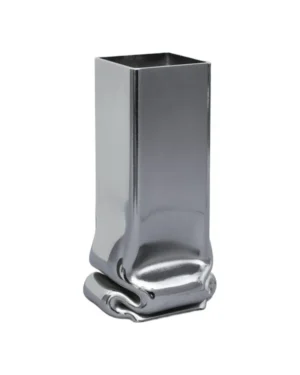
Pillar – Vase
By Anoe Melliou
€230 -
 In stock
Arc Annex No.2 – Vase
By Anoe Melliou
€1.150 -
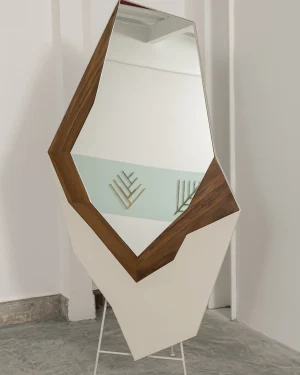
New Life Mirror – Tropical Depression
By Fi
€6.150 -
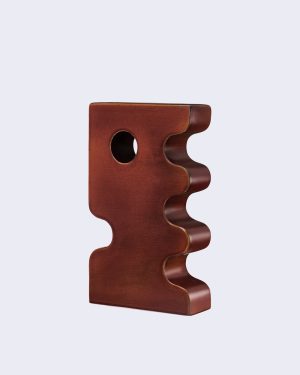 In stock
Barva / Model 2 Vase
By Pani Jurek STUDIO
€192 - €319 This product has multiple variants. The options may be chosen on the product page -
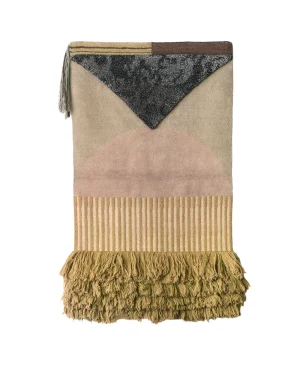 In stock
Textile Poster No. 10 – Geometric Wool Tapestry
By Lyk Carpet
€2.674 -
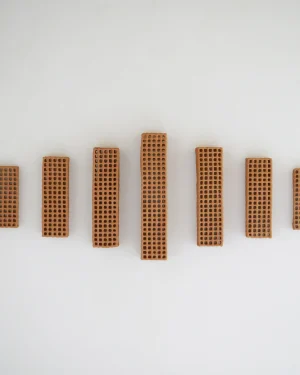 In stock
Wall Sculpture N°2
By Dzovag Kotchian
€1.760 -
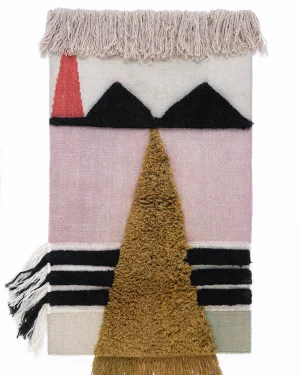 In stock
Textile Poster no. 12 – Geometric Fringed Wall Hanging
By Lyk Carpet
€1.051 -
 In stock
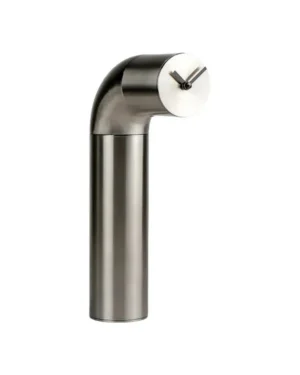
Ding Dong 01 Table Lamp in Ceramic
By Luft Tanaka Studio
€1.442 -

Painted Beech Mirror A — Ves
By Anna Bera
€647 -

Relief Series – Wall Decoration
By Theodóra Alfreðsdóttir
€90 This product has multiple variants. The options may be chosen on the product page -
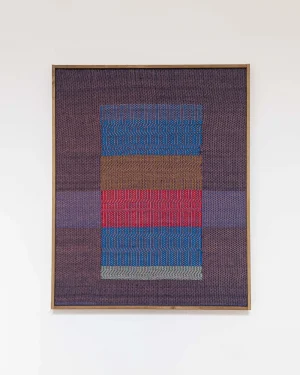
Bandiera N° 18 – Hand-woven Wall Art
By Susanna Costantini
€900 -
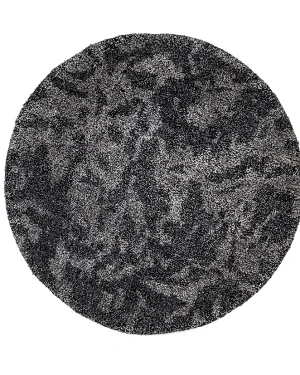 In stock
Black Moon – Floor/Wall Decor
By Lyk Carpet
€1.188 -
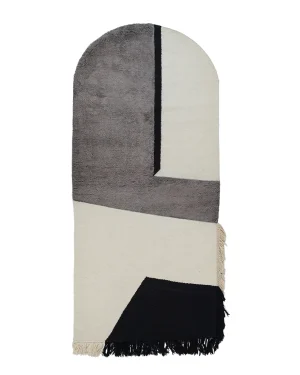
The Archway – Floor/wall Decor
By Lyk Carpet
€1.800 -
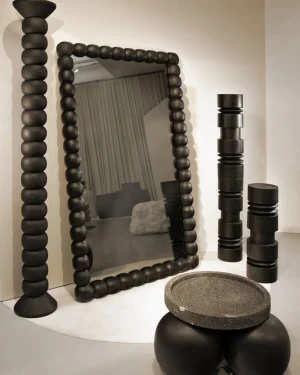
Fos Smoke Mirror
By Daniel Orozco Estudio
€3.435 -
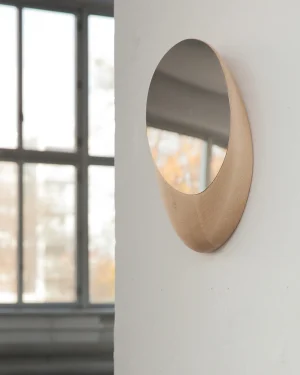
Maple Mirror E — Ves Medium
By Anna Bera
€2.118 -

Bandiera N° 13 – Handwoven Wall Art By Susanna Costantini
By Susanna Costantini
€1.470 -
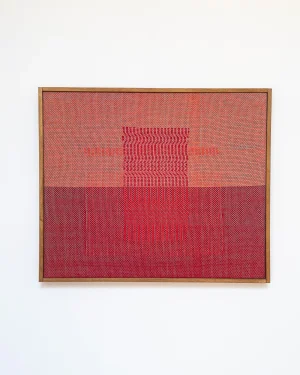
Bandiera N° 17 – Hand-woven Wall Art
By Susanna Costantini
€950 -
 In stock
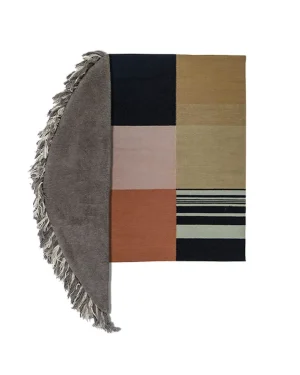
Set No.3_variation – Wall Decor
By Lyk Carpet
€780 -
 In stock
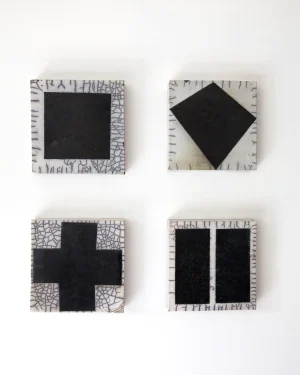
Suprematist Four
By Elena Yakimushkina
€780 -
 In stock
Bandiera N° 27 – Hand-woven Wall Art
By Susanna Costantini
€1.100 -
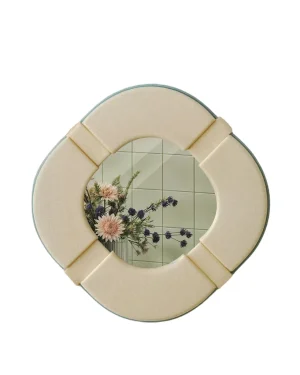
Iris Mirror – “in Flow Together”
By hermhaus
€1.635 -
 In stock
Bandiera N° 26 – Hand-woven Wall Art
By Susanna Costantini
€1.100 -

Bandiera N° 12 – Handwoven Wall Art
By Susanna Costantini
€2.100 -

Bandiera N° 14
By Susanna Costantini
€1.140 -

Axis – Mirror
By Leo Vairo
€6.300 -

Vessel, Objects Of Service
By Haritini Gritzali
Price Upon Request -
 Sold
SoldWall Sculpture N°1
By Dzovag Kotchian
€2.200
Geometrical decor gathers objects built from circles, grids, triangles and repeating facets, pieces that treat shape itself as the ornament. Studios working in stainless steel, ceramic, mirrorglass and wool bring these forms to life through metalwork, hand-building, glazing and weaving, each technique leaving its own trace on the finished edge or surface. What unites them is a geometry worked into the material, not printed over it.
What defines geometrical decor
A geometrical piece reads first as a form, a cone, a ring, a stepped block, before it reads as a bowl, mirror or sculpture. Flat planes and sharp angles come from cut and welded metal; soft, rounded repeats come from thrown or hand-built clay; faceted reflections come from mirrorglass set into frames. The palette tends toward black, white, beige and light gray, so the shape carries the room rather than the color.
Materials and techniques behind the shapes
Stainless steel and polished steel hold crisp lines and take a reflective or brushed finish, useful where a piece needs to catch light without dominating a room. Ceramic and clay, worked by hand-building or glazing, give geometry a warmer, slightly irregular edge, since no two hand-built forms stack with perfect precision. Textile pieces, including Himalayan wool worked by hand-knotting or natural dyeing, translate the same grids and diamonds into something soft underfoot or on a wall.
Editions vary by studio and material. Some geometrical pieces are produced as open editions in small batches of welded metal or glazed stoneware; others exist as limited editions or one-off studio pieces where hand-building or hand-knotting makes exact repetition impractical. The ceramic decor and metal decor ranges show how differently the same angular vocabulary behaves across clay and metal.
Choosing a piece for scale, finish and placement
Scale decides whether a geometrical object anchors a room or sits as a quiet accent. A tall faceted mirror or a sculptural steel form can hold its own on a console or floor, while smaller ceramic or wool pieces work better grouped, where their shapes read against each other rather than against empty wall.
- Match finish to light: polished steel and mirrorglass throw reflections, so place them where they catch a window rather than a direct lamp.
- Pair warm and cool materials: a glazed clay object softens a room otherwise dominated by sharp metal edges.
- Let one geometric statement lead per surface, then let supporting pieces repeat its angles at a smaller scale.
Height matters too. A console or sideboard puts a piece at eye level, where facets and repeats are easiest to read; floor placement suits larger, heavier forms that need room to sit without crowding furniture.
Where geometrical decor works in a room
Entryways and consoles take well to a single strong shape, since there is little else competing for attention. Living rooms carry groupings of smaller geometrical objects across a shelf or mantel, mixing steel, ceramic and textile so the material changes while the shape language stays consistent. Bedrooms and studies often lean on geometrical mirrors or wall-mounted forms, where the repeated lines sit quietly rather than asking for constant notice. For lighting built on the same principles, the range of geometrical lighting extends the shapes into lamps and fixtures.
Caring for geometrical pieces
Steel and polished metal need only a soft, dry cloth to keep their reflective surfaces free of fingerprints and dust; avoid abrasive cleaners that dull a brushed finish. Glazed ceramics wipe clean with a damp cloth, though unglazed or hand-built surfaces can mark if left wet. Wool and woven textiles benefit from the occasional shake and airing to keep hand-knotted fibers from flattening or holding dust.
Across materials, the wider decor range and the full set of geometrical pieces on ADORNO make it possible to build a room around repeating shapes rather than a single object, while the unique decor grouping covers the one-off studio pieces where that geometry was never meant to repeat at all.
How do I choose a piece of geometrical decor?
Look at the room's existing lines first. Sharp, faceted forms in steel or ceramic suit spare, angular interiors, while rounded geometric shapes soften a space with more curves and texture.
What materials are geometrical decor pieces usually made from?
Stainless steel, polished steel, ceramic, clay, and mirrorglass are common, along with woven textile and wool. Metal pieces hold crisp edges, while ceramic and clay read softer and more tactile.
How do I care for metal, ceramic or woven geometrical decor?
Wipe steel with a dry or lightly damp cloth to avoid water spots, dust ceramic and clay regularly, and keep woven textile or wool pieces out of direct sun and damp conditions.
What size geometrical decor piece should I buy?
Check the dimensions on each piece's page against your shelf, console or wall space before buying, since geometric forms often read larger than photos suggest due to their angles.
Which rooms suit geometrical decor best?
Living rooms, entryways and studies take well to geometric forms, where they anchor a shelf or console. Bedrooms suit softer, rounded shapes better than sharply angled ones.
Does ADORNO ship geometrical decor worldwide and accept returns?
Shipping is insured and worldwide. Pieces can be returned within 14 days, except made-to-order pieces, and each arrives with a certificate of authenticity.