




-
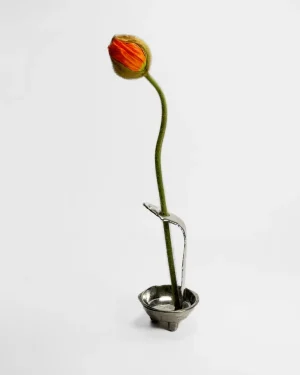
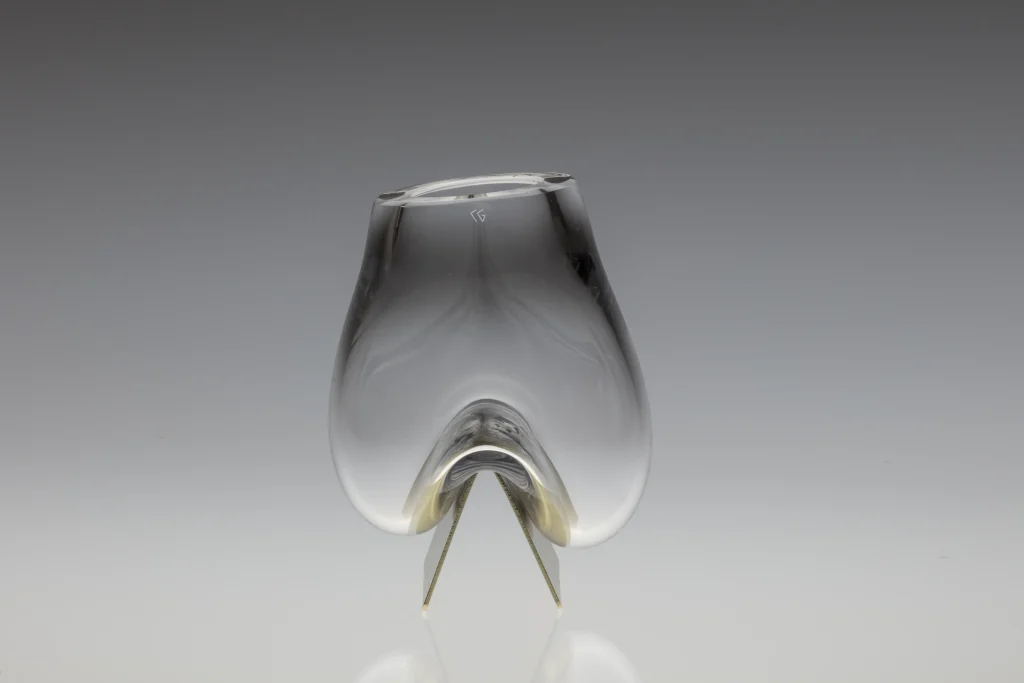
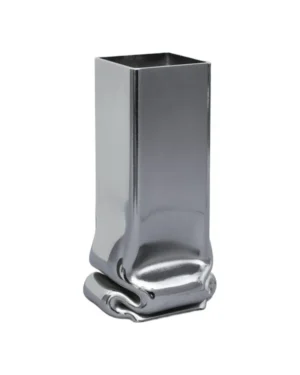
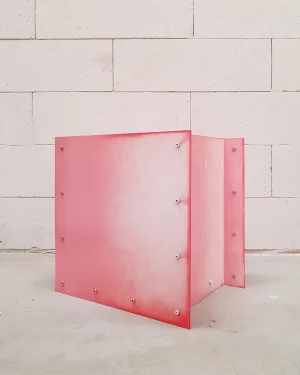
Favorite Vase
By Studio Formbart
€224 -
 In stock
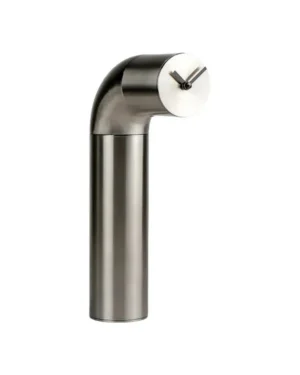
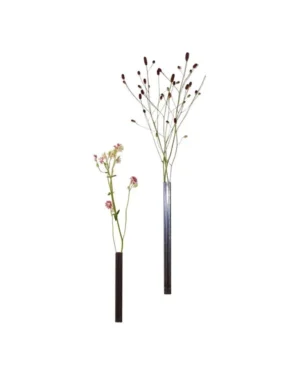
Iron And Steel Life Cabin Vase D
By TUNK I Busra Tunc
€220 -
 In stock
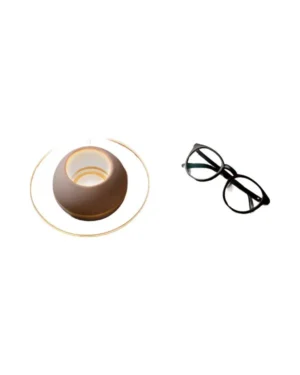
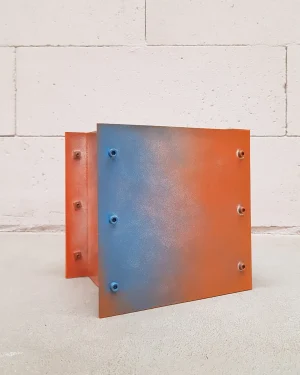
Fetish – Wax Vase
By Pierre Klein
€80 - €145 This product has multiple variants. The options may be chosen on the product page -
 In stock
Iron And Steel Life Cabin Vase A
By TUNK I Busra Tunc
€140 -
 In stock
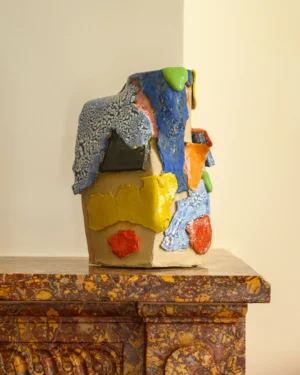
Round And Round | Blue On Yellow On White | Vase No. 003/23
By Atelier von Ehren
€276 -
 In stock
Estudi 02 – Vase
By Pierre Klein
€400 -

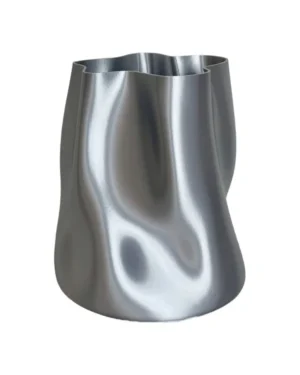
Bobulate Vase V2
By Rollo Studio
€450 -
 In stock
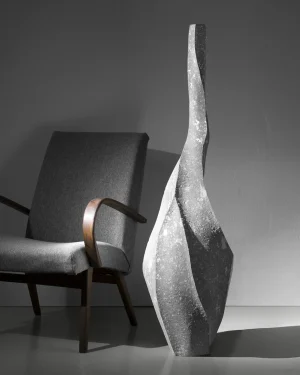
Solid Gray Stone Tall Floor Vase – Skew Series In Cast Stone By Donatas Zukauskas
By Donatas Žukauskas
€2.450 -
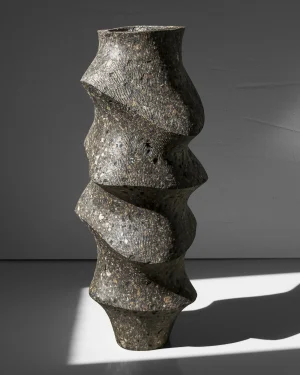
Large Floor Vase, Brutalist Concrete-look Sculpture
By Donatas Žukauskas
€1.450 -
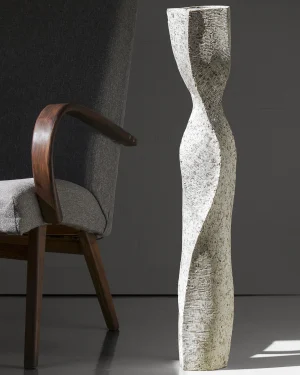
Column Tall Twisted Sculptural Vase, Brutalist Textured Floor Vase
By Donatas Žukauskas
€860 -
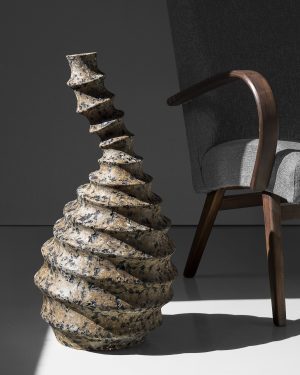
Solid Beige Stone Floor Vase – Erosion Series In Cast Stone By Donatas Zukauskas
By Donatas Žukauskas
€1.450 -
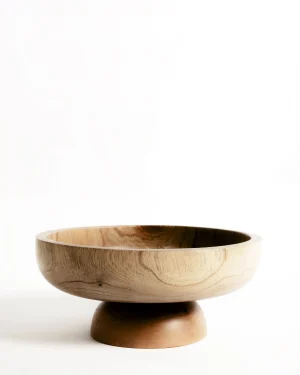
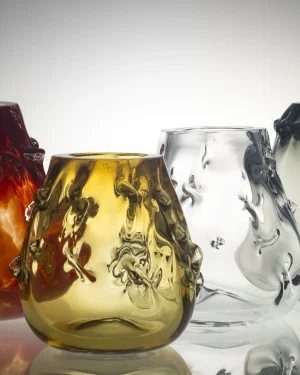
Moon Fruit Platter
By Daniel Orozco Estudio
€272 -
 In stock
Espinhos Vase
By Carol Gay
€777 - €868 This product has multiple variants. The options may be chosen on the product page -

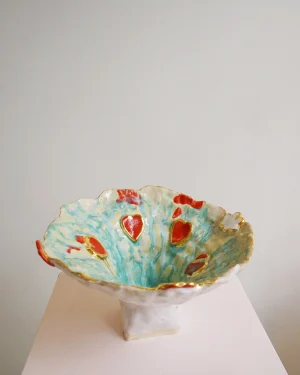
Archa Sculptural Vase — Handmade Archetypal Design Object
By Donatas Žukauskas
€1.450 -
 In stock
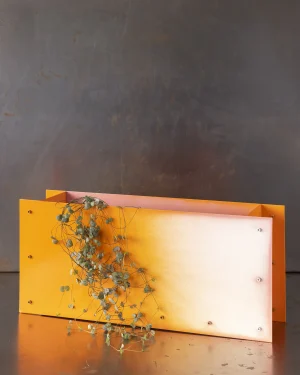
Olé Series- Plates Edition
By Hania Jneid Design Studio
€650 -
 In stock
Iron And Steel Life Cabin Vase C
By TUNK I Busra Tunc
€180 -
 In stock
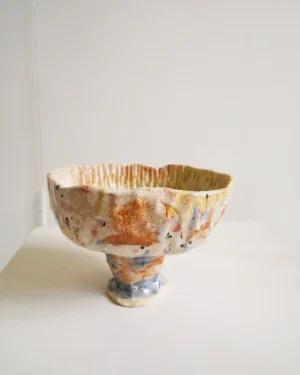
Mono – Terrazzo Vase
By Assimply Studio
€200 -
 In stock
Naive Series- Multi-coloured Tones Vessel
By Hania Jneid Design Studio
€650 This product has multiple variants. The options may be chosen on the product page -
 In stock
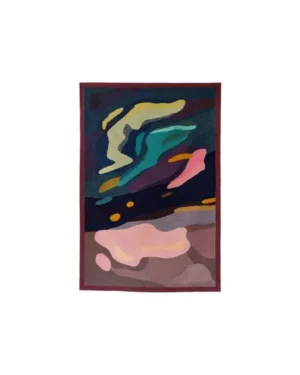
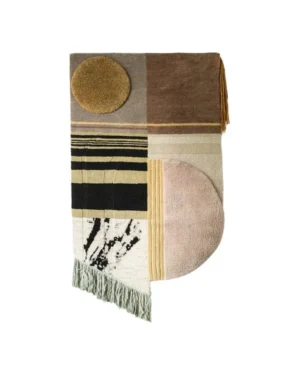
Principessa – Hand Tufted Wool Rug
By M’ama edizioni
€980 -
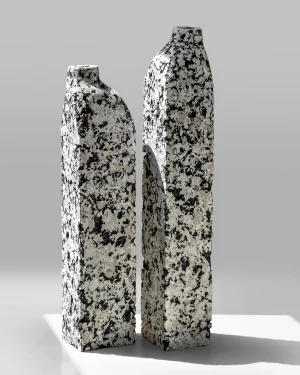
Solid White Stone Set Vase – Block Series In Cast Stone By Donatas Zukauskas
By Donatas Žukauskas
€1.350 -
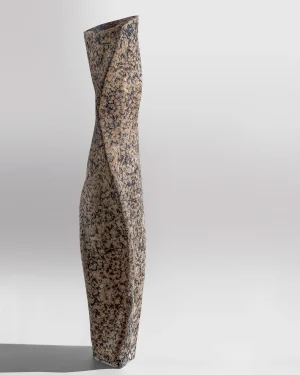
Rawline Tall Twisted Sculptural Vase, Brutalist Concrete-look Floor Vase
By Donatas Žukauskas
€1.450 -
 In stock
Chimborazo – Decorative Volcanic Stone Bowl
By ANDEAN
€333 -
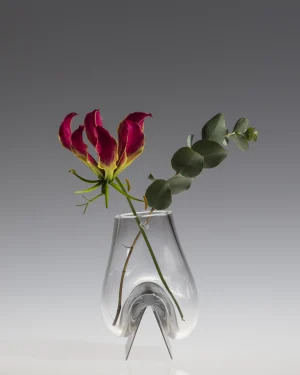
Collectibles – Miniature Bola Vase
By Carol Gay
€256 - €310 This product has multiple variants. The options may be chosen on the product page -
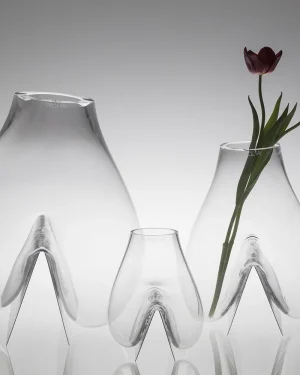
Bola Vase
By Carol Gay
€511 - €995 This product has multiple variants. The options may be chosen on the product page -
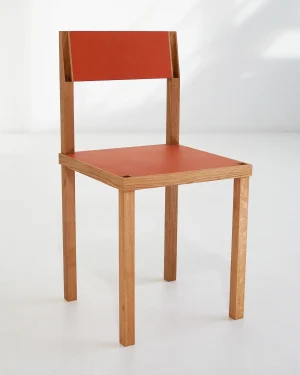
Kan Chair
By Benjamin Nordsmark
€800 -
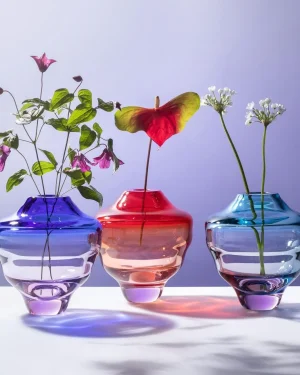
Trdlik – Mouth-blown Vase
By Frantisek Jungvirt
€1.360 - €1.460 This product has multiple variants. The options may be chosen on the product page -
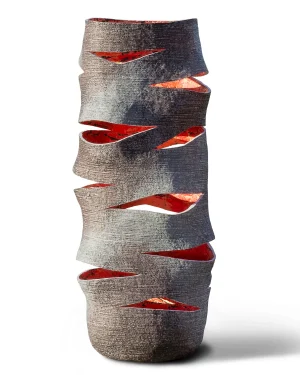
Solid Black Stone High Candle Lantern – Ember Series In Cast Stone By Donatas Zukauskas
By Donatas Žukauskas
€710 - €730 This product has multiple variants. The options may be chosen on the product page -
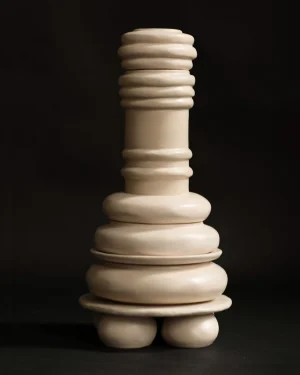
Rozmova Transformable Ceramic Set (white)
By ZEMNA
€2.400 -
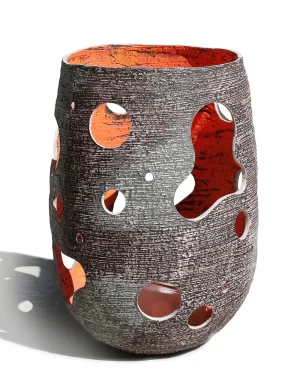
Ember Wide Sculptural Art Object, Sculptural Lantern, Decorative Vessel, Ambient Lighting
By Donatas Žukauskas
€650 -
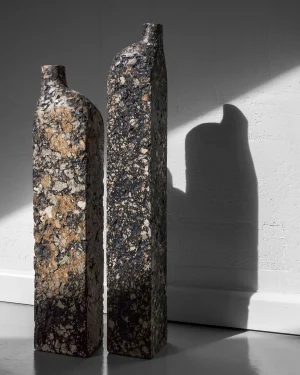
Solid Black Stone Set Vase – Block Series In Cast Stone By Donatas Zukauskas
By Donatas Žukauskas
€1.350 -
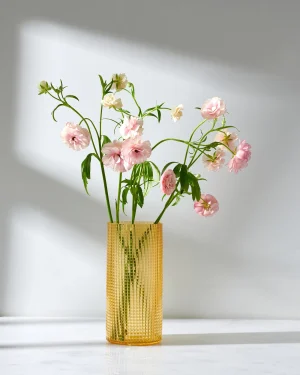
Splay The Louvre – No. 5 – Translucent Free Blown Glass Vase
By tapd - tamara abrar product design
€160 - €450 This product has multiple variants. The options may be chosen on the product page -
 In stock
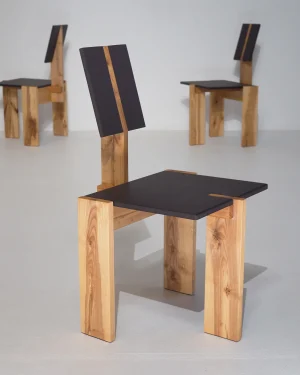
Knast – Ash Wood Dining Chair
By Benjamin Nordsmark
€700 -

Solid Red Stone Set Vase – Fragment Series In Cast Stone By Donatas Zukauskas
By Donatas Žukauskas
€1.450 -
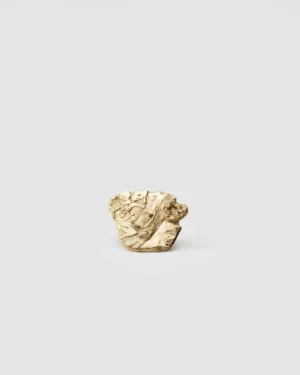 In stock
Moonwalk, Lunar Edition Door Handle
By Wanderart
€800 -
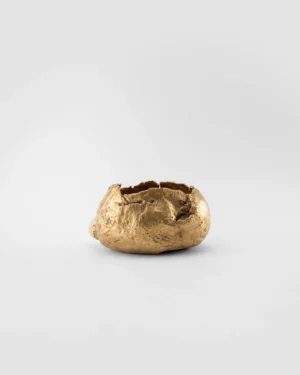 In stock
Achea 02, Lunar Edition Vase
By Wanderart
€2.900 -
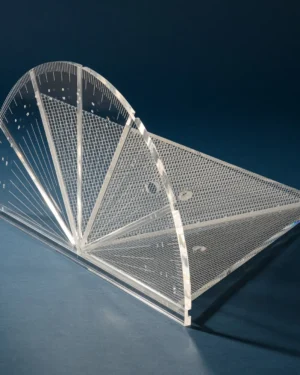 In stock
Angle – B
By Iyo Hasegawa
€2.600 -
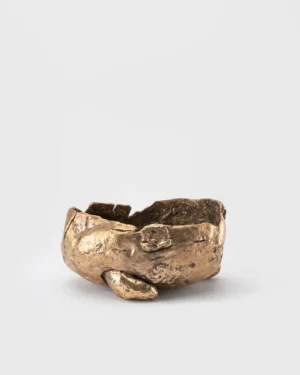 In stock
Achea 03, Lunar Edition Vase
By Wanderart
€4.680 -
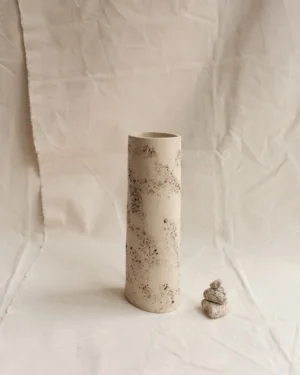 In stock
Cylinder Vessel 01
By Valentine Benoist Ceramics
€1.300 -
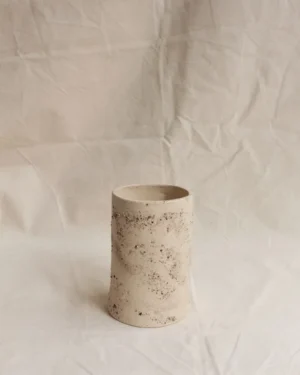 In stock
Cylinder Vessel 02
By Valentine Benoist Ceramics
€1.180 -

Solid Black Stone Wave Candle Lantern – Ember Series In Cast Stone
By Donatas Žukauskas
€650 - €730 This product has multiple variants. The options may be chosen on the product page -
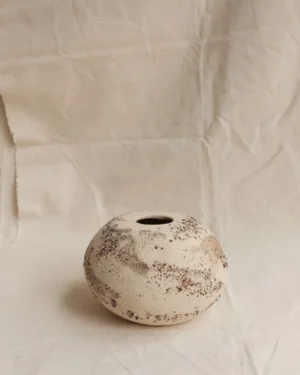 In stock
Globe Vessel 01
By Valentine Benoist Ceramics
€1.250 -
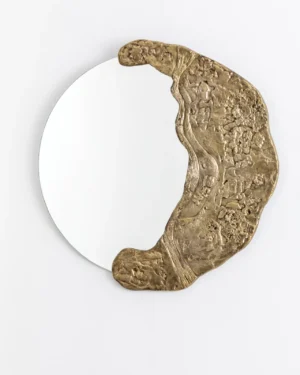 In stock
Mooncrater, Lunar Edition Mirror
By Wanderart
€3.880 -
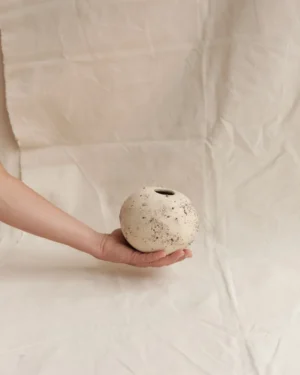 In stock
Globe Vessel 02
By Valentine Benoist Ceramics
€980 -
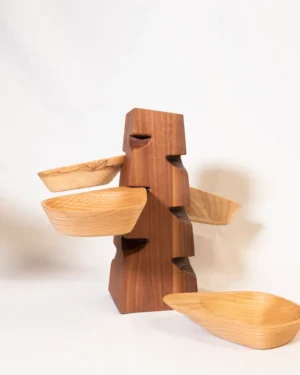
Camelia Bowl Set
By Juskani Alonso
€1.150 -
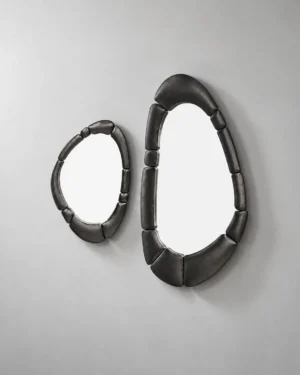
Nucleation Mirrors Set
By Drusch Design
€1.900 -
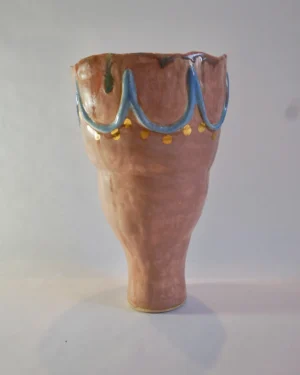 In stock
¨soft Memory¨ Sculptural Pink Ceramic Vase With Gold Luster
By Hania Jneid Design Studio
€2.500 -
 In stock
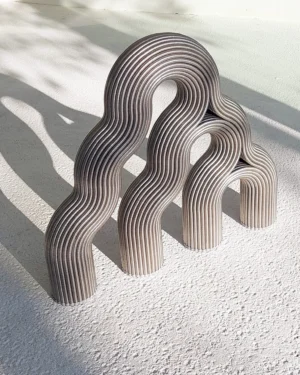
“flux” Sculpture
By JAN PAUL
€4.975 -
 In stock
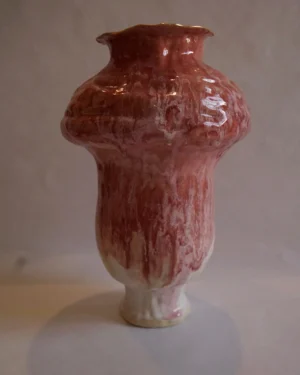
“tender Memory” Sculptural Pink-red Ceramic Vase With Gold Luster
By Hania Jneid Design Studio
€2.300 -
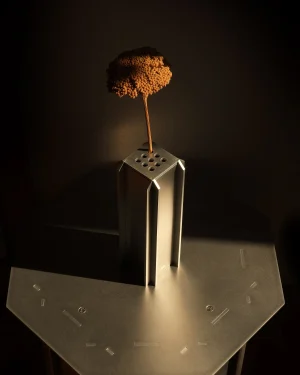
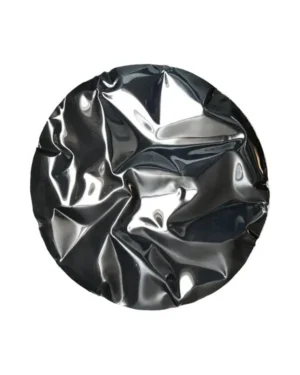
Specimen Vessel – Aluminum Vase
By BUREAU OF ENTROPY
Price Upon Request -
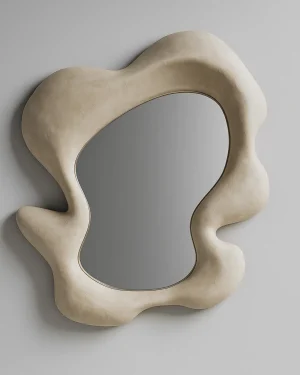
Soma Mirror
By aeny studio
Price Upon Request -
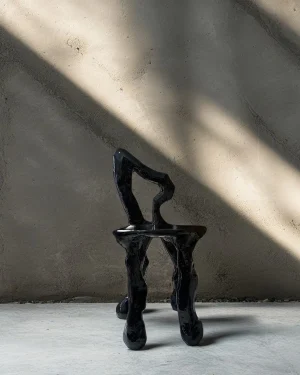
Eros Chair
By aeny studio
Price Upon Request -
 Sold
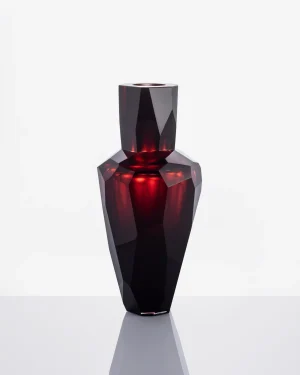
SoldGarden – Hand Cut Sculptural Vase
By Frantisek Jungvirt
€8.400 -
 Sold
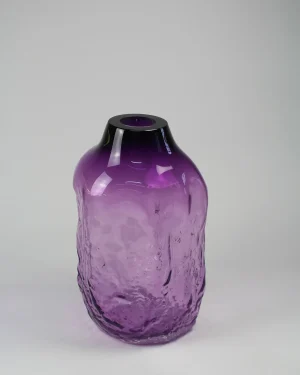
SoldSand Series – Hyacinth Handmade Glass Object
By Vogel Studio
€1.150 -
 In stock
Lean Series – Recycled Plastic and Glass Vase
By Atelier SOHN
Price Upon Request
Dining room decor on ADORNO gathers the small objects that sit on a table, sideboard or shelf once the chairs are pushed in: bowls, vases, candle holders, trays and sculptural objects made by independent studios working in stoneware, stainless steel, ceramic and cast stone. Many pieces are thrown or hand-built from clay, others cast in metal or carved from solid stone, so surfaces carry the marks of the hand or the mold rather than a factory finish. The material and the technique, more than any single shape, set the tone of a dining table.
What defines dining room decor pieces
Stoneware and ceramic form the core of what turns up here, often finished with a glaze that pools and thins across the surface, so a piece can shift in color even within a single run. Stainless steel and cast metal objects sit alongside these in bronze or silver tones, their surfaces ranging from a brushed matte to a mirror gloss. Granite and other natural stone appear less often but hold their own on a table: heavy, cool to the touch, and marked with the veining particular to the block it came from.
For a broader look at how these materials turn up across tableware, lighting and small objects, the wider range of decor on ADORNO follows the same logic of material first.
Finishes, colors and ways of making
Technique varies as much as material. Hand-building and wheel-throwing shape most of the stoneware and ceramic pieces, while glazing is applied afterward in layers that pool in the grooves and resist on the raised surfaces. Metal objects are either cast through lost-wax methods, giving soft, slightly irregular forms, or worked by hand through metalwork and cut with more precision on a CNC mill. Some studios hand-paint ceramic surfaces in multicolor patterns; others leave a single glaze, clear or beige, to speak for itself.
- Materials: stoneware, stainless steel, ceramic, granite and other natural stone
- Finishes: glossy or matte glaze, bronze or silver metal tones, clear or transparent coats
- Techniques: hand-building, metalwork, hand painting, lost-wax and metal casting, CNC milling, wood carving
Editions run from open runs produced to order, through limited runs of a stated number, to one-off pieces where no two examples are quite alike. Studios working in ceramic decor and those working in metal decor both move across all three.
How to choose dining room decor for your table
Scale matters more than style once a piece sits on a table that already holds plates, glassware and the rest of a place setting. A bowl or vase under a hand's width reads as trim rather than a center, so for a table used daily, something a little taller or wider holds its own without crowding the setting. Height counts too: a piece meant to stay on the table through a meal should sit low enough that guests can see each other across it, while a taller object suits a sideboard or console instead.
Finish decides how an object behaves in candlelight as much as daylight. Glossy glazes and polished metal catch light and reflect color from food and linens, while a matte or raw stoneware surface absorbs it, which suits a room that already carries pattern or color elsewhere.
Where dining room decor sits in the room
Dining room decor is not limited to the table itself. The same bowls, trays and small sculptures that anchor a table also work on a sideboard, a shelf or a console nearby. Paired with dining room accessories chosen in a related material, a stoneware centerpiece can sit against a set of dining chairs in oak or steel without either competing for attention. For the full range of objects gathered by room rather than by material, every dining room piece on ADORNO is grouped together in one place.
Caring for stoneware, stone and metal surfaces
Stoneware and ceramic are fired hard but still porous at the glaze line, so wipe them with a damp cloth rather than soaking them, and dry any stone or metal piece promptly after contact with water. Granite and other natural stone resist heat and daily wear but can stain if wine or oil sits on the surface, so a quick wipe after use keeps the stone's color even over years. Bronze and silver-toned metal will darken slightly with handling; a soft cloth restores most of the shine, and this patina is part of how the material is expected to age rather than a fault.
How do I choose dining room decor?
Pick pieces that read well at table height and hold their own against tableware and linens. Consider the finish against your table's material, and keep scale in check so sightlines across the table stay open.
What materials are dining room decor pieces made from, and how do I care for them?
Stoneware, ceramic, stainless steel, and natural stone are common, often hand-built, glazed, or cast. Wipe ceramic and stoneware with a damp cloth, dry metal to avoid water spots, and seal porous stone to prevent staining.
What size centerpiece suits a dining table?
Standard dining tables stand around 29 to 30 inches tall, so low or tapered centerpieces keep sightlines clear across the table. Taller pieces generally work better set to one side.
Can dining room decor work in other rooms too?
Bowls, vases, and sculptural objects made for the table often suit consoles, shelves, or living room surfaces equally well, since their material and form read the same anywhere.
What should I know about buying dining room decor from ADORNO?
Shipping is insured and worldwide, with a 14-day return policy excluding made-to-order pieces. Every piece comes with a certificate of authenticity, and ADORNO offers a lowest-price guarantee.