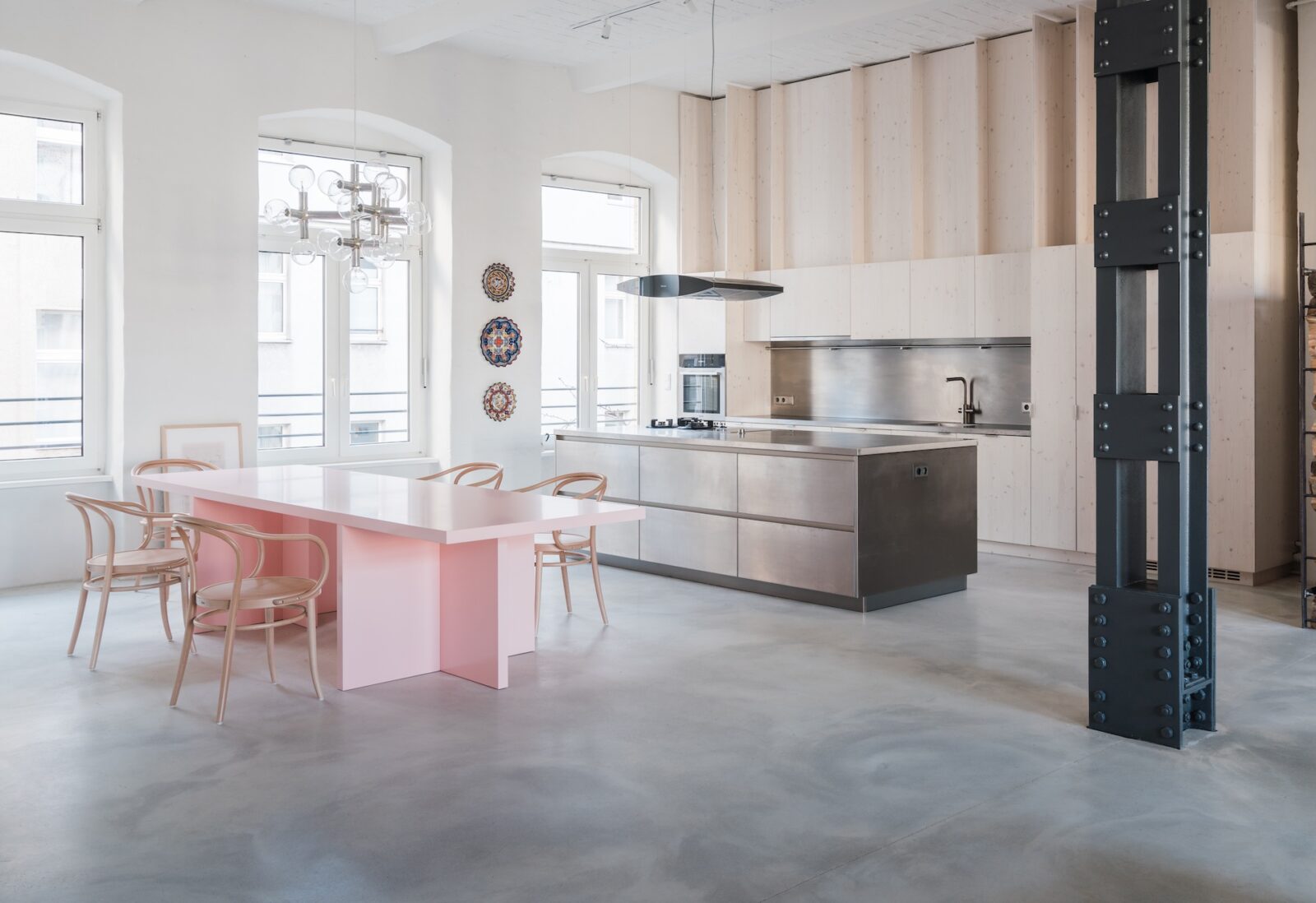
Kitchen Counter Decor: What Earns a Place
A kitchen counter is a work surface that happens to be on display. Every object left on it is competing with the job the surface actually does.
That is the whole difficulty, and it is why kitchen counters are harder to style than any other surface in a house. A mantel holds objects and nothing else. A console does the same. A counter has to take raw chicken, hot pans, spilled oil and a chopping board on a Tuesday evening — and then look composed for the rest of the week.
So the useful question is not what to put on a counter but what earns the space. What follows works through the zones that have to stay clear, the test for what stays out, how to group the things that do, what survives grease and steam, and how the island differs from the run of counter along a wall.
The work surface comes first
Before anything decorative, map where the work happens. Almost every counter divides into three kinds of space, and only one of them is available.
- Prep space stays empty. Keep a clear run of 24 to 36 inches beside the range and the same beside the sink. This is where the chopping board lands, and it needs to be genuinely clear rather than clear-ish. Nothing decorative belongs here, and nothing that needs moving every time you cook will stay put for long.
- Landing zones stay mostly empty. The 15 inches beside a refrigerator and beside the oven are where hot and heavy things get set down. These read as free space and are not.
- Dead corners are yours. The stretch between two work areas, the corner where two runs meet, the end of a counter against a wall — these are rarely used for prep and are where counter decor actually belongs. Consequently the decorating happens at the edges of the kitchen rather than in the middle of it.
One more constraint people forget: standard upper cabinets hang 18 inches above the counter. Anything taller than about 15 inches will not fit underneath, which rules out most tall vases on a wall run. Save the height for the island or an open stretch of wall.
What earns a place on the counter
One test covers it. An object stays out if it is used at least weekly, or if it is good enough to be worth wiping around. Anything that satisfies neither goes in a cupboard.
That test is stricter than it sounds. The stand mixer used twice a year fails it. The blender used every morning passes. The decorative sign reading “eat” fails on both counts. A good salt cellar passes twice over, since it is used daily and worth looking at.
Decant what stays out. This is the single highest-impact move in a kitchen, and it costs almost nothing. Dish soap in a plain glass or ceramic dispenser rather than the bottle it came in changes the sink area more than any object you could add. The same goes for oil, salt, coffee and cooking utensils: the packaging is the clutter, not the contents.
Keep to a third. As a rough proportion, no more than about a third of the total counter surface should be occupied at rest. Beyond that a kitchen starts to read as cluttered regardless of how good the individual objects are, and the working space stops feeling available.
Grouping: the rules that make it look composed
Objects scattered singly along a counter read as leftovers. The same objects gathered read as arrangement, and the difference is almost entirely about grouping.
- Work in threes. Odd numbers resolve; pairs compete. Three objects of clearly different heights — tallest around 12 to 15 inches, something mid, something low — give the eye a path.
- Give every group a boundary. A tray or a board turns four loose things into one composition, and it lifts off in a single movement when you need the surface. This is the most useful object in a kitchen for exactly that reason.
- Push groups to the back. Counters are 25 inches deep. Keep arrangements within the back 8 to 10 inches and the front two-thirds stays genuinely usable.
- Repeat a material. Wood appearing three times across a kitchen ties it together. Three unrelated materials in one group do the opposite.
- Leave the visual gaps. Two or three groups along a run of counter, with clear surface between them, beats an even spread of objects.
The fruit bowl, and the tray
Two objects do most of the work in most kitchens, and both are functional before they are decorative.
A bowl of fruit is the oldest counter decoration there is and still the best, because the color comes from something you are going to eat. It refreshes itself weekly, costs nothing beyond groceries, and reads as a kitchen in use rather than a kitchen styled. Choose a bowl wide and shallow rather than deep — fruit at the bottom of a deep bowl bruises and goes unseen.
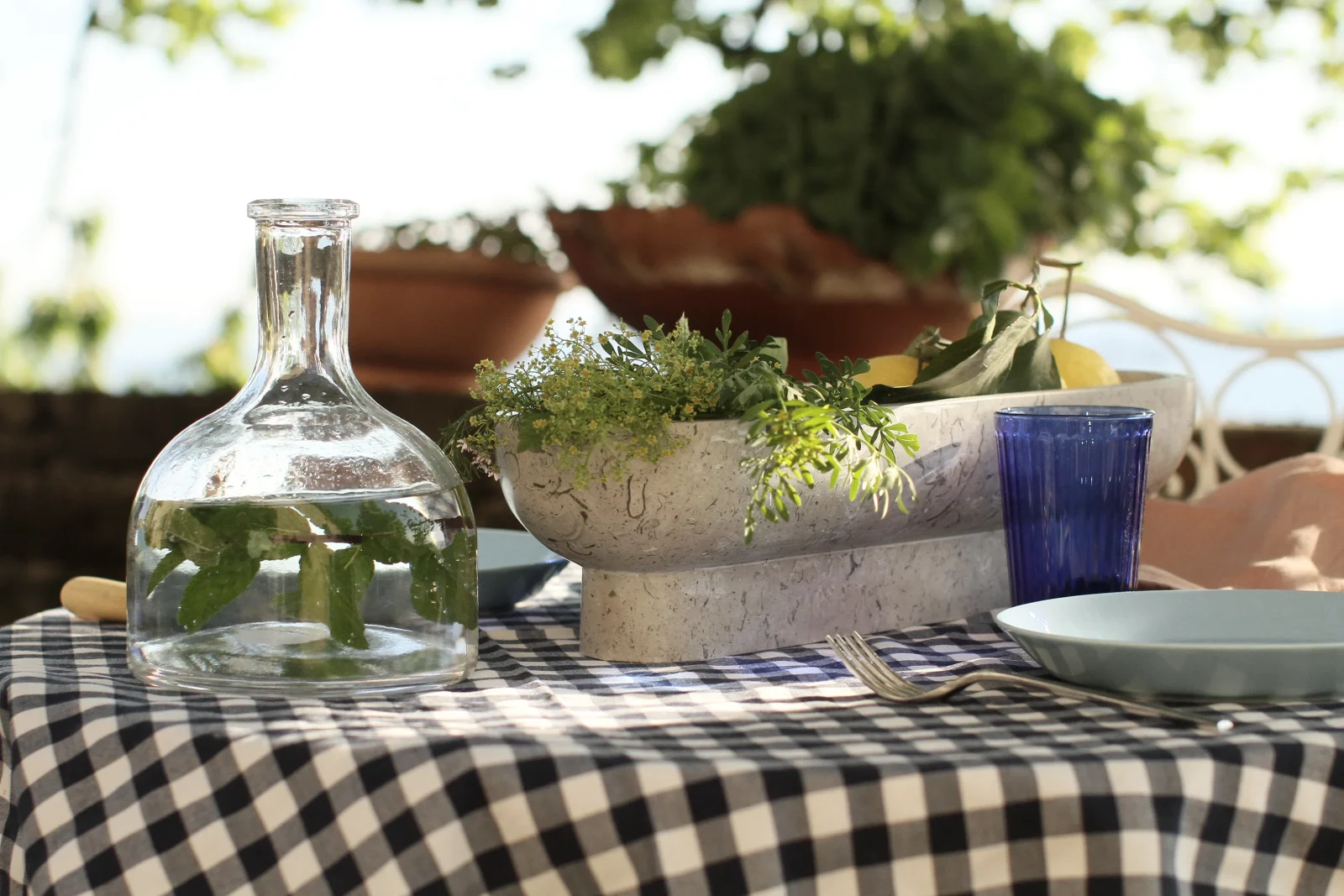
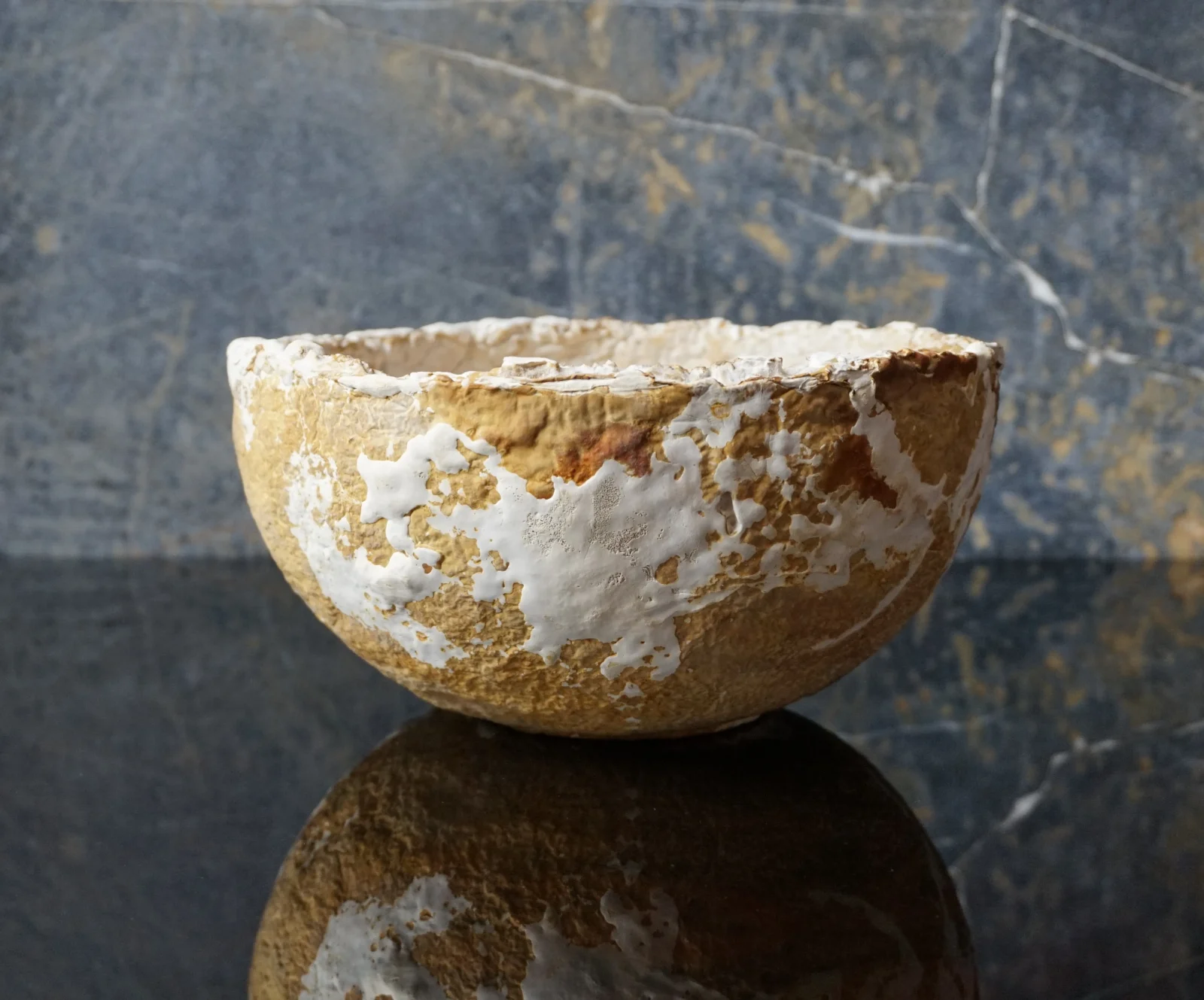
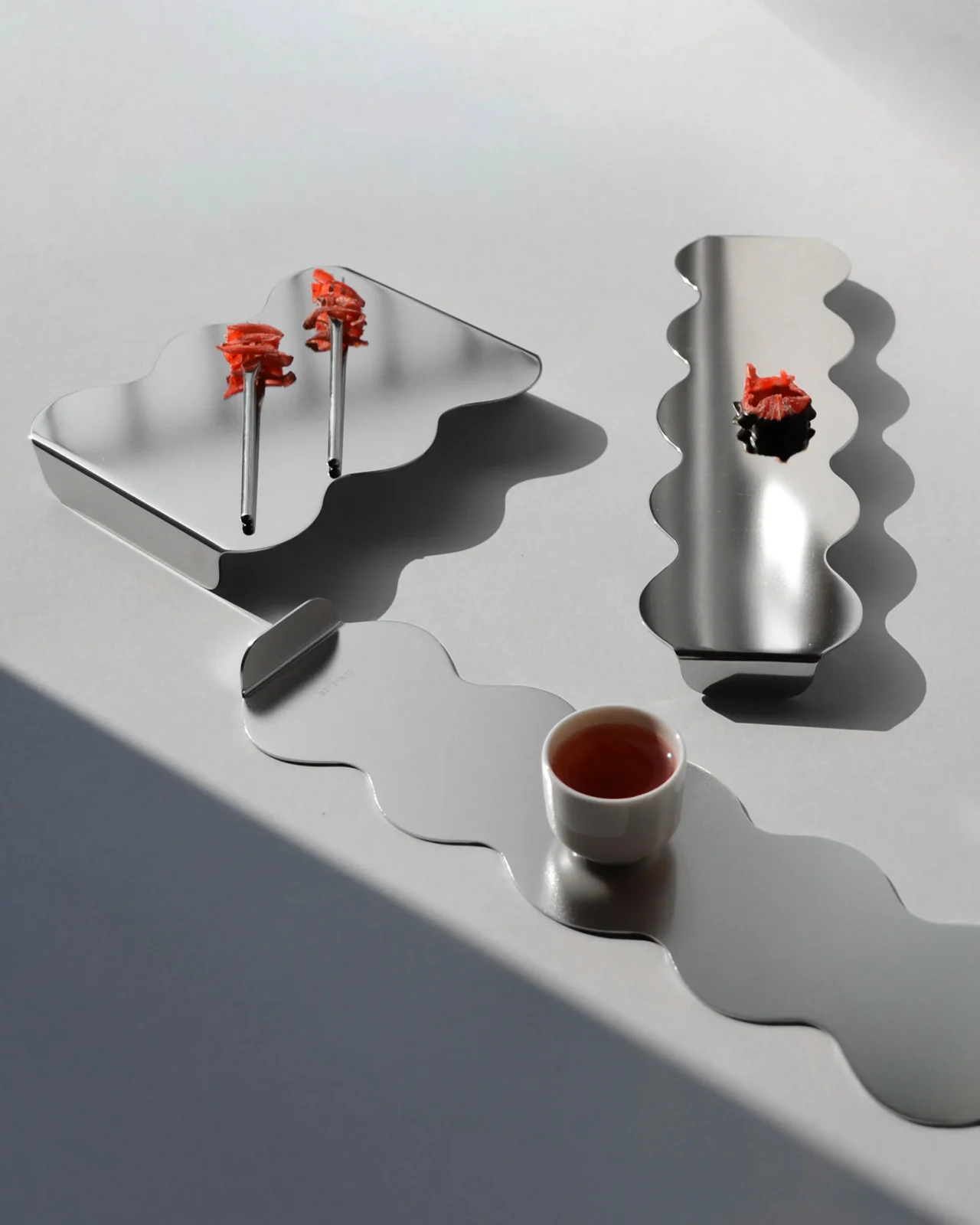
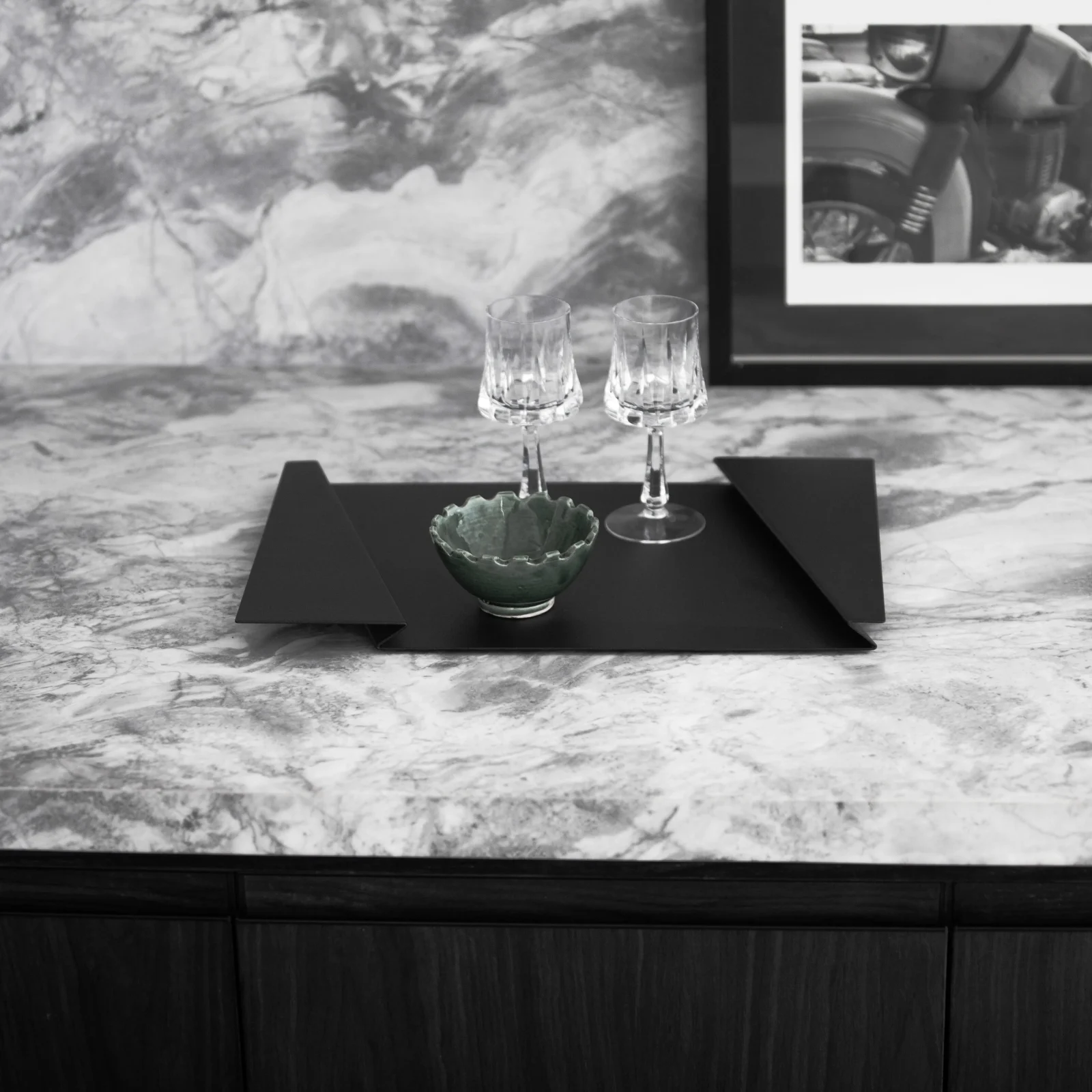
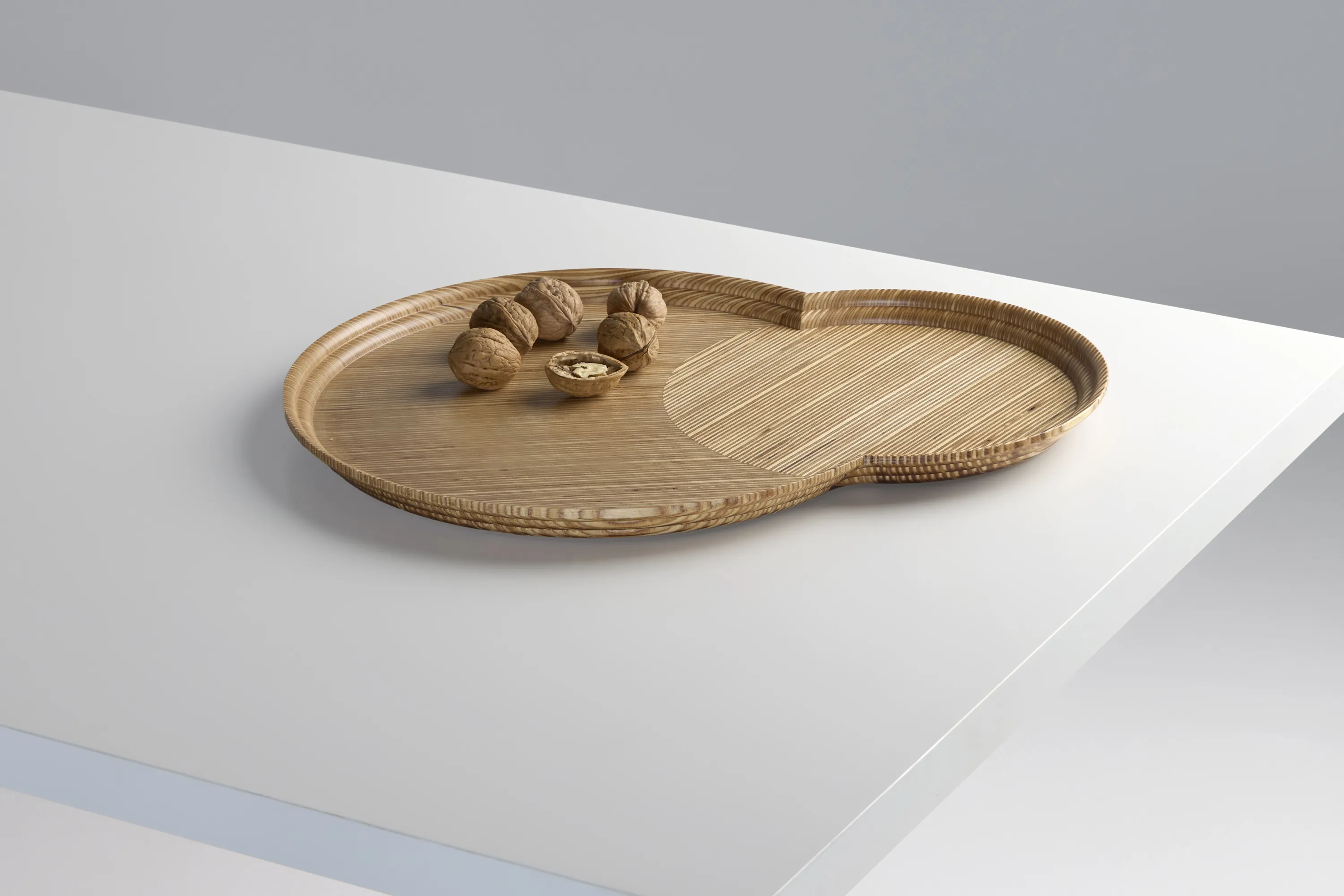
A tray solves the grouping problem permanently. Oil, salt, pepper and a small vessel on a tray travel as one object, come off in a second for wiping, and stop the counter looking scattered. Furthermore, a tray gives you a defined edge, which is what separates an arrangement from an accumulation.
Something living, and something with height
A kitchen full of hard surfaces — stone, tile, steel, laminate — needs one organic thing to stop reading as a laboratory. It does not need many.
Herbs are the obvious answer and the one that actually works, because they get used. Basil, rosemary or mint on a windowsill or the end of a counter is decoration you cook with. Cut branches in a vessel last weeks and need no light. A single stem of something in a narrow vase does more than a full arrangement, which in a kitchen will be in the way by Thursday.
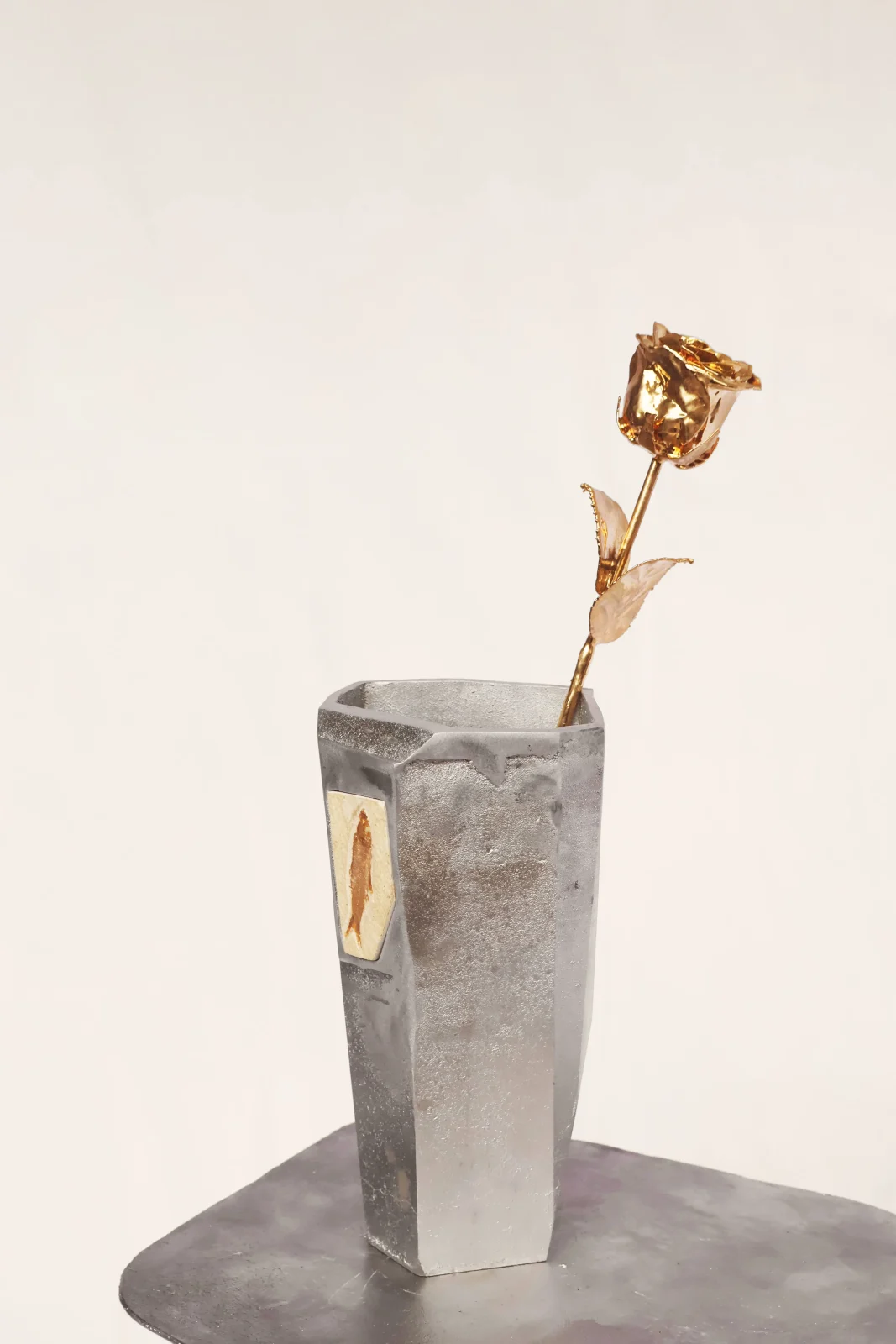
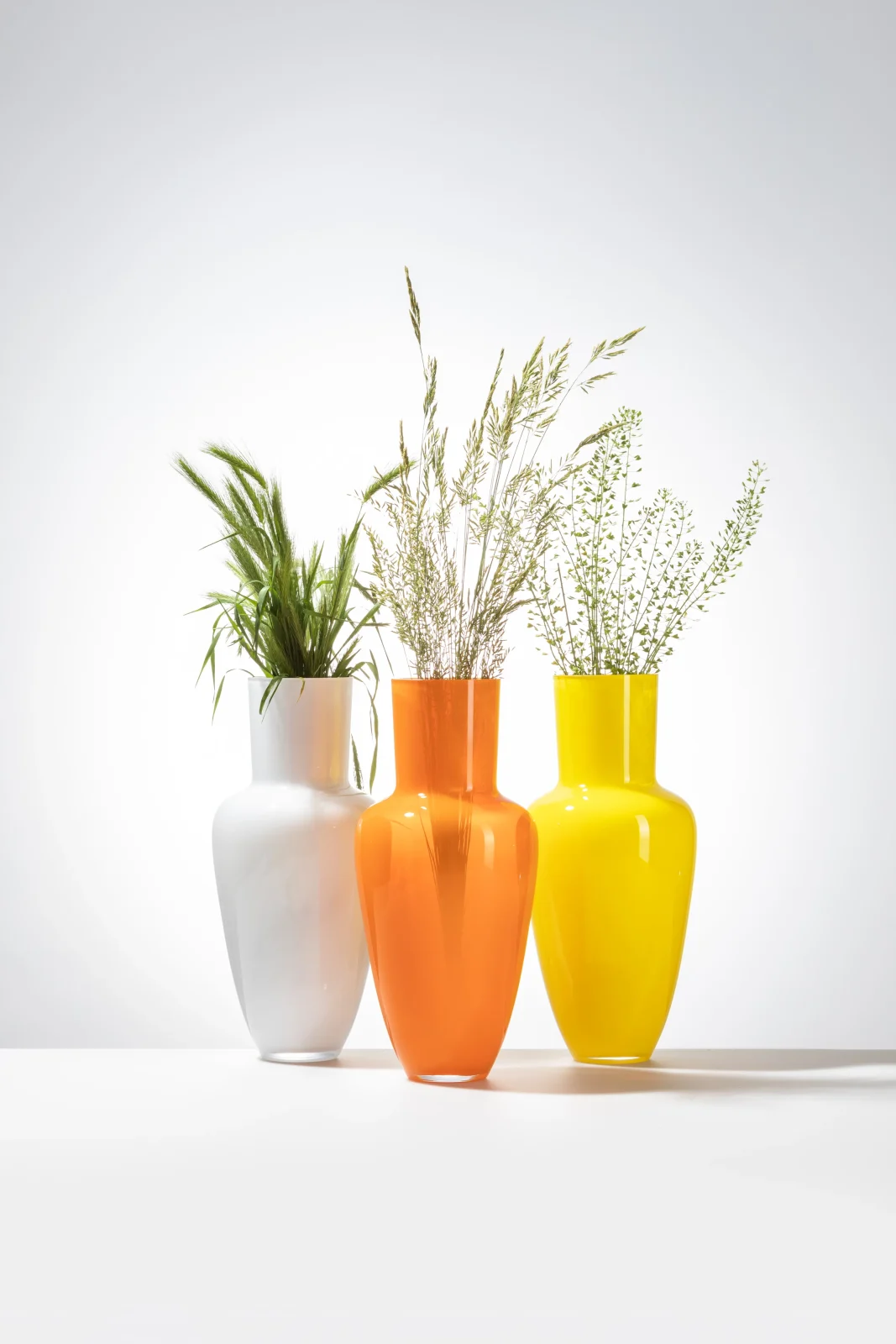
On vessels generally: a vase on a counter earns its place by being usable as well as good-looking. Something that holds utensils, or water, or nothing at all, and that can be moved with one hand. Meanwhile, remember the 15-inch ceiling under upper cabinets — the tall piece goes on the island or on an open run.

Everyday objects, made well
The most effective kitchen counter decor is not decor at all. It is the handful of things you reach for daily, chosen well enough that leaving them out is an improvement rather than a compromise.
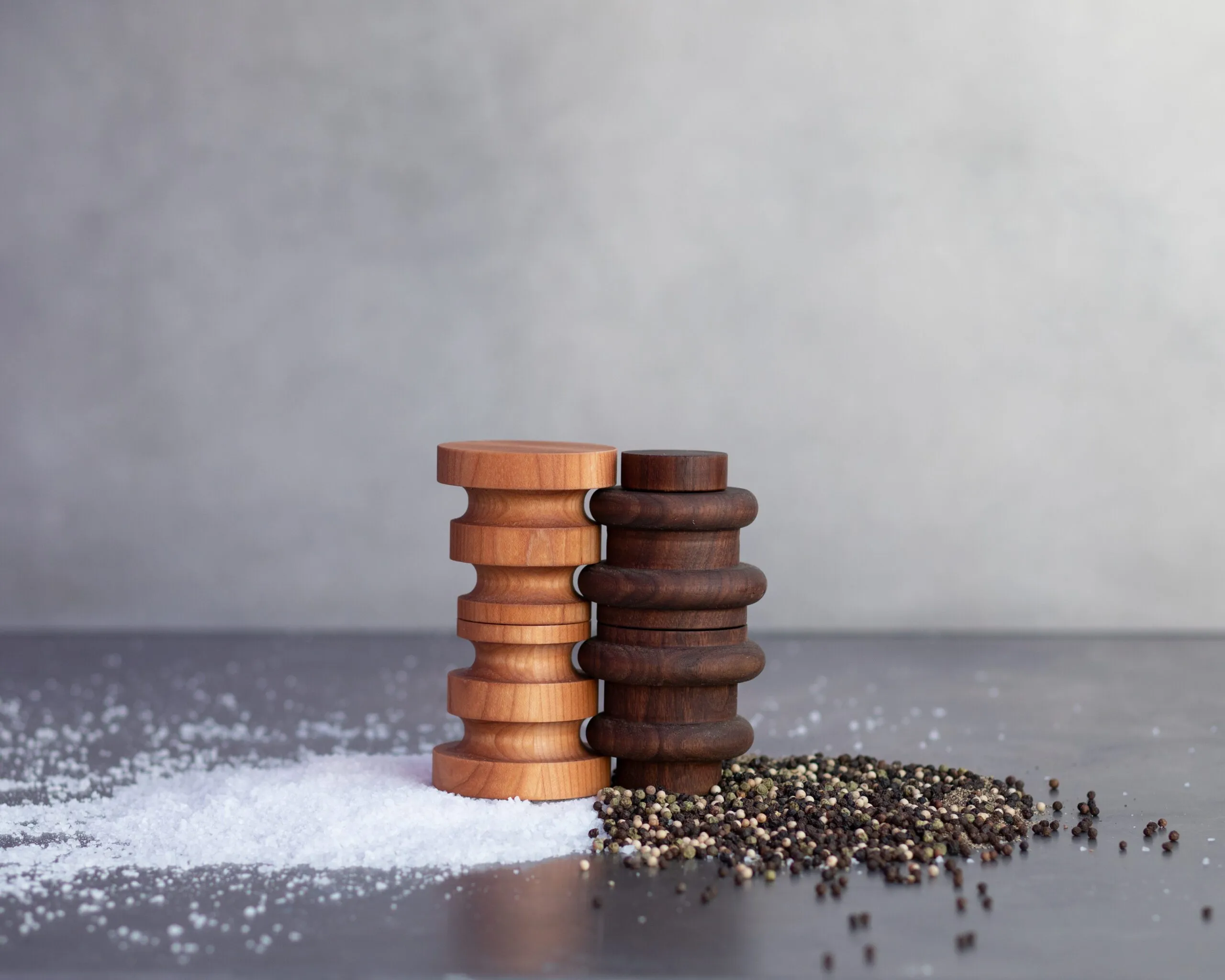
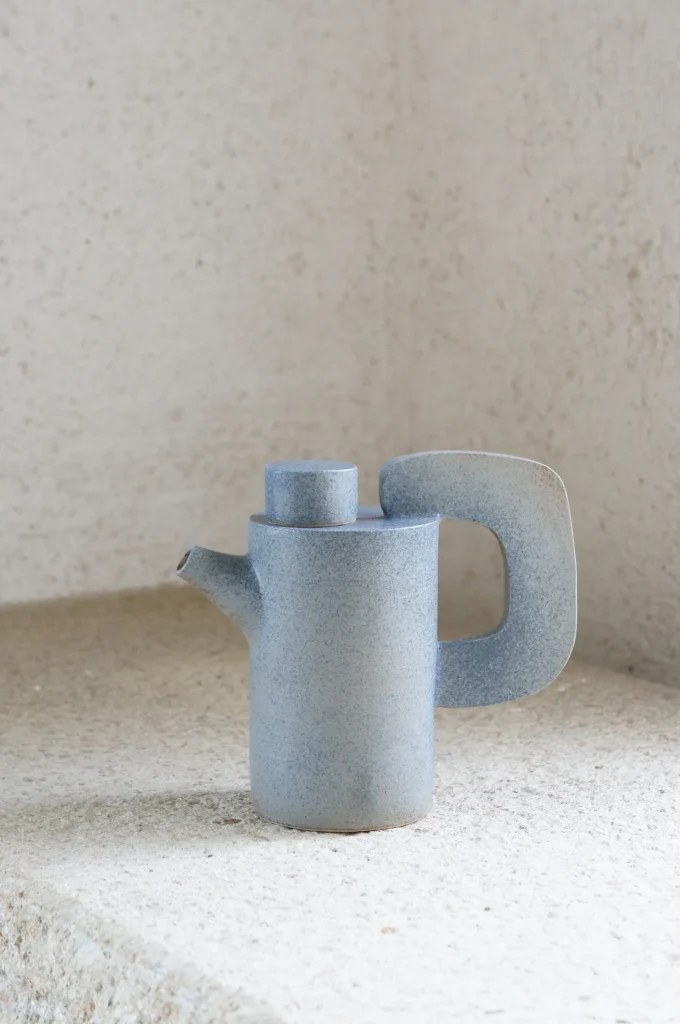
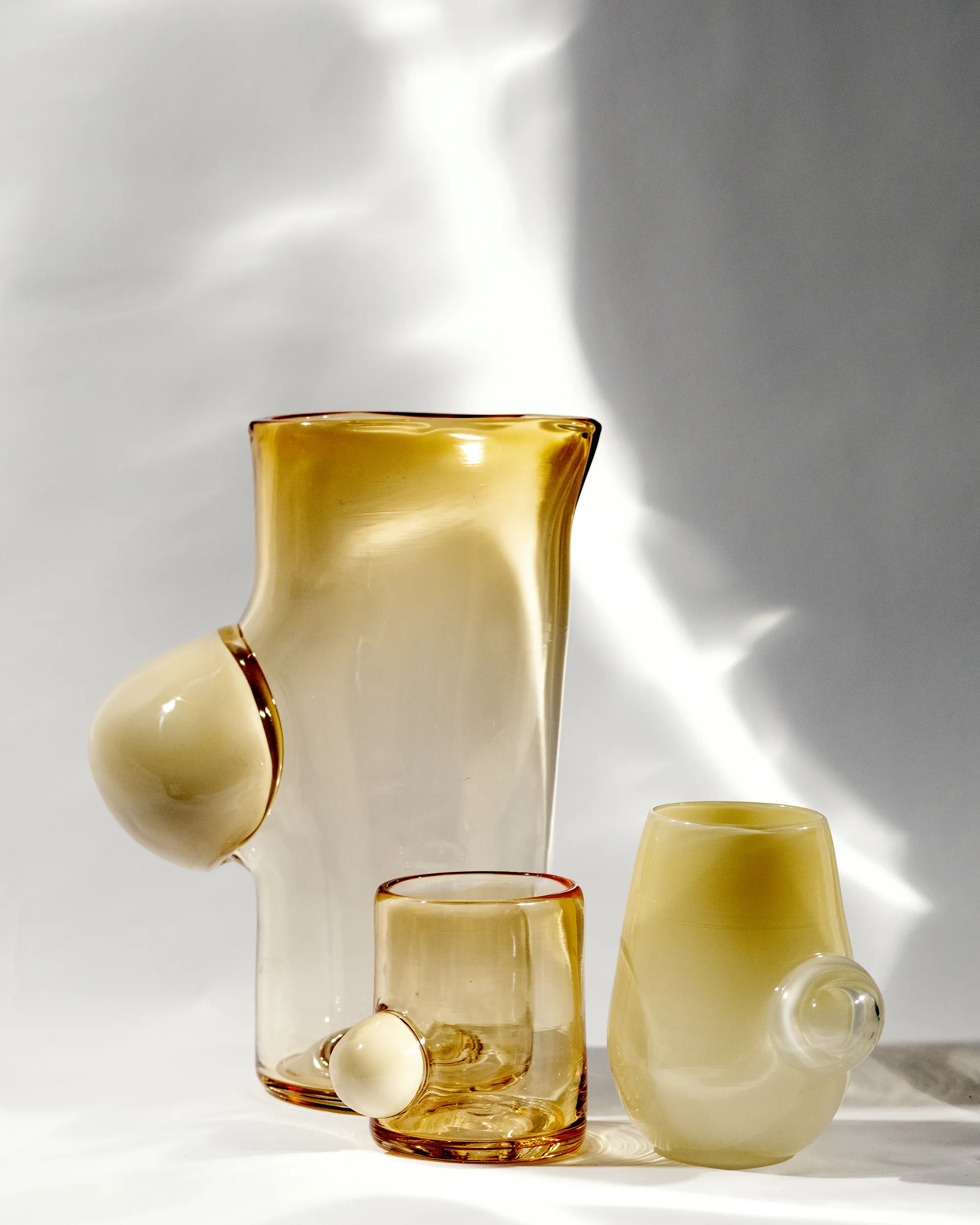
Salt and pepper mills, a water pitcher, an oil bottle, a utensil crock, a pitcher that doubles as a vase. These earn their place automatically because they are in use, and upgrading them is the cheapest way to make a kitchen look considered. Specifically, a good pitcher does three jobs — water on the table, branches on the counter, and a vessel for anything else — which is exactly the multi-use logic a working surface rewards.
Consequently the buying advice for a kitchen counter is the opposite of the advice for a mantel. Buy tools, not ornaments, and buy fewer and better ones.
The island is a different problem
An island has no upper cabinets, which removes the height ceiling, and it is seen from every side rather than against a backsplash. Both facts change what works.
Height is available here and nowhere else. A tall vessel with branches, a substantial bowl, a pendant hanging above — the island is where a kitchen gets vertical interest. Keep it off the sightline between people standing on opposite sides, which in practice means under about 20 inches if anyone eats there.
It is seen in the round. Anything with an obvious front and back looks wrong from three of the four approaches. Choose objects that resolve from every angle, and place groups slightly off-center rather than dead middle.
Reserve most of it. An island is the most useful work surface in a kitchen and the most tempting to fill. One group toward one end leaves the rest available, which is what an island is for. Where stools tuck underneath, keep the overhang clear so nobody is eating around an arrangement — our guide to bar and counter stools covers the seating side, and the types of chairs guide has the height rules.
Small objects and the corner
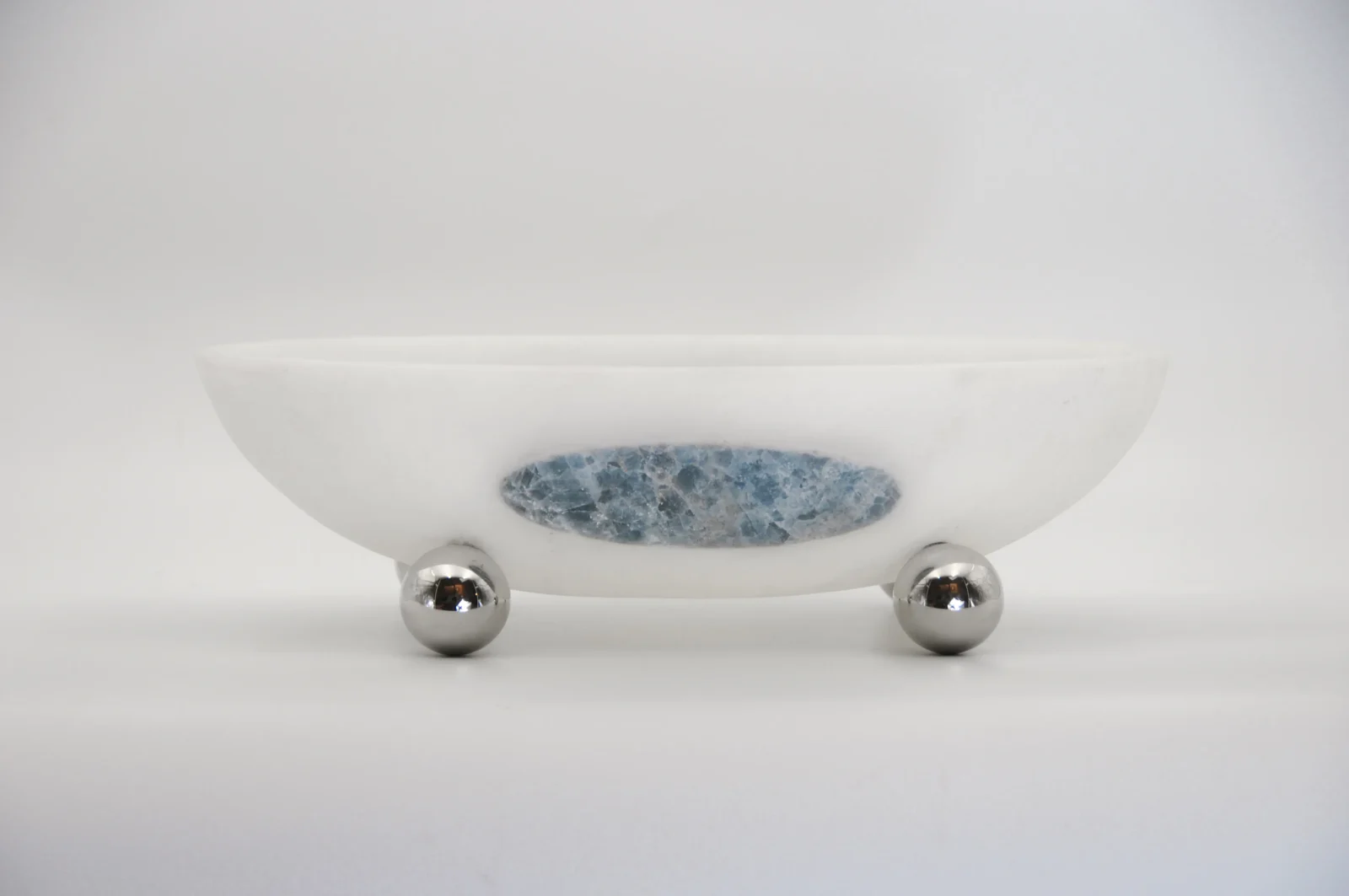
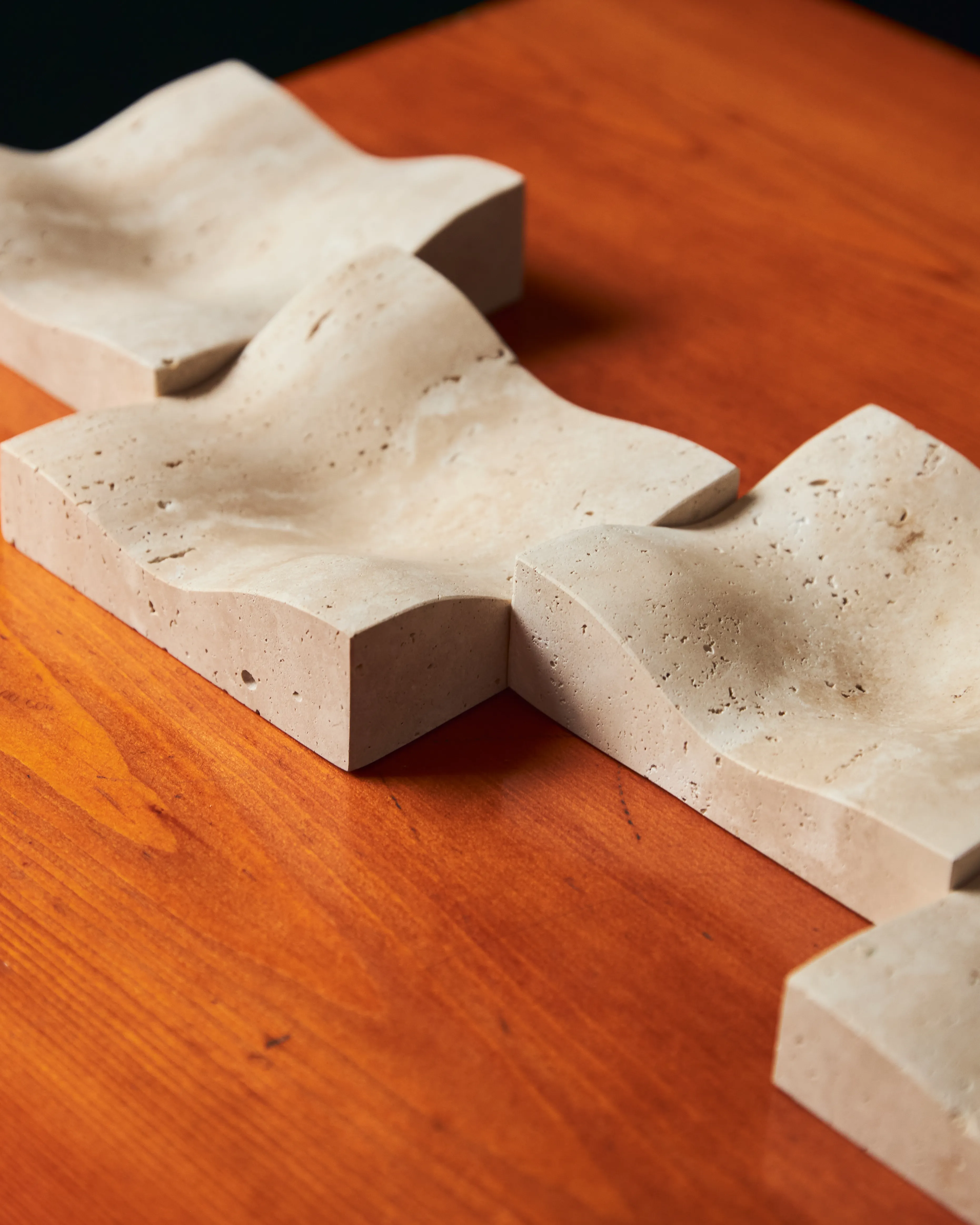
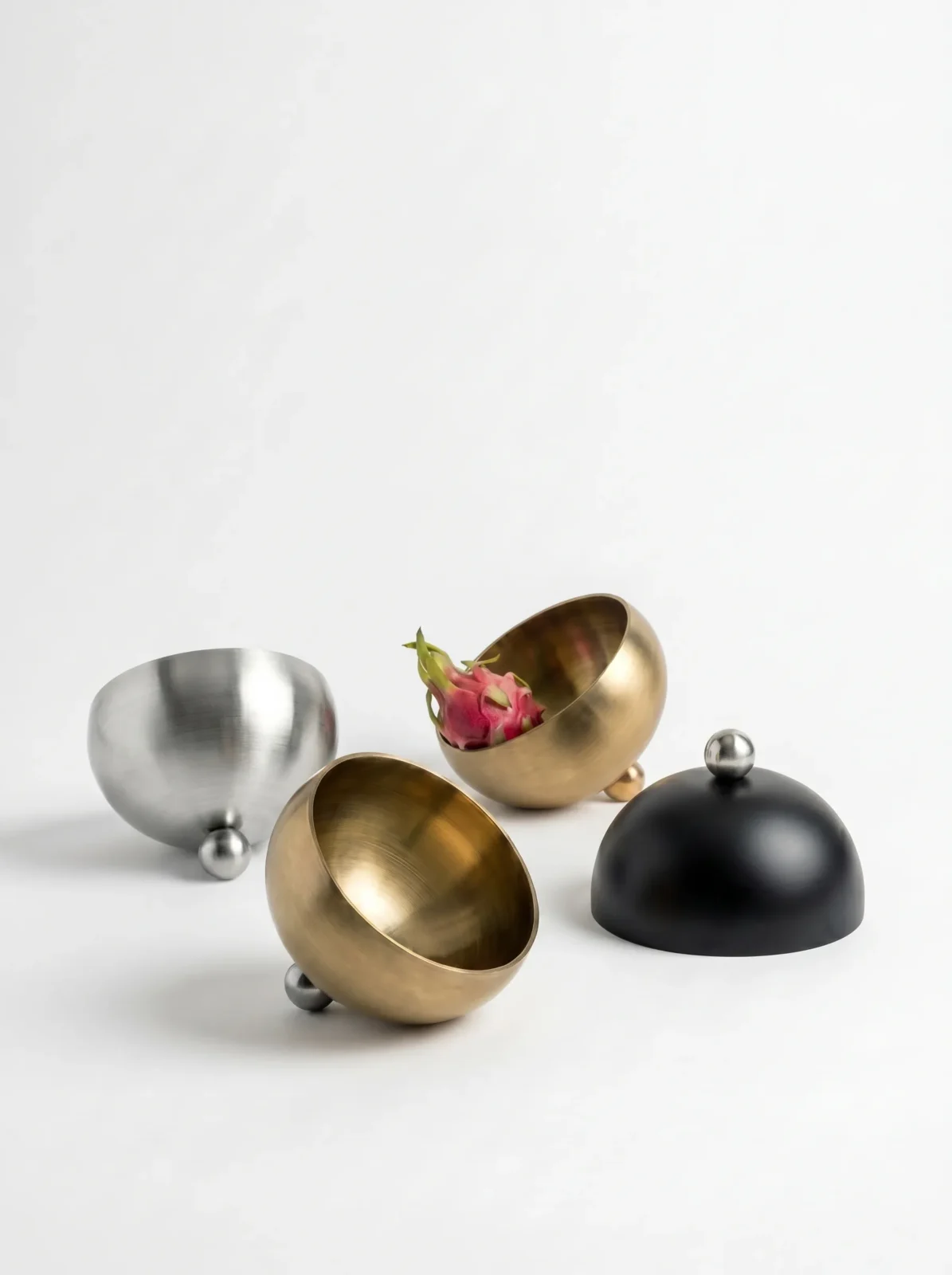
The objects that make a kitchen counter work are often the smallest ones: a shallow dish for rings taken off before washing up, a stone bowl for flaky salt, a small tray for the things that accumulate by the door to the hallway.
These belong in the dead corners rather than the working middle, and they suit hard materials — marble, terrazzo, glazed ceramic — which wipe clean and cost nothing in maintenance. Moreover, a defined vessel for small things is what stops keys, elastic bands and receipts colonizing the counter, which is the real source of kitchen clutter in most homes.
Materials that survive a kitchen
Kitchens are harder on objects than any other room, and in a specific way that most decorating advice skips. It is not only heat and water — it is the fine film of airborne cooking oil that settles on everything within a few feet of a range and then attracts dust.
What holds up. Glazed ceramic, porcelain, glass and sealed stone wipe clean and are effectively inert. Stainless steel and anodized aluminum tolerate heat and water indefinitely. Well-oiled hardwood is fine and improves with use, provided it is re-oiled once or twice a year.
What struggles. Unsealed marble and limestone stain permanently from oil, lemon and wine — a catch-all dish beside a range will not stay pristine. Raw or unfired clay absorbs grease. Untreated softwood greys and stains near a sink. Textured and deeply relieved surfaces trap the oil film and are difficult to clean, so keep them away from the range even though they look good.
The practical rule is a distance one. Within three feet of the range, use things you can wipe. Beyond that, the material choice opens up considerably.
Seasonal without the clutter
Kitchens resist seasonal decoration more than any other room, because anything purely ornamental gets moved within a day. The version that works is edible or useful: a bowl of citrus in winter, squash in the fall, stone fruit in summer, herbs year-round.
Textiles are the other honest route. Swapping tea towels to a warmer weight and color changes a kitchen’s temperature at almost no cost and gets used rather than dusted. There is more on the wider seasonal logic in our guide to fall decorating.
What to skip
- Appliances you use twice a year. The stand mixer on permanent display is the single biggest counter thief in most kitchens.
- Word signs and novelty objects. They fail both halves of the test: not used, not worth wiping around.
- Original packaging. Branded bottles and boxes are what make a counter look cluttered. Decant or put away.
- Anything in the prep zone. If it has to be moved to cook, it will end up somewhere worse.
- Cut flowers. They need water changes, drop petals into food prep areas, and last a week. Branches and herbs do the same job for longer.
- Objects scattered singly. Group them or put them away. An even spread along a counter is what reads as clutter.
- Unsealed stone near the range. It will stain, and the stain is permanent.
Frequently asked questions
How do you decorate kitchen counters without making them cluttered?
Keep no more than about a third of the total counter surface occupied, group objects in threes on a tray rather than spreading them singly, and push arrangements into the back 8 to 10 inches of the 25-inch depth. Leave 24 to 36 inches clear beside the range and the sink, since that is where the actual work happens.
What should you keep on a kitchen counter?
Anything used at least weekly, or good enough to be worth wiping around. In practice that means a fruit bowl, salt and pepper, oil, a utensil crock, a kettle or coffee machine if used daily, and one vessel with herbs or branches. Everything else belongs in a cupboard.
How tall can objects on a kitchen counter be?
Under upper cabinets, about 15 inches, since standard cabinets hang 18 inches above the counter. On an island or an open run there is no ceiling, though keep it under roughly 20 inches if people eat there so it does not block sightlines across the surface.
How do you decorate a kitchen island?
Use one group placed slightly off-center rather than filling the surface, choose objects that read from every angle since an island is seen in the round, and take advantage of the height an island allows. Keep the seating overhang clear so nobody is eating around an arrangement.
What materials last on a kitchen counter?
Glazed ceramic, porcelain, glass, sealed stone, stainless steel and anodized aluminum all wipe clean and tolerate heat and water. Unsealed marble and limestone stain permanently from oil and citrus, raw clay absorbs grease, and untreated softwood marks near a sink. Within three feet of the range, use only what you can wipe.
Should you put plants on a kitchen counter?
Herbs, yes — they get used, which is what keeps them from becoming clutter. Cut flowers are the weaker choice in a kitchen since they drop petals near food prep and last about a week. Branches in a vessel last weeks, need no light, and give height without bulk.
A counter that looks like it gets used
The kitchens that look best are not the emptiest ones, and they are certainly not the styled ones. They are the ones where the few things left out are the things actually reached for — a bowl that holds fruit, a tray that holds the oil and salt, a jug that held water this morning and holds branches now.
That is the whole approach. Clear the prep space, decant the packaging, group what remains on something with an edge, and buy tools rather than ornaments. A counter treated that way needs no decorating at all, which is precisely why it looks good.
