 Comet Floor Lamp in Brass and Marble - White
 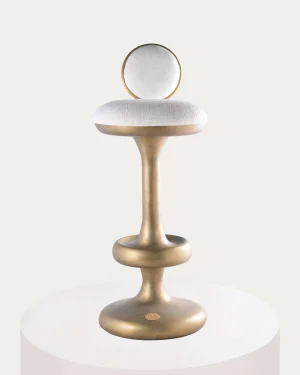 Atom Barstool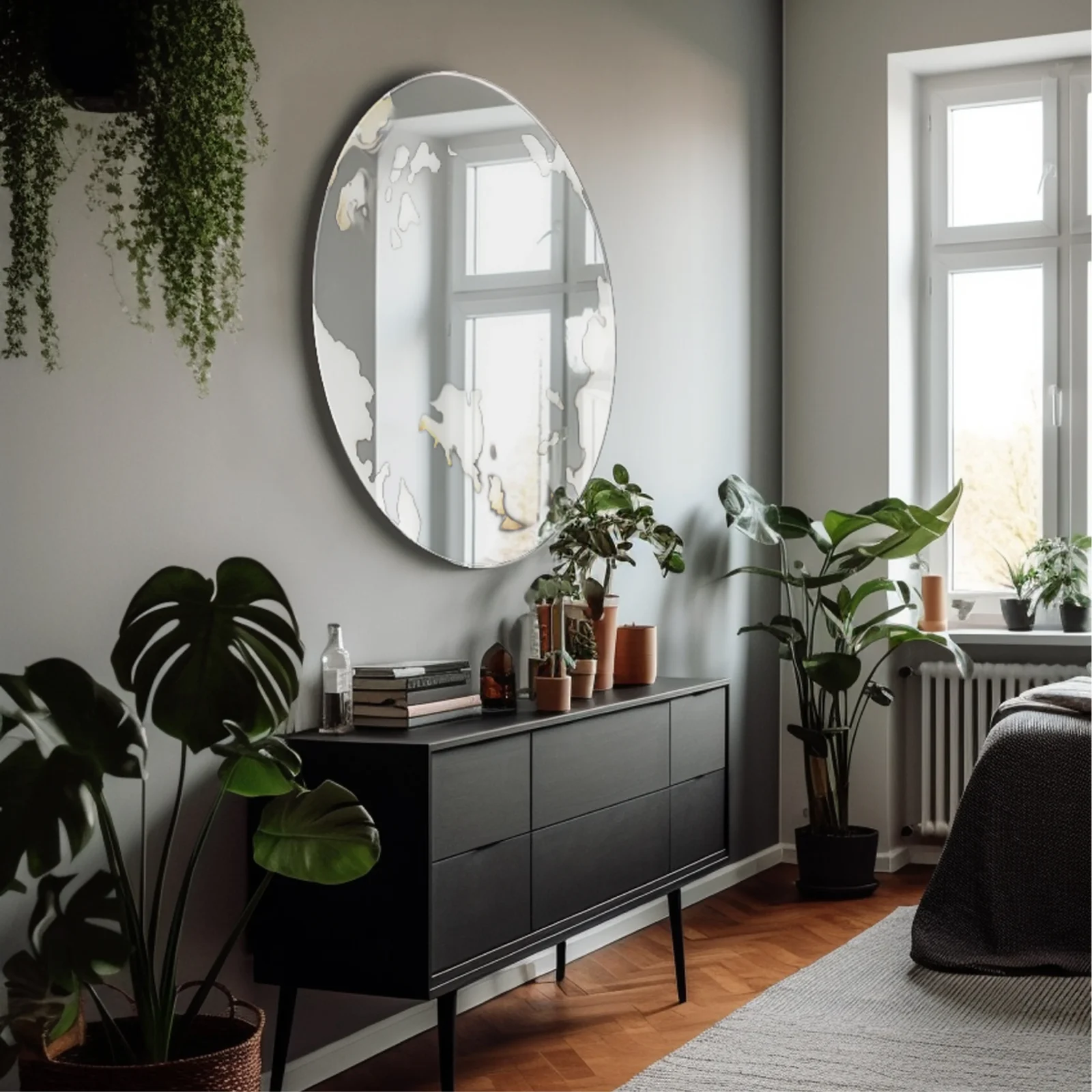
Small Room Decor Ideas: Work With the Size
A small room does not need to look bigger. It needs to stop looking crowded, which is a different problem with different solutions.
Most advice for small rooms is about illusion — pale walls, mirrors, leggy furniture, tricks to fool the eye into reading more square footage than exists. Some of it works. But the reason a small room feels bad is rarely its dimensions. It is that the floor has disappeared, the walkways are blocked, the walls are busy at eye level, and every surface is holding something.
Fix those four and a genuinely small room reads as composed rather than cramped. What follows covers what actually creates the feeling of confinement, the clearances that decide whether a space is usable, how to work vertically, the counterintuitive rule about furniture scale, and how the decisions change from bedroom to bathroom to entryway.
What actually makes a room feel small
Four things, and none of them is the square footage.
- Visible floor. This is the strongest single cue the eye uses to judge space. A room where you can see the floor running unbroken to the baseboards reads as larger than an identical room where furniture meets the ground in solid blocks. Consequently the most effective small-room move is not buying smaller furniture — it is raising what you own off the floor, whether on legs or on the wall.
- Blocked sightlines. Stand in the doorway. Whatever interrupts the longest view across the room is what makes it feel tight. A tall bookcase on the far wall shortens the room; the same storage along a side wall does not. Therefore the first thing to move is whatever sits in the way of the longest diagonal.
- Busy at eye level. The band between roughly 40 and 70 inches is where people actually look. Clutter there — open shelving packed with objects, small framed pictures scattered, things on every surface — reads as noise and shrinks the room. Below the knee and above head height are comparatively free, which is why high shelves and low storage both work in tight spaces.
- Too many things rather than things too large. The common instinct is to buy small: a small sofa, a small rug, a small table, a few small pictures. In practice a room full of small objects reads as fragmented and therefore smaller. Fewer, larger pieces give the eye less to count, and counting is what makes a room feel busy.
The clearances that decide everything
Before any decorating decision, check whether the room works as a route. A small room that cannot be walked through comfortably will never feel good, however it is styled.
- Main walkways: 30 to 36 inches. In a genuinely tight room you can drop to 24, but not below.
- Between sofa and coffee table: 14 to 18 inches — close enough to reach, wide enough to pass.
- Beside a bed: 24 inches on at least one side, 30 if the room allows. A bed pushed into a corner frees floor but costs access.
- Behind a dining chair: 36 inches to pull out and stand up.
- In front of drawers and cabinet doors: the depth of the drawer plus 12 inches to stand.
- Door swings: map them. A door that collides with furniture is the most common design failure in small rooms, and swapping to a sliding or pocket door recovers the full arc.
Measure the room and tape the footprint of anything large on the floor before buying it. Specifically, tape the walkways too — the empty strips matter more than the furniture.
Light, and the case for one large mirror
A mirror is the only object that adds apparent space instead of consuming it. But the standard advice — hang mirrors, they make rooms bigger — skips the part that decides whether it works.
What it reflects is the whole question. Stand where the mirror will hang and look back. A window, a lamp, or a view into another room doubles something worth doubling. A blank wall or a ceiling doubles nothing. A mirror facing a window is worth two facing the wrong way.
One large beats three small. Multiple small mirrors fragment the reflection and add to the eye-level clutter. A single piece at two-thirds to three-quarters the width of the furniture below it does the work cleanly. Our guide to the types of mirrors covers shape and format, and the wall decor guide has the hanging heights.
On lighting more broadly: a single ceiling fixture flattens a room and makes the corners recede into gloom, which reads as smaller. Three light sources at different heights — a wall sconce, a table lamp, something low — give the eye depth to travel through. Furthermore, wall-mounted lights free the surface a lamp would otherwise occupy, which in a small room is a real gain.


Wall lamps: the light that costs no floor
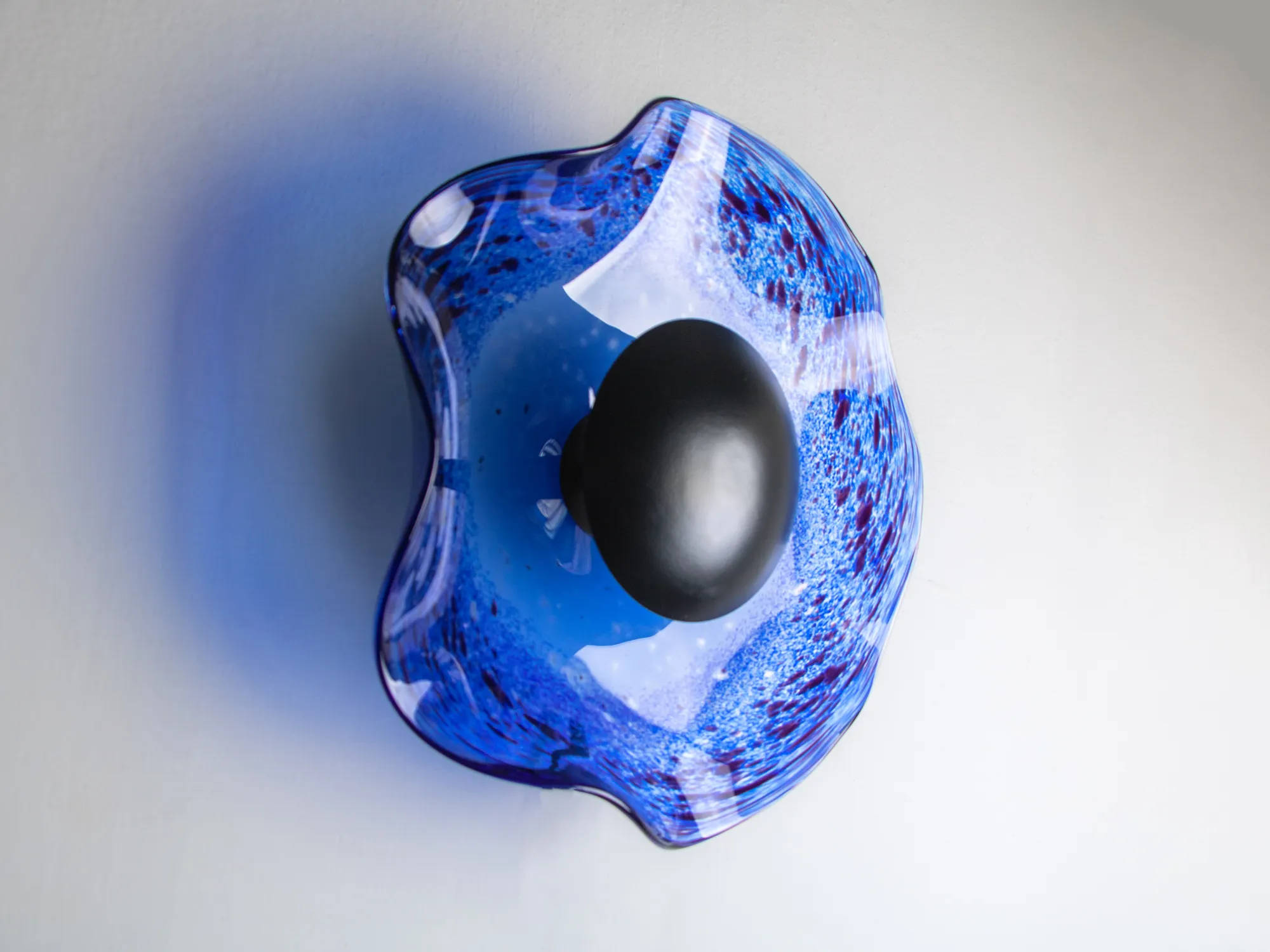
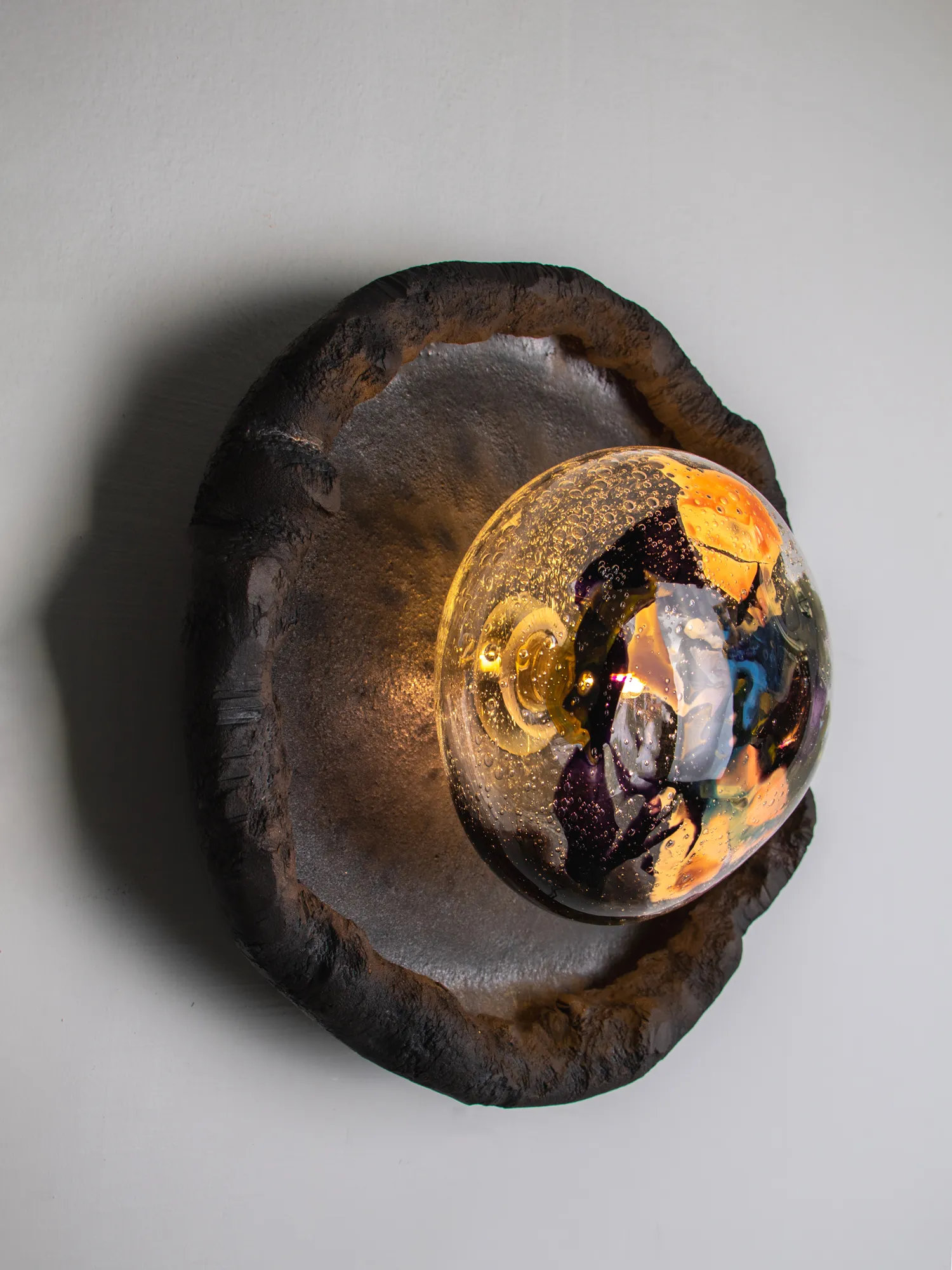
In a small room, a wall lamp is worth more than a better floor lamp. A sconce takes no floor area, occupies no table surface, and mounts in the one place a small room has spare — the wall. Consequently it solves two problems at once: it adds a light source at a height that a ceiling fixture cannot reach, and it frees the nightstand or side table that a lamp would otherwise monopolize.
Three placement rules make the difference. Mount at 60 to 66 inches from the floor for general use, dropping to around 48 inches beside a bed so the light falls on a book rather than in your eyes. Keep the projection shallow — anything extending more than about 8 inches from the wall gets caught by shoulders in a narrow room or hallway. And choose a shade that throws light both up and down, since a sconce that only washes the wall behind it makes the room read flatter rather than deeper.
Where rewiring is not an option, plug-in sconces with a cord routed down the wall do the same job, and a cord cover costs almost nothing. Meanwhile a pair flanking a bed or a mirror reads as considerably more deliberate than a single lamp pushed to one side.

Go vertical before you go smaller
Small rooms almost always have more unused wall than unused floor, and floor is the scarce resource. The wall above roughly 70 inches is empty in most homes and costs nothing to use.
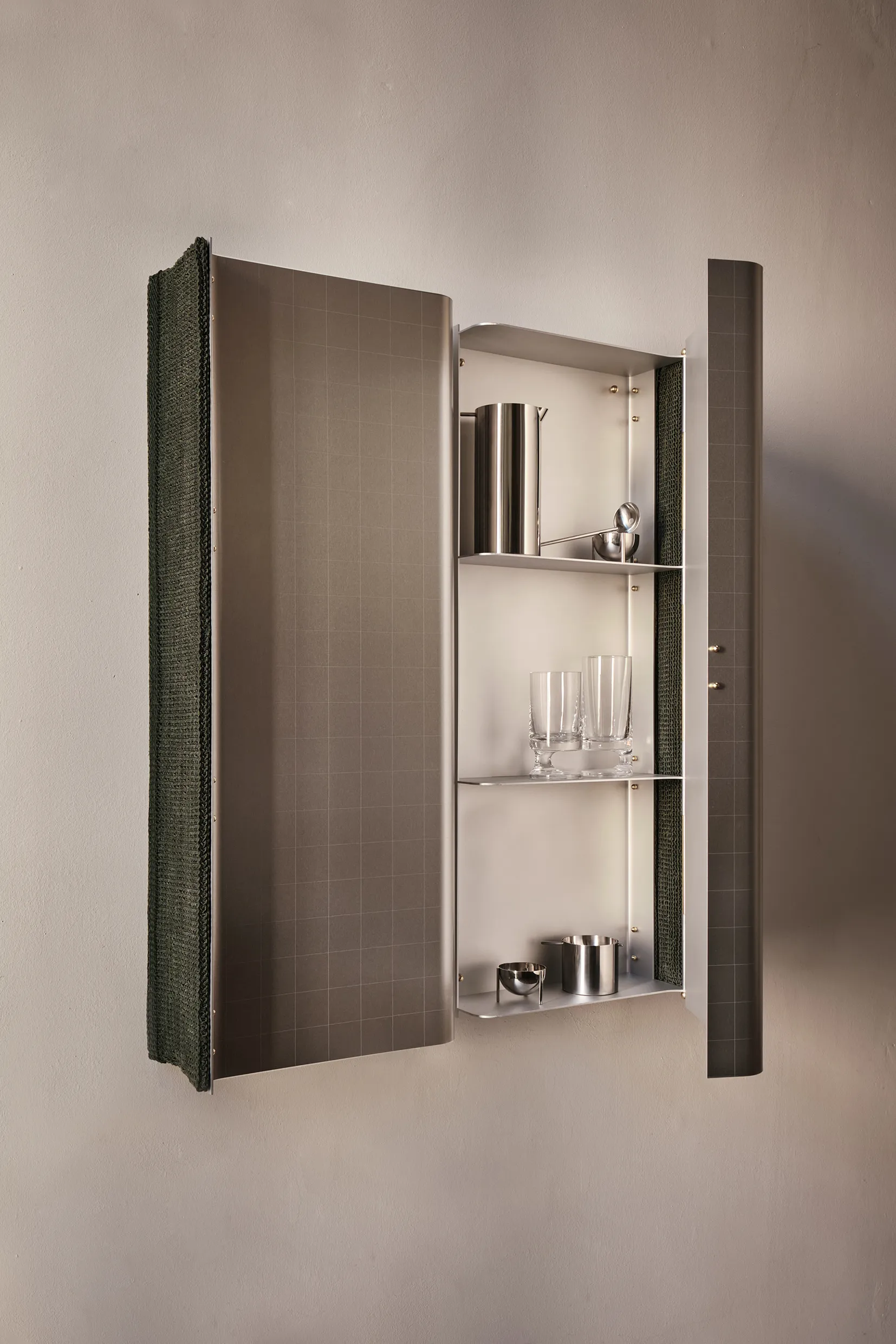
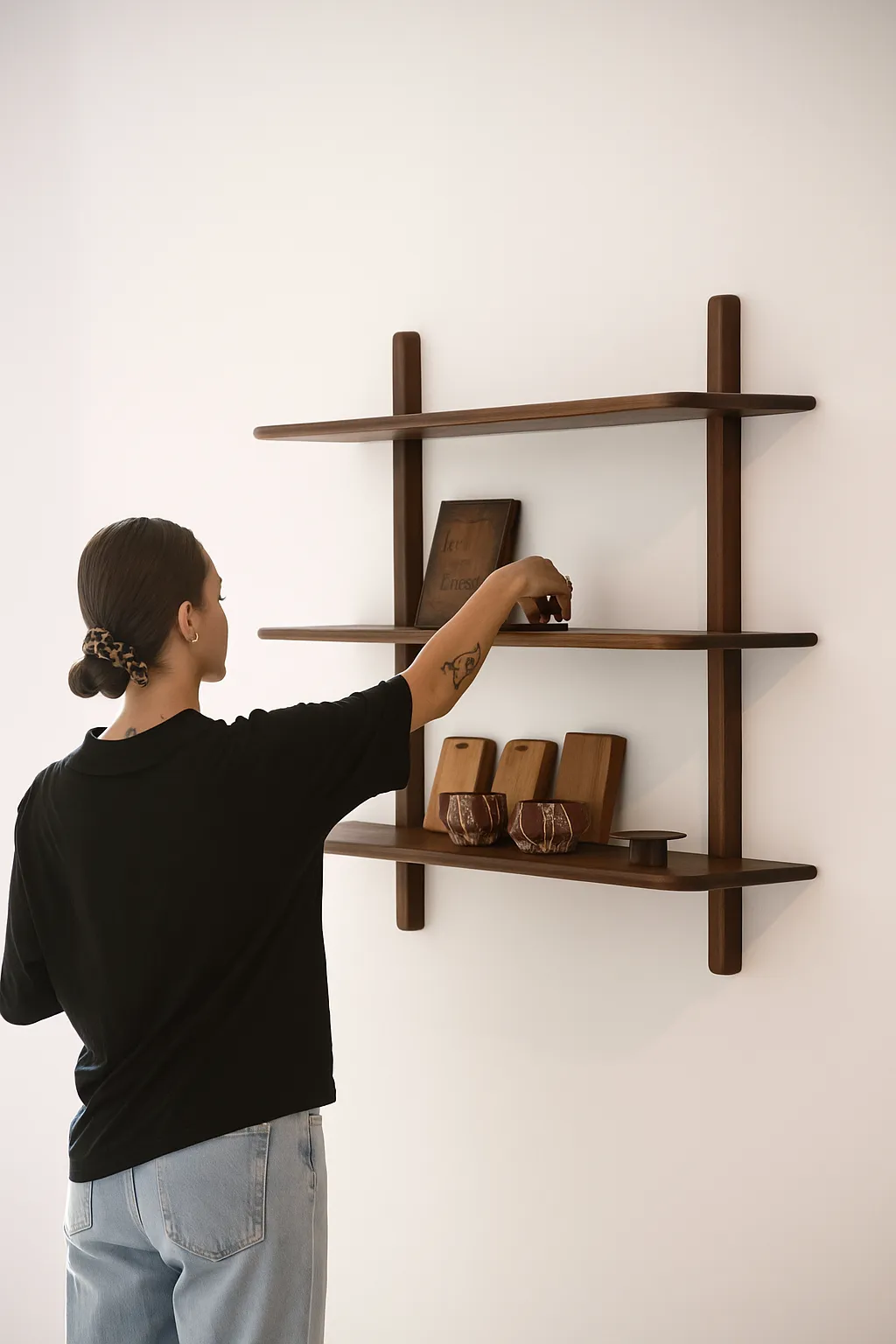
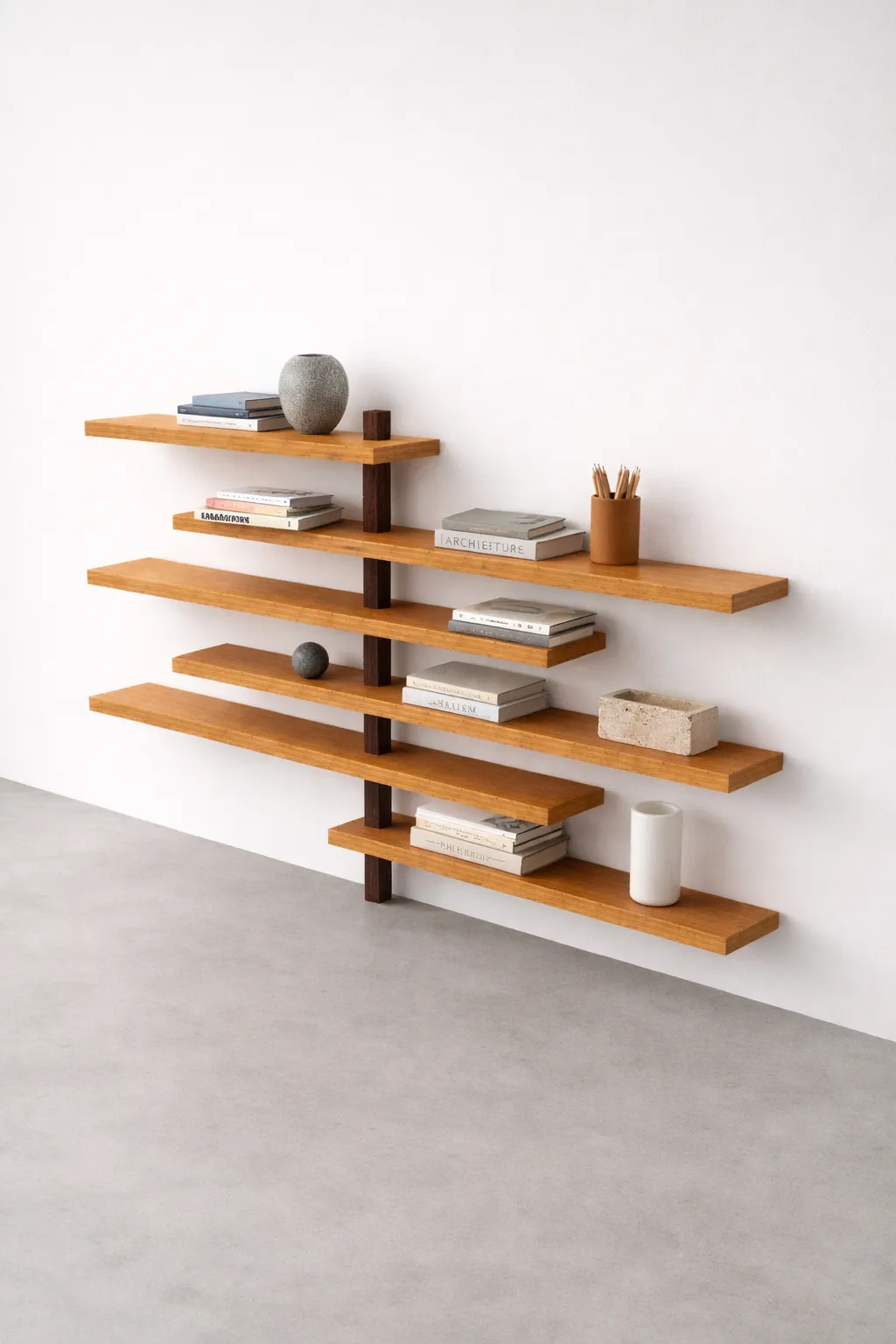
Shallow beats deep. A shelf 6 inches deep holds books, and one 10 inches deep holds nearly everything else, while a freestanding cabinet takes 16 to 20 inches of floor for the same capacity. Consequently wall-mounted storage is the single biggest spatial gain available in a small room, and it also keeps the floor visible underneath.
Two placement notes. A single shelf running the full width of a wall reads as architecture and disappears; three short shelves at different heights read as furniture and do not. And keep the busiest storage out of the eye-level band where possible — high for what you rarely need, low and closed for what is unattractive. Our guide to styling a bookshelf covers what to do with the shelves once they are up.
Get things off the floor
Everything standing on the floor costs twice: the area it occupies, and the visible floor it hides. Anything that can hang instead should.
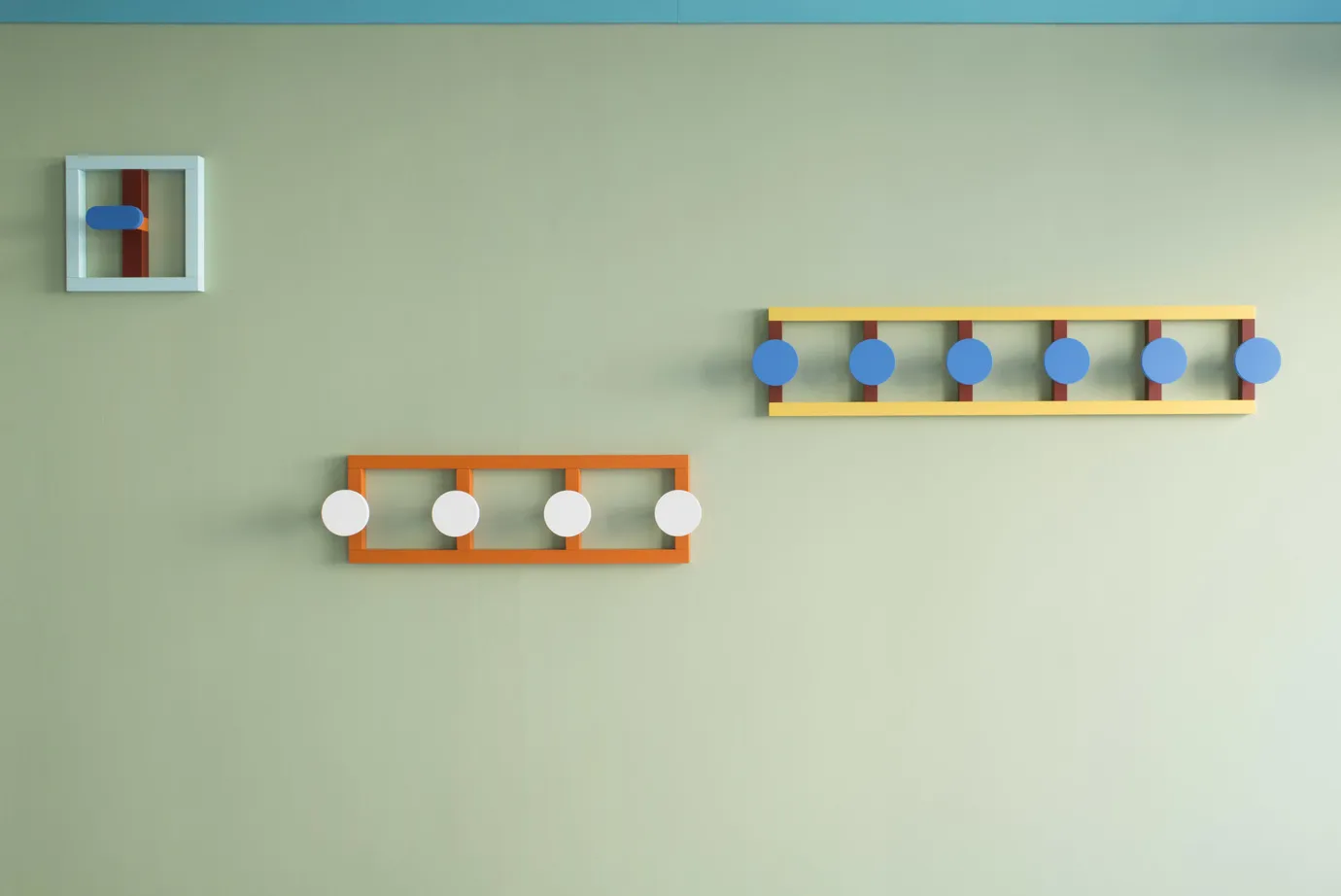
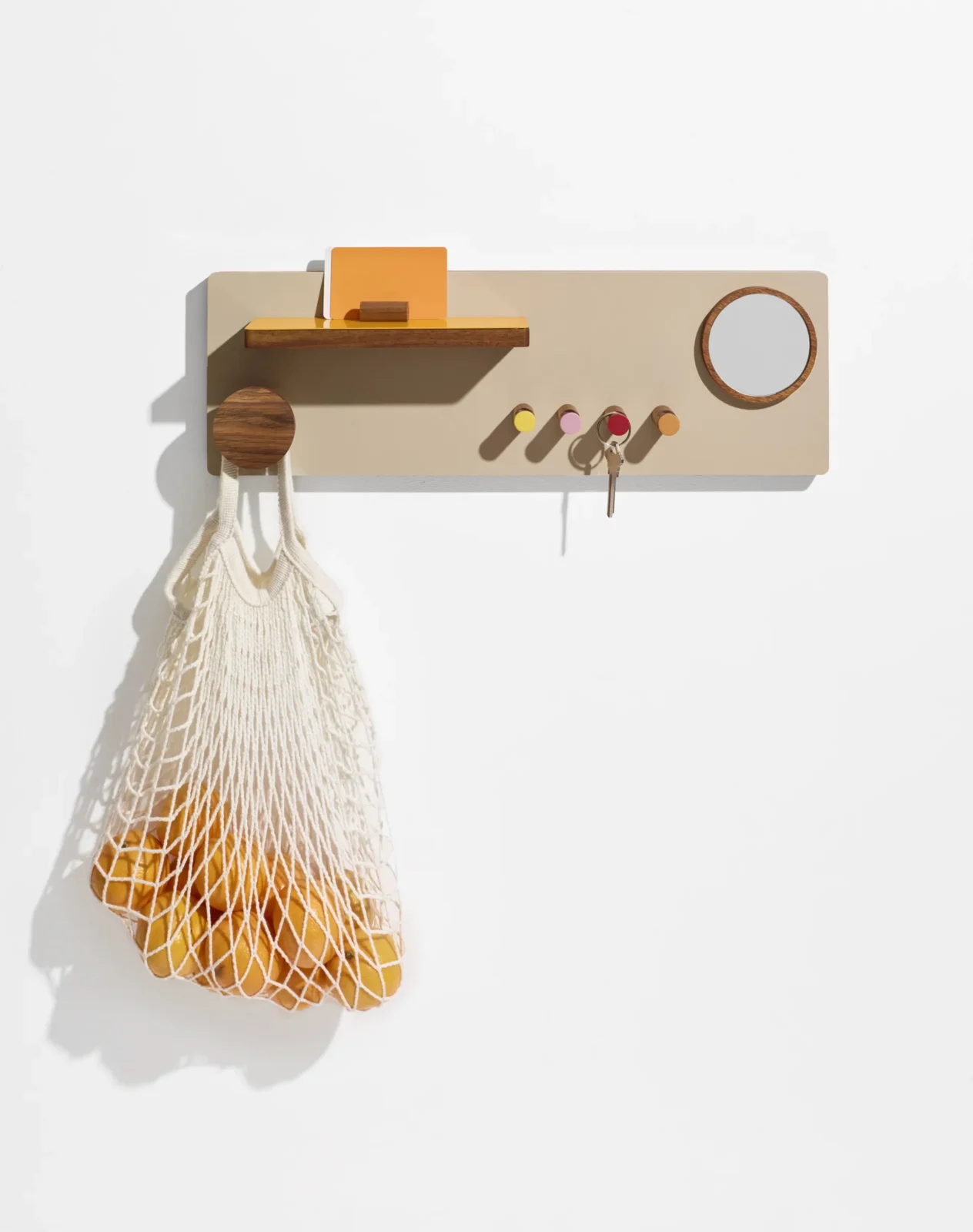
Hooks replace a coat stand and take no depth. Wall-mounted lighting replaces a floor lamp and frees a corner. A wall shelf replaces a console. A folding rack takes up depth only when something is on it. Meanwhile, wall-mounted storage in a bathroom or entryway is often the difference between a room that functions and one that does not — there is more on that in our bathroom storage guide and our look at entryway benches.
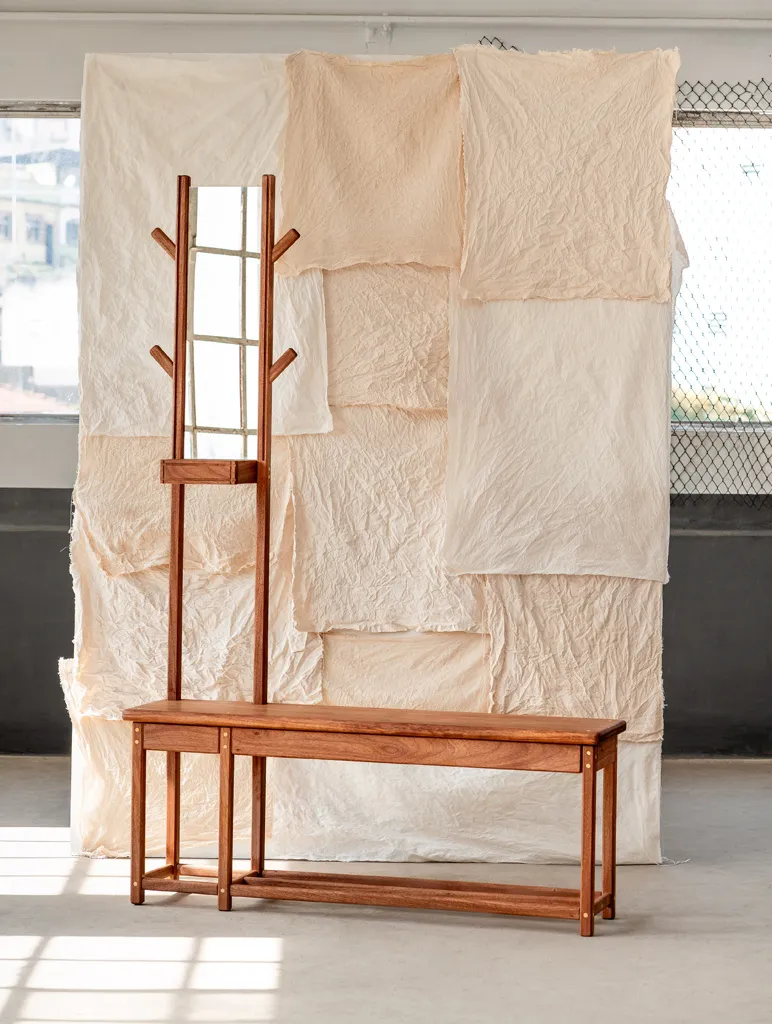
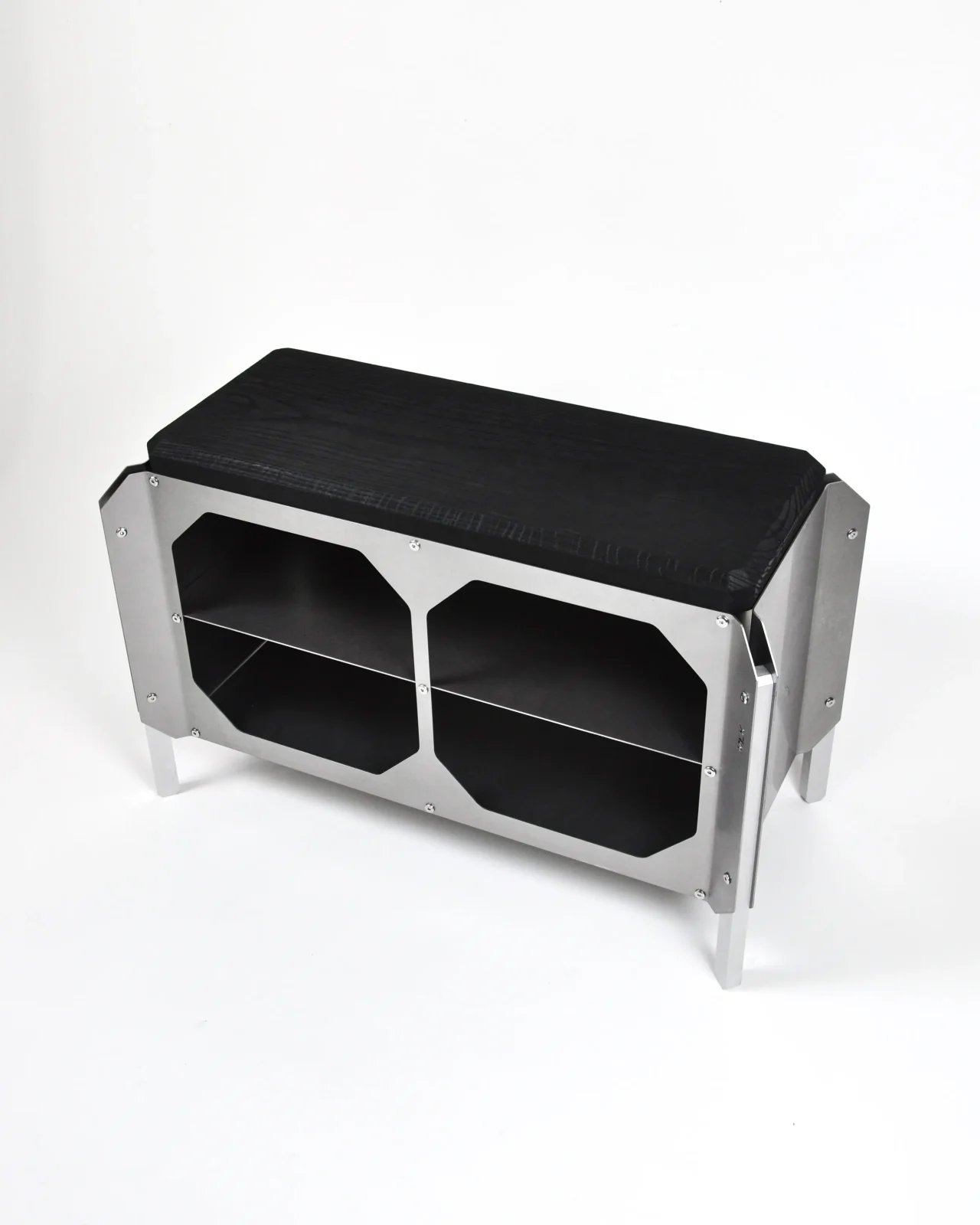
Where something must stand on the floor, choose it on legs. A sofa or cabinet raised four to six inches lets the floor run underneath and reads as considerably lighter than the same volume sitting flush. This is the practical reason mid-century furniture works so well in small apartments: the legs are the point.
Wall art in a small room
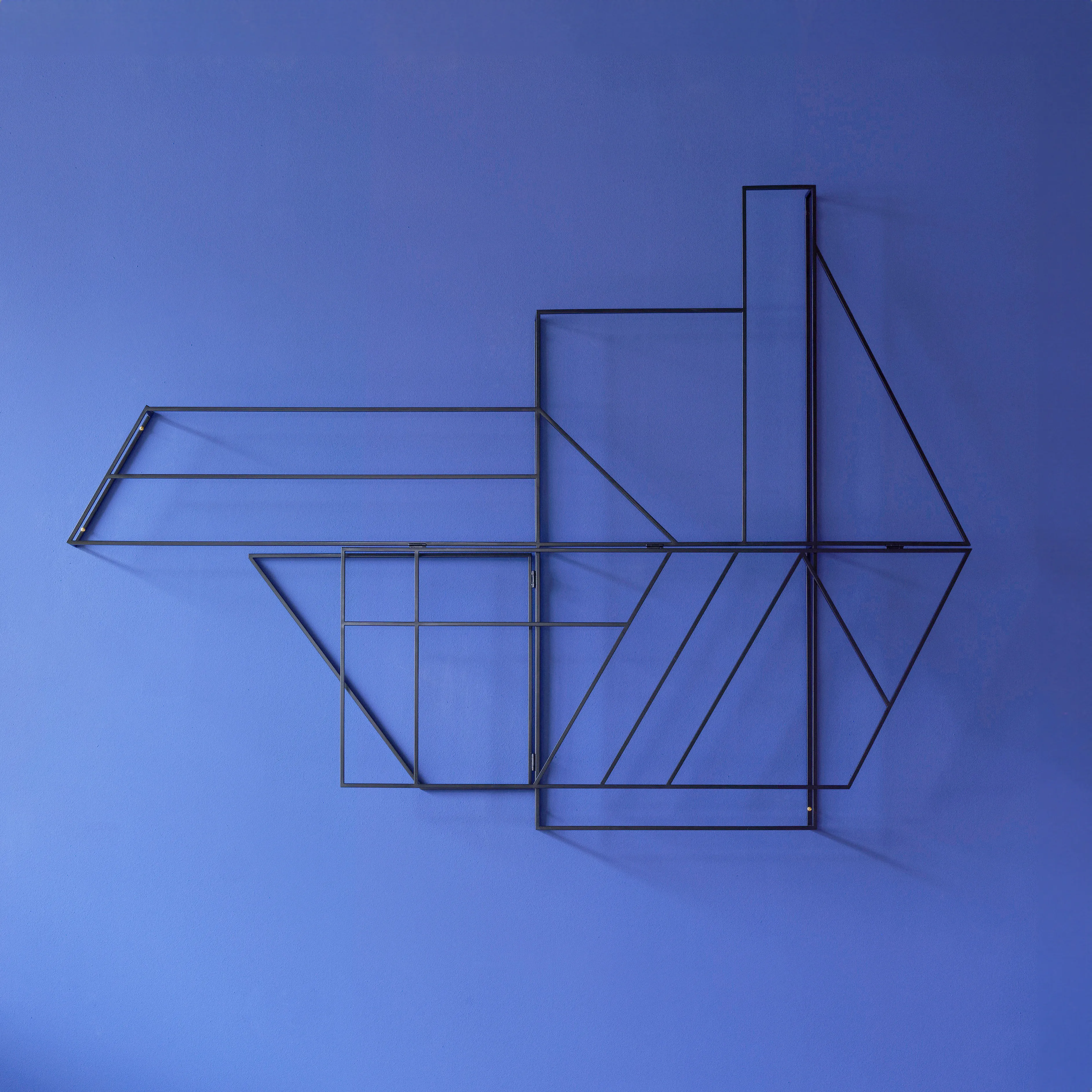
Art is where small rooms most often go wrong, and the error is always the same: too many pieces, too small, hung too high. A scatter of little frames lands squarely in the eye-level band and turns a wall into visual static.
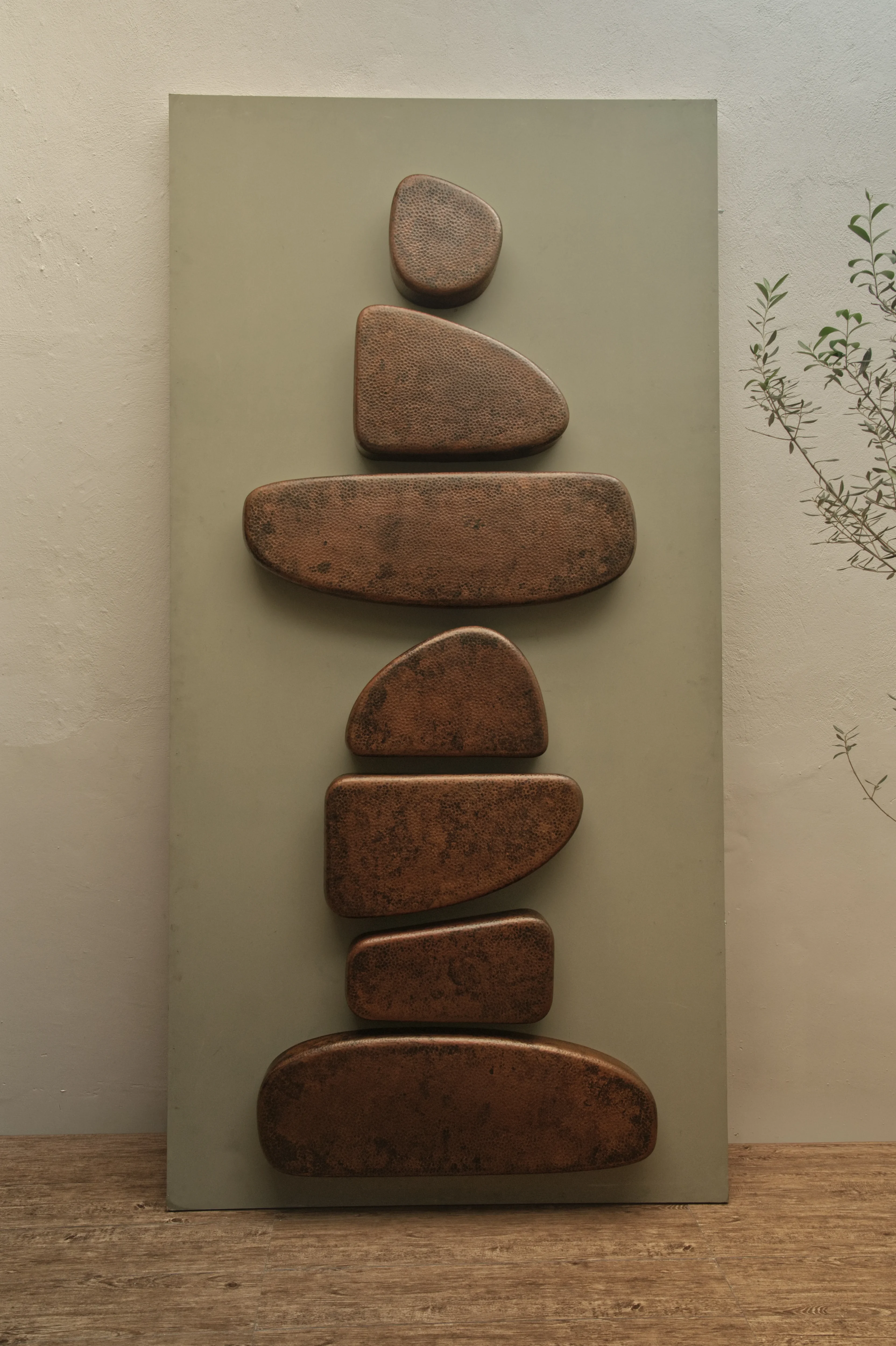
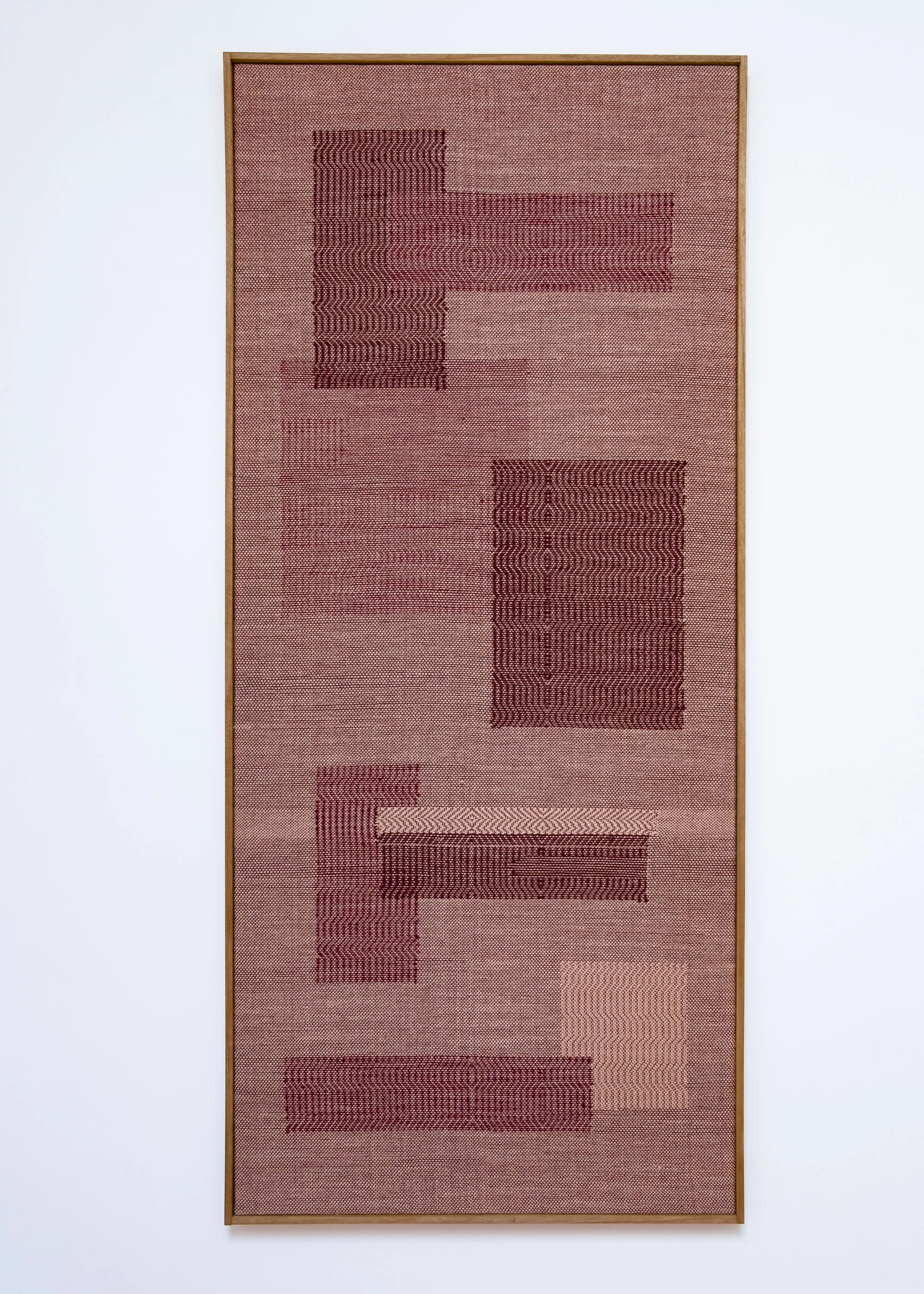
One piece, properly sized. A single work spanning two-thirds to three-quarters of the furniture beneath it does more for a small room than six small frames occupying the same area, because the eye reads one shape instead of counting six. Hang it with the center at 57 inches from the floor, and leave 6 to 8 inches between the top of a sofa and the bottom of the frame.
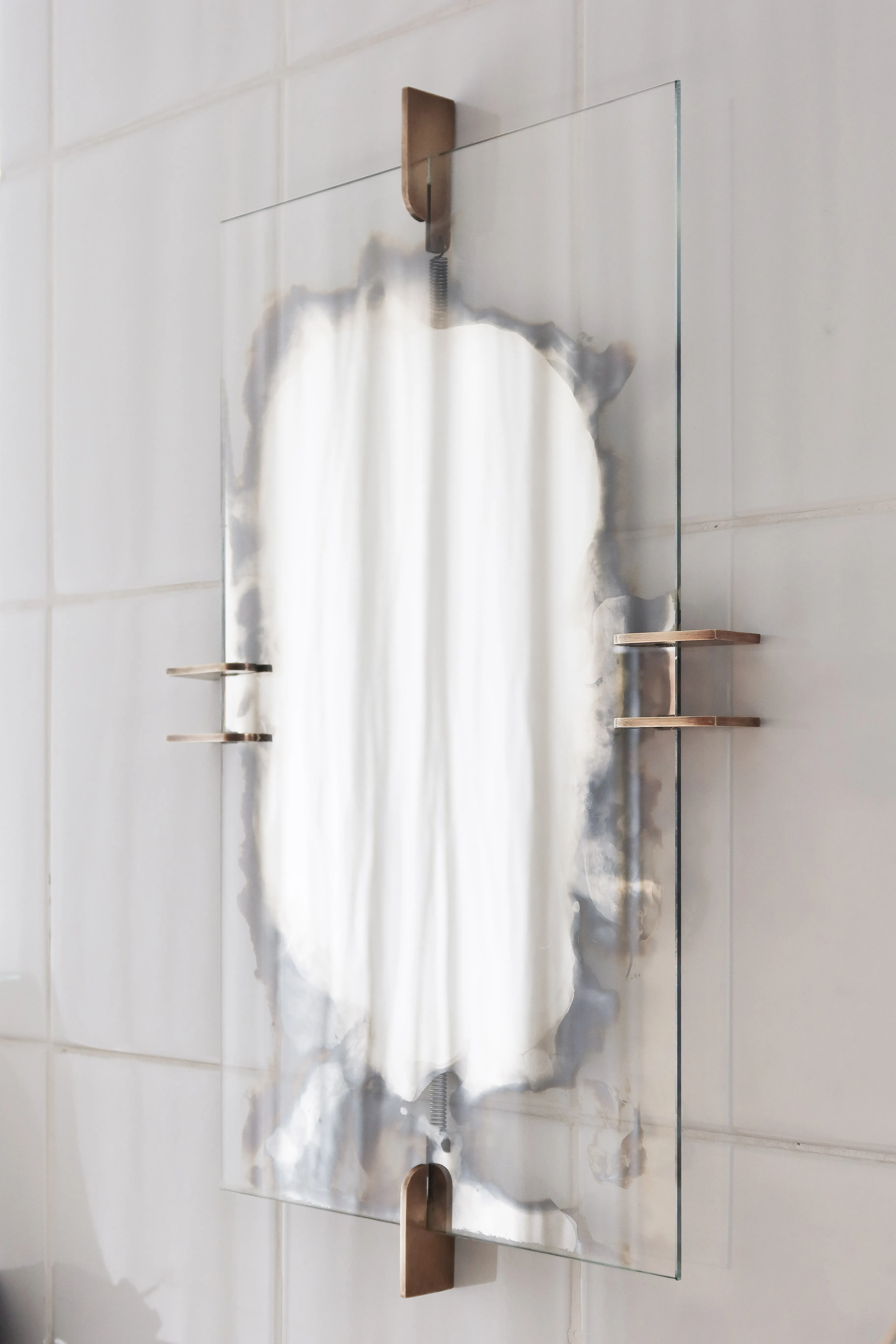
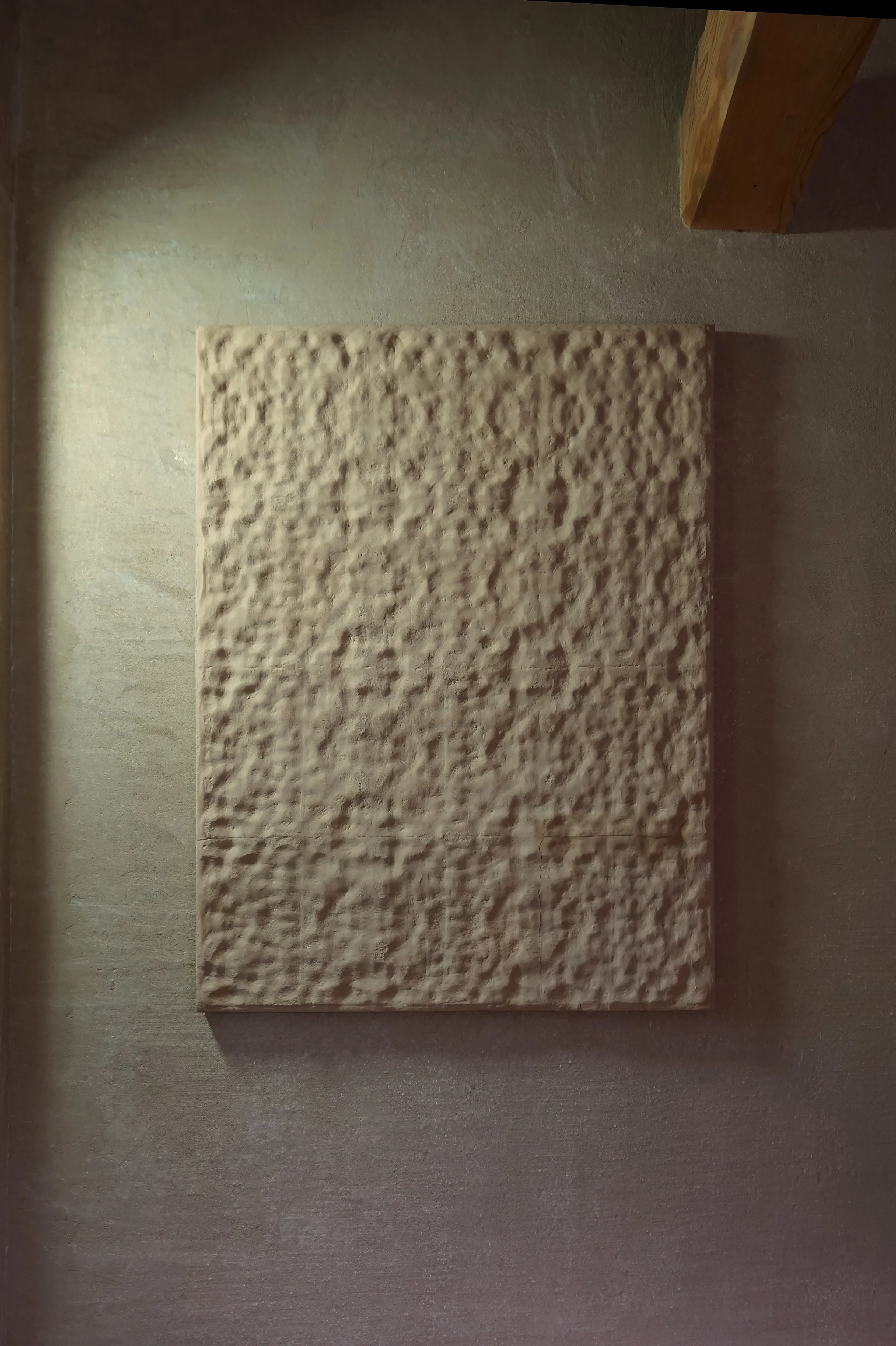
Choose depth over detail. In a room where you are always close to the wall, a piece with real physical relief — woven fiber, worked clay, hammered metal — holds attention at arm’s length in a way a flat print does not. It also changes through the day as the light moves across it, which gives a small room something to do.
Mind the surface. Glass and high-gloss finishes opposite a window will show reflection rather than image for much of the day. Matte and textured surfaces are the safer choice on a bright wall. And where a wall genuinely wants to stay empty, leave it — an unfilled wall is what makes the decorated one read as deliberate. Our wall decor guide goes further into sizing and hanging.
Furniture scale: bigger pieces, fewer of them
This is the advice that sounds wrong and is consistently right. A small room with one substantial sofa and one good table looks larger than the same room with a loveseat, two armchairs, a side table, an ottoman and a console — even though the second arrangement uses less total volume.
The reason is edges. Every piece of furniture adds outlines for the eye to register, and a room reads as busy in proportion to how many separate objects it contains. Therefore three well-sized pieces beat six small ones, and one large artwork beats a gallery wall of small frames.
The same logic applies underfoot. A rug that is too small chops the floor into fragments and makes a room read as tighter; one large enough to reach under the furniture pulls the whole arrangement together. In a small room, aim for even margins of 8 to 12 inches between the rug and the walls — our rug guide covers the sizing in detail.
Where flexibility matters, choose pieces that move or do two jobs: a stool that works as a side table, a light chair that can be carried to another room, a tray that turns an ottoman into a surface. Multi-use furniture is the one place where buying more objects is justified, because each one is replacing two.

Color, pattern and contrast
The received wisdom is that small rooms should be white. It is not wrong so much as incomplete — what matters is contrast, not lightness.
Low contrast opens a room; high contrast defines its edges. Walls, trim and ceiling in closely related tones make the corners dissolve and the boundaries harder to locate, which reads as more space. Sharp white trim against a colored wall does the opposite: it draws every edge precisely and tells you exactly how small the box is.
Dark rooms can work, provided they commit. A small room painted a deep tone on all surfaces including the ceiling loses its edges entirely and becomes atmospheric rather than cramped. What fails is a dark accent wall, which shortens the room by pulling one surface forward.
Pattern is fine; scattered pattern is not. One larger-scale pattern in a small room works. Four small patterns compete and fragment. Meanwhile, vertical elements — tall curtains hung close to the ceiling, a full-height shelf — lift the eye and add perceived height, which is usually the dimension a small room has most of.
Room by room
Small bedroom
The bed is fixed and enormous, so everything else adapts around it. Keep 24 inches of access on at least one side. Replace bedside tables with wall-mounted shelves and swap table lamps for sconces, which frees the only two surfaces in the room. Under-bed storage in shallow boxes is the largest untapped volume in most bedrooms. Finally, hang curtains at the ceiling rather than at the window frame — it is the cheapest height you will ever add.
Small living room
One properly sized sofa, one table, one good chair. Float nothing in the middle of the room, and resist the loveseat-plus-two-armchairs arrangement that fills the perimeter with edges. A single large rug reaching under the front legs of the seating does more than any other purchase. There is more on the arrangement in our living room guide and on the anchor piece in our coffee table selection.
Small bathroom
Vertical and shallow, always. A 6-inch shelf holds nearly everything except towels, and the wall above 70 inches is usually empty. Hooks rather than rails for towels, at 65 to 70 inches so a bath towel hangs clear of the floor. A wide mirror stretches a narrow room in the direction it is short.
Small entryway
An entry needs three things and rarely has room for more: somewhere to put keys, somewhere to hang a coat, and somewhere to sit to take shoes off. A narrow wall shelf, a row of hooks and a slim bench cover all three in under 12 inches of depth. A mirror here works twice over, since it handles the last check on the way out and moves light down a dark hallway.
Small home office
A wall-mounted desk or a narrow console at 20 inches deep is enough for a laptop and a notebook, and it leaves the floor clear underneath. Put storage above the desk rather than beside it, and light the surface from a clamp or wall fixture rather than a lamp that eats the working area. Our home office guide covers the setup in detail.
What to skip
- Buying small everything. A room of small objects reads as fragmented. Go fewer and larger instead.
- The undersized rug. The single most common error, and the one that most reliably makes a room look tighter.
- Pushing all furniture to the walls. It does not create space, it creates a corridor with a hole in the middle. Pulling a sofa two inches off the wall often reads better than jamming it flush.
- The dark accent wall. It pulls one surface forward and shortens the room. Commit to the color everywhere or leave it.
- A gallery wall of small frames. Maximum eye-level clutter for minimum impact. One large piece instead.
- One ceiling light. Flat light makes corners recede and the room read smaller. Three sources at different heights.
- Filling the last corner. An empty corner is not wasted space. It is the thing that makes the rest look deliberate.
Frequently asked questions
How do you make a small room look bigger?
Keep the floor visible — furniture on legs or mounted to the wall — and clear the longest sightline from the doorway. Then reduce the number of separate objects rather than their size, keep wall-to-trim contrast low, and light the room from three sources at different heights instead of one ceiling fixture. A single large mirror facing a window helps; several small ones do not.
Should small rooms have small furniture?
No. Fewer, larger pieces read as calmer than many small ones, because the eye registers edges rather than volume. One properly sized sofa and one table will make a small living room feel larger than a loveseat, two armchairs and three side tables occupying the same footprint.
What size rug for a small room?
Large enough to reach under the furniture, with even margins of 8 to 12 inches between the rug and the walls. An undersized rug floating in the center of a room divides the floor into fragments and is the fastest way to make a small space look smaller.
Do dark colors make a small room look smaller?
Not necessarily. What shrinks a room is contrast, because sharp edges tell the eye exactly where the boundaries are. A small room painted a deep color on walls, trim and ceiling loses its edges and can feel larger and more atmospheric than a white room with crisp white trim. A single dark accent wall is the version that genuinely does shorten a room.
How high should you hang a wall lamp in a small room?
Mount sconces 60 to 66 inches from the floor for general lighting, and around 48 inches beside a bed so the light falls on a book rather than in your eyes. Keep the projection under about 8 inches from the wall in narrow rooms and hallways, where anything deeper catches shoulders.
How much walking space do you need in a small room?
Aim for 30 to 36 inches in main walkways, and no less than 24 inches anywhere. Leave 14 to 18 inches between a sofa and coffee table, 24 inches beside a bed, and 36 inches behind a dining chair. Check door swings before anything else, since a door colliding with furniture is the most common failure in tight rooms.
Where should storage go in a small room?
On the wall, and preferably outside eye level. The band above roughly 70 inches is empty in most rooms and holds what you rarely need; low closed storage handles what is unattractive. A 6 to 10 inch deep shelf holds nearly as much as a freestanding cabinet while costing a third of the floor depth.
Small rooms reward decisions, not tricks
Every choice in a small room is visible, which is the difficulty and also the opportunity. There is no space to absorb a piece that does not work, and equally, one good object carries further than it would in a large room where it has competition.
So the useful discipline is subtraction followed by commitment: clear the floor, clear the sightline, take out the things that are merely filling space, and then choose fewer pieces with enough presence to hold a wall on their own. A small room done that way does not read as a compromise. It reads as edited.
