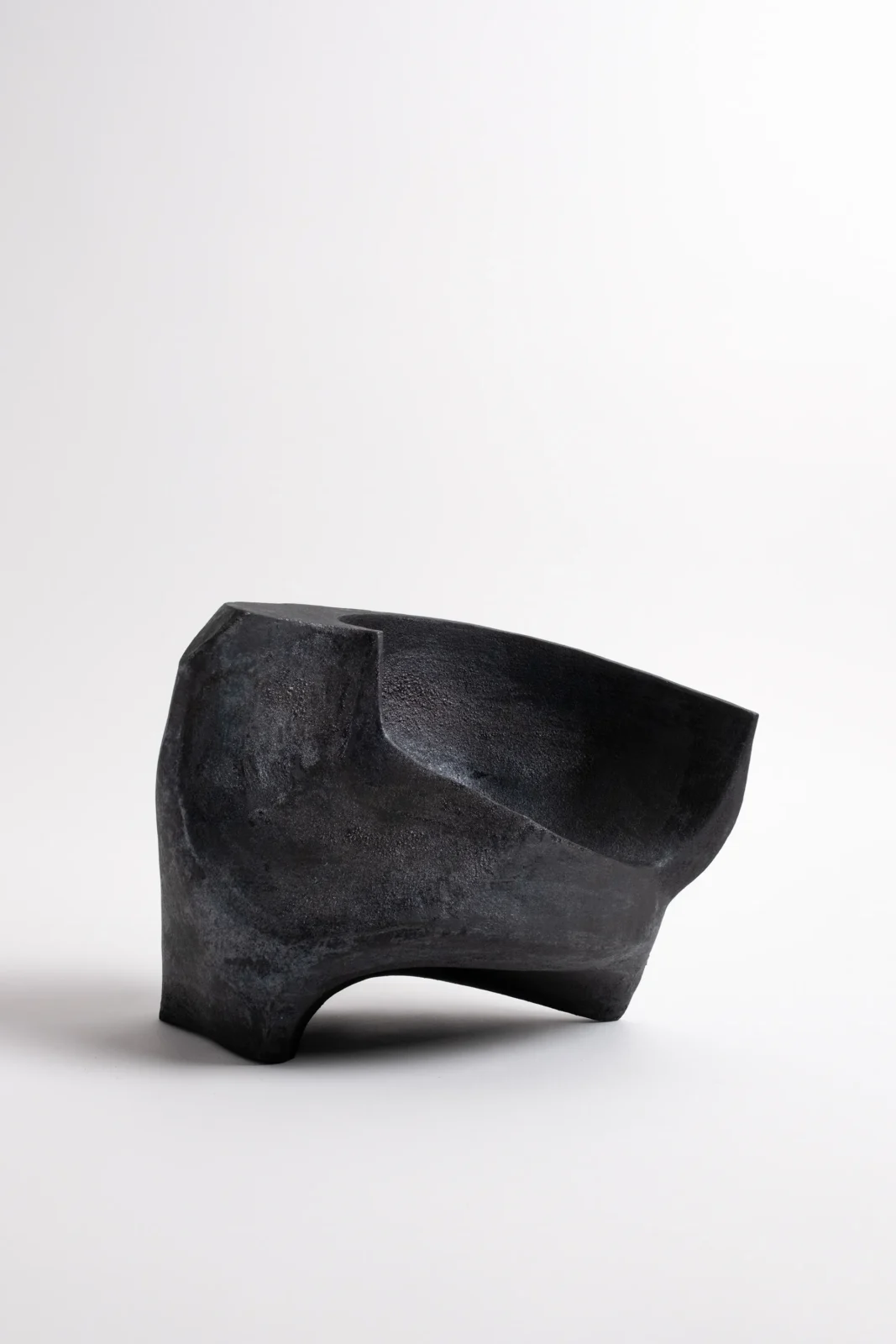
A wall is the largest surface in any room and the last one anybody decides about. It usually shows.
Floors get chosen, furniture gets agonized over, lighting gets planned. Walls get whatever is left — a print bought because the frame was on offer, hung at the height of the previous tenant’s picture hook. Consequently the most common wall problem is not bad taste but bad scale: something too small, hung too high, floating in the middle of an expanse it cannot fill.
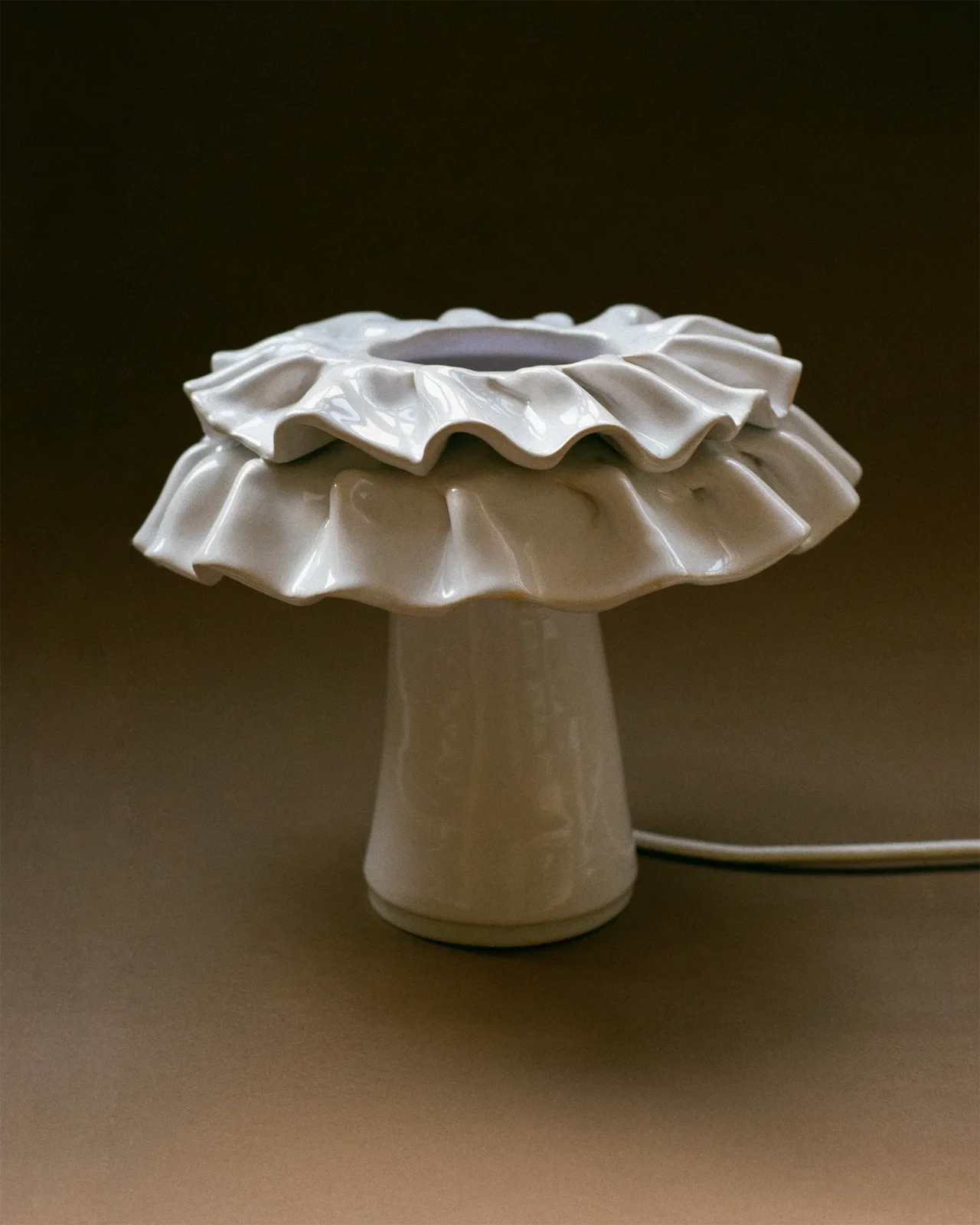
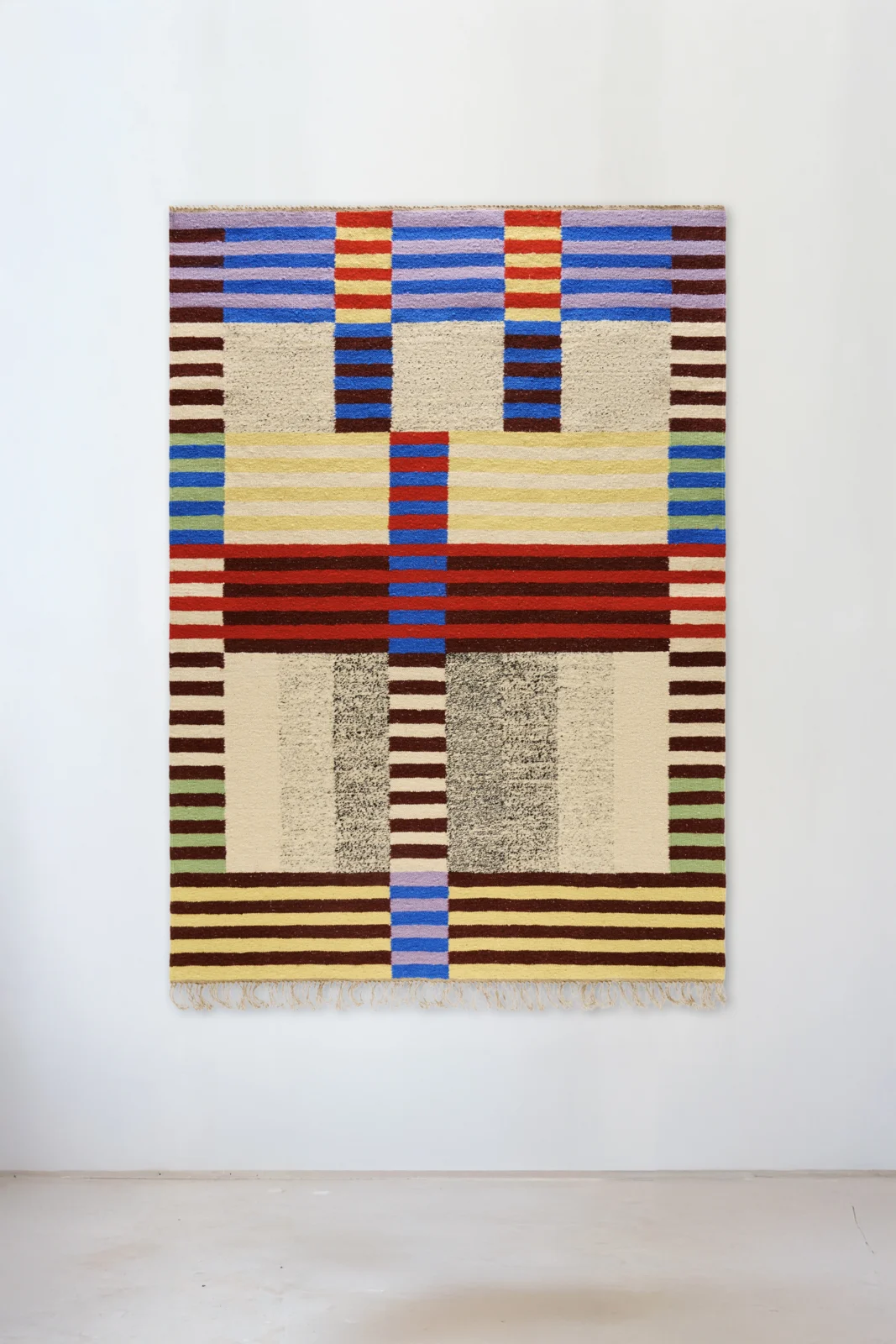
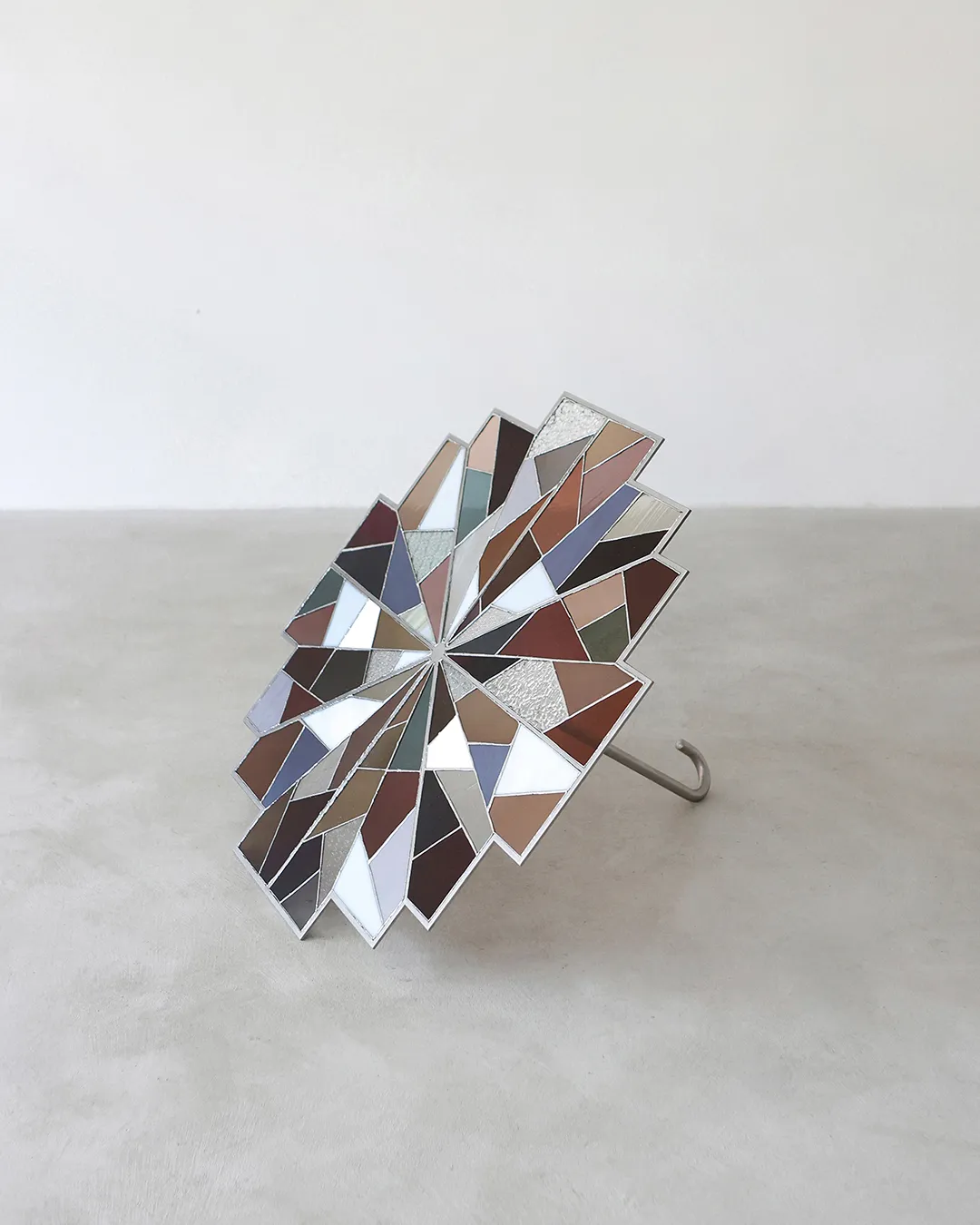
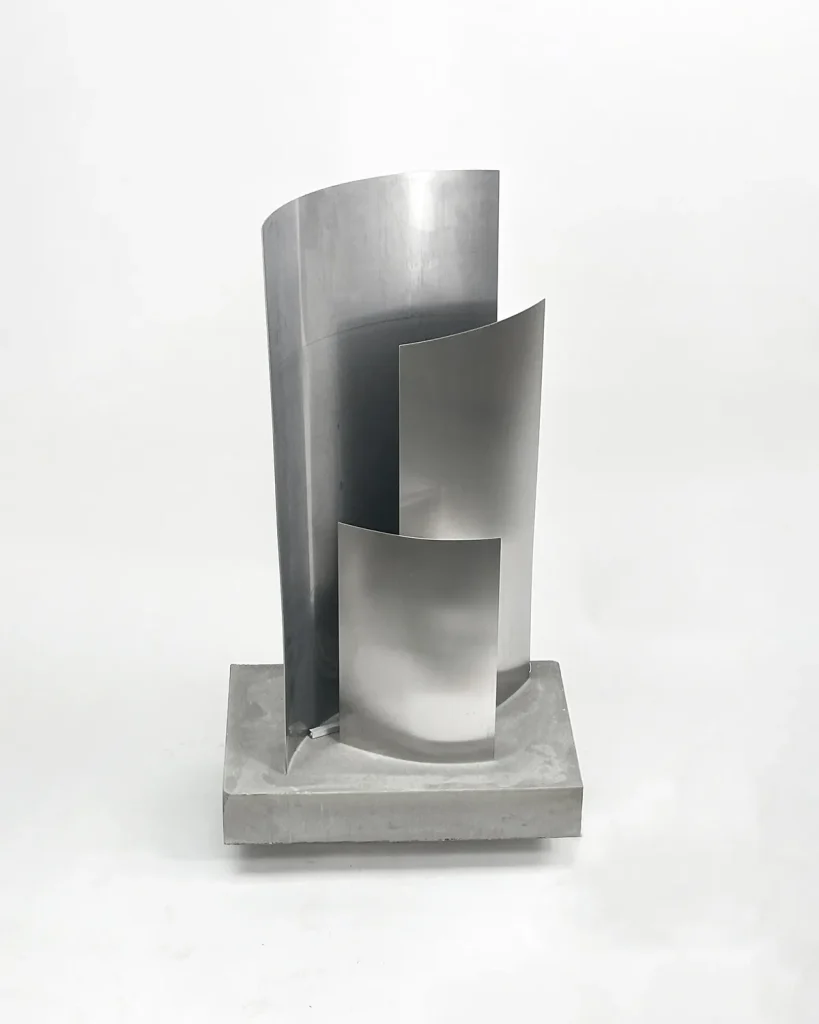
This guide works through the decisions in the order that actually matters. How to size a piece against the wall and the furniture beneath it, the hanging heights that stop looking wrong, what different materials do to a room’s light and acoustics, and how to handle the rooms where walls are hardest — bedrooms, hallways, offices. Pieces from independent studios on ADORNO appear throughout, in hammered copper, cast recycled aluminum, raw clay, wicker and handwoven textile, because wall decor is one of the few categories where the object is looked at directly and has nowhere to hide.
What a wall is actually doing
Before choosing anything, it helps to know which of three jobs a given wall has.
Some walls are backdrops. The wall behind a sofa or bed exists in relation to the furniture in front of it, and whatever hangs there is read as part of that arrangement rather than on its own. Therefore scale is governed by the furniture, not the wall.
Some walls are destinations. The wall you see straight on when entering a room, or at the end of a hallway, is looked at directly and from a distance. These carry a single strong piece well and reward something with real presence, since there is no furniture to share the attention.
Some walls should stay empty. This is the part most advice omits. A room needs somewhere for the eye to rest, and filling every vertical surface produces the same fatigue as a crowded shelf. Notably, the restraint reads as confidence — a single considered piece on one wall does more than four adequate ones spread around the room.
Scale: the numbers that fix most problems
Almost every wall that looks wrong is a scale problem, and scale is arithmetic rather than taste.
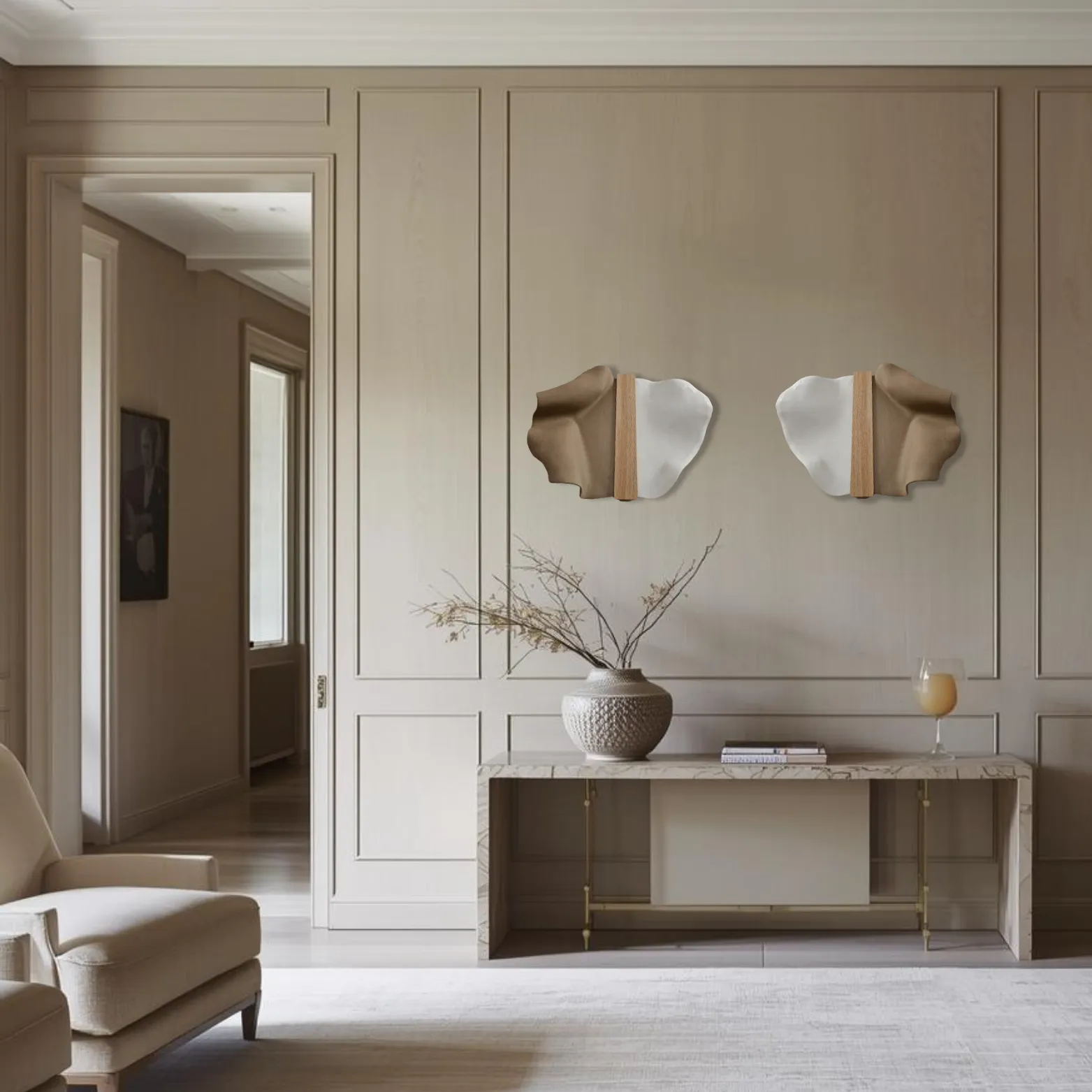
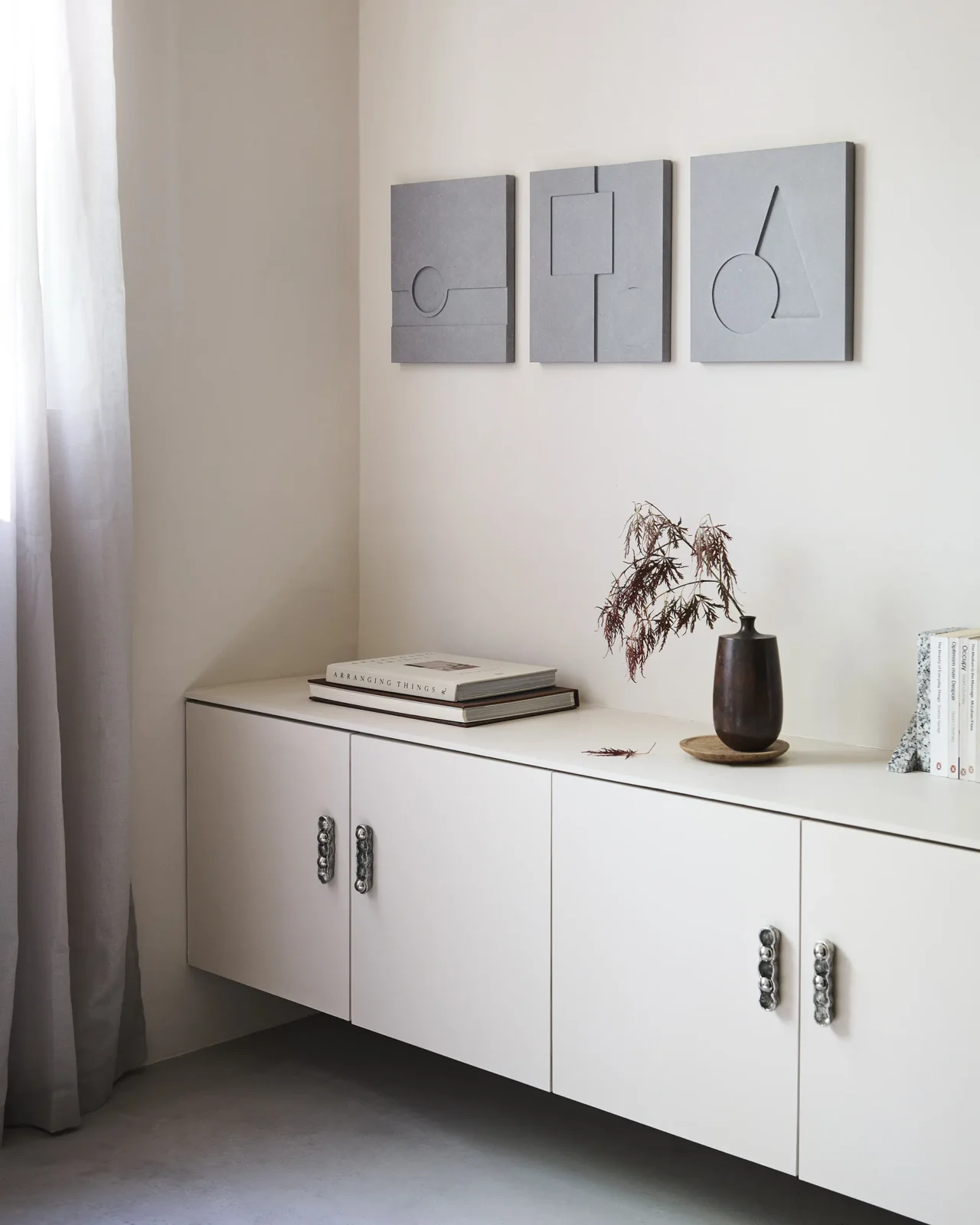
- Above furniture, aim for two-thirds. A piece hung over a sofa, bed, console or sideboard should span roughly two-thirds to three-quarters of the furniture’s width. On a 220cm sofa that means something around 145–165cm wide, whether that is one piece or a group measured as a block. Anything under half the furniture width reads as undersized.
- On an empty wall, fill 60–75% of the usable area. Usable means the wall minus a sensible margin at the edges — not floor to ceiling. Consequently a large blank wall usually needs something considerably bigger than instinct suggests, or a deliberate group rather than a single small object.
- Leave 15–25cm between furniture and the bottom edge. Closer than about 12cm and the piece looks as though it is resting on the sofa back; further than about 30cm and the connection breaks and the two read as unrelated.
- Hang so the centre sits at 145–150cm from the floor. This is the standard gallery eye level and it works in most rooms. The common error is hanging too high — usually because people align to the top of a door frame or to their own eye level while standing close. In a room where people are mostly seated, dropping to around 140cm often reads better.
Two practical steps make all of this easier. Cut paper to size and tape it up for a day before committing, and measure from the floor rather than the ceiling, since ceilings are rarely level and floors are where people stand.
Materials and what they do to a room
Material is the decision that separates wall decor from wall filler. A wall piece is seen straight on, often in raking light, so surface matters more here than almost anywhere else in a room.
Metal
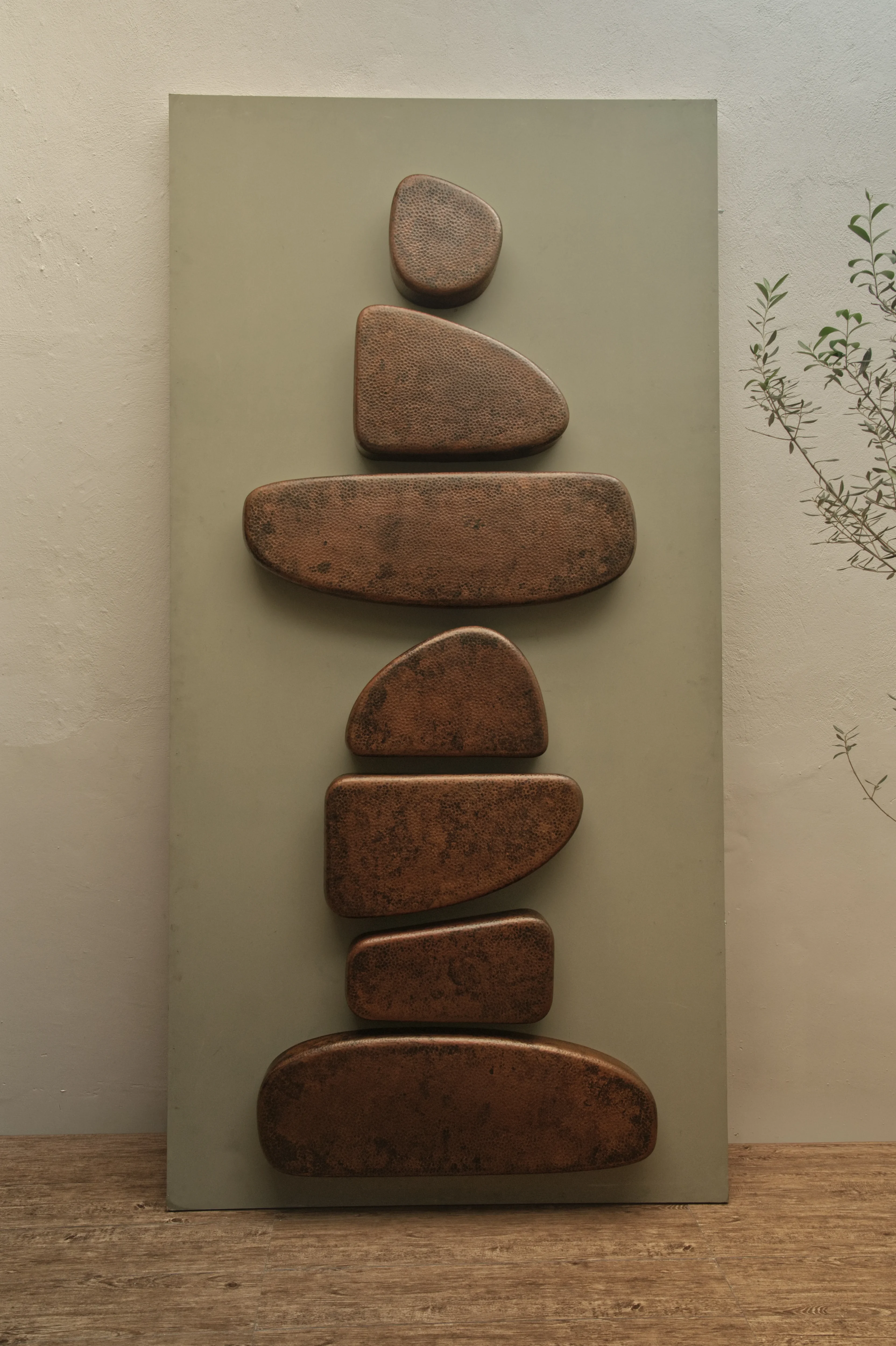
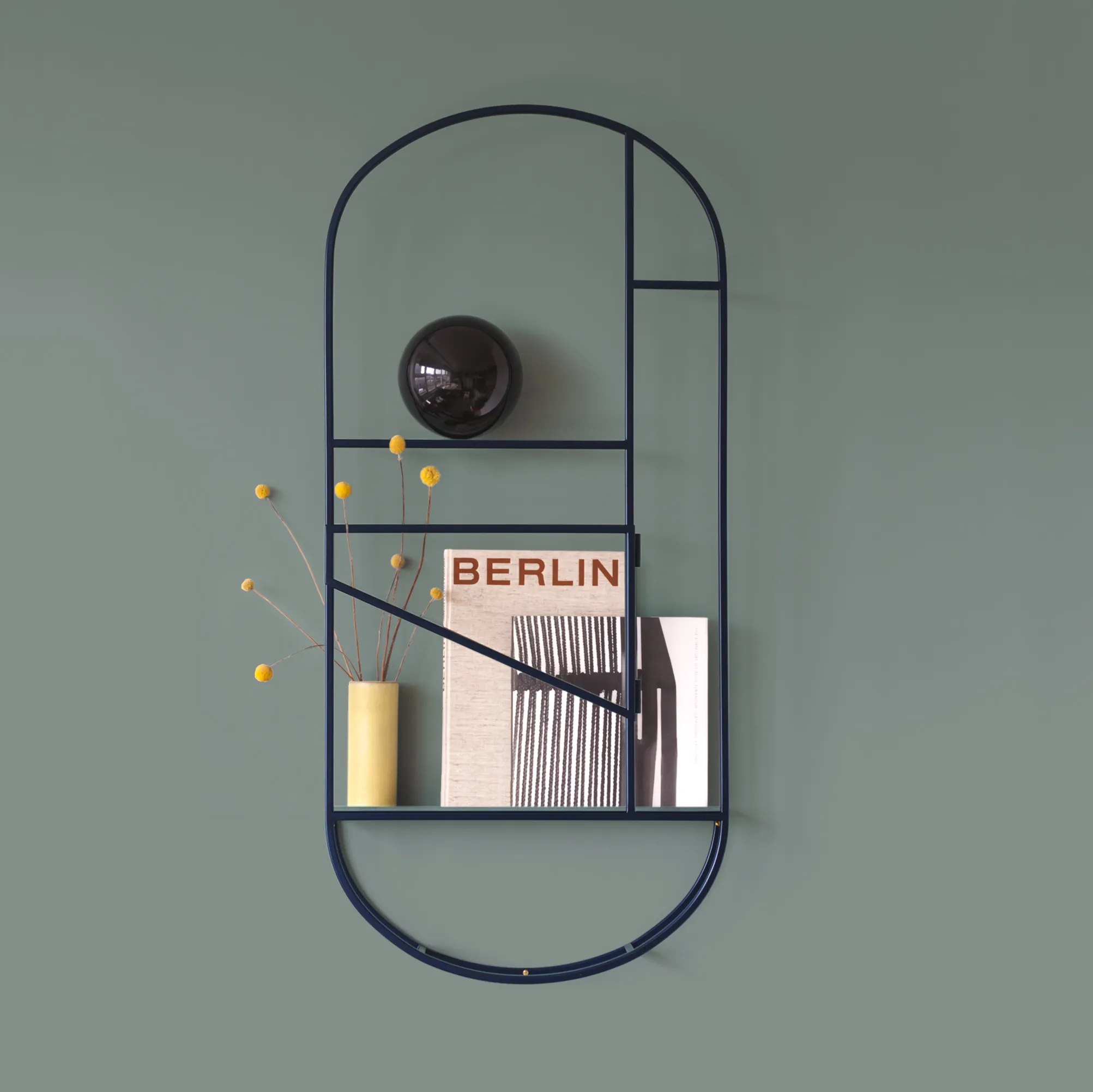
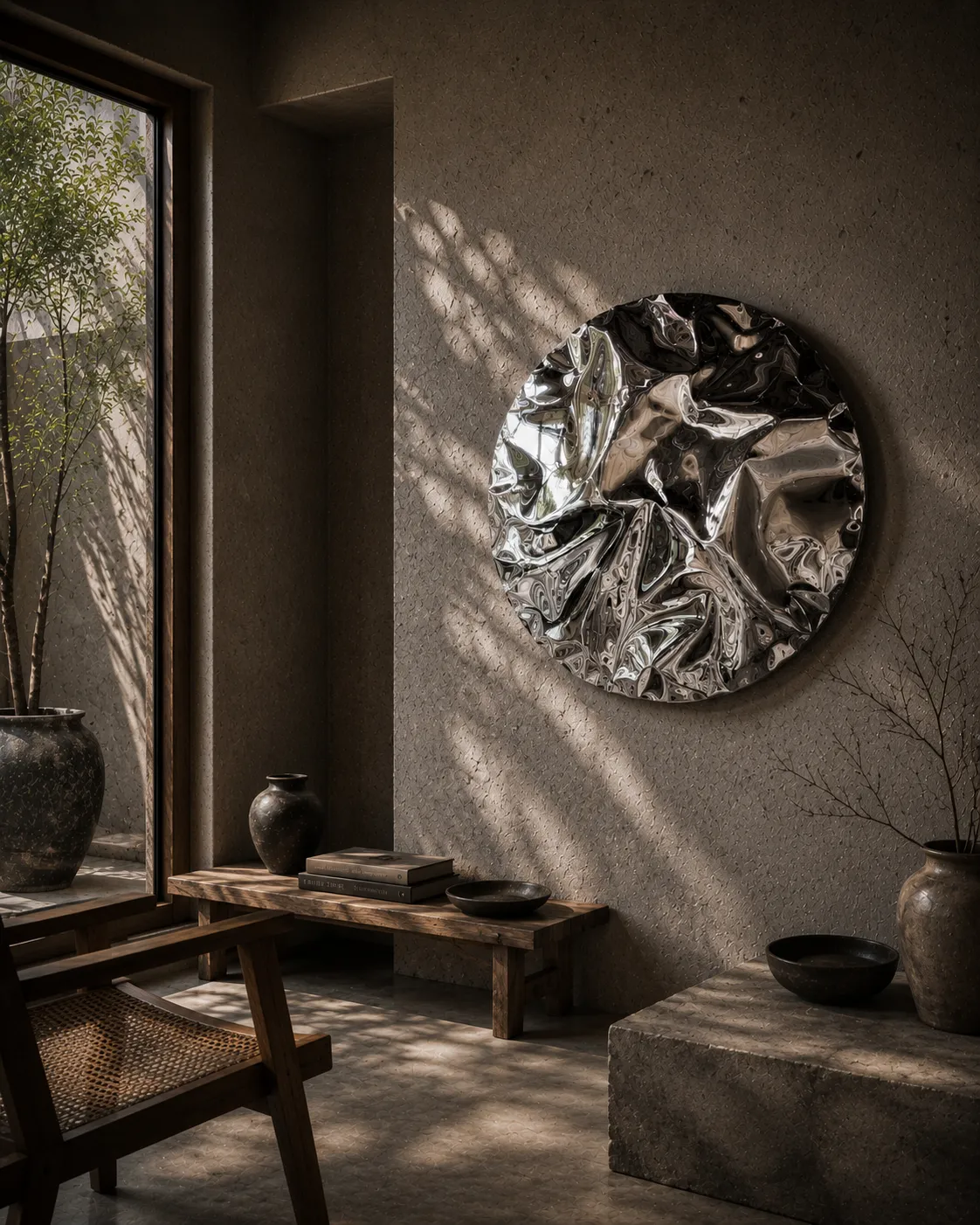
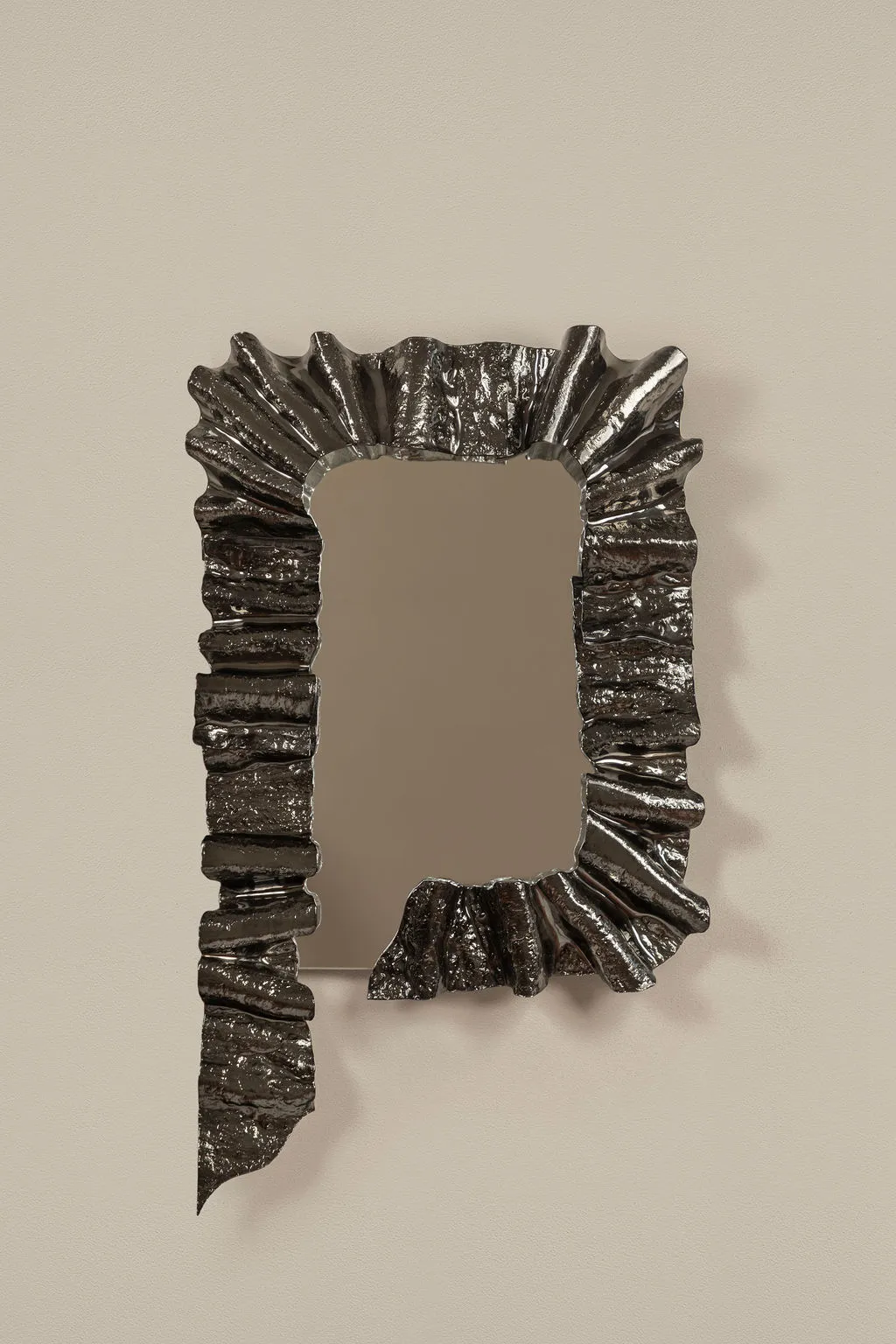
Metal wall decor works because it changes with the light rather than sitting still. Hammered, brushed or oxidized surfaces catch a lamp at one angle and go dark at another, which gives a wall something to do after dusk. Copper and brass warm a cool room; blackened steel and aluminum give a warm one structure. Furthermore, metal handles scale well — a large metal piece stays visually light in a way that a large canvas does not.
Wood and ceramic
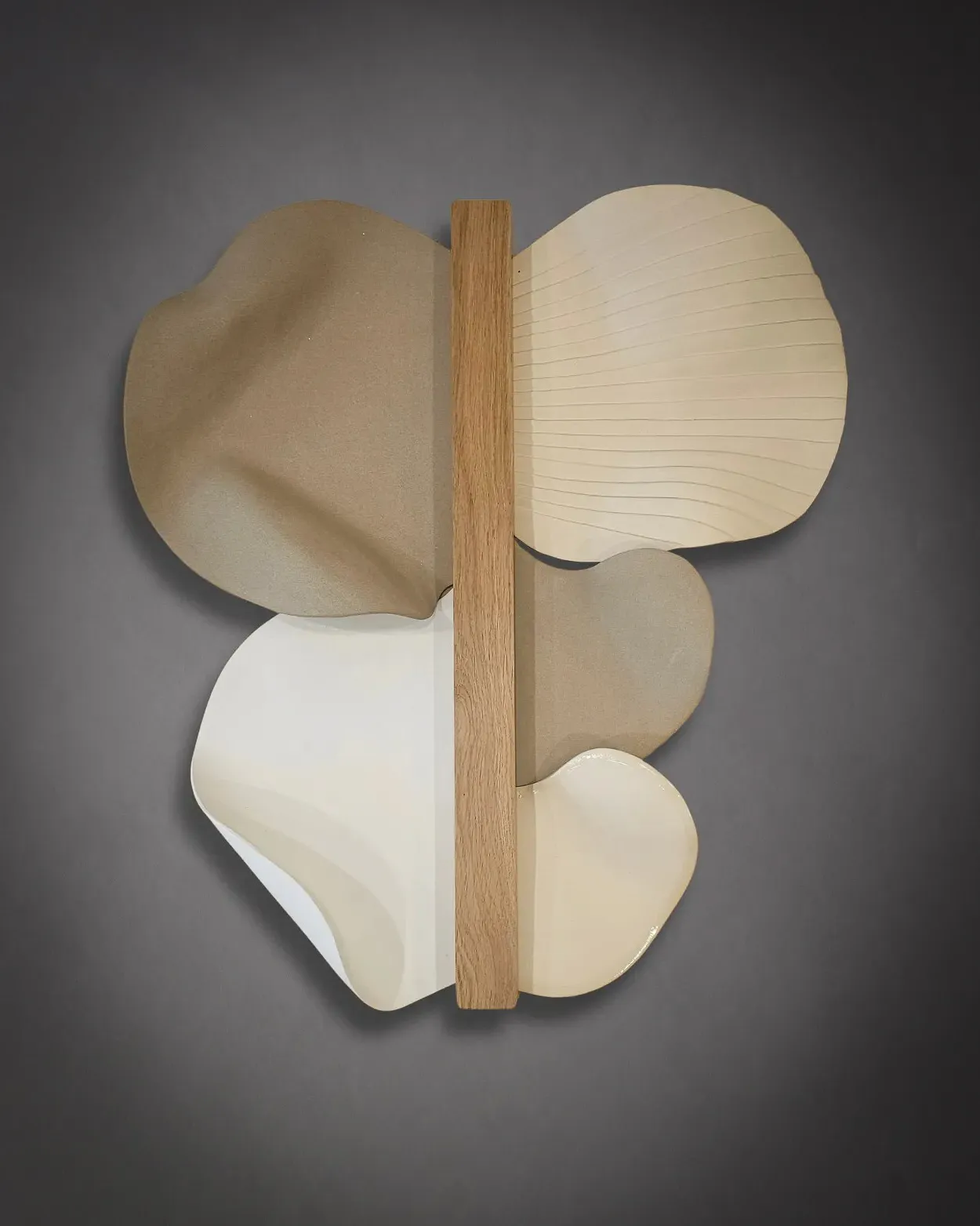
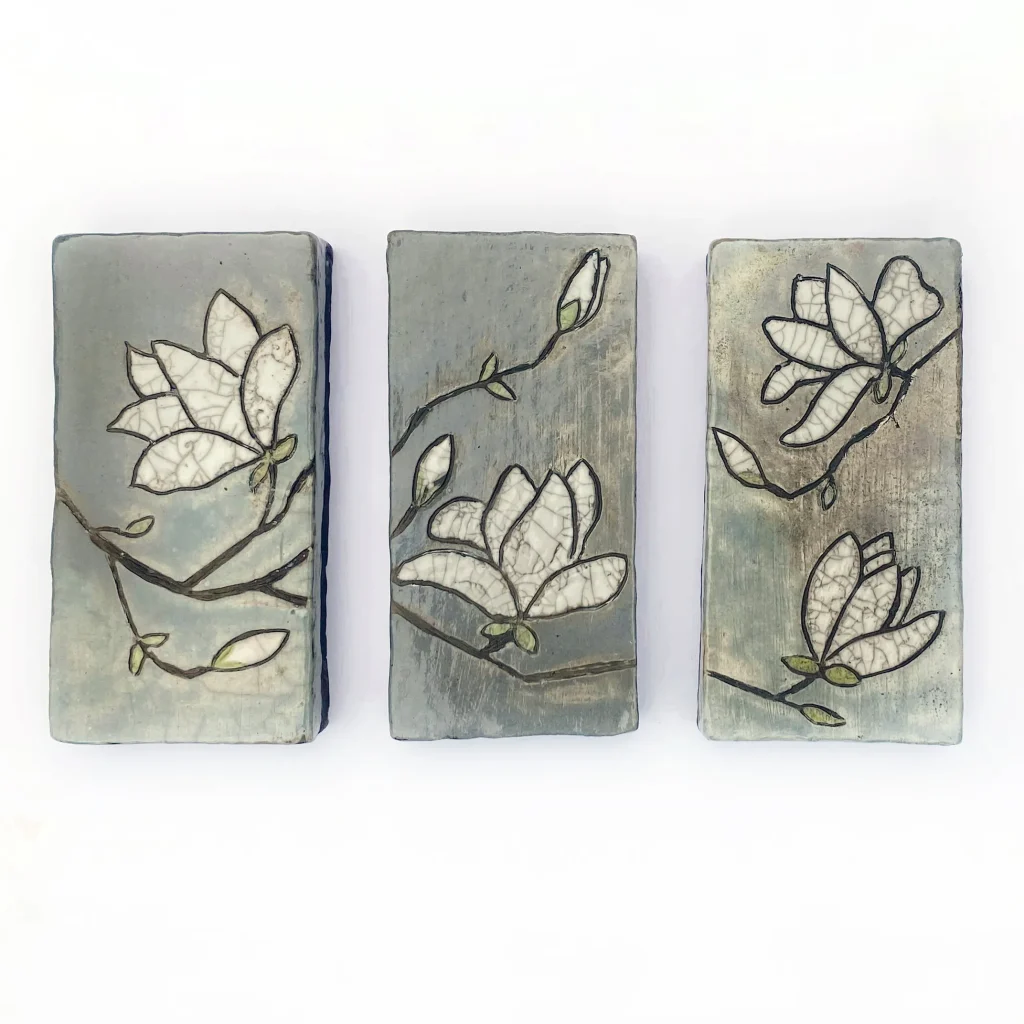
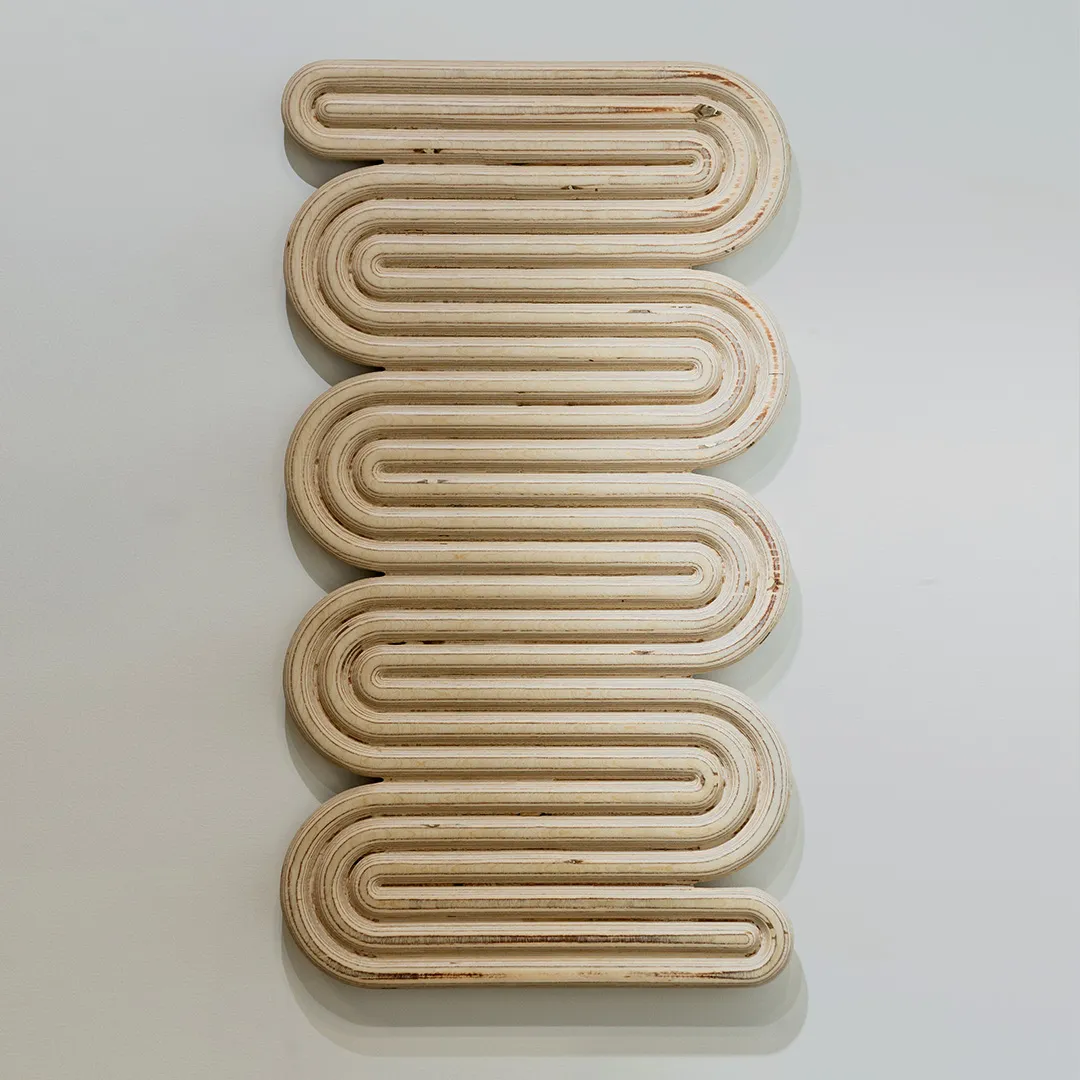
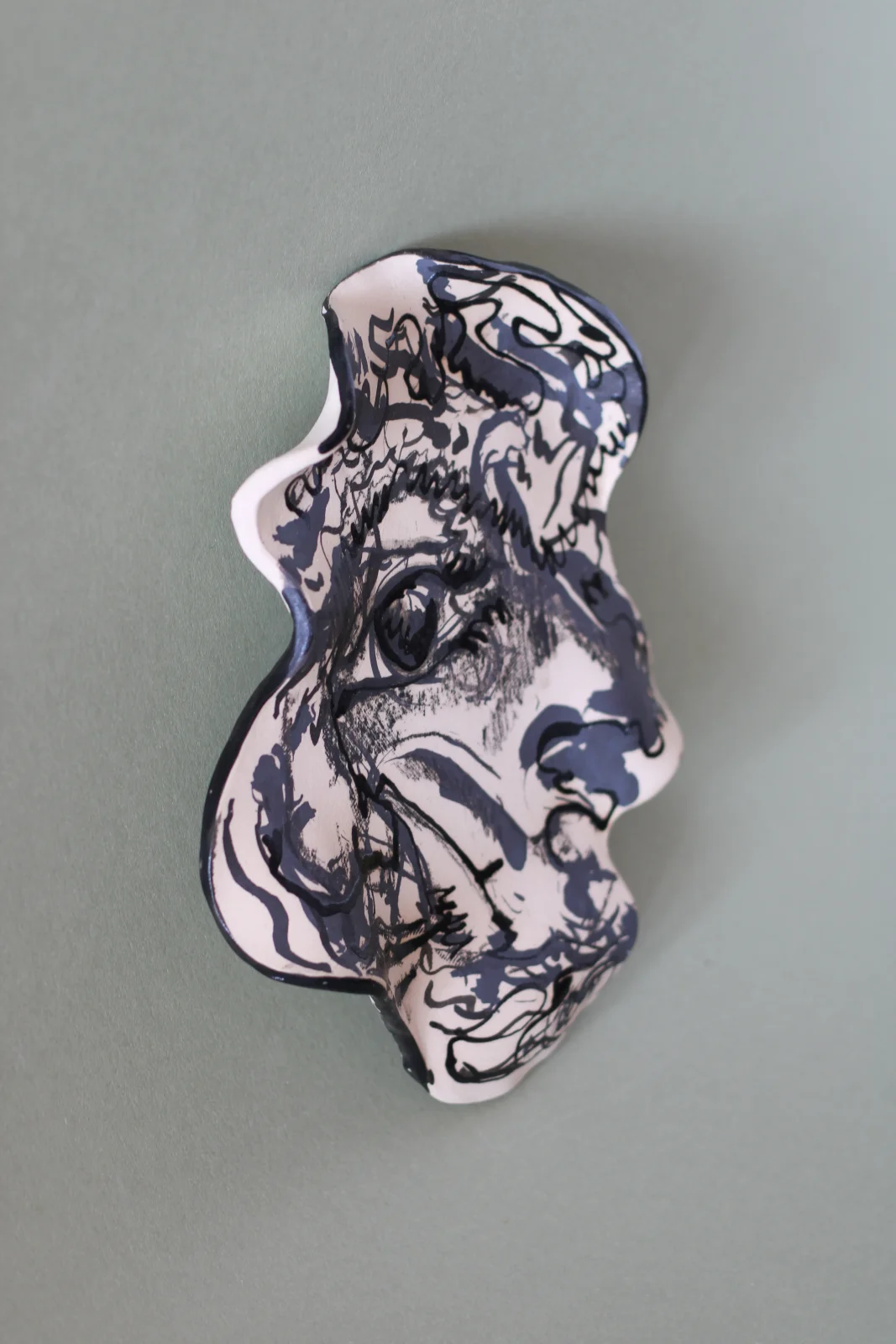
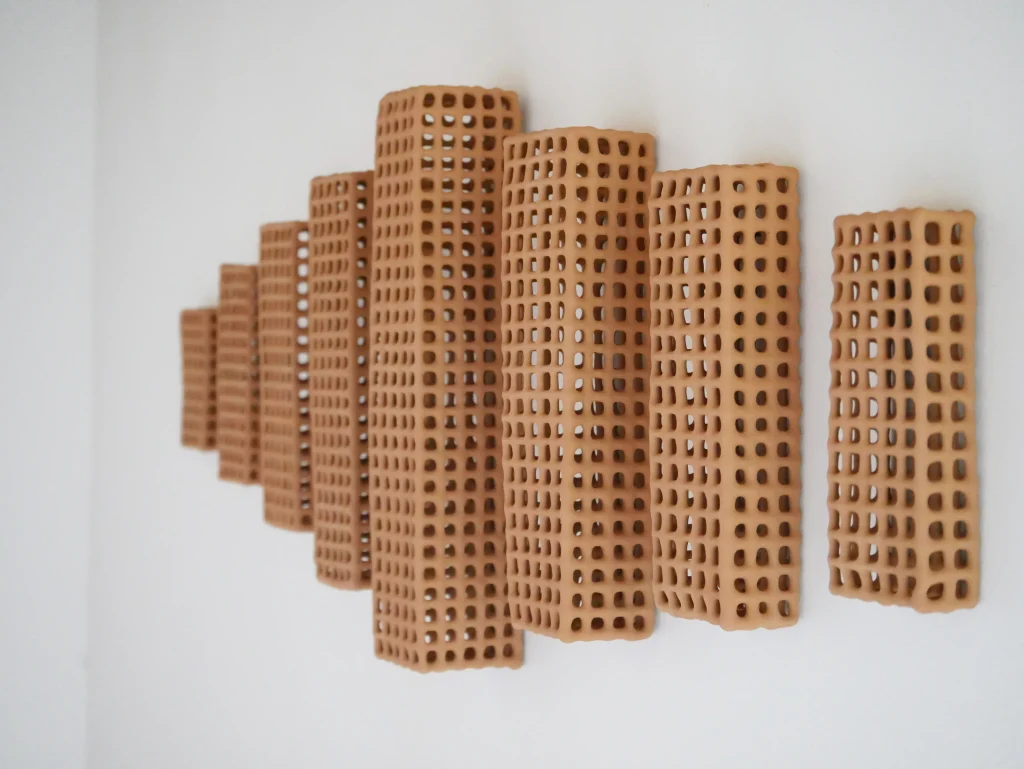
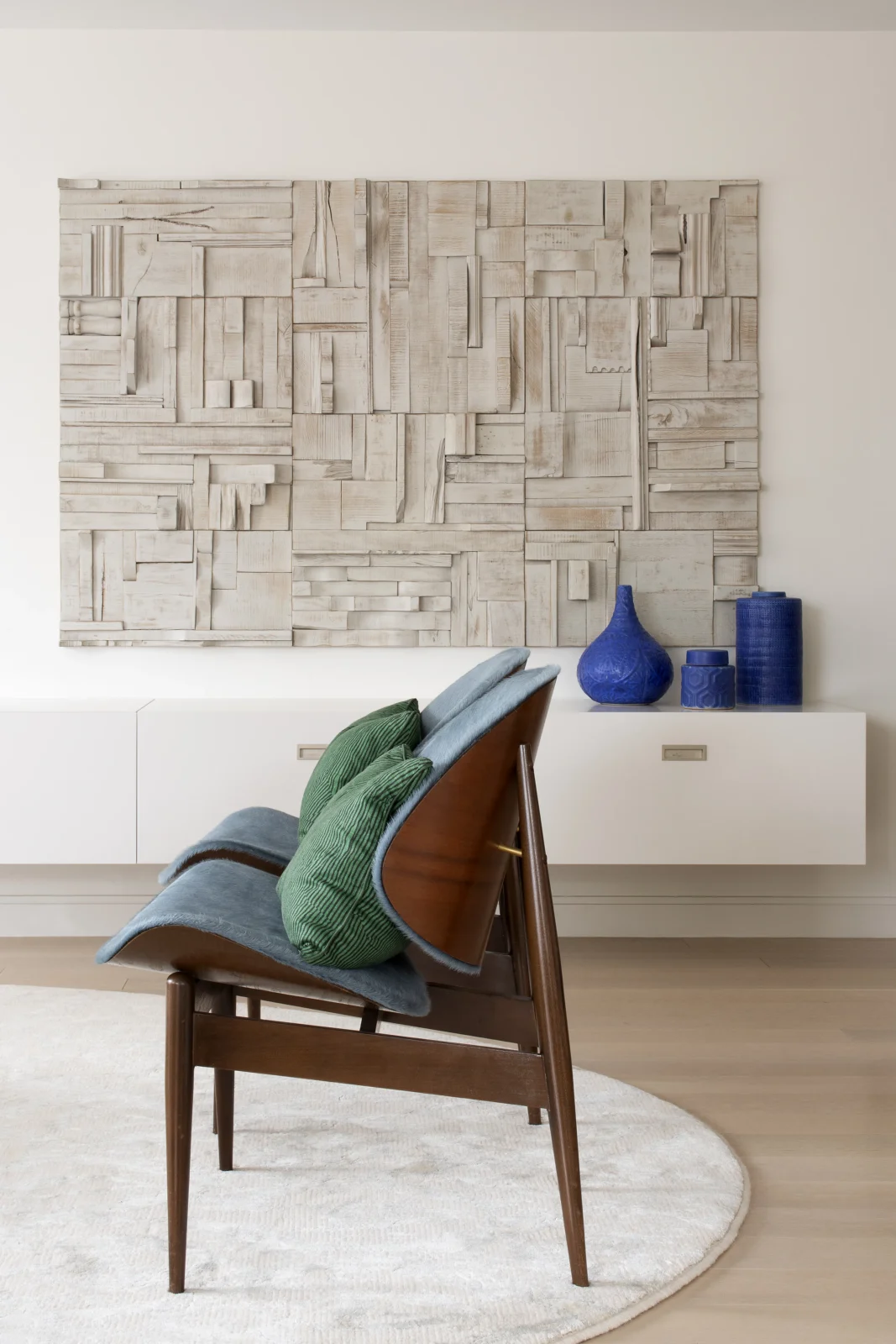
Wood brings grain, which is pattern that never competes, and it warms a room without adding colour. Ceramic adds depth through glaze and shadow. Together they give a wall relief — actual physical depth rather than a printed image of it — and that is what makes a piece read differently at breakfast and at night. By contrast, flat printed canvas looks identical under every light in the room, which is why so much of it goes unnoticed within a fortnight.
Clay, plaster and textured relief
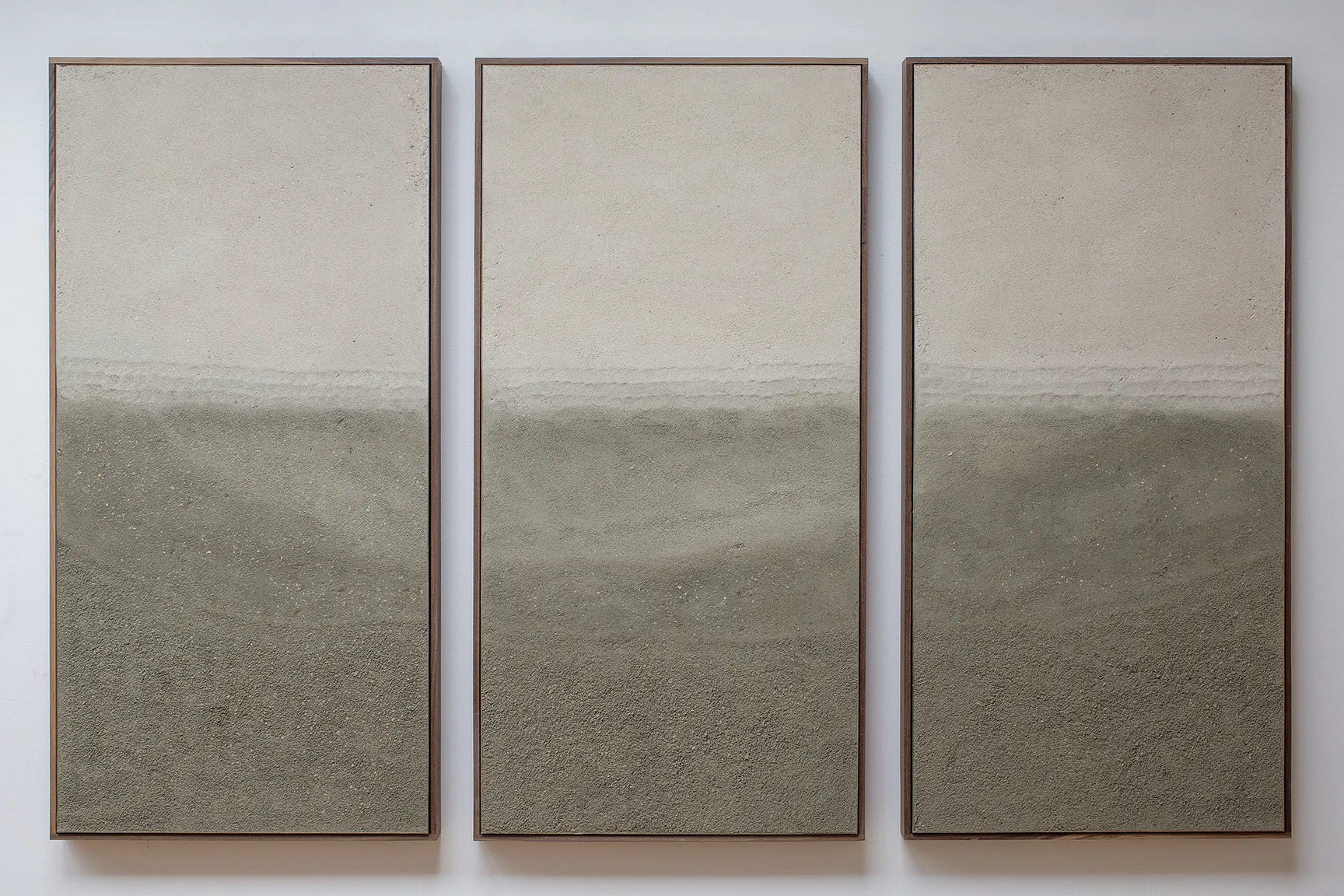
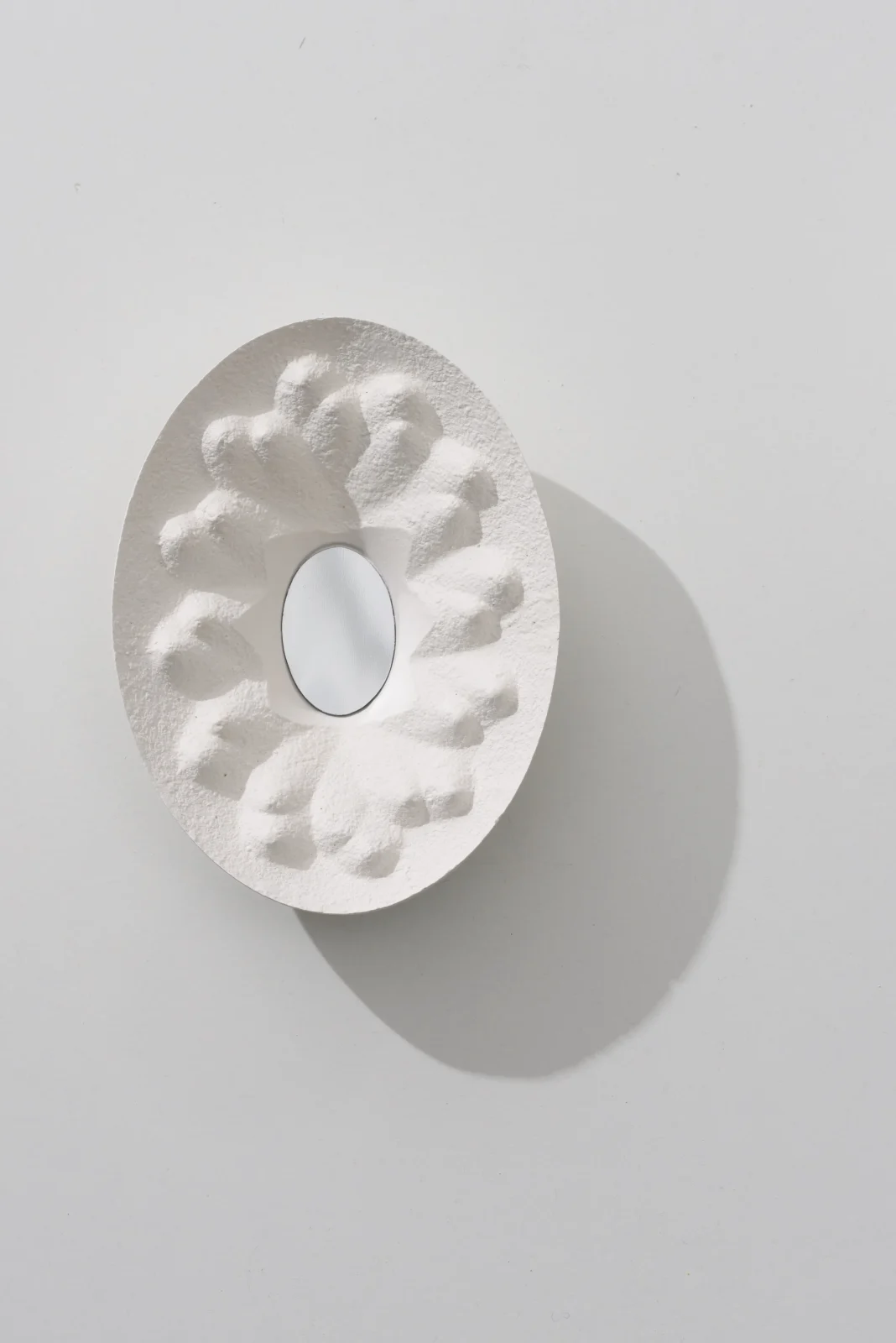
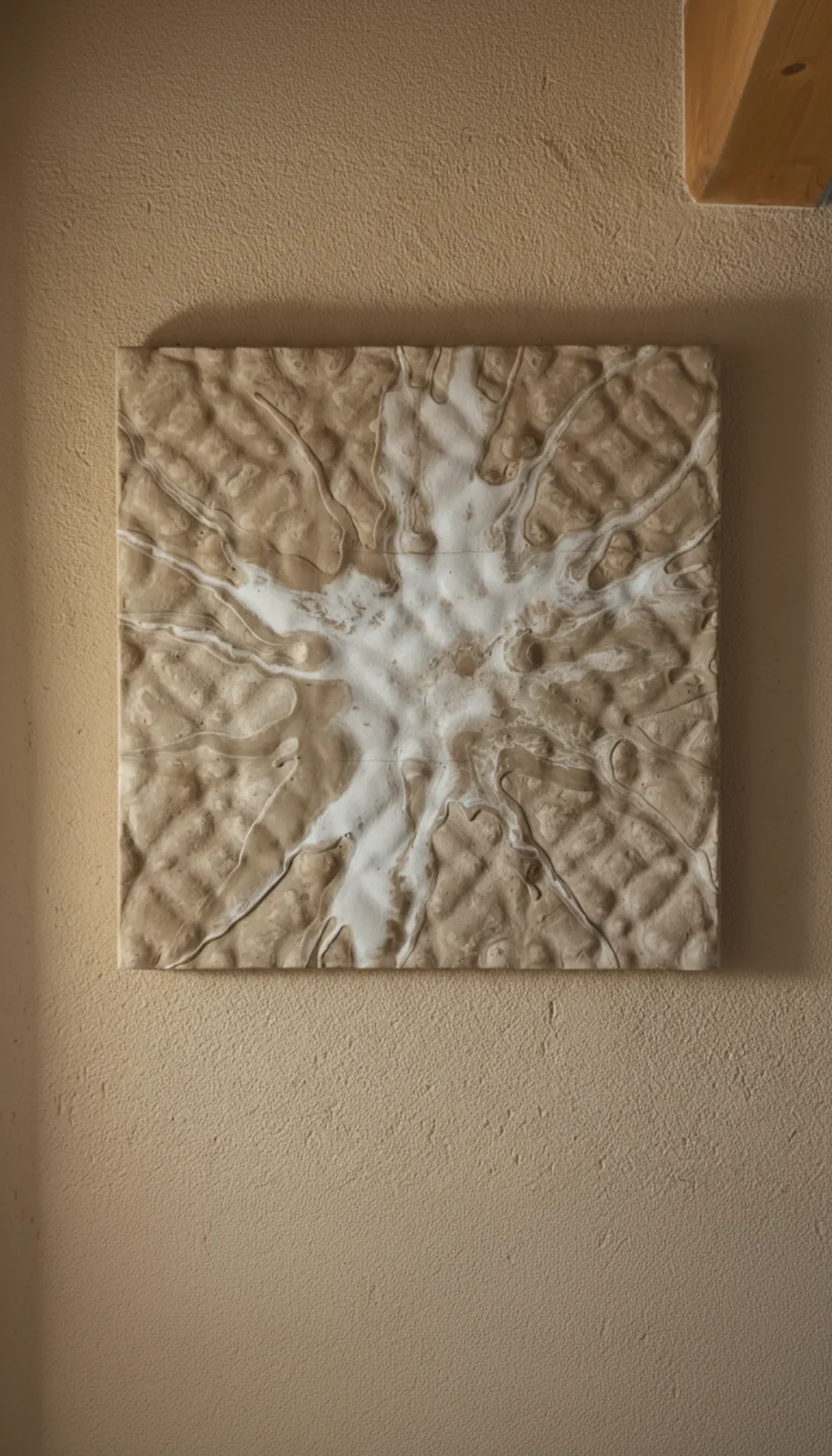
Raw clay and plaster are the quietest wall materials and among the most useful, because they absorb light rather than reflecting it and because texture does work that color cannot. Moreover, a deep relief surface has a measurable effect on how a room sounds, scattering the hard echo that bare walls and hard floors produce. In rooms with a lot of glass and stone, that is worth as much as the visual result.

Textile and woven fiber
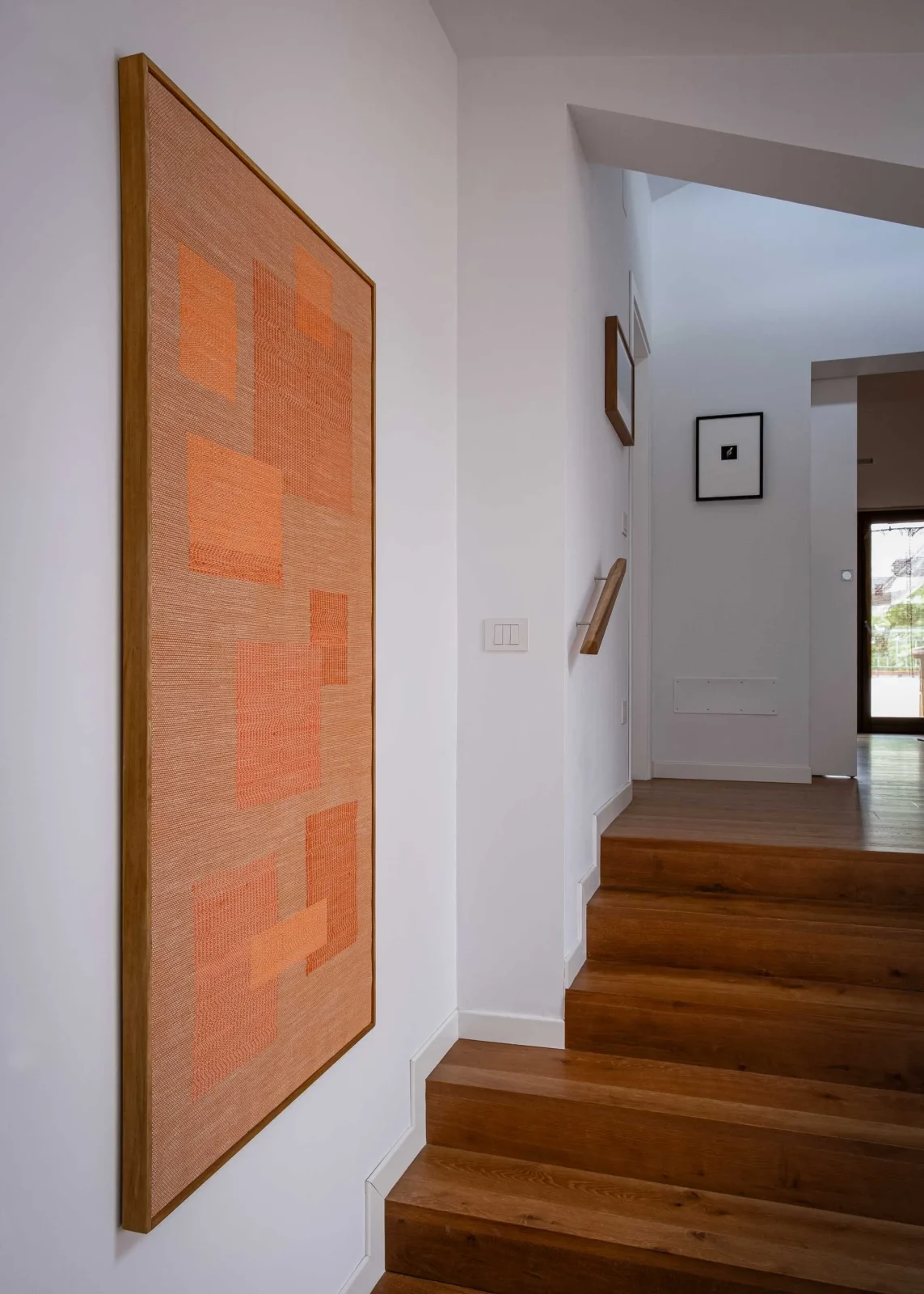
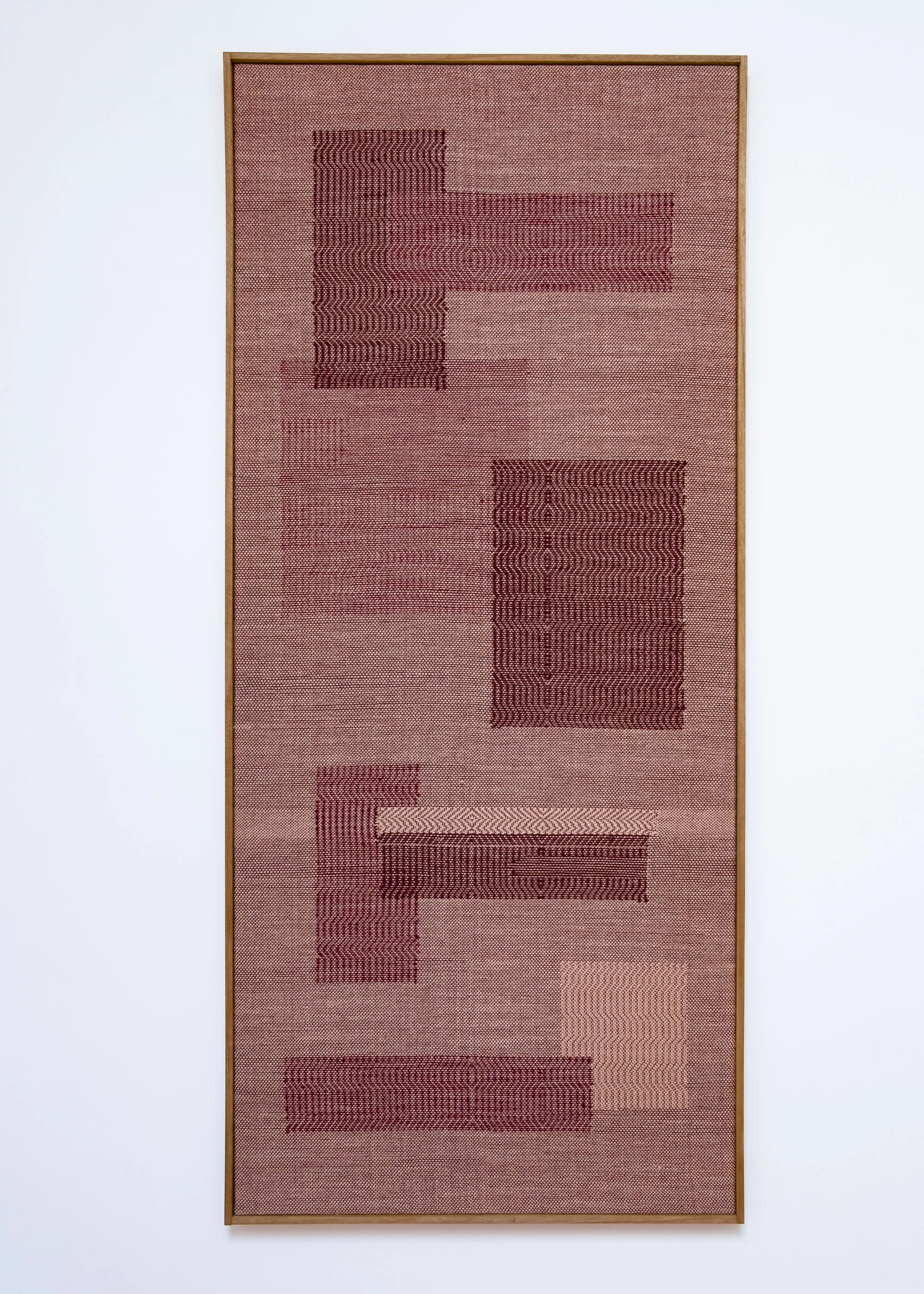
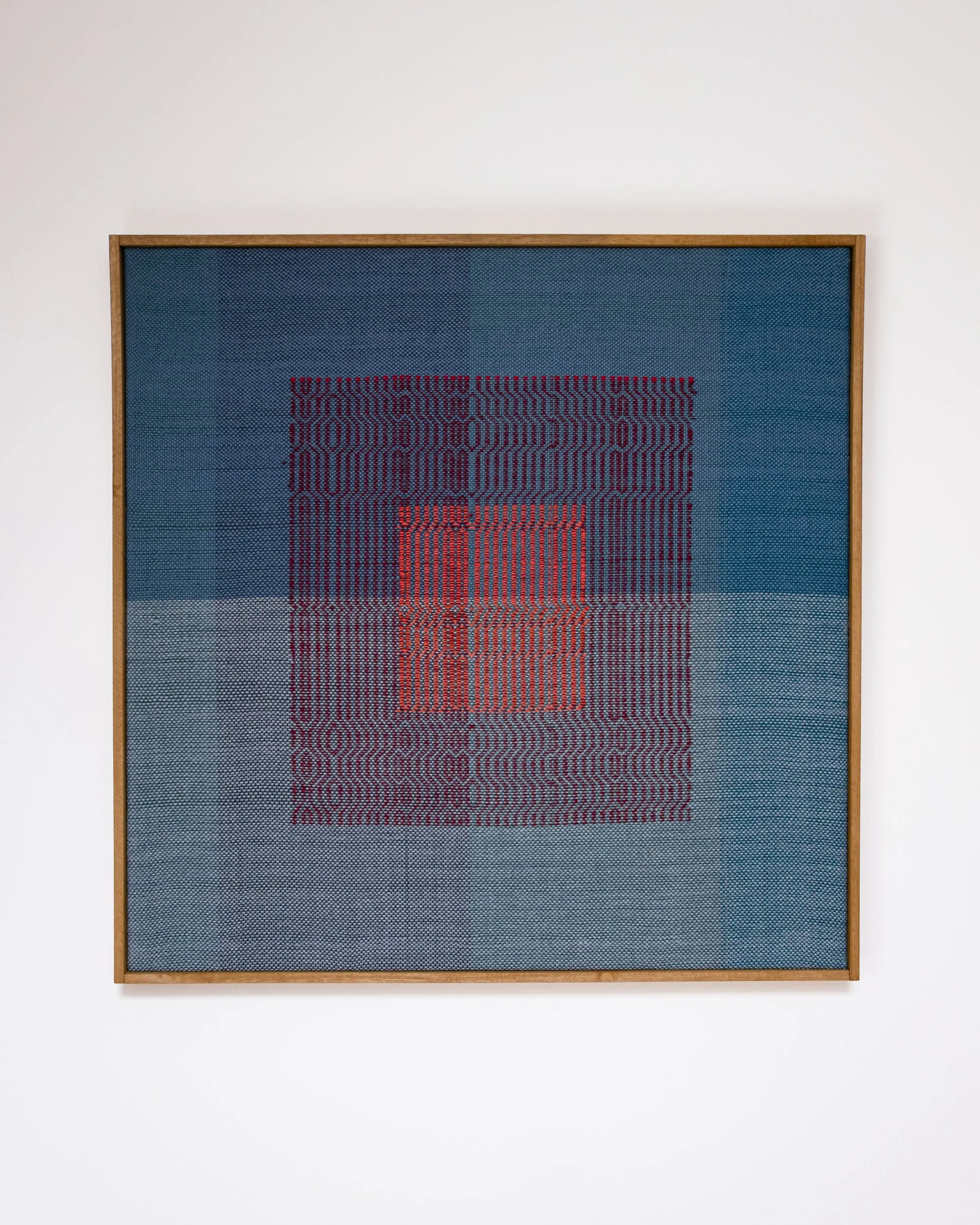
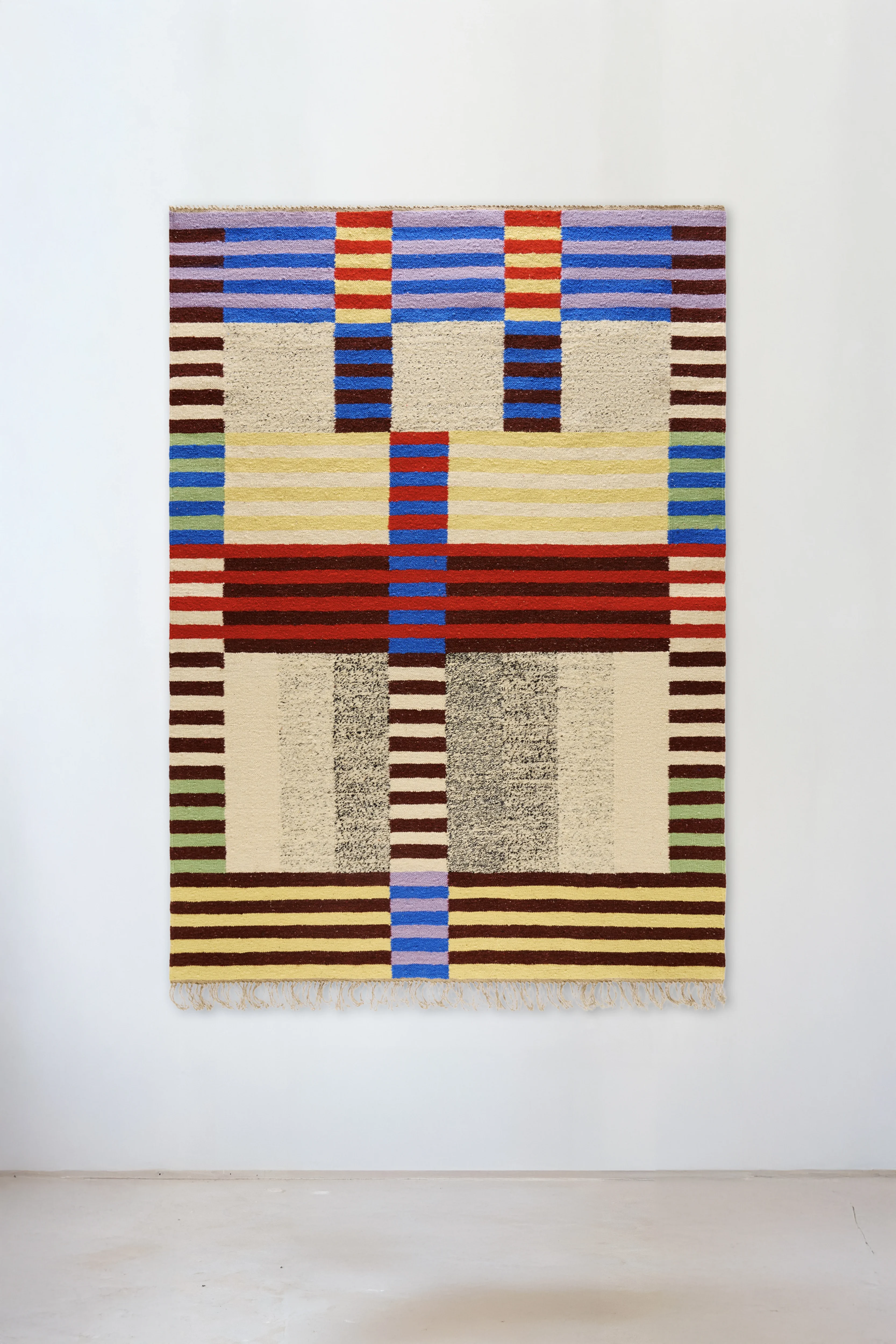
Woven wall pieces do something no framed work can: they soften both the look and the sound of a room, and they bring the warmth of a rug up to eye level. Handwoven textiles also read as made in a way that print does not, since the structure of the weave is visible from across the room. Specifically, they suit rooms that already have a lot of hard surface — kitchens, converted industrial spaces, anywhere with concrete or large glazing.

Mirrors as wall decor
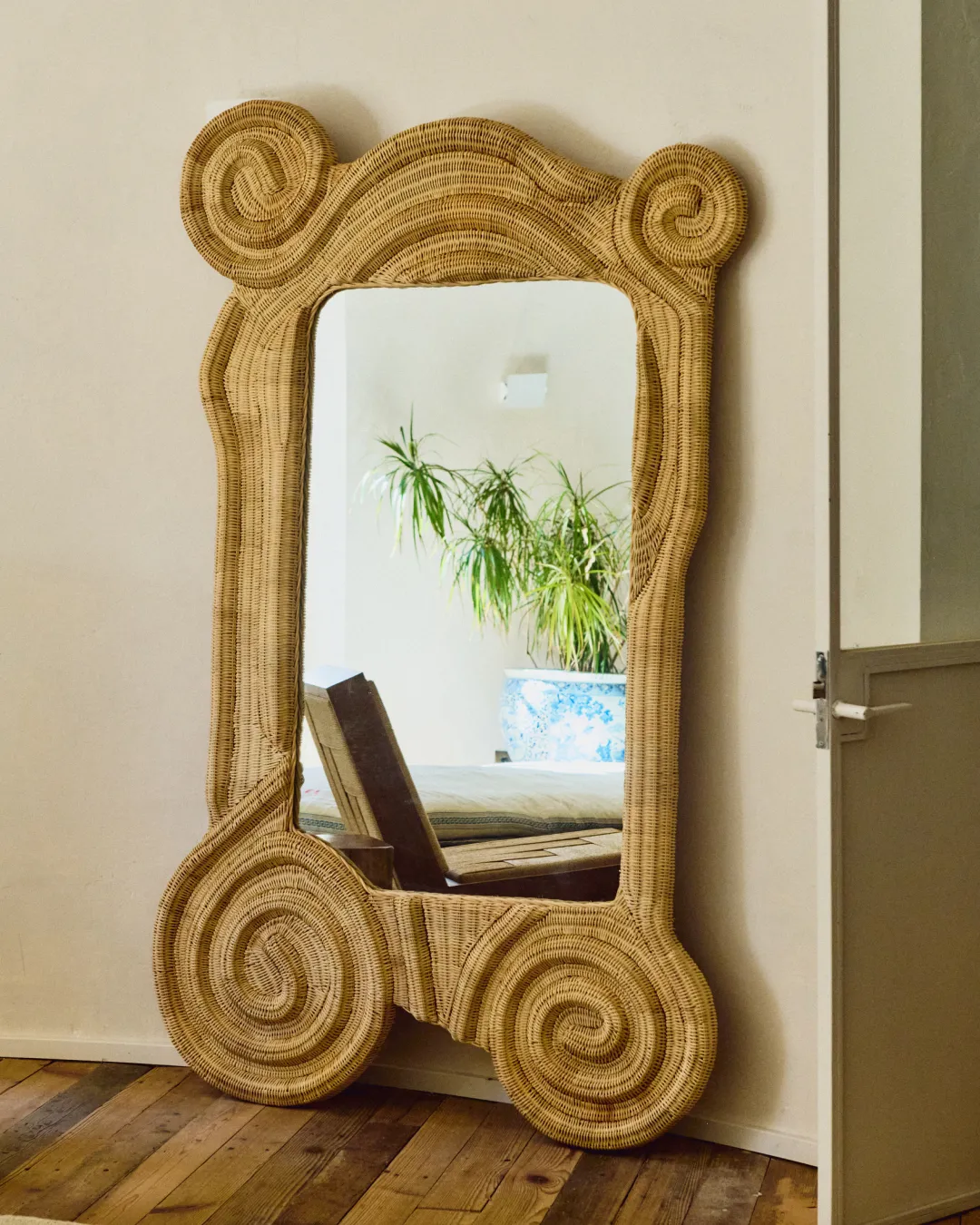
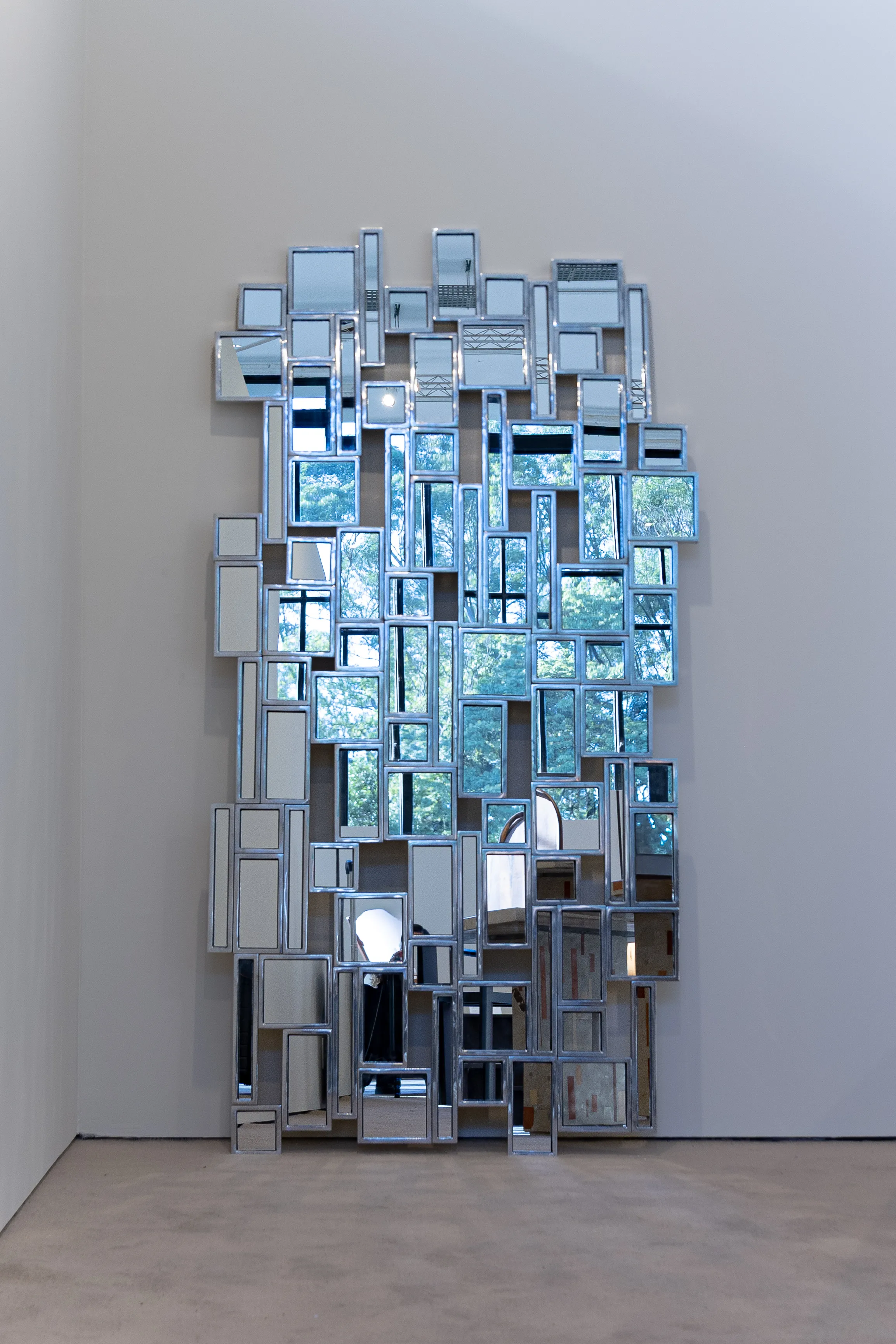
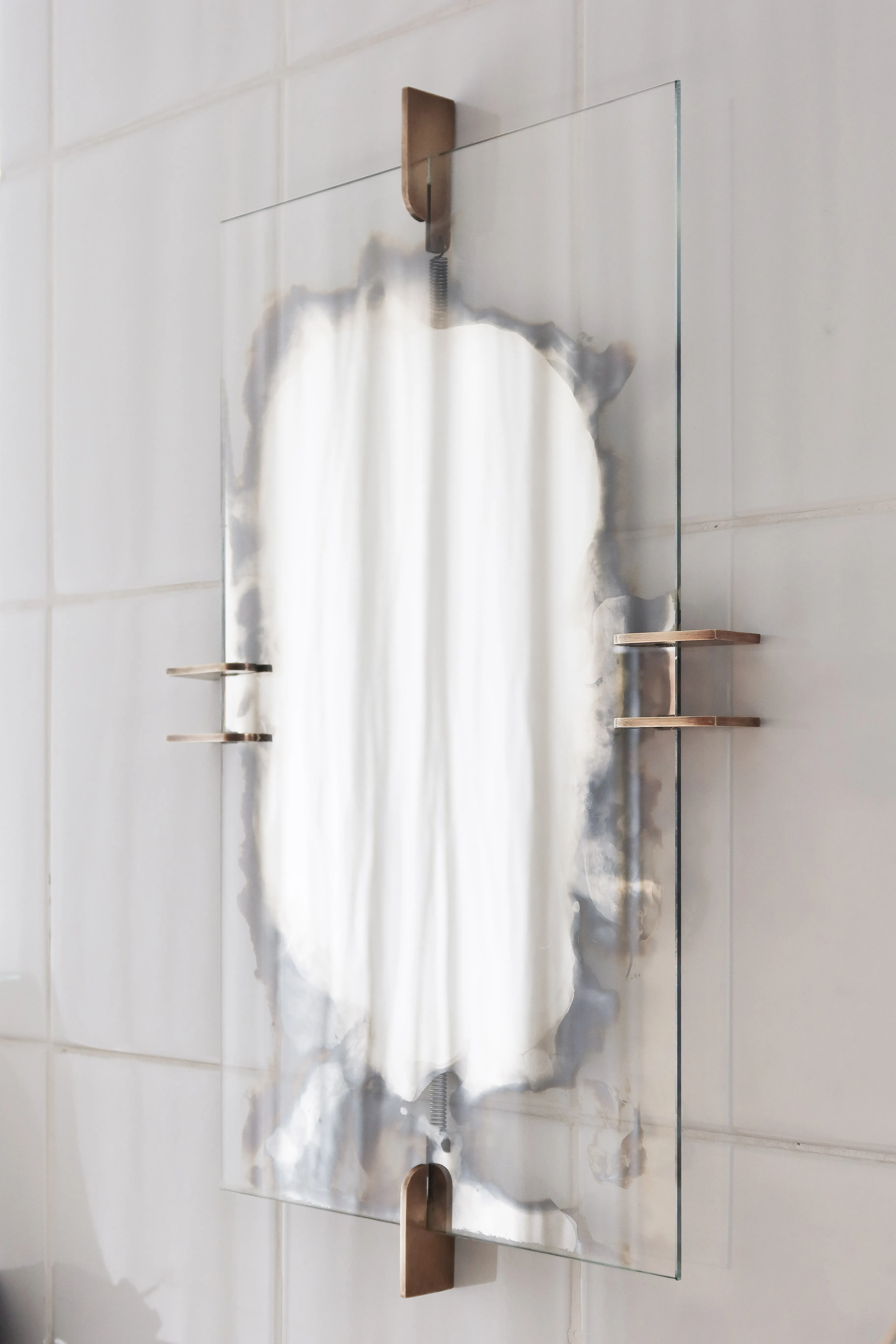
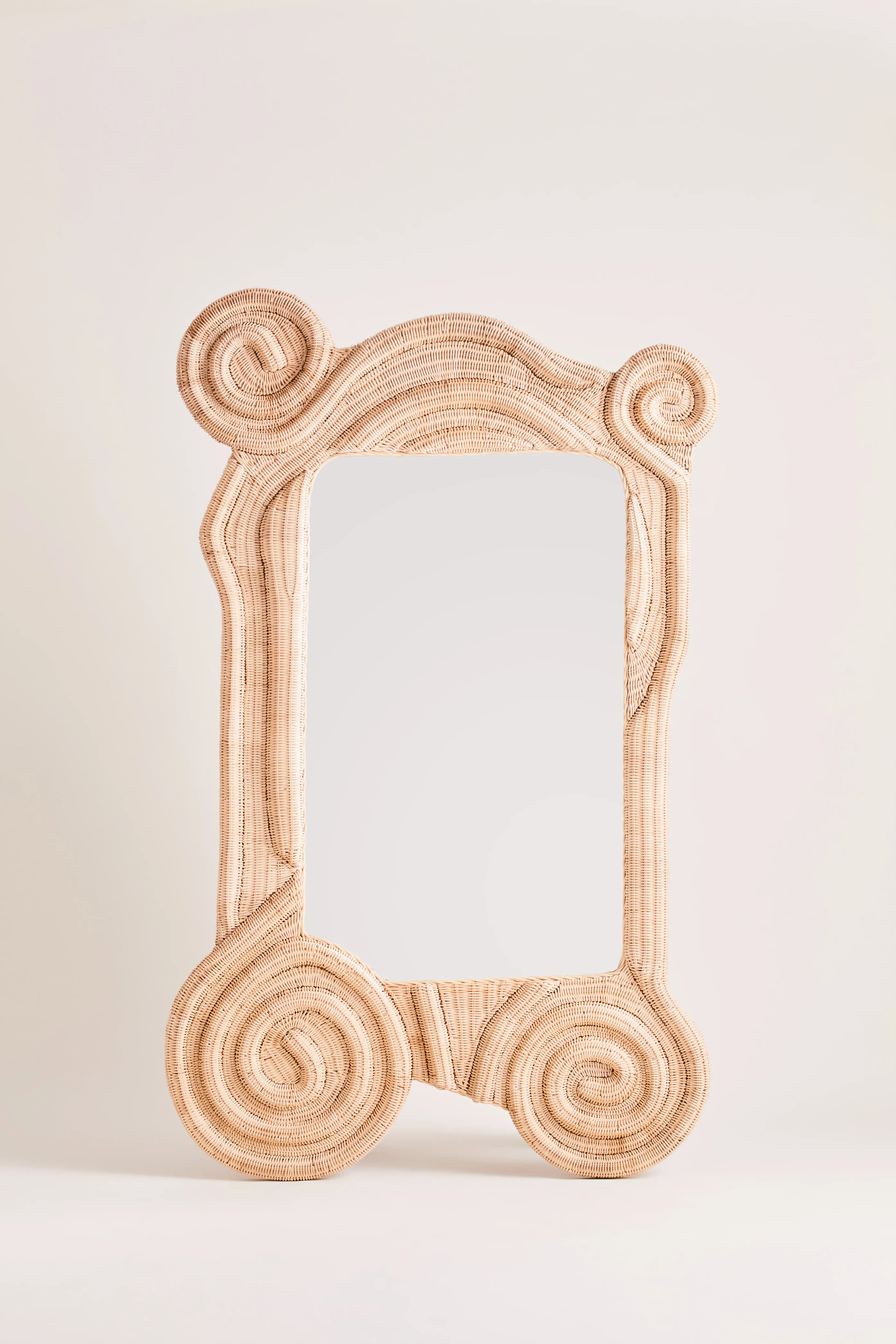
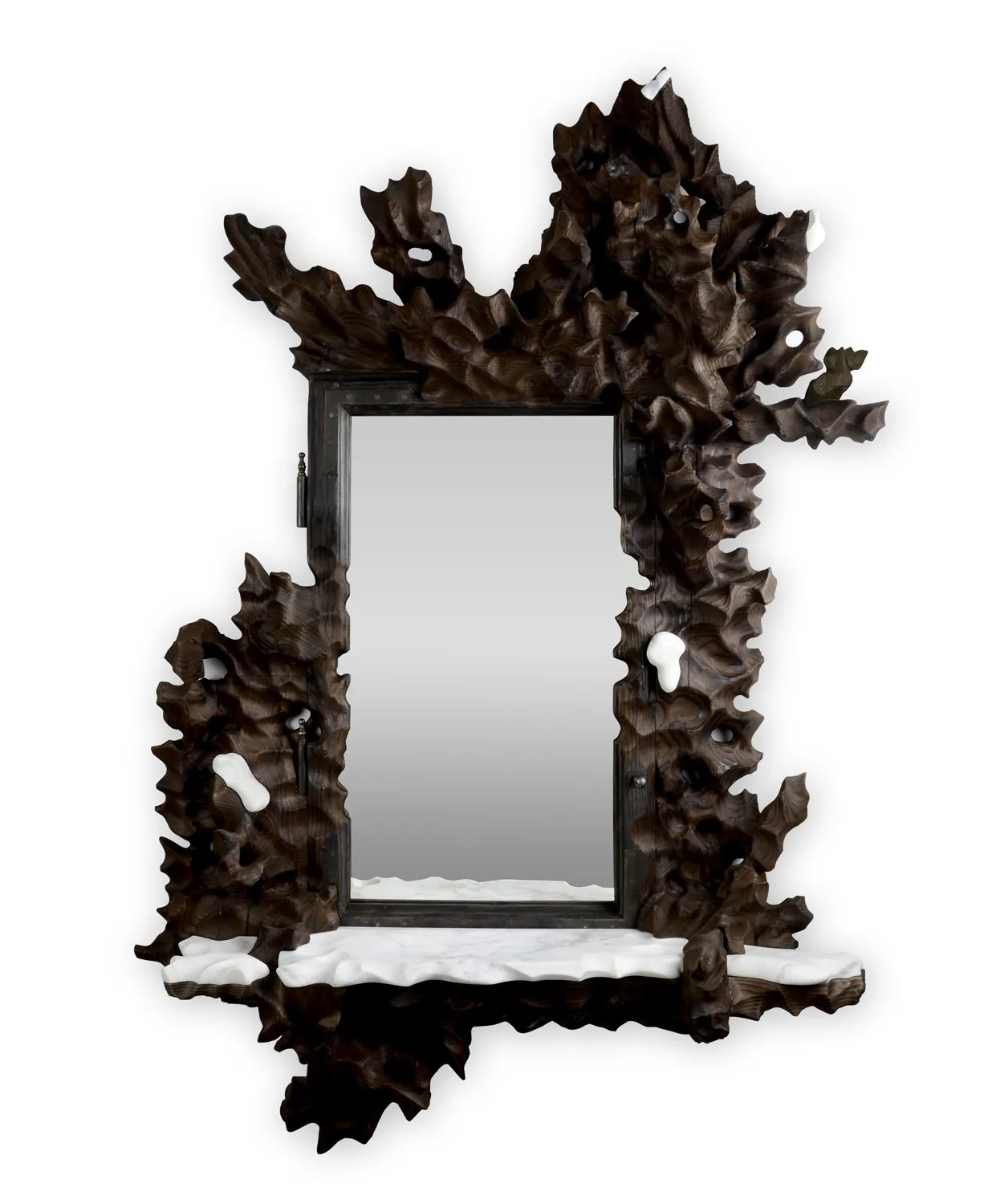
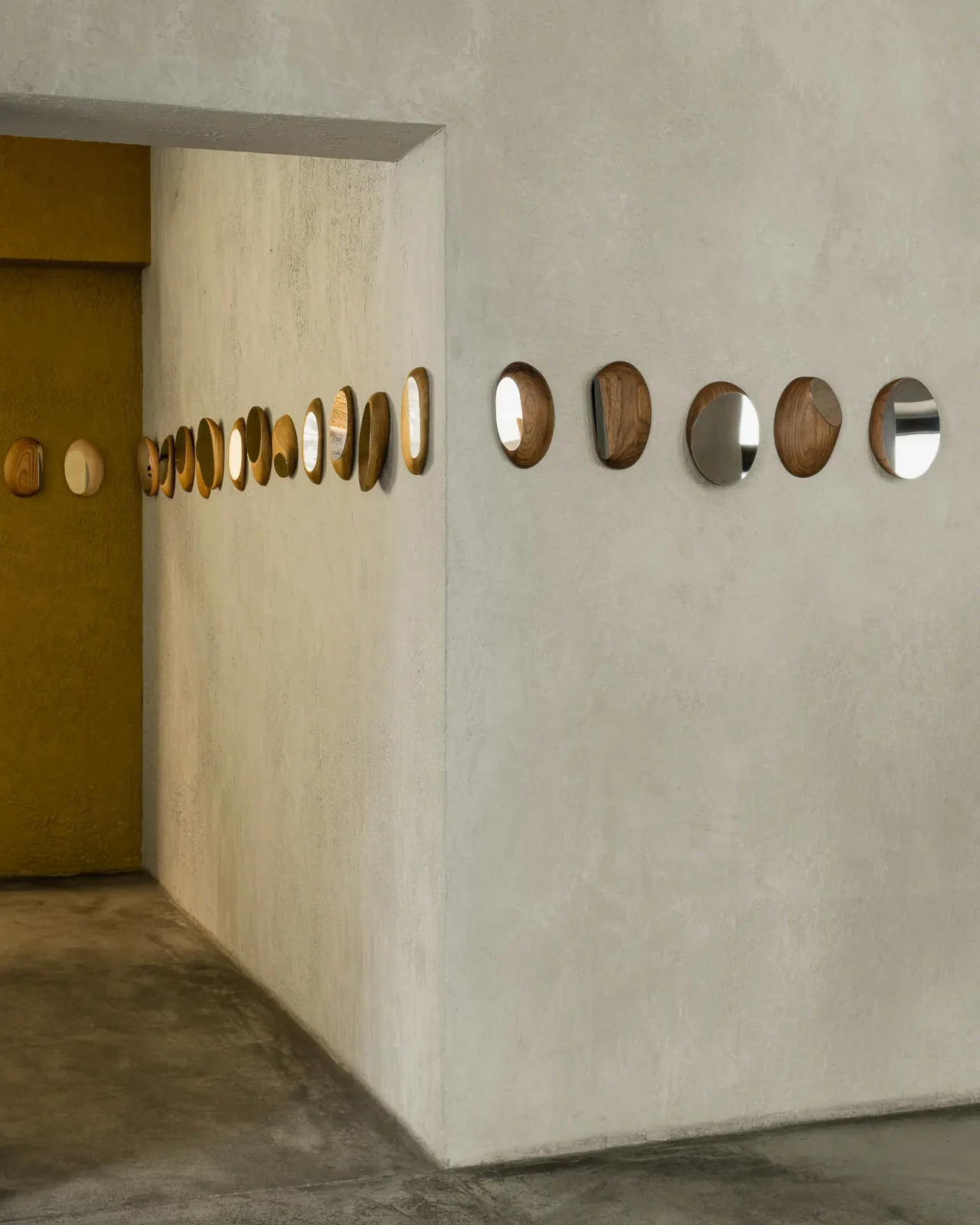
A mirror is the only wall piece that adds light instead of occupying space, which makes it the default answer for dark rooms, narrow hallways and walls opposite windows. The rule that decides whether it works is simple and widely ignored: stand where the mirror will hang and look back at what it will reflect. A window, a lamp or an artwork is a good return; a blank wall or a ceiling is a wasted one. Our complete guide to the types of mirrors covers the wider category, and the mantel guide handles the specific case of hanging one above a fireplace.

Reclaimed and recycled
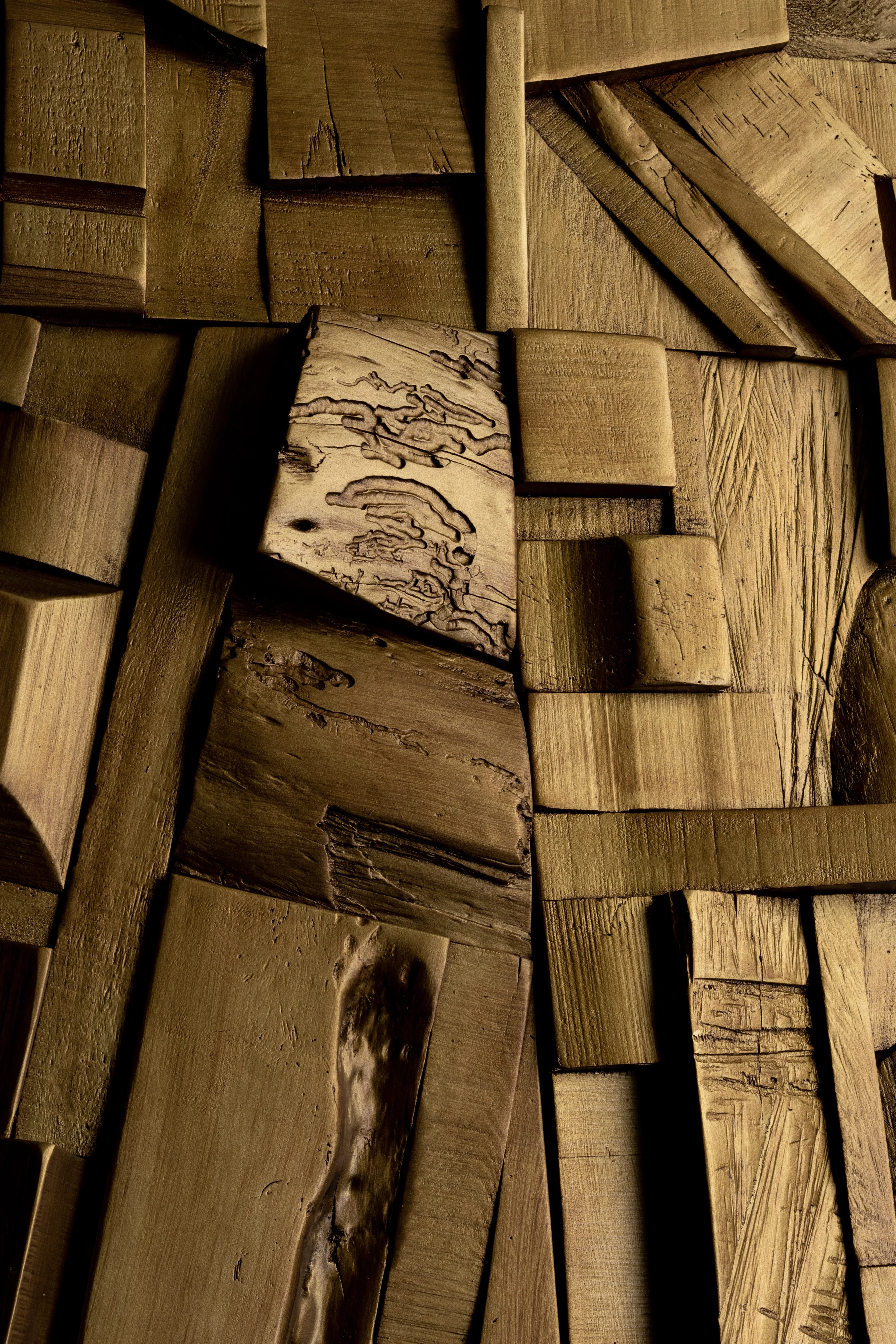
Reclaimed material gives a wall piece something manufactured decor cannot buy: evidence of a previous life. Salvaged timber, ocean plastic, recovered metal and offcut yarn all carry marks that a new material has to imitate. Consequently these pieces tend to hold attention longer, because there is something to read in the surface rather than only something to look at.

Wall decor room by room
Living room
The wall behind the sofa is the one most people get wrong, and the fix is almost always scale — two-thirds of the sofa width, hung 15–25cm above the back. The wall opposite the seating is the more interesting opportunity, since it is looked at directly for hours and can take a single strong piece. Meanwhile, resist decorating all four walls; a living room with two considered walls and two quiet ones feels calmer than one where everything has been addressed. Our living room guide covers the layout underneath.
Bedroom
Bedrooms want less than people give them. The wall above the bed is the natural focal point, but it is also the one you never see while using the room, so a single quiet piece serves better than a gallery arrangement. The walls you do see — opposite the bed, and the one you face on waking — deserve the better object. Furthermore, texture beats graphic here: woven, clay and wood surfaces suit a room whose job is to be restful. Anything hung above a bed should be securely fixed and, ideally, lightweight.
Dining room and kitchen
Dining walls are seen while seated, so drop the hanging height by 5–10cm from the standard. Hard rooms full of tile, glass and stone benefit acoustically from textile or relief surfaces, which is a genuine argument for putting a woven panel where a print would go. Keep pieces clear of cooking splash and steam, and avoid unsealed raw materials directly behind a hob.
Entryway and hallway
Hallways are narrow, so anything deep gets knocked. Low-relief pieces and mirrors are the practical choice, and a mirror in a dark hallway earns its place twice over by moving light down the corridor. The wall at the end of a hallway is a destination wall and one of the best positions in a house for a single substantial piece, since it is seen straight on and from distance. Our entryway strategies go further.
Home office
Two walls matter and they need opposite treatments. The wall behind the desk appears in every video call, so it wants one clear, calm piece and nothing busy. The wall you face while working wants something worth looking at during the pauses, since it will get more of your attention over a year than anything else in the room. Consequently the usual instinct — decorating the wall behind you and leaving the one in front blank — is exactly backwards. There is more in our home office guide.
Groups, sets and gallery walls
A group of pieces is harder than a single one, because the arrangement becomes an object in its own right and has to hold a shape. The reliable method is to treat the whole group as one rectangle: decide its outer dimensions first using the two-thirds rule, then arrange within it.
- Keep spacing consistent. Five to eight centimetres between pieces, the same gap throughout. Uneven spacing is what makes a gallery wall look accidental rather than composed.
- Anchor the group. One larger piece, placed off-centre, with smaller ones arranged around it.
- Align an edge. A shared top line, bottom line or centre line holds a mixed group together far better than free placement.
- Repeat one thing. A material, a frame finish, a palette. Repetition is what turns a collection into an arrangement.
- Lay it out on the floor first. Photograph it, adjust, then transfer to the wall.
Sets designed as sets — a run of copper forms, a modular relief, a series of tiles — sidestep most of this, since the spacing and relationships are already resolved. They also scale to the wall rather than forcing you to find one object of exactly the right size.
Wall decor by style
Modern and pared-back
Modern wall decor is usually one large piece and a great deal of empty wall. The discipline is resisting the second object. Where the room is restrained, the wall piece can carry more weight — a strong material or an unusual form — because it is the only thing being asked to hold attention.
Organic and material-led
Clay, wicker, undyed textile and unfinished wood suit rooms built on natural materials, and they behave well in the strong daylight that shows up synthetic finishes. Notably, this register is the most forgiving of imperfection, since irregularity is the point rather than a defect.
Eclectic and collected
Mixing periods, materials and formats works when one element repeats across the group and the outer shape stays disciplined. What fails is a wall where everything differs and nothing aligns. Our guide to 3D wall art and our look at abstract sculpture both sit in this territory, as does our survey of Polish wall decor styles.
Common wall decor mistakes
- Too small. The dominant error. If in doubt, go larger or group several pieces into one block.
- Hung too high. Centre at 145–150cm from the floor, not aligned to the door frame.
- Marooned above furniture. More than about 30cm of gap and the piece stops belonging to the sofa beneath it.
- Every wall decorated. Leave at least one wall per room alone.
- Ignoring the light. A glossy or glazed piece opposite a window will show reflection instead of image for much of the day. Matte and textured surfaces are safer on bright walls.
- Matching everything to the sofa. Wall pieces chosen to match upholstery date exactly as fast as the upholstery does.
- Underestimating weight. Ceramic, stone and metal pieces need proper fixings into masonry or a stud, not a picture hook in plasterboard.
Hanging and looking after it
Match the fixing to the wall and the weight. Plasterboard needs proper anchors or a stud for anything beyond a few kilograms; masonry needs a plug and screw. Heavy relief and ceramic pieces are best mounted on two points rather than one, which also keeps them level over time. Where a piece has a bespoke bracket, use it — most were designed around a specific load path.
For upkeep: dust textile and woven pieces with a soft brush or low-suction vacuum rather than a cloth, which snags. Keep unfired clay and raw plaster away from direct water and steam. Metal patinas will continue to change, which is usually the point — but if you want a copper or brass surface held where it is, a microcrystalline wax slows it considerably. Finally, keep anything with natural dye or untreated timber out of strong direct sun, since a wall piece stays in one position for years and fades unevenly.
A checklist before you hang anything
- Identified whether this wall is a backdrop, a destination, or one to leave empty
- Measured the furniture below and worked out two-thirds of its width
- Checked the piece fills 60–75% of the usable wall on an empty wall
- Planned 15–25cm between the furniture and the bottom edge
- Set the centre at 145–150cm from the floor, or lower for a seated room
- Cut paper to size and taped it up for a day
- Checked what a mirror will actually reflect
- Considered how the surface behaves in the room’s light — matte on bright walls
- Confirmed the fixing suits both the wall type and the weight
- Left at least one wall in the room undecorated
Frequently asked questions
How big should wall decor be above a sofa?
Roughly two-thirds to three-quarters of the sofa’s width. For a 220cm sofa, that means a piece or a grouped block around 145–165cm wide, hung 15–25cm above the back of the sofa. Anything narrower than half the sofa width will look undersized.
How high should you hang wall decor?
With the centre of the piece 145–150cm from the floor, which is standard gallery eye level. In rooms where people are mostly seated, such as dining rooms and living rooms, dropping to around 140cm reads better. Measure from the floor rather than the ceiling.
How do you decorate a large wall?
Either one oversized piece filling 60–75% of the usable wall, or a set designed to be grouped — modular reliefs, a run of sculptural forms, a series of panels. Sets are usually the better answer, because they scale to the wall and the internal spacing is already resolved. Several small unrelated pieces spread across a large wall is the arrangement that consistently fails.
What kind of wall decor works in a bedroom?
Fewer pieces than you would use elsewhere, favouring texture over graphic — woven textile, clay relief, wood. Put the better object on the wall you actually see, opposite the bed, rather than the one above the headboard which you never look at. Anything above a bed should be light and very securely fixed.
Should every wall in a room have something on it?
No. Leave at least one wall per room empty. A room needs somewhere for the eye to rest, and walls that are decorated simply because they are blank produce the same crowded feeling as an over-filled shelf. Two considered walls beat four adequate ones.
What is the best material for wall decor?
It depends on the room’s light and acoustics rather than on style. Metal shifts with changing light and suits large walls. Clay, plaster and textile absorb sound and soften hard rooms full of tile, glass or concrete. Wood and ceramic give physical relief that changes through the day. Mirrors add light. Flat printed canvas is the weakest option, because it looks identical under every light in the room.
The surface worth deciding about
Walls are the largest thing in a room and the cheapest to leave alone, which is why so many of them stay half-finished for years. The decisions that fix them are unglamorous: measure the furniture, work out two-thirds, hang at 145cm, check what the mirror reflects, and leave one wall empty. Get those right and almost anything hung well will look considered.
What separates a wall that keeps working from one that disappears is the surface itself. Copper hammered by hand and oxidized with fire, clay pressed with plant fiber, aluminum cast from scrap, thread gleaned from earlier weavings — these have something to look at at close range and something to read from across the room. A printed image gives you one of those. A made object gives you both, which is the whole reason to hang it.