
Make the Object. Let ADORNO Chase the Sale.
Making the object is one job. Selling it, shipping it, and getting paid for it is another job entirely.
A ceramicist in Lisbon and a metalworker in Nairobi share almost nothing in material or method, and yet both arrive at the same wall the moment a piece is finished. Someone has to answer a buyer’s questions in a time zone and language that isn’t their own, quote a shipping cost across a border, work out the tax a stranger’s government expects, and wait on a payment that may or may not land on schedule. None of that is design work, and none of it was covered in art school. It is, however, the part of running an independent studio that eats the most hours and returns the least satisfaction — and it’s usually the real answer to “why isn’t anyone finding my work,” which has less to do with the work and more to do with who’s standing between it and the right buyer. ADORNO was built to take that part off a designer’s desk.
What ADORNO Is
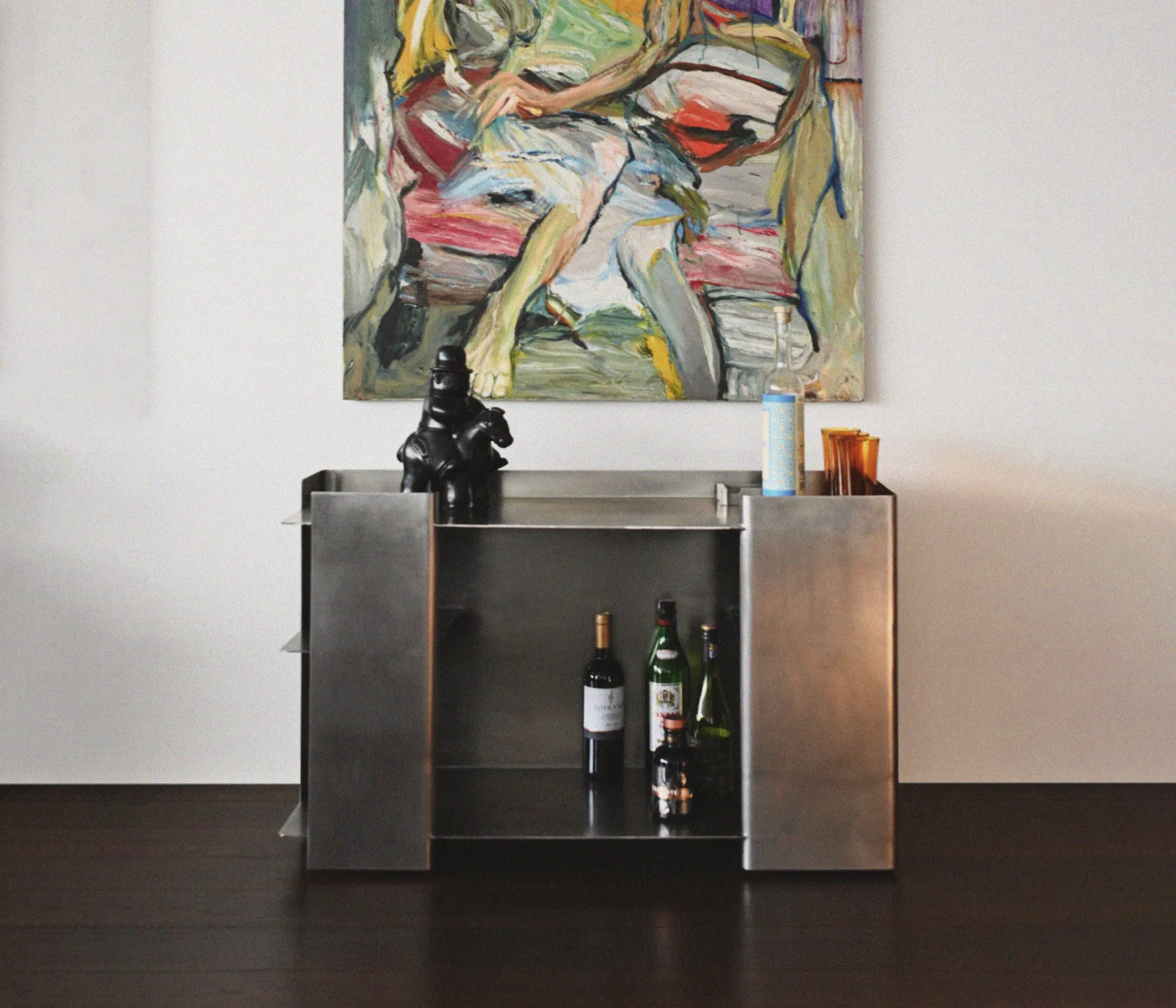
Calling ADORNO a platform undersells the arrangement. Rather than list a piece and step back, ADORNO represents the studios it works with — shaping how a piece is positioned, fielding every buyer question, and carrying a sale from first enquiry through to delivery. That distinction is the whole model: a listing gives a designer a page and leaves the selling to them, while representation means someone else does that work on the studio’s behalf. The objects that move through it are treated as functional art rather than product — made in small numbers, signed by their maker, collected for the thinking behind them as much as the use. Over ten years, the arrangement has connected independent studios with collectors in more than 59 countries, and the platform now reaches upward of 4.7 million people a month across its social and editorial channels.
None of that is abstract. Studios on the roster start from dozens of different places. Some draw on the Dutch design scene’s tradition of raw materials and clean form. Others work a continent or two away, in bronze, ceramic, or cast steel.
The disciplines differ. The price points differ. What doesn’t differ is the fact pattern: a buyer outside the studio’s home market found the work. They bought it without the studio ever answering an email.

The Operations Every Studio Carries
Regardless of material or geography, the same list of tasks sits between a finished piece and a paid sale. Somebody has to build an audience wide enough to find the right buyer, since a studio that only reaches its own city sells at a fraction of its real potential. Somebody has to guide a purchase that often runs into the thousands, a process no ordinary retail checkout was built to handle. Somebody has to arrange the crate, the courier, the customs paperwork, and the insurance for an object that is usually heavy, frequently fragile, and always irreplaceable. Somebody has to calculate tax correctly for a country the studio has never operated in, then invoice and follow up until the payment actually clears. And somebody has to do all of it consistently enough that a first sale becomes a second one. None of that touches the workbench, and all of it takes time directly from it.

How ADORNO Carries Each of Those
Getting noticed by the right buyer
A global sales team fields every buyer conversation, from the first question to final confirmation, negotiating on the studio’s behalf. Consequently, a designer’s role in a sale narrows to confirming availability and lead time through the member dashboard. Meanwhile, visibility builds through channels a single studio would need years to establish alone: a member launch that introduces the studio across ADORNO’s ecosystem, a New Drops stream giving each new piece a first chance at the homepage, and editorial features that place the work inside a wider cultural conversation — sculptural lighting, cast bronze, and woven natural fibre pieces have all found new collectors this way, following the same thinking behind stories like Where to Find Emerging Design Before Everyone Else and the ongoing 10 TALENTS series on designer-makers.
Moving and paying for the work
Logistics and payment run through the platform instead of the studio. Tax is calculated automatically for the buyer’s country, shipping is charged to the buyer at checkout, and labels, pickup, and insurance are arranged with minimal back-and-forth once a piece sells. A designer’s remaining job is to pack the piece to spec and hand it to the courier when they arrive. Payment follows on its own schedule too, transferring within one to two weeks of confirmed delivery, with no invoice to chase and no currency to convert by hand.
What happens behind the scenes of a shipment
The part collectors never see is usually the part that makes or breaks a first international sale. A heavy stone sculpture, a welded steel bench, and a hand-pleated textile lamp all need completely different crating, and getting that wrong is how a piece arrives cracked, dented, or simply late. ADORNO’s logistics team works out the right packaging and carrier for each piece’s material and destination, handles customs documentation so a studio isn’t guessing at tariff codes for a country it’s never shipped to, and puts full insurance on every shipment regardless of value. A studio is looped in at pickup and again at delivery, but everything in between — the routing, the paperwork, the claim if something goes wrong — is handled without a single email from the maker.
Reaching the trade
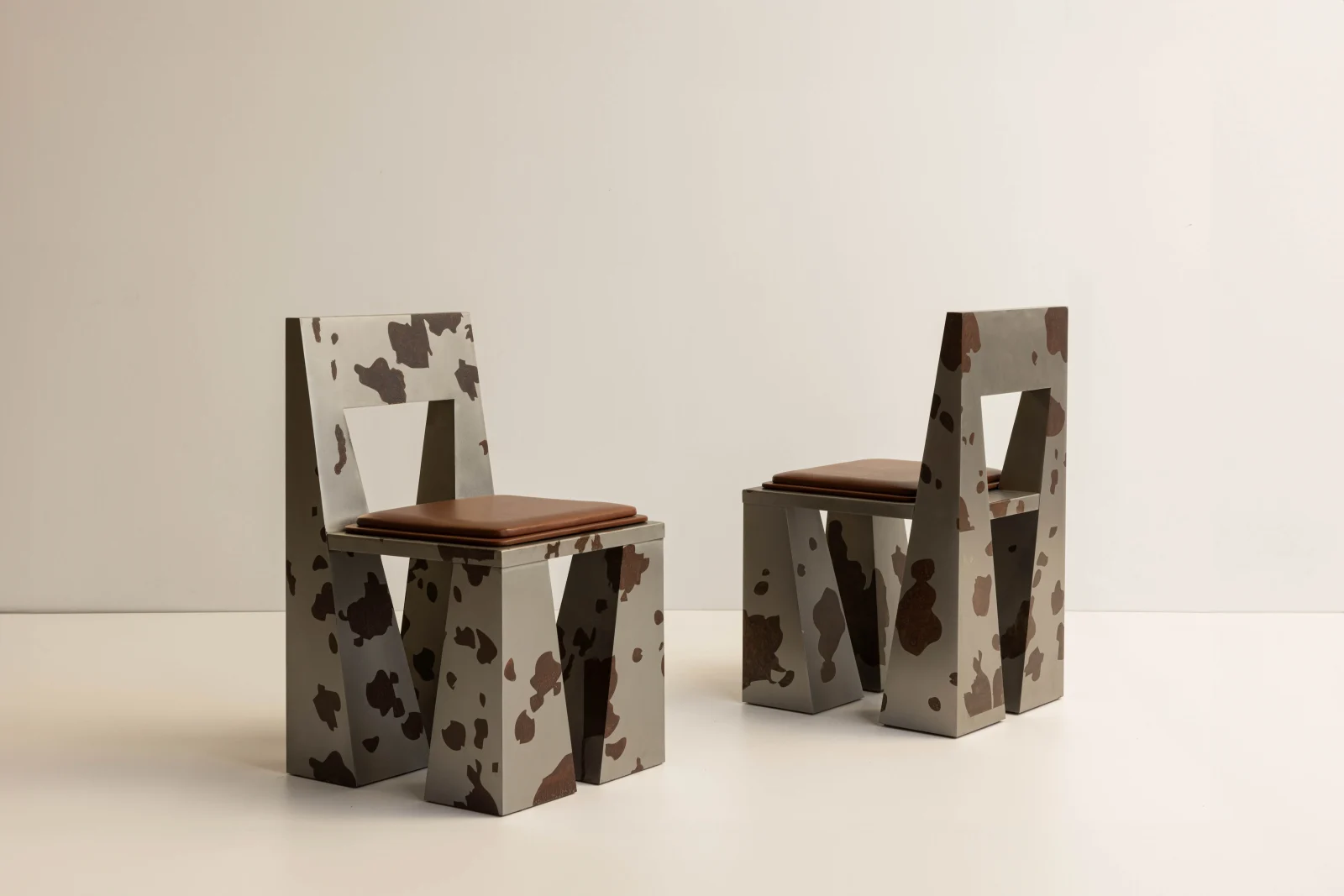
For studios producing at scale, ADORNO PRO opens a channel that is normally closed to independent makers: interior designers, architects, and institutional buyers who specify work in volume and return after a successful project. A single commission through that channel can outweigh a year of private sales, and reaching it independently would otherwise require an introduction most studios don’t have. Notably, the appetite on that side is real: interior designers are actively reconsidering what belongs on a project’s furniture list right now, often favouring an authored piece over a mass-produced one, which is part of why collectible living rooms are gaining ground over furniture bought straight from a catalogue. Specifiers vet a maker’s work closely before recommending it to a client, a process one interior designer described candidly in a conversation on the path to Polish interior design — precisely the kind of scrutiny ADORNO PRO gives a studio’s pieces a fair chance to pass.
What a designer gains beyond the sale
Representation carries value that never shows up on an invoice. A curation and advisory team shares what it sees moving in the market — pricing, positioning, how a piece is presented — so a studio’s decisions are informed rather than guessed at. Being one of a small number of names accepted each month carries its own weight too: a designer’s work sits inside a considered context rather than an open catalogue, and that context is part of what a collector is buying into. Furthermore, members get access to on-demand promotion — curated Instagram placements and editorial features — at rates well below market, on top of the coverage that already comes standard with membership. Isabel Berz, co-founder and creative director of Las Manuelas, put it plainly: “The ADORNO team is highly efficient, supportive, and very talented at the same time.” For Yichu Wang, a US-based designer, the value showed up early: “ADORNO gave me a tremendous opportunity to introduce myself as a fresh, up-and-coming designer.” Presence compounds from there — ADORNO’s members have shown at Collectible NYC, been named among the next wave of design talent at COLLECTIBLE 2025, and included in selections such as independent designers and studios to discover at WANTED at ICFF — each appearance adding to a studio’s record rather than replacing the last one.

Terms, and How to Join
Admission stays deliberately narrow. ADORNO reviews applications on a rolling basis and opens a limited number of spots each month, on the reasoning that a smaller roster carries more weight than an open catalogue — not unlike the way flagship spaces are increasingly functioning as design galleries, or the way independent galleries give designers room to experiment at a smaller scale. A profile that is accepted typically goes live within one to two weeks. Membership runs on a monthly or yearly plan retaining 60 percent of each sale, moving to a fee-free plan at 50 percent after twelve consecutive paid months; either route carries an initial twelve-month term, after which a studio can leave with thirty days’ notice. None of it requires exclusivity — a designer can keep selling through a personal site, a gallery, or a fair at the same time, on the single condition that nothing listed on ADORNO is priced lower elsewhere. And the arrangement travels: ADORNO works with designers wherever they are based, which is why the roster already spans dozens of countries and keeps widening.
For an independent studio, the calculation is straightforward. Every hour spent on an invoice, a customs form, or a stalled email thread is an hour not spent making the next piece. ADORNO’s proposition is that a studio does its best work when making stays the studio’s job and everything downstream of it — the selling, the shipping, the paperwork — becomes someone else’s. The application itself takes a few minutes.
