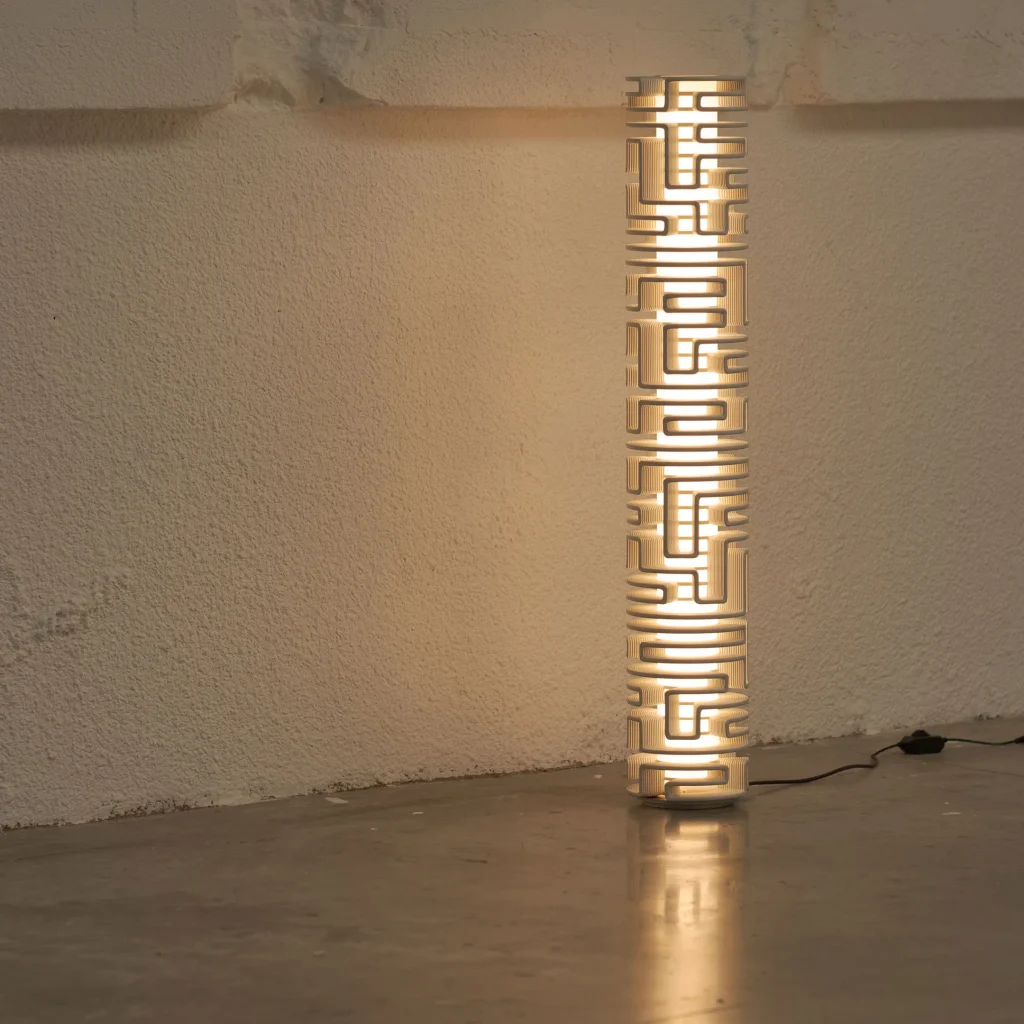
A great piece in the wrong place is invisible. A good piece in the right place sells.
Most designers assume visibility comes from the work. Make something extraordinary, and buyers will find it. Sometimes they do. Far more often, they never get the chance.
International buyers don’t browse everything. They browse a style, a material, or a room. If your piece isn’t sitting where they’re already looking, it doesn’t matter how good it is.
This is a practical guide to placement. It covers where a piece can appear, what to give the team that places it, and how to make a piece easy to find.
What Placement Actually Means
Placement is the set of places a buyer can run into your piece. Think of it as the shelves in a gallery. The same sculpture looks different on each one, and a different visitor walks past it.
Good placement does two things. It puts a piece in front of the people most likely to want it. And it keeps it away from the people who never will.
Same Quality, Different Buyers
Two studios on two continents show how this works. Studio Lisa Sacco, in the United States, makes colourful glass pieces. Paul Coenen, in the Netherlands, builds furniture in stainless steel.
A buyer browsing glass and colour rarely lands on stainless-steel furniture. That’s not a flaw. It’s placement doing its job. Each studio meets the buyer who already shares its taste.
The lesson is simple. Know which room your piece belongs in. Then make sure it’s there.
Give the Placement Team What It Needs
A piece can only be placed well if someone understands it. The more clearly you describe it, the better it’s matched. Give the team these basics for every piece:
- The style it belongs to. Be honest. A piece that suits mid-century modern buyers shouldn’t be pushed toward minimalist ones just because that page is busier.
- The material and the method. “Lost-wax cast bronze” or “hand-woven natural fibre” tells buyers where to look.
- The room it’s made for. A lamp for a bedside, a bench for an entryway, a sculpture for a shelf. Buyers shop by room.
- Who it’s for. A private collector, an interior designer, a hospitality project. Each reaches a different channel.
- How it’s made. Say if it’s one-of-a-kind, a limited edition, or made to order, like SOOS Sound’s Paris Speaker.
- The story. Who made it, where, and why. Collectors remember stories long after they forget specs.
Make Your Piece Easy to Find
Buyers search in plain words. If your listing uses different ones, they’ll never match. A few small habits close that gap.
- Put the material in the name. Paul Coenen’s Camber Stainless Steel Bench names the material right in the title.
- Use the words buyers use. “Floor lamp” beats “luminous vertical object.”
- Name collections consistently. Pieces that share a name are easier to find together. Camber covers a bench, a stool, a chair, and a coffee table.
- Lead with your clearest photo. The first image decides whether a buyer clicks. Make it the best one.
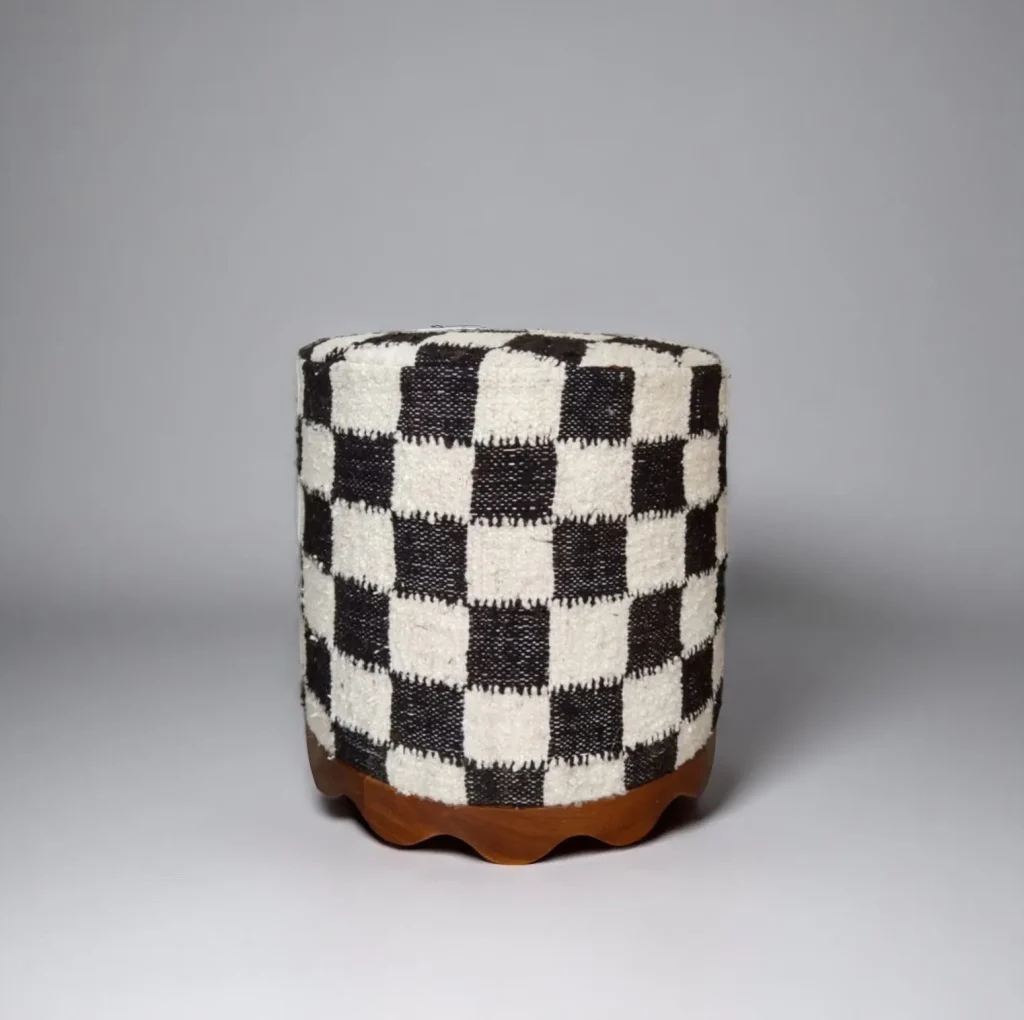
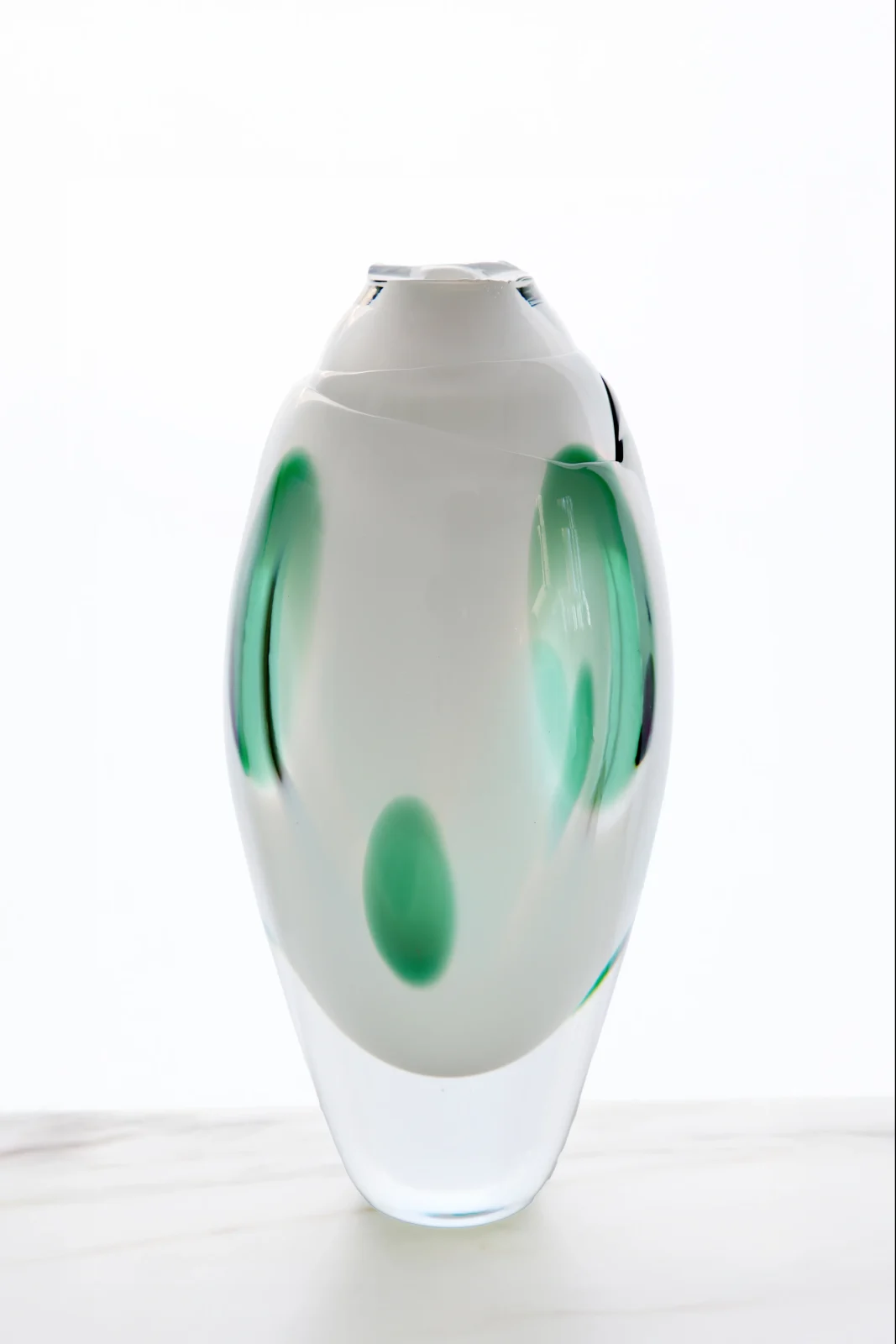
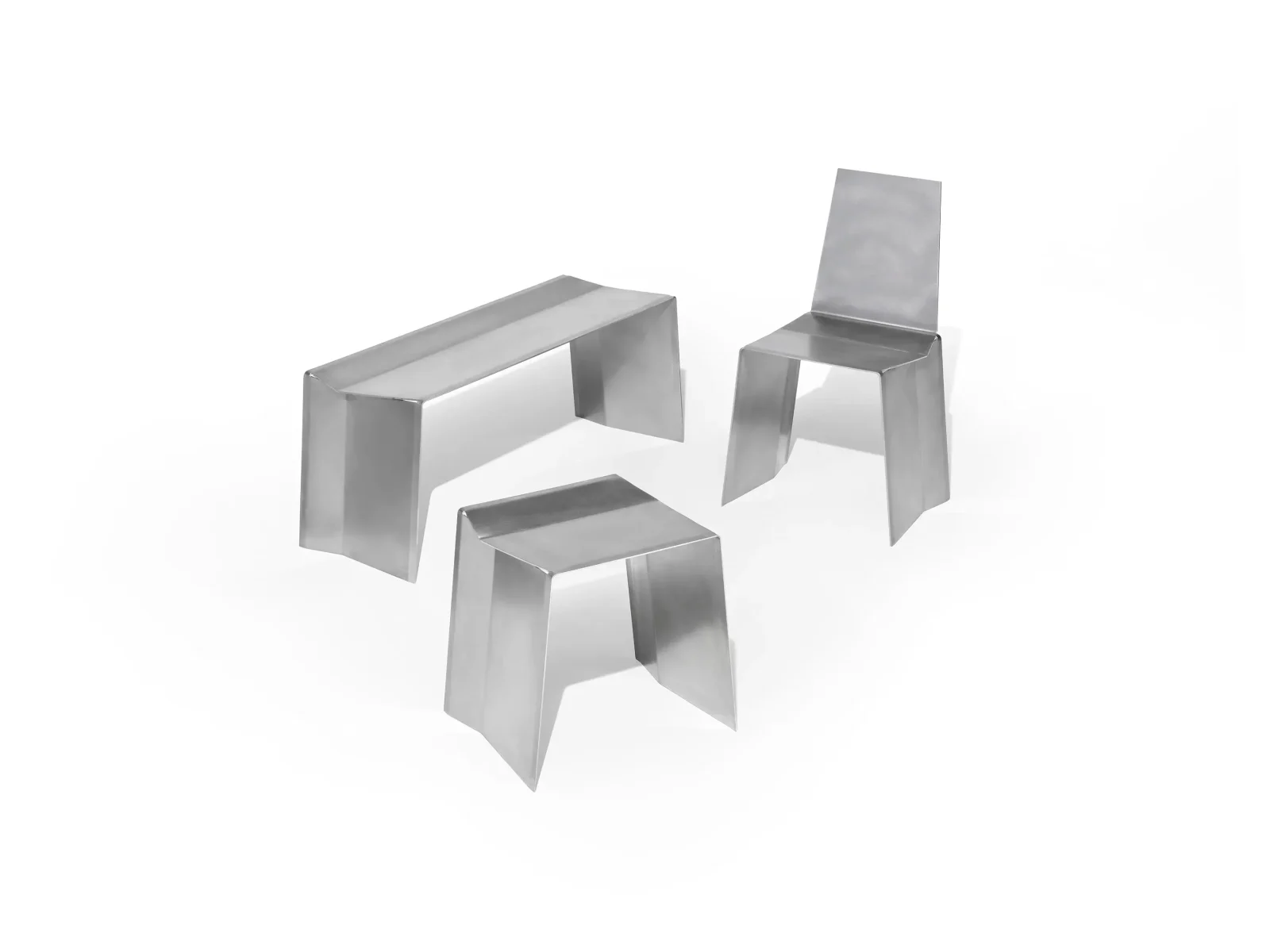
Three studios, two continents, three different shelves. Each one needs to be found by a different buyer.
Where a Piece Can Appear
On ADORNO, one piece can reach buyers through several routes at once.
- New Drops. A new piece gets a first chance at the homepage. This is your launch moment.
- Style pages. Browse-by-mood pages, like the inspiration pages, put a piece in front of buyers who already like its look.
- Editorial features. Stories and roundups place a piece inside a wider conversation, which is where many collectors first discover a studio.
- Country and region spotlights. Campaigns like Design Destination put a whole design scene in focus, along with the studios inside it.
- The trade channel. ADORNO PRO connects suitable pieces with interior designers and architects who specify work for projects.
Placement Mistakes to Avoid
- Chasing the busiest style. A piece placed where it doesn’t belong gets seen, then skipped.
- Describing the piece vaguely. If the team can’t tell what it is, a buyer can’t either.
- Launching everything at once. Spread new pieces out, so each one gets its own moment.
- Hiding the lead time. Buyers drop out when delivery is a surprise. Say it up front.
A Quick Placement Checklist
- Name the style, material, and method for every piece.
- Say which room it’s made for.
- Note whether it suits private collectors, the trade, or both.
- Share the story behind it in two or three sentences.
- Lead with your clearest photo.
- Stagger your launches.
Where ADORNO Fits
On ADORNO, placement isn’t something a studio has to figure out alone. The curation and advisory team works with each studio on where a piece belongs. It sees which styles and materials collectors respond to across more than 59 countries.
Applications are reviewed on a rolling basis. An accepted profile typically goes live within one to two weeks.