
The Simple Elegance of Minimalist Design
Updated on: August 14, 2026
Minimalist design is a style built on reduction: strip away what does not serve a purpose, and what remains carries more weight. It is defined by clean lines, a restricted palette and a deliberate emptiness — the “less is more” philosophy applied to objects, rooms and, for some people, to how they live.
What is minimalist design?
Minimalist design is an approach that emphasizes simplicity and function while removing anything unnecessary. It distils a concept, object or space down to its essentials by eliminating ornamentation, intricate detail and superfluous features, relying instead on clean lines, a limited colour palette and a focus on what is structurally required.
The ethos extends across architecture, interiors, visual art, graphic design and lifestyle choices — anywhere the question “does this need to be here?” can usefully be asked. Consequently minimalism functions as a method rather than a look, which is why two minimalist rooms can share almost no visual features.
Minimalist design is not the same as empty
The distinction that decides whether a room works. An empty room reads as unfinished; a minimalist one reads as edited. What separates them is that the few objects present have enough material presence to hold the space on their own — which is why minimalism tends to cost more per object and less overall.
The origins of minimalist design
Minimalism emerged in the early twentieth century and gained prominence through the 1960s, as a deliberate reaction against the ornament and visual clutter that preceded it. It drew on Bauhaus functionalism, the geometric abstraction of De Stijl, and Japanese aesthetics — three traditions that arrived independently at similar conclusions about restraint.
The phrase most associated with it, “less is more”, belongs to the architect Ludwig Mies van der Rohe, and it was contested almost immediately. Robert Venturi’s 1966 riposte — “less is a bore” — became the founding argument for postmodernism and, eventually, for maximalism. The two positions have been arguing ever since.
Originating largely in Western Europe, the philosophy travelled quickly. At its core was a belief that removing the superfluous would let the intrinsic qualities of an object surface — heightening both how it works and how it feels to be near.
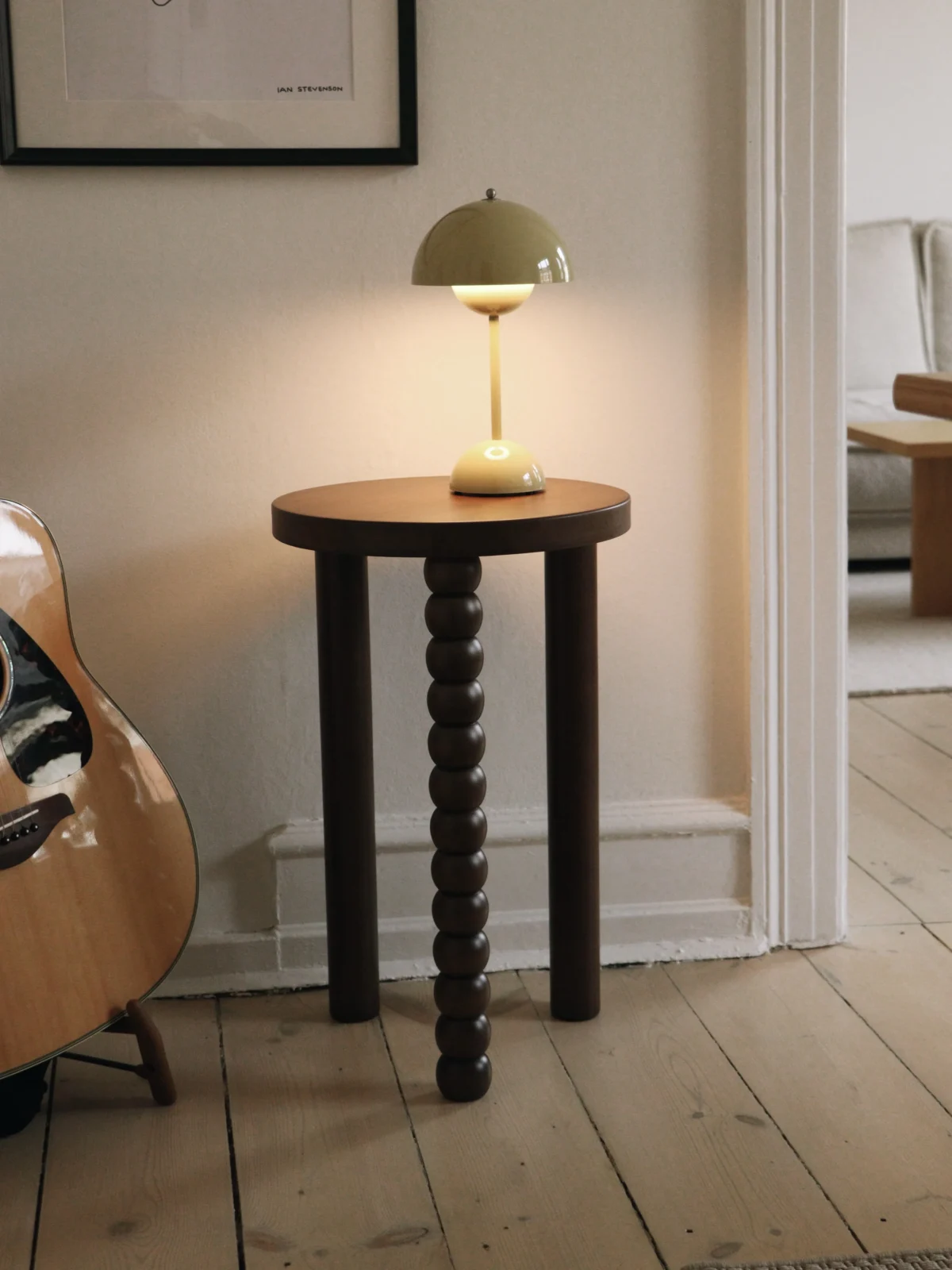
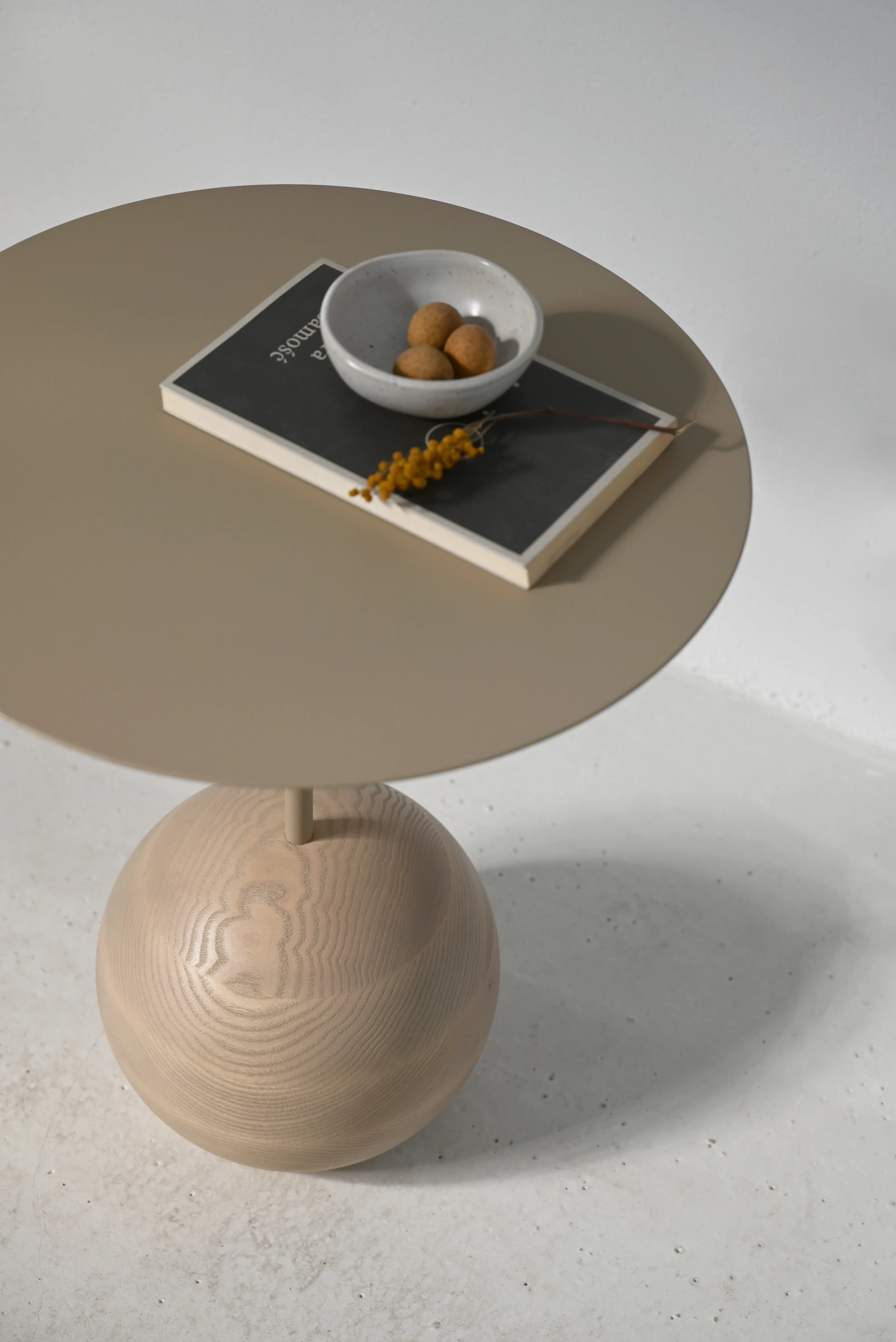
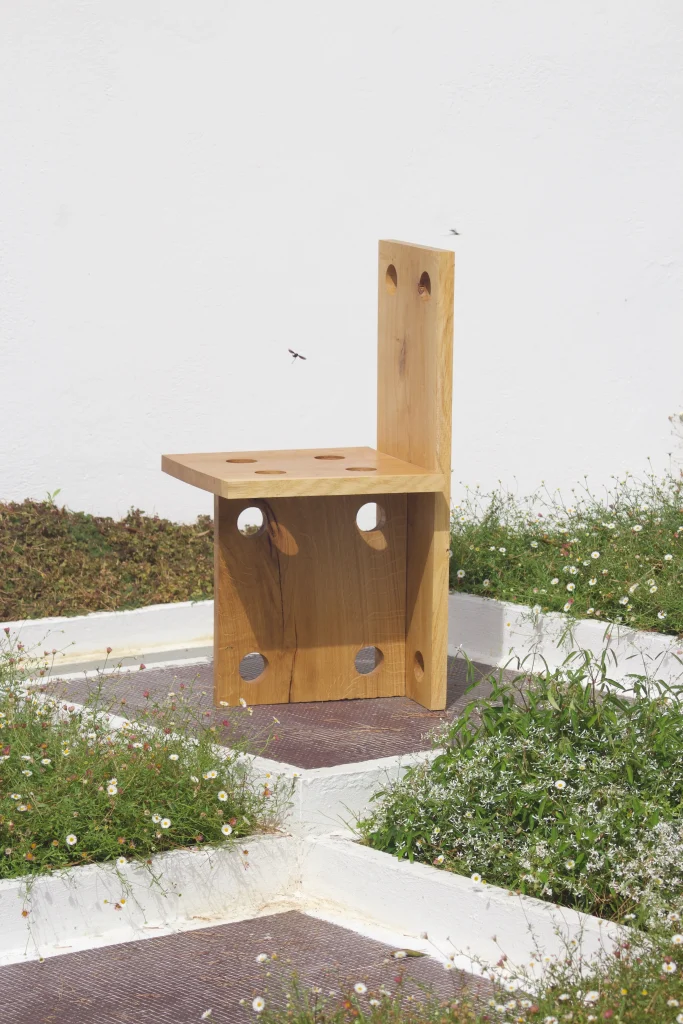
See the full minimalist collection →
What are the key characteristics of minimalist design?
Four principles recur across every version of the style, whatever the discipline.
- Simplicity. Designs reduced to essential elements, with ornamentation and complexity removed. Clean lines, basic shapes and uncluttered space define the approach.
- Functionality. Every element is chosen for what it does. Nothing is present purely to fill a gap, which is a harder standard than it sounds.
- A restricted palette. Whites, blacks, greys and muted tones. Limiting colour is what allows form and proportion to carry the composition.
- Few materials, well chosen. A restrained material selection keeps attention on structure. It also means material quality is exposed — there is nothing else for the eye to go to.

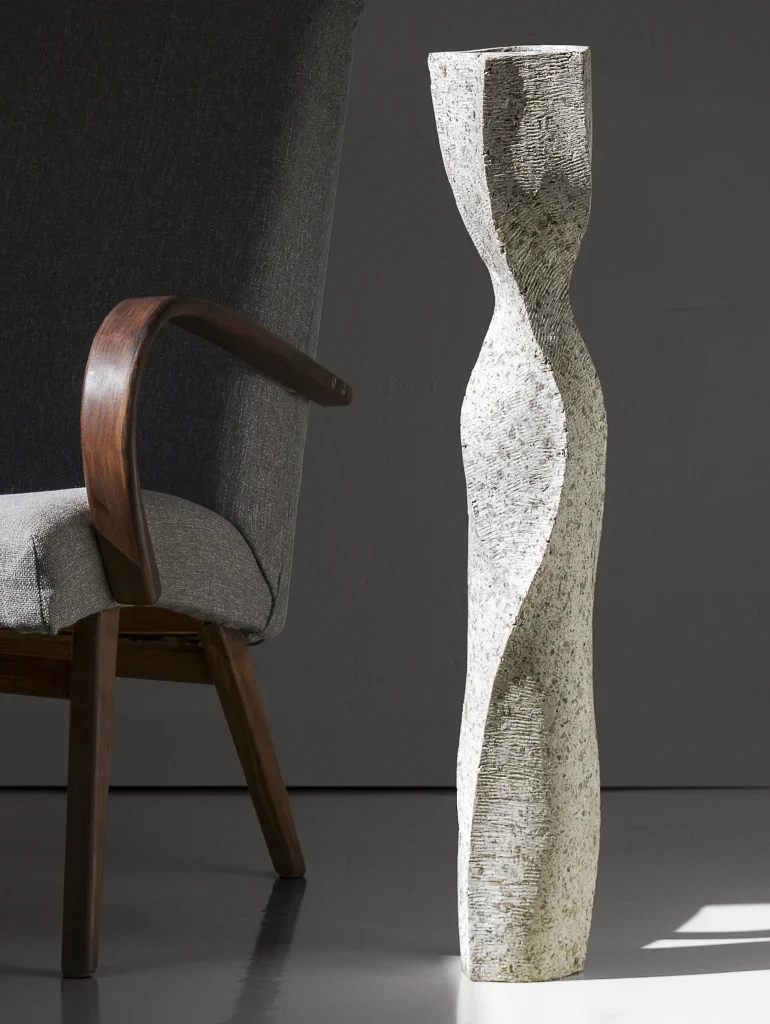
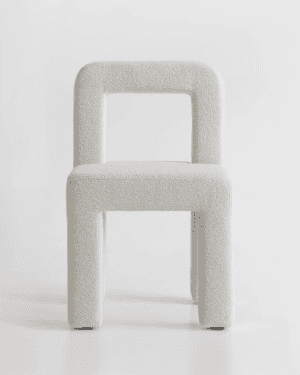
Minimalism today: warm, Japanese and Scandinavian
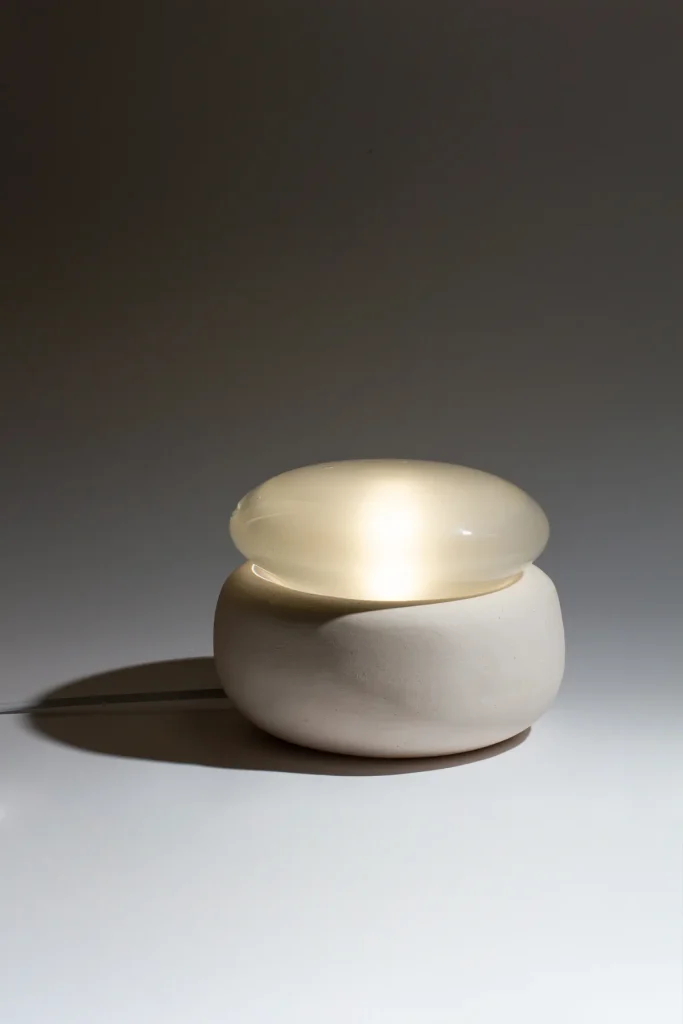
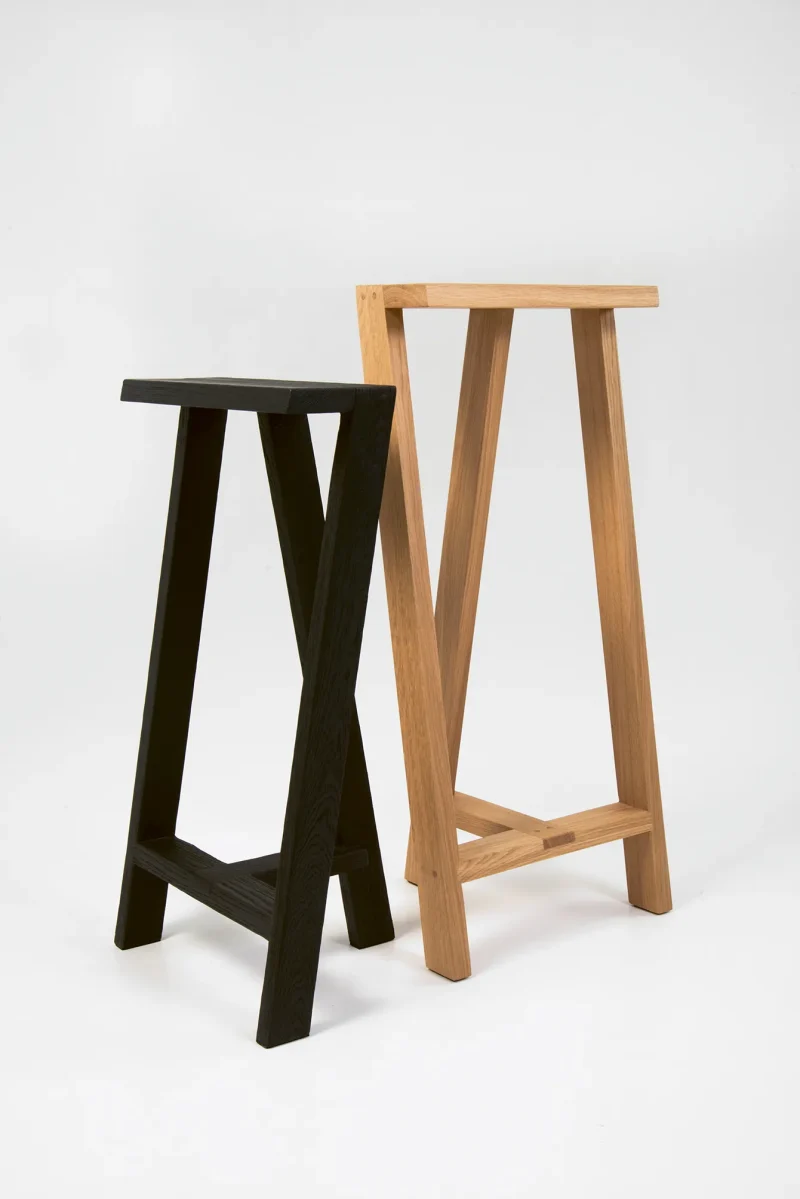
The version people actually want now is warmer than the 1990s reading of the style. **Warm minimalism** keeps the spare object count but changes the material palette entirely — timber, unglazed ceramic, patinated brass, undyed textile instead of white walls, glass and polished chrome. The room stays uncluttered while gaining the tactile quality that made hard minimalism uncomfortable to live in.
Two regional traditions inform most contemporary practice. Japanese minimalism works from wabi-sabi, where irregularity and ageing are valued rather than tolerated — which is why a cracked glaze reads as finished. Scandinavian minimalism is more functionalist, prioritising light and utility in rooms that spend half the year short of daylight. Their overlap is now widely called Japandi.
Meanwhile the philosophy aligns with contemporary interest in buying less and keeping longer. Fewer objects, better chosen, is both a design position and a consumption one — and the second is arguably why the style keeps returning.
Also worth reading: minimalist tables · minimalist lamps · minimalist decor
The influence of minimalism across design
Minimalism reshaped what counted as artistic expression. Emerging against the excesses of earlier movements, its emphasis on reduction pushed artists toward new relationships with space, form and material — work that reads as pure and contemplative rather than expressive. Its reach then extended well beyond art.
- Interior design. Rooms organised around function and clean lines, with neutral schemes assembled deliberately rather than accumulated.
- Product design. Durable objects with restrained form, where quality of material carries what decoration would elsewhere.
- Architecture. Buildings that emphasise clean lines, efficient volumes and abundant natural light, often working with the site rather than imposing on it.
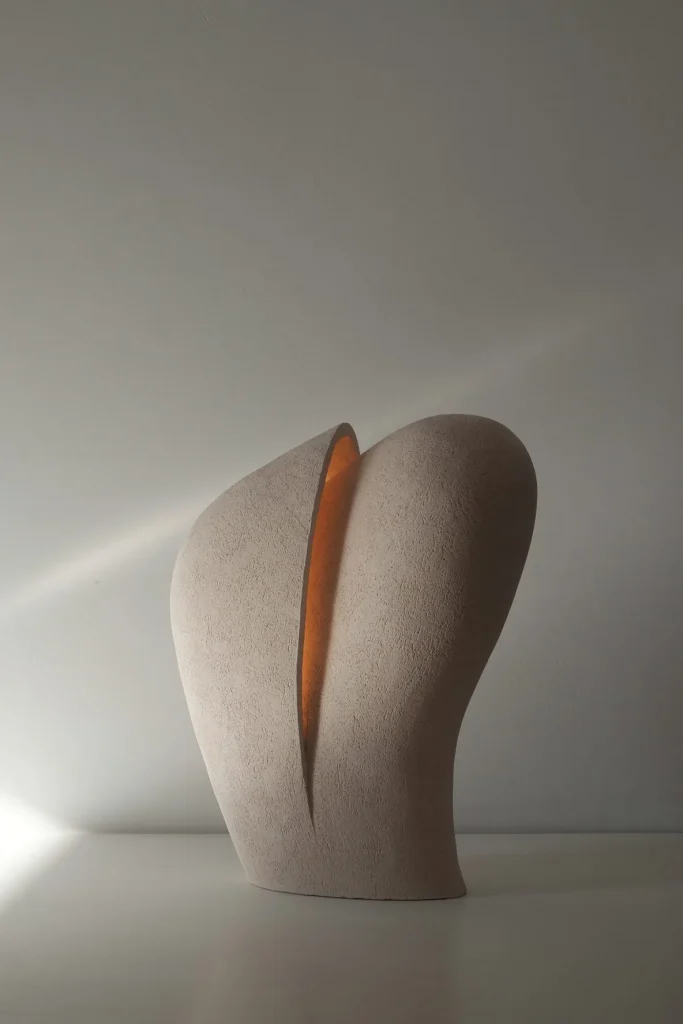


Frequently asked questions
What is minimalist design in simple terms?
Designing something with only what it needs — clean lines, few materials, a limited palette and no decoration for its own sake. The aim is that what remains works better and reads more clearly than it would surrounded by additions.
Who started minimalist design?
No single figure. It grew from Bauhaus functionalism, De Stijl abstraction and Japanese aesthetics through the early twentieth century, consolidating as a named movement in the 1960s. “Less is more” is attributed to the architect Ludwig Mies van der Rohe.
What is warm minimalism?
The current dominant reading: the same spare object count, but with warm tactile materials — timber, unglazed ceramic, patinated brass, undyed textile — instead of the white-and-chrome palette of 1990s minimalism. Same restraint, considerably more comfortable.
Is minimalist design the same as Japandi?
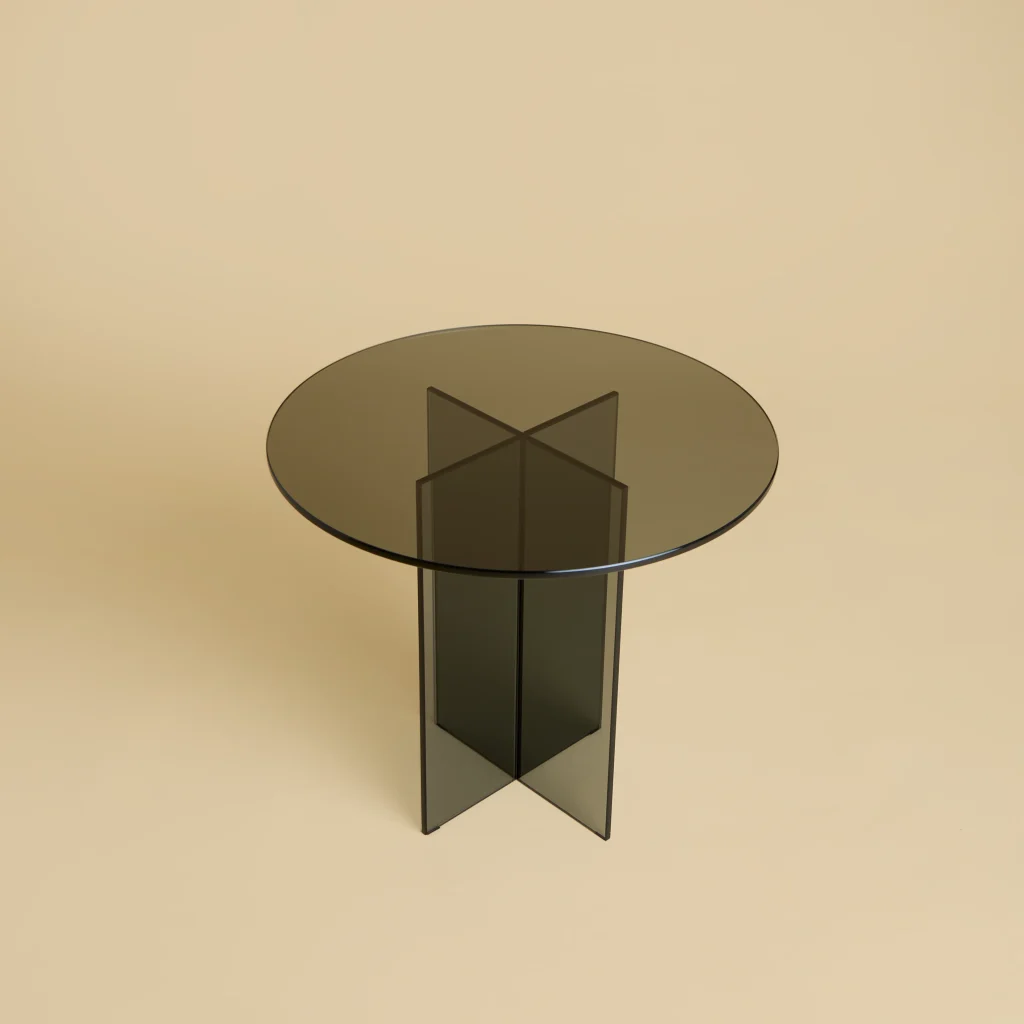
No — Japandi is one branch of it. Minimalism is broader and can be executed in glass, steel and gloss with no obligation to feel warm. Japandi combines Japanese wabi-sabi with Scandinavian functionalism and commits to natural materials that age visibly.
Why does minimalist design often cost more?
Because with few objects on show, each has to hold attention alone — so material and construction quality are fully exposed. It is usually more expensive per object and cheaper overall, since you are buying three things rather than fifteen.
What is the opposite of minimalist design?
Maximalism, which holds attention through accumulation and juxtaposition rather than isolation. The two are less opposed than they look — both fail the same way, by being half-committed.
Why “less is more” endures
Minimalist design has outlasted most movements it was contemporary with, and the reason is that it is a method rather than a style. Ask what an object needs and remove the rest, and you get a result that will read as considered in any decade — which is not true of approaches defined by a specific palette or motif.
Above all it is the rare design position that also functions as an argument about how much to own. In a period of visual and material excess, a room built from a few things you actually chose is a coherent response — and that is why the style keeps returning rather than merely surviving.
