Updated on: August 14, 2026
There is a name for what this selection is doing, and it is Japandi — the meeting point of Japanese restraint and Scandinavian functionalism. Both traditions arrived independently at a similar conclusion: fewer objects, natural materials, and enough empty space for the ones you keep to register. Where they differ is temperament, and the combination is more habitable than either on its own.
What follows is a short explanation of the style, then the pieces we have gathered under Zen Garden — tables, seating, lighting and objects that share a register rather than a look.
What is Japandi style?
Japandi is a hybrid of Japanese and Scandinavian interior design, built on natural materials, muted colour and deliberate restraint. From the Japanese side it takes wabi-sabi — value placed on irregularity, ageing and visible making. From the Scandinavian side it takes functionalism and a preoccupation with light.
Consequently it resolves the main weakness of each. Pure minimalism can read as severe; Japandi keeps the spareness but insists on materials that age visibly, so a room accumulates character rather than requiring maintenance to stay pristine.
The Japandi colour palette
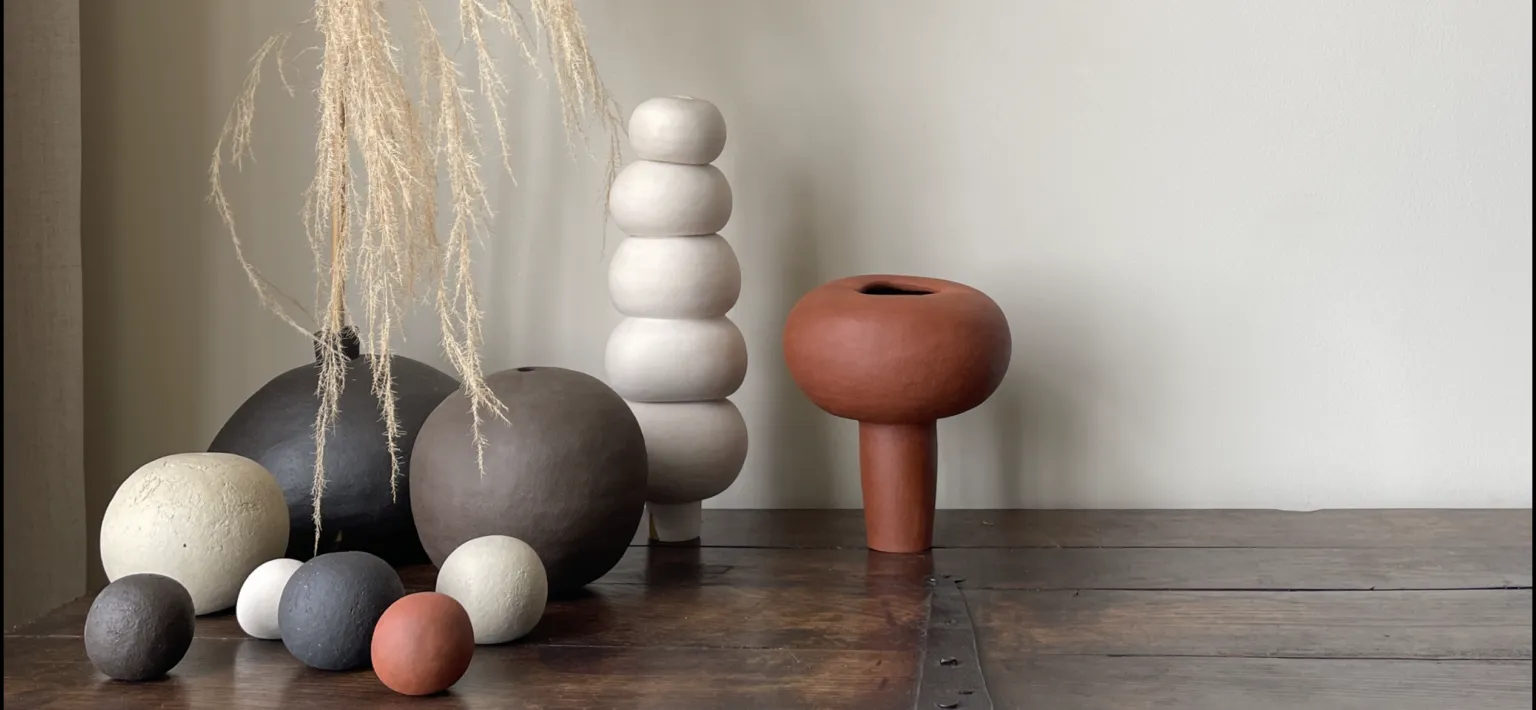
Warm neutrals, soft whites, and earthen tones — clay, stone grey, oatmeal, charcoal. The palette is deliberately low-contrast so it functions as a backdrop rather than a subject. One or two darker notes give the eye somewhere to settle, but saturated colour is rare and usually confined to a single object.
Japandi versus minimalism versus wabi-sabi
Minimalism is about quantity and can be executed in glass and steel with no obligation to feel warm. Wabi-sabi is a Japanese aesthetic philosophy about accepting imperfection and impermanence — a way of seeing rather than a decorating scheme. Japandi borrows the object count from the first and the material attitude from the second, then adds Scandinavian practicality about how a room is actually used.

The selection below is organised by function rather than by material. What holds it together is a feeling rather than an aesthetic — the common thread is the calm each piece brings to a room, and how little any of them demand.
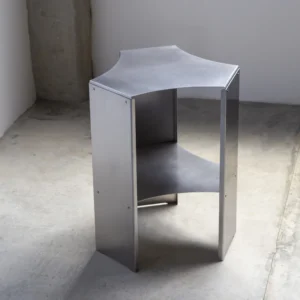
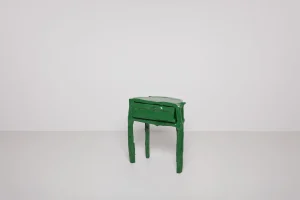
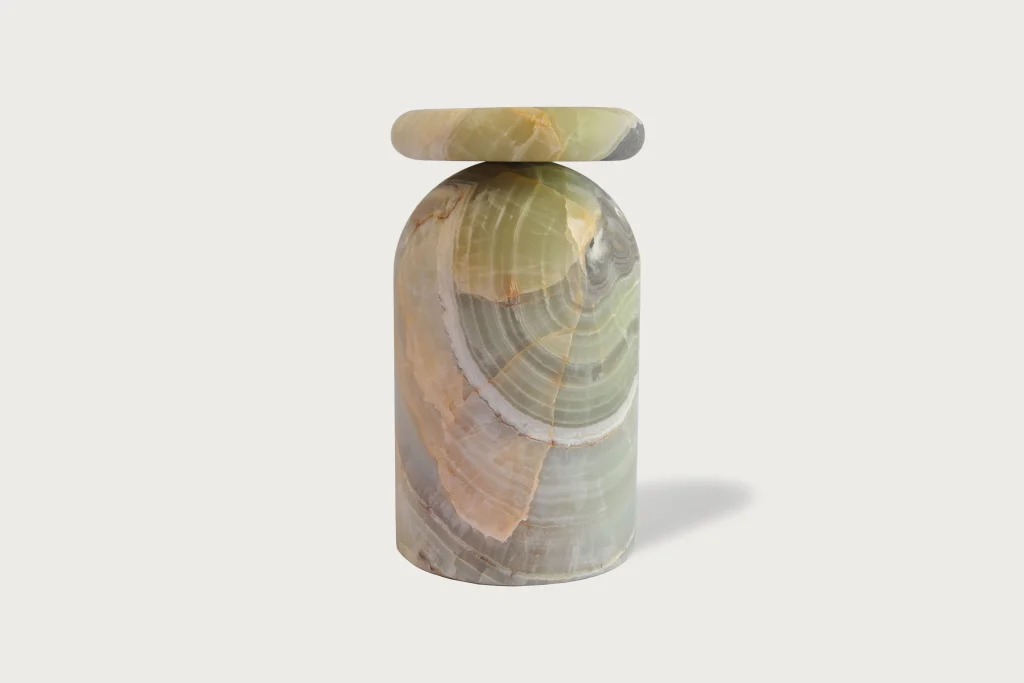
Japandi tables: natural foundations
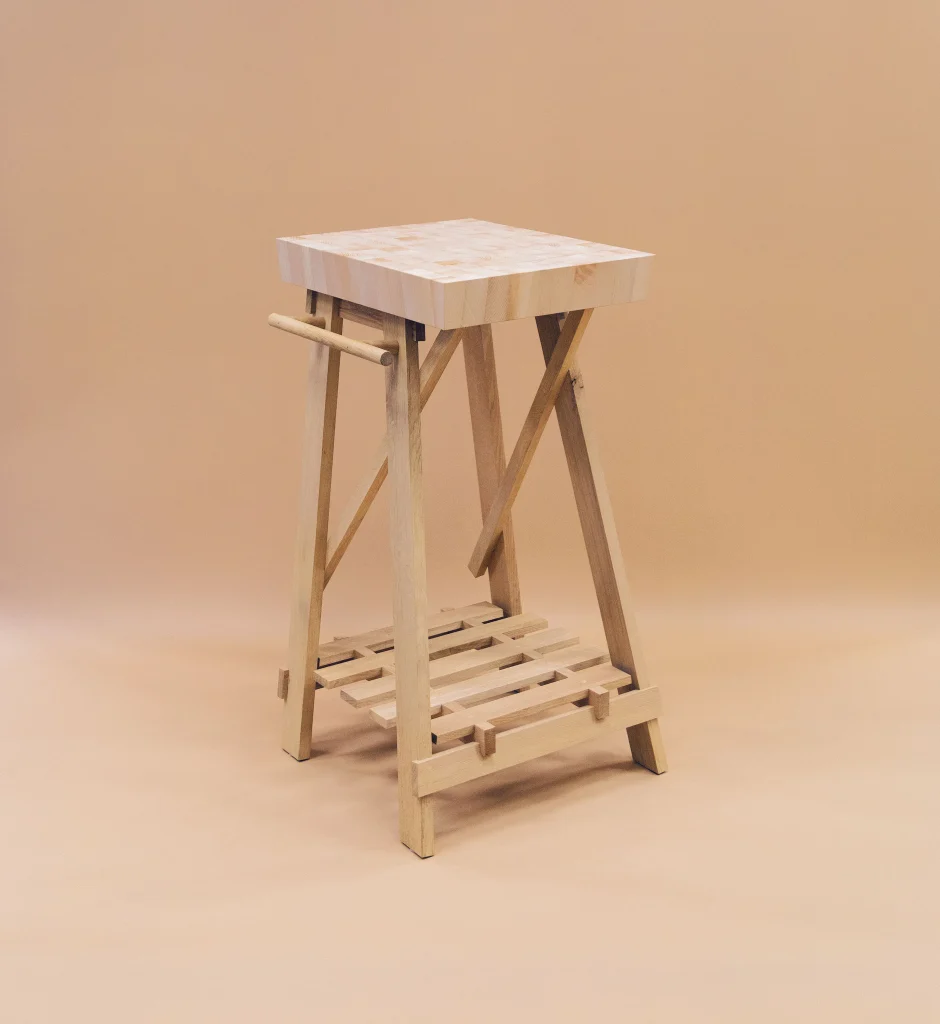
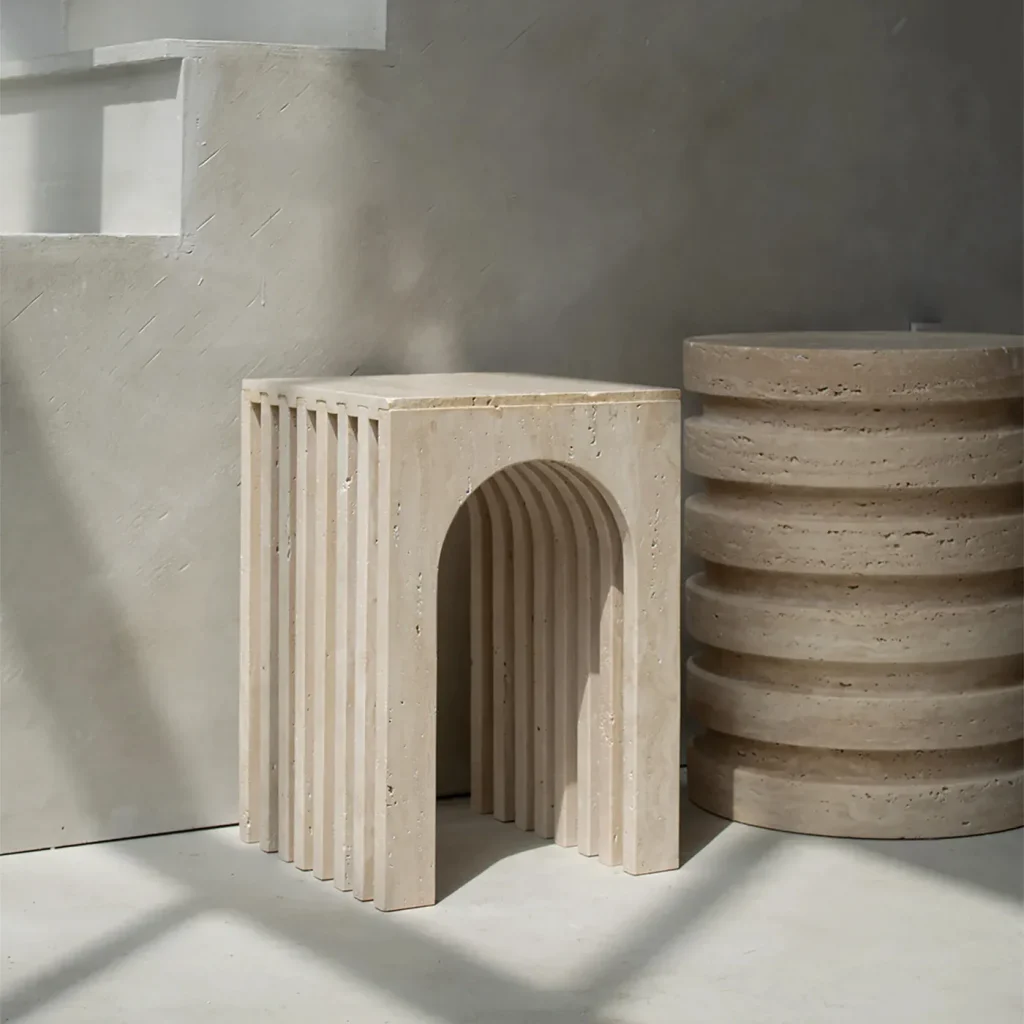
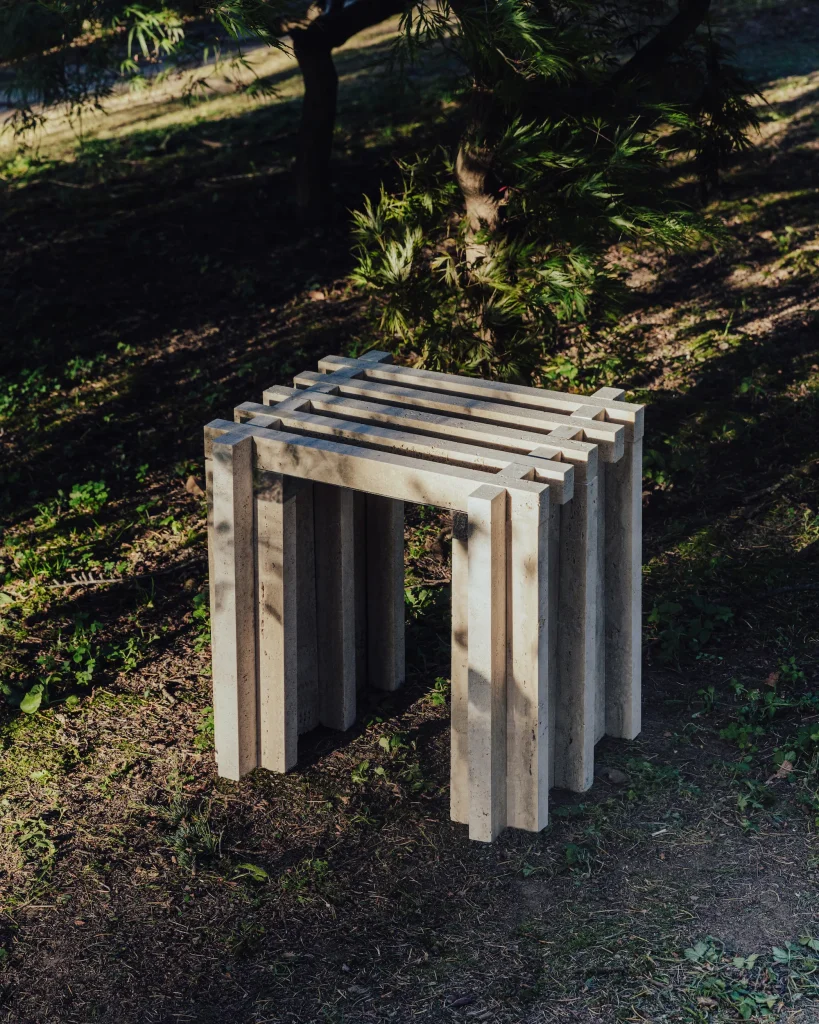
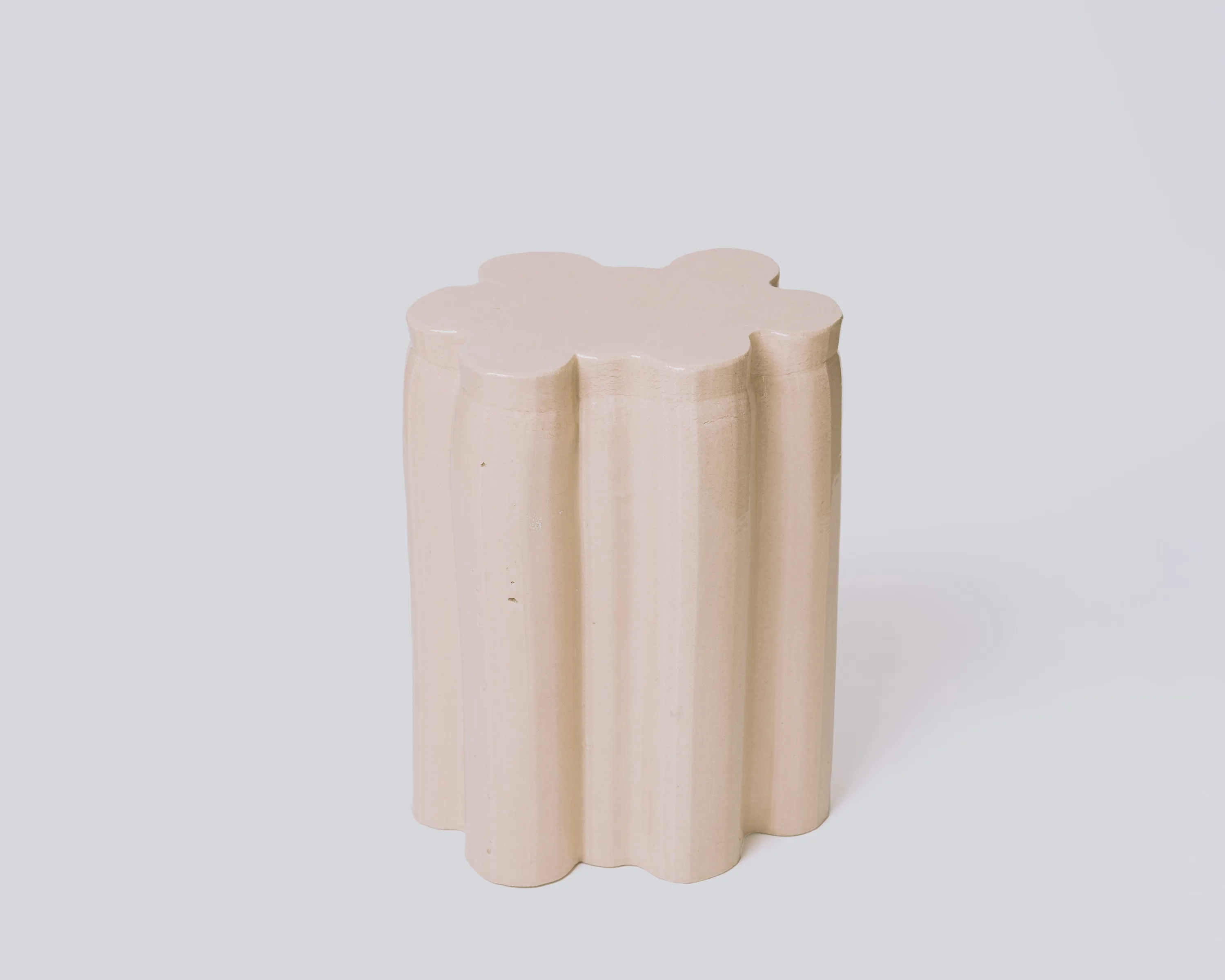
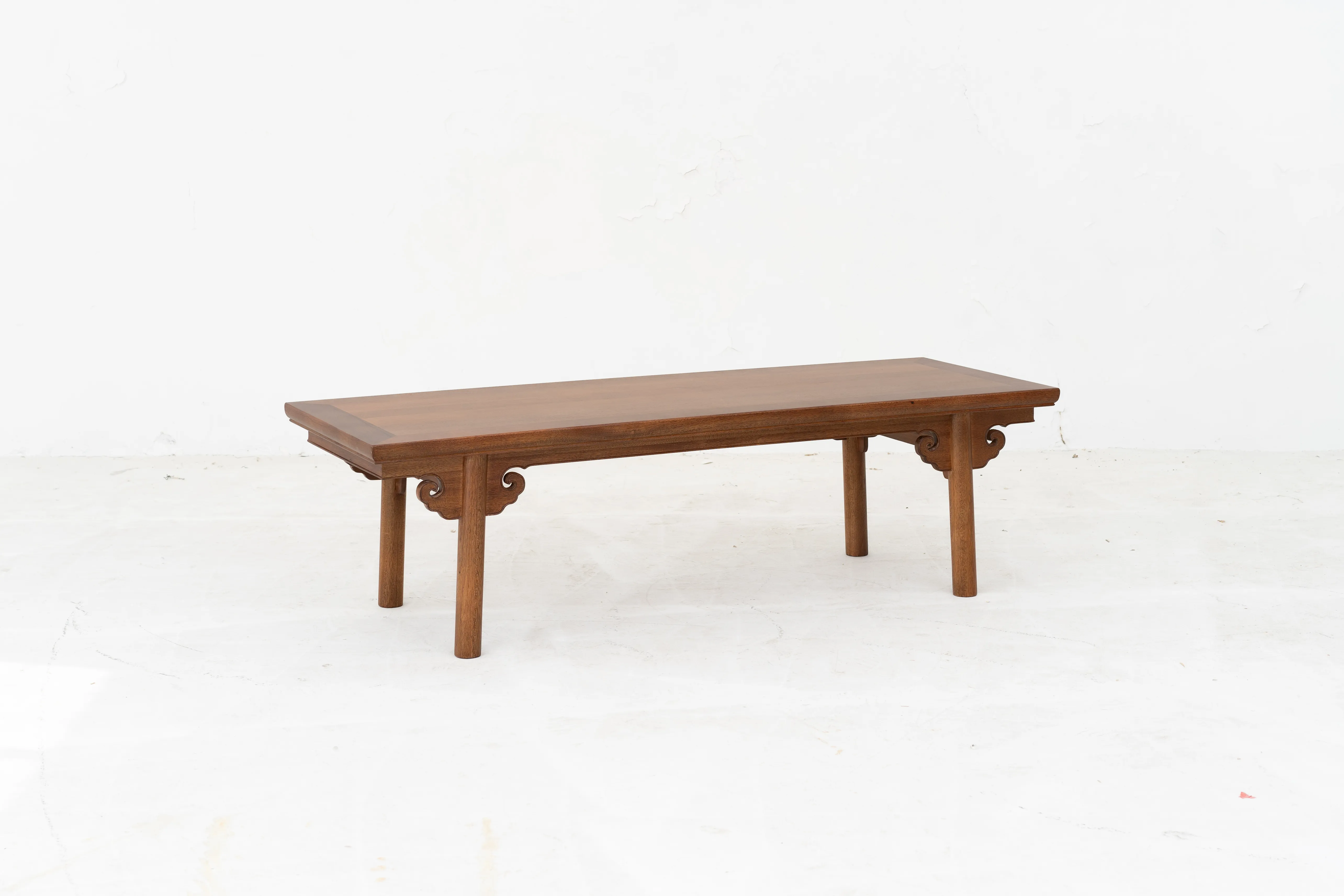
These tables work through silhouette and material rather than detail. Visible wood grain and stone texture do what pattern would do elsewhere, which is why each reads as a quiet focal point rather than a competing one. Travertine appears repeatedly here for a reason — its open pores catch light softly instead of reflecting it.

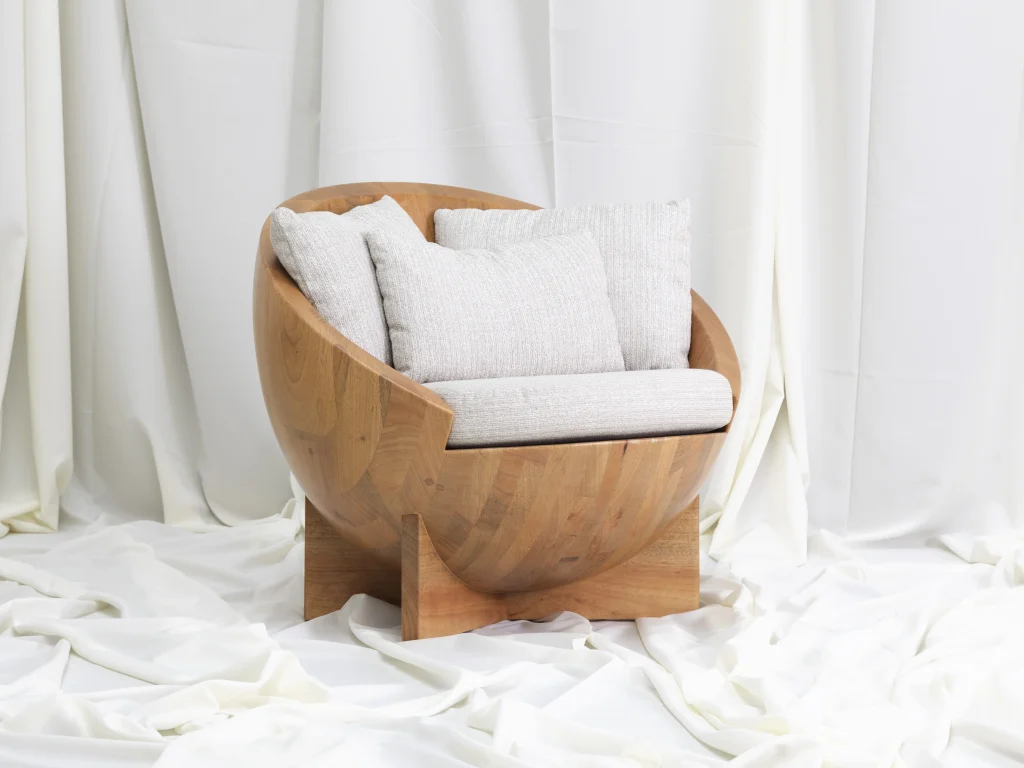
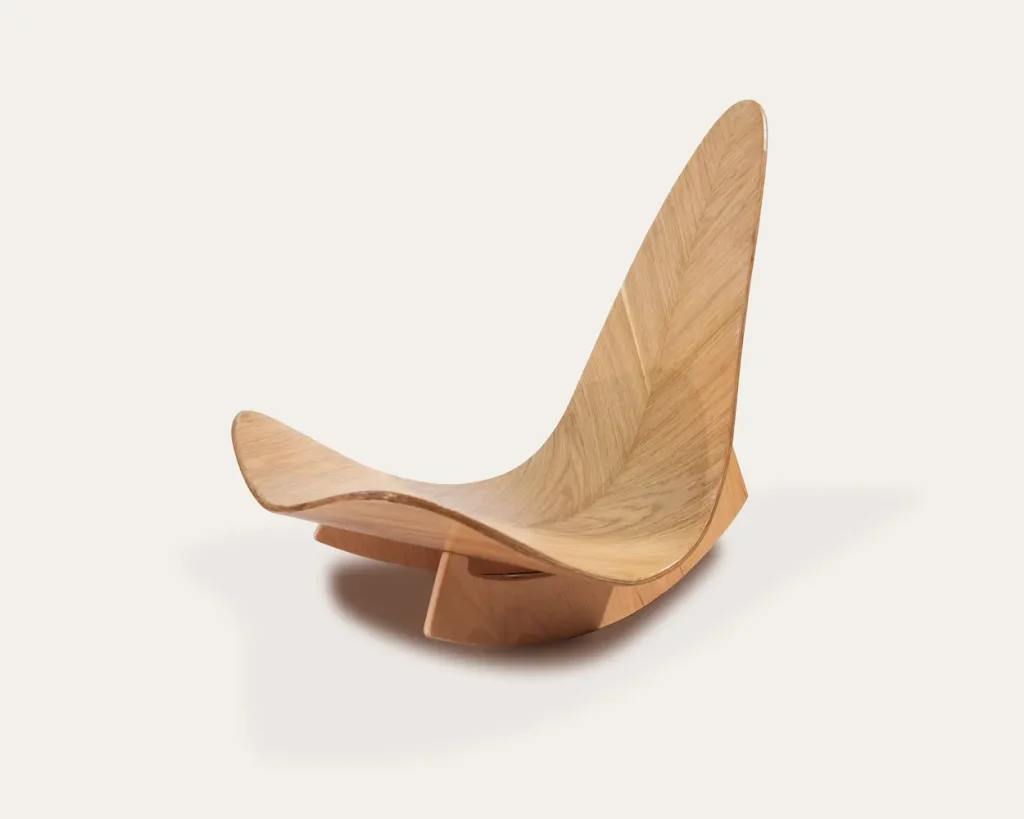
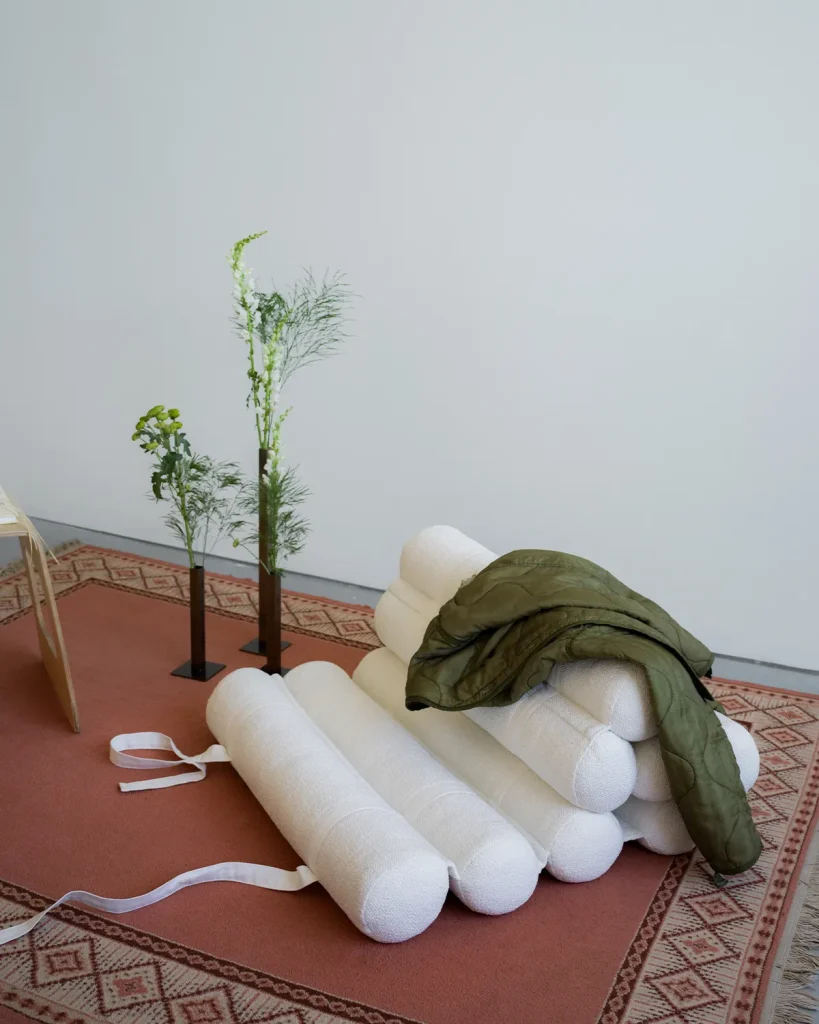
Japandi seating: restful forms
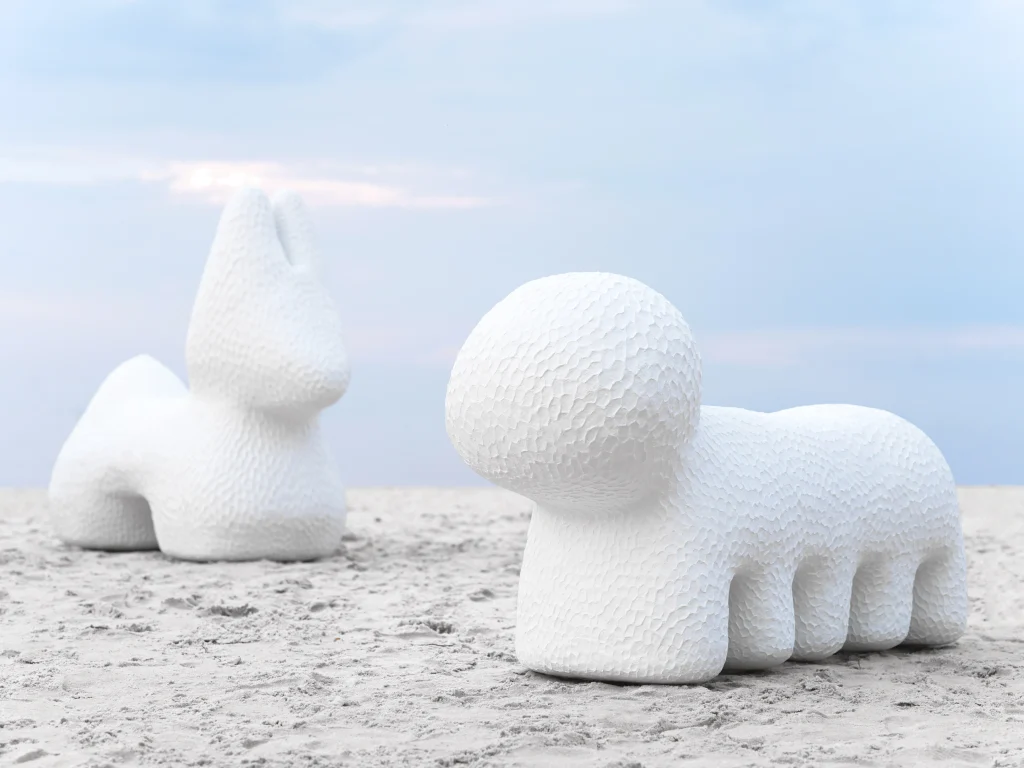
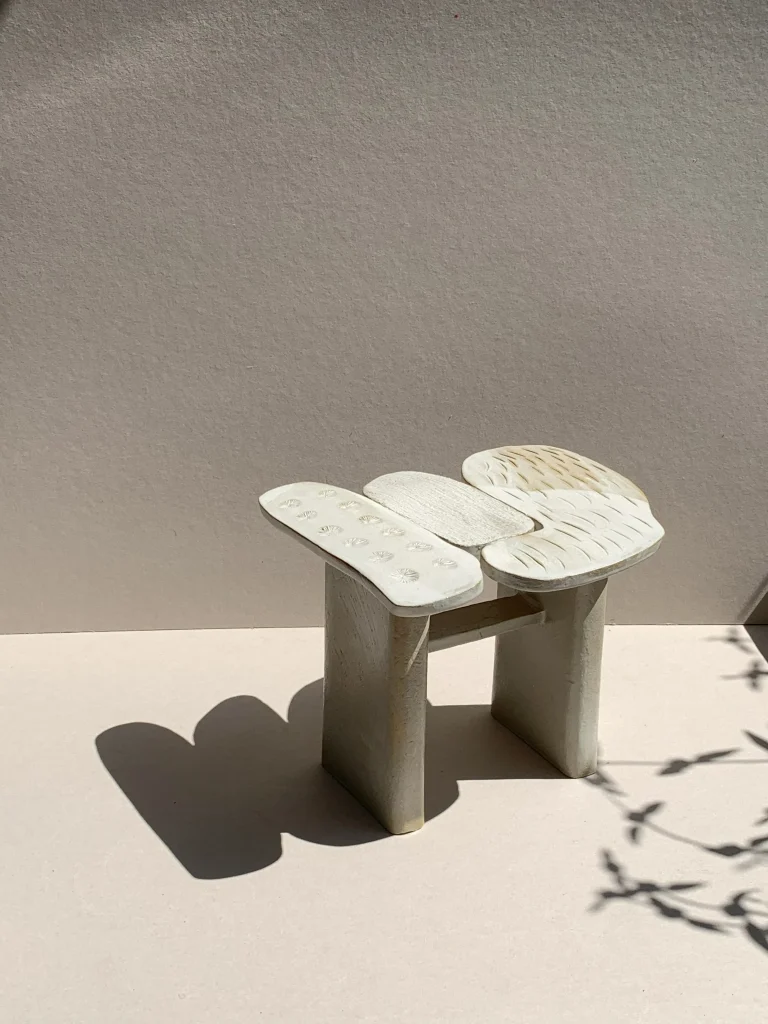
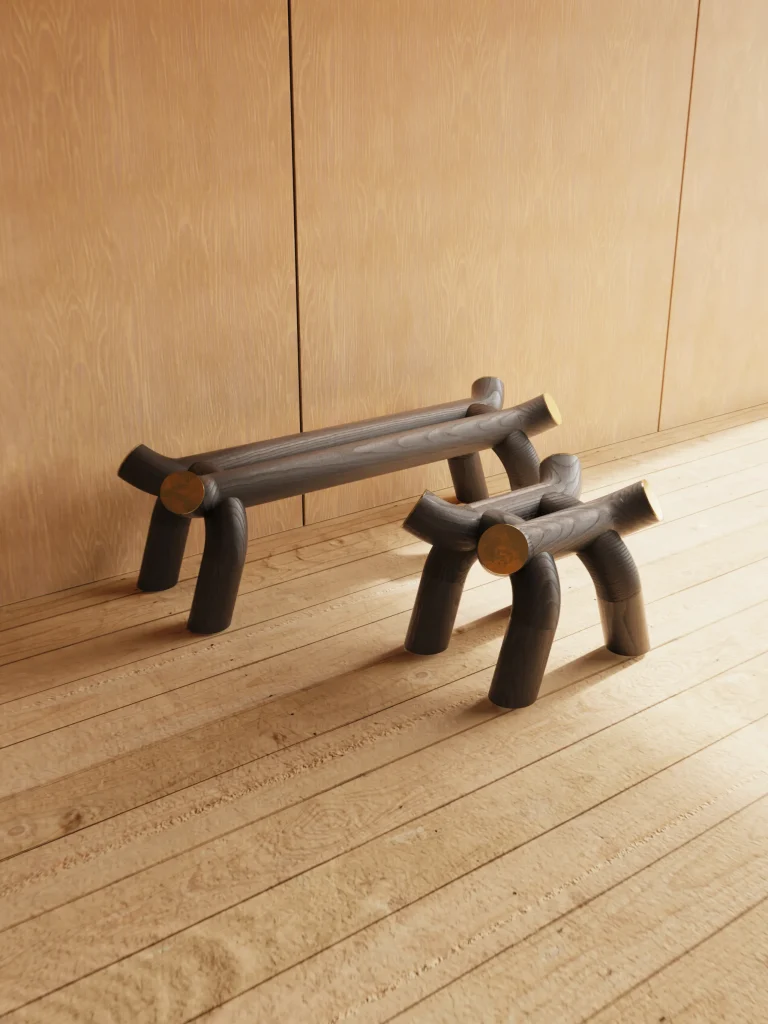
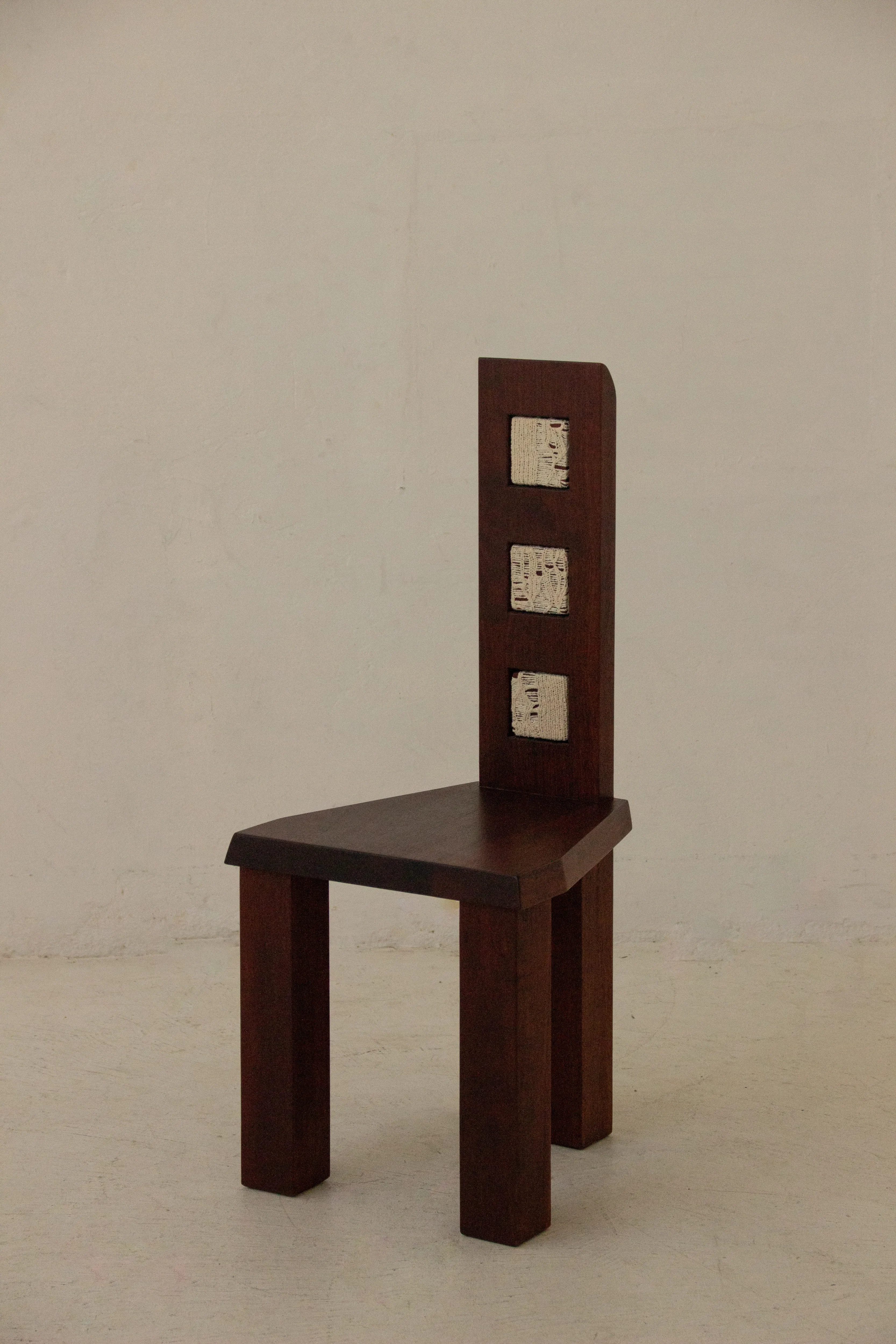
Low, unadorned seating with supportive curves and visible construction. The Japandi test for a chair is whether you can see how it is made — joinery left legible rather than concealed, which is the point at which Japanese carpentry and Scandinavian functionalism agree completely.

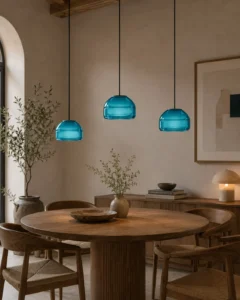
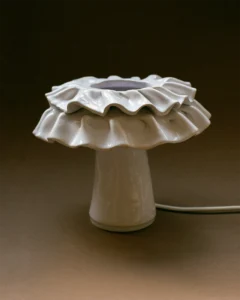
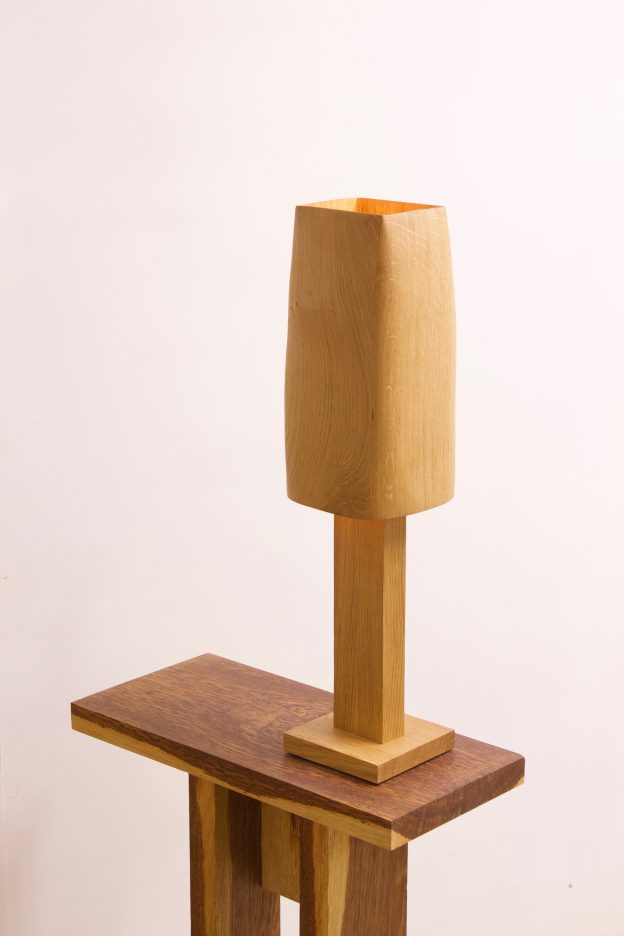
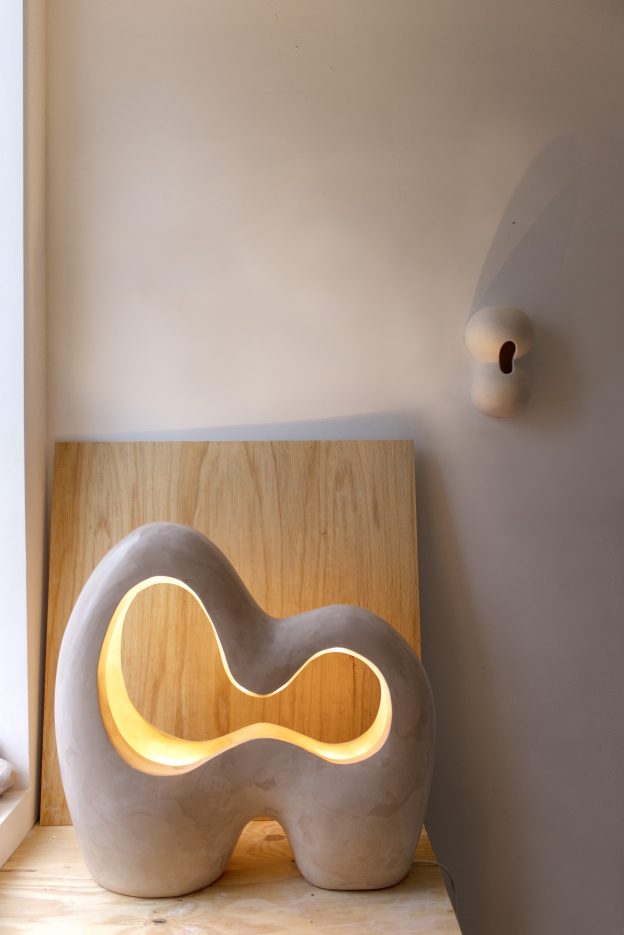
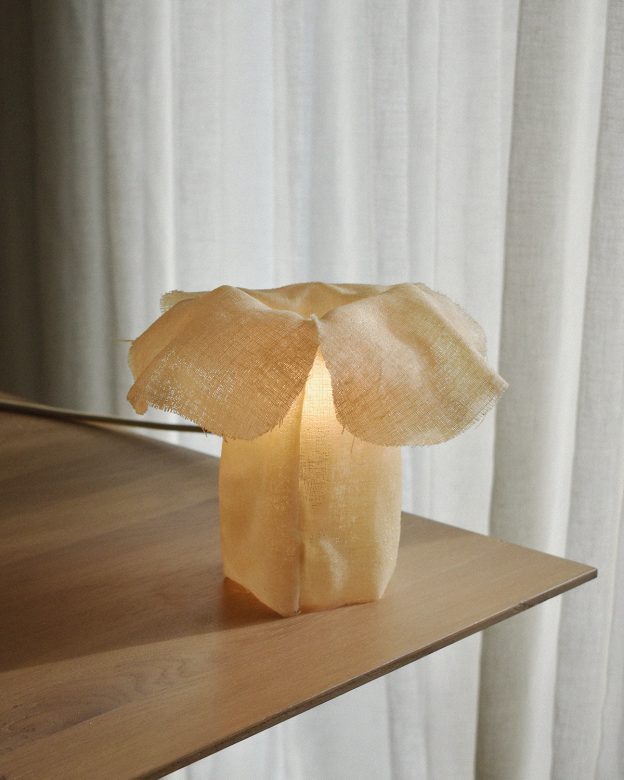
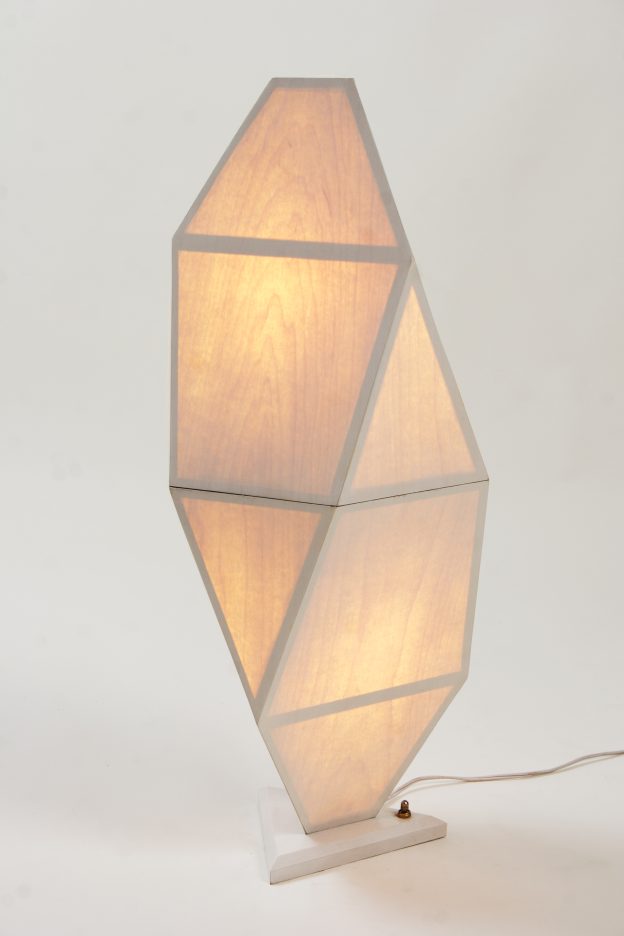
Japandi lighting: tranquil glow
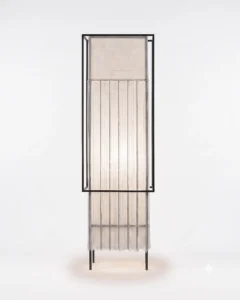
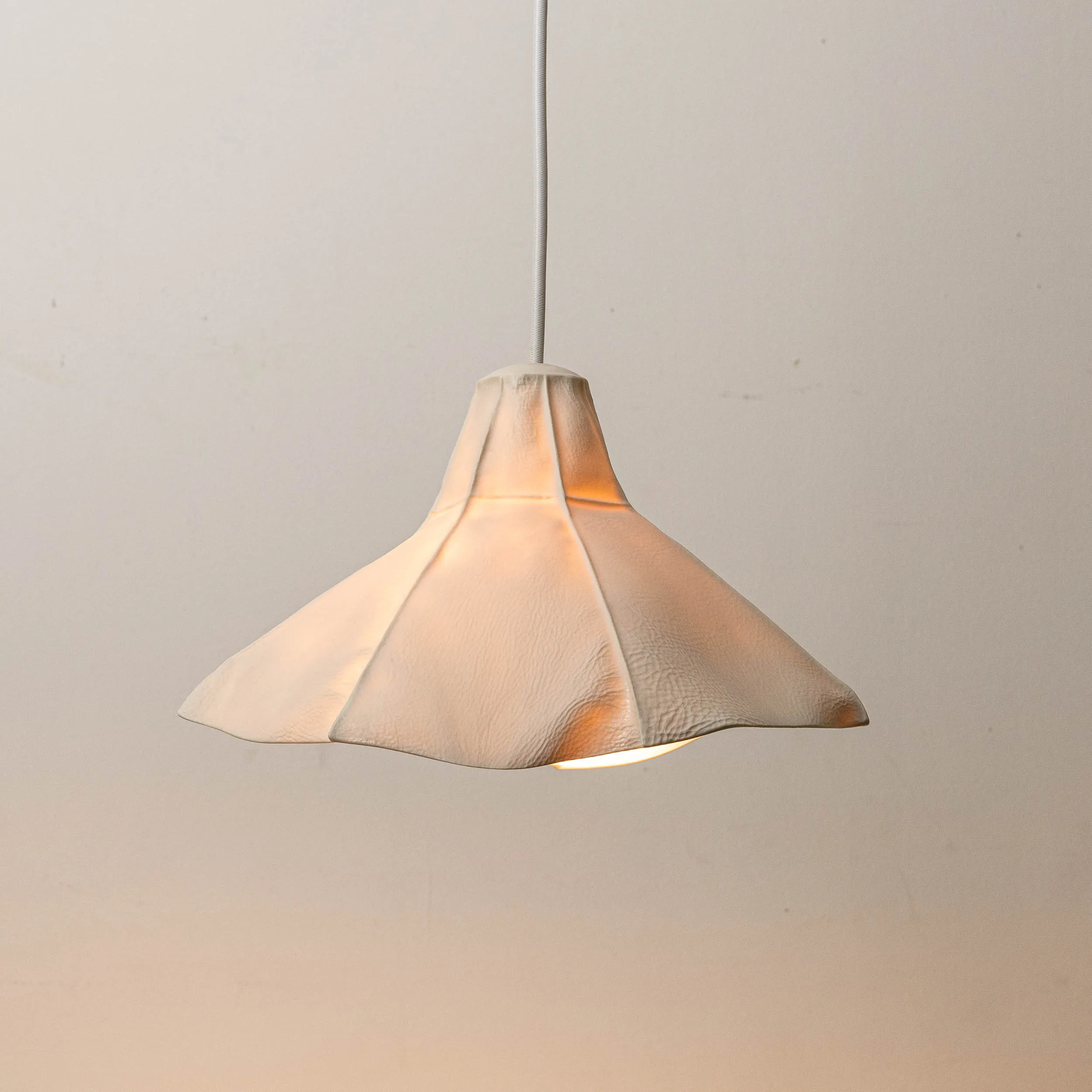
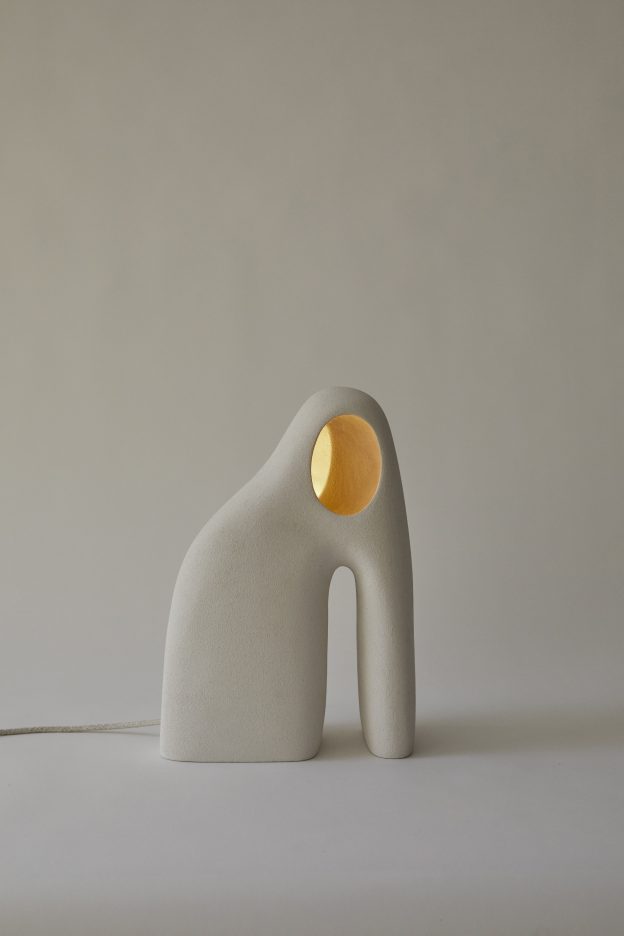
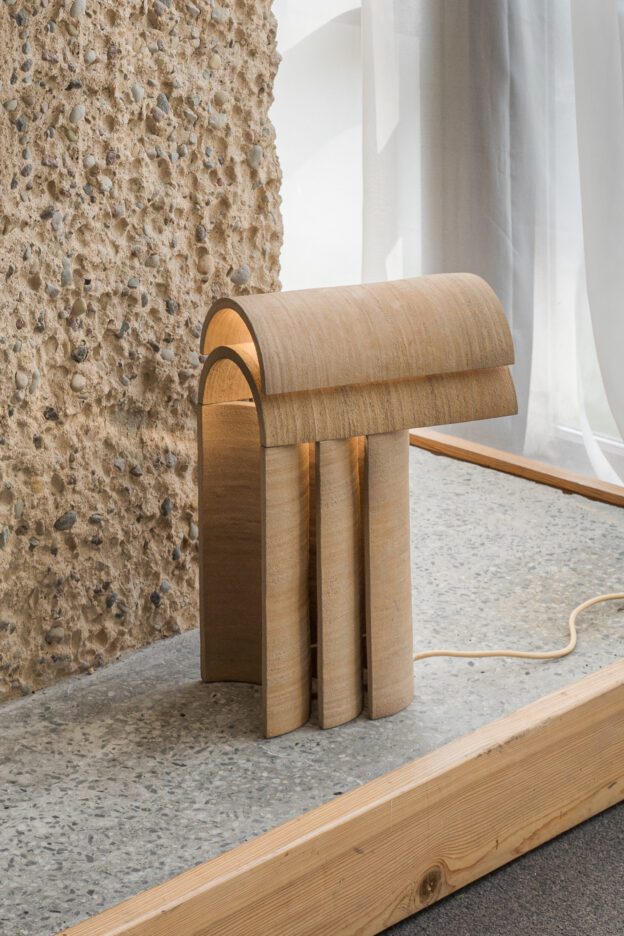
The lighting here diffuses rather than directs. Paper, sheer fabric, stoneware and acrylic all soften a source in the same way a shoji screen does — which is why the fixtures read as objects rather than equipment even when unlit. Multiple low sources rather than one overhead is the Japandi default.
Japandi decor: harmonious details
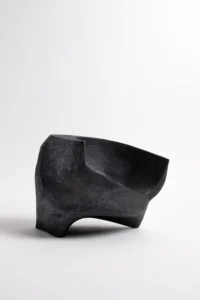
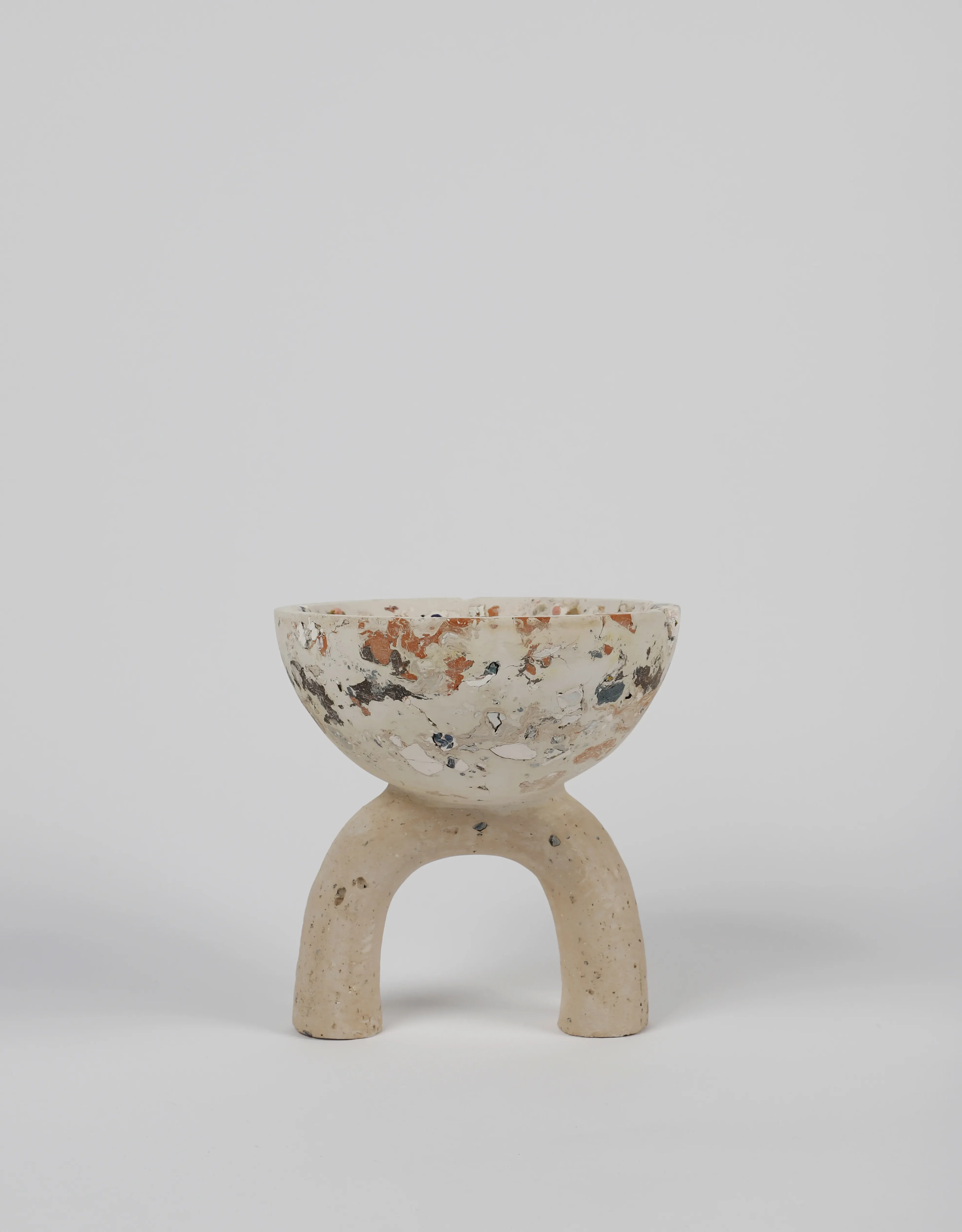
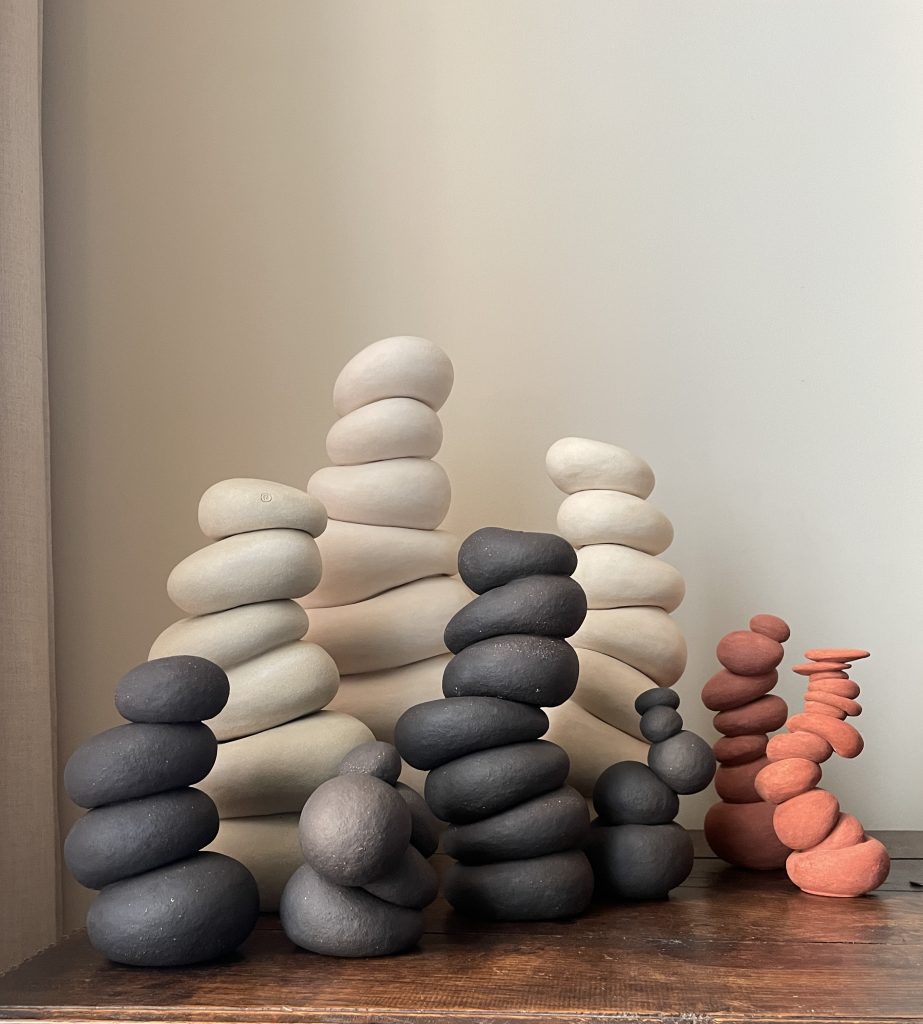
Decorative objects are where Japandi is easiest to get wrong, because the temptation is to add more of them. The discipline is one per surface. Hand-formed ceramics, stone and glass all carry enough surface variation to hold a shelf on their own.
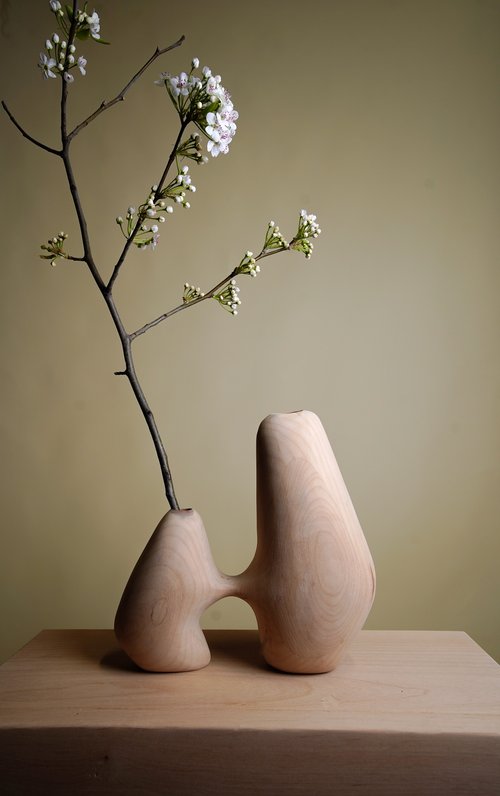
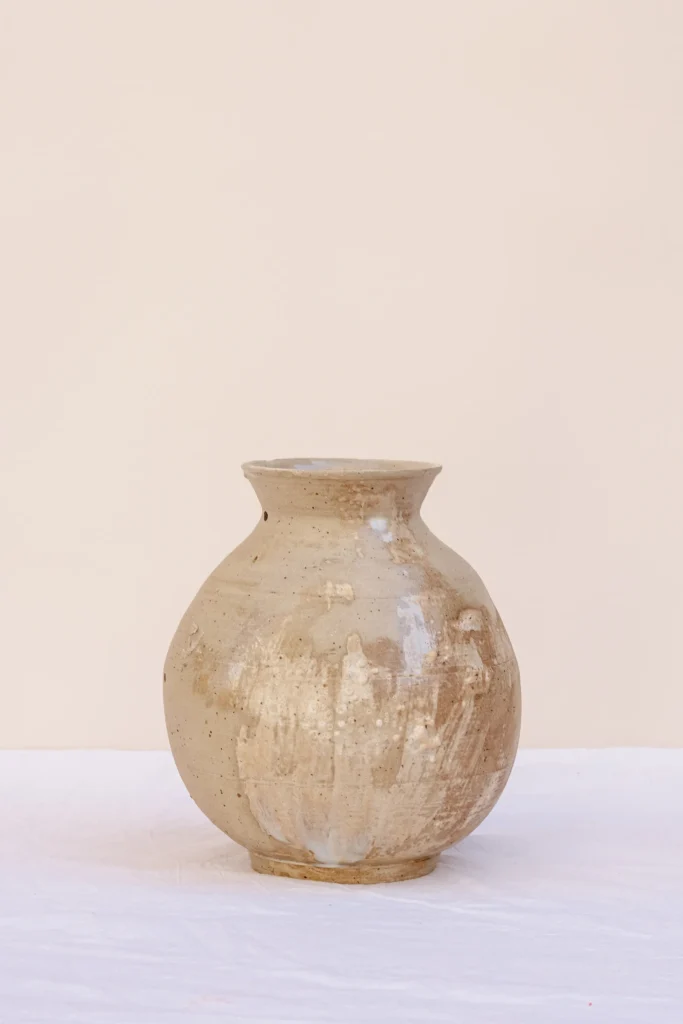
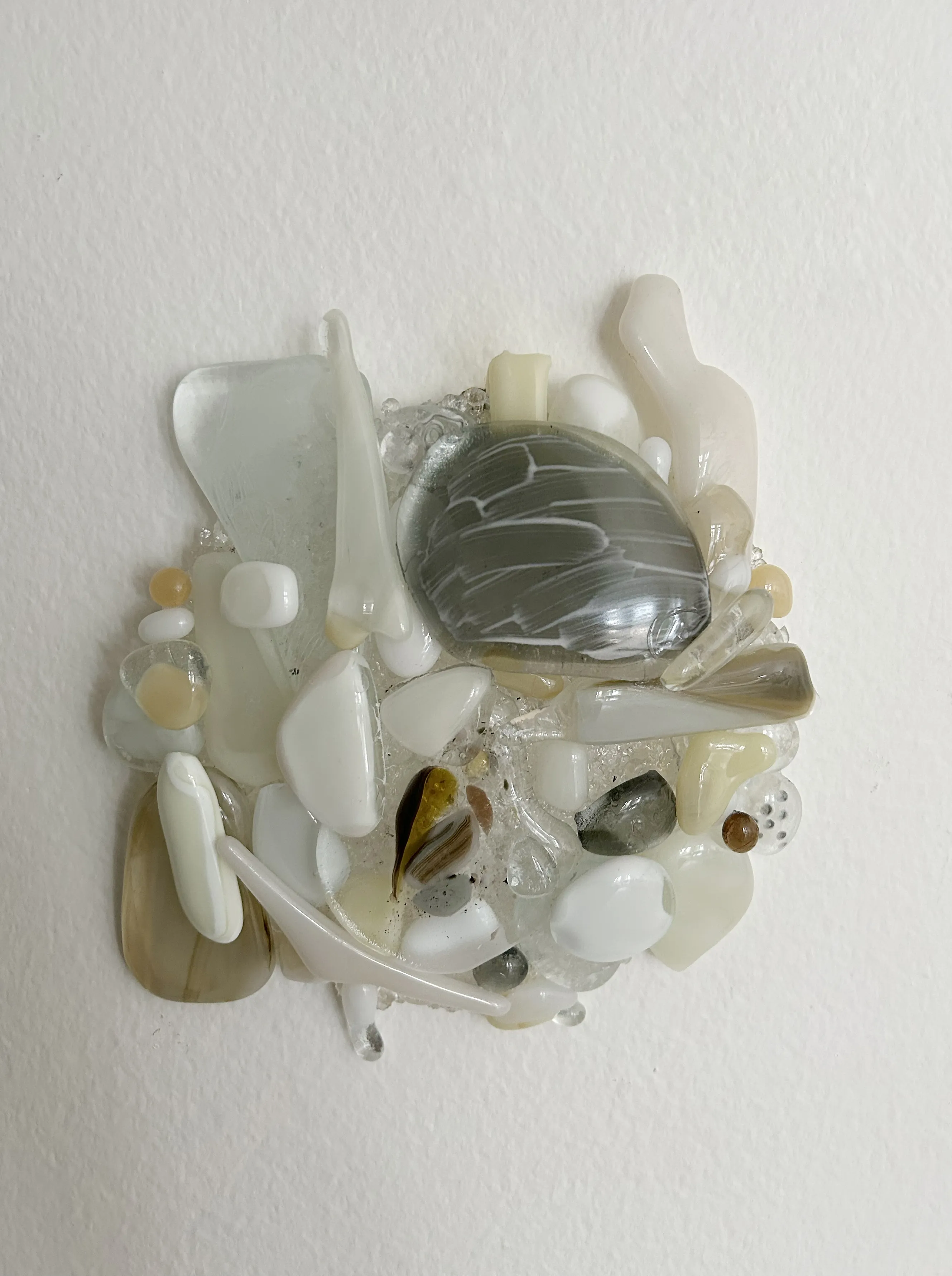
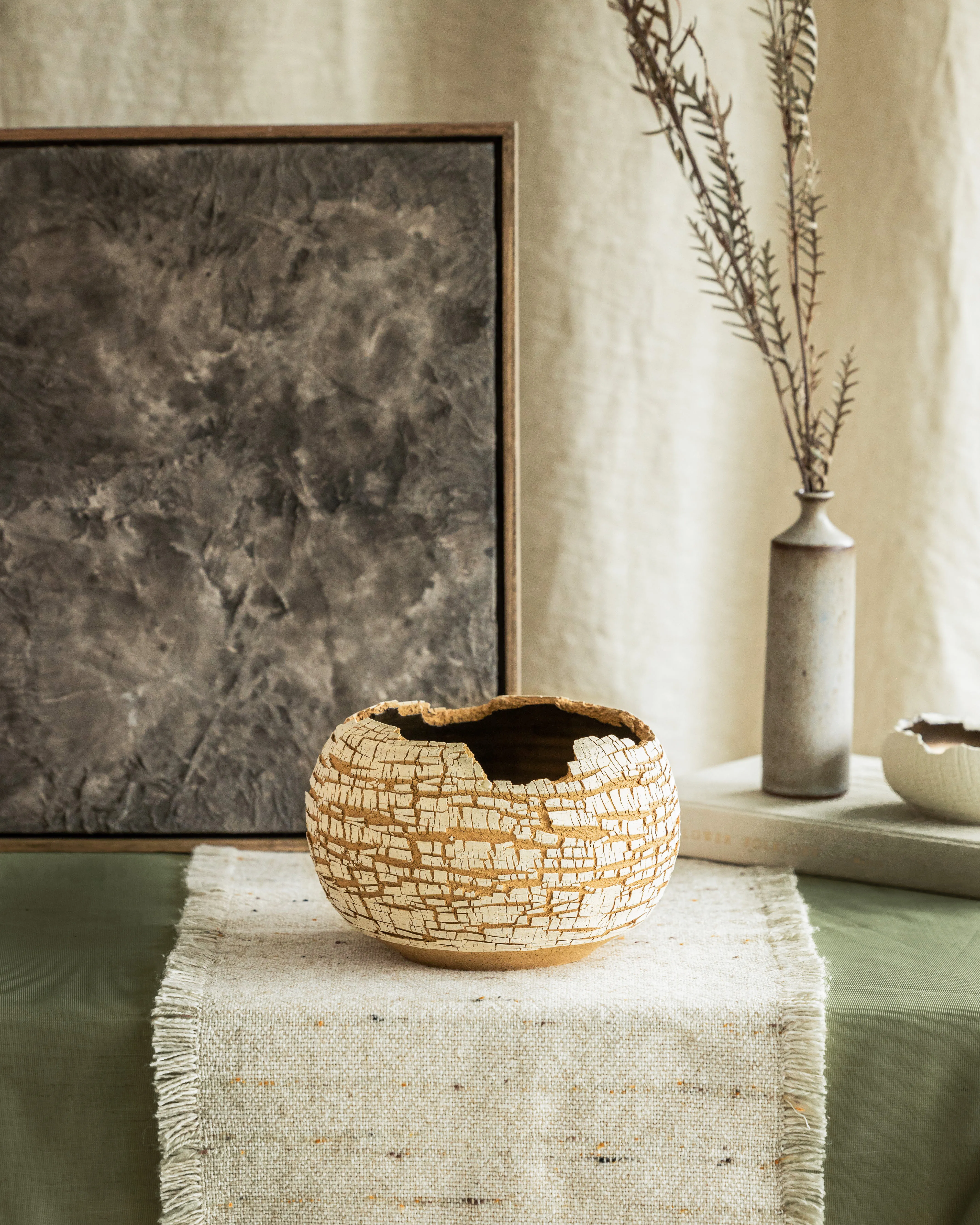
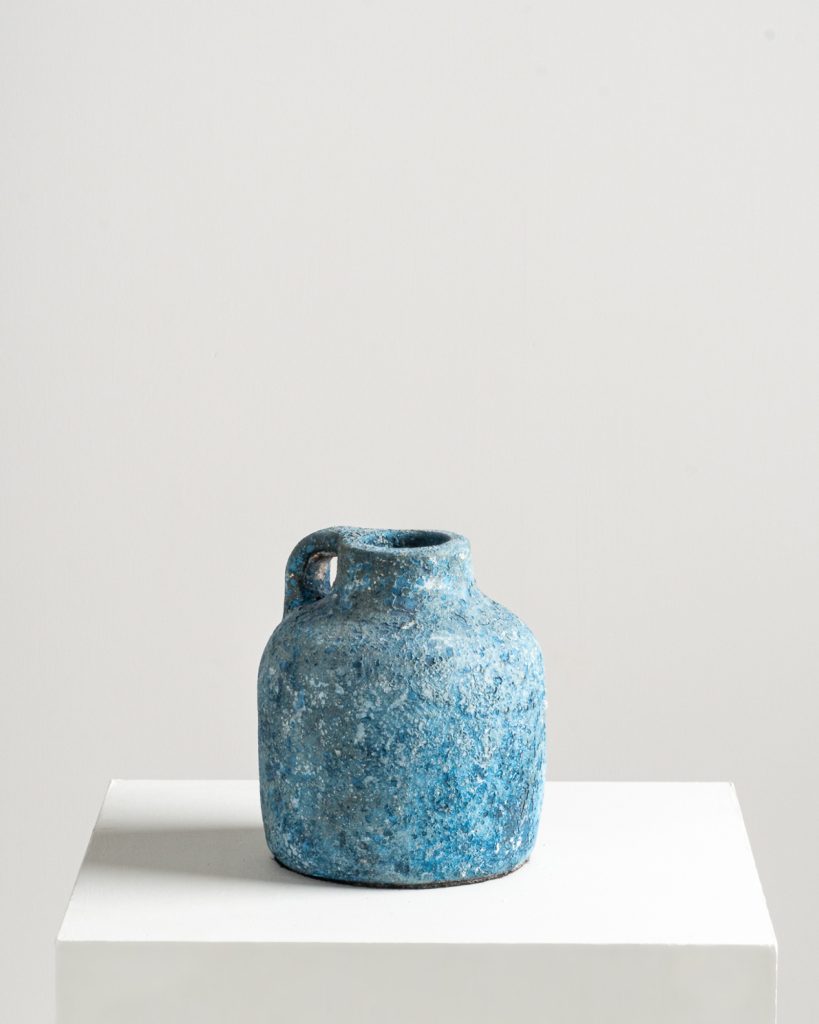
by Rumma
Frequently asked questions
What is Japandi style?
A hybrid of Japanese and Scandinavian interior design built on natural materials, a muted palette and few objects. It takes wabi-sabi’s acceptance of irregularity and ageing from Japan, and functionalism plus a preoccupation with light from Scandinavia.
What colours work in a Japandi room?
Warm neutrals — clay, oatmeal, stone grey, soft white — with one or two darker notes such as charcoal or blackened timber. The palette is deliberately low in contrast so it reads as a backdrop. Saturated colour appears rarely and usually on a single object.
How is Japandi different from minimalism?
Minimalism concerns how few objects there are and can be executed in glass, steel and gloss. Japandi keeps the restraint but commits to materials that age visibly — timber, unglazed ceramic, stone, paper — so the room gains character with use rather than needing upkeep to stay pristine.
What is wabi-sabi, and is it the same thing?
Wabi-sabi is a Japanese aesthetic philosophy about accepting imperfection, irregularity and impermanence — a way of seeing rather than a decorating scheme. Japandi borrows its material attitude, which is why a cracked glaze or an uneven rim reads as finished here rather than faulty.
How do you light a Japandi room?
Several low, diffused sources rather than one overhead fixture. Paper, sheer fabric and unglazed ceramic all scatter light the way a shoji screen does. Keep bulbs warm — 2700K or lower — since cool light undoes the material warmth the rest of the scheme depends on.
Does Japandi work in a small apartment?
Particularly well, since the low object count is an advantage rather than a sacrifice. The rule that does most of the work is one object per surface — a small room with three considered pieces reads as calm, while the same room with twelve reads as cramped regardless of how good each one is.
The strength of Zen Garden is how these elements work together to make spaces that feel intentional and effortless at once. From a hand-finished table to the glow of a paper lamp, each piece contributes to an environment that supports both rest and attention.