-
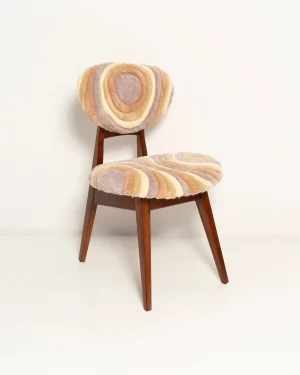
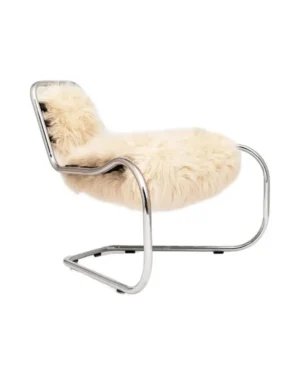
Mid Century Mushroom Chair Hand Tufting Beige Wool
By Vintola Studio
€1.600 -
 In stock
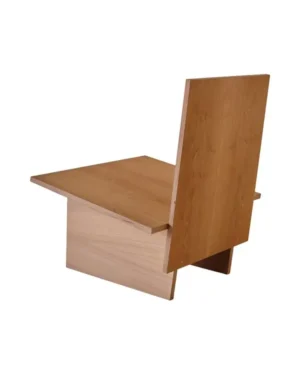
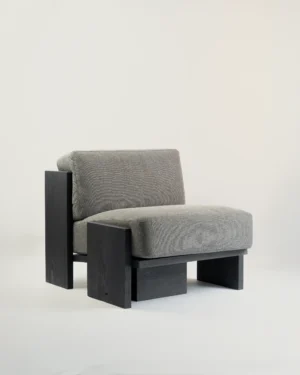
Brut Lounge Chair | Re-enchantment
By małe dobra
€1.500 -
 In stock
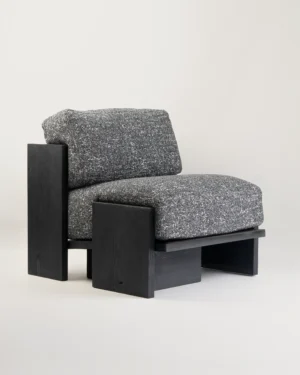
Block Lounge
By Heaps & Woods
€4.250 - €4.475 This product has multiple variants. The options may be chosen on the product page -
 In stock
Brut Lounge Chair | 2.0 Edition
By małe dobra
€1.500 -

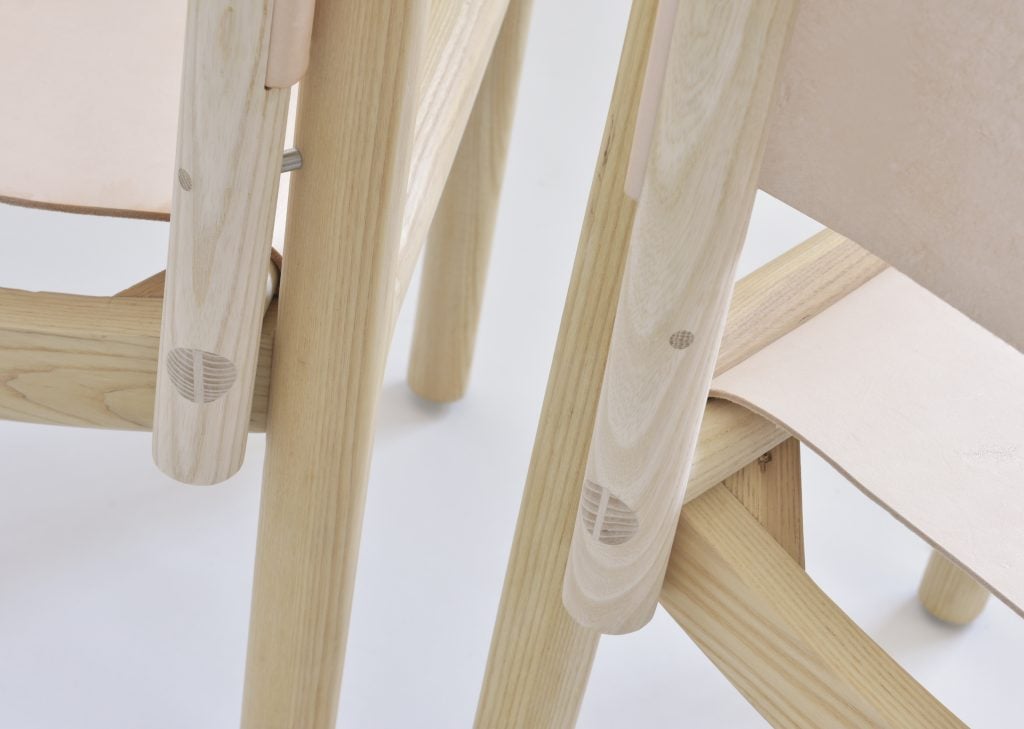
1908 – Solid Wood & Leather Lounge Chair
By espina corona
€1.450 -
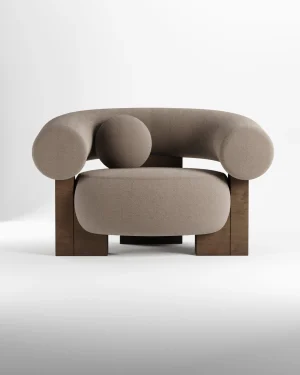
Cassette – Upholstered Lounge Chair
By Alter Ego Studio
€5.860 -
 In stock
Kafka Lounge Chair
By Arbore x Cezar Moldovan
€6.780 -

Elefante- Brazilian Wood Chair
By Estúdio Ramiros
€2.456 -
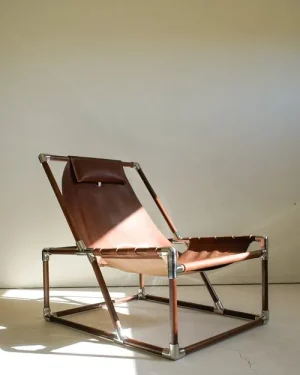
Marina Sling – Lounge Chair
By CHANDLER MCLELLAN
€2.588 -
 In stock
Pitufi Lounge
By Heaps & Woods
€4.375 - €4.500 This product has multiple variants. The options may be chosen on the product page -
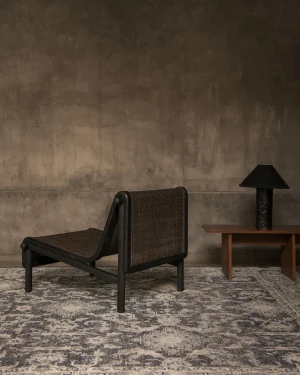
Rahi Lounge Chair
By Project 810
€1.500 This product has multiple variants. The options may be chosen on the product page -
 In stock
Luna Chair
By Arbore x Cezar Moldovan
€1.988 -
 In stock
Pierre – Sucupira Armchair
By Tiago Curioni
€4.200 -
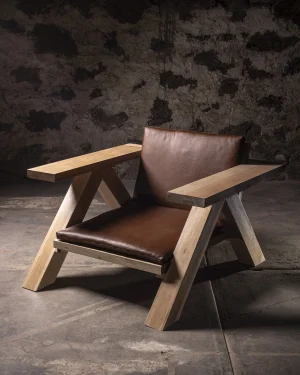 In stock
Ttr – Oak Lounge Chair
By NO AGE STUDIO
€2.500 -

Poltrona 1907
By espina corona
€1.050 -
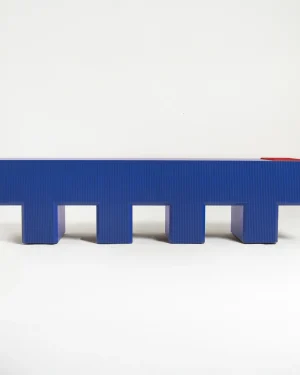
Lego Bench With Storage Slot
By Yet Design Studio
€2.990 This product has multiple variants. The options may be chosen on the product page -

Eocene – Lounge Chair
By Epoche Studio
€5.875 -

Bend – Upholstered Armchair
By Alter Ego Studio
€4.880 -

Jell – Asymmetric Armchair
By Alter Ego Studio
€7.220 -
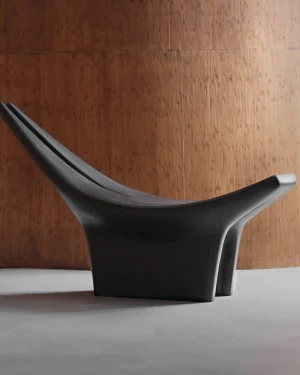
Dym Lounge Chair
By ZEMNA
€7.500 -
 In stock
Boni Lounge
By Heaps & Woods
€2.750 - €2.938 This product has multiple variants. The options may be chosen on the product page -
 In stock
Brut Lounge Chair | Monolith Wood Edition
By małe dobra
€1.500 -
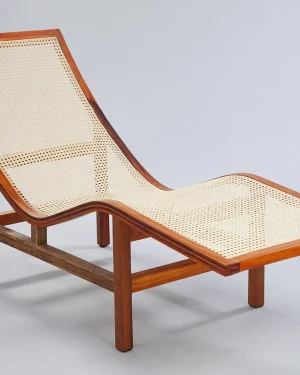
Chaise Sossego
By am.o atelier
€2.956 -
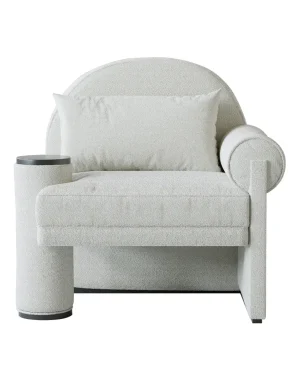
Moon Armchair & Coffee Table
By hermhaus
€3.030 This product has multiple variants. The options may be chosen on the product page -
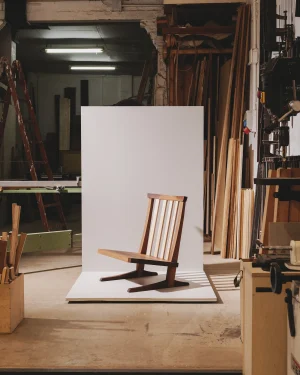
Naka Chair
By Mike Hausmann
€6.280 -
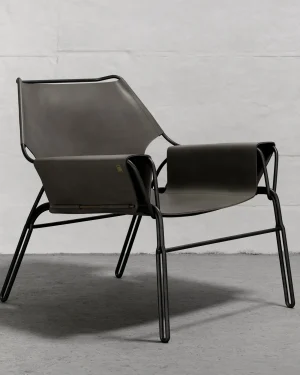 In stock
Perfidia_02 – Thick Leather Sling Lounge Chair In Black Steel
By ANDEAN
€4.542 This product has multiple variants. The options may be chosen on the product page -
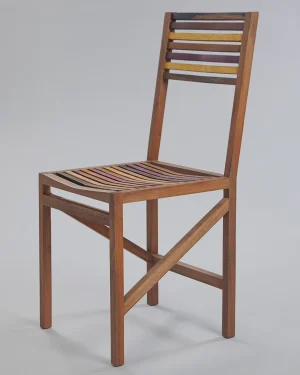
Moza Chair
By am.o atelier
€1.052 -
 In stock
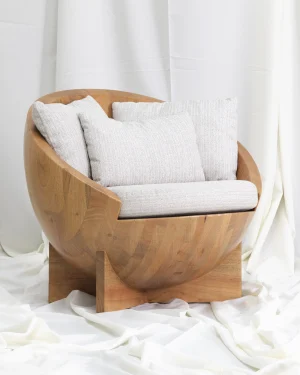
Sanctuary – Wood Cocoon Lounge Chair
By Laluz Handcraft
€6.372 -
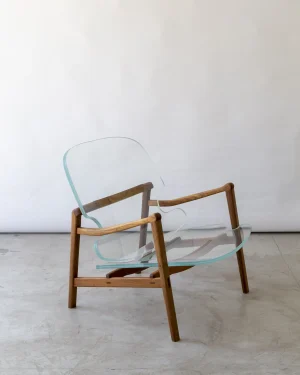
Serena – Glass & Wood Armchair
By PROSA
€6.000 -

Domna Armchair
By FAINA
€5.870 -

The Andes Huntsman Chair
By CHANDLER MCLELLAN
€3.695 -
 In stock
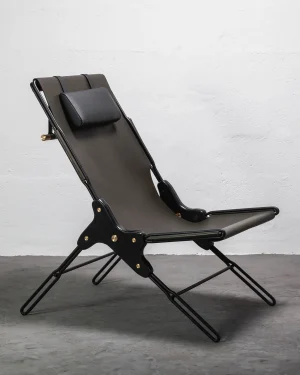
Fartura – Tauari Wood Armchair
By Tiago Curioni
€3.900 This product has multiple variants. The options may be chosen on the product page -
 In stock
Perfidia_01 – Thick Leather Sling Lounge Chair In Black Steel
By ANDEAN
€4.133 This product has multiple variants. The options may be chosen on the product page -
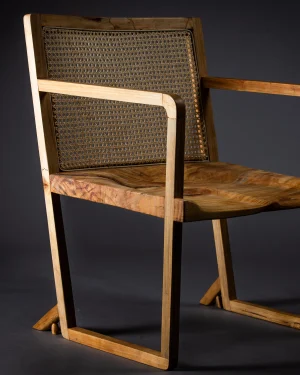
Tree – Wood And Rattan Rustic Designarmchair
By am.o atelier
€1.754 -
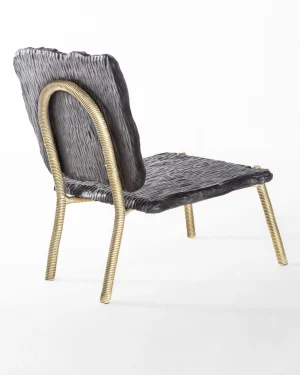
Lascas Chair
By Carol Gay
€8.500 -
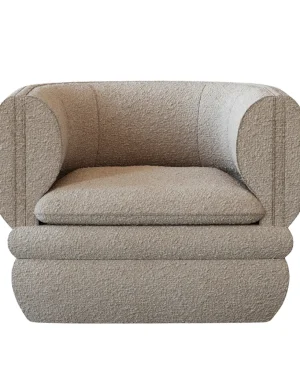
Paus Armchair
By hermhaus
€3.630 This product has multiple variants. The options may be chosen on the product page -
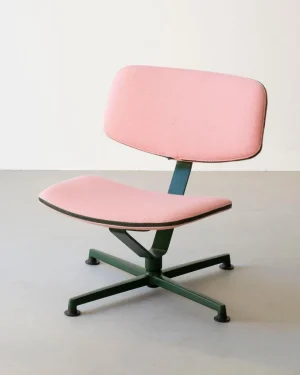 In stock
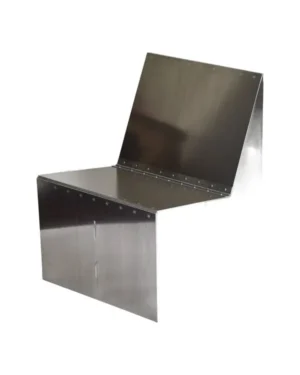
Arba – Aluminum & Steel Lounge Chair
By raawii
€1.276 This product has multiple variants. The options may be chosen on the product page -
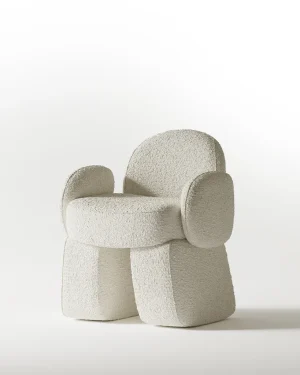
And Armchair
By hermhaus
€2.379 This product has multiple variants. The options may be chosen on the product page -
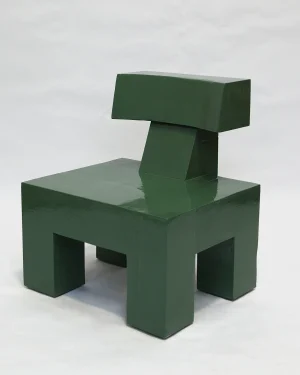 In stock
Practice Lounge Chair
By Studio Fabius Clovis
€2.895 -

Tuman Rocking Chair
By ZEMNA
€5.880 -

Black Lounge Chair – 1907
By espina corona
€1.120 -
 In stock
Markfield’s – Lounge Chairs
By StorqueStudios
€6.457 -
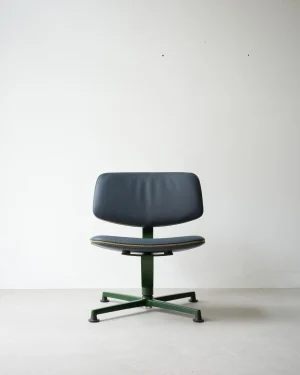 In stock
Arba – Steel & Leather Lounge Chair
By raawii
€1.596 -
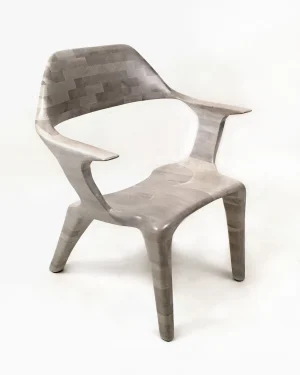
D2 Lounge Chair In Bleached Cherry
By Aaron Scott
€4.320 -
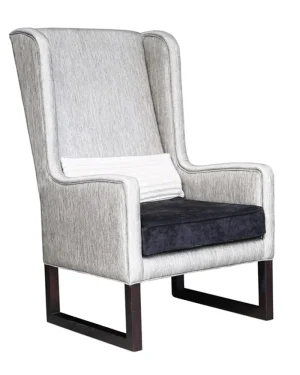
Matteo Chair – High Back Upholstered Wing Chair
By Costantini Design
€3.005 -
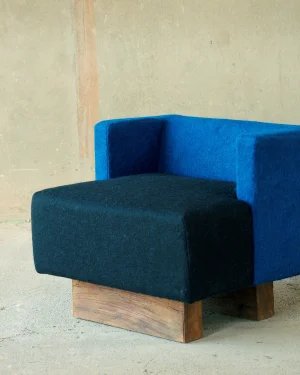
Warrior Neckless Armchair
By Around the Studio
€2.450 -
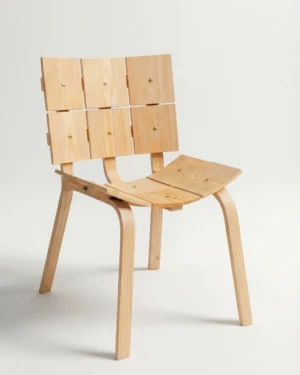
Åke Lounge Chair
By Olle Sahlqvist
€1.200 -

Tuman Lounge Chair in Textiles and Wood
By ZEMNA
€4.980 -
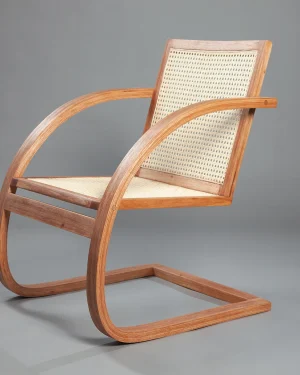
Mima – Armchair
By am.o atelier
€1.842 -
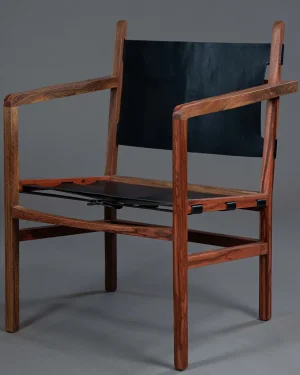
Caetano – Wood And Leather Armchair
By am.o atelier
€2.456 -
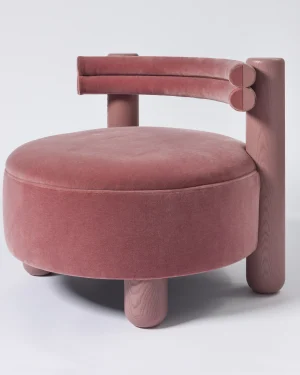
Mt Curve Big Chair In Ash Hardwood And Mohair Velvet
By bnf studio
€7.500 -
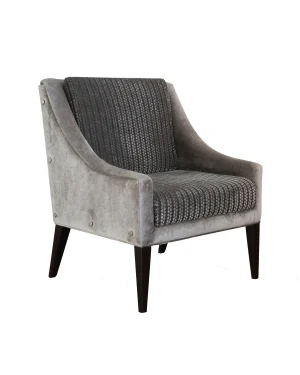
Lucina Chair – Upholstered Lounge Armchair
By Costantini Design
€3.650 -
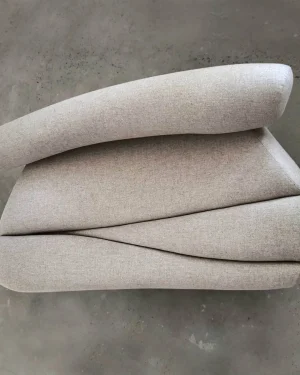
Viter Armchair
By ZEMNA
€7.100 -

Kanguro – Solid Wood And Leather Lounge Chair
By espina corona
€3.500
Wooden lounge chairs take their character from solid timber or plywood shells, shaped by studios working in joinery, wood carving and cabinetmaking. The wood carries the weight of the seat and the line of the frame, so grain, density and the way a maker joins the pieces decide how the chair looks and how long it lasts. Some frames are left bare at the joints, others are upholstered in leather or textile for the seat and back, but the timber itself still sets the tone of the piece.
What defines a wooden lounge chair
A lounge chair is built for recline rather than a dining-table posture, so the back sits lower and angles further than a dining chair's. In wood, that angle is cut into the frame itself rather than engineered through springs, which means the chair's silhouette and its comfort come from the same piece of timber. Oak, walnut, pine and teak each bring a different weight and grain to that silhouette: oak reads heavier and pales with age, walnut stays dark and close-grained, teak resists damp and was long used for chairs that lived outdoors, pine is lighter in both color and weight.
The woods, finishes and ways of making found here
Among wooden lounge chairs, oak and walnut turn up most often, followed by pine, teak and plywood shells bent and pressed into curved seats. Finishes run from black and brown stains to beige and light gray washes, with some frames left to show the bare grain and others charred through shou sugi ban, a technique that blackens and seals the surface against moisture and insects. Seats and backs are frequently upholstered in leather or textile over the wood frame, and styles span mid-century, brutalist, rustic and sustainable approaches to the same material.
Editions vary by studio: some wooden lounge chairs are produced as open editions, others as limited editions or one-off pieces, so the same wood and joinery can mean a different kind of scarcity depending on who made it.
How to choose a wooden lounge chair
- Scale: a low, wide lounge chair asks for more floor space around it than an upright chair; measure the room, not just the chair.
- Seat height and recline: a lower seat and a more open back angle suit long sitting, a higher seat with less recline suits a chair that also gets used for reading or conversation.
- Finish: a darker stain or charred surface hides scuffs better in a busy room, a pale or raw finish shows the grain but also shows wear sooner.
- Frame versus upholstery: an all-wood seat stays cool and firm, a leather or textile seat over the frame adds give and warmth.
Pair the chair with the wood already in the room, through flooring or a table, rather than matching it exactly. Wood tones that are close but not identical tend to sit together more easily than two pieces cut from the same stain.
Where these chairs sit well
Wooden lounge chairs belong wherever a room slows down: a living room corner by a window, a bedroom reading spot, a study. Their weight and the warmth of the timber make them read as furniture meant to stay put, unlike lighter metal or molded seating that gets moved from room to room. A single chair can anchor a seating group even without a matching sofa, since the wood grounds the arrangement on its own.
Caring for a wooden lounge chair
Keep solid wood frames away from direct heat and from radiators, which dry timber out and can open the joints over time. Wipe raw or oiled wood with a dry or barely damp cloth, and re-oil occasionally if the surface looks dull. Charred finishes need little beyond dusting, since the burned layer already resists moisture. Where the seat is upholstered, treat the leather or textile as you would any other upholstery, and leave the wood frame itself to age into a slightly darker, slightly smoother version of its first finish.
For the wider range, see all lounge chairs or every wood piece on ADORNO. Wood also shows up across wooden seating more broadly, in wooden chairs built for the table, and in mid-century modern lounge chairs that share the same joinery traditions.
How do I choose a wooden lounge chair?
Consider the wood species, the joinery, and how the frame is finished, since these determine weight, grain pattern, and how the chair ages. Match the finish and tone to the surrounding floors and furniture for a room that reads as one piece.
How do I care for a wooden lounge chair?
Keep wood away from direct heat and prolonged sun to limit fading and cracking. Dust with a dry or barely damp cloth, and oil or wax oak, walnut, teak, or pine occasionally to keep the grain fed and the surface protected.
What size and seat height should a wooden lounge chair be?
Most lounge chairs sit between 15 and 18 inches at the seat, lower and deeper than a dining chair, built for reclining rather than sitting upright. Check the maker's listed dimensions against the depth of the space it will anchor.
Which rooms suit wooden lounge chairs?
Wood grounds a living room, reading corner, or bedroom, and its warmth pairs easily with upholstered sofas, rugs, and softer textiles. Oak and walnut read as substantial; pine and lighter woods suit smaller, brighter rooms.
Can I order a wooden lounge chair in a custom wood or size?
Some makers take custom orders in a different wood, finish, or dimension. Chat with the maker on the piece's page to confirm what is possible.
What are ADORNO's shipping and return policies for wooden lounge chairs?
Shipping is insured and worldwide. Returns are accepted within 14 days, except on made-to-order pieces. Every piece ships with a certificate of authenticity, and ADORNO offers a lowest-price guarantee.