
-
 In stock
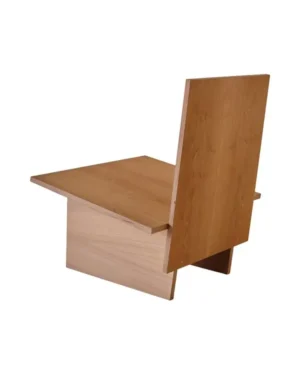
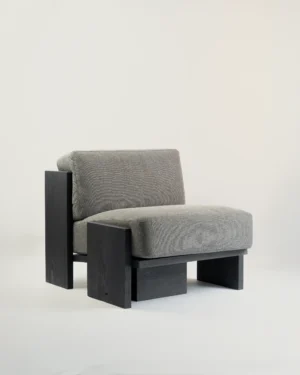
Brut Lounge Chair | Re-enchantment
By małe dobra
€1.500 -
 In stock
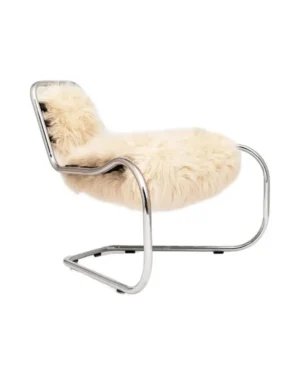
Loungechair
By FlatFlat
€515 -

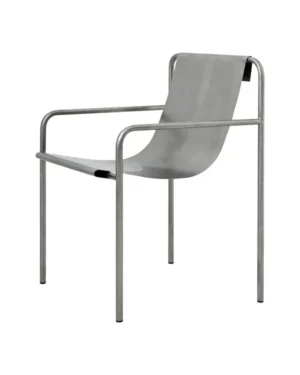
Dessert – Steel Chair
By SALAK Studio
€790 -

010 – Lounge Chair
By OFAA
€3.000 -

Katamaran Rocking Chair
By Viktor Palnychenko
€4.400 -
 In stock
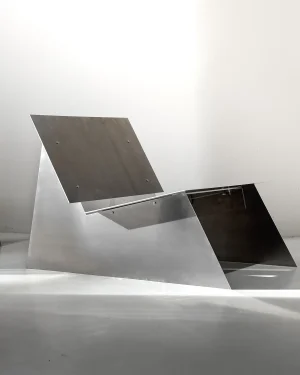
Aluminium Lounge Chair
By case studios
€1.571 -
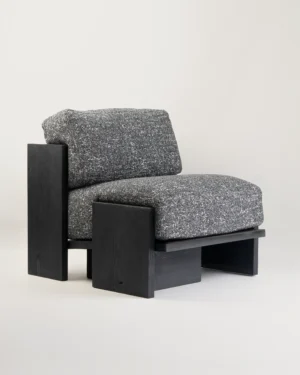 In stock
Brut Lounge Chair | 2.0 Edition
By małe dobra
€1.500 -

Eocene – Lounge Chair
By Epoche Studio
€5.875 -
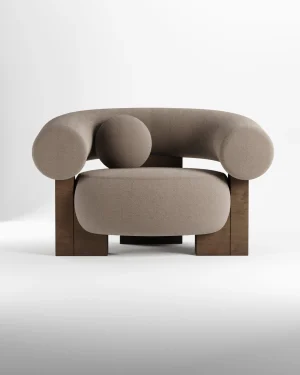
Cassette – Upholstered Lounge Chair
By Alter Ego Studio
€5.860 -
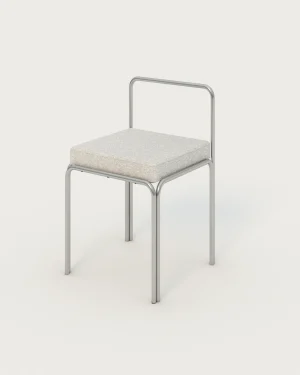
Sali – Upholstered Chair
By SALAK Studio
€620 This product has multiple variants. The options may be chosen on the product page -
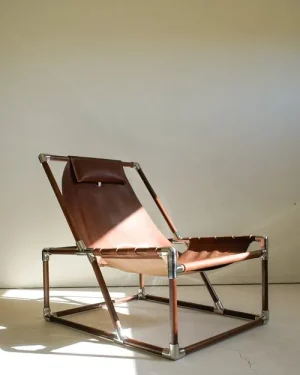
Marina Sling – Lounge Chair
By CHANDLER MCLELLAN
€2.588 -
 In stock
Luna Chair
By Arbore x Cezar Moldovan
€1.988 -
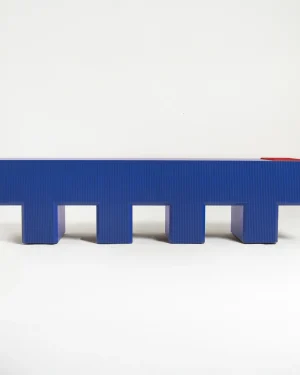
Lego Bench With Storage Slot
By Yet Design Studio
€2.990 This product has multiple variants. The options may be chosen on the product page -
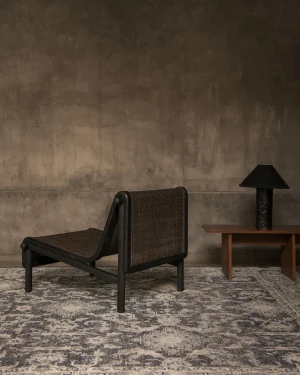
Rahi Lounge Chair
By Project 810
€1.500 This product has multiple variants. The options may be chosen on the product page -

Jell – Asymmetric Armchair
By Alter Ego Studio
€7.220 -
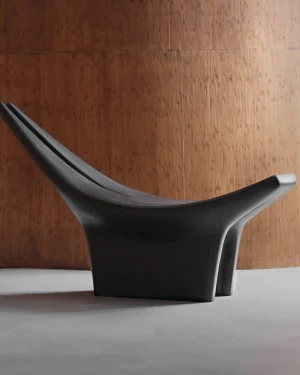
Dym Lounge Chair
By ZEMNA
€7.500 -
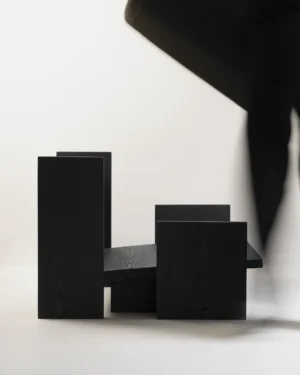 In stock
Brut Lounge Chair | Monolith Wood Edition
By małe dobra
€1.500 -
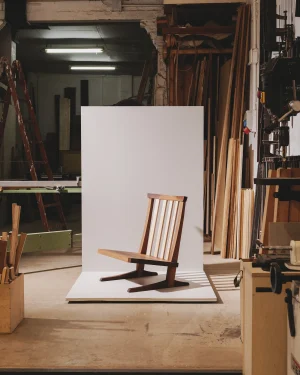
Carme Low Chair
By Mike Hausmann
€4.200 -

Bend – Upholstered Armchair
By Alter Ego Studio
€4.880 -
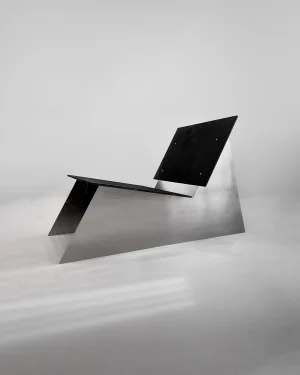 In stock
Aluminium Blackwood Lounge Chair
By case studios
€1.571 -
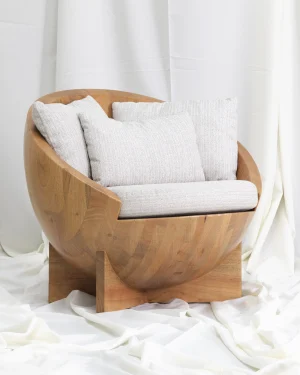 In stock
Sanctuary – Wood Cocoon Lounge Chair
By Laluz Handcraft
€6.372 -
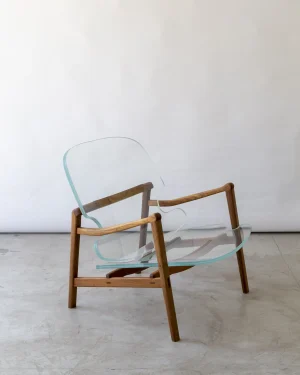
Serena – Glass & Wood Armchair
By PROSA
€6.000 -

Domna Armchair
By FAINA
€5.870 -
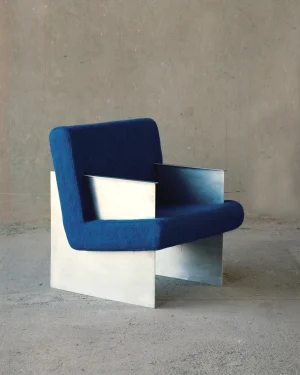
Sword Armchair
By Around the Studio
€3.900 -
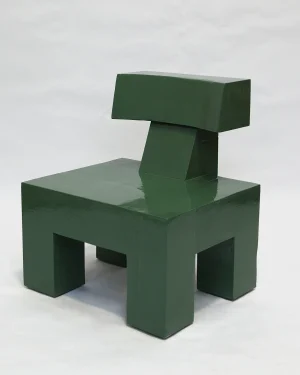 In stock
Practice Lounge Chair
By Studio Fabius Clovis
€2.895 -
 In stock
Toptun Lounge Chair
By FAINA
€2.420 This product has multiple variants. The options may be chosen on the product page -

Markfield’s – Lounge Chairs
By StorqueStudios
€6.457 -
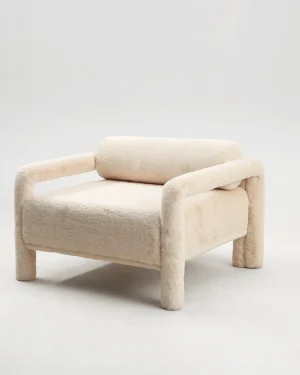
Prowling Lounge Chair
By FURN OBJECT
€2.250 -
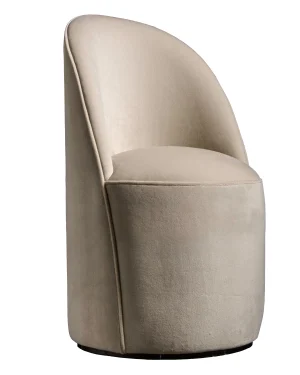
Elisabetta – Modern Swivel Dressing Chair
By Costantini Design
€3.091 -
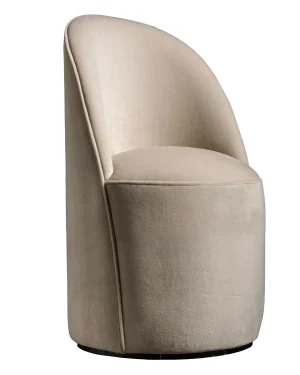
Elisabetta – Modern Swivel Dressing Chair
By Costantini Design
€3.320 -
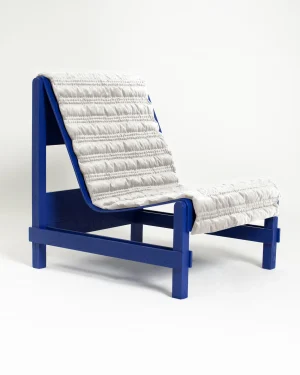
Ripple Armchair
By Yet Design Studio
€4.120 This product has multiple variants. The options may be chosen on the product page -
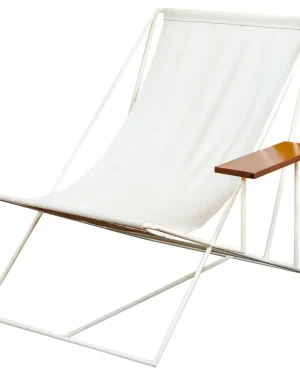
Transat – Lounge Chair
By Fi
€3.500 -
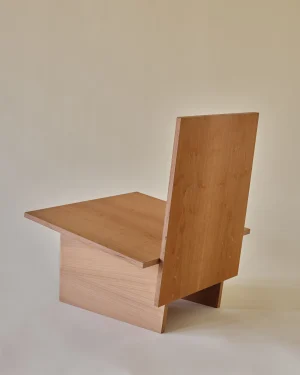 Sold
SoldDon – Minimalist Cherry Plywood Lounge Chair
By Mock Studio
€1.200 -
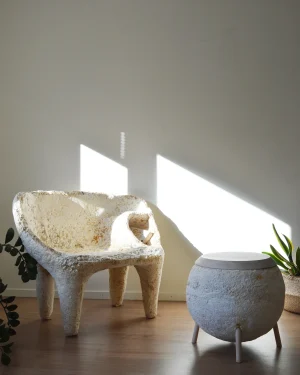 In stock
Zwampen – Mycelium Lounge Chair
By Olle Sahlqvist
Price Upon Request
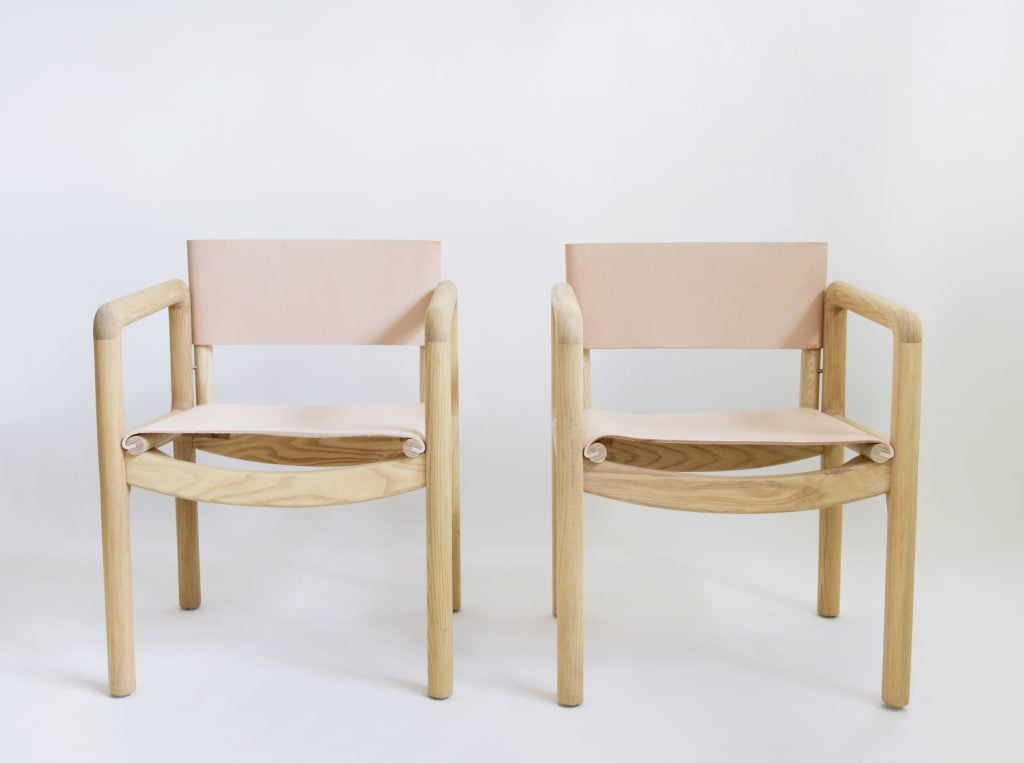
Minimalist lounge chairs are built around restraint: a single material doing most of the work, joints kept visible or hidden with the same discipline, and a silhouette that holds its shape without ornament. Studios working this way favor aluminum, oak, walnut, pine, stainless steel and pressed plywood, often paired with a plain textile seat, and they rely on metalwork, joinery, veneering or upholstery rather than applied decoration. The result is a chair that reads as one gesture rather than a sum of parts.
What makes a lounge chair minimalist
A minimalist lounge chair strips the brief down to seat, back and support, then asks each element to carry its own weight, literally. Frames in aluminum or stainless steel tend toward thin profiles and welded or bolted joints left exposed as part of the design. Wood versions, in oak, walnut or pine, rely on joinery or veneering to keep seams tight and grain unbroken across arms and legs.
Color stays close to the material: black and silver for metal, beige, brown or off-white for upholstered seats, gray or frosted finishes where a studio wants to mute reflections. Nothing is painted to hide what the chair is made of.
Materials, finishes and editions on ADORNO
Within minimalist lounge chairs you find solid oak and walnut frames finished with oil or wax so the grain stays visible, plywood shells pressed into continuous curves, and aluminum or stainless steel bodies left raw, brushed or powder-coated in black and gray. Seats and backs often carry a textile cover in beige, brown or off-white, stitched in small upholstery runs, or a felted wool panel where a studio works with felting instead of woven cloth.
Some of these chairs come as open editions, made to a fixed specification whenever an order calls for it; others are limited editions or unique pieces, where small batches or one-offs change slightly from run to run. The full range of minimalist design on ADORNO spans these same materials across lighting, tables and accessories, if you want to carry the line beyond seating.
How to choose a minimalist lounge chair
Start with scale: a chair with a low back and wide seat reads calmer in a small room than one with a tall, narrow frame, even if the footprint is similar. Seat height matters more than it looks, since minimalist frames often sit a few centimeters lower than an upholstered armchair, which changes how the chair relates to a side table or a sofa.
Match finish to light. Brushed aluminum and pale oak soften reflections in rooms with strong daylight, while black steel or dark walnut hold their own under lamplight. If you already own pieces from the wooden lounge chairs range, a metal-framed minimalist chair can sit alongside them without competing, since the restraint of line matters more than matching material.
Where these chairs sit well
Minimalist lounge chairs suit rooms where the chair itself is meant to be noticed before anything placed on it: a reading corner, a window bay, a study. They also work as a single, quiet addition to a living room lounge chairs arrangement, set apart from a sofa rather than paired with it. In bedrooms, a low chair in oak or pine with a plain textile seat reads as furniture, not as a style statement.
Caring for the material
Oak, walnut and pine ask for the same basic care: keep them out of direct sun to slow color change, wipe spills before they sit on the grain, and re-oil or re-wax occasionally if the finish is open rather than lacquered. Aluminum and stainless steel need little beyond a dry cloth, though powder-coated surfaces can chip if dragged across stone or concrete floors. Textile and felted seats benefit from regular brushing and should be spot-cleaned rather than soaked, since both wool and cotton can shrink unevenly once wet.
For the wider group these chairs belong to, the full lounge chair range covers every style and material side by side, useful if you are comparing a minimalist frame against something more upholstered before deciding what a room needs.
How do I choose a minimalist lounge chair?
Look at the frame first: aluminum and stainless steel read cool and hold tight lines, oak, walnut and pine warm a room and soften with age. Match the base to the floor and let one material carry the chair.
What materials are minimalist lounge chairs usually made from?
Aluminum, stainless steel and other metals for pared-back frames, oak, walnut and pine for warmth, and plywood where a single curved shell forms seat and back. Textile upholstery often covers the seat alone, leaving the structure visible.
How do I care for the material?
Wipe metal and plywood with a dry or slightly damp cloth, keep wood away from direct heat and moisture, and vacuum textile upholstery regularly, blotting spills right away rather than rubbing.
What size and seat height should I expect?
Most lounge chairs sit lower and deeper than a dining chair, built for reclining rather than sitting upright. The maker can confirm exact measurements with Chat with the maker on the piece's page.
Which rooms suit a minimalist lounge chair?
Living rooms, reading corners and bedrooms where one chair stands apart rather than blending into a set. Their plain lines also hold up well in open-plan or small spaces with little else around them.
How does buying from ADORNO work, including shipping and returns?
Shipping is insured and worldwide, with a 14-day return policy, though made-to-order pieces are excluded. Every piece comes with a certificate of authenticity, backed by a lowest-price guarantee.