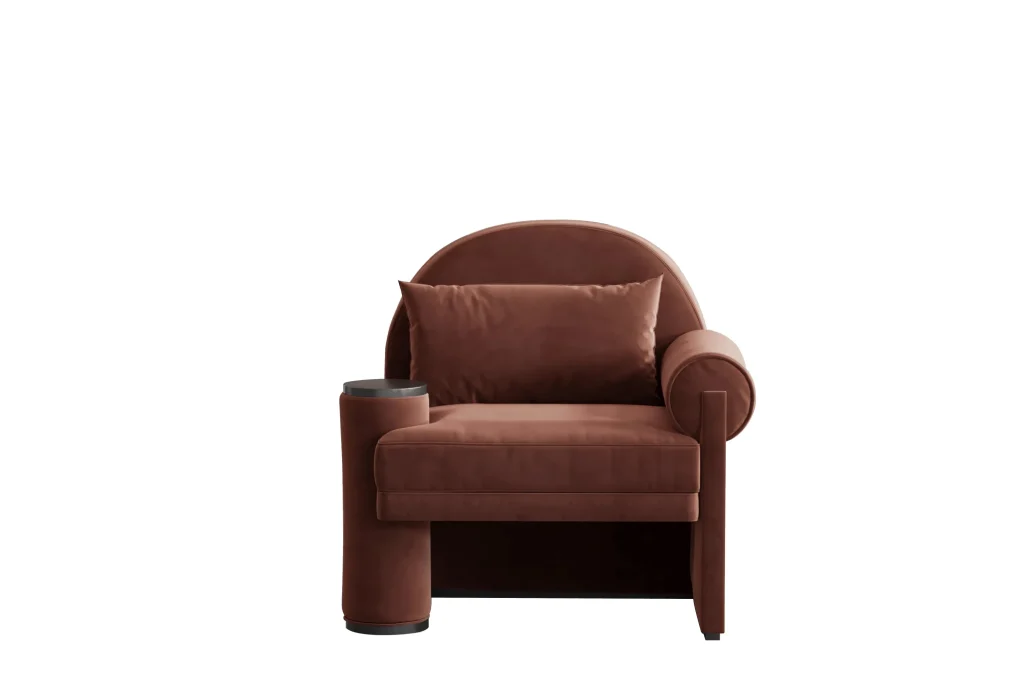

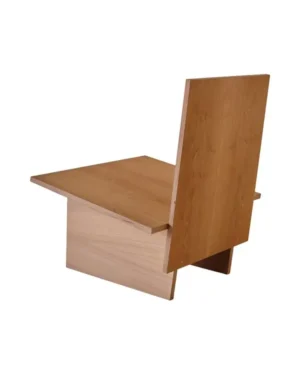
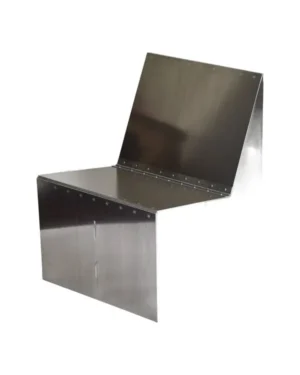
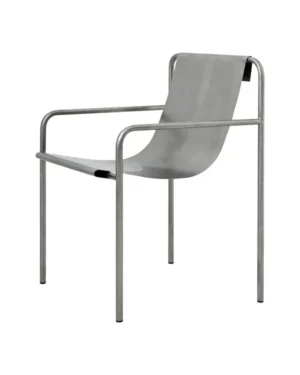
-
 In stock
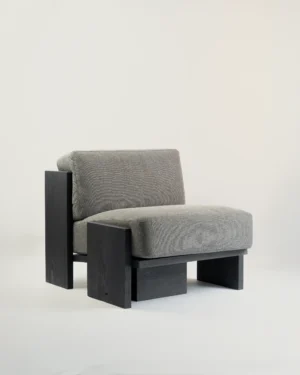
Brut Lounge Chair | Re-enchantment
By małe dobra
€1.500 -
 In stock
Loungechair
By FlatFlat
€515 -

Lapis – Lounge Foam Chair
By Pablo Octavio
€3.100 This product has multiple variants. The options may be chosen on the product page -

Dessert – Steel Chair
By SALAK Studio
€790 -

010 – Lounge Chair
By OFAA
€3.000 -

Katamaran Rocking Chair
By Viktor Palnychenko
€4.400 -
 In stock
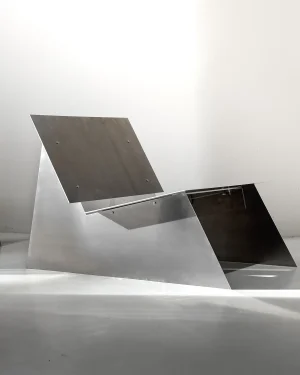
Aluminium Lounge Chair
By case studios
€1.571 -
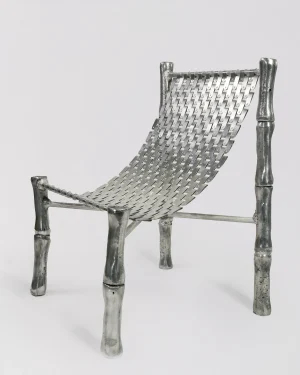
Bone Chair – Aluminum Lounge Chair
By BY JAMPS
€4.000 -
 In stock
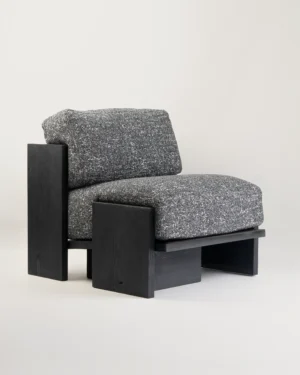
Brut Lounge Chair | 2.0 Edition
By małe dobra
€1.500 -
 In stock
Block Lounge
By Heaps & Woods
€4.250 - €4.475 This product has multiple variants. The options may be chosen on the product page -

Eocene – Lounge Chair
By Epoche Studio
€5.875 -
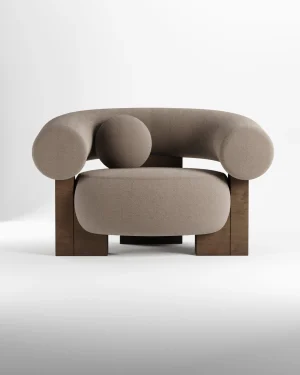
Cassette – Upholstered Lounge Chair
By Alter Ego Studio
€5.860 -
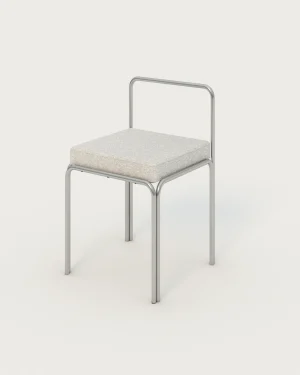
Sali – Upholstered Chair
By SALAK Studio
€620 This product has multiple variants. The options may be chosen on the product page -
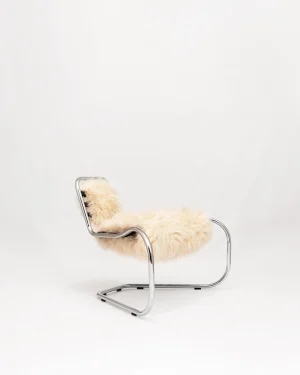 In stock
Curvy – Steel & Fur Armchair
By Luca Pasqualotti Architect
€3.885 This product has multiple variants. The options may be chosen on the product page -

Lapis – Lounge Chair With Ottoman
By Pablo Octavio
€4.150 This product has multiple variants. The options may be chosen on the product page -
 In stock
Luna Chair
By Arbore x Cezar Moldovan
€1.988 -
 In stock
Kafka Lounge Chair
By Arbore x Cezar Moldovan
€6.780 -
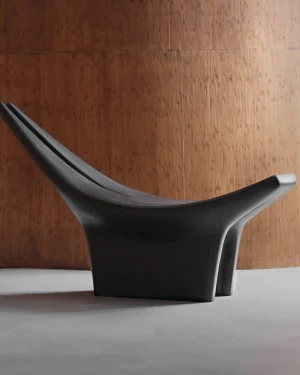
Dym Lounge Chair
By ZEMNA
€7.500 -
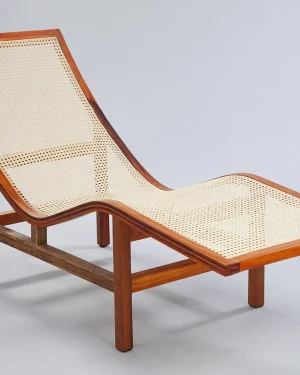
Chaise Sossego
By am.o atelier
€2.956 -
 In stock
Boni Lounge
By Heaps & Woods
€2.750 - €2.938 This product has multiple variants. The options may be chosen on the product page -
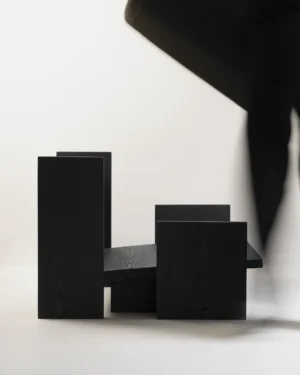 In stock
Brut Lounge Chair | Monolith Wood Edition
By małe dobra
€1.500 -
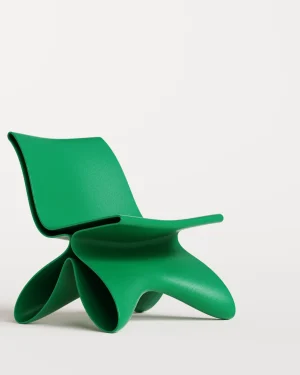
Sprout Lounge Chair
By noknok
€2.075 -

Bend – Upholstered Armchair
By Alter Ego Studio
€4.880 -
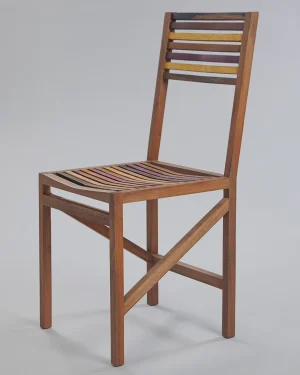
Moza Chair
By am.o atelier
€1.052 -
 In stock
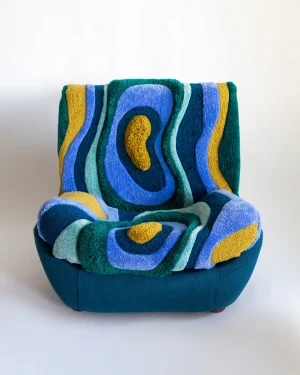
Atlantis Armchair Blue Wool Tufting
By Vintola Studio
€6.500 -
 In stock
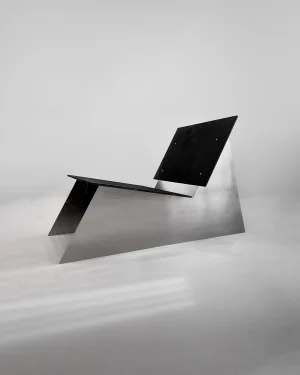
Aluminium Blackwood Lounge Chair
By case studios
€1.571 -
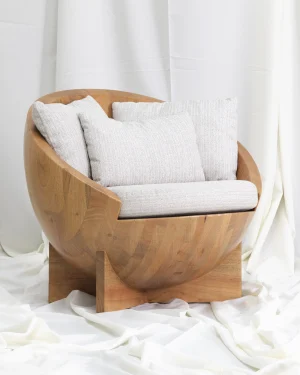 In stock
Sanctuary – Wood Cocoon Lounge Chair
By Laluz Handcraft
€6.372 -
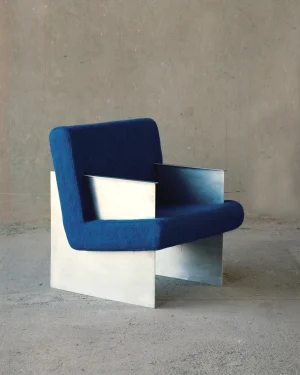
Sword Armchair
By Around the Studio
€3.900 -

Lapis – Foam Stool & Bench Set
By Pablo Octavio
€2.950 This product has multiple variants. The options may be chosen on the product page -
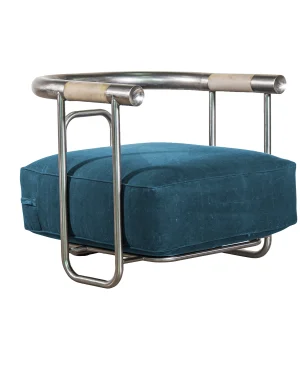
Baby Bull – Steel & Wax Canvas Lounge Chair
By Costantini Design
€9.850 -
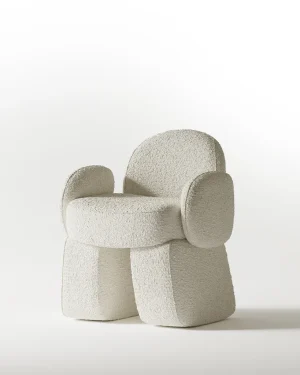
And Armchair
By hermhaus
€2.379 This product has multiple variants. The options may be chosen on the product page -

The Andes Huntsman Chair
By CHANDLER MCLELLAN
€3.695 -
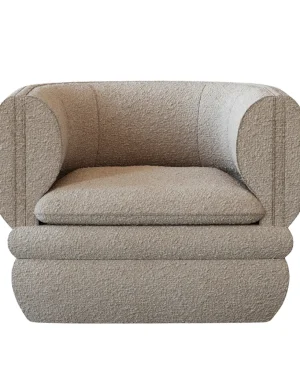
Paus Armchair
By hermhaus
€3.630 This product has multiple variants. The options may be chosen on the product page -
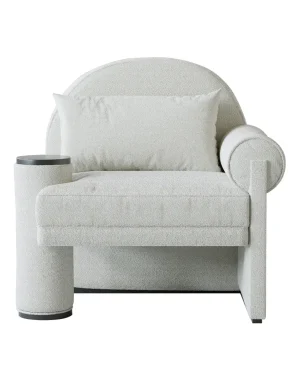
Moon Armchair & Coffee Table
By hermhaus
€3.030 This product has multiple variants. The options may be chosen on the product page -
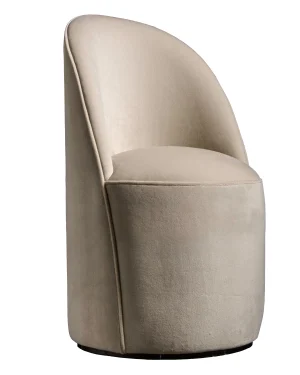
Elisabetta – Modern Swivel Dressing Chair
By Costantini Design
€3.091 -
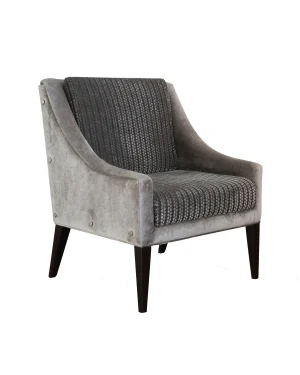
Lucina Chair – Upholstered Lounge Armchair
By Costantini Design
€3.650 -
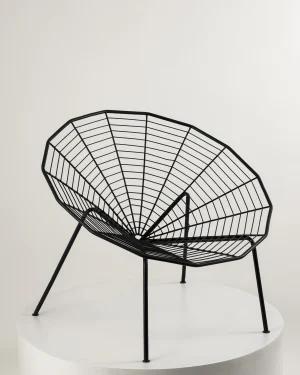
Spidey – Iron Lounge Chair
By Nama Home
€2.725 -
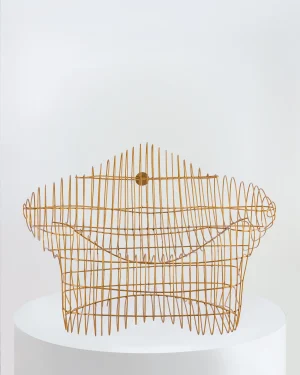
Starfish – Stainless Steel Lounge Chair
By Nama Home
€3.185 -
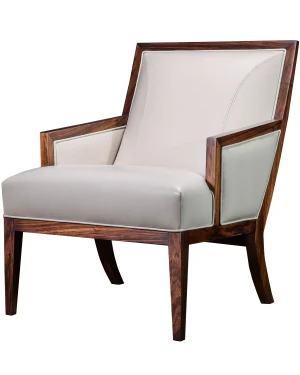
Belgrano – Contemporary Lounge Chair In Wood And Leather
By Costantini Design
€4.638 -
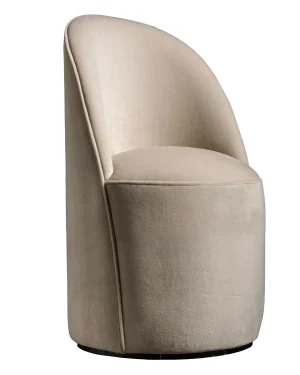
Elisabetta – Modern Swivel Dressing Chair
By Costantini Design
€3.320 -
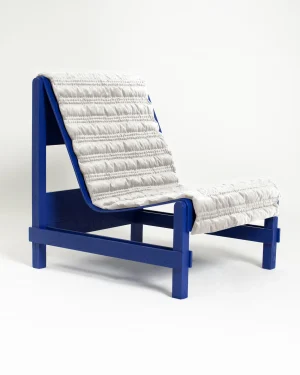
Ripple Armchair
By Yet Design Studio
€4.120 This product has multiple variants. The options may be chosen on the product page -
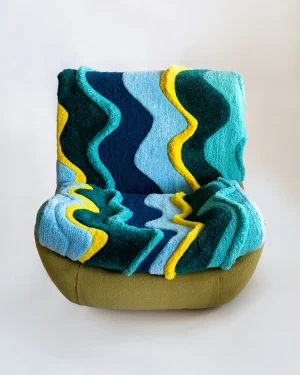 In stock
Atlantis Armchair Yellow Blue Wool Tufting
By Vintola Studio
€6.500 -
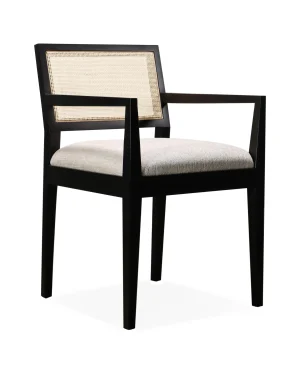
Recoleta – Caned Back Armchair
By Costantini Design
€1.375 -

Fos Chair Flor
By Daniel Orozco Estudio
€2.238 -
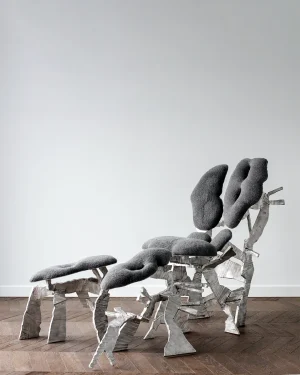
Insect Lounger – Recycled Cast Aluminum
By BY JAMPS
Price Upon Request
Modern lounge chairs favor a reduced vocabulary of shapes: frames that show their joints instead of hiding them, legs that stand clear of the floor, upholstery that sits close to the body rather than piled on top of it. Studios working in aluminum, stainless steel, oak, walnut and pine build them through cabinetmaking, metalwork, upholstery and leatherwork, often finishing the same shell in leather, textile or painted surfaces. The chairs read as architecture first and comfort second, though with a good frame the two rarely pull apart.
What makes a lounge chair read as modern
Legs are usually aluminum or stainless steel, set at a straight or gently splayed angle, visible rather than boxed in by a skirt. Wooden shells in oak, walnut or pine are left with flat, continuous planes so the grain reads as one surface instead of a pattern of carved details. Padding is lean rather than deep, stretched tight under leather or textile instead of gathered into soft folds.
Joints are a signal here: where older seating forms disguise how a chair holds together, these pieces let the structure show. A welded steel frame, a mortised oak joint or a stitched leather seam becomes part of the design rather than something to cover.
Materials, finishes and editions on ADORNO
The range changes as pieces sell and new work arrives, but the kinds of chair found here stay consistent. Expect to see:
- Frames in aluminum or stainless steel, sometimes paired with stone or wood for the seat itself
- Shells and legs in oak, walnut or pine, worked through wood and cabinetmaking
- Seats finished in leather, textile or foam built up under upholstery and leatherwork
- Colors running from black, white and ivory to beige, brown and the occasional light blue or frosted surface
- Open editions for everyday use, alongside limited editions and unique pieces for anyone building a smaller, more considered collection
Chairs in solid wood and metal frames cover most of what sits in this part of ADORNO, with textile and leather upholstery used across both.
How to choose a lounge chair for a room
Scale matters before color or finish. A chair with a wide, low seat and open arms needs more floor space around it to read as a resting point rather than an obstacle; a narrower frame with a higher back works in a corner or beside a window without crowding the room.
Seat and arm height should match how the chair will be used: lower seats suit reading and conversation, while a slightly raised seat and firmer foam make it easier to get in and out. Match metal tones to existing hardware or lighting, and let wood species echo a nearby table or floor rather than compete with it.
Placement is also about light: a lounge chair set near a window earns its keep, catching daylight on the upholstery and giving the frame somewhere to cast a shadow.
Where modern lounge chairs sit well
Living rooms are the obvious home, paired with a low table and a floor or reading lamp at arm's reach. The same chairs work as accent seating in a bedroom corner, a study, or an entryway, where a single piece can anchor an otherwise open space. Within the wider living room lounge chair range, scale down for a bedroom nook and up for an open-plan living area.
They also pair naturally with other pieces built in the same spirit: a steel-framed side table, a pared-back floor lamp, a low console. Looking across modern tables alongside a lounge chair helps keep proportions and finishes consistent in one room.
Caring for metal, wood and upholstered finishes
Oak and walnut darken slightly with age and light exposure; pine stays pale longer but marks more easily, so a felt pad under anything set on the arm or seat helps. Wipe wood with a dry or barely damp cloth and keep it out of direct sun to slow uneven fading.
Aluminum will not rust but can pick up fine scratches, while stainless steel wipes clean with a soft cloth and shows fingerprints more readily on matte finishes. Leather benefits from an occasional conditioner and should stay away from direct heat sources; foam seating holds its shape longer if cushions are rotated rather than always sat on the same spot.
For the full spread of lounge seating, the lounge chair category covers every style and material together, while every modern piece on ADORNO places these chairs alongside modern lighting, tables and objects built along the same lines.
How do I choose a modern lounge chair?
Start with the frame material and how the seat is upholstered, since these set the chair's weight and feel. Match proportions to the room and check seat height against the way you sit, low and reclined or upright.
What materials are modern lounge chairs made from?
Aluminum and stainless steel frames pair with leather, foam or textile upholstery, while oak, walnut and pine bodies lean on wood and cabinetmaking. Stone appears in bases or accents, adding weight and a cool surface.
How do I care for a leather or wood lounge chair?
Wipe leather with a dry cloth and keep it from direct heat, which dries and cracks the hide over time. Oak and walnut darken slightly with light; dust regularly and avoid standing water on any wood surface.
What size and seat height should a lounge chair have?
Most modern lounge chairs sit between 15 and 18 inches at the seat, close to standard dining height, with deeper, lower frames built for reclining. Check arm height too, since it affects how the chair reads in a room.
Which rooms suit a modern lounge chair?
Living rooms and reading corners are the obvious fit, but a single chair also anchors a bedroom corner or a wide hallway. Pair it with a side table and enough clearance to recline the back fully.
How does shipping, returns and authenticity work on ADORNO?
Shipping is insured and worldwide. Returns are accepted within 14 days, except made-to-order pieces, and every chair arrives with a certificate of authenticity. For piece-specific questions, chat with the maker on the piece's page.