
-
 In stock
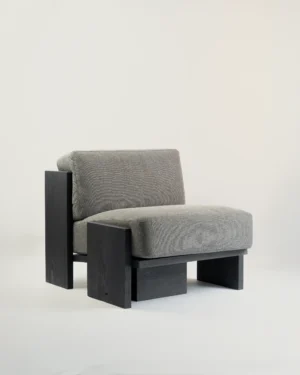
Brut Lounge Chair | Re-enchantment
By małe dobra
€1.500 -
 In stock
Loungechair
By FlatFlat
€515 -

Lapis – Lounge Foam Chair
By Pablo Octavio
€3.100 This product has multiple variants. The options may be chosen on the product page -

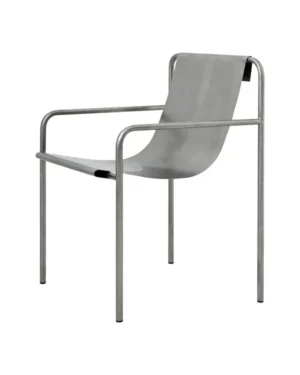
Dessert – Steel Chair
By SALAK Studio
€790 -

010 – Lounge Chair
By OFAA
€3.000 -

Katamaran Rocking Chair
By Viktor Palnychenko
€4.400 -
 In stock
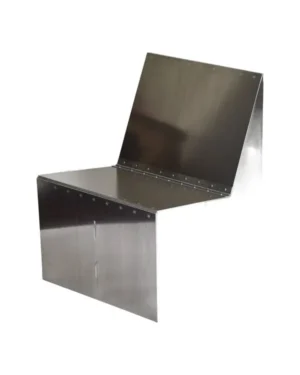
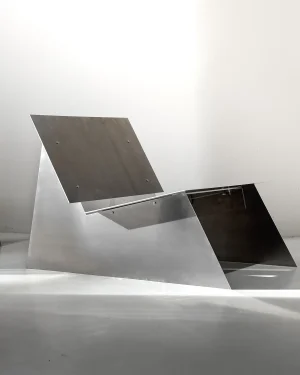
Aluminium Lounge Chair
By case studios
€1.571 -
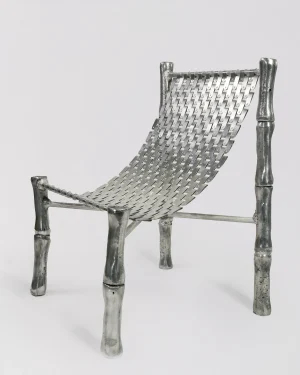
Bone Chair – Aluminum Lounge Chair
By BY JAMPS
€4.000 -
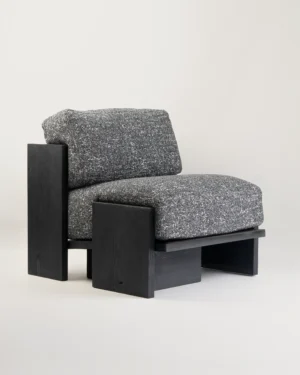 In stock
Brut Lounge Chair | 2.0 Edition
By małe dobra
€1.500 -
 In stock
Block Lounge
By Heaps & Woods
€4.250 - €4.475 This product has multiple variants. The options may be chosen on the product page -

Eocene – Lounge Chair
By Epoche Studio
€5.875 -
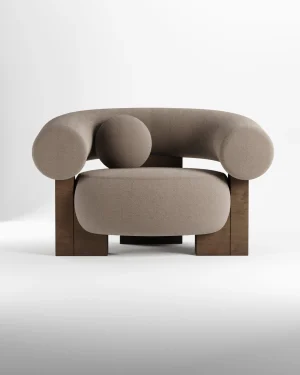
Cassette – Upholstered Lounge Chair
By Alter Ego Studio
€5.860 -

Elefante- Brazilian Wood Chair
By Estúdio Ramiros
€2.456 -
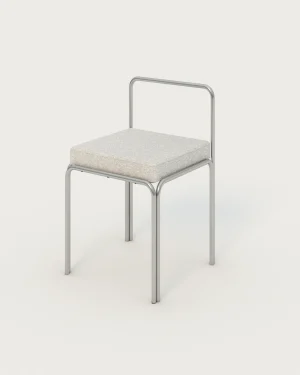
Sali – Upholstered Chair
By SALAK Studio
€620 This product has multiple variants. The options may be chosen on the product page -
 In stock
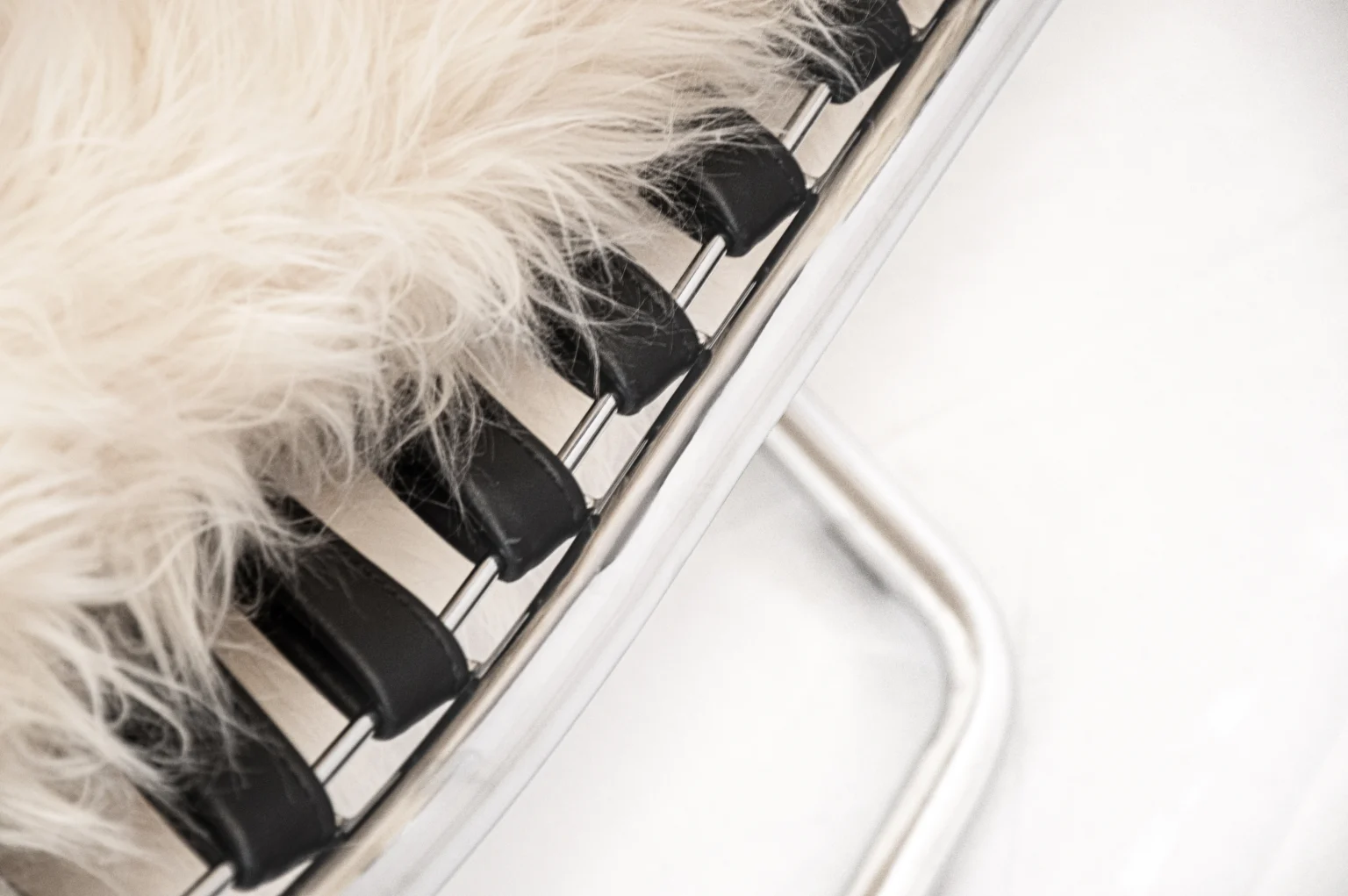
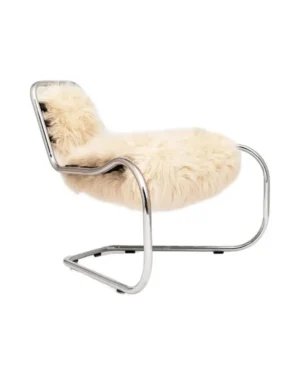
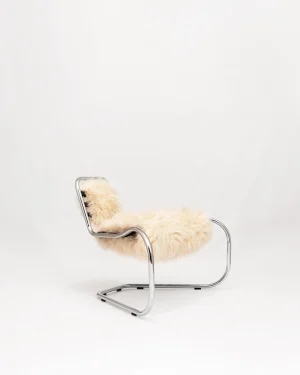
Curvy – Steel & Fur Armchair
By Luca Pasqualotti Architect
€3.885 This product has multiple variants. The options may be chosen on the product page -
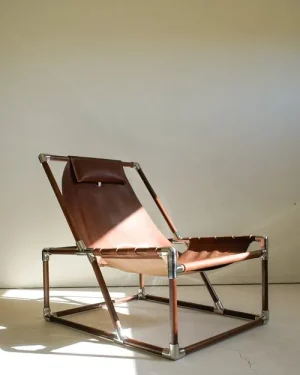
Marina Sling – Lounge Chair
By CHANDLER MCLELLAN
€2.588 -

Lapis – Lounge Chair With Ottoman
By Pablo Octavio
€4.150 This product has multiple variants. The options may be chosen on the product page -
 In stock
Luna Chair
By Arbore x Cezar Moldovan
€1.988 -
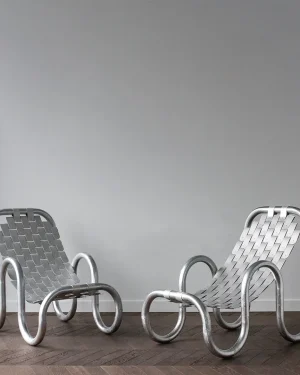
Chainlink – Outdoor Chair
By BY JAMPS
€1.250 -
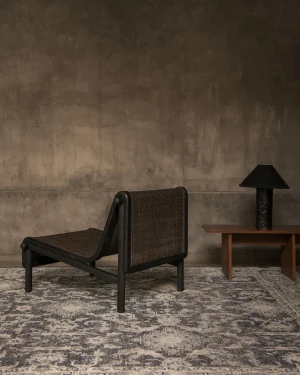
Rahi Lounge Chair
By Project 810
€1.500 This product has multiple variants. The options may be chosen on the product page -
 In stock
Kafka Lounge Chair
By Arbore x Cezar Moldovan
€6.780 -

Jell – Asymmetric Armchair
By Alter Ego Studio
€7.220 -
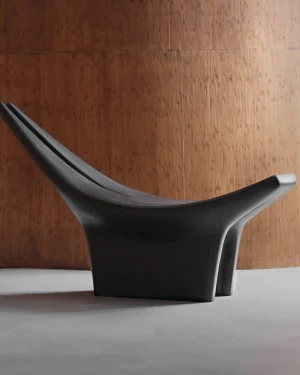
Dym Lounge Chair
By ZEMNA
€7.500 -
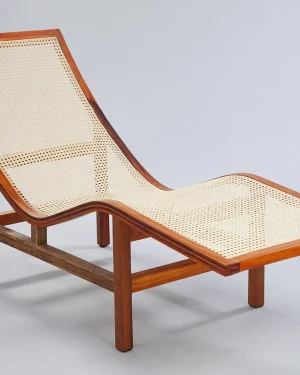
Chaise Sossego
By am.o atelier
€2.956 -
 In stock
Boni Lounge
By Heaps & Woods
€2.750 - €2.938 This product has multiple variants. The options may be chosen on the product page -
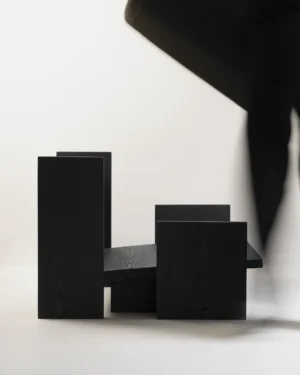 In stock
Brut Lounge Chair | Monolith Wood Edition
By małe dobra
€1.500 -
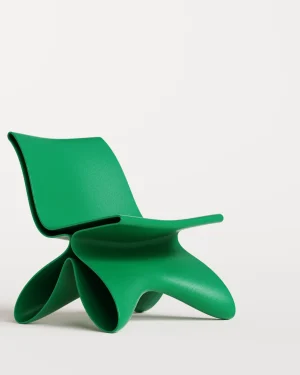
Sprout Lounge Chair
By noknok
€2.075 -
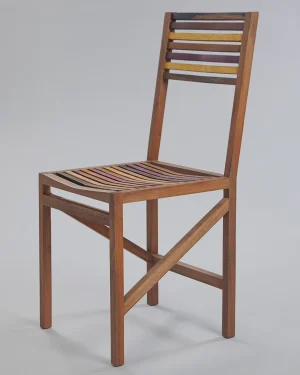
Moza Chair
By am.o atelier
€1.052 -
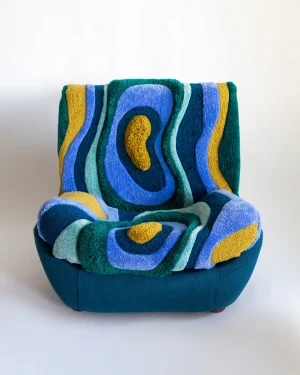 In stock
Atlantis Armchair Blue Wool Tufting
By Vintola Studio
€6.500 -
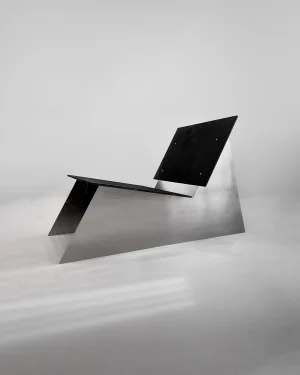 In stock
Aluminium Blackwood Lounge Chair
By case studios
€1.571 -
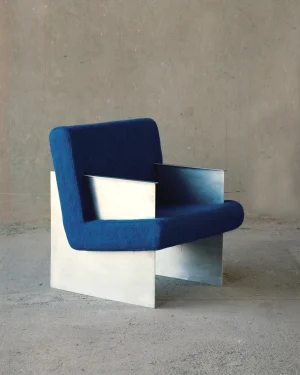
Sword Armchair
By Around the Studio
€3.900 -

Lapis – Foam Stool & Bench Set
By Pablo Octavio
€2.950 This product has multiple variants. The options may be chosen on the product page -
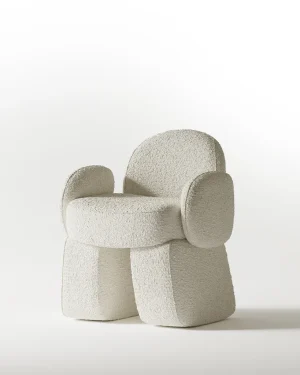
And Armchair
By hermhaus
€2.379 This product has multiple variants. The options may be chosen on the product page -
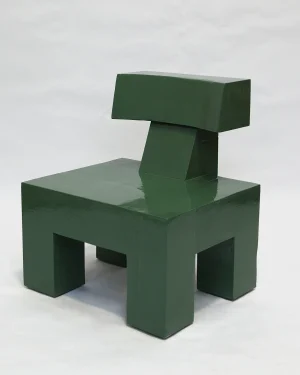 In stock
Practice Lounge Chair
By Studio Fabius Clovis
€2.895 -
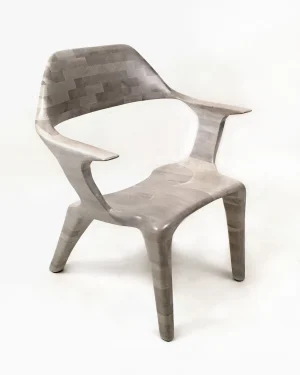
D2 Lounge Chair In Bleached Cherry
By Aaron Scott
€4.320 -
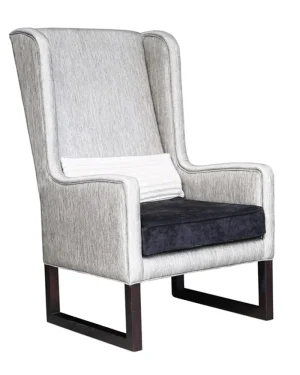
Matteo Chair – High Back Upholstered Wing Chair
By Costantini Design
€3.005 -
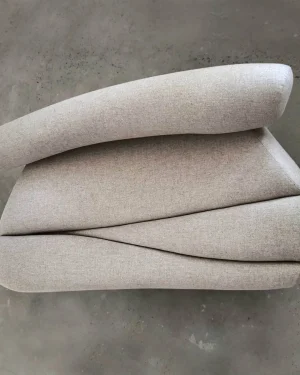
Viter Armchair
By ZEMNA
€7.100 -

Tuman Lounge Chair in Textiles and Wood
By ZEMNA
€4.980 -
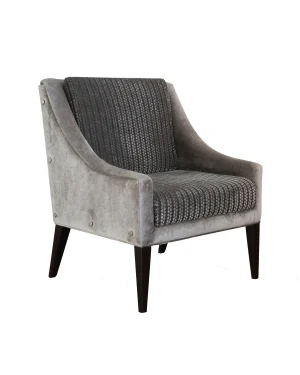
Lucina Chair – Upholstered Lounge Armchair
By Costantini Design
€3.650 -
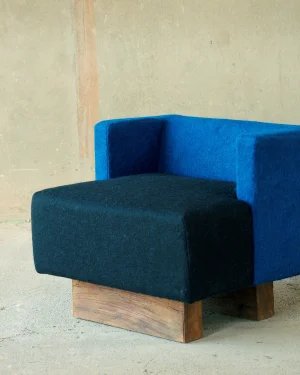
Warrior Neckless Armchair
By Around the Studio
€2.450 -
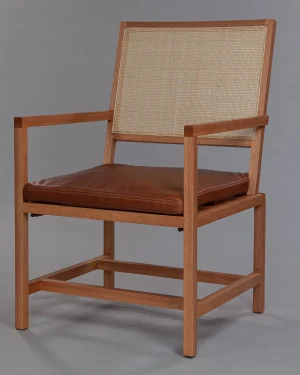
Nº2 Armchair – Jequitibá And Sucupira Wood
By am.o atelier
€1.842 -
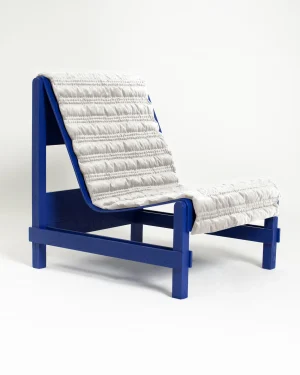
Ripple Armchair
By Yet Design Studio
€4.120 This product has multiple variants. The options may be chosen on the product page -
 In stock
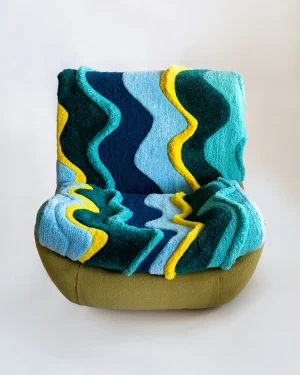
Atlantis Armchair Yellow Blue Wool Tufting
By Vintola Studio
€6.500 -
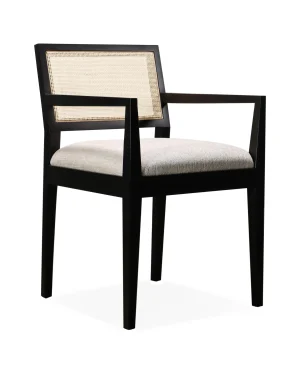
Recoleta – Caned Back Armchair
By Costantini Design
€1.375 -
 Sold
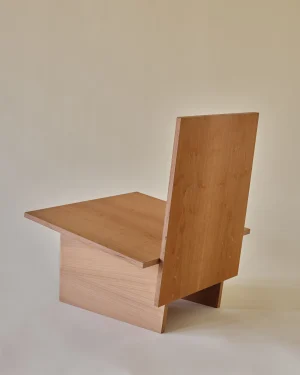
SoldDon – Minimalist Cherry Plywood Lounge Chair
By Mock Studio
€1.200 -
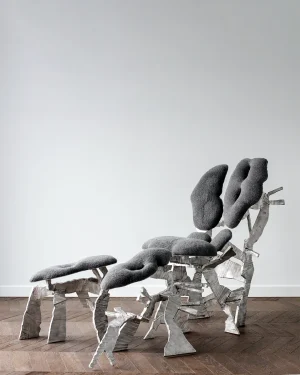
Insect Lounger – Recycled Cast Aluminum
By BY JAMPS
Price Upon Request
Contemporary lounge chairs bring together leather, stone, oak and pine wood, foam, aluminum, textile and plywood in forms built for sitting back rather than sitting up. Studios working across wood and cabinetmaking, upholstery, metalwork, leatherwork, textilework, weaving, painting and drawing, and sculpting shape each chair toward a single idea: a seat low enough and angled enough to hold the body at rest. Lines stay clean, joints stay visible or disappear entirely depending on the maker's hand, and the result reads as considered rather than decorative.
What makes a lounge chair contemporary
The contemporary label points to restraint more than to any one material. A frame in oak or pine is left to show its grain rather than hidden under paint; aluminum is worked into a single curved shell rather than bent into ornament; foam and textile are paired so the upholstery holds its shape without looking stiff. Color tends toward black, brown, beige, ivory or white, sometimes paired as beige and brown, occasionally broken by a frosted finish or a pale blue that reads as calm rather than bold.
Materials and techniques found here
Leather and textile upholstery sit over foam padding built to take daily weight without sagging early. Stone appears mostly in bases and side tables paired with a chair rather than in the seat itself, since its weight asks for a fixed point rather than a rocking or swiveling frame. Oak and pine wood go through cabinetmaking that leaves joints exposed or nearly invisible, aluminum goes through metalwork that can be cast, bent or welded into a shell, and plywood is pressed into curved seats that keep a chair light enough to move. Finishing techniques vary by studio: some pieces are painted or drawn on by hand, others are woven in cane or cord, others sculpted as a single solid form.
Editions vary by piece. Some chairs come from open editions meant to be reproduced on demand, others from limited editions tied to a small run, and a smaller number stand as unique pieces, shaped once and not repeated.
How to choose a contemporary lounge chair
Start with scale: a chair with a deep seat and reclined back needs more floor clearance than an upright reading chair, so measure the space around it, not just its footprint. Seat height matters as much as seat width, since a chair set too low feels hard to rise from and one set too high loses the lounge quality that gives the category its name. Match the frame's finish to what already sits nearby, an oak frame beside existing wood tones, a black or aluminum frame beside metal fixtures already in the room.
- Leather or textile upholstery for a seat that takes daily use
- Oak, pine or plywood for a frame with visible grain and joinery
- Aluminum or steel for a lighter chair that moves easily between rooms
- Stone accents where the chair pairs with a fixed side table
Placement follows the same logic as scale. A single contemporary lounge chair works as a reading corner near a window, a pair faces a sofa across a low table, and a cluster of two or three builds a conversation area without the formality of a full seating set. For a closer look at pieces sized and finished for the living room specifically, the living room lounge chairs group narrows the same material range to that one setting.
Care by material
Leather wants regular dusting and a conditioner every year or two to stop it drying and cracking, kept away from direct heat and prolonged sun. Oak and pine wood take a light wax or oil periodically and darken gradually with age, which is normal rather than a flaw. Aluminum needs little beyond a damp cloth, since it resists rust in a way steel does not. Textile upholstery should be vacuumed and spot-cleaned rather than soaked, and foam padding holds its shape longest out of direct sun, which breaks it down over time.
Where to look next
The full range of seating in this shape and height sits under all lounge chairs, while every contemporary piece across furniture, lighting and objects is gathered under the contemporary style pages. For chairs built mainly from oak, pine or plywood, the wooden lounge chairs group narrows by material, and for aluminum or steel frames the metal lounge chairs group does the same. Taken together, they cover most of what defines contemporary lounge chairs today, from the wood they're joined from to the metal they're welded or cast in.
How do I choose a contemporary lounge chair?
Look at the frame material and upholstery together, since one carries the structure and the other sets the feel. Match the proportions to the room and pick a silhouette that holds its line from every angle.
What materials are contemporary lounge chairs made from?
Leather, textile and foam upholstery sit on frames of oak, pine, plywood or aluminum, often shaped through upholstery, wood and cabinetmaking, or metalwork. Each material brings its own weight, warmth and way of aging.
How do I care for a leather or textile lounge chair?
Wipe leather with a dry or slightly damp cloth and keep it from direct heat, which dries and cracks the surface. Vacuum textile upholstery regularly and treat stains promptly with a mild, fabric-appropriate cleaner.
What size is a standard lounge chair?
Most contemporary lounge chairs sit with a seat height between 15 and 18 inches, low enough to recline into but high enough to rise from easily. Exact dimensions vary by design, so check the piece's page for specifics.
Which rooms suit contemporary lounge chairs?
They anchor living rooms and reading corners well, and work equally in bedrooms or studies where a single, considered seat makes sense. Clean lines let them hold their own without crowding a space.
Does ADORNO offer worldwide shipping and returns?
Shipping is insured and worldwide. Returns are accepted within 14 days, except on made-to-order pieces, and every chair arrives with a certificate of authenticity.