

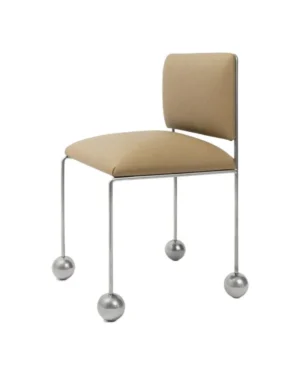
-

Mono Side Table in Travertine and Metal
By Yet Design Studio
€1.200 - €1.380 This product has multiple variants. The options may be chosen on the product page -
 In stock
“levedad” Usb
By Tributo
€78 - €99 This product has multiple variants. The options may be chosen on the product page -

Slant Book Stand – Marble, Brass and Oak Wood
By VAUST Studio
€6.600 -
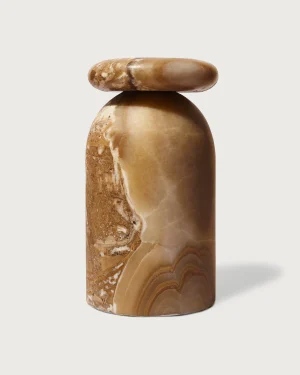 In stock
Cult Stool – Sculptural Side Table In Honey Onyx Marble Conglomerate
By Panorammma Atelier
€2.300 -
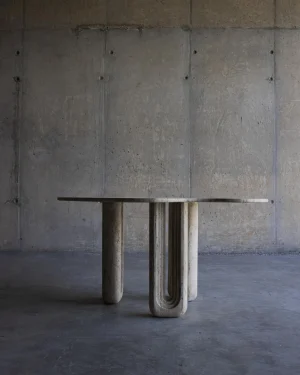 In stock
Amazonas High Coffee Table in Marble and Travertine
By Studio Ayres
€2.738 -

Display #3 Console Table in Stainless Steel and Stone
By Georgiev Kiril
€900 -
 In stock
Rocky Montage Coffee Table in Petrified Wood
By Odditi
€7.190 -
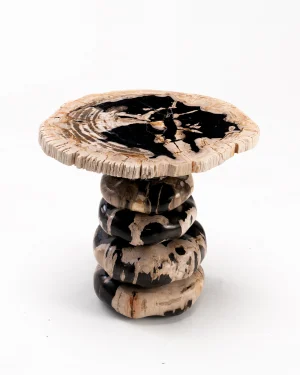
Dwayne Johnson Side Table in Petrified Wood
By Odditi
€1.480 -
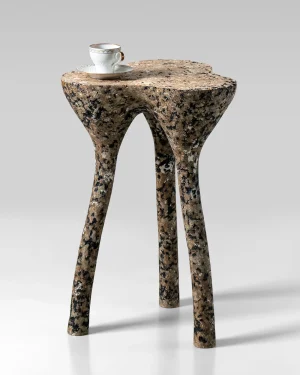 In stock
Beige Tripod Low Side Table In Paper Pulp And Cement
By Donatas Žukauskas
€1.150 -
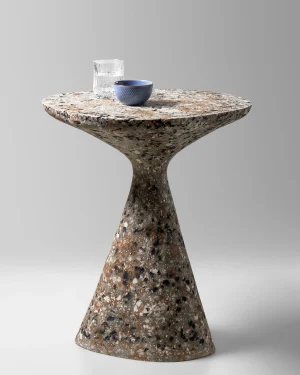
Beige Mottled Side Table In Paper Pulp And Cement
By Donatas Žukauskas
€1.100 -
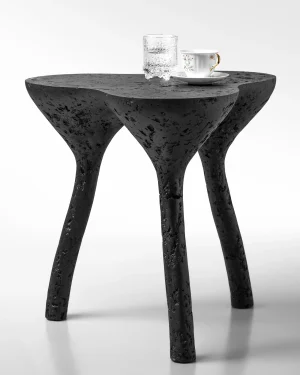
Black Tripod Coffee Table in Paper Pulp and Cement
By Donatas Žukauskas
€1.450 -
 In stock
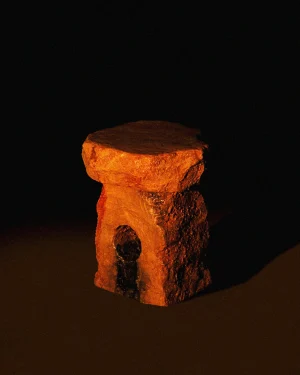
Volcán Side Table in Volcanic Stone
By LØRDAG & SØNDAG
€1.841 -
 In stock
La Cauna – Escabèl 01 Stool
By Pierre Klein
€900 -

Ludovica – Stone Stool / Side Table
By Studio Ayres
€1.960 This product has multiple variants. The options may be chosen on the product page -
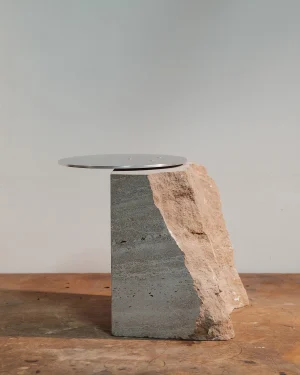
Fragments Side Table in Limestone and Aluminum
By Estudio Material
€3.300 -
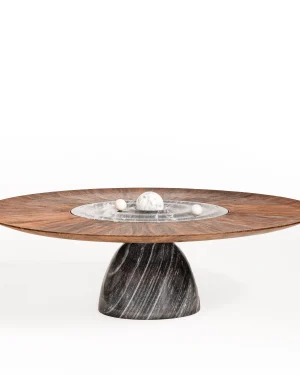
Ripple 2.0 Coffee Table in Teak Wood and Marble
By Tectona Grandis Furniture
€2.550 -
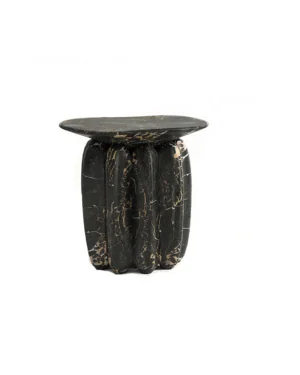
Bolero Side Table in Marble
By Alter Ego Studio
€7.260 - €8.240 This product has multiple variants. The options may be chosen on the product page -
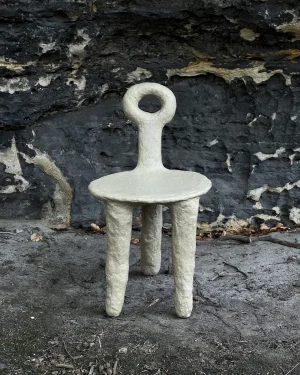
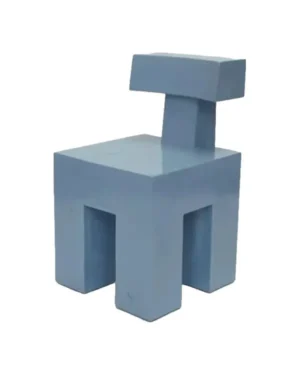
Sandstone Chair
By David Čáp
€1.000 -
15% off
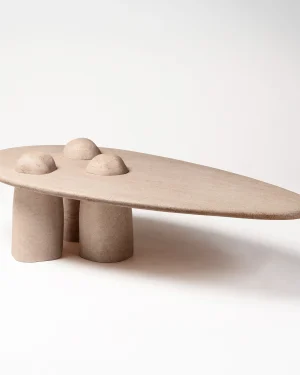
Rocky Montage Coffee Table In Sandstone
By Odditi
€4.950€4.208 -

Match! Studio Edition 001 Side Table in Marble
By please touch studio
€1.900 -

Element Side Table in Calacatta Viola Marble
By Vincent Mazenauer
€5.500 -
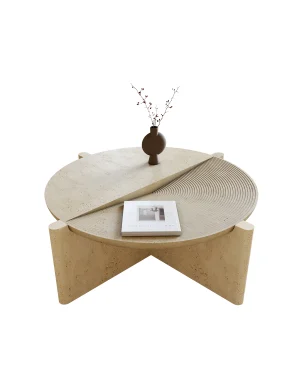
Arkhe No. 1 Round Coffee Table in Travertine
By Studio Kali
€6.170 -
 In stock
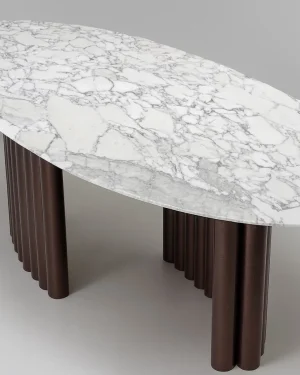
Cantus Dining Table in Arabescato Marble and Bronze
By DFdesignLab
€14.000 -

Lapis – Lounge Chair With Ottoman
By Pablo Octavio
€4.150 This product has multiple variants. The options may be chosen on the product page -
 In stock
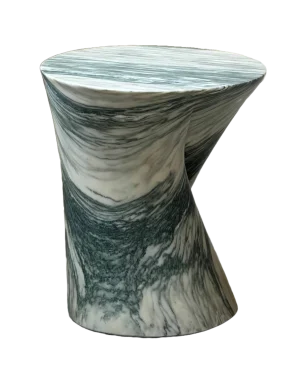
Departed Side Table in Cipollino Marble
By Studio TOOJ
€12.200 -

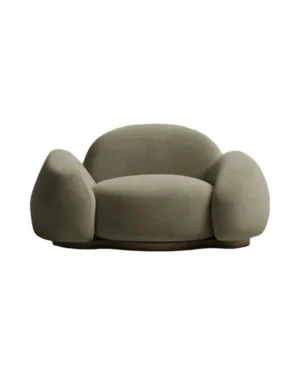
Lapis – Lounge Foam Chair
By Pablo Octavio
€3.100 This product has multiple variants. The options may be chosen on the product page -

Phylum Dining Table in Marble, Travertine and Oak
By CMX | Furniture
€23.707 -

Stryde Entryway Table in Quartz Sand
By Rollo Studio
€6.200 -
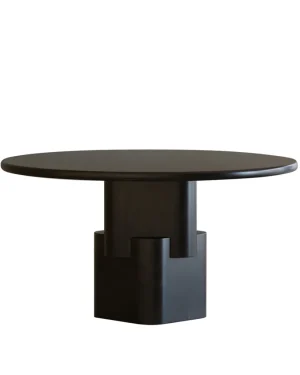
Hook Dining Table in Stone-Textured Lacquered MDF
By hermhaus
€3.632 -
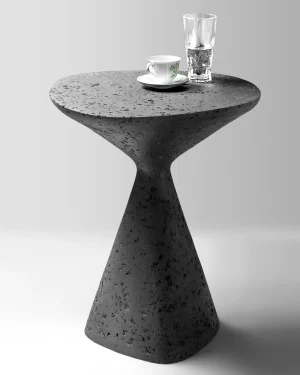
Black Mottled Side Table In Paper Pulp And Cement
By Donatas Žukauskas
€1.100 -
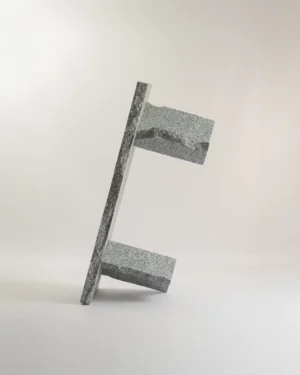 In stock
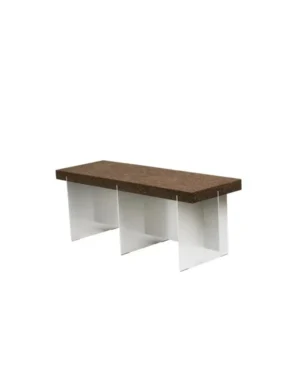
Filar Stone Bench | Re-enchantment
By małe dobra
€1.400 -
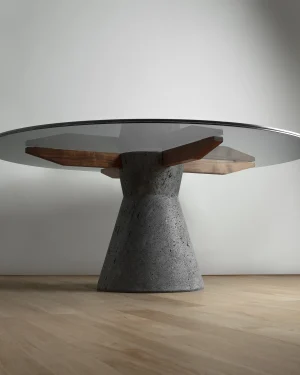 In stock
Stricta Dining Table in Lava Stone, Walnut and Glass
By CMX | Furniture
€17.241 -
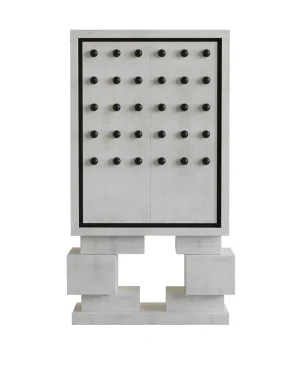
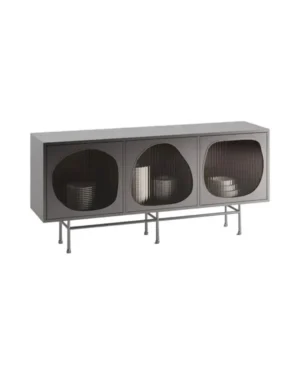
Sculpt – Bar Cabinet
By hermhaus
€4.829 This product has multiple variants. The options may be chosen on the product page -
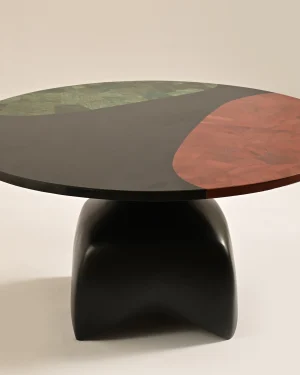
Jasper Coffee Table in Jasper Stone and Cast Aluminum
By LMNOH
€3.800 -
 In stock
Element Console Table in Green Picasso Marble
By Vincent Mazenauer
€18.500 -
 In stock
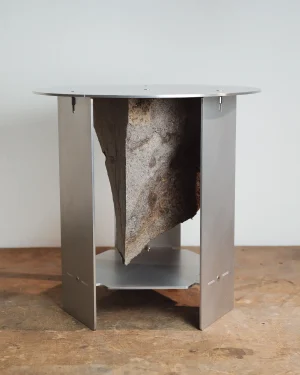
Fuera de Lugar Side Table in Natural Stone and Aluminum
By Estudio Material
€1.900 -

Olo Nightstand in Calcite, Marble and Onyx
By Panorammma Atelier
€2.990 -
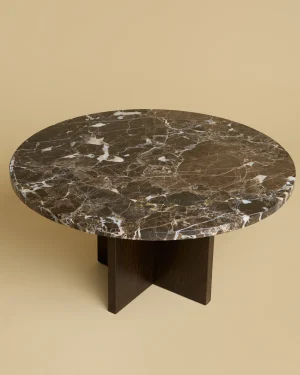
Tinian Coffee Table in Dark Emperador Marble and Oak
By Lebanto
€2.010 -

Lapis – Foam Daybed
By Pablo Octavio
€7.100 -
 In stock
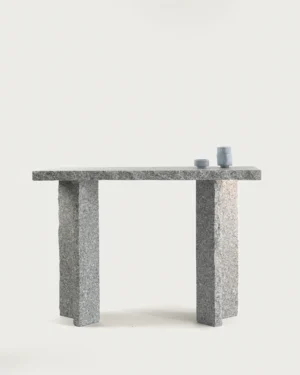
Filar Console Table in Granite
By małe dobra
€2.000 -
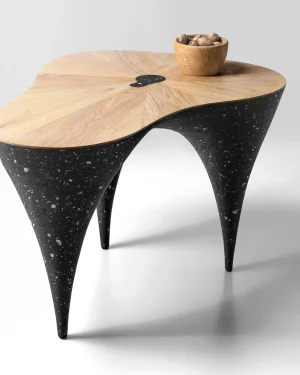
Black Still Poise Coffee Table in Paper Pulp, Cement and Oak
By Donatas Žukauskas
€2.450 -
 In stock
Into the Inferno Coffee Table in Petrified Wood and Stone
By Odditi
€6.185 -

Eoli Credenza In White Onyx, Postmodern Sideboard/cabinet
By Panorammma Atelier
€24.900 -

Coraza Side Table in Volcanic Stone and Stainless Steel
By Studio Mohs
€2.250 -
 In stock
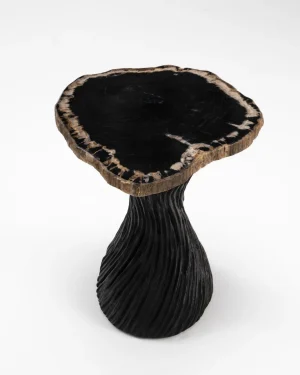
Twisted Fantasy Side Table in Petrified Wood and Acacia
By Odditi
€1.490 -
 In stock
Strata Low Square Side Table In Marble
By Iyo Hasegawa
€4.500 -
 In stock
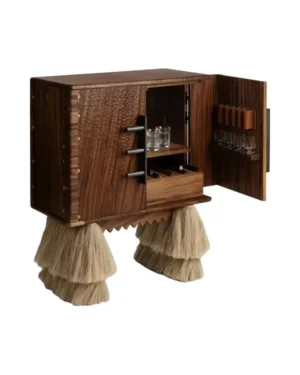
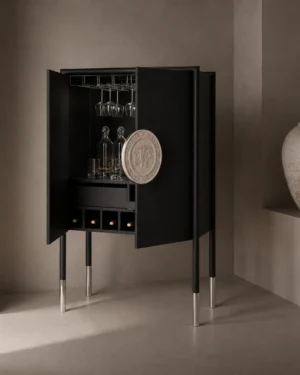
Puduhepa Liquor Cabinet
By MARAU
€25.000 -

Bloc Entryway Table in Quartz Sand
By Rollo Studio
€8.800 -

Lapis – Foam Stool & Bench Set
By Pablo Octavio
€2.950 This product has multiple variants. The options may be chosen on the product page -
 In stock
Temporal Collection, Exercise 1 Shelf
By Lucas Muñoz Muñoz
€45.000 -

Sofa With Natural Stone And Polished Brass
By Alter Ego Studio
€6.190 -
 In stock
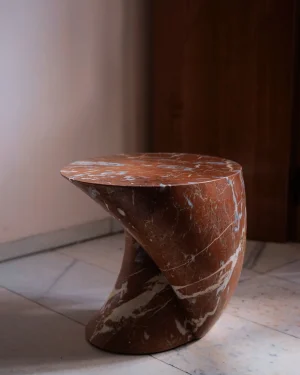
Departed Side Table in Rosso Francia Marble
By Studio TOOJ
€9.600 -
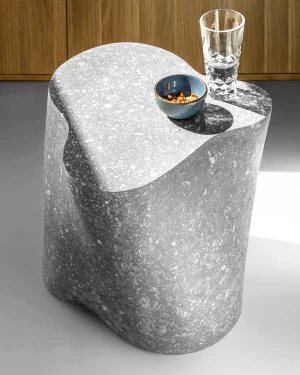
Handmade Concrete Coffee Table, Brutalist Stone-look Sculptural Accent Furniture
By Donatas Žukauskas
€1.150 -
 In stock
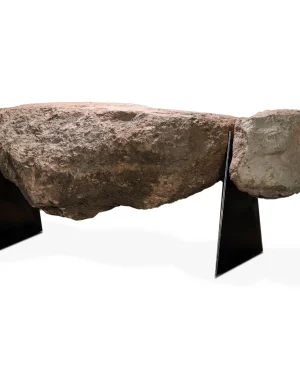
Fortezza – Sculptural Stone And Iron Functional Art Bench By William Stuart
By Costantini Design
€16.570
Stone furniture brings pieces cut, cast or carved from mineral mass into the room, each one built by studios working in marble, travertine, concrete and other natural stone. The weight of the material does the work a frame usually does, so a table or stool stands on its own mass rather than on joinery. These pieces come from quarries and casting studios across the world, each with its own way of cutting, polishing or pouring the stone.
What defines stone furniture
Stone used in furniture is read on sight: marble carries veining that runs through a slab like a map, travertine holds small pits left by the water that formed it, and concrete shows the fine grain of the mold it was cast in. Natural stone varies piece to piece, since no two blocks cut from the same quarry are identical. Color runs from cream and beige through gray, honey, black, burgundy and violet, depending on the mineral deposits and how the surface is finished.
Weight and density set this material apart from wood or metal. A stone console or side table carries real mass, which keeps it stable and gives it a settled, grounded presence in a room. That same density makes the pieces resistant to dents and wear, though the surface still responds to what touches it.
The range of stone furniture at ADORNO
Studios working in stone draw on more than one material and method, so the range includes:
- Materials: natural stone, marble, travertine, concrete, and pieces that pair stone with oak or other wood
- Finishes and colors: honed or polished surfaces in gray, cream, beige, white, honey, black, burgundy and violet
- Techniques: stone carving, concrete casting, hand-building and sculpting, each leaving its own surface and edge
- Editions: open editions alongside limited editions and unique pieces, where a single slab or cast cannot be repeated
Style follows the method as much as the maker's intent. Pieces carved by hand tend toward a Neolithic or Brutalist weight, while cast concrete and honed marble sit comfortably within Contemporary or Minimalist furniture, and sustainable practices increasingly use offcuts and reclaimed blocks.
How to choose a stone piece
Scale matters more with stone than with most other materials, since a stone table or stool cannot be moved on a whim. Measure the space before buying, and leave room to walk around a piece that will not shift once it is in place. Standard table and seat heights still apply, so check them against the other furniture it will sit beside.
Finish changes how the piece reads day to day. A honed surface softens light and shows fewer fingerprints, while a polished one reflects the room and shows marks more readily. Where stone meets wood, as in stone tops set on oak bases, check that the two materials are finished to suit each other, and look at wooden furniture for pieces that pair the two.
Where stone furniture belongs
A stone side table or stool anchors a seating group in the living room, standing up to daily use without wobble. In entryways, a stone console takes keys, bags and coats without marking from scuffed shoes. Stone coffee and dining surfaces, covered among stone tables, suit rooms built around gathering rather than quick turnover, since the material's calm, heavy presence sets the pace of a space.
Caring for stone furniture
Marble and travertine are porous, so wine, oil and citrus can stain them if left to sit; wipe spills promptly and use a coaster or tray under glasses and bottles. Clean with a damp cloth and a pH-neutral cleaner, since acidic or abrasive products dull a polished surface or etch it. Concrete pieces tolerate more daily wear but still benefit from a sealant reapplied over time to resist staining.
Dust regularly rather than leaving grit to scratch the surface underfoot or under a vase. With reasonable care, stone furniture outlasts most of what surrounds it, aging into a surface that shows its history rather than hiding it. For the full range of stone pieces across categories, see every stone piece on ADORNO, or step back to view all furniture on the site.
How do I choose a stone furniture piece?
Start with the room and how the piece will be used, then weigh the stone itself: marble reads refined, travertine brings warmth, concrete leans industrial. Weight and finish matter as much as shape.
How do I care for stone furniture?
Wipe with a damp cloth and mild soap, avoid acidic cleaners, and seal porous stones like marble or travertine periodically. Use coasters and trivets to prevent staining or etching from spills.
What size or height should a stone piece be?
Standard table heights run around 28 to 30 inches, with coffee tables lower, but stone pieces vary by design. Chat with the maker on the piece's page to confirm exact dimensions.
Which rooms suit stone furniture?
Stone anchors living rooms and entryways well, holding its own as a console, side table, or stool. Its weight and cool surface also suit dining spaces where a piece stays put as a center of gravity.
Is stone furniture heavy to move or install?
Yes, stone carries real weight, especially solid marble or concrete, so plan for help moving it and a sturdy floor. Once placed, most pieces are meant to stay rather than be rearranged often.
How does shipping, returns, and authenticity work on ADORNO?
Shipping is insured and worldwide, with a 14-day return policy excluding made-to-order pieces. Every piece includes a certificate of authenticity, backed by a lowest-price guarantee.