


-

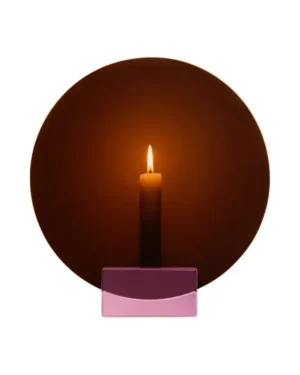
Lago Marble Vase
By Studio Ayres
€830 This product has multiple variants. The options may be chosen on the product page -
 In stock
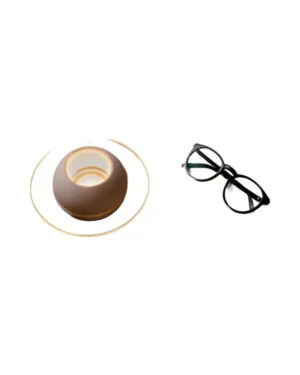
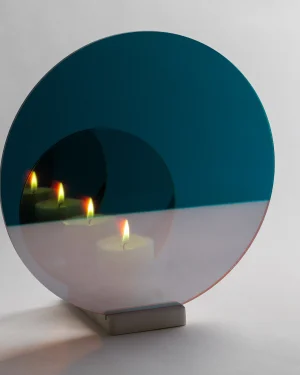
Onnda Flame Concentric Deep Sea – Dichroic Glass Marble
By Catrinel Sabaciag
€210 -

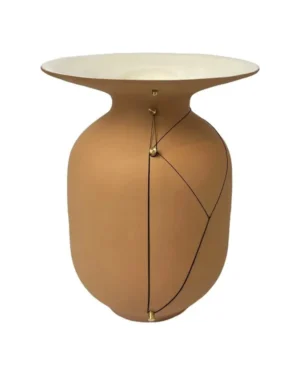
Lago Short Vessel
By Studio Ayres
€896 -
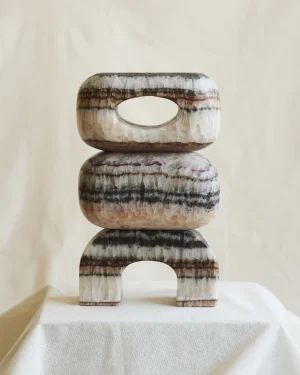
Artefacto Mármol Ls 01
By LØRDAG & SØNDAG
€900 This product has multiple variants. The options may be chosen on the product page -

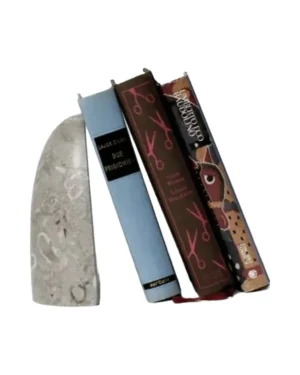
Slant Book Stand – Marble, Brass and Oak Wood
By VAUST Studio
€6.600 -
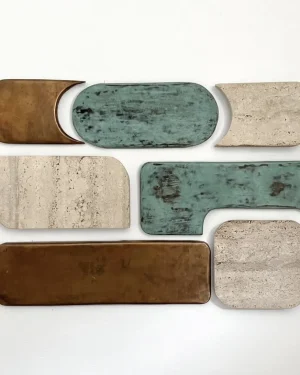
Vides Wall Decoration in Copper And Marble
By Aura Carpio®
€3.325 -
 In stock
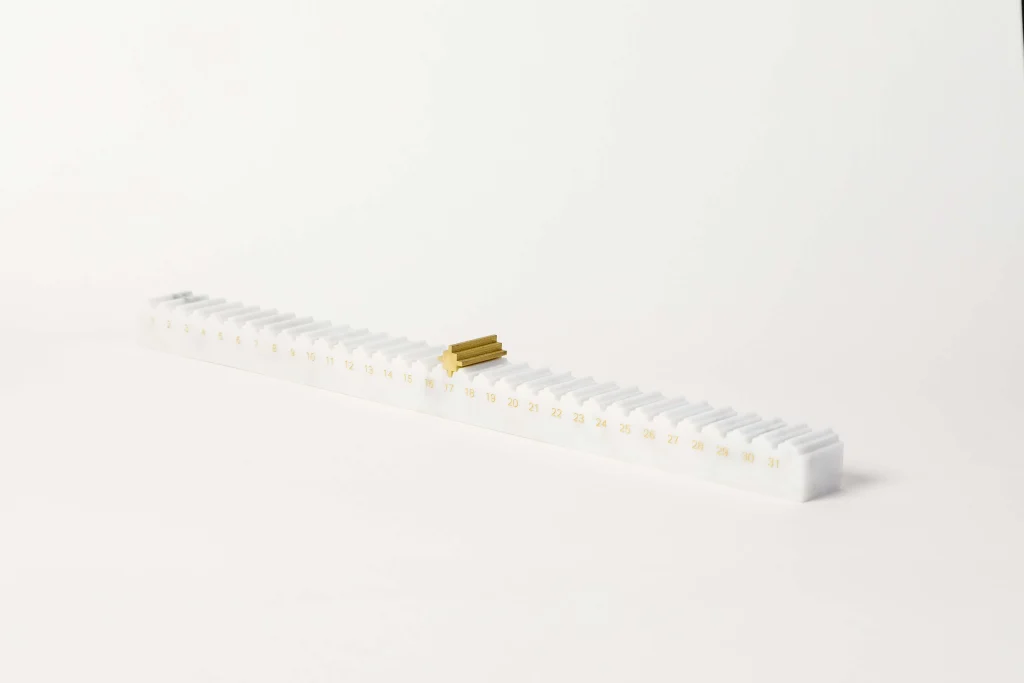
Arch – Brass & Marble Calendar
By Boo Design Studio
€180 -
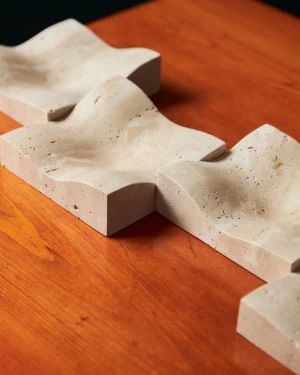 In stock
Ashen – Marble Ashtray / Catch All Tray
By Boo Design Studio
€162 -
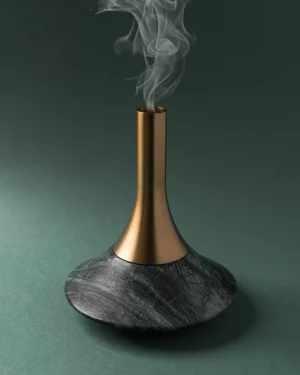 In stock
Dervish Incense Burner
By Boo Design Studio
€265 -
 In stock
Ashen Calendar
By Boo Design Studio
€178 -
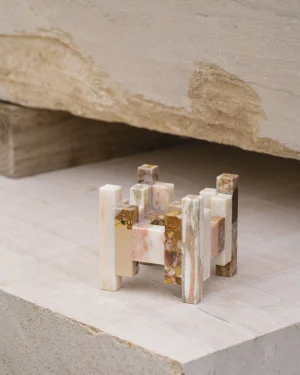 In stock
Strata – Flower Vase – Staggered Pink
By Iyo Hasegawa
€930 -
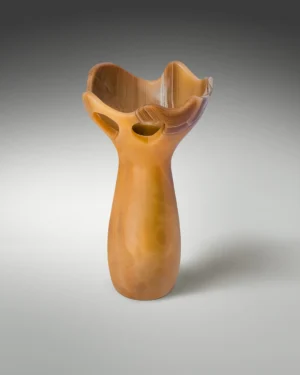
Lava Vase By Ayres Studio
By Studio Ayres
€620 -
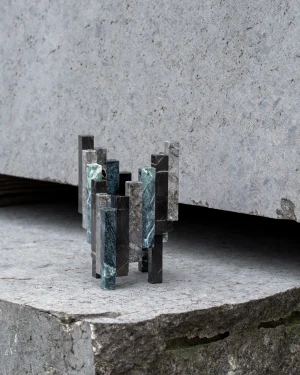 In stock
Strata – Flower Vase Staggered Green
By Iyo Hasegawa
€850 -
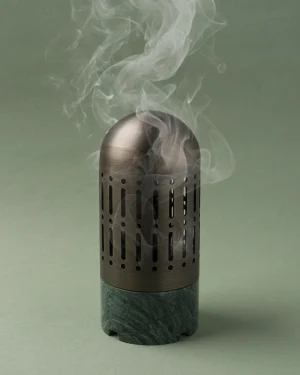 In stock
Green Medaillon Incense Burner
By Boo Design Studio
€193 -
 In stock
Strata – Flower Vase Cube Pink
By Iyo Hasegawa
€700 -
 In stock
Eteria – Travertine Stand
By CARRARA
€35 -

Burning Mirror – Melting Collection | Sculptural Mirror In Burned Wood And White Marble
By Gábor Góbi
€24.390 -
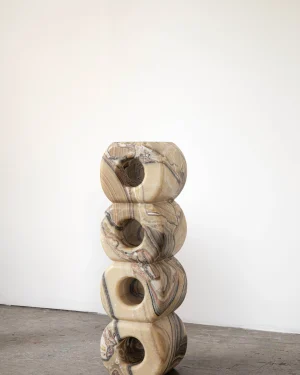 In stock
Roma Stone Totem
By Studio Ayres
€2.348 -
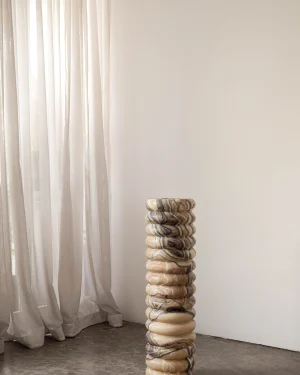 In stock
Antigua Stone Totem
By Studio Ayres
€2.348 -
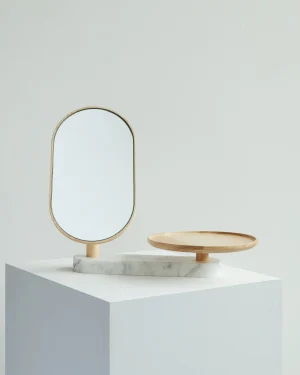 In stock
U-ap – Adjustable Marble Vanity Mirror
By Hasik Design Studio
€375 -
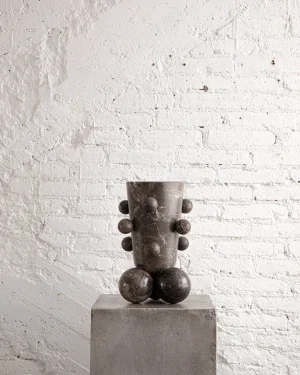
Pollux – Stone Vase
By Studio Ayres
€840 -
 In stock
Onnda Flame Concentric M Blaze – Dichroic Glass Marble
By Catrinel Sabaciag
€210 -
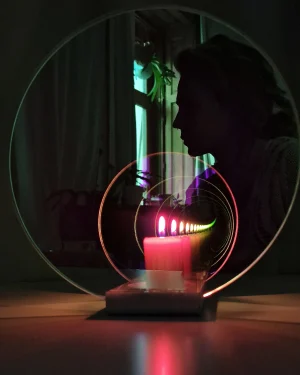 In stock
Onnda Flame Concentric Fuchsia Pink – Dichroic Glass Marble
By Catrinel Sabaciag
€210 -
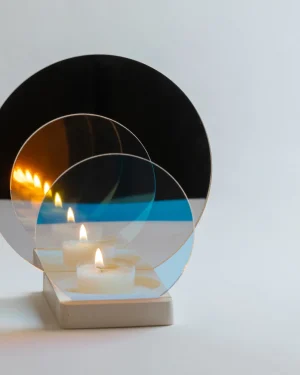 In stock
Onnda Flame Concentric S Blaze – Dichroic Glass Marble
By Catrinel Sabaciag
€169 -

Elyx
By Drusch Design
€865 -

Strata – Flower Vase Cube Green
By Iyo Hasegawa
€700 -
 In stock
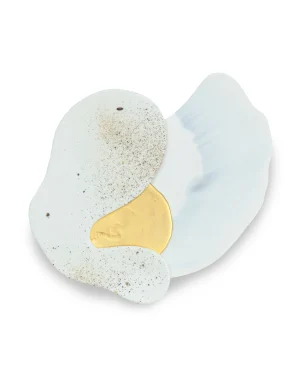
Aurive Wall Sculpture No. 3
By SCHOEMIG PORZELLAN
€580 -
 In stock
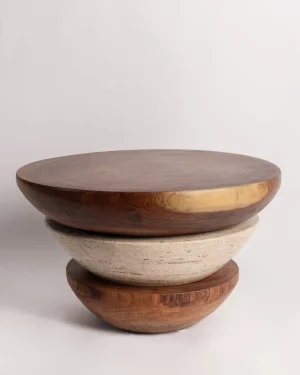
Layer Totem
By Daniel Orozco Estudio
€1.700 -
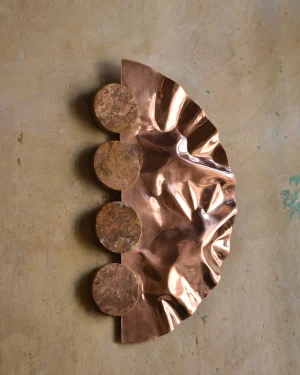
Estero – Wall Decoration
By Aura Carpio®
€3.325 -
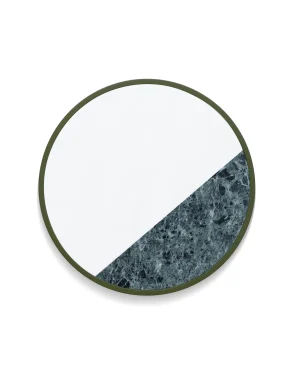
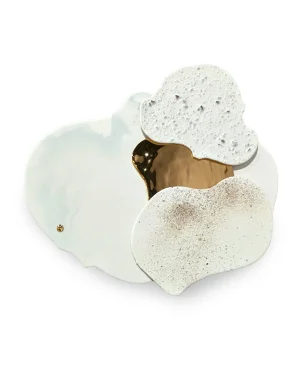
Domino – Italian Marble Round Wall Mirror
By Lebanto
€995 This product has multiple variants. The options may be chosen on the product page -
 In stock
Aurive Wall Sculpture No. 4
By SCHOEMIG PORZELLAN
€800 -
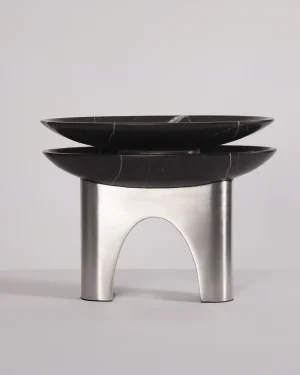
Elyx Bond
By Drusch Design
€855 -
 In stock
Artefacto Mármol Ls 02
By LØRDAG & SØNDAG
€800 This product has multiple variants. The options may be chosen on the product page -
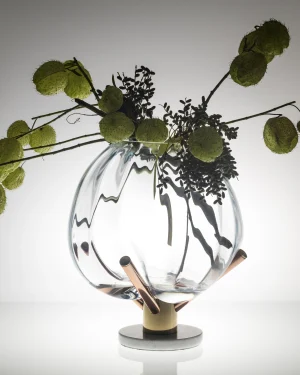
Carambola Vase
By Carol Gay
€1.170 - €1.300 This product has multiple variants. The options may be chosen on the product page -

Fos Deco 08
By Daniel Orozco Estudio
€479 -

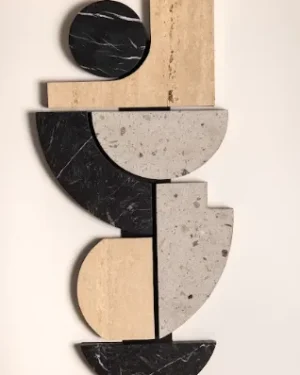
Zm Cochambre Totem
By Daniel Orozco Estudio
€1.346 -
 In stock
Zm Maria Sculpture
By Daniel Orozco Estudio
€1.845 -

DU/ET Table Lamp in Marble and Brass
By Dan Yeffet
€1.650 -
 In stock
“TOY” Sculpture Berlin Untitled No.2
By VAUST Studio
€9.800 -
 In stock
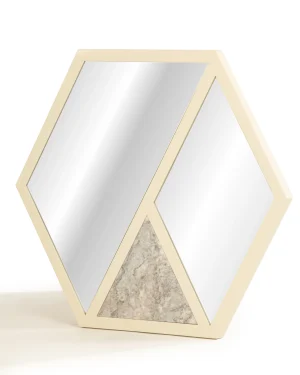
Liri – Italian Marble Beige Mirror
By Lebanto
€995 -
 In stock
Onnda Flame Collection Kit – Dichroic Glass Marble
By Catrinel Sabaciag
€321 -
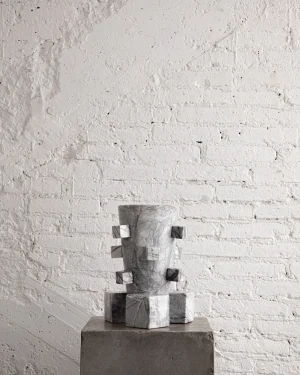
Capella Stone Vase
By Studio Ayres
€840 -
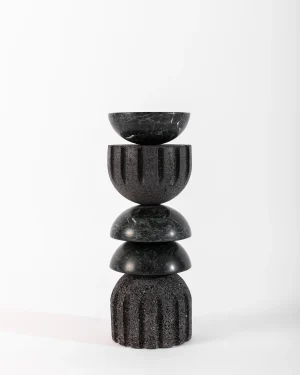
ZM Tikal Sculpture
By Daniel Orozco Estudio
€1.925 -
 In stock
Wool Felt+marble Sculpture
By Danik Uderbekov
€3.000 -

Eteria – Carrara Stand
By CARRARA
€30 - €40 This product has multiple variants. The options may be chosen on the product page -
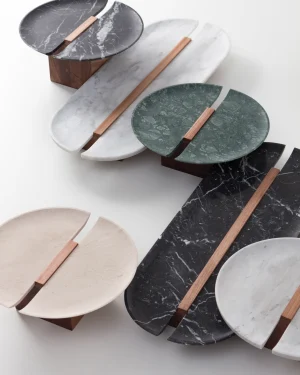
Beira Centerpiece
By Estúdio Dentro
€1.080 - €1.500 This product has multiple variants. The options may be chosen on the product page -

Duna Marble Vase
By Studio Ayres
Price Upon Request -
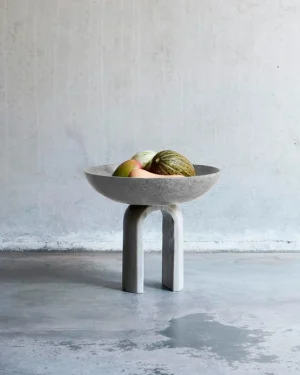
Lago Tall Vessel
By Studio Ayres
Price Upon Request -

“Glory” Mirror
By VAUST Studio
€9.000 -
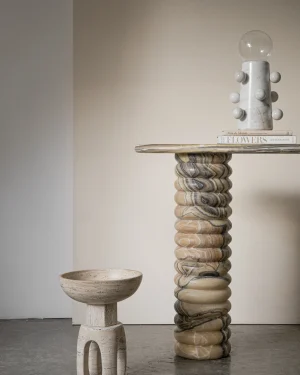
Don’t Be Square – Stone High Vase
By Studio Ayres
€1.056 -
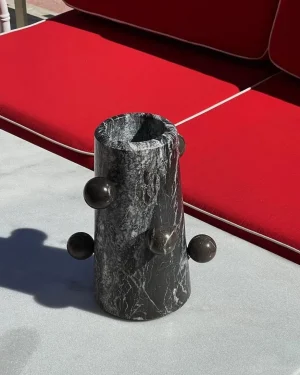
Alma Nueva Marble Vase
By Studio Ayres
Price Upon Request -

Fos Totem 10
By Daniel Orozco Estudio
€2.373 -
 Sold
The Fragma Marble Candle
By COSEINCORSO
€199 -
 Sold
Marble Coat Stand
By Comité de Proyectos
Price Upon Request
Marble decor brings a quarried stone into the smaller objects of a room: bowls, trays, bookends, candle holders, small sculptural forms. Studios working in marble choose blocks or offcuts and shape them by stone carving, cutting, grinding and polishing until the surface takes light the way the material does when sanded fine. The same block can read as heavy and cool or soft and veined, depending on the color run and the finish left on it.
What defines marble as a decor material
Marble is a metamorphic stone, formed under heat and pressure, and no two blocks look alike. Veining runs through white, gray, beige and black marble in different widths and directions, so a pair of objects cut from the same slab will still show some variation. Black marble tends to show scratches and polish lines more than lighter stone, while white and gray marble hide fine marks better.
The stone carries real weight for its size, which is part of why it works well as decor. A marble bowl or bookend sits where it is put, resists being knocked over by a draft or a curious hand, and holds its place on a shelf or table without needing fixing.
The range of stone, color and finish
Alongside pure marble, studios draw on related stone and mineral materials: travertine, with its open pores and warmer, sandier tone; general natural stone and sand-toned stone for pieces that read quieter than polished marble; and mirrorglass or brass used as inlay or base against a marble top. Colors run from black, gray, white and beige through to multicolor pieces where more than one stone is joined, and occasional runs in light pink, pink or cobalt blue where a dyed or pigmented stone is used.
Finishes and styles vary with the maker's intent. Some pieces are left with a honed, matte surface that reads as minimalist and contemporary; others are polished to a near-mirror gloss, or cut into thicker, blockier forms associated with a brutalist or art deco sensibility. Hand assembly joins stone to metal or wood bases, and etching is sometimes used to mark a surface rather than carve it in relief. Most marble decor is sold as an open edition or a limited edition, with occasional unique pieces where a single slab or a one-off carving is involved.
How to choose a piece
Start with scale relative to the surface it will sit on: a small marble object can look stranded on a large console, while an oversized bowl can crowd a narrow shelf. Height matters too, especially for candle holders and sculptural forms meant to be seen at eye level when seated or standing nearby.
Finish should match how the piece will be handled. A honed or matte surface is more forgiving of fingerprints and daily use, while a polished finish shows marks more readily but carries more light. Color should sit against, not fight, the surfaces around it; pale stone recedes into a light room, dark marble reads as a deliberate anchor on a pale table or shelf.
- Pair pale marble with warm wood or brass to soften the stone's coolness.
- Use dark or black marble as a single anchor point rather than repeating it across a room.
- Group two or three small pieces from the same stone family rather than mixing several unrelated colors.
Where marble decor sits in a room
These pieces suit surfaces that are seen up close: a console in an entryway, a sideboard in a dining room, a nightstand, a bathroom counter away from standing water. The weight of the stone makes it well suited to open shelving, where it will not shift, and to coffee tables, where a tray or bowl can gather smaller objects without sliding.
Marble decor reads differently depending on what surrounds it. Set against the clean lines of minimalist decor, it tends to disappear into the background; set against darker walls or black decor pieces, the veining and surface become more visible.
Caring for marble objects
Marble is porous and reacts to acid, so wine, citrus and vinegar can etch or dull the surface if left standing. Wipe spills promptly, use a soft cloth and a pH-neutral cleaner, and avoid abrasive pads that will scratch a polished finish. A light application of stone sealer every so often helps resist staining on pieces that see regular use, such as trays or catch-alls near a sink.
For a broader look at stone objects across sizes, the full range of decor on ADORNO includes ceramic and metal pieces alongside stone, while every marble piece on ADORNO spans decor, lighting and furniture. Those furnishing a table setting might also look at marble tables, and anyone building a lit, stone-toned corner can pair small decor with marble lighting for a more complete, material-led room.
How do I choose a marble decor piece?
Start with the room's palette: white and gray marble read quiet and neutral, black marble and travertine add contrast. Let scale follow surface, a bowl or bookend should sit comfortably on the furniture around it.
How do I care for marble decor?
Wipe with a soft, damp cloth and avoid acidic liquids like wine or vinegar, which etch the surface. Marble is porous, so wipe spills promptly and keep it away from direct heat.
Does marble stain or scratch easily?
Marble is softer than granite, so it can scratch and absorb liquids if left unsealed. Light surface marks are common with use and are part of how the stone ages.
What size marble decor piece should I get?
Match the piece to its surface: small objects like bookends or trays suit shelves and console tops, while larger bowls or sculptural forms need a table or sideboard with room to spare.
Which rooms suit marble decor?
Marble decor works in living rooms, entryways, and dining spaces where it can anchor a console, shelf, or table. Its weight and cool surface also suit bathrooms, away from strong acids.
What are ADORNO's shipping, returns and authenticity policies?
Shipping is insured and worldwide. Returns are accepted within 14 days, excluding made-to-order pieces, and every piece comes with a certificate of authenticity plus a lowest-price guarantee.