-
 In stock
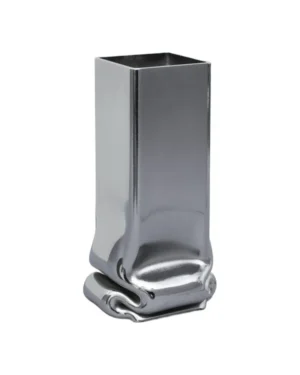
Pressure Vase Square
By TIM TEVEN
€215 This product has multiple variants. The options may be chosen on the product page -
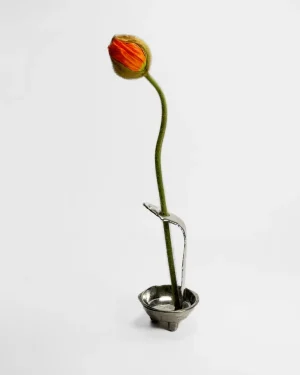
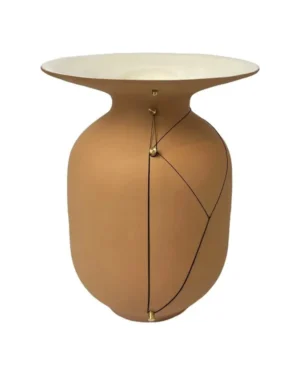
Favorite Vase
By Studio Formbart
€224 -
 In stock
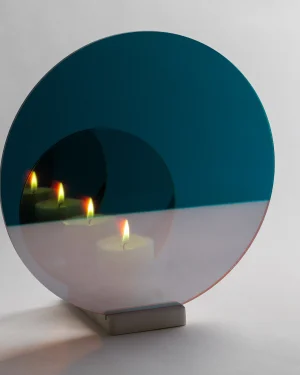
Onnda Flame Concentric Deep Sea – Dichroic Glass Marble
By Catrinel Sabaciag
€210 -

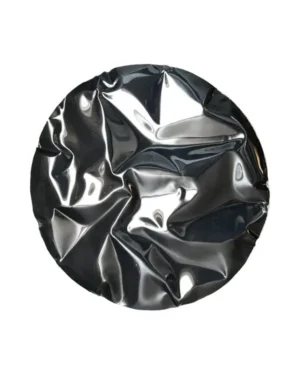
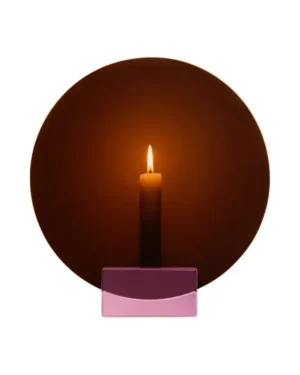
Float Mirror Black #b_31 in Liquid Silver and Glass
By Studio Speculo
€465 -
 In stock
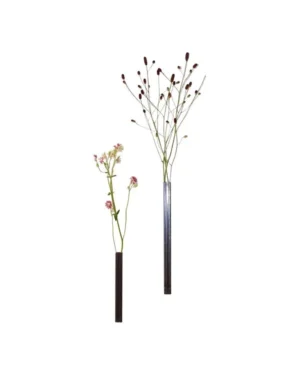
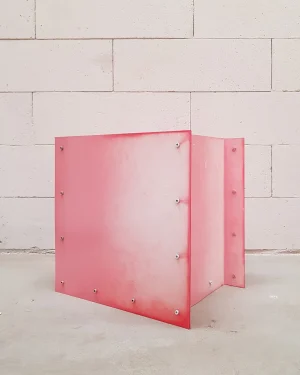
Iron And Steel Life Cabin Vase D
By TUNK I Busra Tunc
€220 -

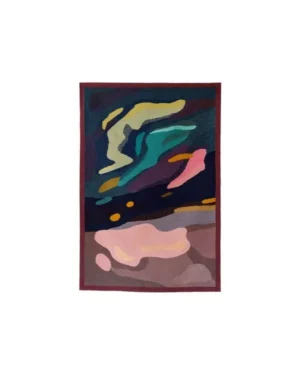
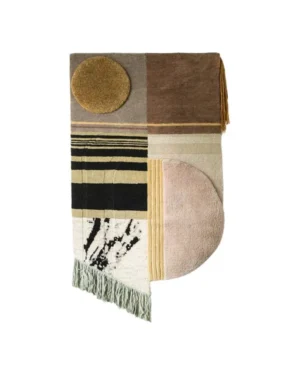
Terrae N°1 – Handwoven Wall Decoration
By Susanna Costantini
€910 -

“Rock and Roll” stone skateboard
By Lucas Muñoz Muñoz
€2.000 -

Jarrón de la Hostia Polyurethane Vase
By Joel Blanco
€1.270 -
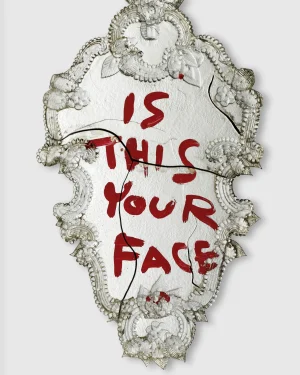
“YOUR FACE” Mirror
By Leo De Carlo
€5.000 -
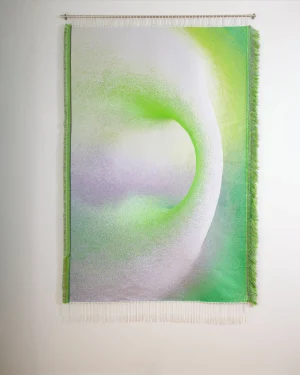
Light Mode 280 — Modern Foliage | Jacquard Woven Tapestry
By Lucas Gutierrez Studio
€5.850 -
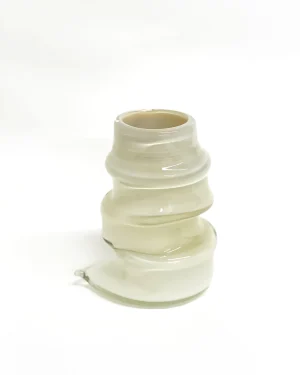
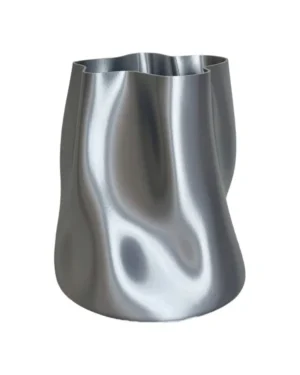
Deflated Glass Vase
By Sticky Glass
€326 This product has multiple variants. The options may be chosen on the product page -
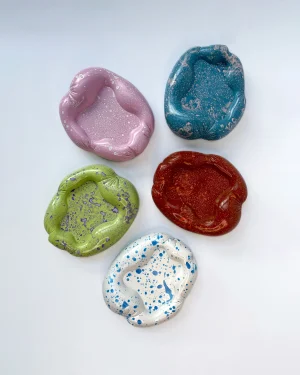
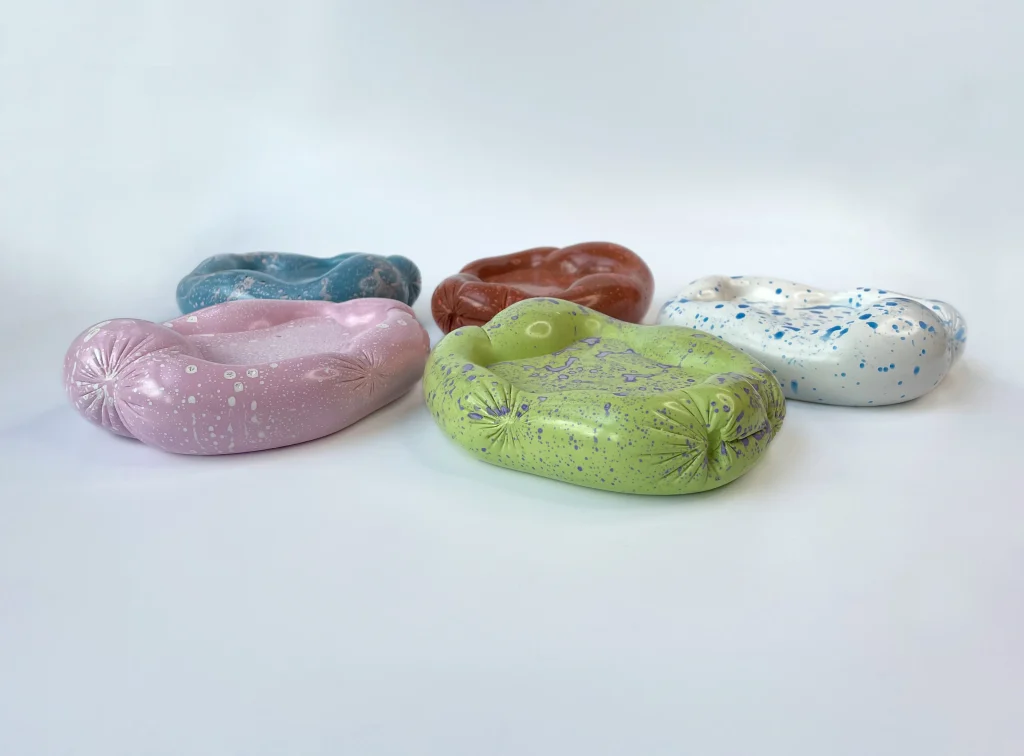
Desktop Swimming Pool – Speckled Jesmonite Tray/catchall
By Craig Barrow
€127 This product has multiple variants. The options may be chosen on the product page -
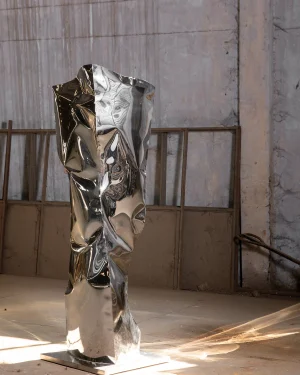
Monolith – Stainless Steel Floor Sculpture
By Nitush and Aroosh
€7.150 -

Ailes Noir – Sculptural Vessel
By Lucia Mondadori
€688 -

Aisha Totem – Stoneware Sculpture
By Lucia Mondadori
€1.395 -
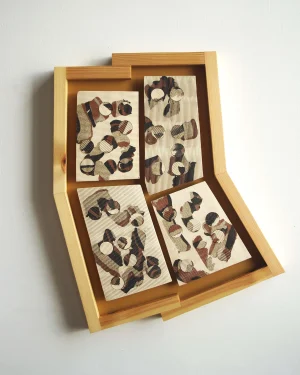 In stock
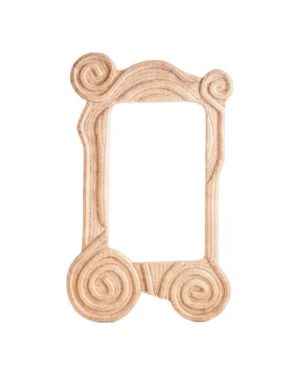
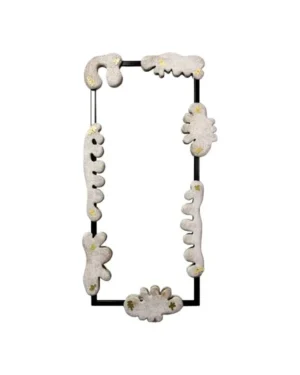
Frame – Stoneware & Oak Wall Art
By Isabella Artale
€650 -
 In stock
Ramé – Stainless Steel Wall Sculpture
By Nitush and Aroosh
€2.500 This product has multiple variants. The options may be chosen on the product page -
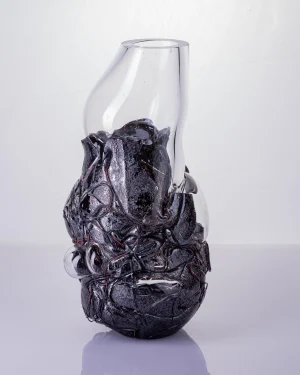 In stock
Lava – Transparent Blown Glass / Copper Wire Vase
By Anna Jožová
€1.600 -
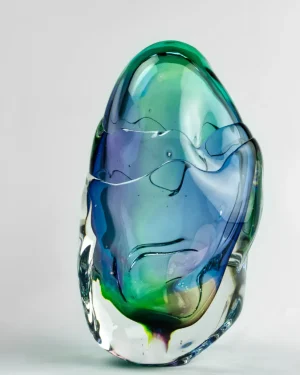
Persona – Glass Sculpture
By MILA ZILA
€2.400 -

Mirror Perfumer – Handmade Bronze Wall Mirror
By Vogel Studio
€9.075 -

Puffer Vase Ii – Abs Plastic
By Gast Studio
€286 - €345 This product has multiple variants. The options may be chosen on the product page -

Puffer Vase I – Abs Plastic
By Gast Studio
€190 - €490 This product has multiple variants. The options may be chosen on the product page -
 In stock
Figures | Bubble Vase No. 001/23
By Atelier von Ehren
€560 -
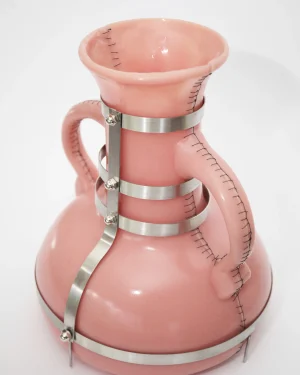
Soft Vase Sculptural Vessel
By Panorammma Atelier
€5.800 -
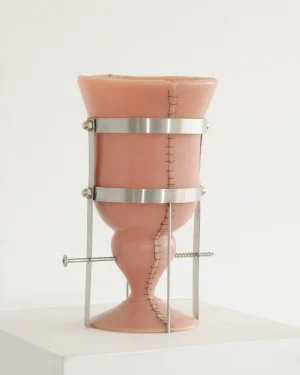
Soft Goblet Sculptural Vessel
By Panorammma Atelier
€4.800 -
 In stock
Wavy Vase – Silk White
By julius.works
€70 -
 In stock
Mirror 01.01 ´route´
By SK - Sofia Karnukaeva
€2.000 -

“Portal”, Mirrors
By Sara Lundkvist
€650 - €970 This product has multiple variants. The options may be chosen on the product page -
 In stock
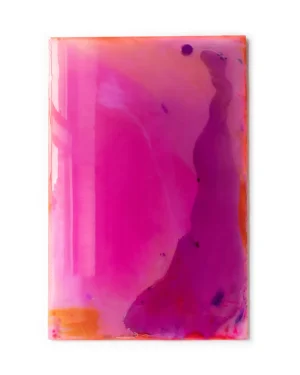
Beyond Oblivion – Tinted Resin Mirror
By Courtney Kinnare
€4.600 -
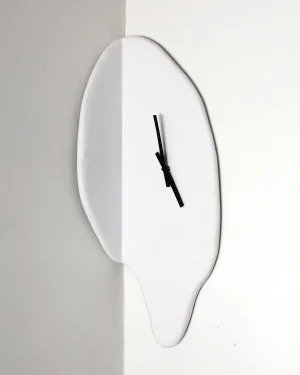
Corner Wooden Clock
By Dace Sūna
€1.500 -
 In stock
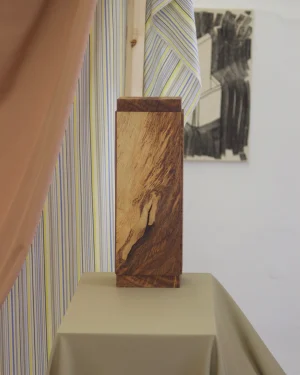
Sensitive Wood – Wooden Minimalist Oak Vase
By Vital Lainé
€600 -
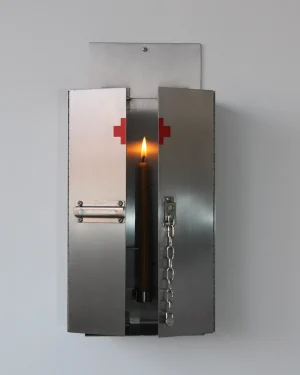
Wax Clock Sculptural Wall Candle Holder
By Panorammma Atelier
€3.600 -
 In stock
Succession mirror
By FARG & BLANCHE
€1.520 -
 In stock
La Cauna – Vas 02
By Pierre Klein
€560 -
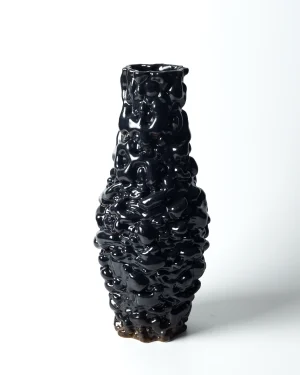 In stock
Coral – Glazed Black Porcelain Vase
By Yiannis Vogdanis
€420 -
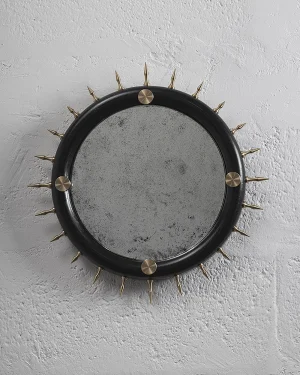 In stock
Sitiera_02 – Solid Wood Wall Mirror Bronze Or Stainless Steel Spikes
By ANDEAN
€1.257 This product has multiple variants. The options may be chosen on the product page -
 In stock
Daily Bread – Embroidered Pan
By Severija Inčirauskaitė-Kriaunevičienė
€6.000 -
 In stock
The garden. Next to the church. Next to a fence. Next to the grapes. Under a tree.Wall Decoration
By Oana Tudose
€5.000 -
 In stock
Muma Padurii (Baba Yaga) Wall Decoration
By Oana Tudose
€800 -
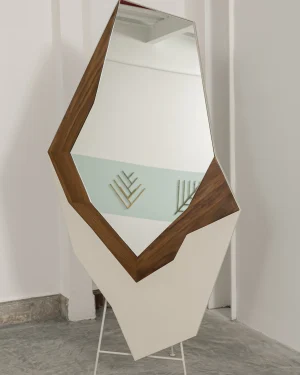
New Life Mirror – Tropical Depression
By Fi
€6.150 -
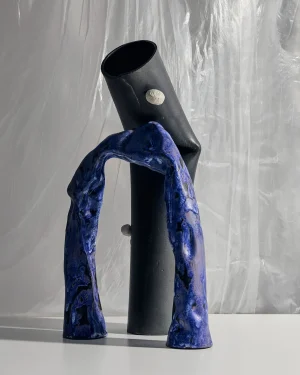 In stock
Stoneware Sculpture Installation
By C E R A M I C 4 7
€950 -
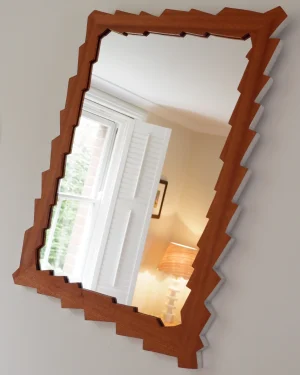
Shocking Mirror – Sapele Mahogany And Aluminium Gilded Frame
By Josh Page Studio
€400 - €588 This product has multiple variants. The options may be chosen on the product page -
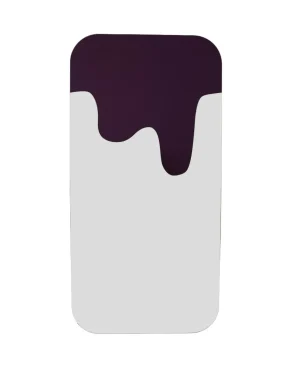 In stock
Melted Purple Glass Mirror
By Studio Monsoleil
€1.600 -
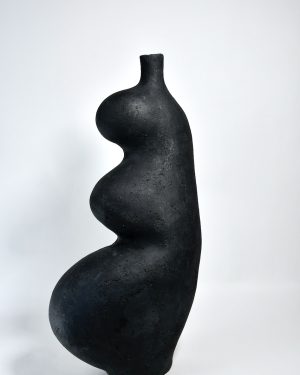 In stock
Lilith Grande
By Lucia Mondadori
€1.450 -

Cactos Vase
By Giácomo Tomazzi Studio
€1.250 -
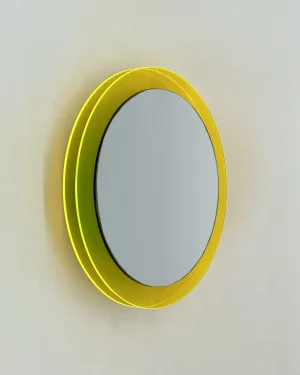 In stock
Sunset 342b – Acrylic Wall Mirror
By Andreas Berlin
€638 -
 In stock
“Ferrosecco Ovale” Vase – Silverlilac
By Federica Elmo
€1.200 -
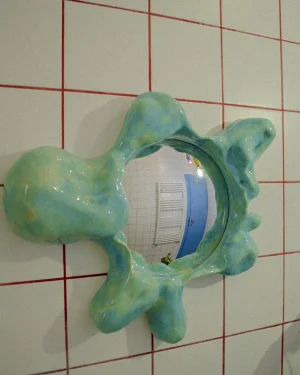 In stock
Butlers Mirror – Curved Glass Ceramic Mirror
By UAU Studio
€1.200 -

Lilith In Black Oxide
By Lucia Mondadori
€788 -

Noodle Vase – ABS Plastic
By Gast Studio
€180 This product has multiple variants. The options may be chosen on the product page -
 In stock
“ANDO” Mirror
By Leo De Carlo
€12.000 -
 In stock
Sports at Home III Carpet
By Severija Inčirauskaitė-Kriaunevičienė
€5.500 -
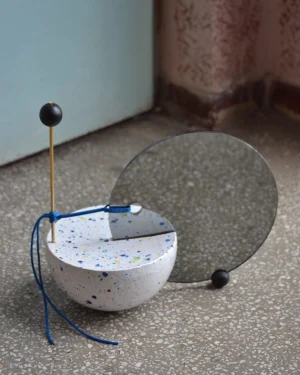 In stock
Hemisphere – Ceramic Vanity Mirror
By UAU Studio
€1.200 -

Black Lilith – Brut Stoneware Vessel
By Lucia Mondadori
€842
Radical decor takes its name from the Radical Design movement of the 1960s and 70s, when Italian studios turned chairs, lamps and objects into arguments against good taste. The pieces gathered here follow that instinct: bold color, unexpected proportion, and materials pushed past their usual manners. Stoneware gets glazed in cobalt blue or left raw next to chrome, mirrorglass bends light sideways, and metal is welded or cast into shapes that refuse to explain themselves.
What makes a piece radical
Radical decor rejects the quiet palette and predictable form that most contemporary work settles into. Instead of neutral tones, it favors multicolor combinations, cobalt blue, dark blue, pink and black set against silver or gray. Instead of restrained silhouettes, it favors geometry that interrupts a room: a vase that leans, a mirror with no obvious top or bottom, an object that asks to be looked at twice.
Where contemporary and minimalist decor tend to recede into a room, radical pieces are built to be noticed. They borrow confidence from Memphis-era design without copying it outright, and they sit as comfortably on a plinth as on a shelf.
Materials, finishes and ways of making
Because the style is defined by attitude rather than a single material, the range on ADORNO spans several ways of working:
- Stoneware and glass, hand-built, coiled or blown, then glazed in saturated or metallic finishes
- Chrome, stainless steel and metal, shaped through welding or other metalwork, often left with a hard, reflective surface
- Mirrorglass and textile, used for surface and contrast rather than structure
- Newer processes such as 3D printing and digital fabrication, which let studios cut forms that hand tools cannot
Editions vary by maker: some pieces are produced as open editions, others as limited editions or as unique, one-off objects where the glaze, the weld line or the cast surface cannot be repeated exactly. Where a piece is described as a unique piece, no two will match, which is part of the appeal rather than a limitation.
How to choose a piece
Scale matters more with radical decor than with quieter styles, since the object is meant to carry a room rather than blend into it. A single oversized vase or mirror can anchor an entryway or a console on its own, while smaller objects in bright glaze or chrome work better grouped, where their colors and reflections play off each other.
Finish is the second decision. Glossy glaze and polished chrome throw light and suit rooms that already have some reflective surface, glass or metal nearby. Matte stoneware and painted metal absorb light instead, which can soften a piece that might otherwise read as too loud for a smaller space.
Where it belongs in the home
Living rooms and entryways carry radical decor best, since both rooms allow an object to stand apart without competing with daily function. A bold mirror reworks a hallway's sense of scale; a sculptural vase or bowl on a dining table gives a plain table something to talk about. Studios working in this style also turn their hand to radical furniture, radical seating and radical lighting, so a room can carry the attitude across several pieces instead of just one.
Care, by material
Glazed stoneware and glass need only a soft cloth and mild soap; abrasive cleaners will dull a glossy glaze over time. Chrome and stainless steel show fingerprints readily and benefit from a dry wipe rather than water left to sit. Mirrorglass should stay away from direct, prolonged sun, which can affect the backing over years. For the wider range of forms and finishes within the category, the full decor offering sits alongside radical pieces for comparison.
How do I choose a piece of radical decor?
Look for a form or color that breaks from the room's existing lines, since radical decor works by contrast rather than by matching. Let it stand apart instead of blending in.
What materials are radical decor pieces usually made from?
Stoneware, glass, chrome, metal and mirrorglass are common, often glazed, painted or shaped by hand. Each material carries its own care needs, from wiping glass clean to keeping metal dry.
How do I care for stoneware, glass or metal decor pieces?
Dust stoneware and glass with a soft cloth, and keep metal and chrome dry to avoid tarnishing or spotting. Avoid abrasive cleaners, which can dull glazes and painted surfaces.
What size or height should a decor piece be for my space?
Sizes vary widely across radical decor, so check the dimensions listed on each piece's page or chat with the maker to confirm it will suit your space.
Which rooms suit radical decor best?
Living rooms, entryways and dining spaces suit radical decor well, anywhere a bold form or color can anchor the eye. It also works as a counterpoint in quieter, more neutral rooms.
What are ADORNO's shipping, returns and authenticity policies?
Shipping is insured and worldwide, with a 14-day return policy excluding made-to-order pieces. Each piece comes with a certificate of authenticity and a lowest-price guarantee.