Updated on: October 1, 2026
Mexico, and especially Mexico City, has long drawn creative thinkers who want space to work outside rigid systems. The current design scene moves with rare freedom and curiosity, and informal craft networks, independent creators and experimental practices sit side by side. Much of the contemporary Mexican decor scene thrives on that openness.
What follows is the decor first — objects, kitchen pieces and wall work from studios in Mexico City, Guadalajara, Oaxaca and Michoacán — then lighting, and finally what actually makes a room read as Mexican rather than themed.
What is Mexican design style?
Mexican design style is defined by material honesty, visible making and regional specificity rather than by a palette. A piece is recognisably Mexican because of what it is made from and who made it — not because it is brightly colored, which is the most common misreading of the style.
Three characteristics recur, and they separate contemporary Mexican work from the folk-craft imagery it is often confused with.
- The artisan is named. Studios work with specific craftspeople and credit them, so a single object often carries two authorships — the designer’s and the maker’s.
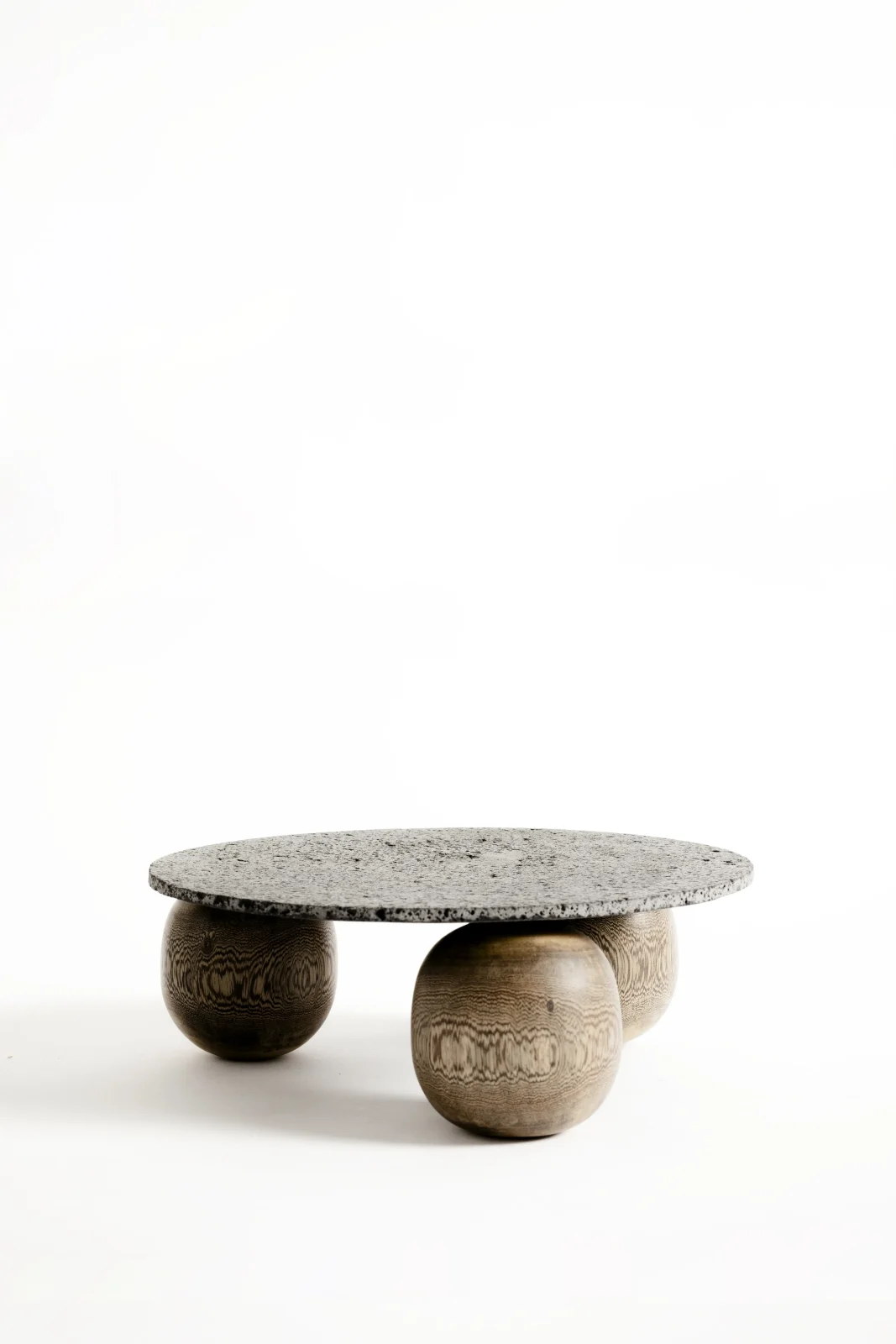
- Materials are regional. Parota and Tzalam hardwoods, volcanic stone, cantera, hammered copper from Michoacán and chuspata reed have no European equivalent, and they dictate form more than style does.
- Irregularity is intended. Hand finishing means no two pieces match. Studios describe this as one of a kind rather than as tolerance.
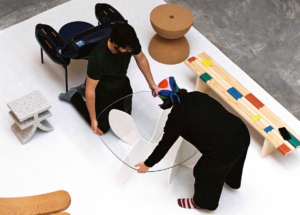
Designers, architects and artists move between roles, using the country as a laboratory for cross-disciplinary work. They build with the city’s hardware stores, metalworkers and ceramists, and with regional artisan communities across the country. They experiment openly because the cultural expectation is to try, not to replicate.
Mexico’s layered history reinforces the mindset. The urban center sits on the remains of Tenochtitlán, and the city’s architecture stacks centuries of styles in close proximity. Pre-Columbian references sit beside modernism, brutalism and unplanned growth. For many studios that patchwork is daily material — it encourages forms that echo ancient motifs, concrete structures that feel totemic, and objects shaped by the textures found in local workshops.
Mexican decor: craft, color and material honesty
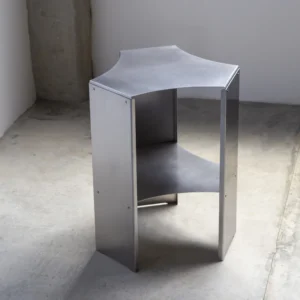
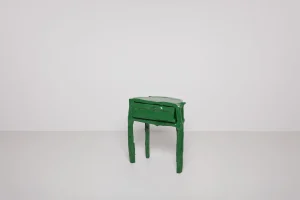
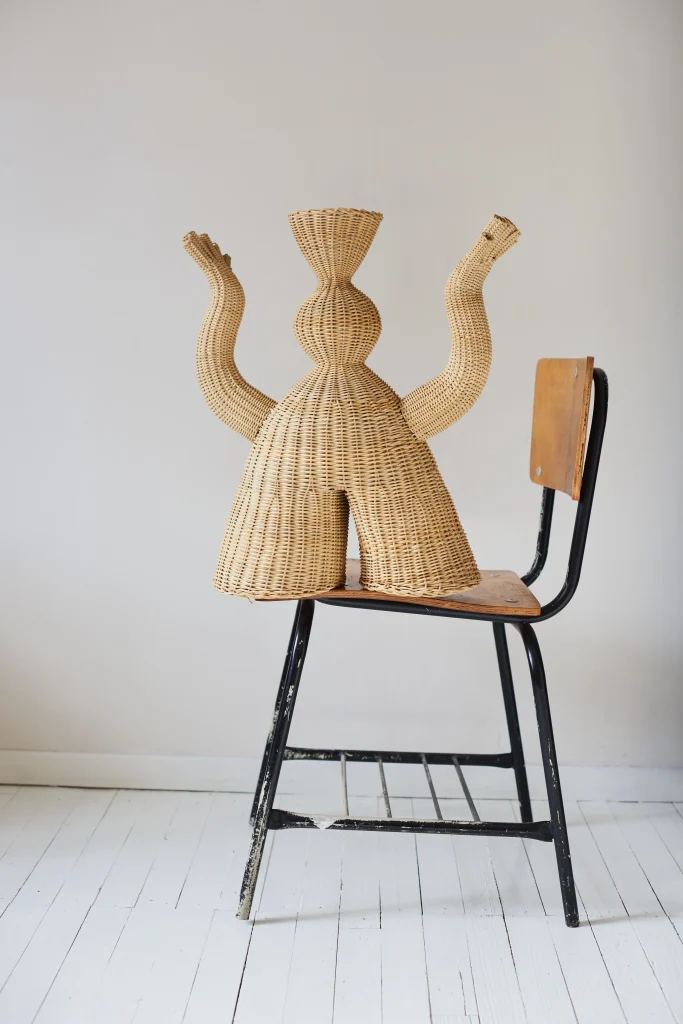
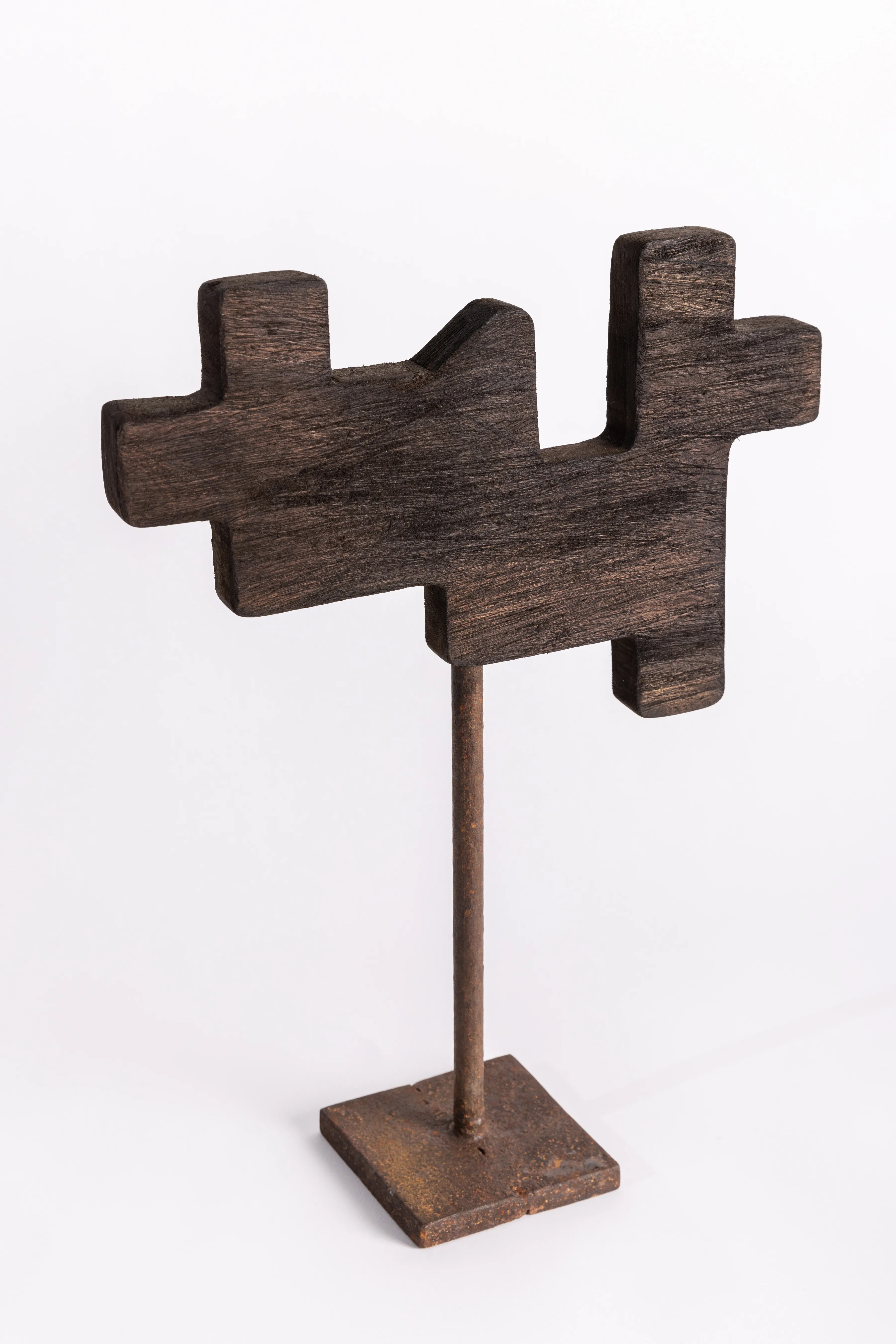
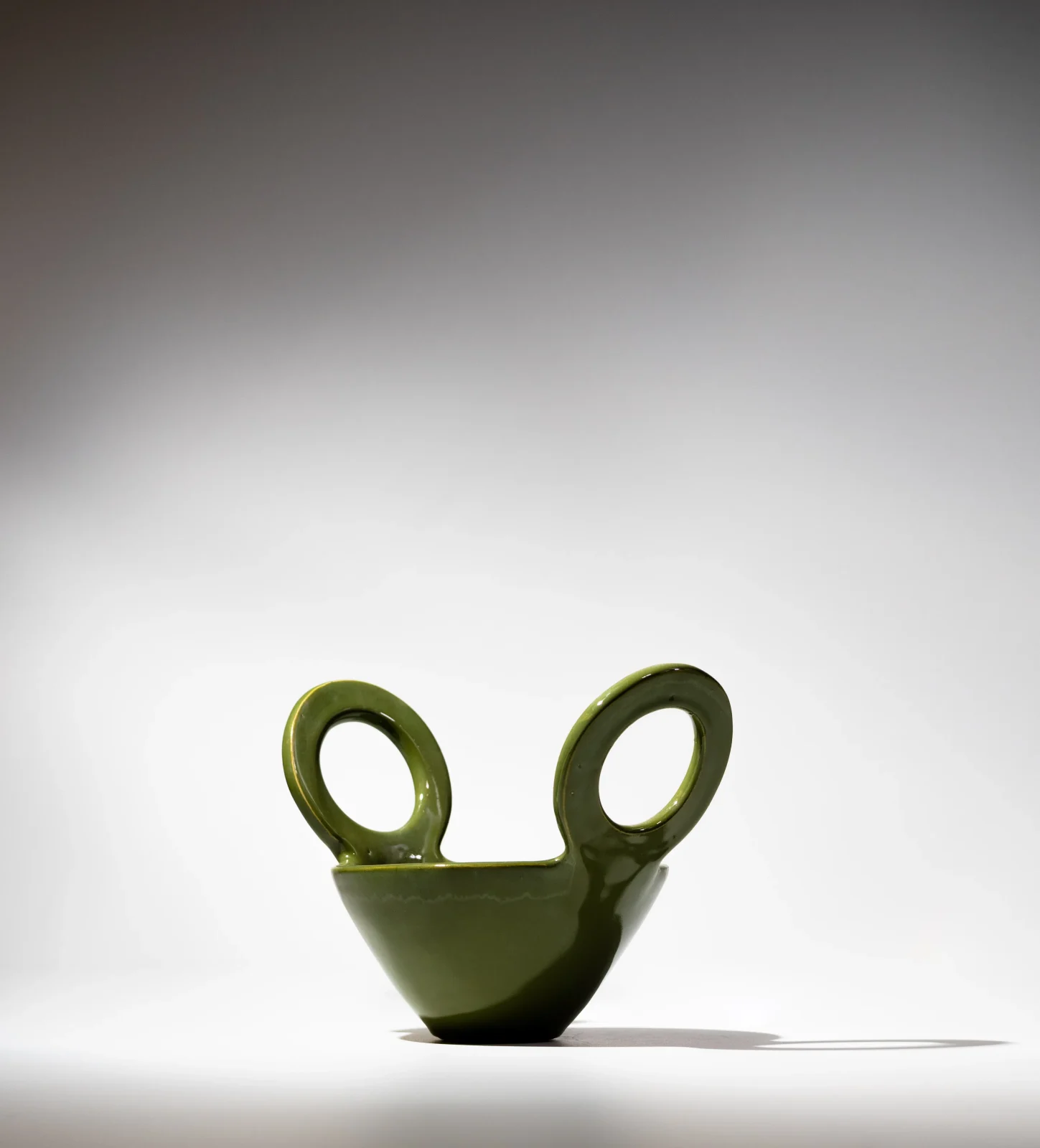
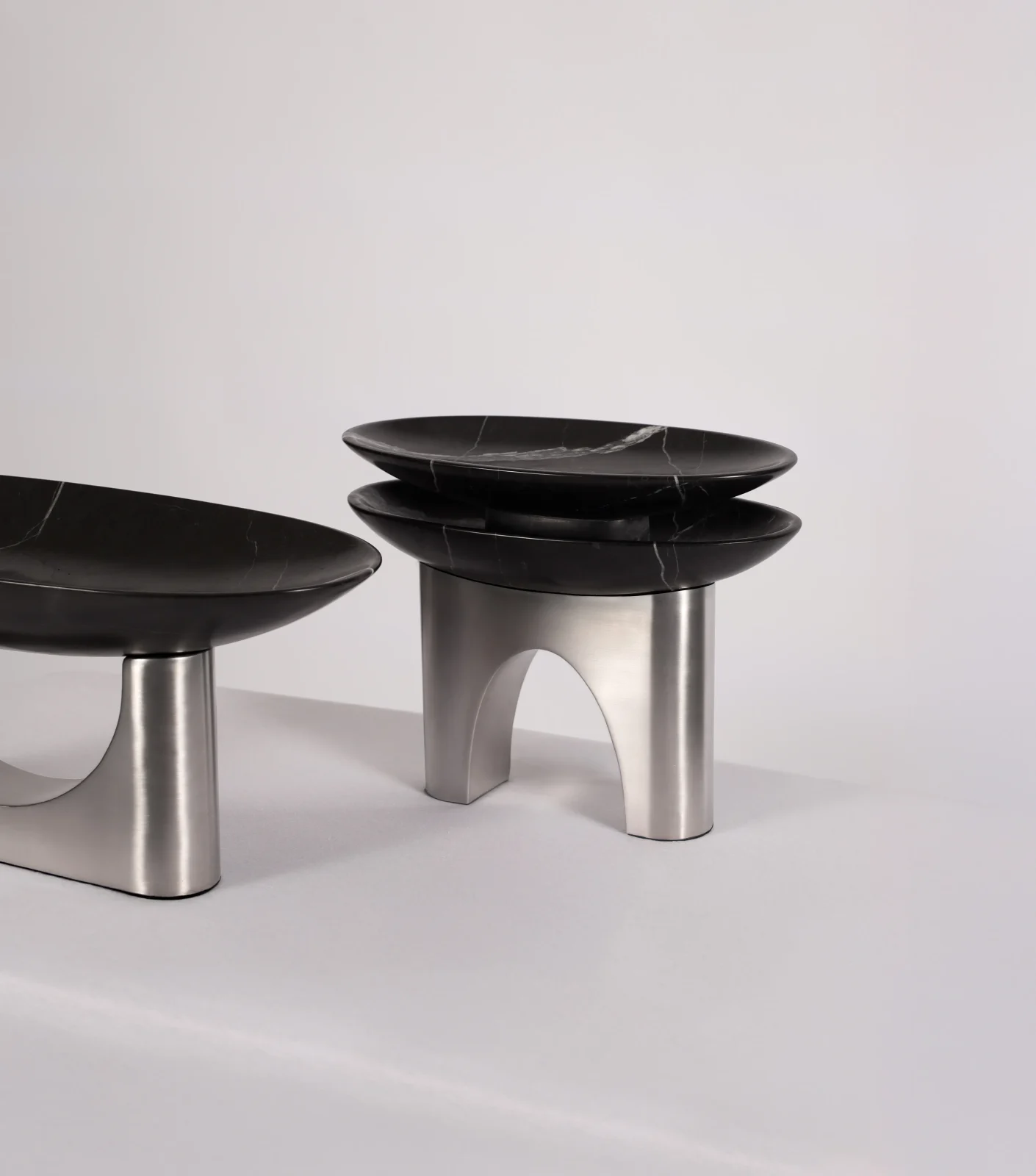
Mexican decor stands out for its material presence. Pieces come from specific regions, each with its own traditions — woven rugs, carved wood, lacquered finishes, hammered metals and glazed ceramic work all bring depth and texture into a room.
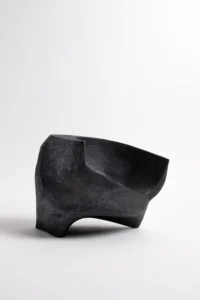
The practical rule is one object per surface, with space around it. These pieces are irregular by design, and irregularity needs room to register — crowd three of them together and the eye reads clutter rather than craft. A single sculptural vessel against quiet furniture does more than a shelf of them.
Mexican kitchen decor: a feast for the eyes
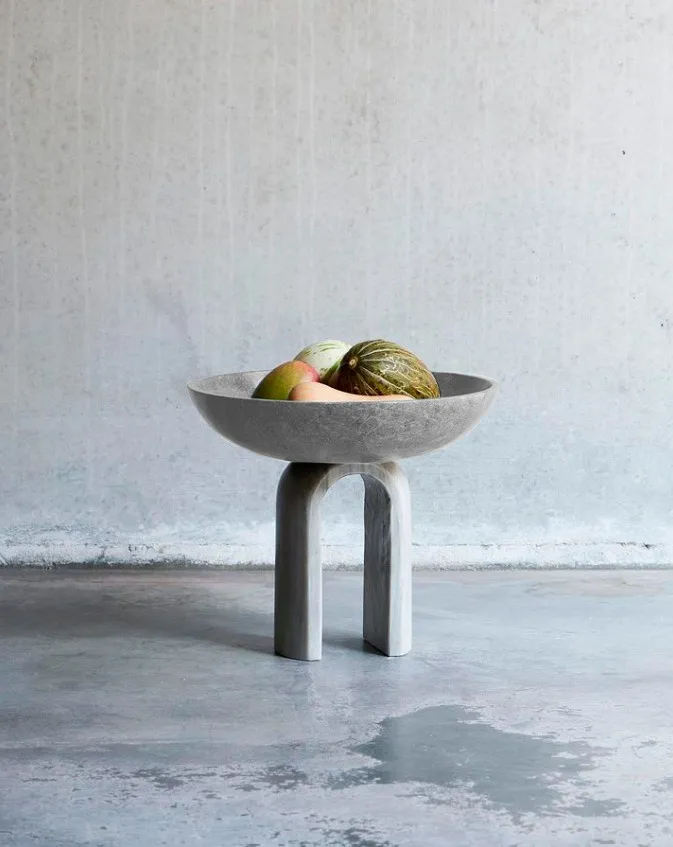
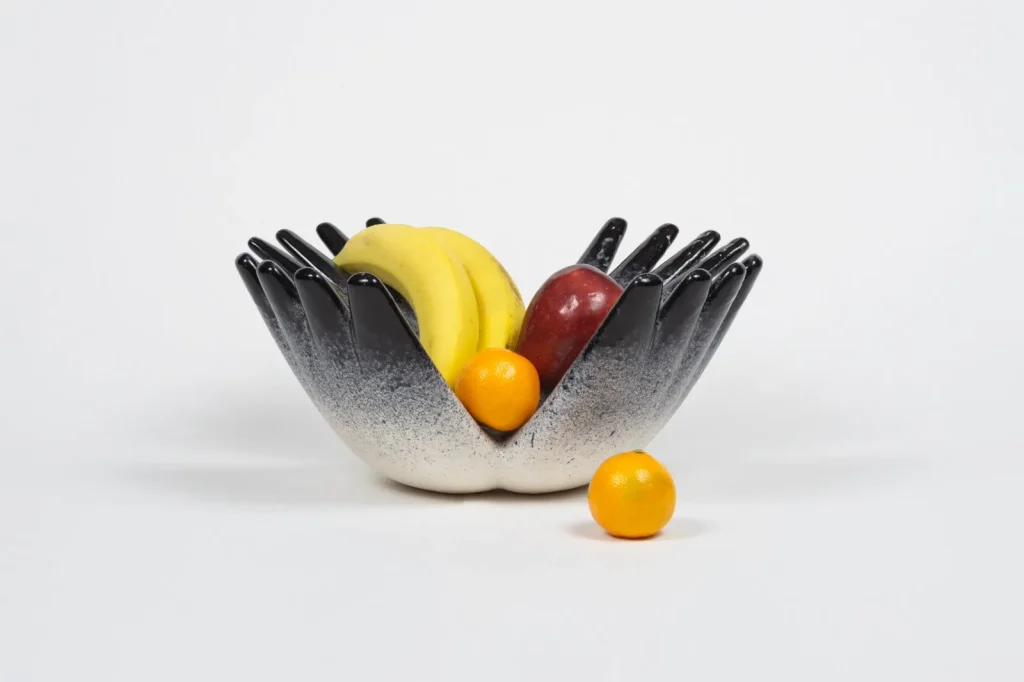
Mexican kitchen decor starts with function and never stops there. Handblown glassware, glazed ceramics and painted serving pieces bring color and tactility into daily routines, and they move from cooking to serving to display without changing register. A set of ceramic bowls or a single pitcher can finish a room.
One thing worth checking before buying: ask whether a piece is glazed inside. Much contemporary Mexican tableware is sculptural first, and an unglazed interior will stain from oil and will not hold liquid for long.
Mexican wall decor: strong statements with local roots
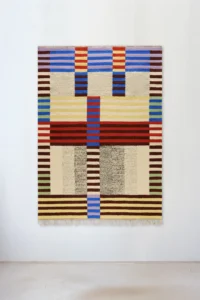
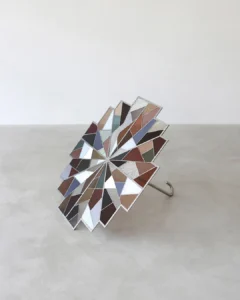
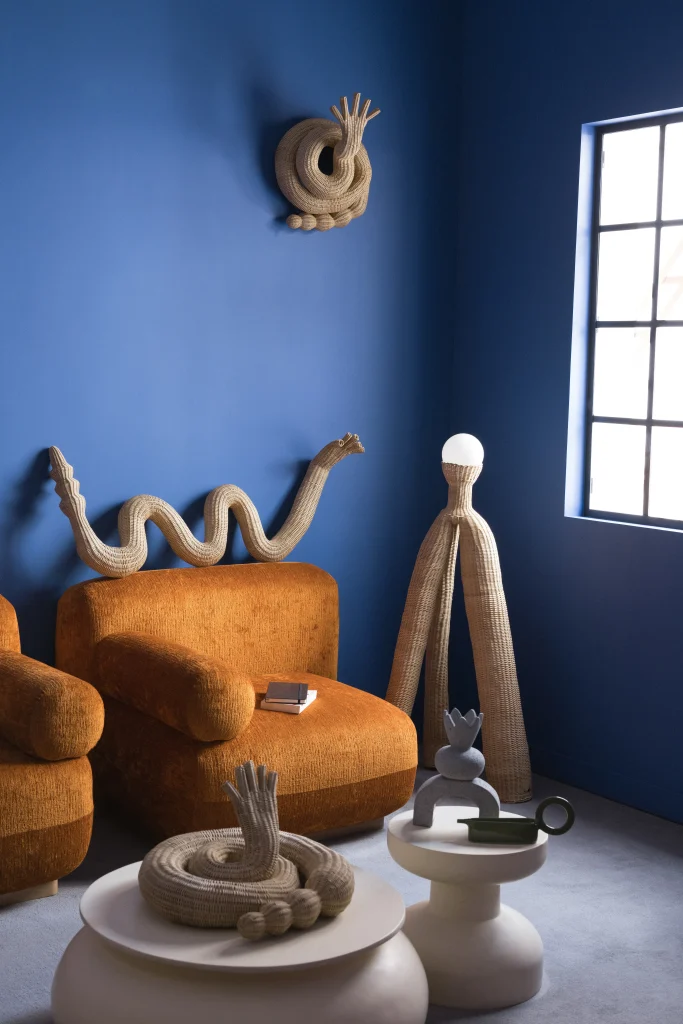
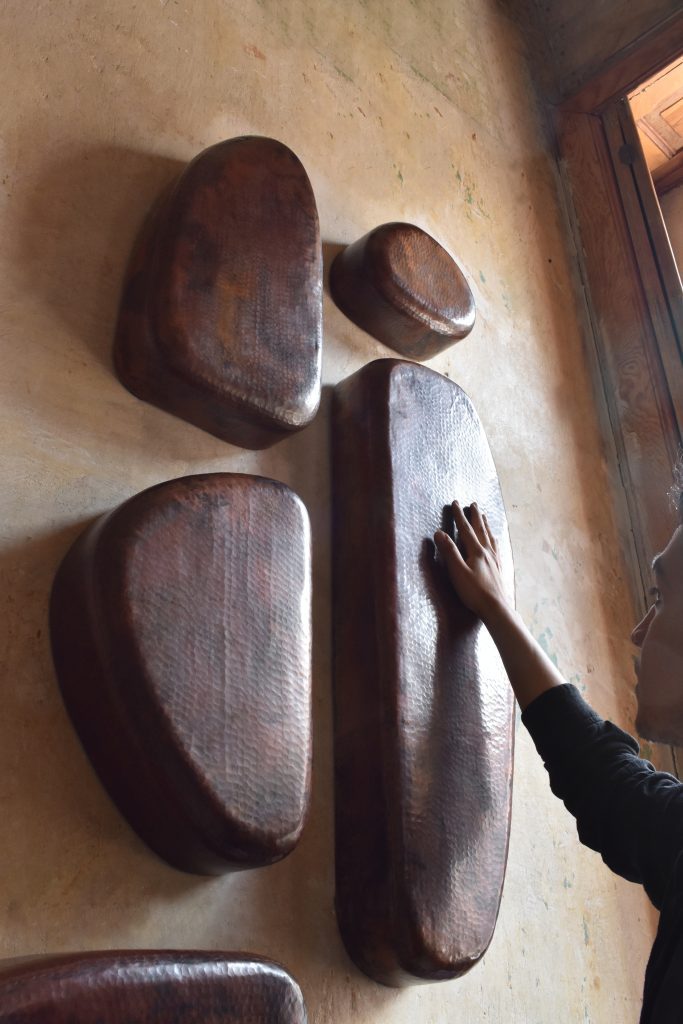
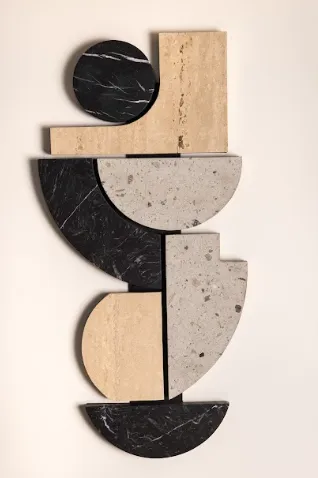
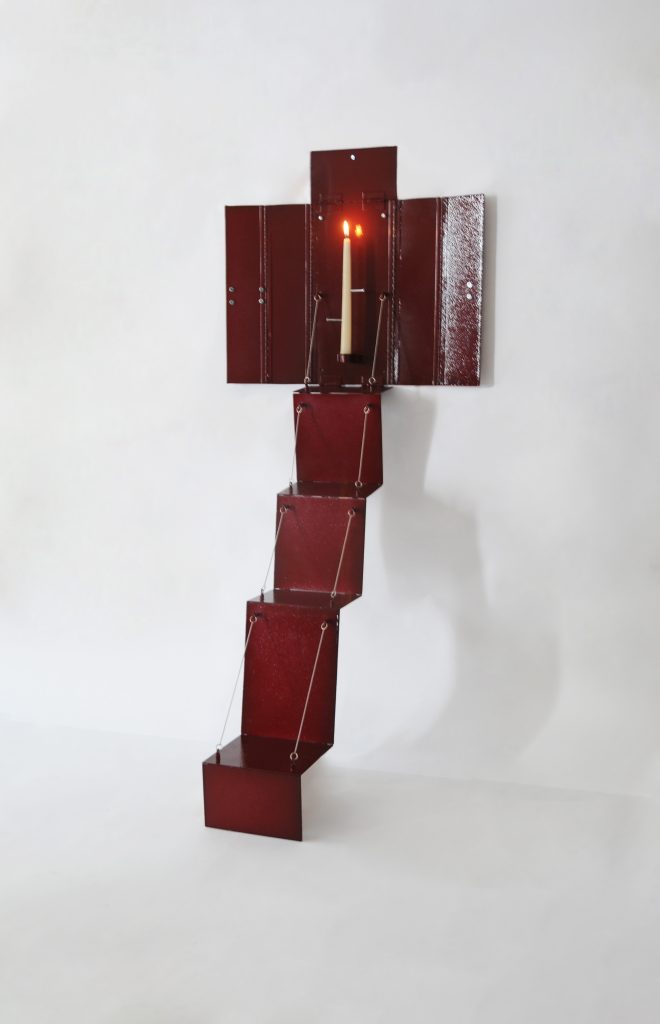
Mexican wall decor carries its own rhythm. Sculptural pieces, woven tapestries, metalwork and framed tile work bring pattern and movement to flat surfaces. These come directly from artisan communities across the country, and each reflects techniques practiced for generations.
Hang them at a height that suits standing rather than seated viewing — roughly 145 to 150cm to the center — and give a woven or hammered piece a plain wall. Texture needs a flat background to read against; patterned wallpaper cancels it out entirely.

Mexican lighting: atmosphere through craft
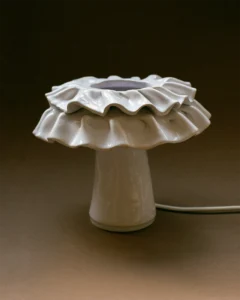
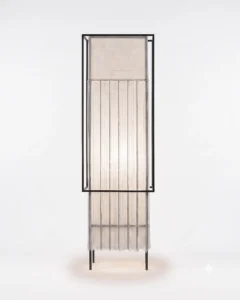
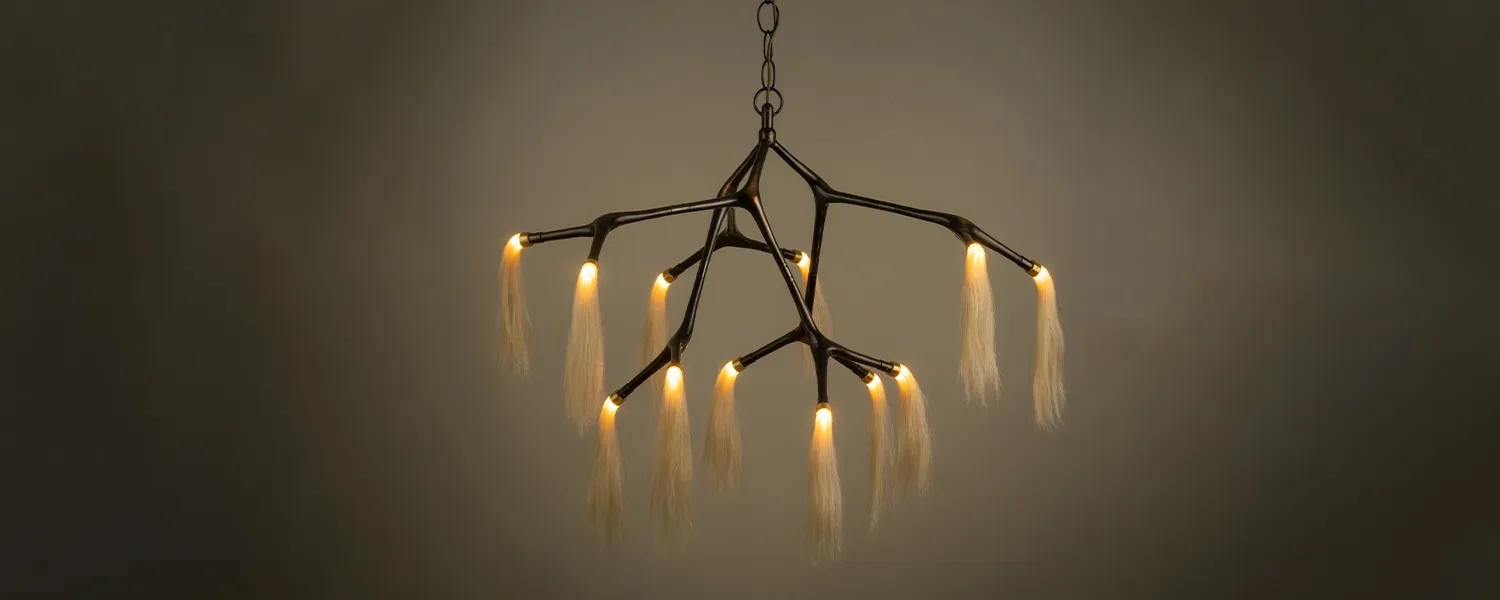
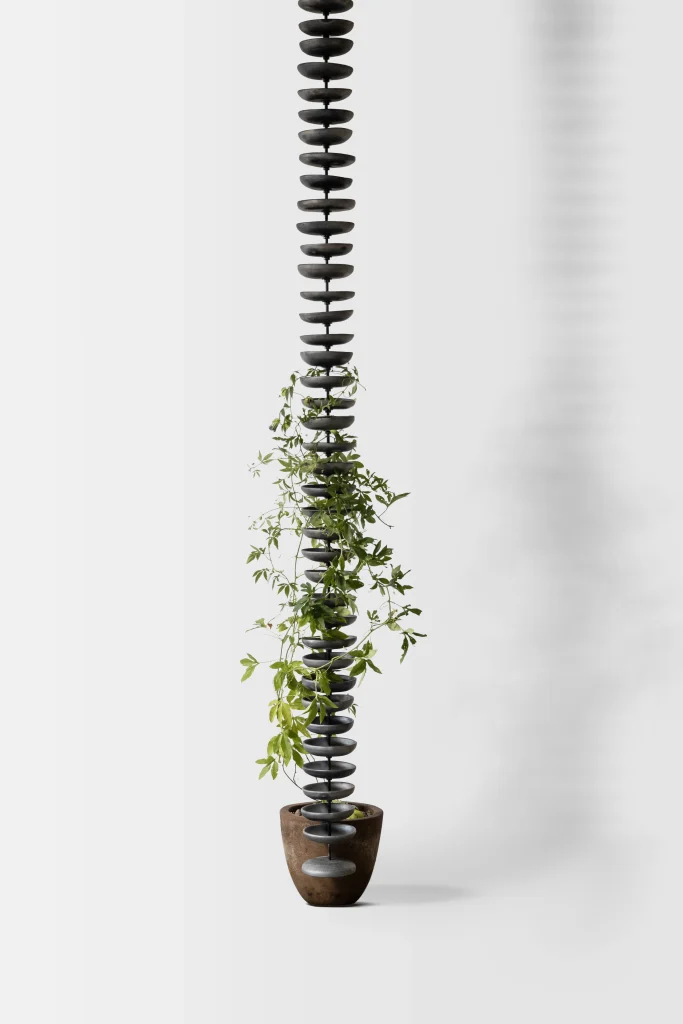
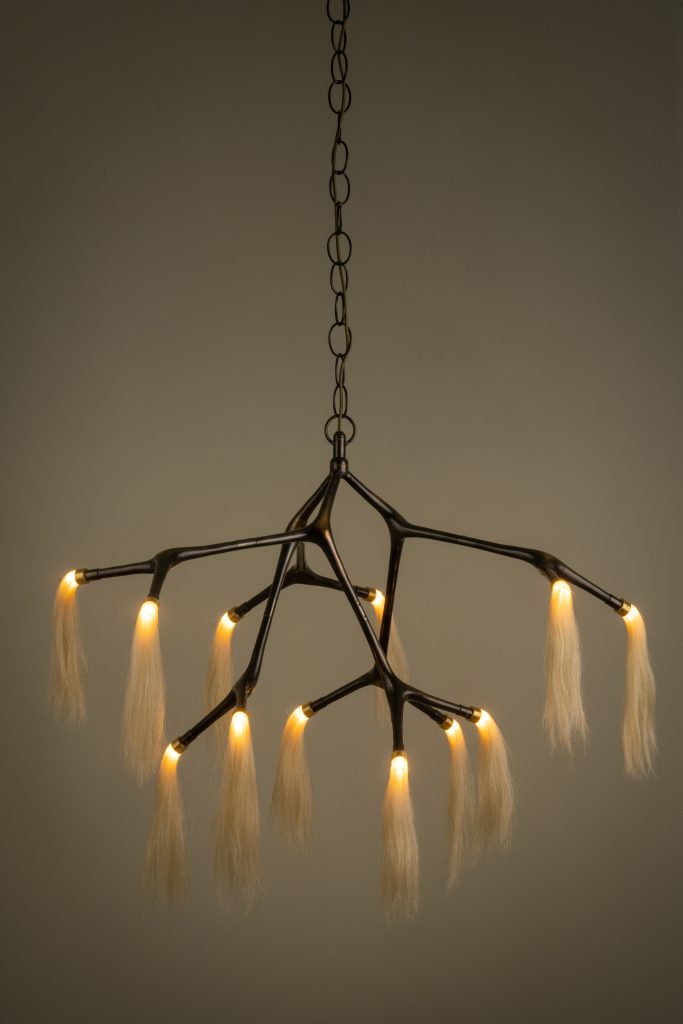
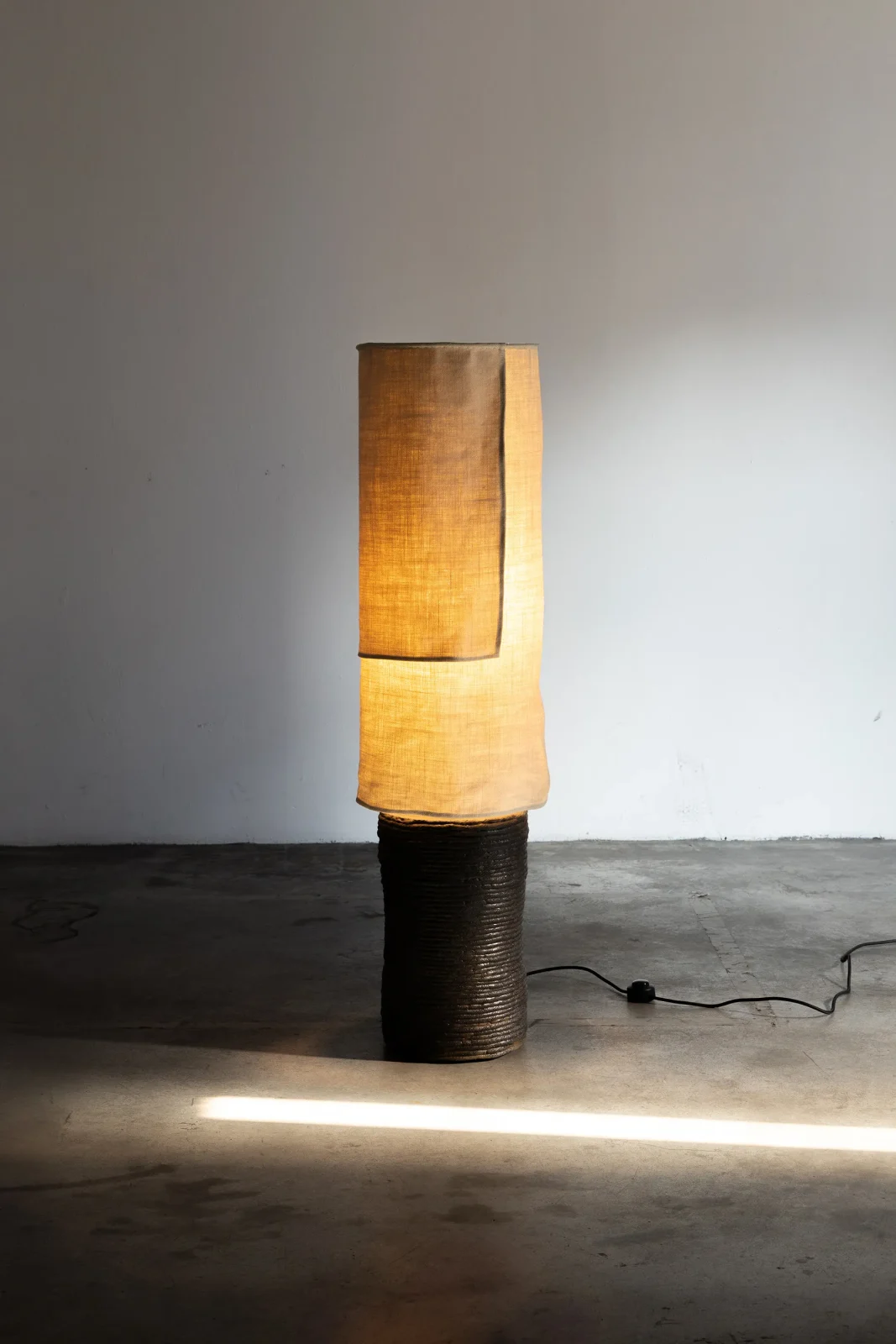
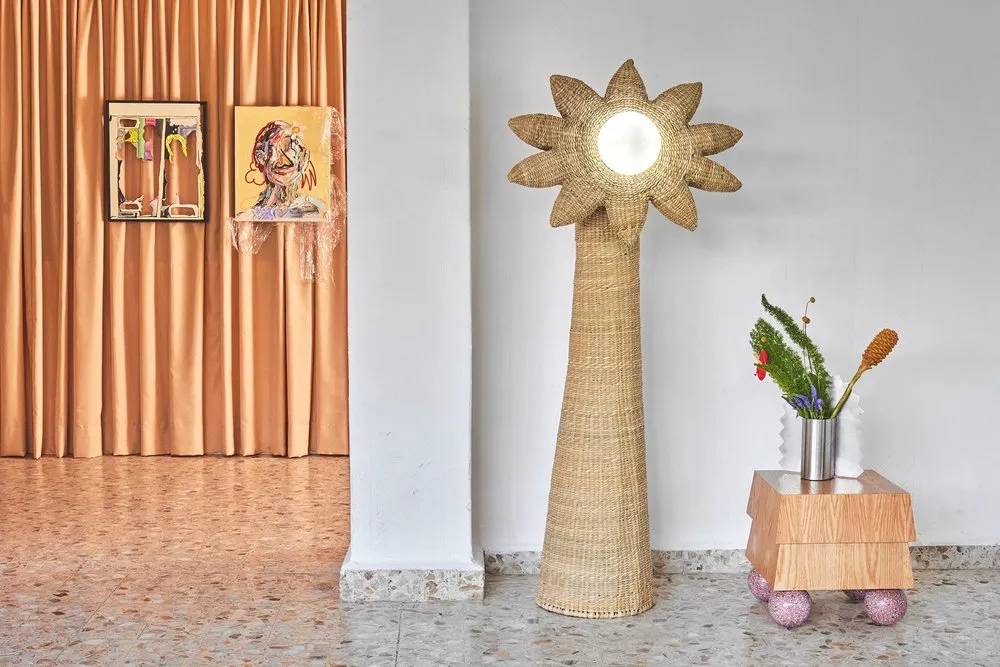
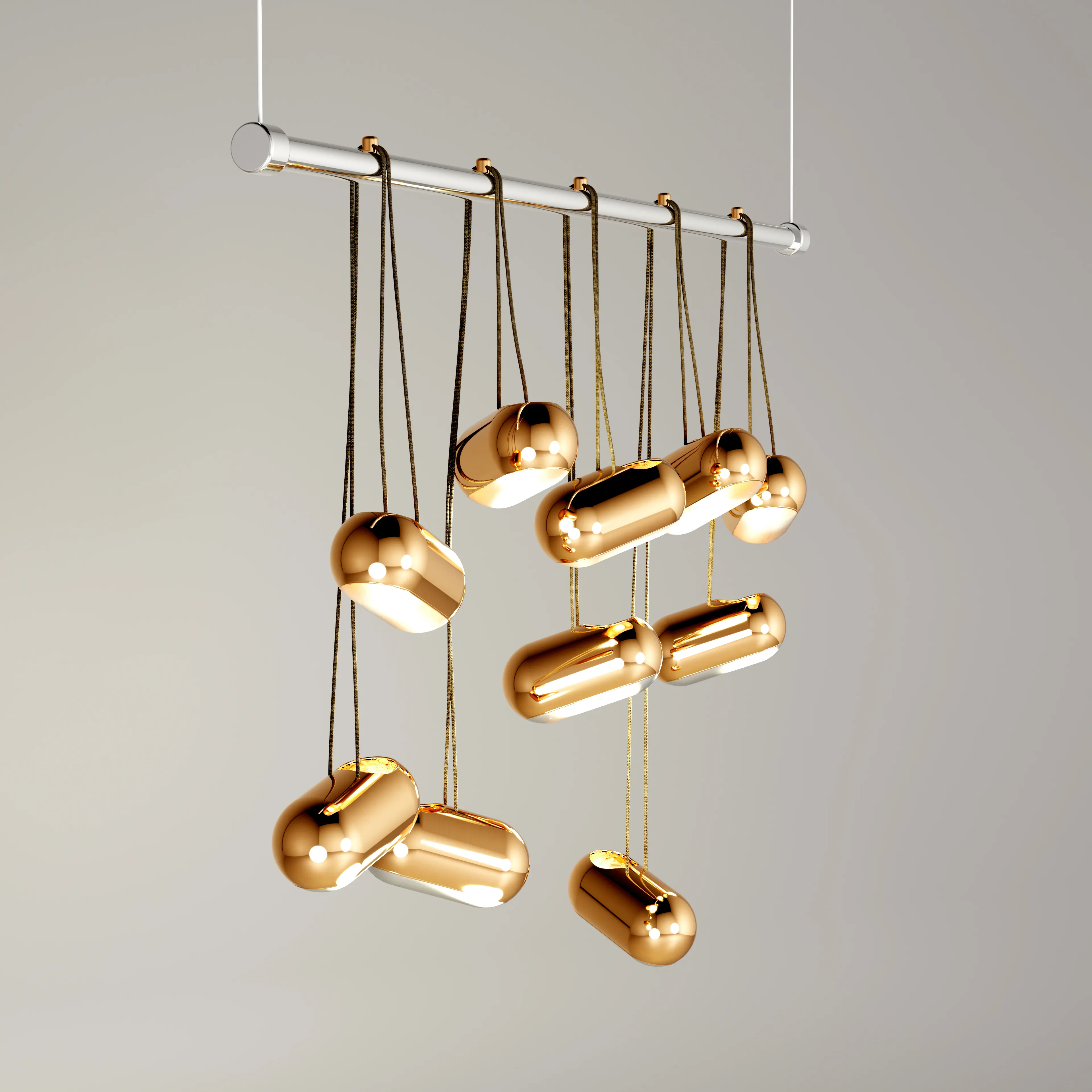
Mexican lighting carries the same material sensitivity that defines the rest of the scene. Many studios approach lighting as sculpture, using form and texture to shape atmosphere rather than relying on ornament.
Isabel Moncada works with glass, brass and hand-finished surfaces to produce grounded pieces that glow softly. Daniel Orozco Estudio takes a more tactile approach, using volcanic stone, wood and intuitive shaping. Keep the bulb at 2700K or lower in both cases — cool light drains the warmth out of clay, copper and undyed fiber, which is the whole point of the material.

Mexican decor ideas: how to use these pieces
Start with one object, not a scheme. A single vessel or wall piece against otherwise restrained furniture reads as deliberate. A room of Mexican decor tips into theme, which is the opposite of what these studios are doing.
Let the material be the pattern. Hammered copper, woven chuspata and glazed ceramic already carry visual texture. Put them against plain walls and quiet textiles and they do the work on their own.
Mix regions rather than matching them. Copper from Michoacán alongside stone from Jalisco and weaving from Oaxaca reads as collected over time. Buying a matched set from one workshop reads as a showroom.
Keep the palette earthy and let one thing be loud. The style’s color reputation comes from accents against neutral grounds, not from saturating a room. One strong piece, everything else in clay, stone and undyed fiber.
Frequently asked questions
What is Mexican decor?
Decorative objects made from regional materials — carved wood, volcanic stone, hammered copper, glazed ceramic and woven natural fiber — usually produced with named artisan communities. It is defined by material and making rather than by color or motif.
What is the difference between Mexican decor and Mexican folk art?
Folk art works within an inherited form to a known standard. Contemporary Mexican decor uses the same techniques and materials but treats them as a starting point, so the output is new rather than traditional. The craft lineage is shared; the intention is not.
Does Mexican decor have to be colorful?
No, and this is the most common misconception. Much contemporary Mexican work is in the natural tones of its material — unglazed clay, raw copper, undyed fiber, grey volcanic stone. Color appears as an accent against neutral ground rather than across a whole room.
How do you mix Mexican decor with modern interiors?
One piece at a time, with space around it. These objects are irregular by design and need room for that irregularity to register. A single sculptural vessel or wall piece in an otherwise contemporary room reads as considered; several compete with each other.
Where is Mexican decor made?
Design studios cluster in Mexico City and Guadalajara, while production is more dispersed. Michoacán has worked copper for centuries, Jalisco supplies cantera stone, and Oaxaca and Chiapas supply much of the weaving. A single piece often moves between several of them.
Is handmade Mexican decor durable?
Generally yes — solid timber, stone and copper outlast most manufactured equivalents and can be repaired or refinished. The thing to check is whether ceramic pieces are glazed inside, since many sculptural vessels are not sealed and will stain from oils.
Why Mexican decor resonates
Mexican decor resonates because the design culture values experimentation, regional knowledge and close relationships between makers and materials. Each object reflects a specific approach, whether shaped in a small workshop, an urban studio or a craft community with centuries of expertise. These pieces bring color, texture and intention into a home while remaining adaptable to most interior styles.
Further reading in Mexican furniture designers and Mexican interior design pieces.