Updated on: August 28, 2026
Mexican design is carried by independent studios working between inherited craft and contemporary form. They build in regional hardwoods, volcanic stone, hammered copper, blown glass and woven fiber — and alongside artisan communities in Oaxaca, Jalisco, Michoacán and Yucatán whose techniques predate the studios by centuries.
Sixteen pieces below from fifteen studios, each priced and linked. Most are made to order, so treat dimensions as a starting point rather than a fixed spec.
What defines Mexican interior design?
The artisan is named, not anonymous. Mexican studios routinely work with specific craftspeople and communities, and credit them by name. That is a structural difference from European independent design, where the maker is usually the designer, and it means a single piece often carries two authorships.
Regional materials, not imported ones. Parota, Tzalam and Rosa Morada are hardwoods with no European equivalent, and cantera — a volcanic tuff quarried in Jalisco — behaves nothing like Carrara marble. The material dictates the form more than in traditions built on standardized stock.
Irregularity is expected. Hand-finishing and variable material mean no two pieces match. Studios describe this as one of a kind rather than as tolerance, so photographs are indicative rather than exact.
16 pieces from Mexican Designers
Artefacto Ls 16 – Woven Wicker Fiber Floor Lamp by LØRDAG & SØNDAG
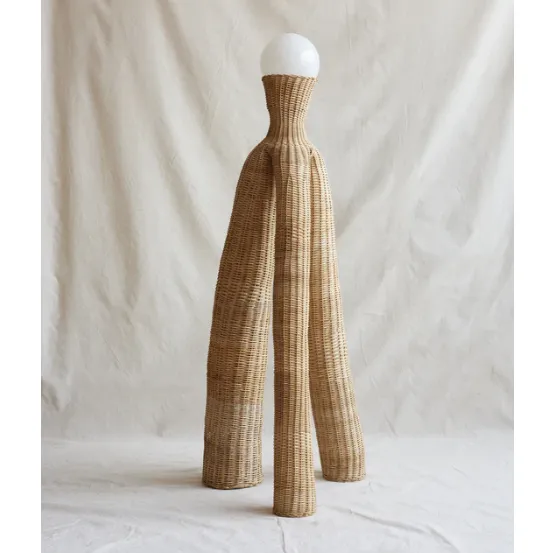
Designed in Mexico City and hand-woven in Oaxaca by master artisan Don Claudio, entirely from G’noo Xombé Nisin fiber with no internal metal structure at all — the weave alone carries the piece. That is technically demanding and rarely attempted, and it is why the tripod form reads as continuous rather than stretched over a frame. Works as a standing lamp or as sculpture.
€1.090 incl. tax
Pantli: Ceramic Planters by piedrafuego
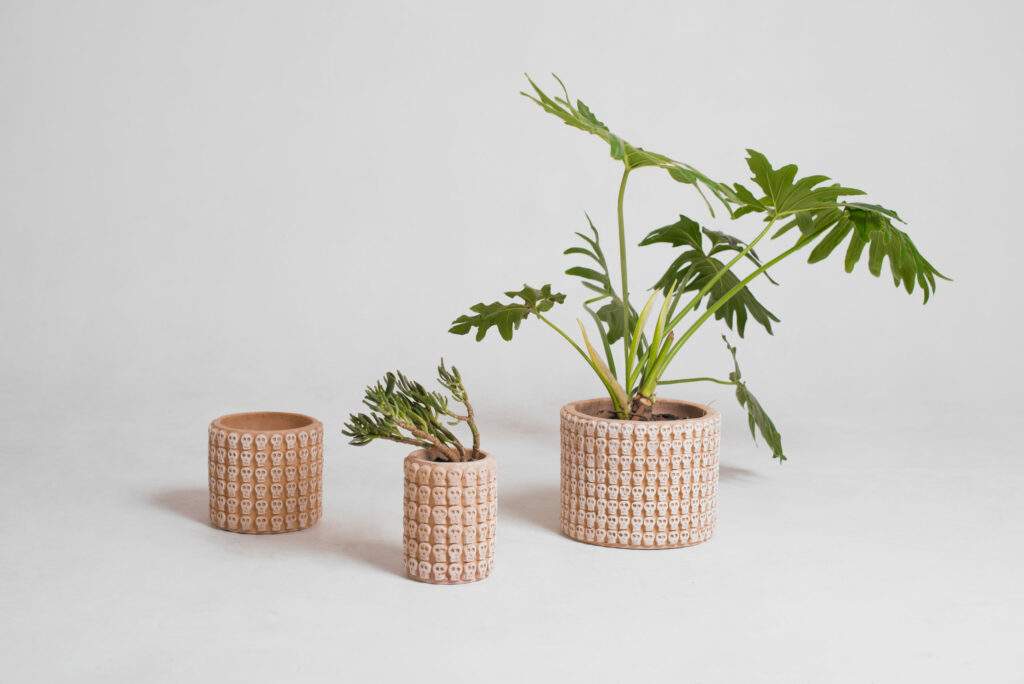
The most accessible piece in this selection and the studio’s best seller. Three sizes of hand-made ceramic planter, priced so they can be bought as a group rather than singly — which is how they work best, since the proportions were designed to sit together. A sensible first piece of Mexican collectible design.
By piedrafuego
€60 – €97 incl. tax
Stricta – Sculptural Dining Table Made Of Lava Stone And Glass Top by CMX | Furniture
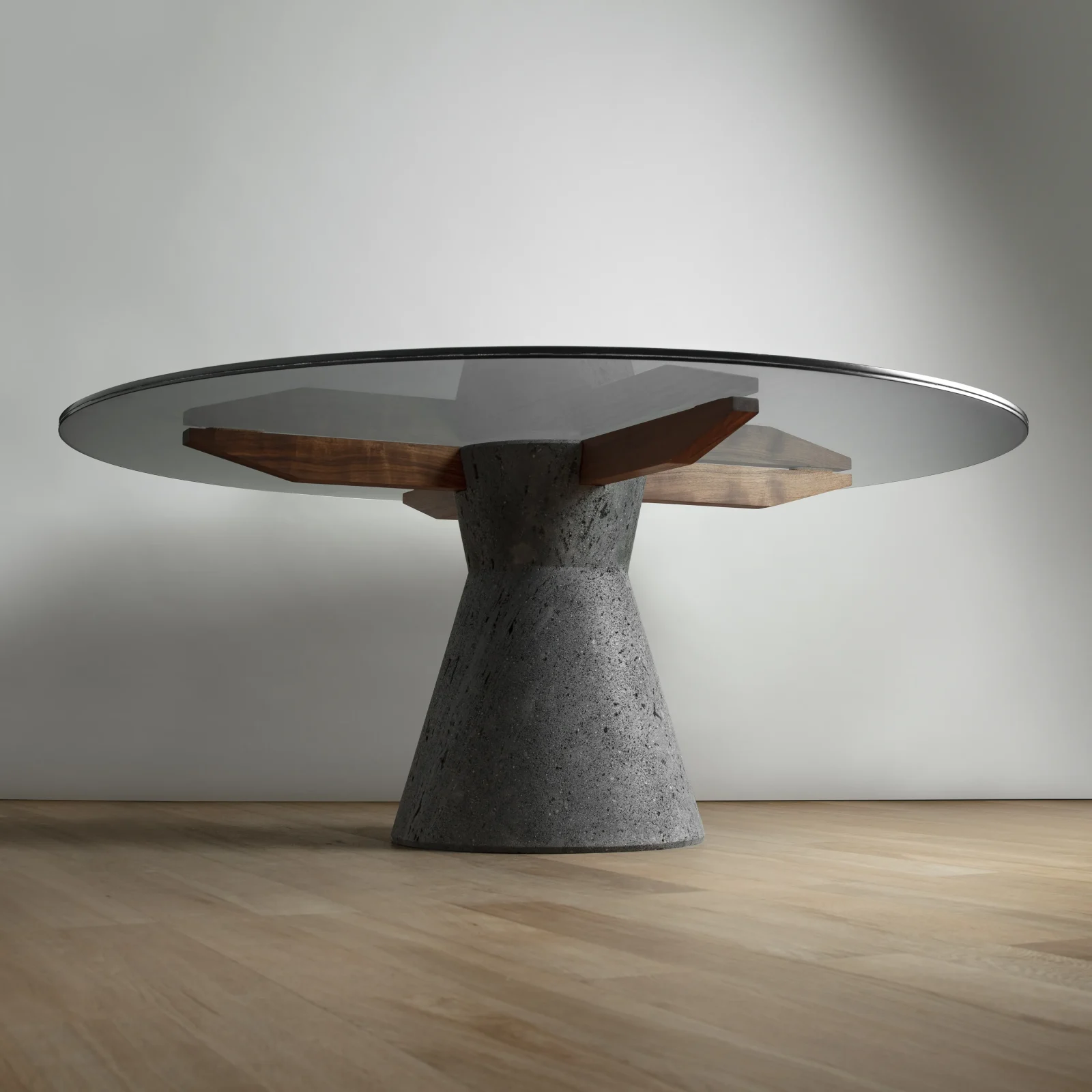
A volcanic stone monolith carries two solid wood crossbars and a circular top of smoked laminated glass. The glass is what makes it work — it keeps the base visible from above, so the stone reads as the subject rather than as something hidden under a tabletop. Every block is different, so the marks and texture will not match the photograph. Seats eight to ten, indoors or out, and one of the few dining tables here held in stock.
€17.241 incl. tax
Hoja Table Lamp in Steel by Natural Urbano – Sebastián Beltrán

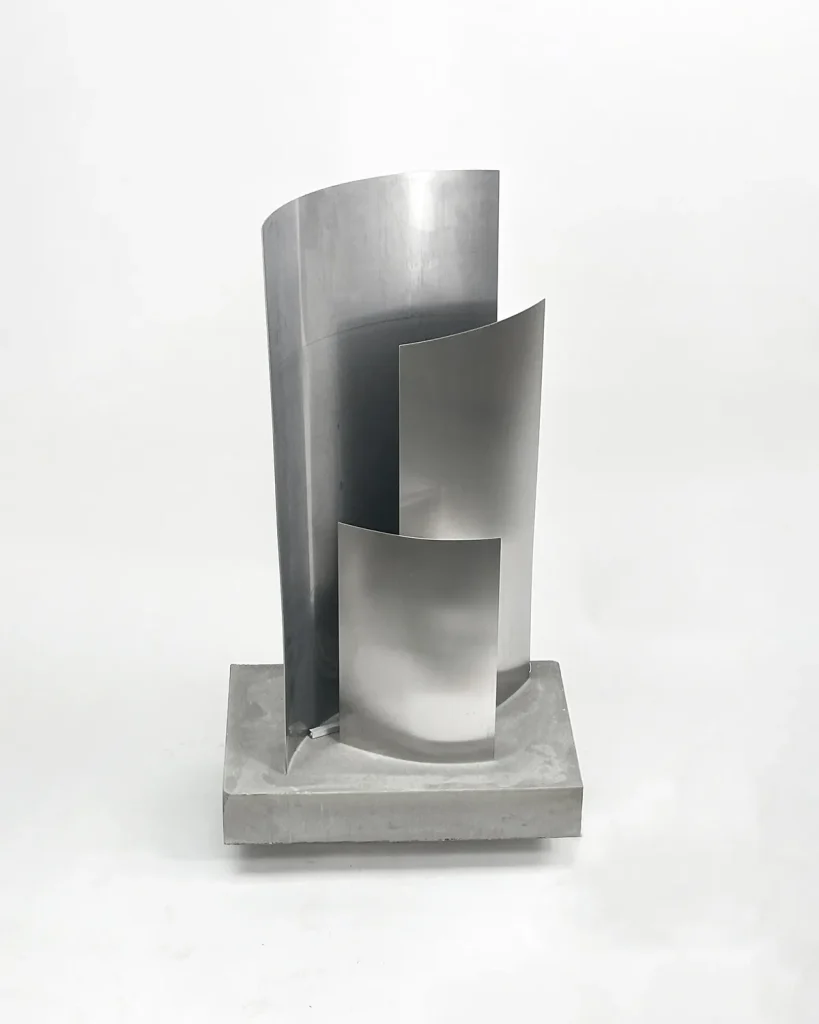
Hoja is Spanish for leaf, and the form follows directly — a single folded plane of steel doing the work of a shade and a stem at once. One of the studio’s best sellers, and the cheapest piece here after the planters, which makes it the easiest entry into Mexican lighting. Also available in white steel.
By Natural Urbano – Sebastián Beltrán
€335 incl. tax
Gogo Sconce in Brass, Blown Glass and Natural Fibers by Isabel Moncada
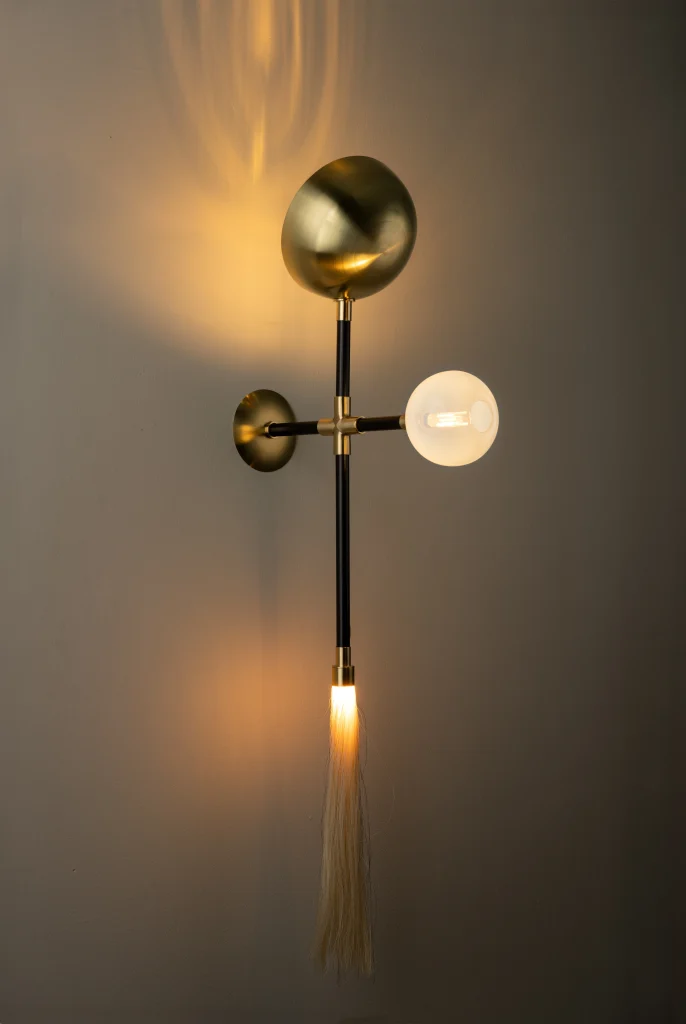
Three materials that behave completely differently under light: brass reflects it warm, blown glass transmits it, and natural fiber absorbs it. That is why the sconce reads differently from every angle. Available in polished or vintage finish, with a glass or porcelain globe — the finish choice matters more than it sounds, since polished brass stays bright while vintage is allowed to patina.
€2.880 – €4.036 incl. tax
Mora Tables by Daniel Couttolenc
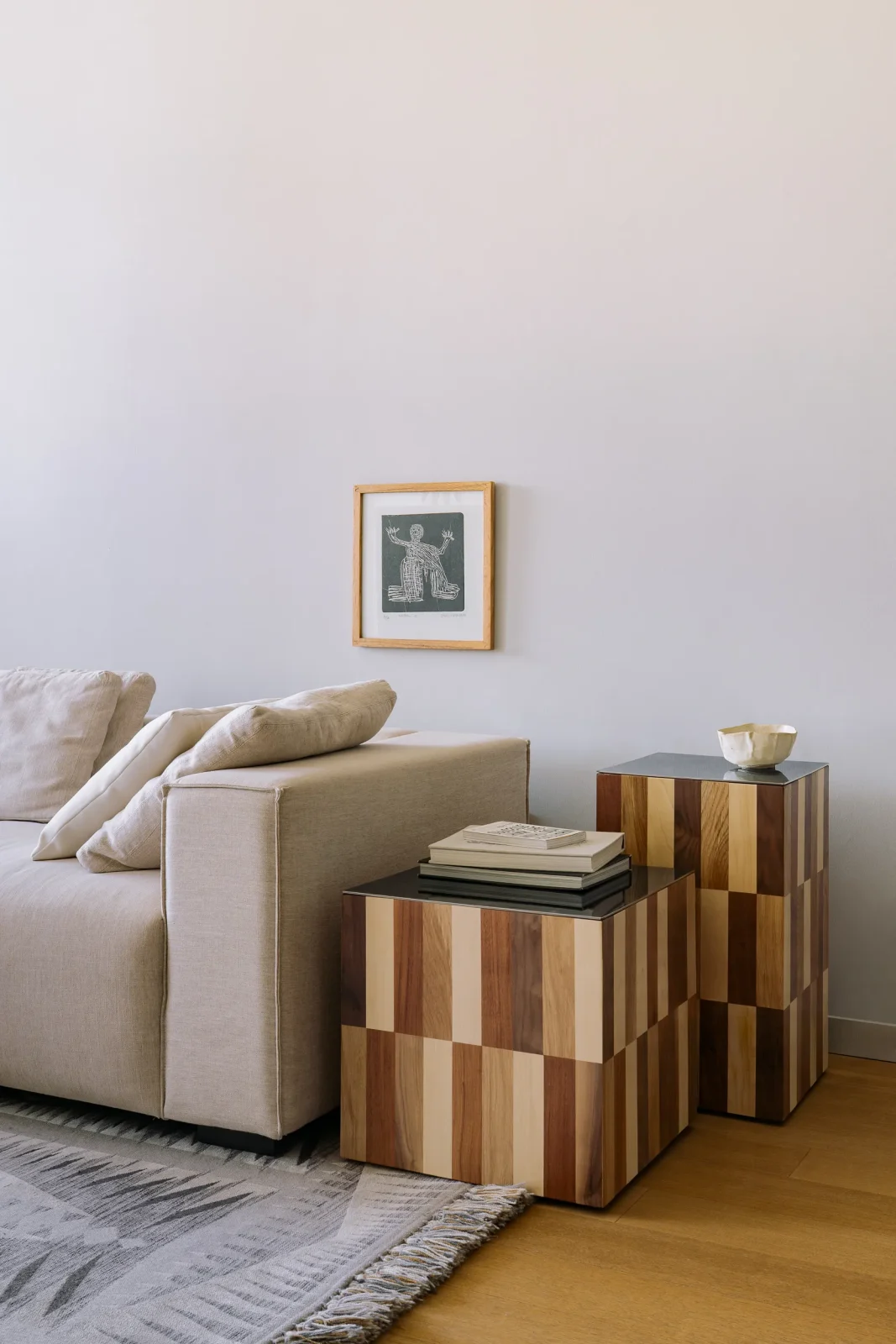
A family of tables built on an orthogonal grid, each one exploring a different wood — Tzalam, oak, walnut and maple. The grid is deliberately clear and repetitive so the timber has something plain to argue against; every species then reveals itself through grain, tone and texture. Available as side table, auxiliary table or coffee table.
€2.300 – €4.700 incl. tax
Kuni – Natural Fibre Woven Floor Lamp by Joyful Objects, Yes!
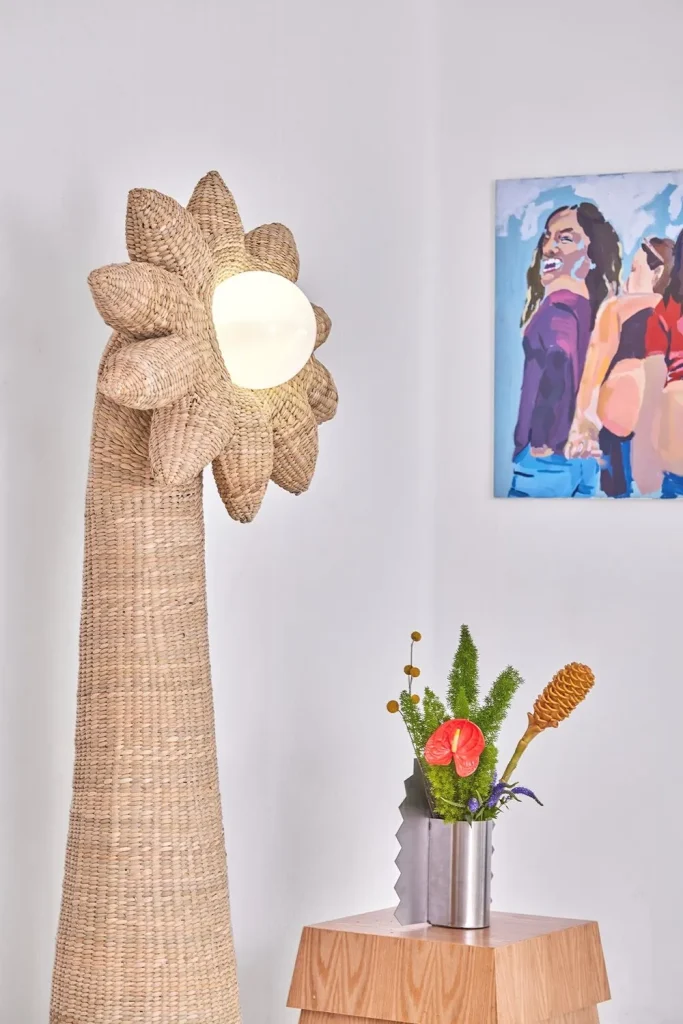
Natural fibers woven over a metal frame, built around the light of the Mexican sun at the horizon. The internal armature is what separates it from most woven lighting — where the weave usually has to carry the structure, here it does not, which lets the piece hold a taller and more open shape at 180cm.
€2.900 incl. tax
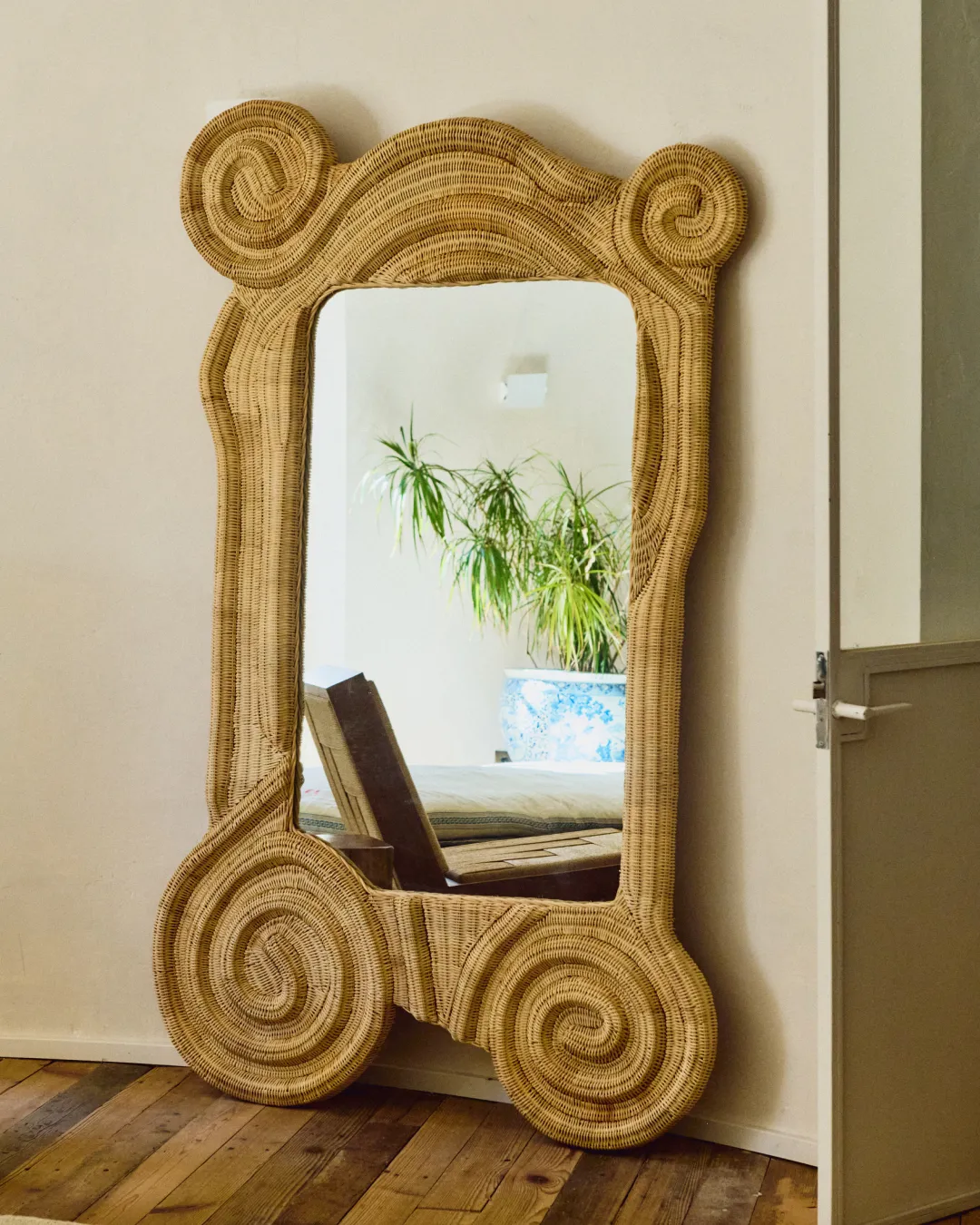
La Celebración – Handwoven Fiber Mirror by Joyful Objects, Yes!
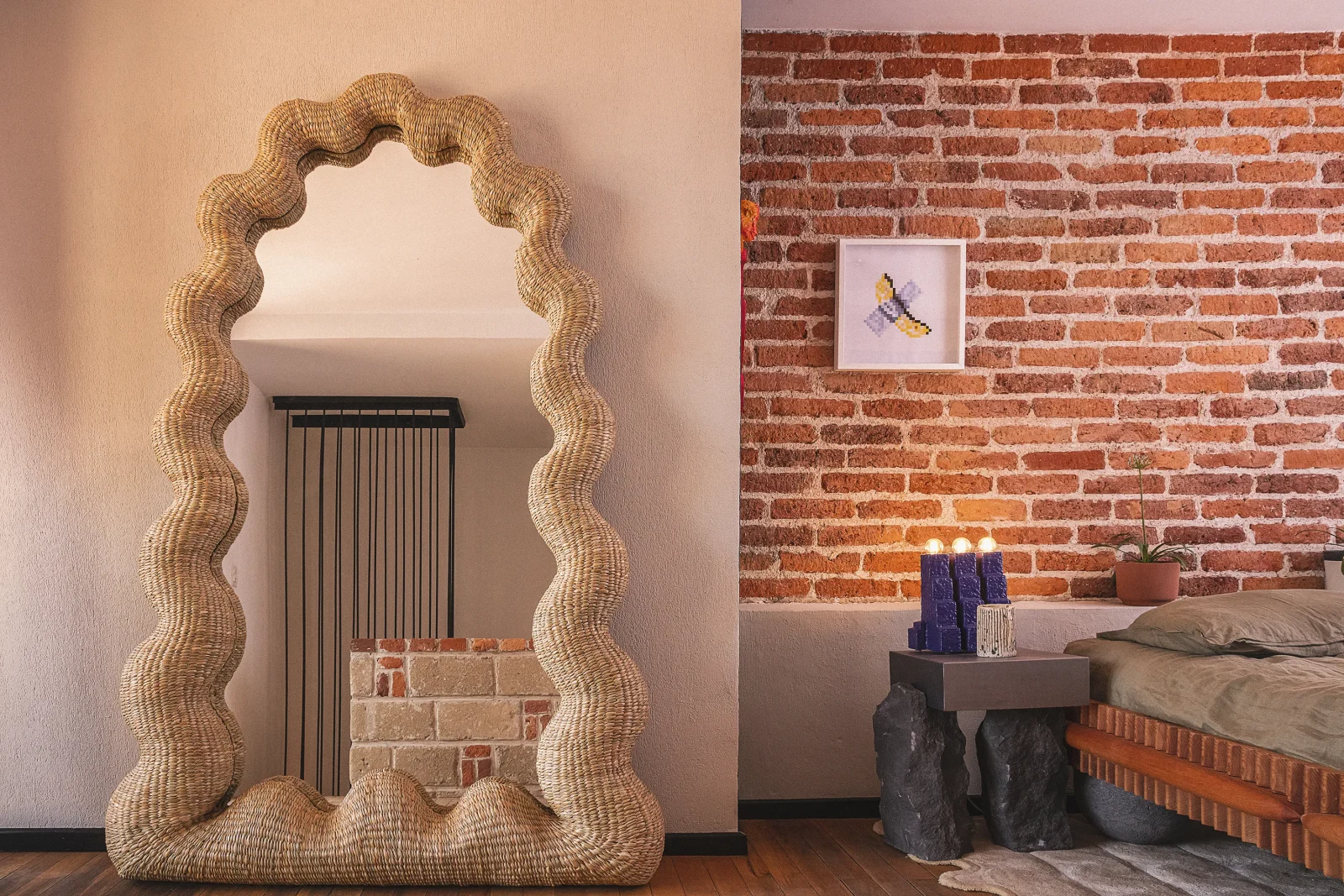
The studio’s second best seller, and the piece that shows what handwoven fiber can do at scale. A mirror is the hardest object to make from a soft material — it needs to stay flat and rigid — so the fiber surround is doing structural work as well as decorative. Substantial enough to anchor a wall on its own.
€6.000 incl. tax
Otero – Copper Wall Sculpture by Aura Carpio®

Seven hand-hammered forms taking flat-topped geological formations as their subject, made from upcycled copper collected from goldsmith workshops around Michoacán. Fire and acid treatments produce a semi-oxidized patina, so no two are alike in shape, tone or finish. The wall piece as geology rather than picture.
By Aura Carpio®
€6.300 incl. tax
Split Accent Chair by ASUL-STUDIO
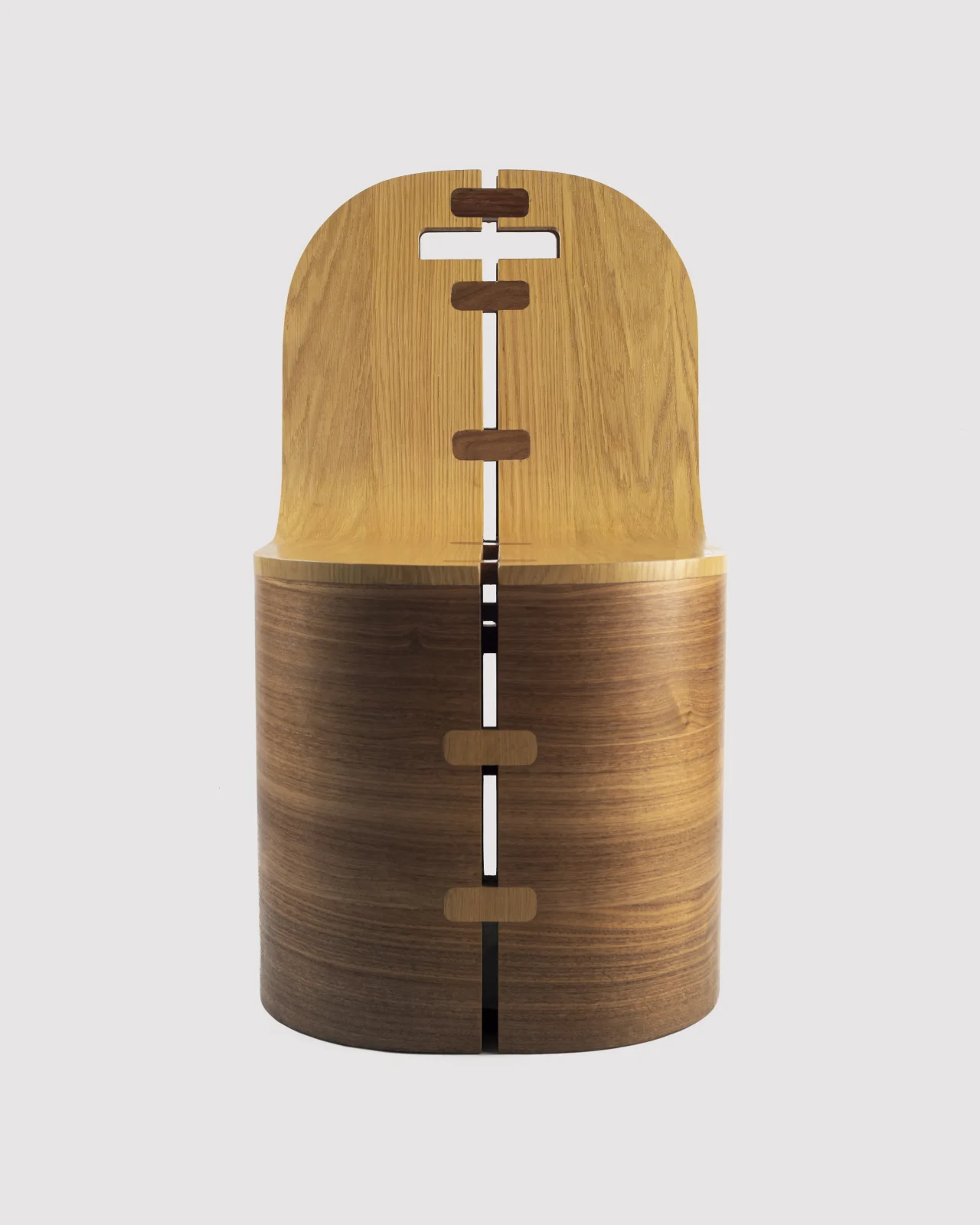
ASUL-STUDIO designs in Mexico City and produces with regional artisans, working from a position of structural honesty — joints left visible, geometry left plain. The chair carries that into seating, where it is harder to sustain than in a table because comfort has to be solved at the same time.
By ASUL-STUDIO
€1.900 incl. tax
Gonfalon Paravent, Room Divider In Textile And Metal by Panorammma Atelier
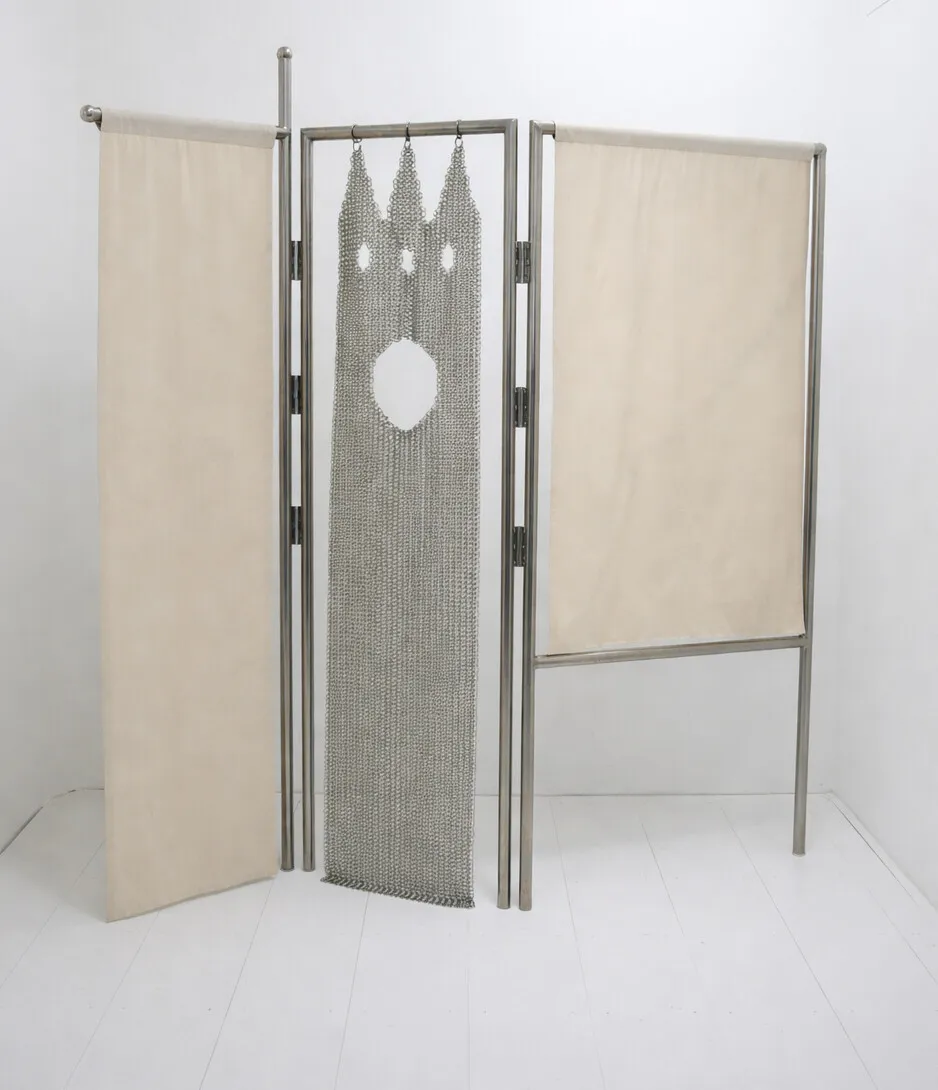
A gonfalon is a banner hung from a crossbar rather than a pole, and the reference is exact — textile suspended from metal, doing the work of a wall without the weight of one. Panorammma normally works in stone, so a piece this light is a departure. A room divider that can be moved by one person.
€7.400 incl. tax
Rima Credenza by Peca Mobiliario
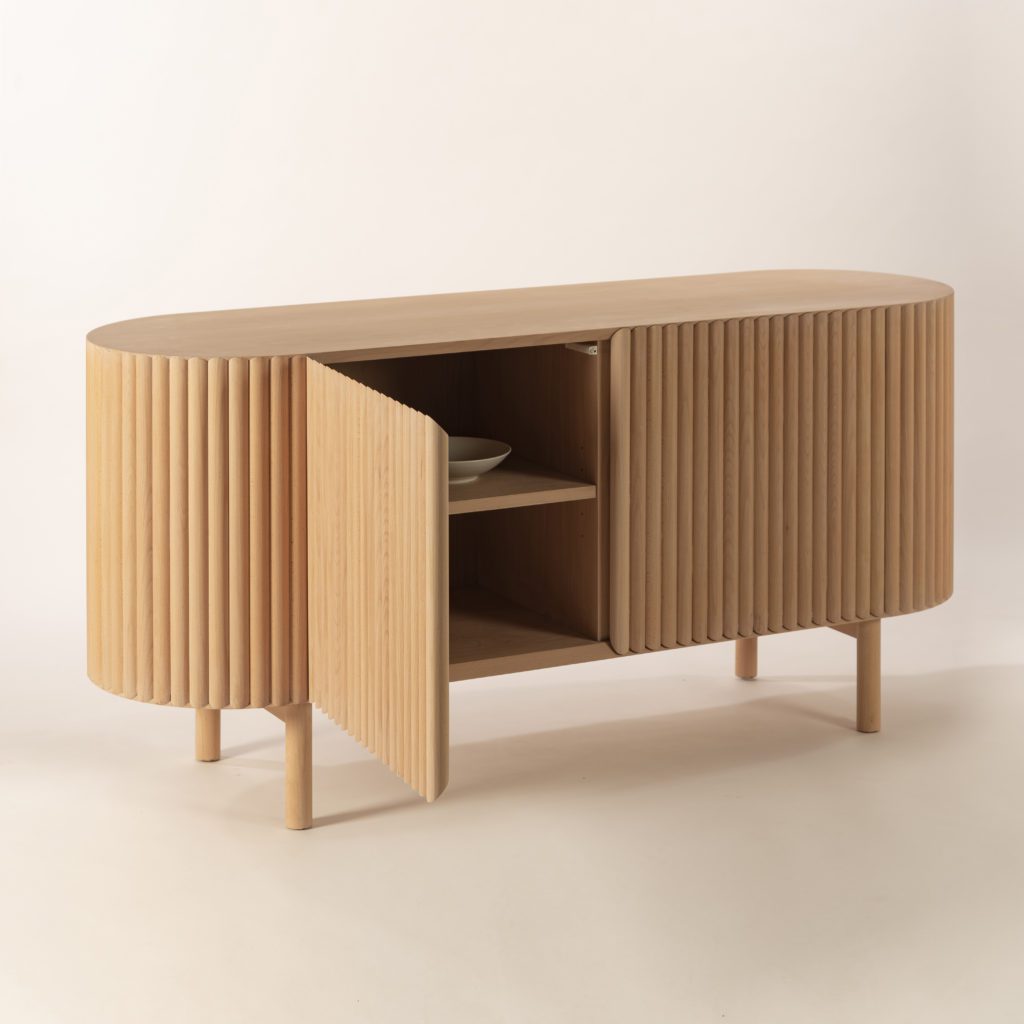
Caterina Moretti’s studio works in wood and glass with a restraint closer to minimalism than most Mexican design, which is what lets a piece like this travel into European interiors without reading as imported. A credenza is where that discipline shows most, since there is nowhere to hide a bad proportion.
€5.455 incl. tax
Unroll Wall Mirror By Regina Merino by Toro Manifesto
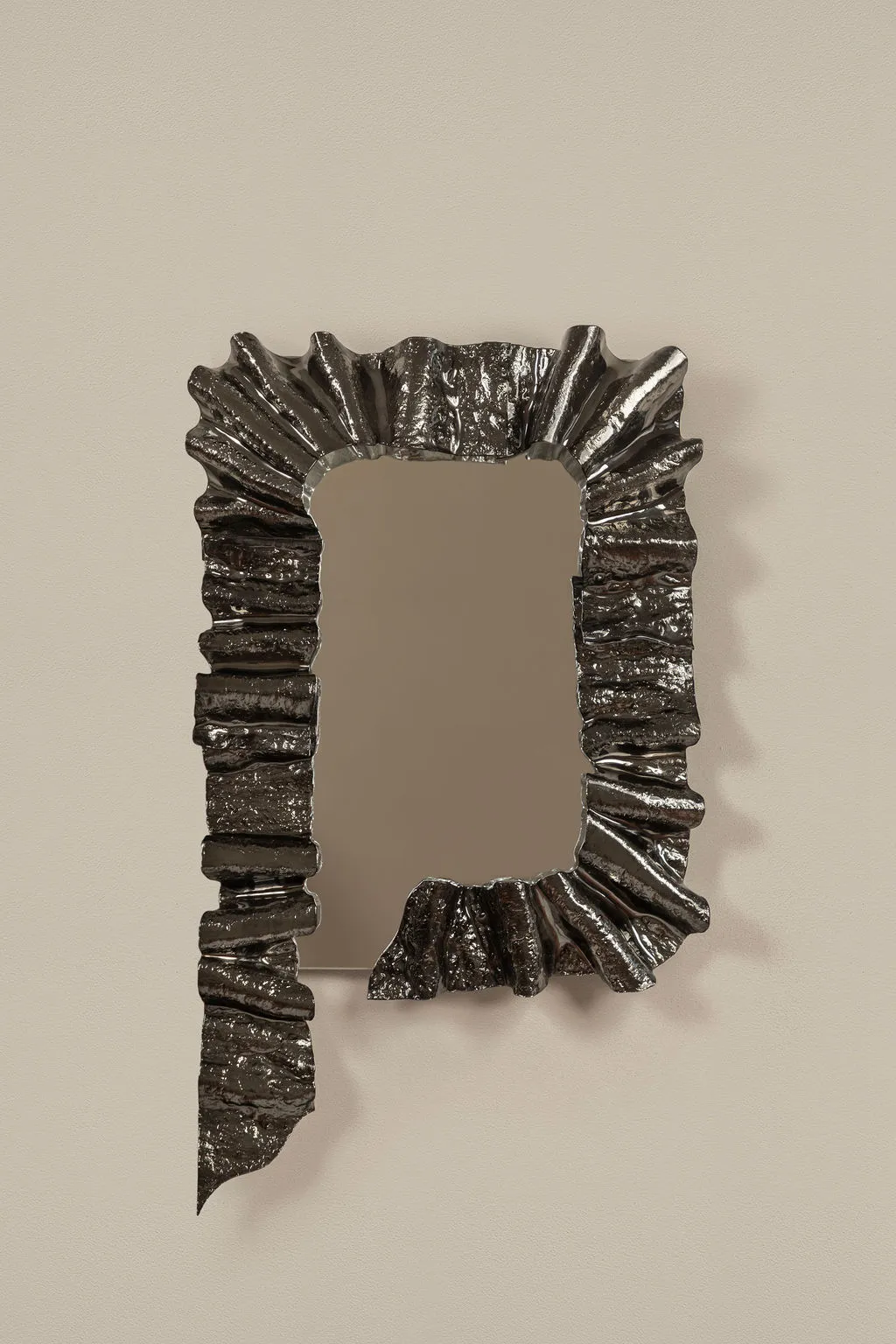
Designed by Regina Merino for Toro Manifesto, a studio that works almost entirely in oxidized steel. Letting steel oxidize rather than coating it means the surface keeps changing after the piece leaves the workshop — so the finish you receive is a starting condition rather than a final one. One of the few pieces here held in stock.
€3.600 incl. tax
Saturn – Floor Lamp by Daniel Orozco Estudio
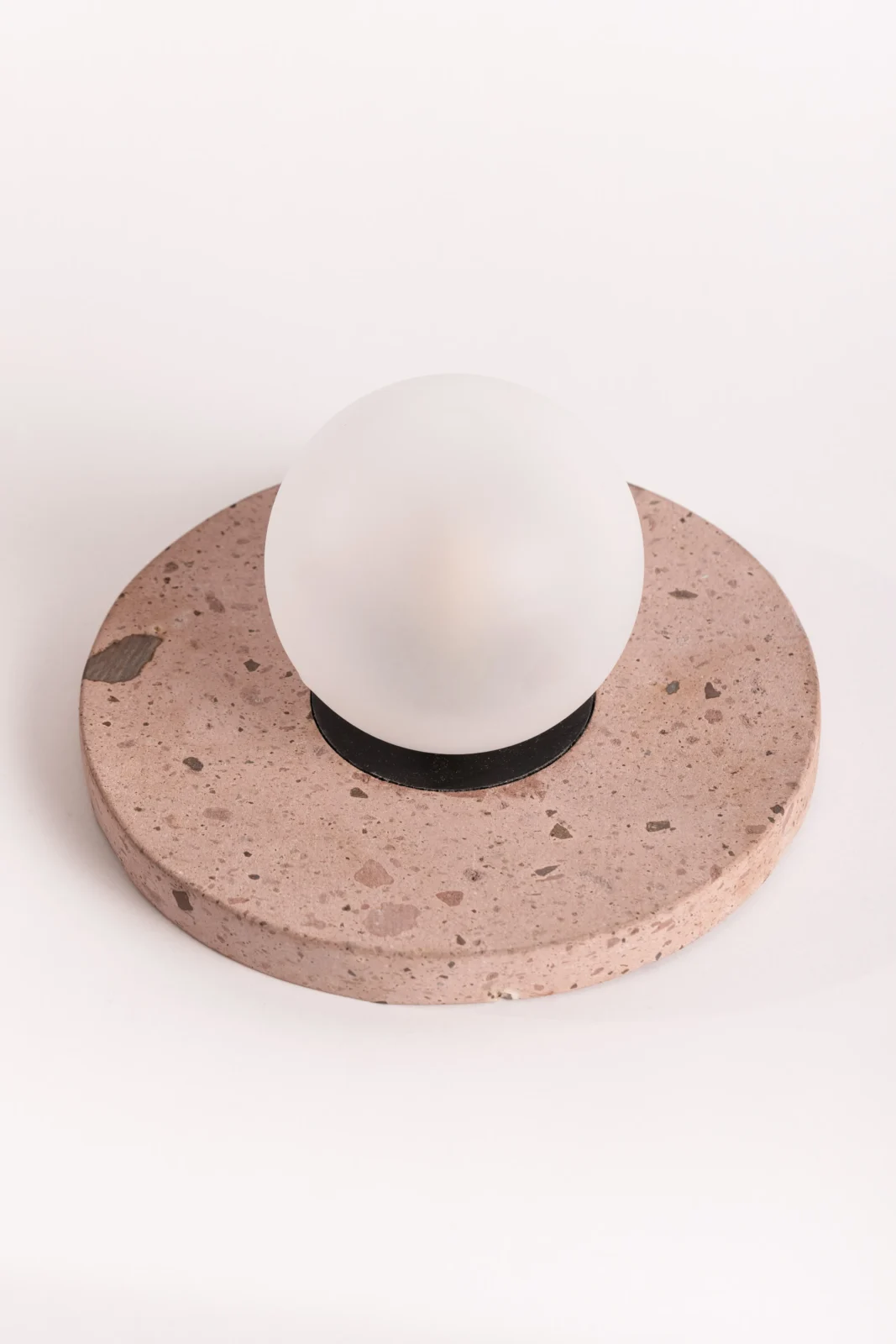
Available in pink, white, gray, red and orange at the same price, which is unusual — color is normally where variable pricing creeps in. Daniel Orozco Estudio works mostly in Parota wood and marble, so a saturated, uniform finish is a deliberate step away from the studio’s usual material-led approach.
€560 incl. tax
Orion – Marble & Stainless Steel Console Table by Drusch Design
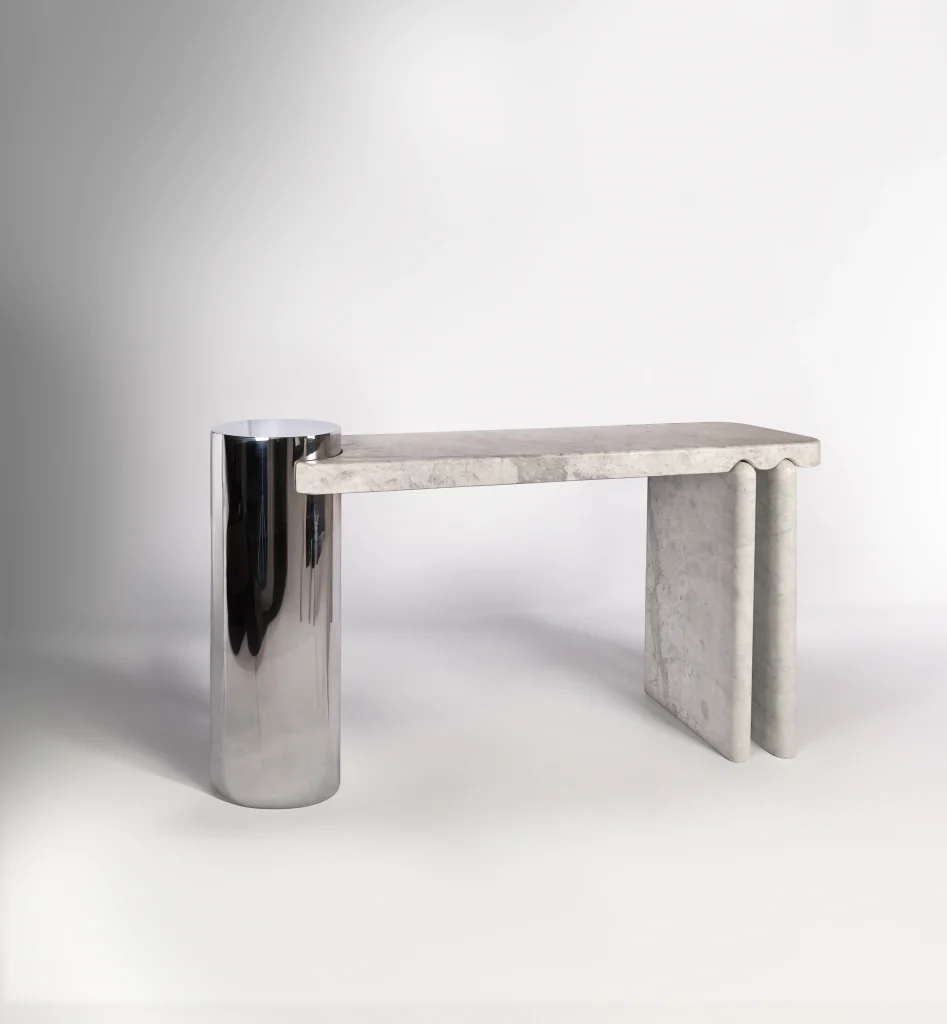
Marble and stainless steel — two materials that age in opposite directions, which is the whole argument. The steel holds its finish while the marble takes on the marks of use, so the contrast between them widens over the years rather than settling. A console is the right format for that, since it lives in a hallway and gets touched daily.
€6.900 incl. tax
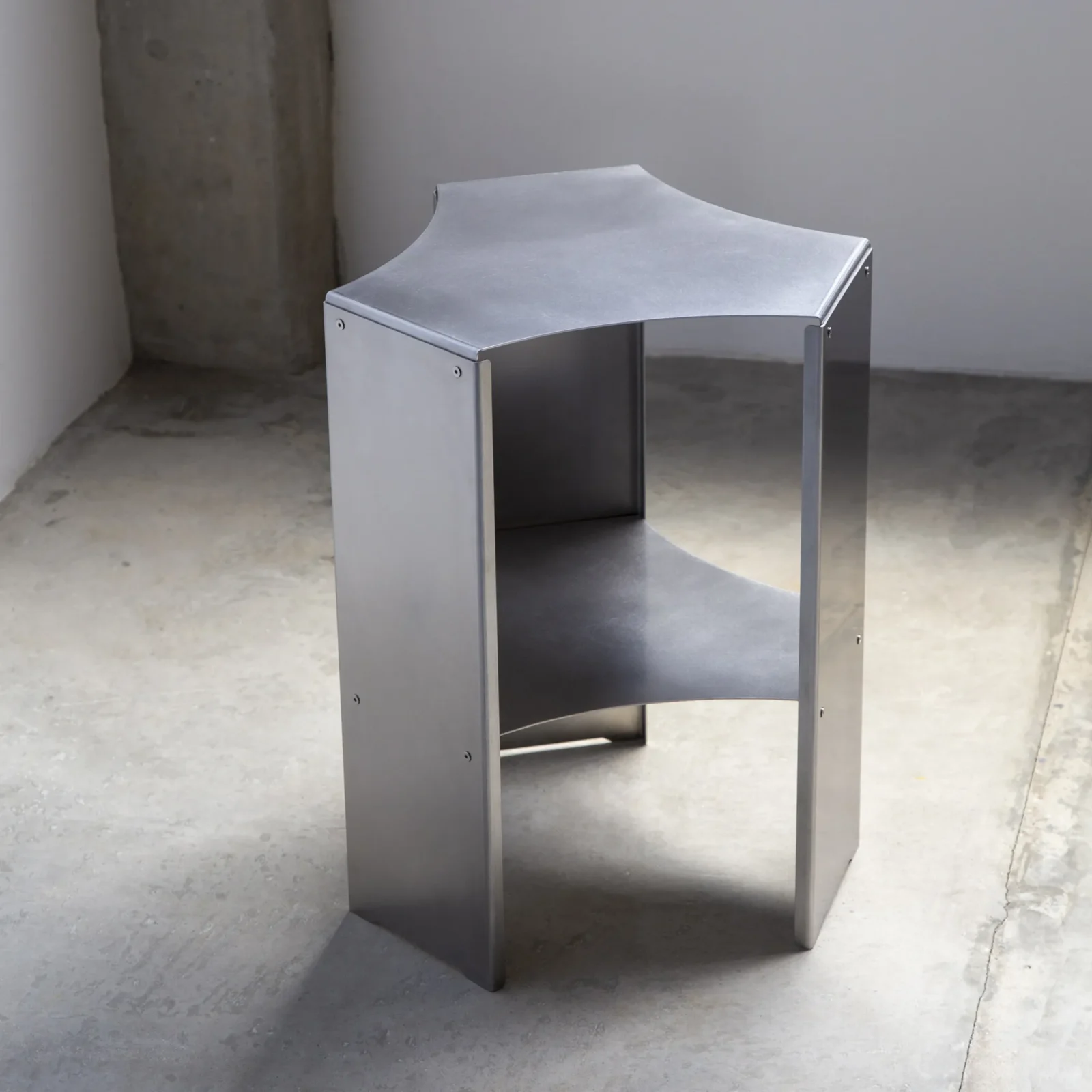
The Tutu Stool by Design VA
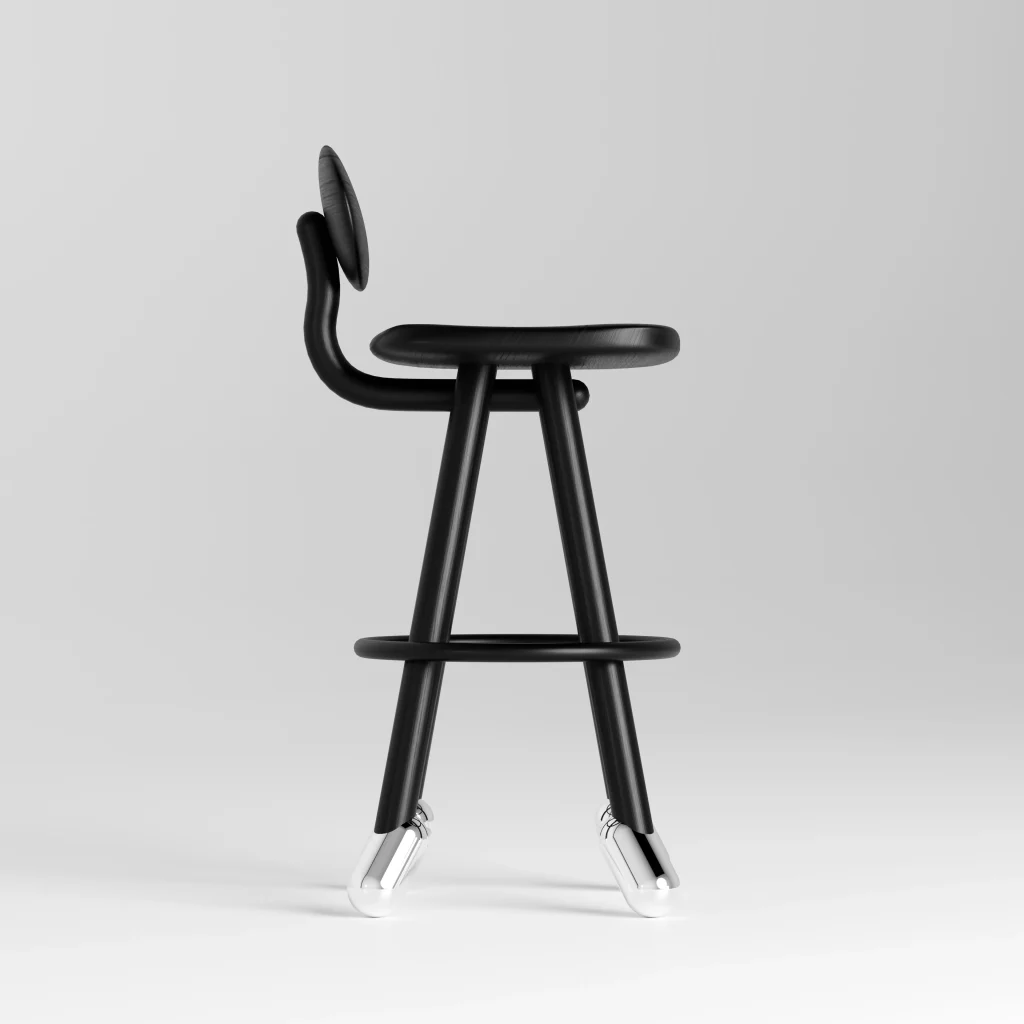
A bar stool at 124cm, offered in three material pairings that span a wide price range: ebonized oak with aluminum, maple with rose-plated aluminum, or walnut with bronze. The bronze version costs more than twice the oak — worth knowing before choosing, since the silhouette is identical and only the material changes.
By Design VA
€3.250 – €7.995 incl. tax
Frequently asked questions
What is Mexican interior design known for?
Regional hardwoods such as Parota, Tzalam and Rosa Morada, volcanic stone and cantera, hammered copper, blown glass and woven natural fiber — worked alongside named artisan communities rather than anonymously. Irregularity is expected rather than corrected, so pieces are typically one of a kind.
How is Mexican design different from Scandinavian design?
Scandinavian work is built on standardized materials and repeatable production; Mexican studios work with variable regional stock and hand processes, so form follows the material more closely. The other structural difference is authorship — a Mexican piece often credits both the designer and the artisan who made it.
Can you buy Mexican design outside Mexico?
Yes. Every piece here ships internationally through ADORNO. Most are made to order, so allow lead time rather than expecting stock delivery, and check dimensions carefully — hand production means slight variation from published figures.
Will two pieces from the same studio match?
Not exactly. Solid timber varies board to board, stone varies block to block, and hammered copper carries the marks of whoever worked it. Ordering a pair means accepting two related but distinct objects. If close matching matters, ask whether both can be cut from the same log or block.
Where do you start with Mexican design?
With one object rather than a scheme. A ceramic planter or a steel table lamp costs under a few hundred euros and tells you whether you actually want to live with the irregularity before committing at four or five figures. Almost everything here reads better as a single piece against quiet furniture than as a themed room.
Browse our full catalog of Mexican design
Furniture, lighting, ceramics and objects from independent Mexican studios, with prices and availability. Further reading in Mexican furniture designers and Mexican decor and lighting.