Clay carries light the way stone carries weight — quietly, and as though it always had.
A ceramic lamp occupies an odd, welcome place in a room. The material is ancient, fired earth pressed into service long before electricity, and yet a ceramic lamp reads as entirely present in a contemporary interior. Indeed, the appeal is partly tactile: a thrown or cast body holds the eye before the bulb is ever switched on. Moreover, ceramic absorbs and returns light softly, so the glow feels diffuse rather than aimed.
This selection gathers eight ceramic lamps collected through ADORNO, each made by a studio working in clay, stoneware, or porcelain. Notably, the group spans table lamps, a sculptural floor piece, and wall-mounted forms, so the range covers most of the places a lamp is asked to live. Throughout, the emphasis stays on material and making — how a piece is shaped, glazed, and weighted — because that is where a ceramic lamp earns its keep. If table lamps are your starting point, our earlier note on living room table lamps is a useful companion to this one.
How to choose a ceramic lamp
Start with function, then scale. A ceramic table lamp on a nightstand asks for a different proportion than one anchoring a console, and the base does much of the work. Specifically, weight matters: a heavier ceramic body resists knocks and keeps a tall shade steady. As a result, the lamps that feel most settled in a room are often the ones you stop noticing once they are placed. By contrast, a lamp that is too light for its shade will always look slightly unsure of itself.
After scale, consider the fittings. Most studio ceramic lamps are wired for their country of origin, so a European piece arrives with an EU plug and a 220–240V fitting; consequently, a buyer in the US should plan for a simple plug adaptation or a rewire by an electrician. Furthermore, decide early whether you want a dimmable bulb, since the switch type — on-cord, inline, or base — shapes how the lamp behaves after dark. In other words, the character of the lamp is set as much by its hardware as by its silhouette. For a wider view of what designers weigh when sourcing, see what interior designers are prioritizing right now.
Materials and construction
Earthenware and stoneware
Most ceramic lamp bodies begin as earthenware or stoneware, clay thrown on a wheel or hand-built and then fired hard. Stoneware in particular vitrifies at high temperature, which gives it density and a quiet heft. As a result, a stoneware base tends to sit low and stable, and its surface keeps a faint tooth even under glaze. Consequently, these are the pieces that read as grounded — present without announcing themselves.
Porcelain
Porcelain is the finer cousin: whiter, denser, and translucent when worked thin. Notably, it fires to a smoother surface and takes crisp detail, which is why porcelain lamps often carry sharper profiles and cleaner seams. Meanwhile, the material holds light with a faint inner glow, so a porcelain shade or body can seem lit from within even at low wattage. Therefore, where stoneware grounds a room, porcelain tends to lift it.
Glaze and surface
Glaze decides how a ceramic lamp meets the light. A matte glaze scatters it and keeps the surface tactile; a gloss glaze, by contrast, catches highlights and reads wetter and more reflective. Furthermore, glaze carries the colour — the ultramarines, off-whites, and earth tones that define a piece — and small kiln variations mean no two surfaces are identical. In other words, the glaze is where a ceramic lamp stops being a shape and becomes a specific object.
Brass, marble, and mixed bases
Clay rarely works alone. Many studios pair a ceramic or porcelain body with brass fittings or a marble base, both for weight and for contrast. Specifically, brass warms a cool glaze and ages into a soft patina, while a stone base lowers the centre of gravity on a tall lamp. Altogether, these mixed constructions let a maker tune balance and tone without abandoning the hand-finished surface that makes ceramic worth choosing in the first place.
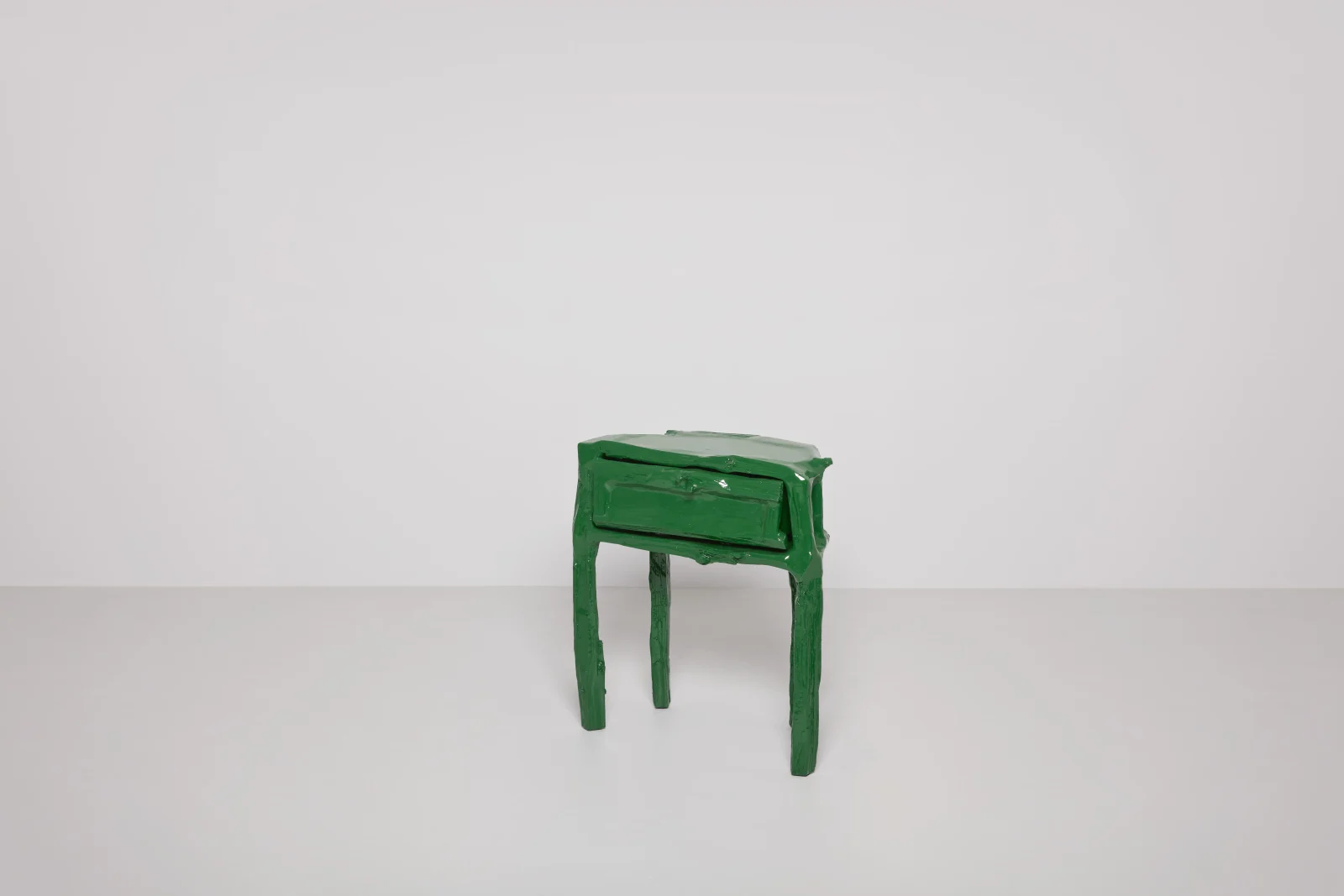
The Mesia Ceramic Table Lamp by Luis Gimeno Design
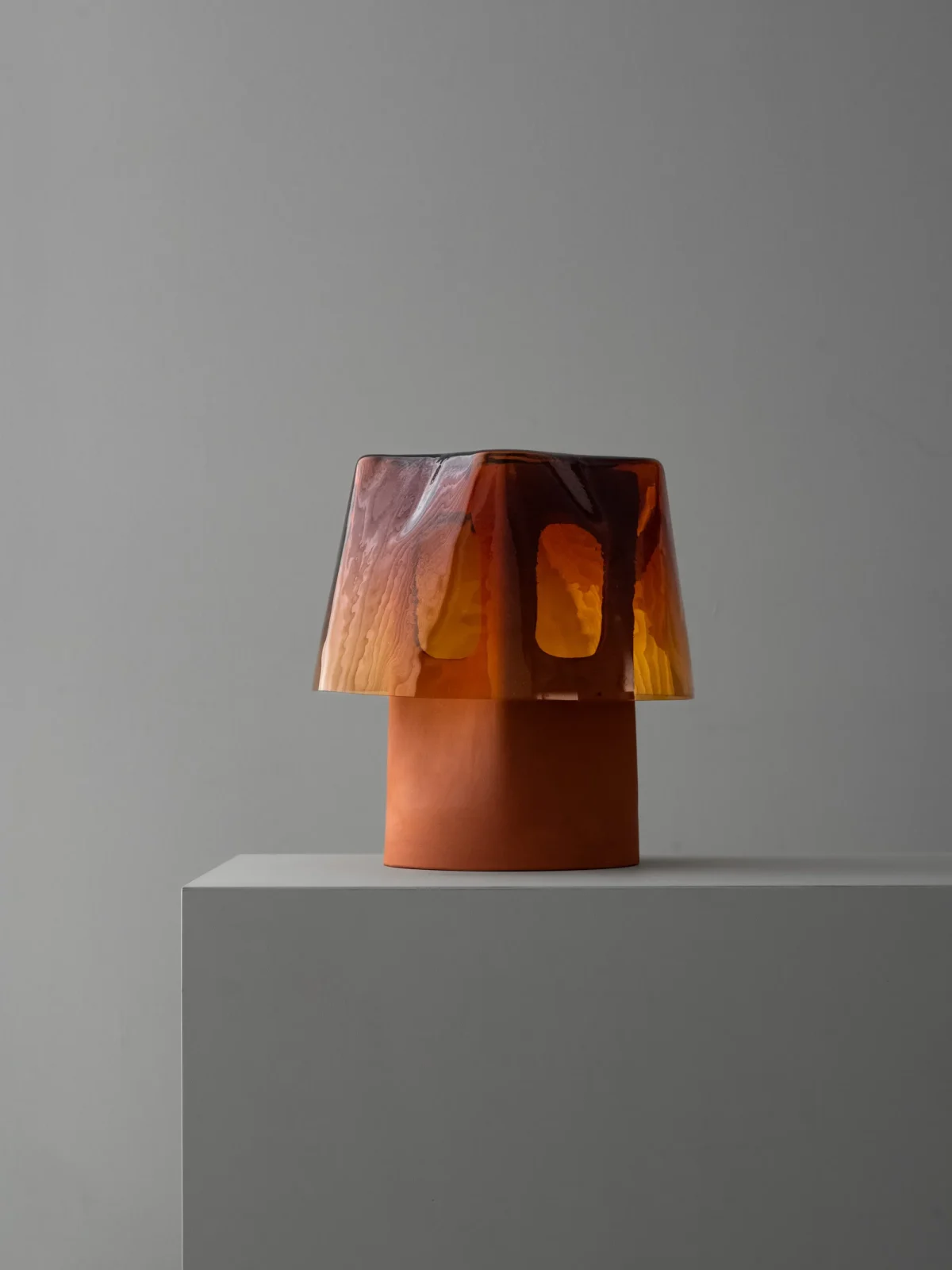
This ceramic table lamp by Luis Gimeno Design pairs a handcrafted ceramic base with a vibrant green glass shade, blending Mediterranean-inspired design with timeless craftsmanship and sculptural elegance.
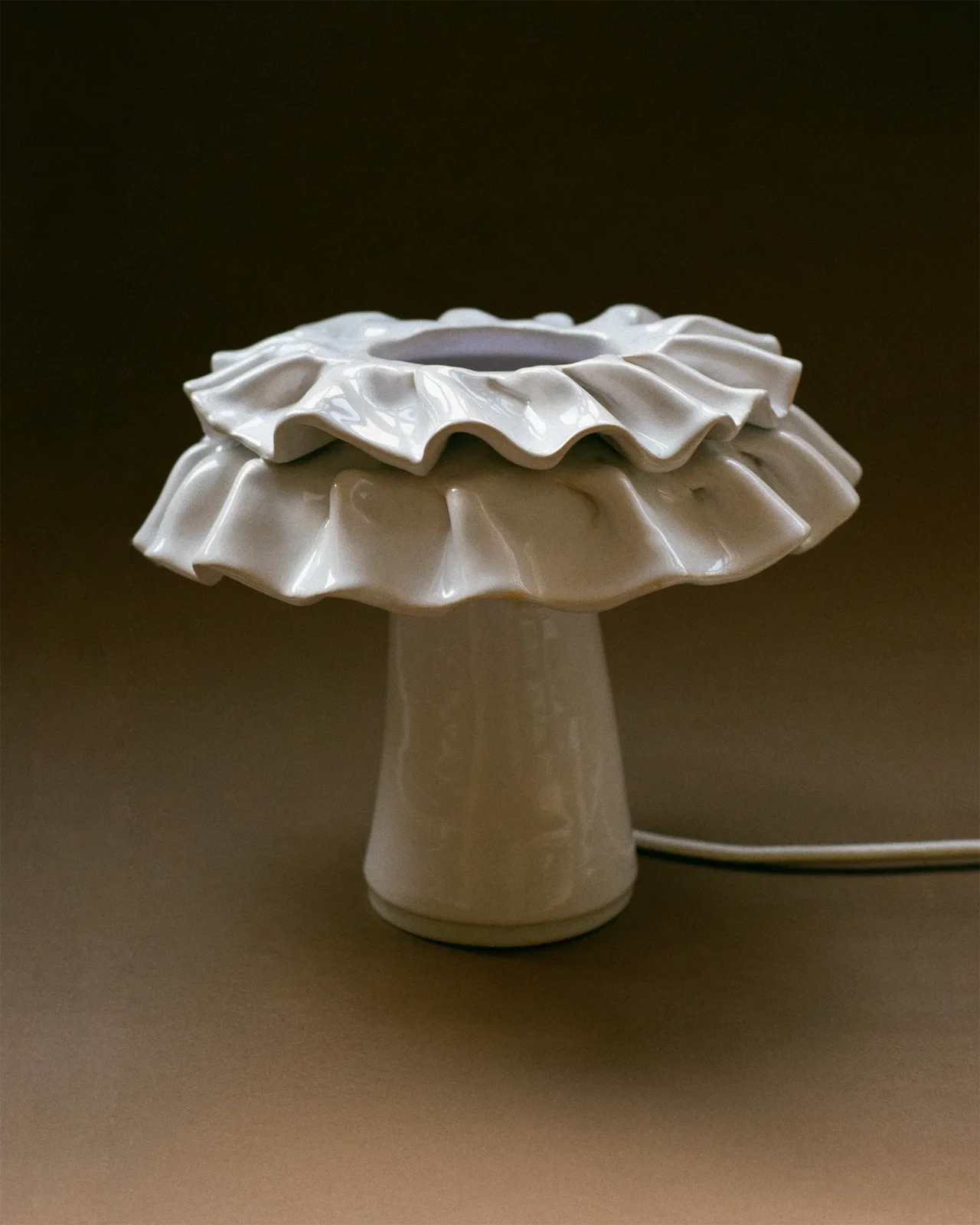
Porcelain and Brass Kawa Table Lamp 03 by Luft Tanaka
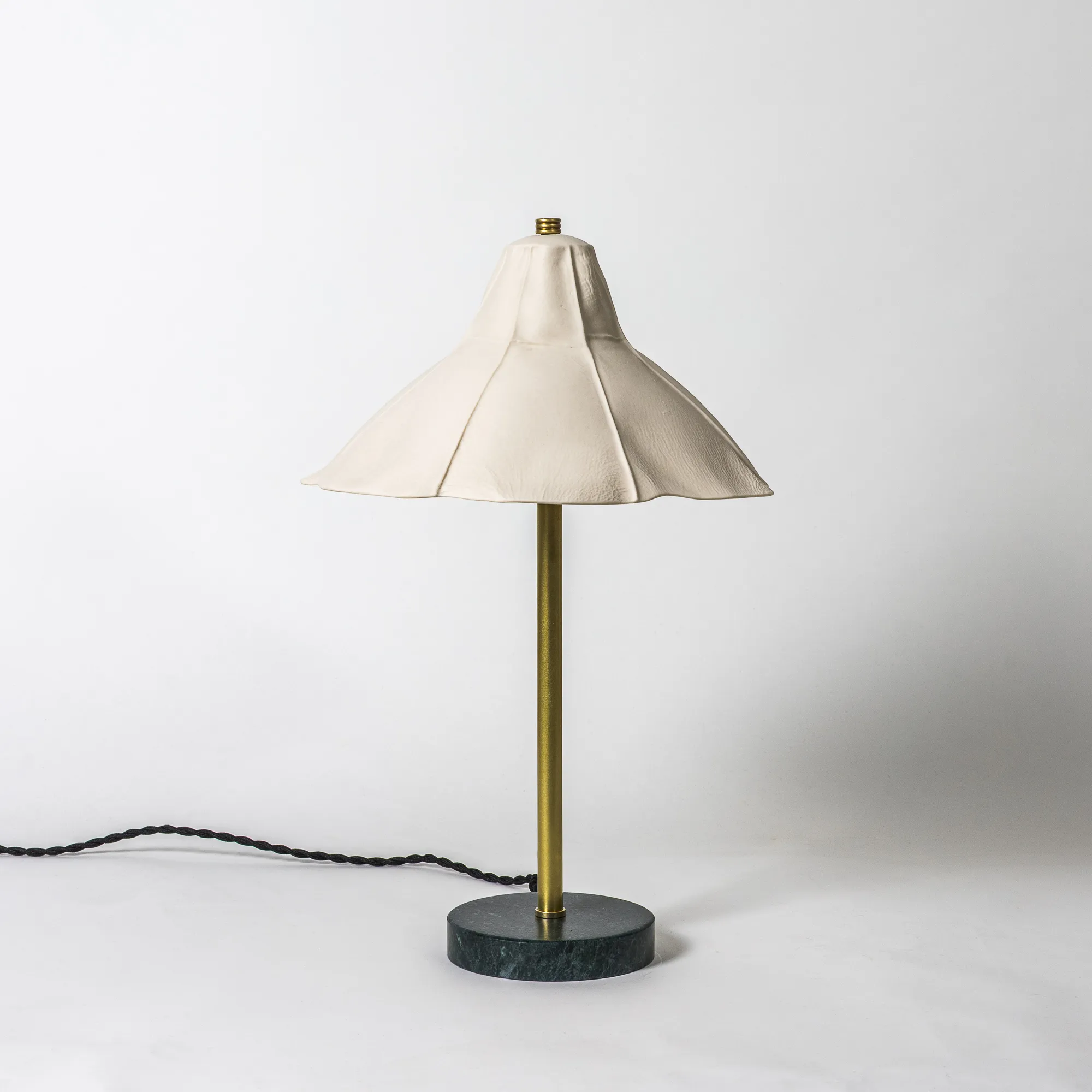
Thrown in porcelain and set on a green marble base, the Kawa lamp draws its line from the folded edge of poured material. Notably, the brass stem bridges the soft porcelain shade and the cool stone, warming the whole piece. Consequently, it reads as the most composed lamp in this group — equal parts hardware and gesture.
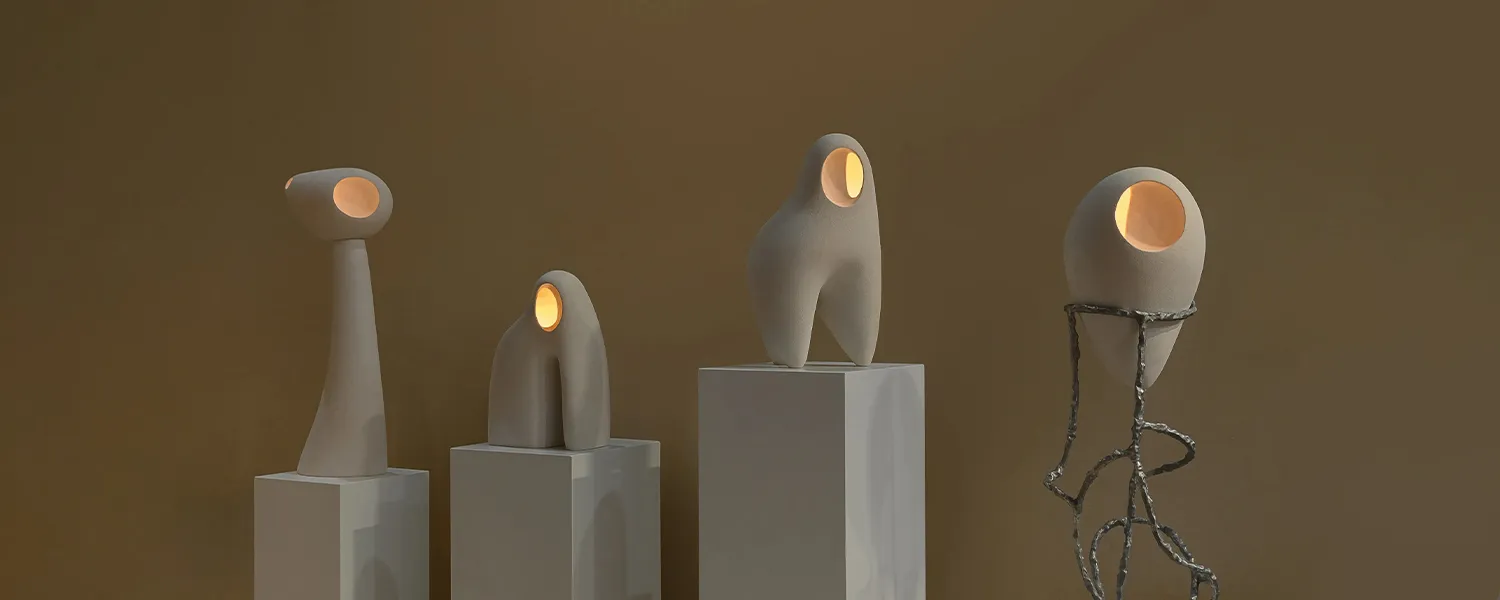
Fat Op No. 002 / Four Piece Ceramic Standing Lamp by Pani Jurek STUDIO
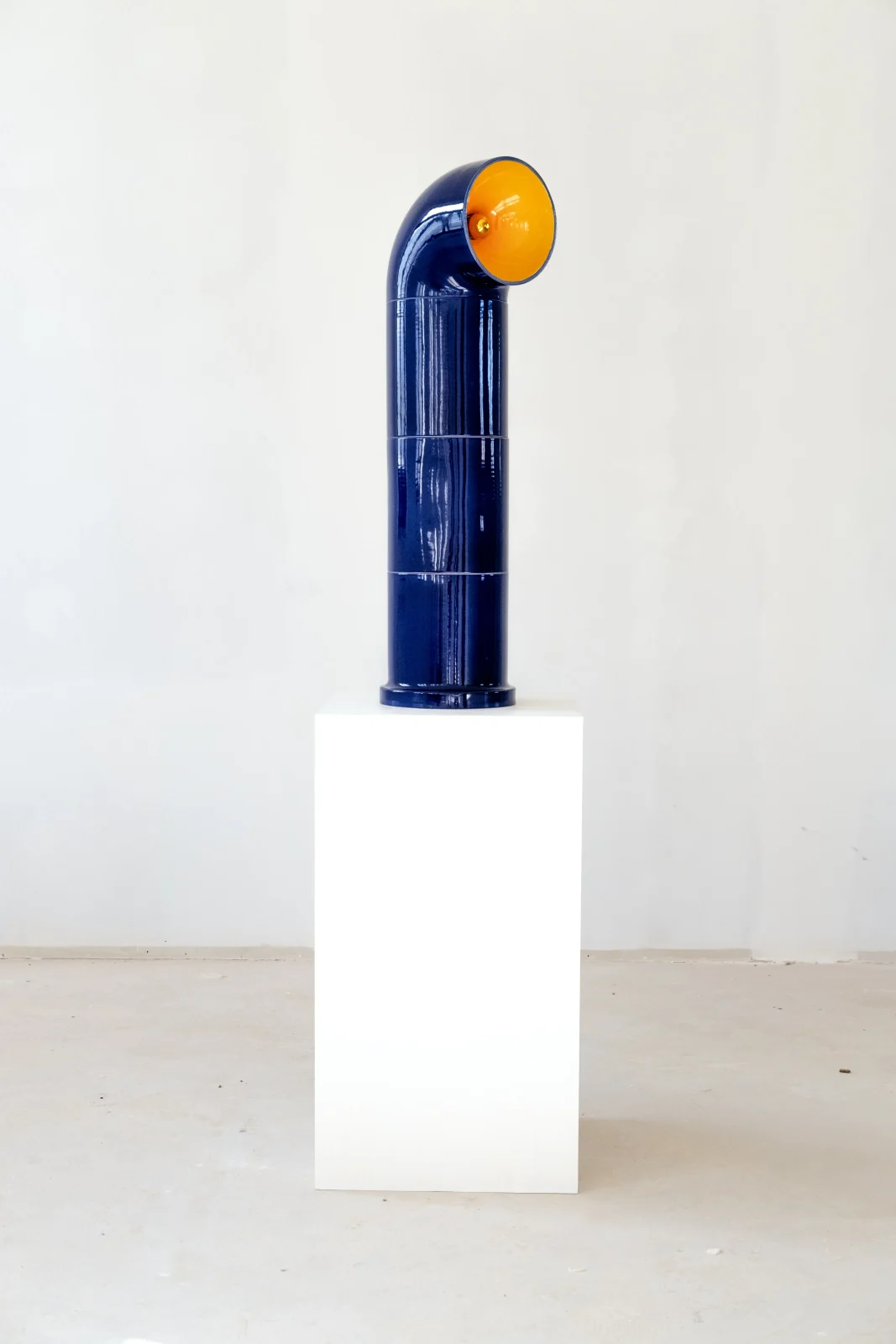
The FAT OP Standing Lamp is a unique handcrafted ceramic floor lamp with a modular, adjustable design, celebrating the interplay of color and light through rich glaze, sculptural form, and timeless contemporary décor.
Melo Sconce – Minimalist Ceramic Wall Light by Catalin Filip
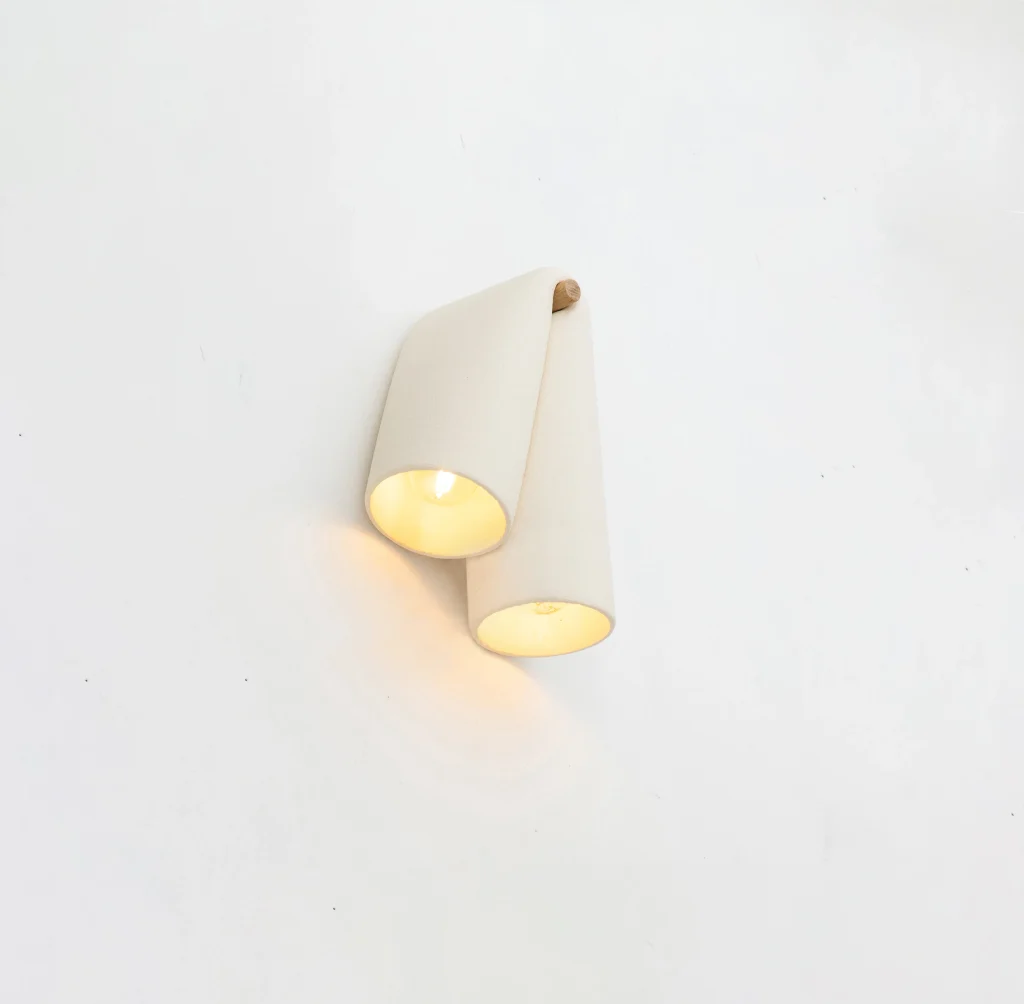
The Melo Sconce by Catalin Filip is a unique handcrafted ceramic wall light that combines sculptural form, textured stoneware, and soft illumination, creating a timeless statement piece for modern and minimalist and living room interiors.
Too 60 Sculptural Ceramic Floor Lamp by Katia Langeard

Standing tall in fired ceramic, the Too 60 brings clay to the floor lamp — a scale the material rarely reaches. Specifically, the sculptural body tapers and swells along its height, so the piece works as a column of form as much as a light source. Consequently, it anchors a corner the way a small sculpture would, and asks for floor space on those terms.
Tenderness – Ceramic Wall Sconce by Studio Ēeme
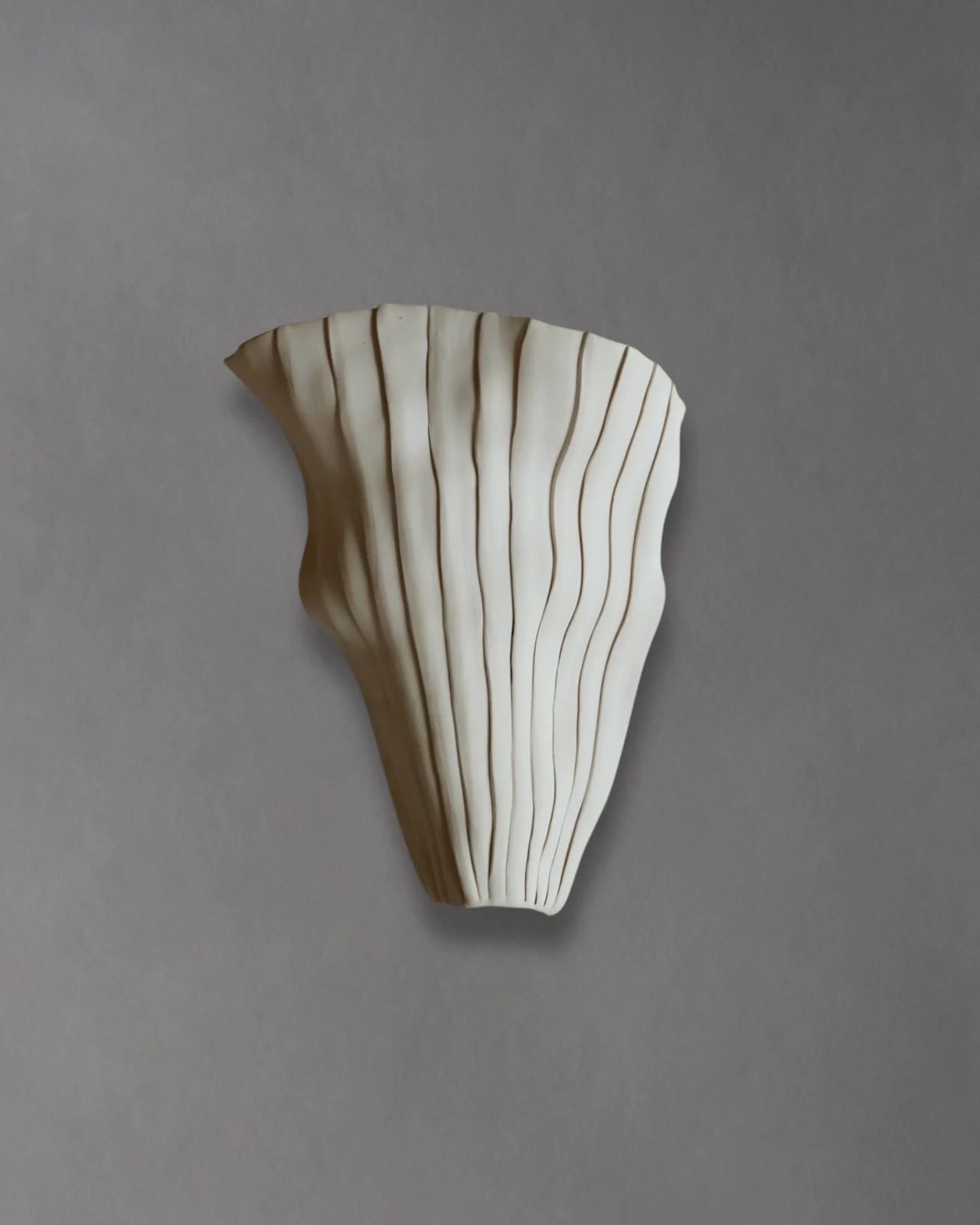
Hand-finished in ceramic, the Tenderness moves clay onto the wall as a wall sconce. Specifically, its soft, generous curve cups the light and throws it back gently across the surface behind it. As a result, it works in an entryway or beside a bed, where a table is not an option and the glow should stay low.
Athari – Functional Sculpture by Andrei Clontea STUDIO
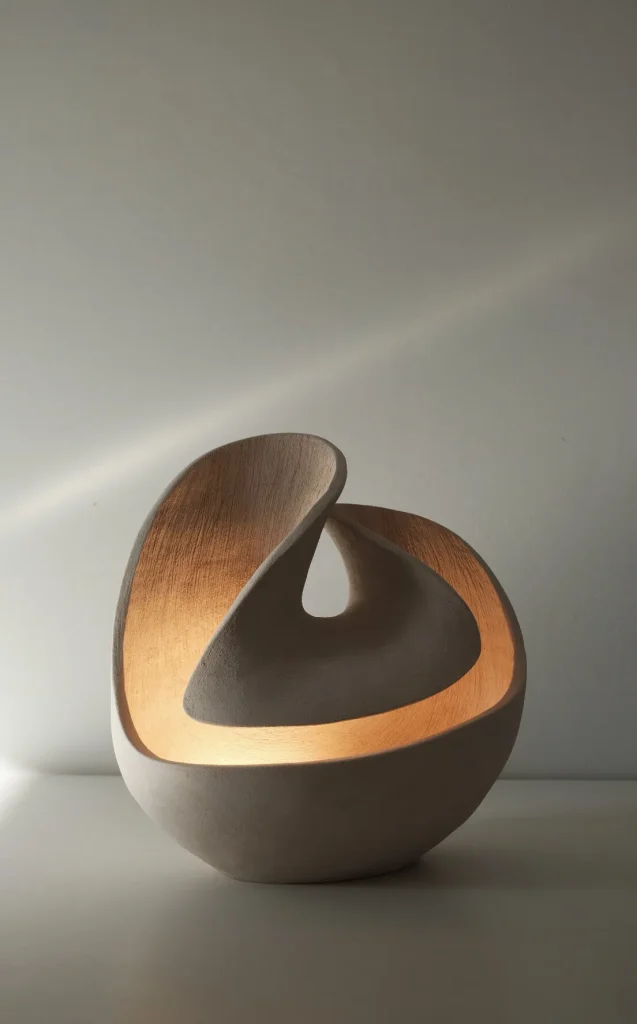
The ATHARI is a unique handcrafted clay lamp that blends organic sculptural form, natural texture, and warm ambient light, making it a timeless designer lighting piece and striking décor accent.
Nomad Ⅱ:02 – Ceramic Lamp by SK – Sofia Karnukaeva
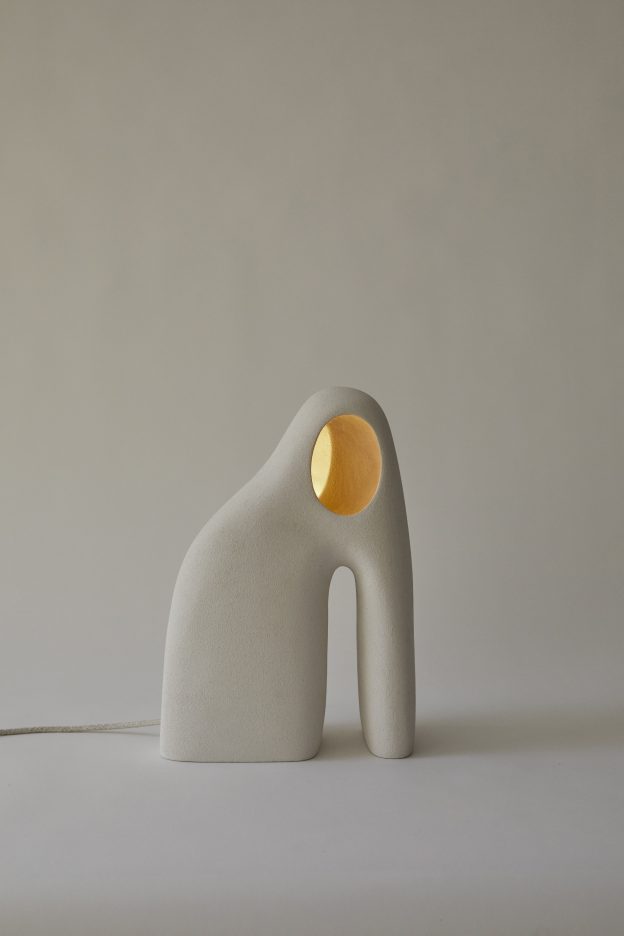
This designer piece is a sculptural ceramic lamp inspired by nests, caves, and natural shelters, casting a soft ambient glow through its hand-formed stoneware surface, making it a quiet fit for a reading corner or a narrow hall.
Ceramic lamps room by room
Living room
In the living room, a ceramic table lamp earns its place on a console or side table, where its weight reads as intentional. Specifically, a pair flanking a sofa balances the room, while a single sculptural piece like the Rappel can hold a corner alone. Furthermore, a matte stoneware body keeps the light soft for evenings, which is usually what a living room wants.
Bedroom
On a nightstand, scale and switch placement matter most. Specifically, a lamp you reach for in the dark should have an on-cord or base switch and a body heavy enough not to tip. Consequently, the Stone Flower and similar low ceramic lamps suit a bedroom, and a wall sconce frees the surface entirely when the table is small.
Reading corner and home office
A reading corner or desk calls for directed light, so a taller lamp or a wall-mounted piece keeps the surface clear. Notably, the Slim Op’s vertical profile lifts light to eye level on a desk, while the Tile VJ frees the worktop completely. As a result, the page stays lit without the base crowding your work.
Entryway and hallway
An entryway is where a sconce does its best work, throwing a low wash across the wall and setting the tone before a guest is fully inside. Meanwhile, a single ceramic lamp on a console can do the same on a narrow table. Altogether, the hall rewards restraint: one piece, well placed, rather than several competing.
Troubleshooting ceramic lamps
Stability on uneven surfaces
Ceramic is heavy, which helps, but an uneven shelf can still leave a lamp rocking. Specifically, check that the base sits flat and add small felt pads under the rim if it does not. As a result, you protect both the surface and the glaze, and a tall lamp stops leaning over time.
Handling and securing delicate ceramic
A fired body is hard but brittle, so lift a ceramic lamp by its base rather than its neck or shade. Furthermore, in a household with pets or children, a museum-gel pad under the base keeps a lighter piece from sliding. Consequently, the most fragile-seeming lamps are often the safest once they are properly seated.
Replacing bulbs and fittings
Most studio ceramic lamps take a standard screw or bayonet bulb, but always check the socket before buying a replacement. Notably, a few sculptural pieces ship without a bulb, so confirm the fitting and wattage cap at purchase. Therefore, keeping a spare of the right base on hand saves a dark evening later.
Cleaning glazed and matte surfaces
Glazed surfaces wipe clean with a barely damp cloth; matte and unglazed ceramic, by contrast, prefer a dry duster, since moisture can mark a porous body. Specifically, a soft brush or a vacuum on low suction lifts dust from textured surfaces without pressure. As a result, the surface keeps its tooth and colour rather than dulling under repeated wet cleaning.
Cords, switches, and EU-to-US adaptation
Many of these pieces are made in Europe and arrive wired for 220–240V with an EU plug and an on-cord switch. Consequently, a buyer in North America should use a plug adaptation for a low-wattage LED or have the lamp rewired to 110–120V by an electrician. In other words, plan the electrical detail before the lamp arrives, not after.
Frequently asked questions
How tall should a ceramic lamp be?
For a table or nightstand, the top of the shade should sit roughly at eye level when you are seated beside it — often 40 to 65 cm overall. Specifically, the bulb should be hidden from view at that height. As a result, the light falls on the page or the table, not in your eyes.
What bulb does a ceramic lamp need?
Most take a standard E27 or E14 screw bulb, though some use a bayonet fitting. Notably, a warm colour temperature around 2700K suits the soft return of a glazed surface. Therefore, a low-wattage warm LED is usually the right match for ambient ceramic light.
Can I use a dimmable LED?
Yes, provided the bulb is marked dimmable and the lamp’s switch or your wall dimmer supports it. Furthermore, dimming is where ceramic lamps are at their best, since the diffuse glow scales down smoothly. Consequently, a dimmable warm LED gives you both reading light and a low evening wash from one piece.
How do I keep a ceramic lamp stable?
Place it on a flat surface, route the cord so it cannot be snagged, and use felt or gel pads under the base on slick shelving. Specifically, heavier stoneware and stone-based lamps need little help; lighter pieces benefit from a pad. As a result, the lamp stays put through daily use.
How do I clean ceramic and porcelain?
Glazed porcelain takes a damp cloth; unglazed or matte ceramic prefers dry dusting. Notably, avoid abrasive pads, which scratch glaze and dull matte surfaces alike. Therefore, gentle and dry is the safe default, with damp reserved for sealed, glossy finishes.
Are these wired for my country?
Studio pieces are generally wired for their country of origin, which for much of this selection means the EU standard. Consequently, check the plug type and voltage on the product page, and budget for a simple adaptation if you are outside Europe. In other words, the wiring is a detail to confirm, not a barrier.
Why ceramic lamps earn their place
A ceramic lamp asks a little more than a metal one — a thought about weight, a check on the wiring, a dry cloth instead of a wet one. In return, it gives a room something neither glass nor steel quite manages: a surface that has been touched, fired, and glazed by hand, holding light as though it were warming rather than emitting it. Indeed, that is the quiet argument running through every piece here, from the porcelain restraint of the Kawa to the floor-scale presence of the Too 60.
Altogether, these eight lamps show how far studios have taken clay as a light source — onto the floor, onto the wall, and back to the bedside in forms that reward a second look. Moreover, each was collected by people who noticed the same thing you might: that a fired surface changes how a room feels after dark. For more on why material matters this much, our note on the matter at hand sits close to this one, as does the broader case for ceramics in contemporary design.