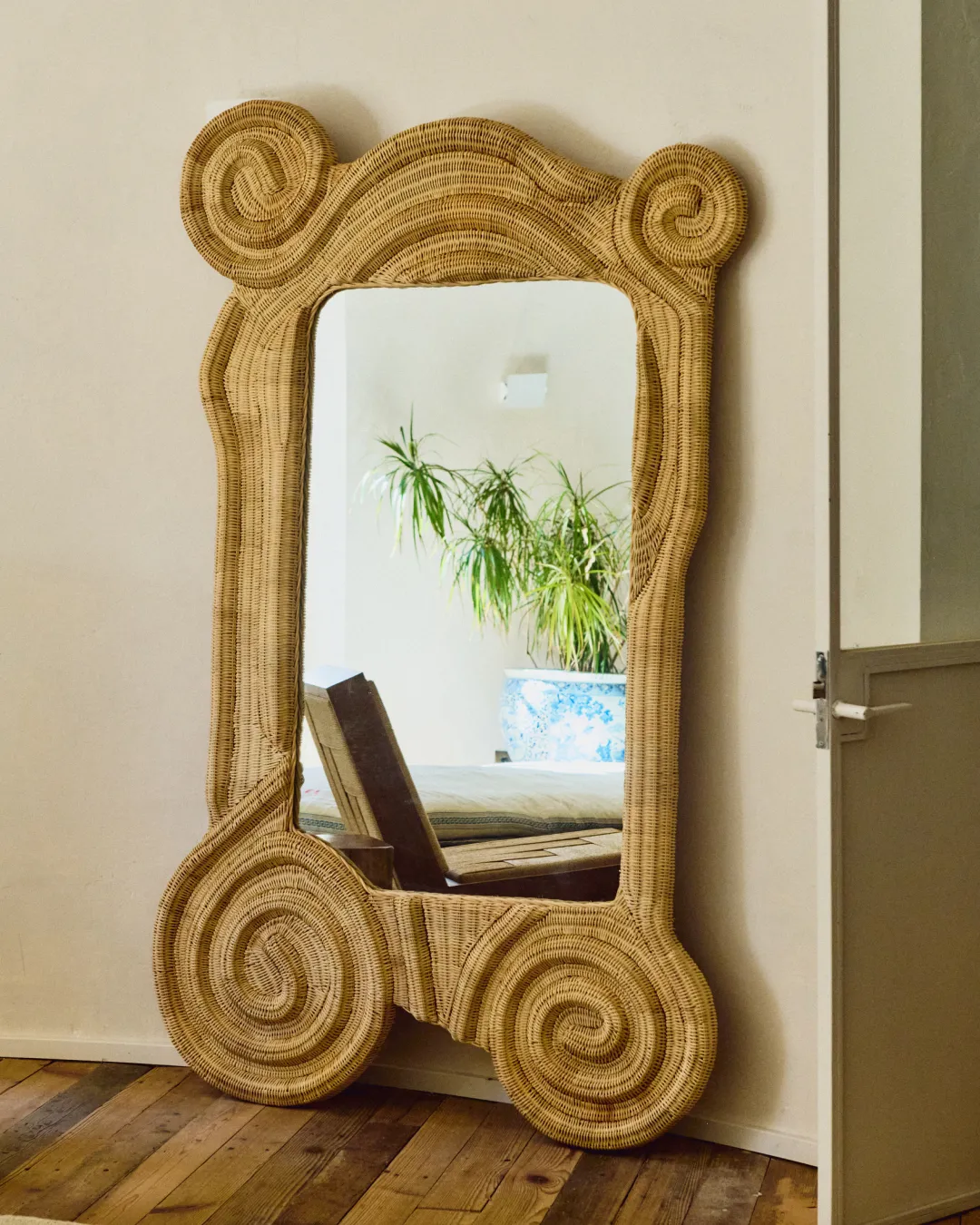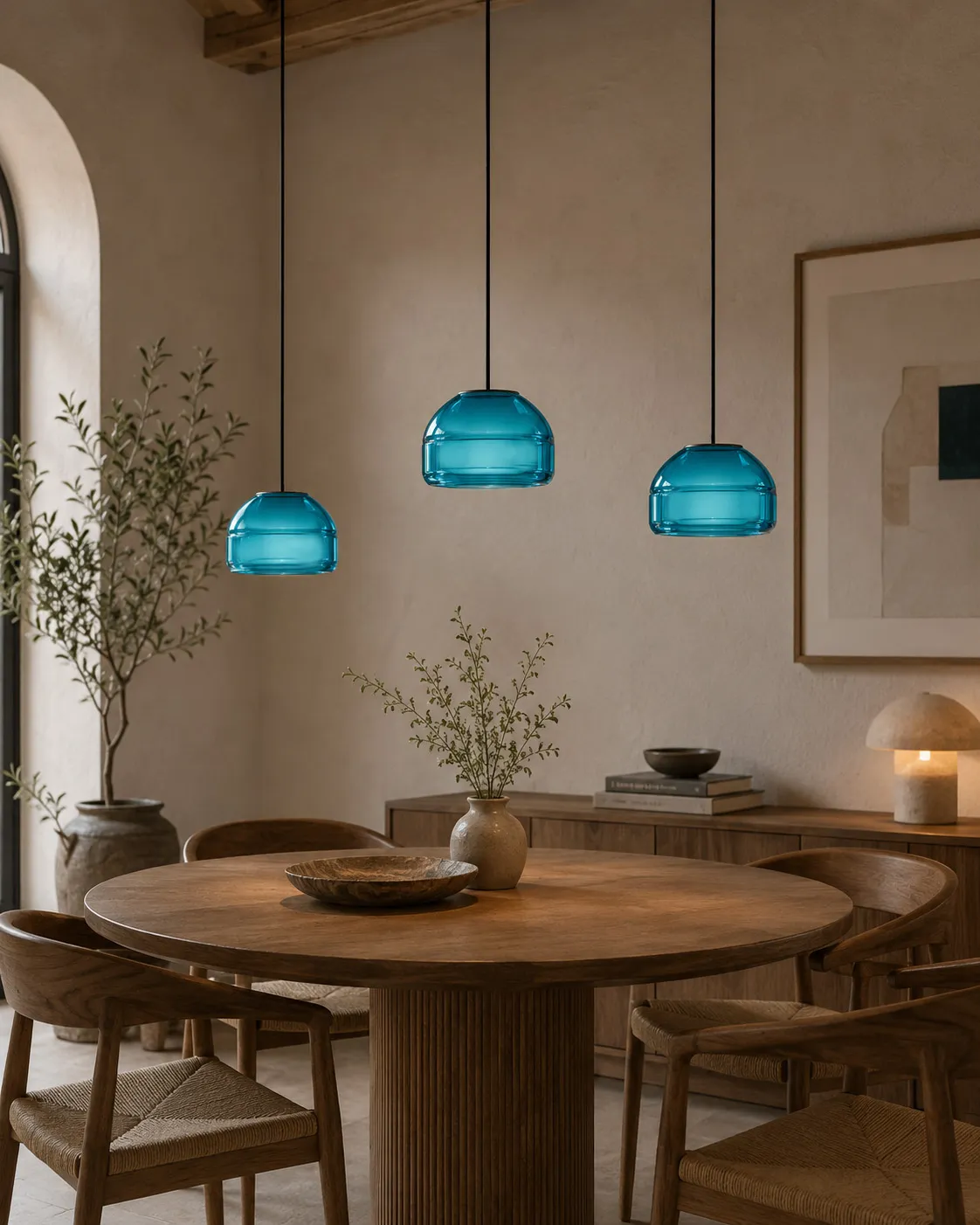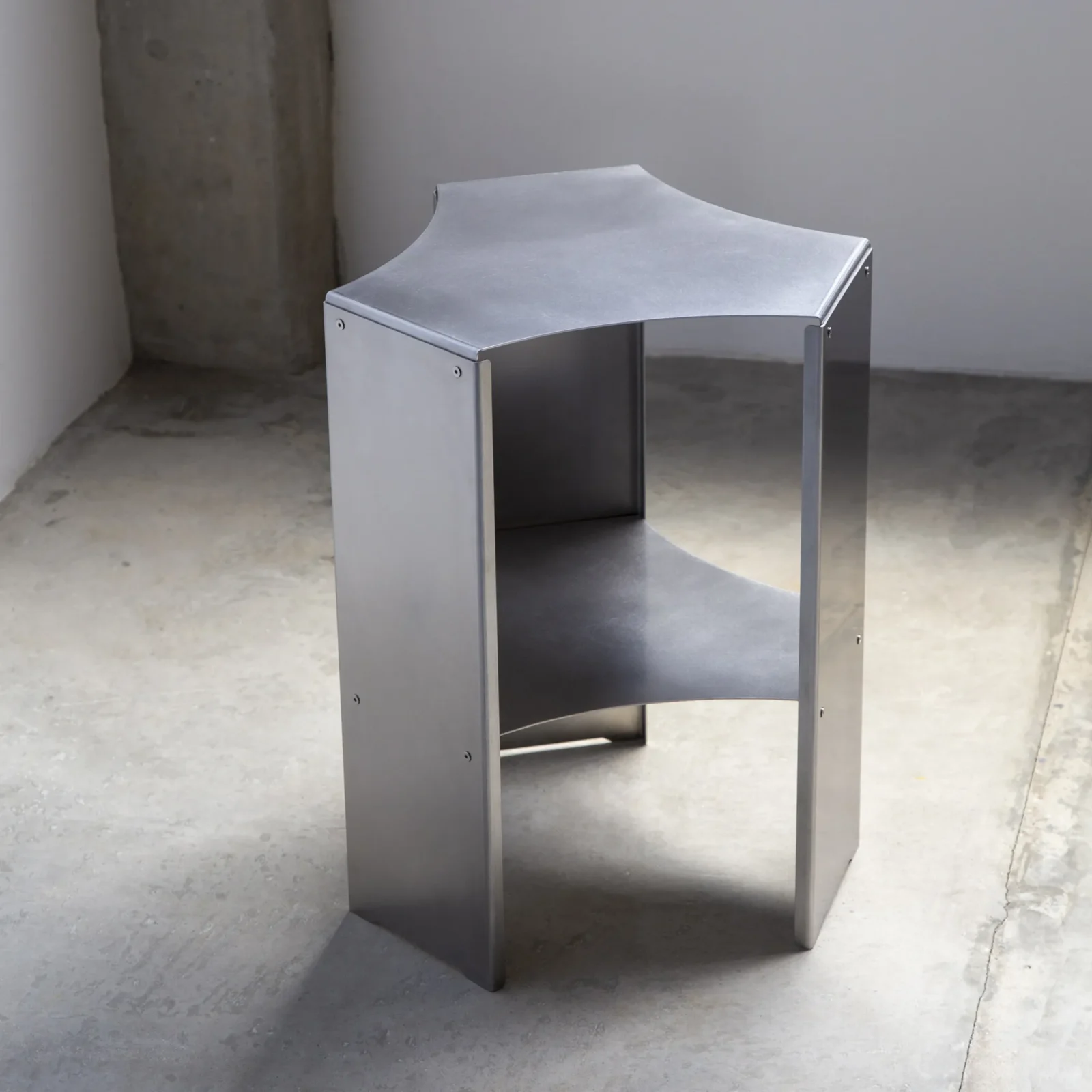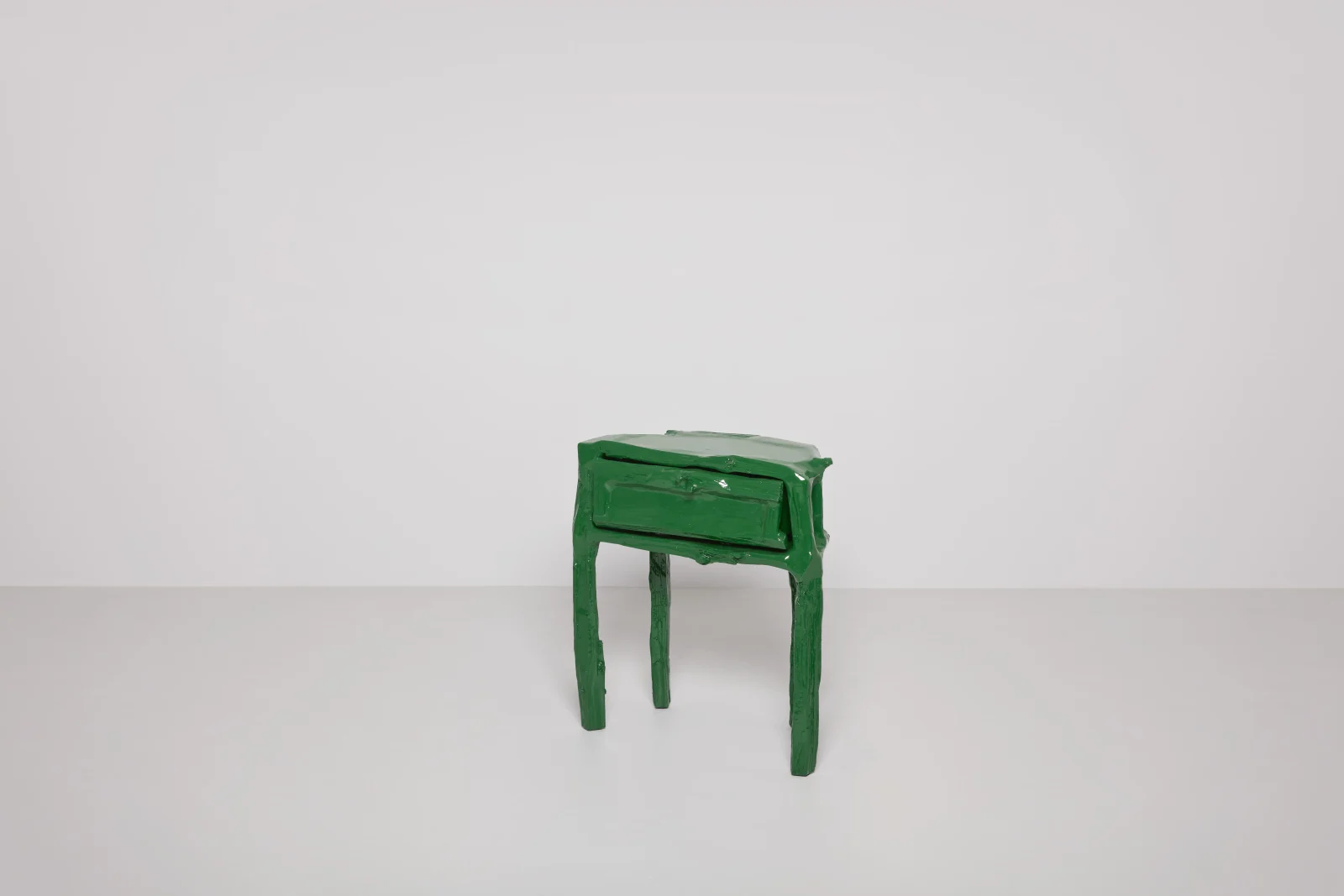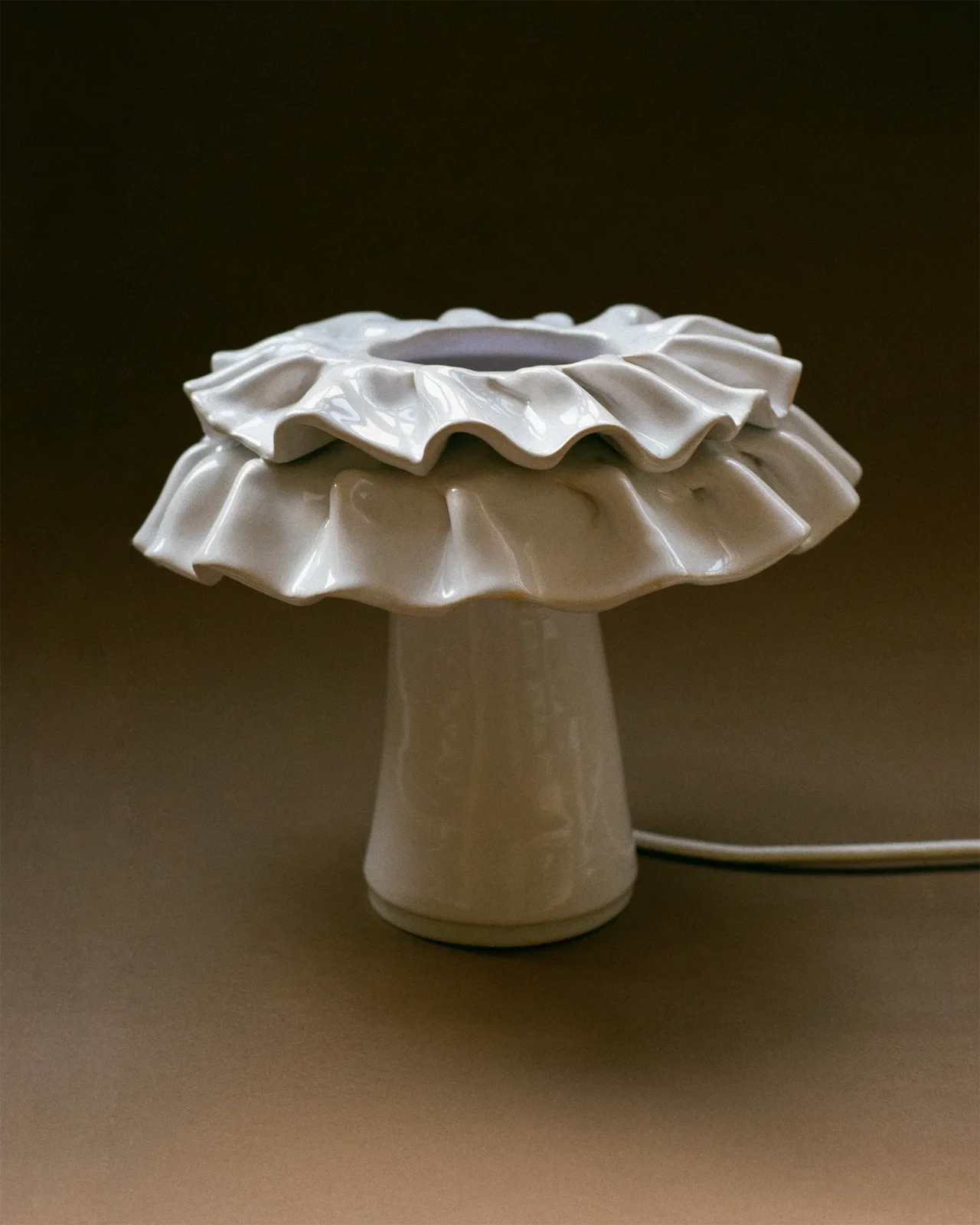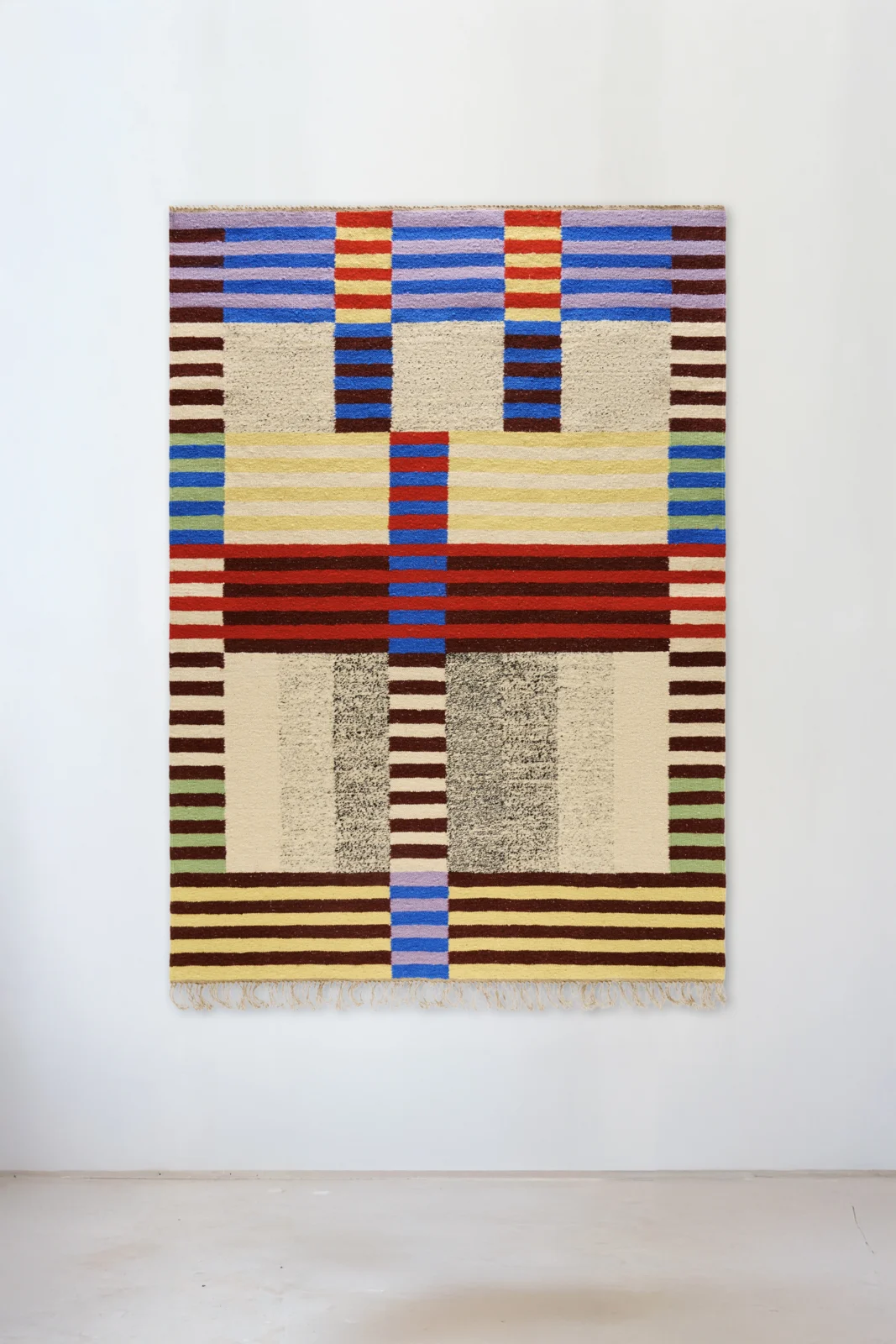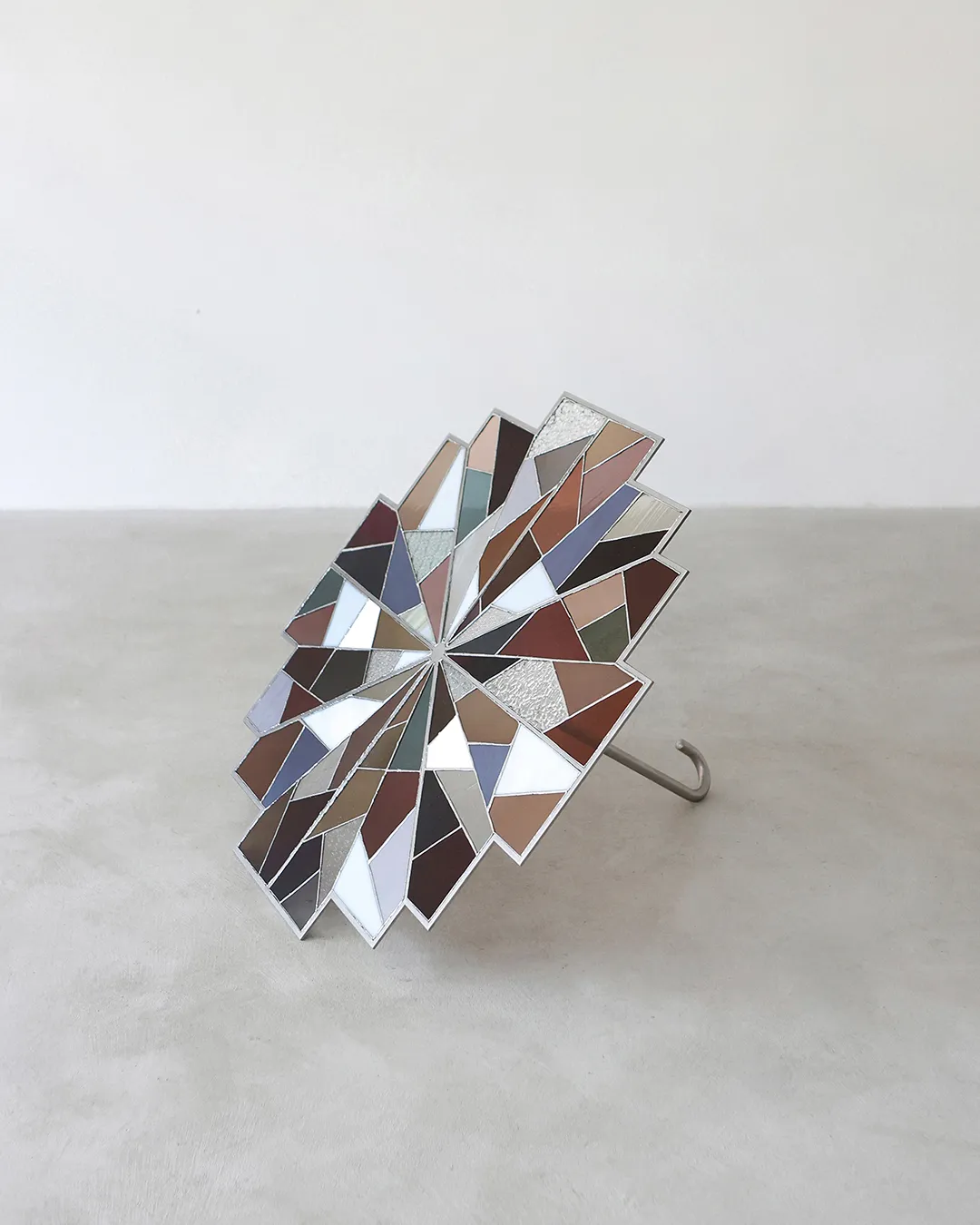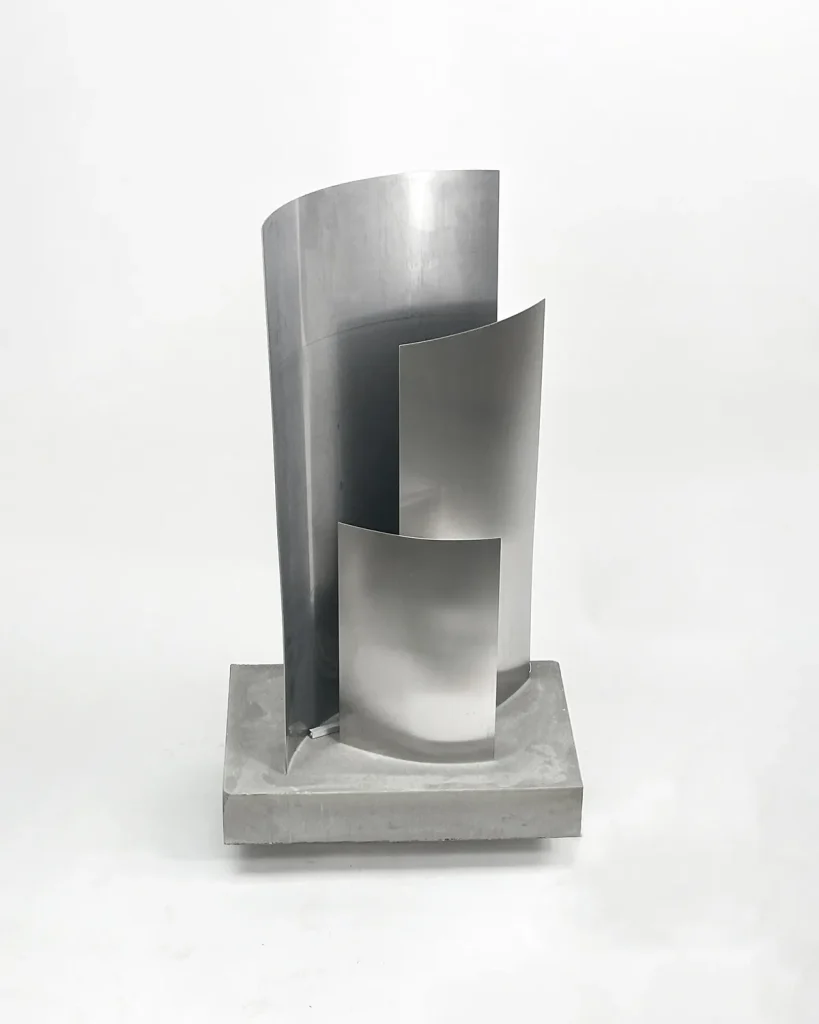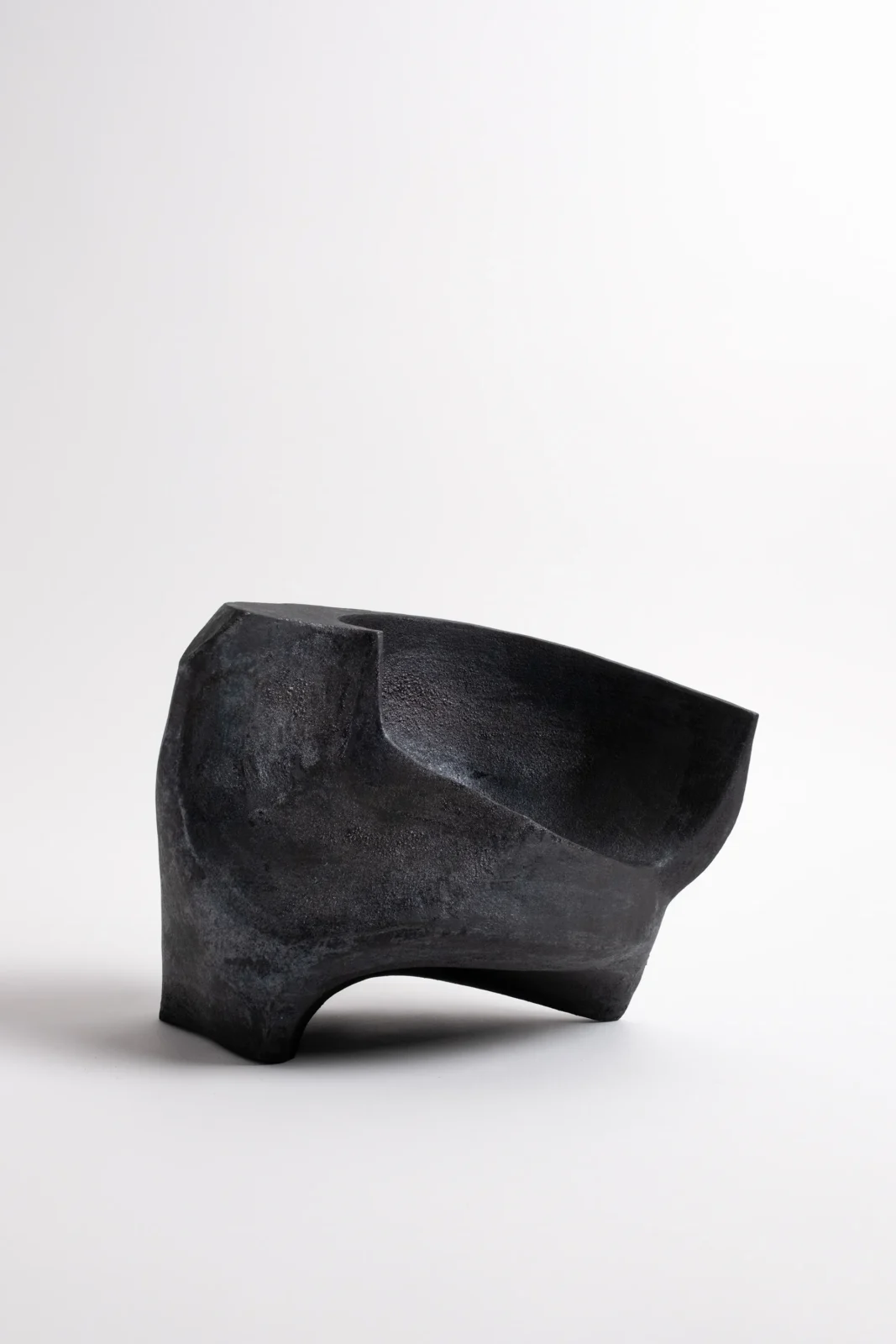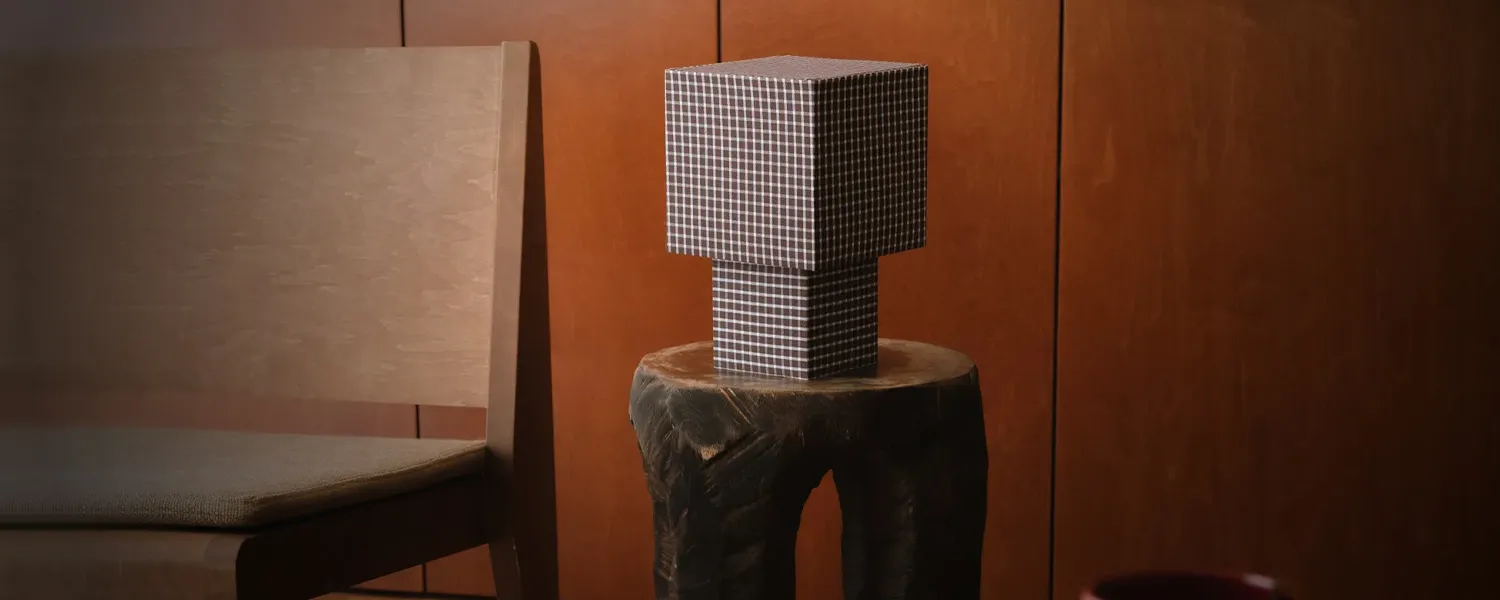
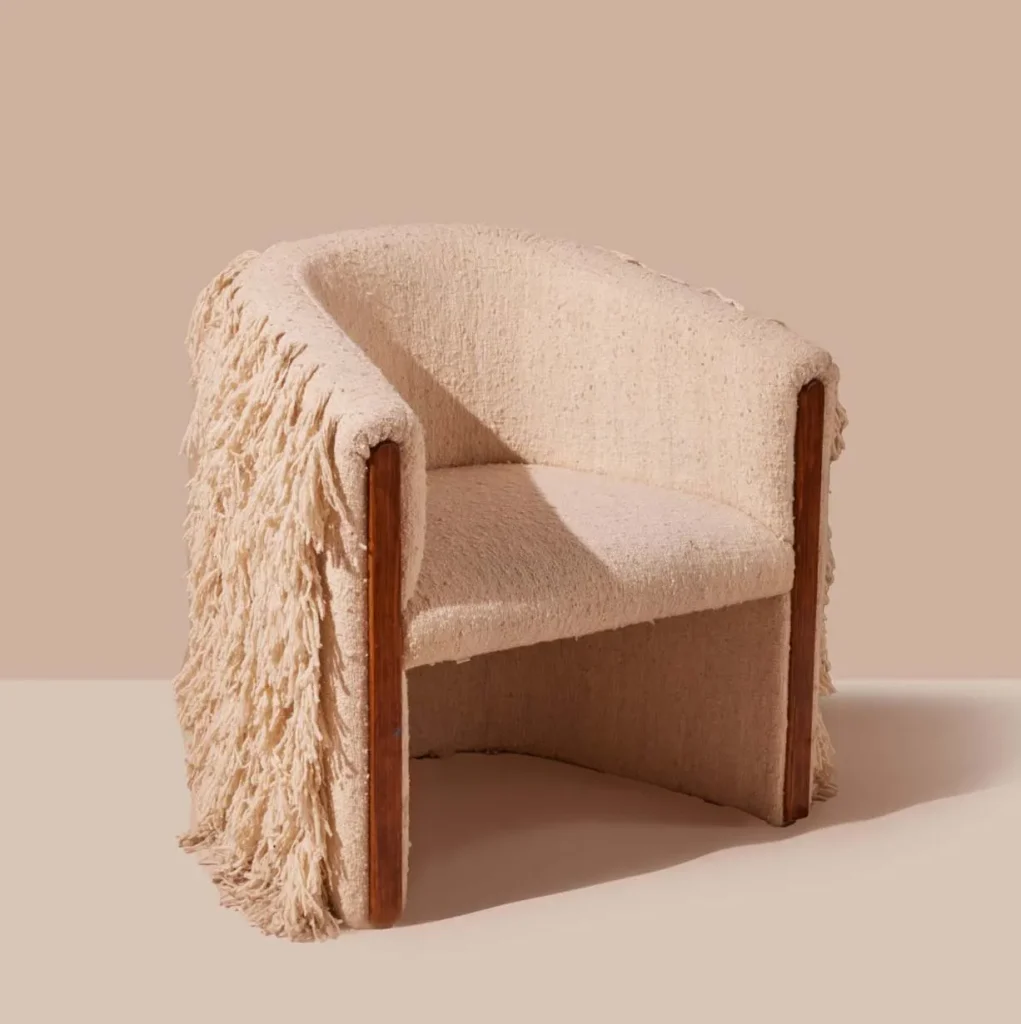
Earth Day tends to invite broad and buzzy language – planet, future, sustainability. But the selection we have chosen for earth day 2026 works better at a closer range. Bark waste, reclaimed beams, mycelium, deadstock textiles, recycled paper, clay, hemp, shellac, cork, limestone, wood shavings… Across these pieces, ecological thinking is not a greenwashed claim but a material fact. What matters is not only that they are environmentally conscious, but that they look, feel, and behave differently because of it. Many of these works begin with what has been discarded, overlooked, or left behind. Guided by the logic of growth, erosion, flowering, and sedimentation. Materials are not neutral here – they live, breathe, carry memory and origin.
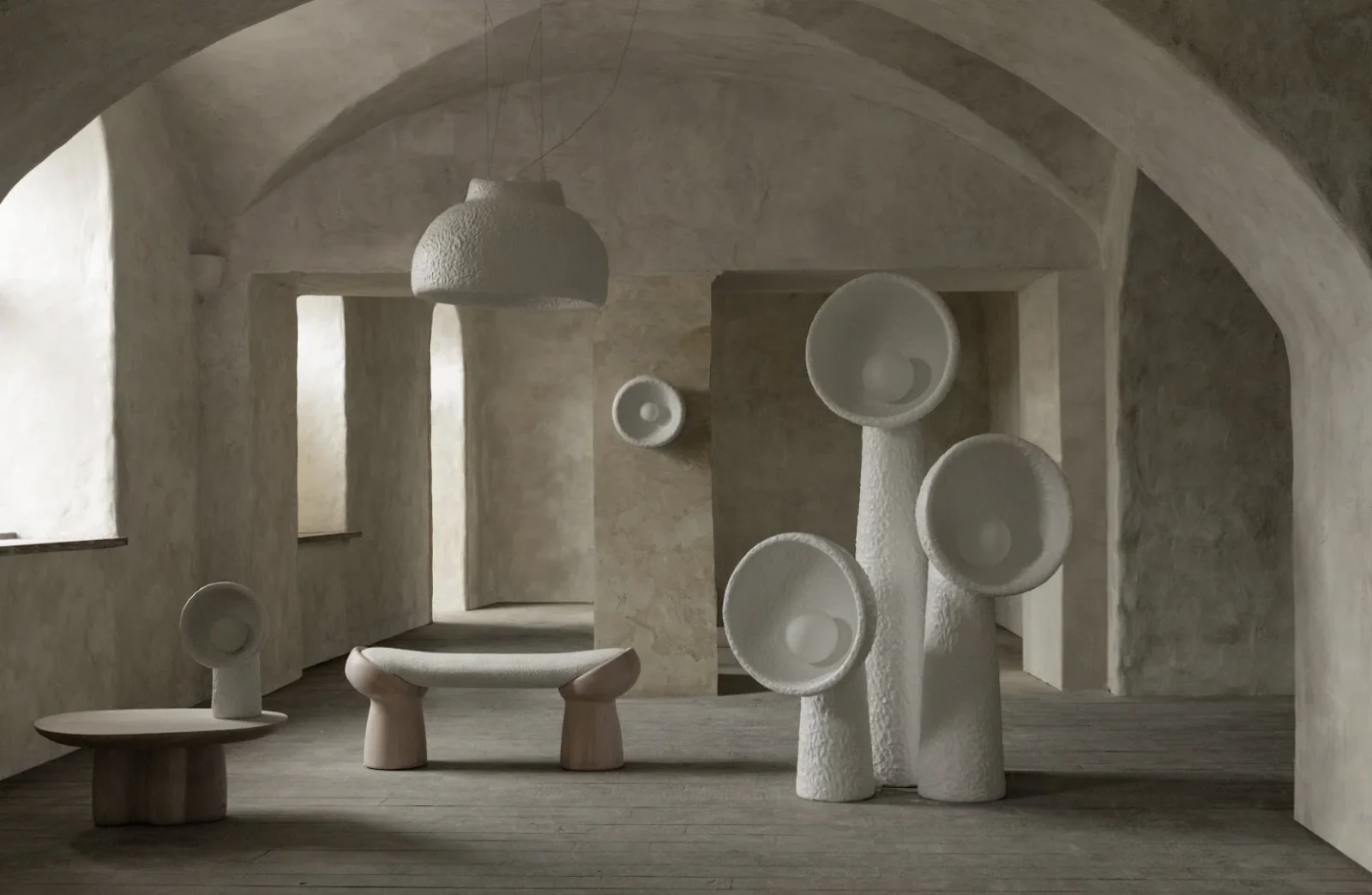
At ADORNO, this resonates on another level. The entire premise upon which ADORNO was founded was to work with designers across the world, the only world we have. Across continents, climates, and material traditions, each responding to the same shared ground. Not in theory, but in practice. The same earth, approached in different ways, through different hands. There is no single definition of eco-friendly design, but a range of approaches that feel more attentive, more grounded, and more aware of where things come from and where they might return.
We wish you a thoughtful Earth Day.
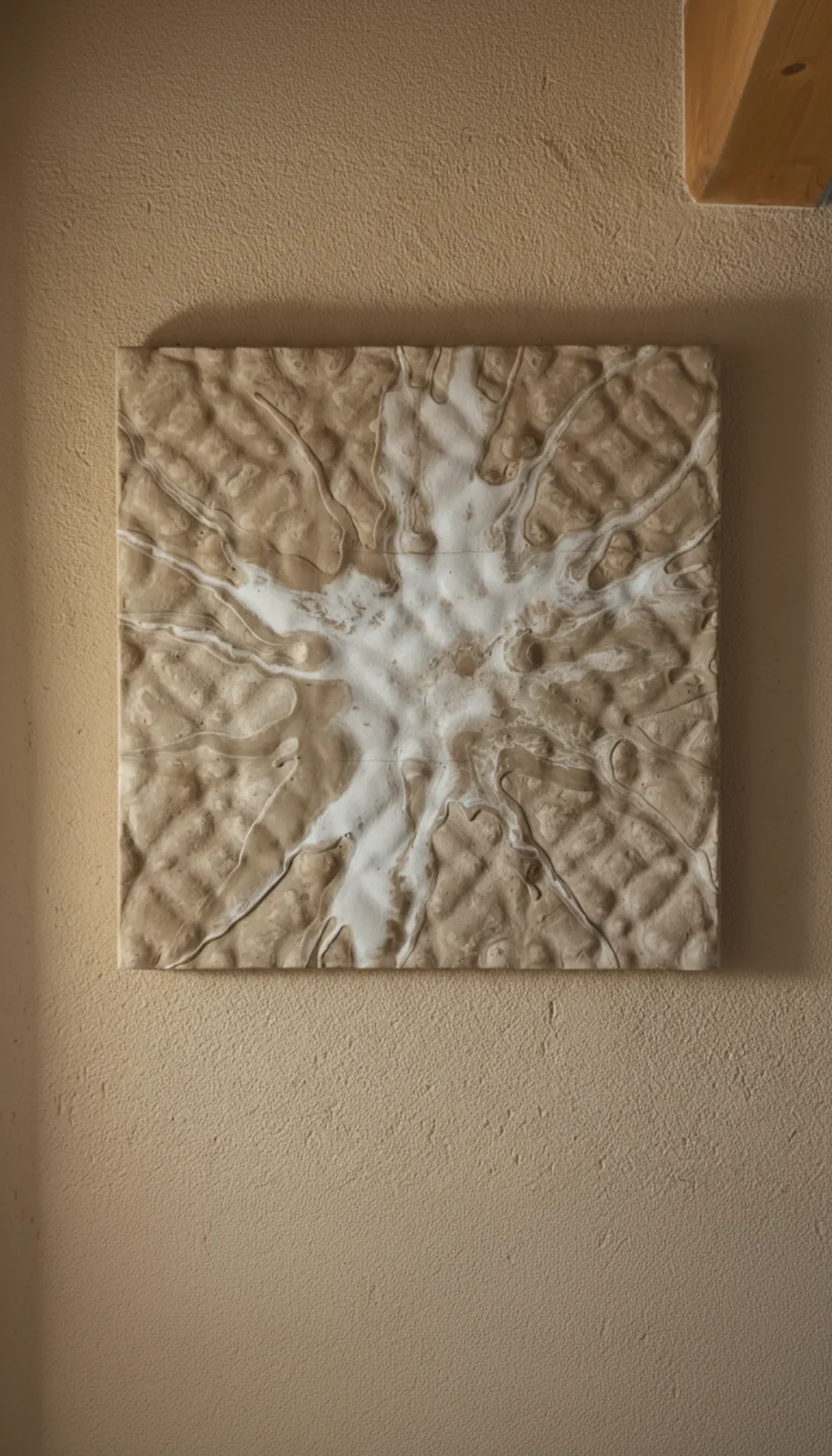
Grown, Not Manufactured
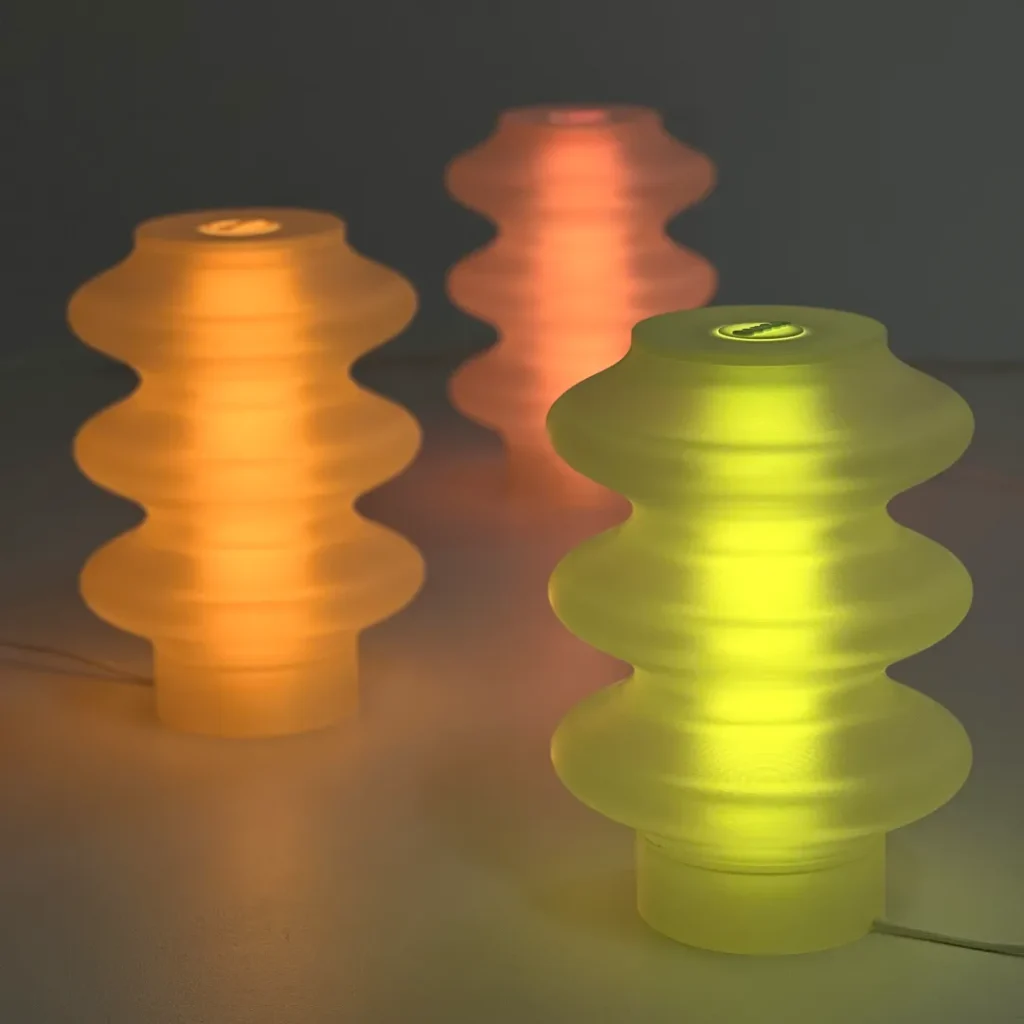
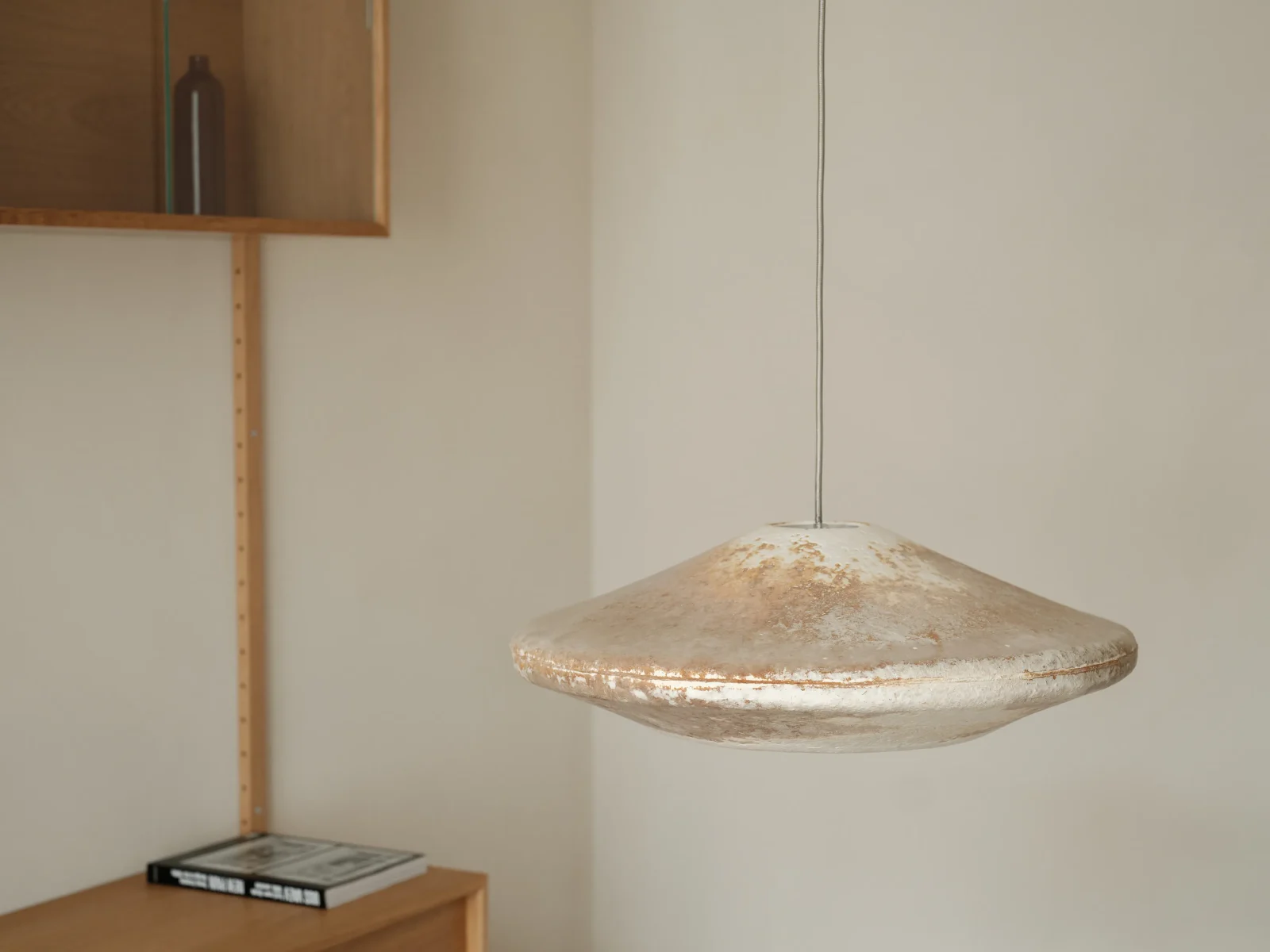
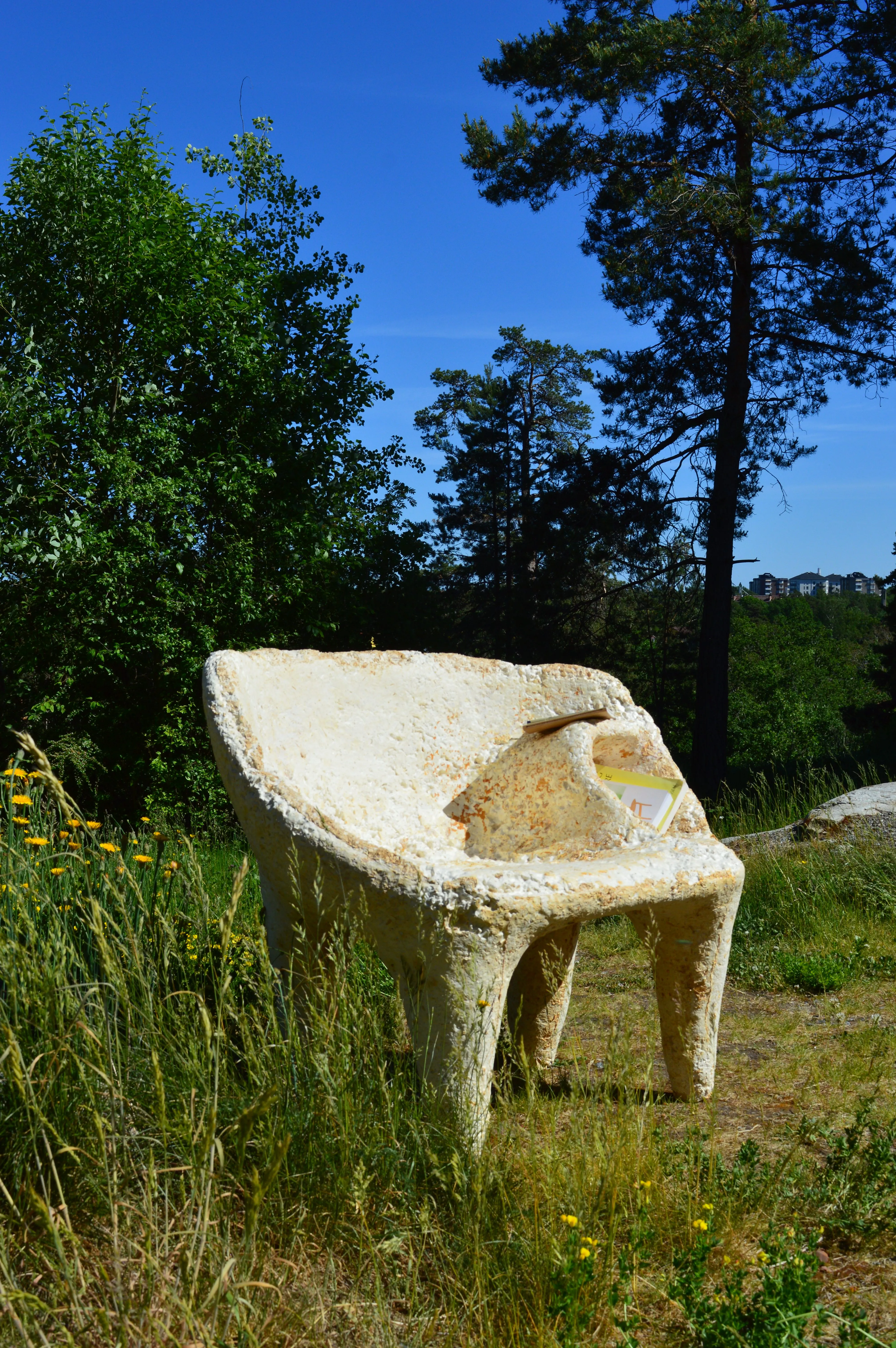
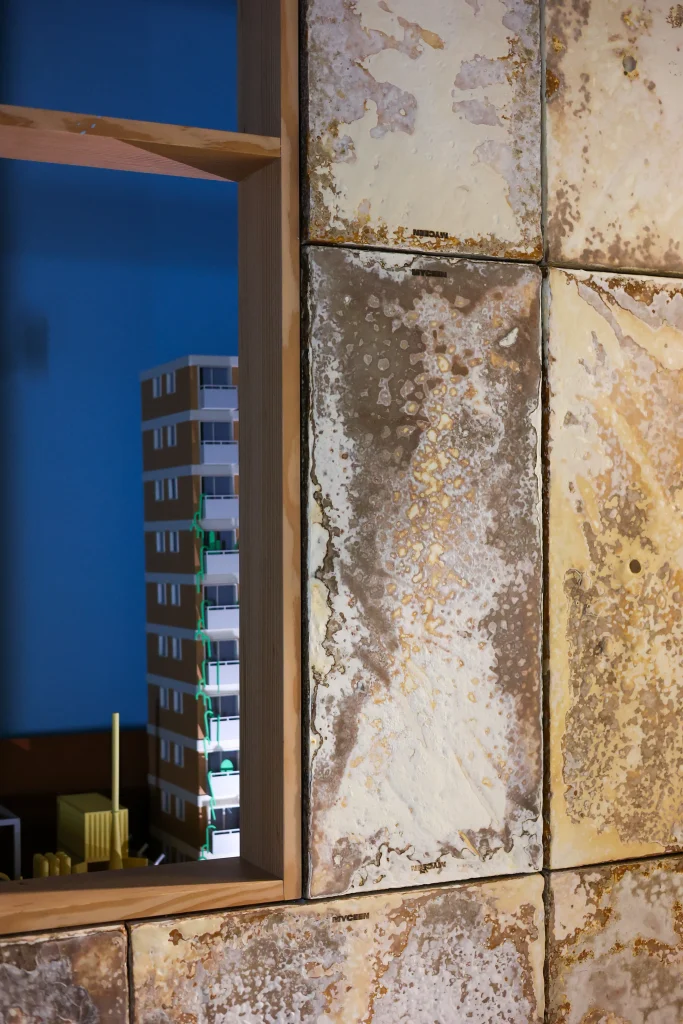
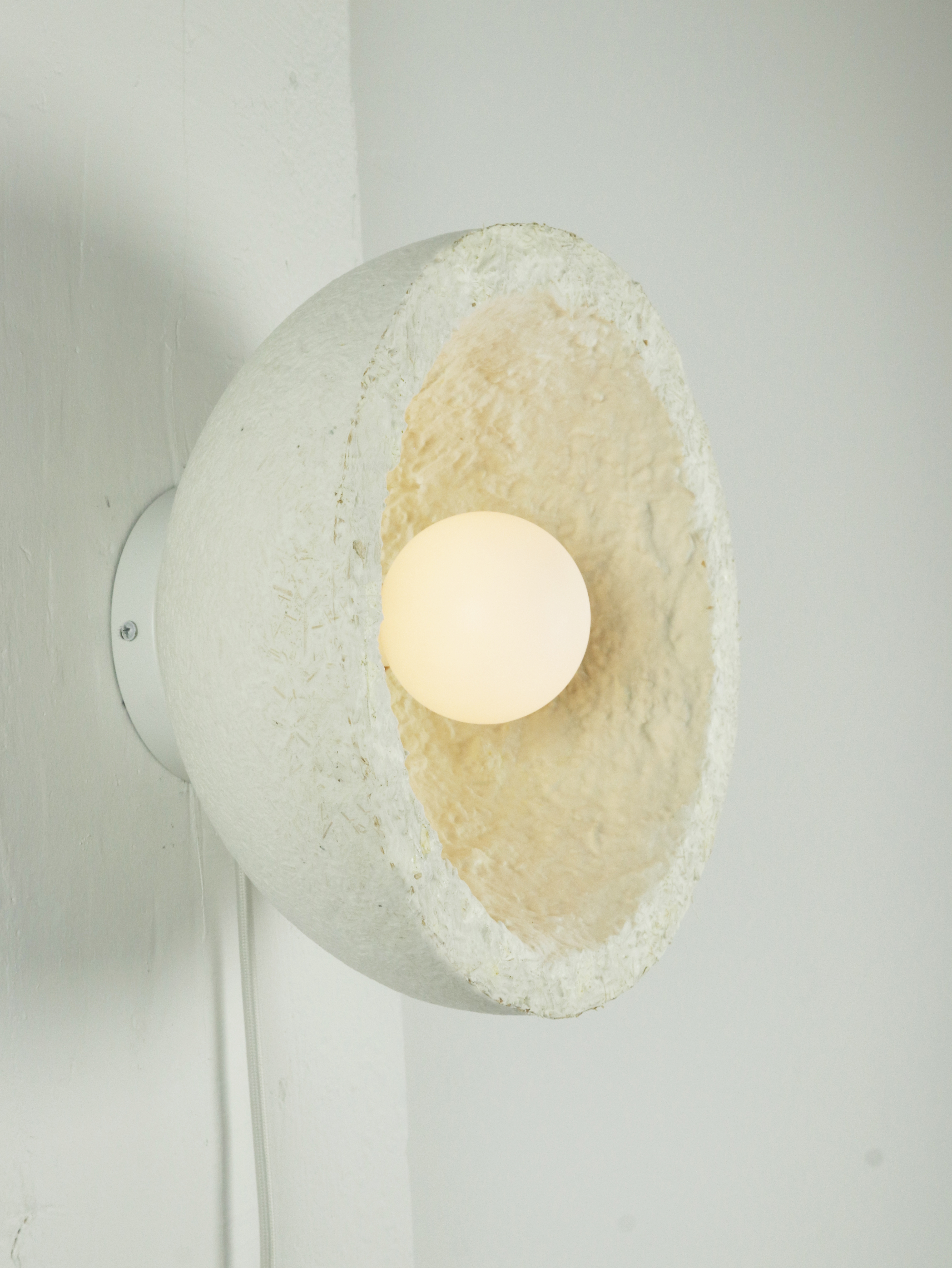
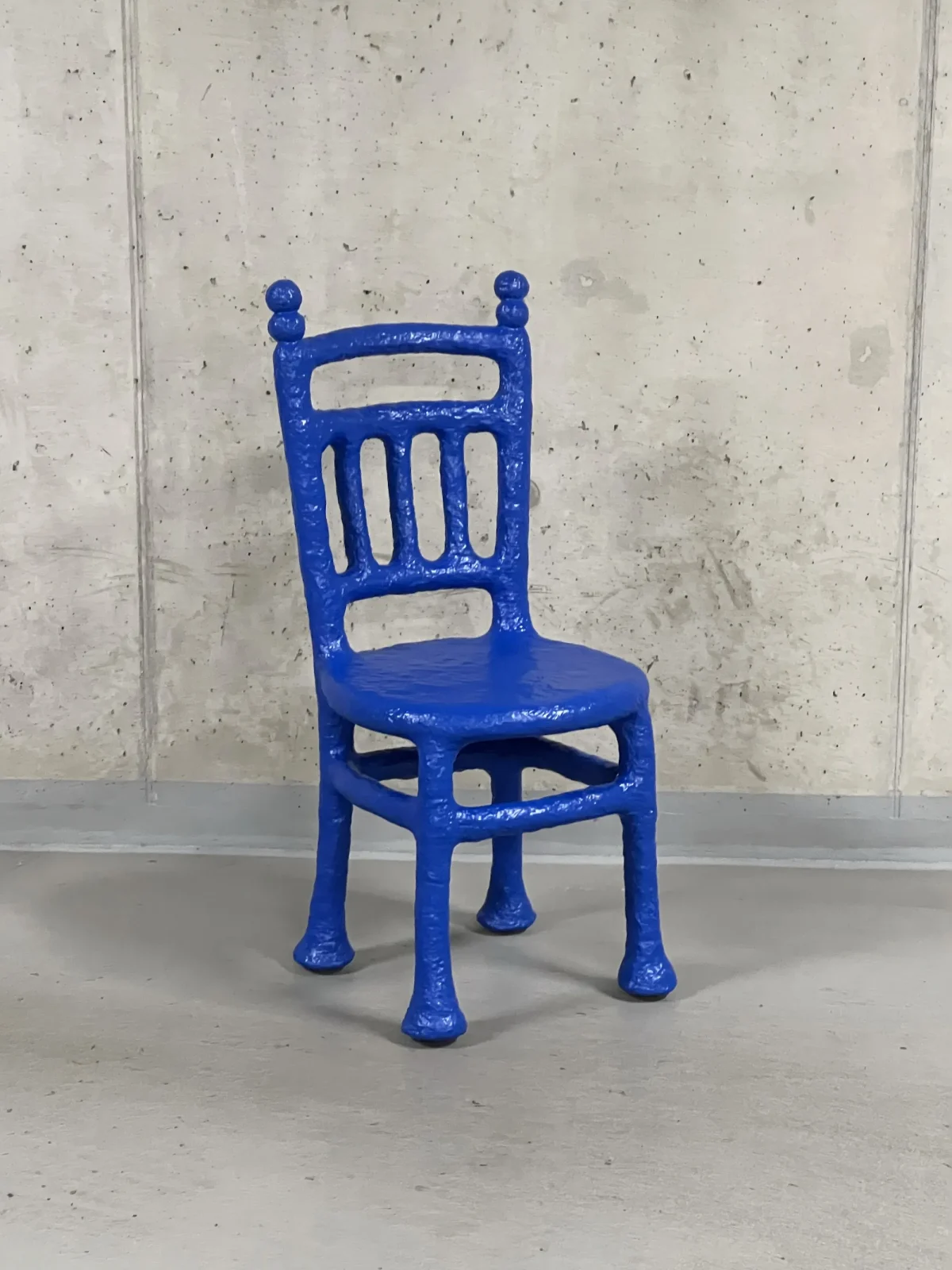
Some of these pieces feel less made than cultivated. Mycelium panels grown over weeks, bio-composites formed from bark, hemp, and clay, lamps that rely on organic binders and natural fibers rather than synthetic shells. The process here is slower, closer to tending than producing, and the results reflect that. Surfaces remain irregular, forms follow the logic of growth rather than strict geometry. There is a sense that these objects could not be rushed, and that the material itself has had a say in how they take shape.
Waste, Reworked
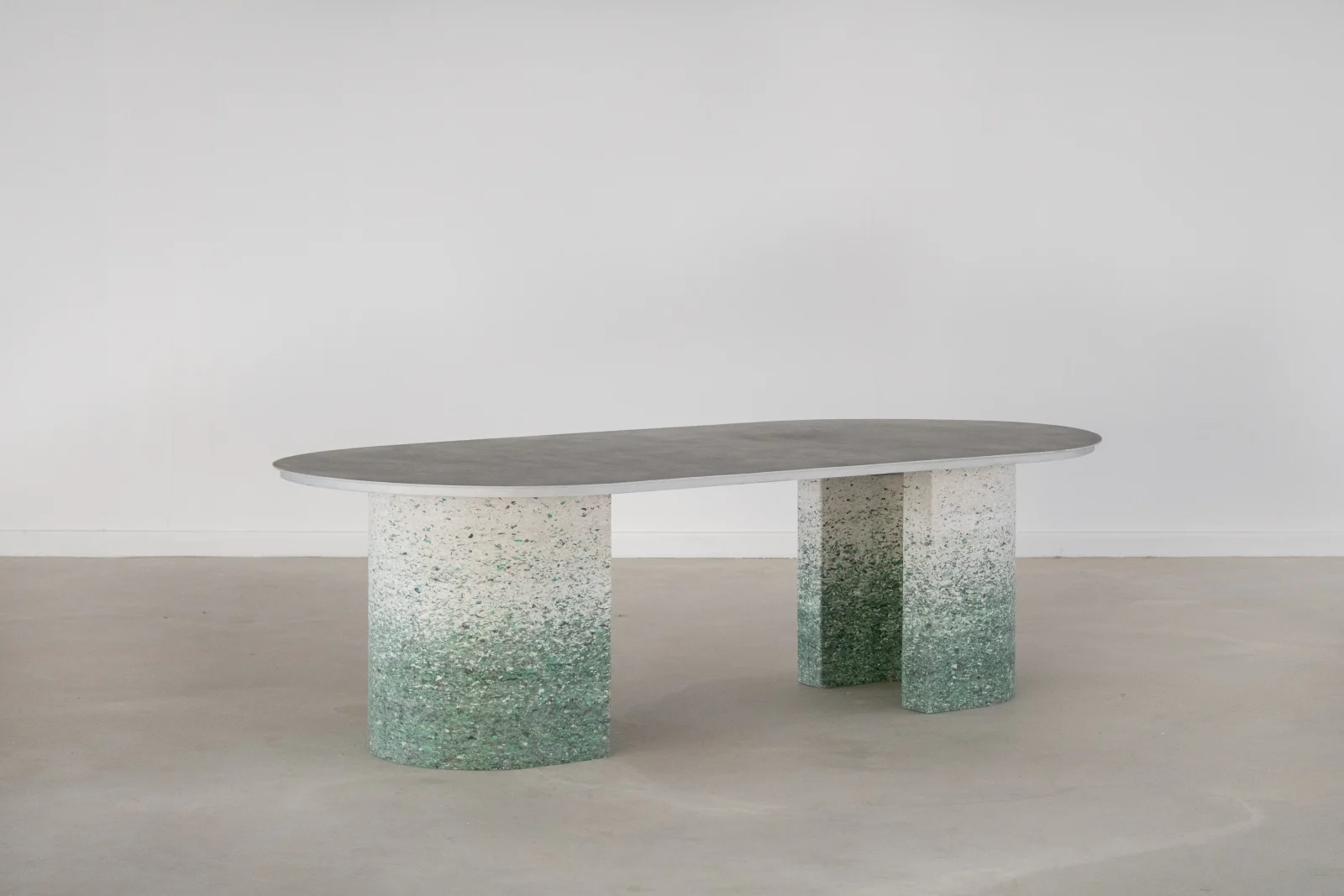
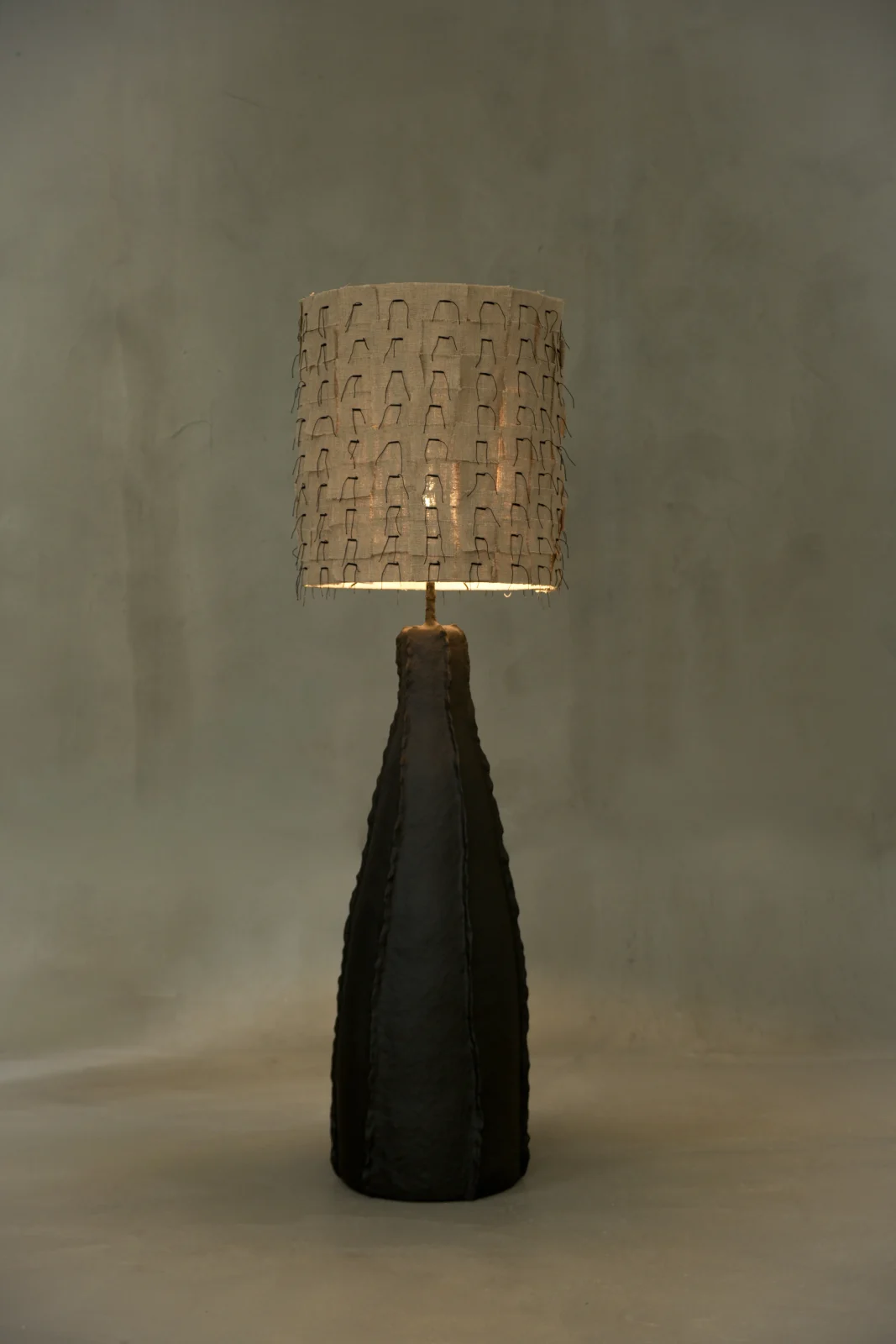
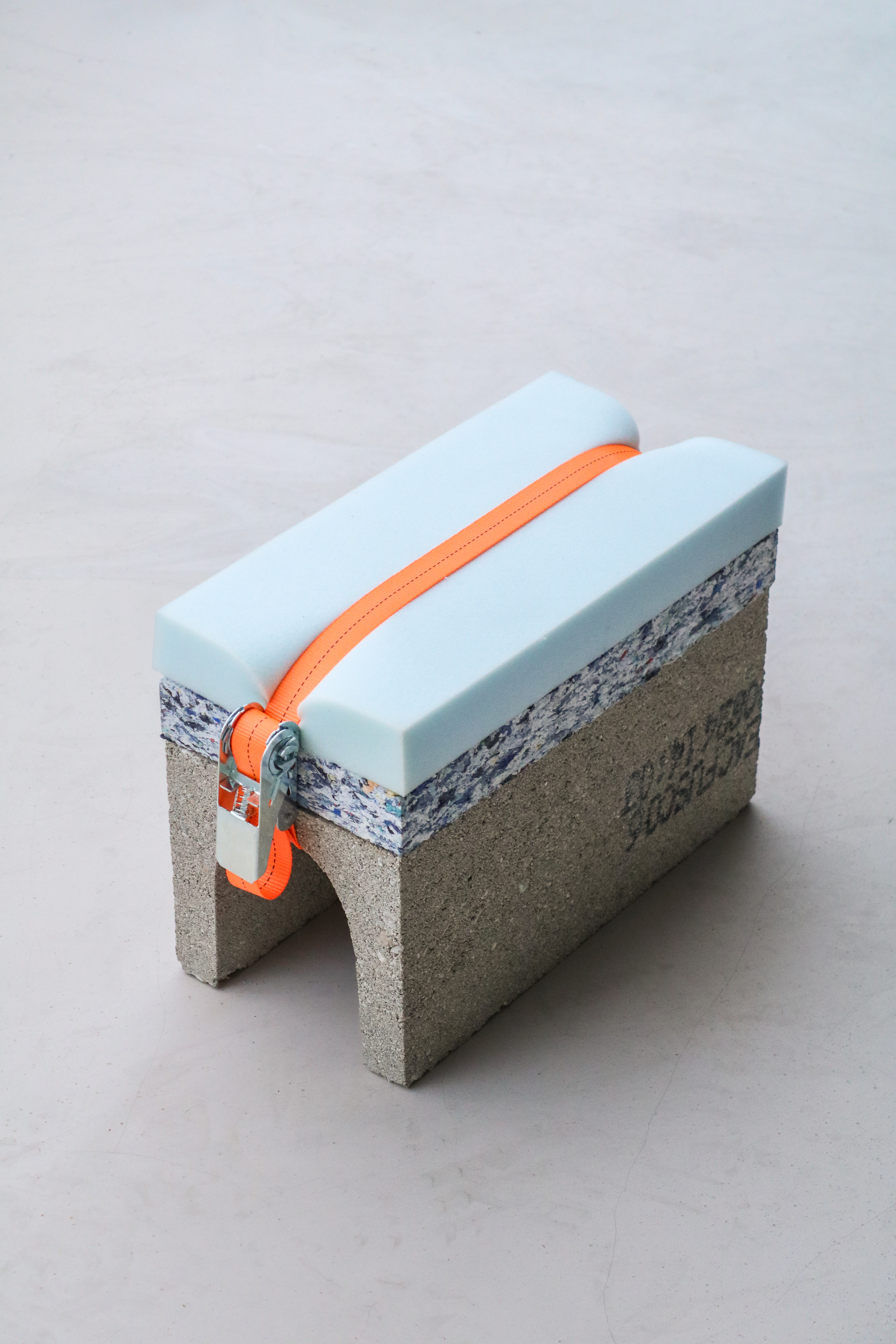
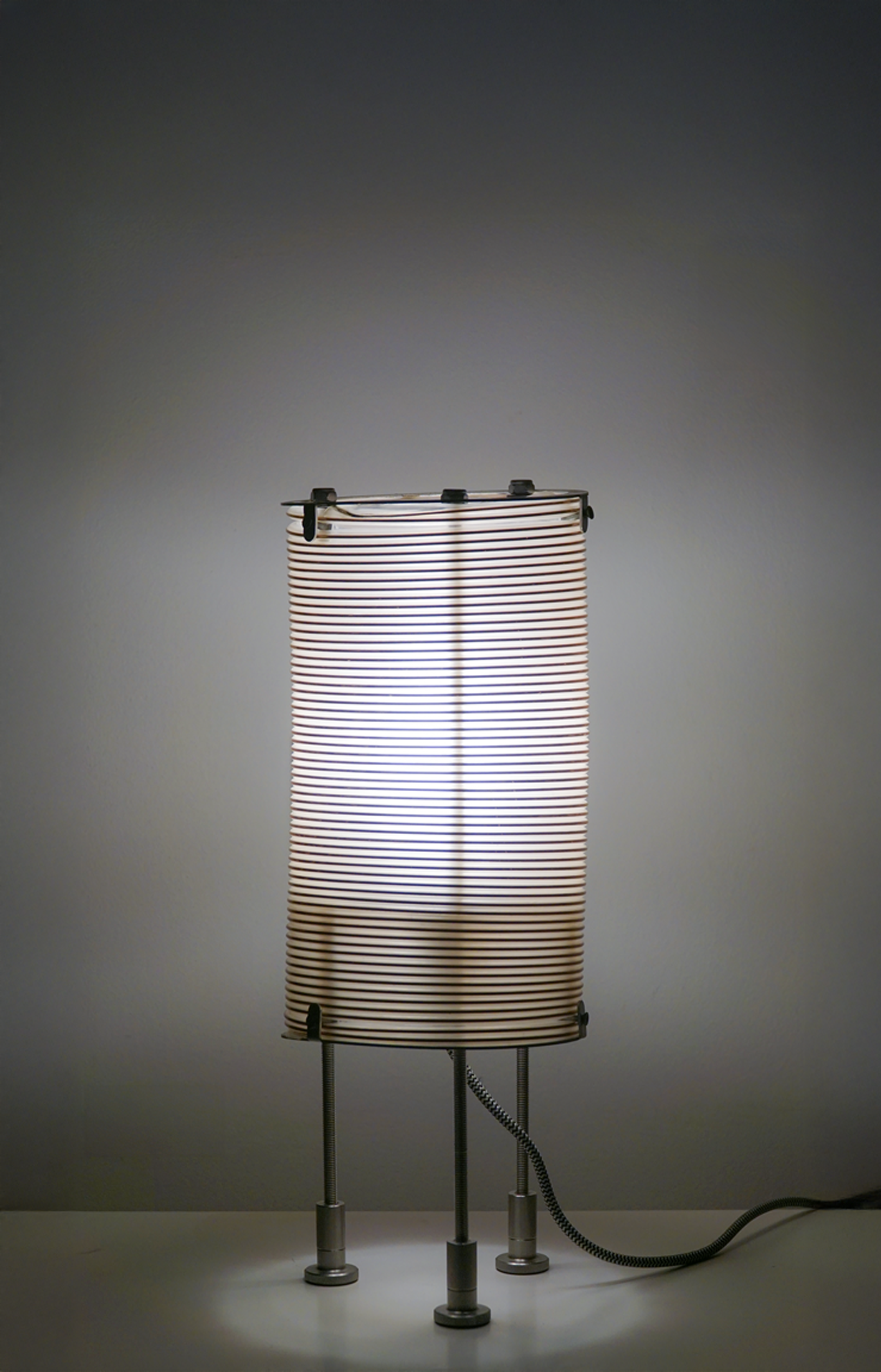
Another group begins with what already exists. Reclaimed beams, textile off-cuts, industrial ducting, shredded paper, discarded components from construction and manufacturing. These materials arrive with prior use, and the design works with that history rather than erasing it. There is a directness to this approach. The origin is often still visible, in texture, in color, in structure. What might have been treated as excess is instead given another role, not as a compromise, but as a starting point.
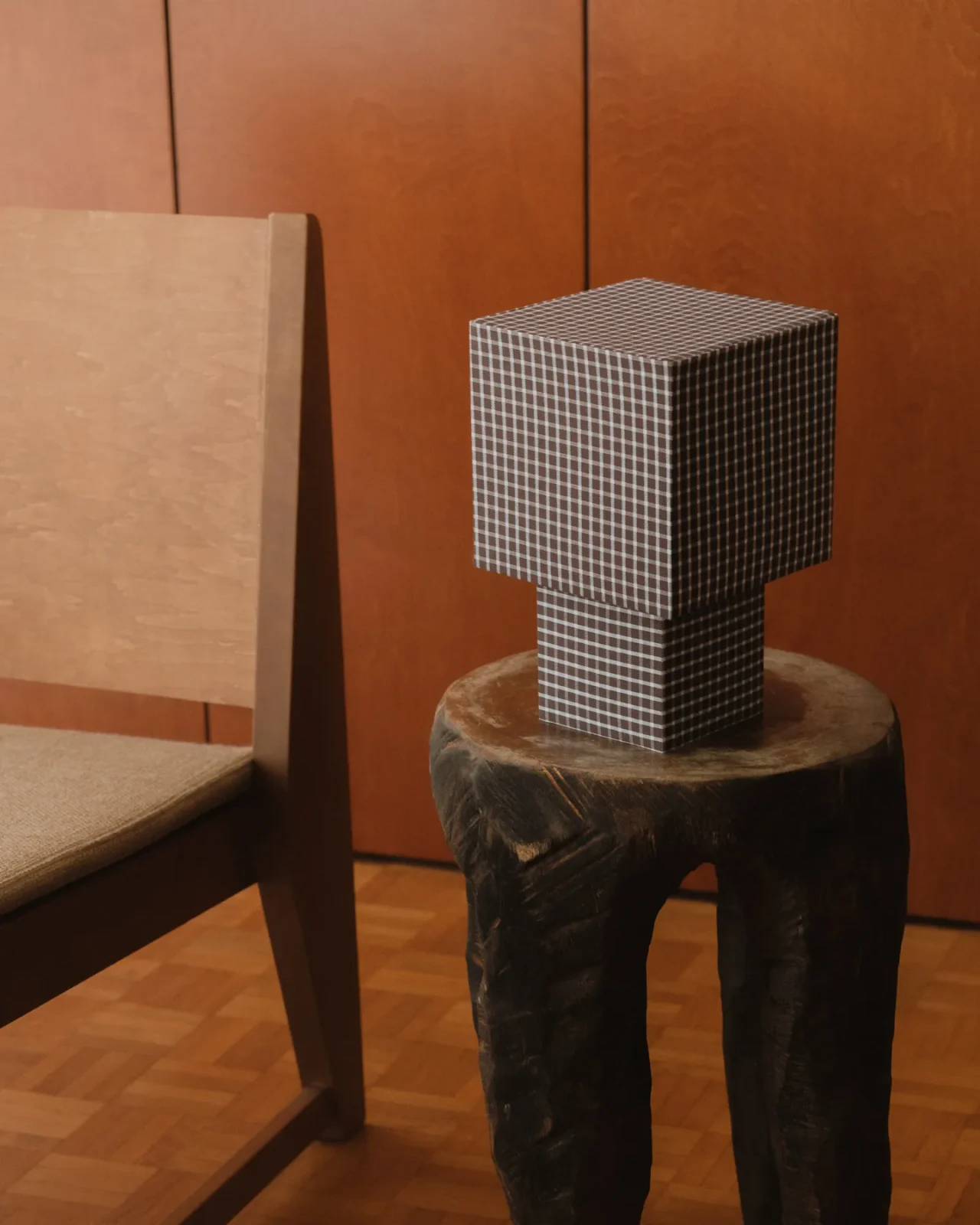
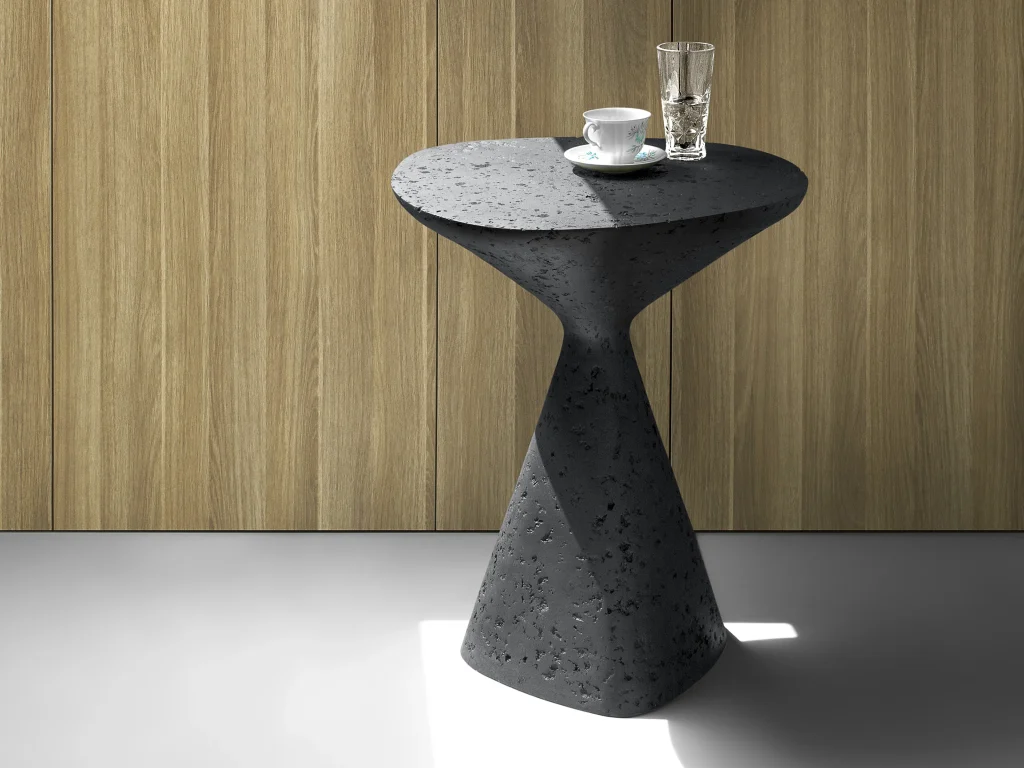

Designed by Nature
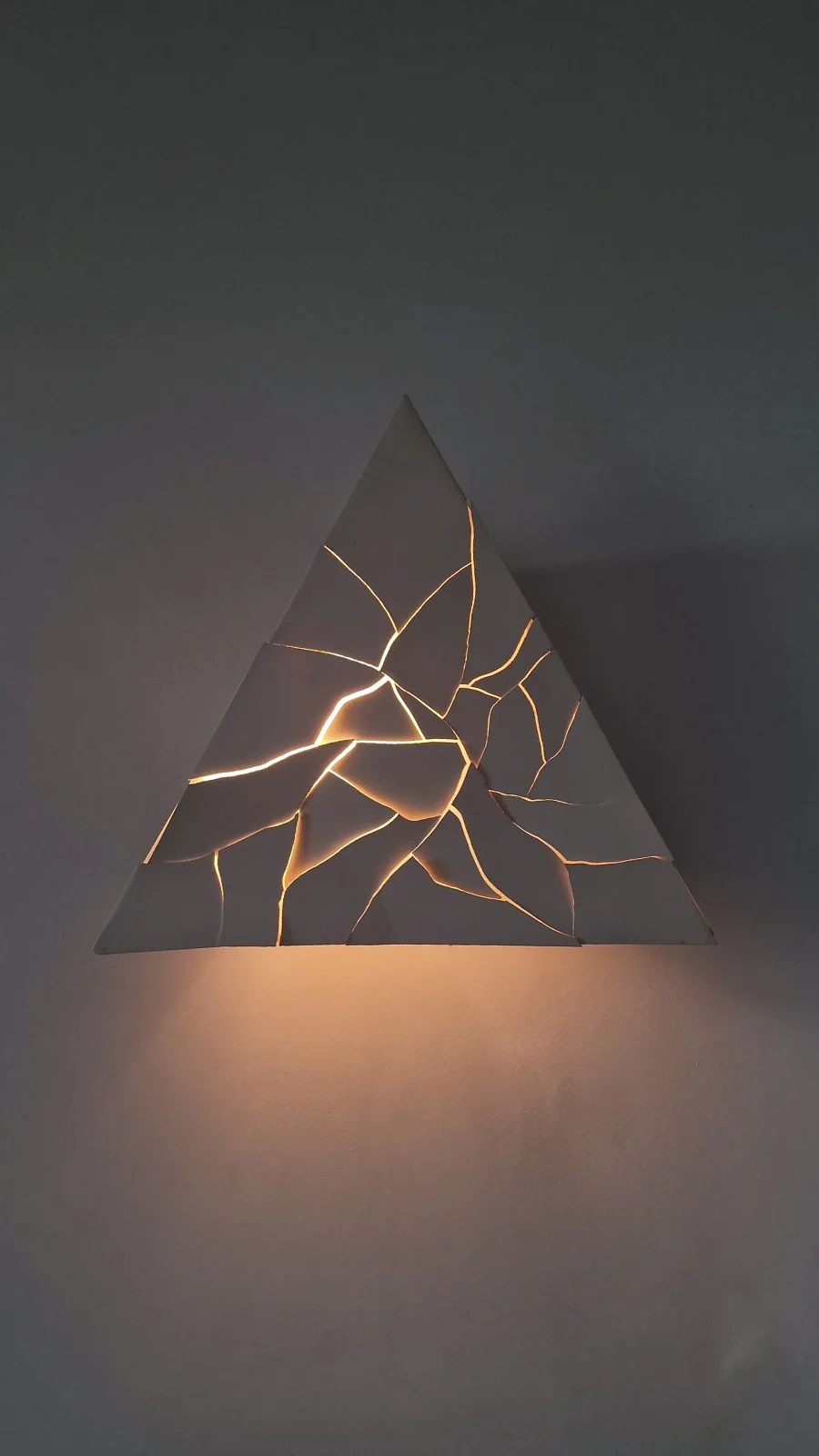
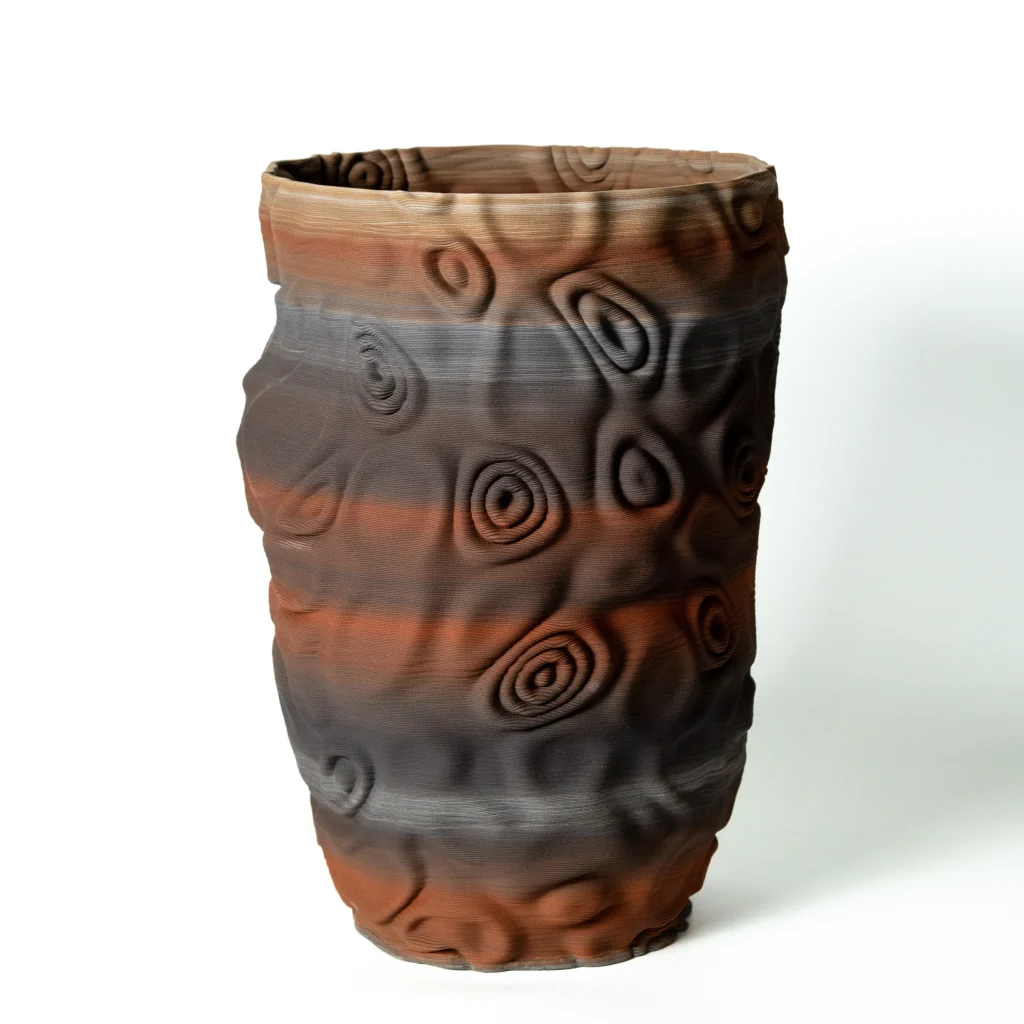
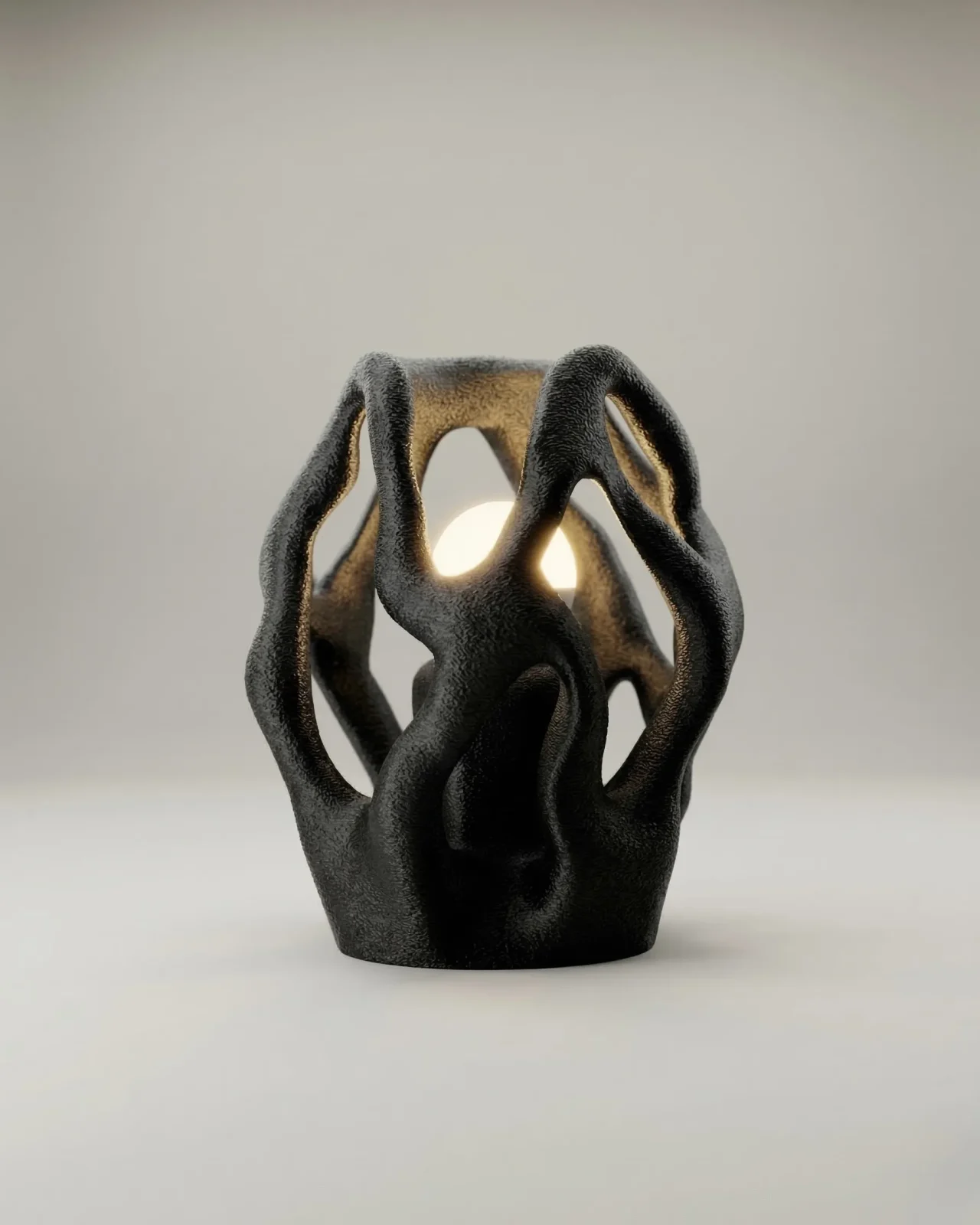
Not all of these works rely only on recycled inputs (although every piece in this selection is materially sustainable). Some look instead to natural systems as a way of shaping form. Coral structures, mushroom growth, coastal erosion, flowering stems, water movement. The reference is not decorative. It is structural. You see it in how a surface diffuses light, how a form expands or contracts, how repetition avoids becoming uniform. These pieces borrow from nature’s way of building, where variation is constant and precision does not mean repetition.

Surface, Time, and Change
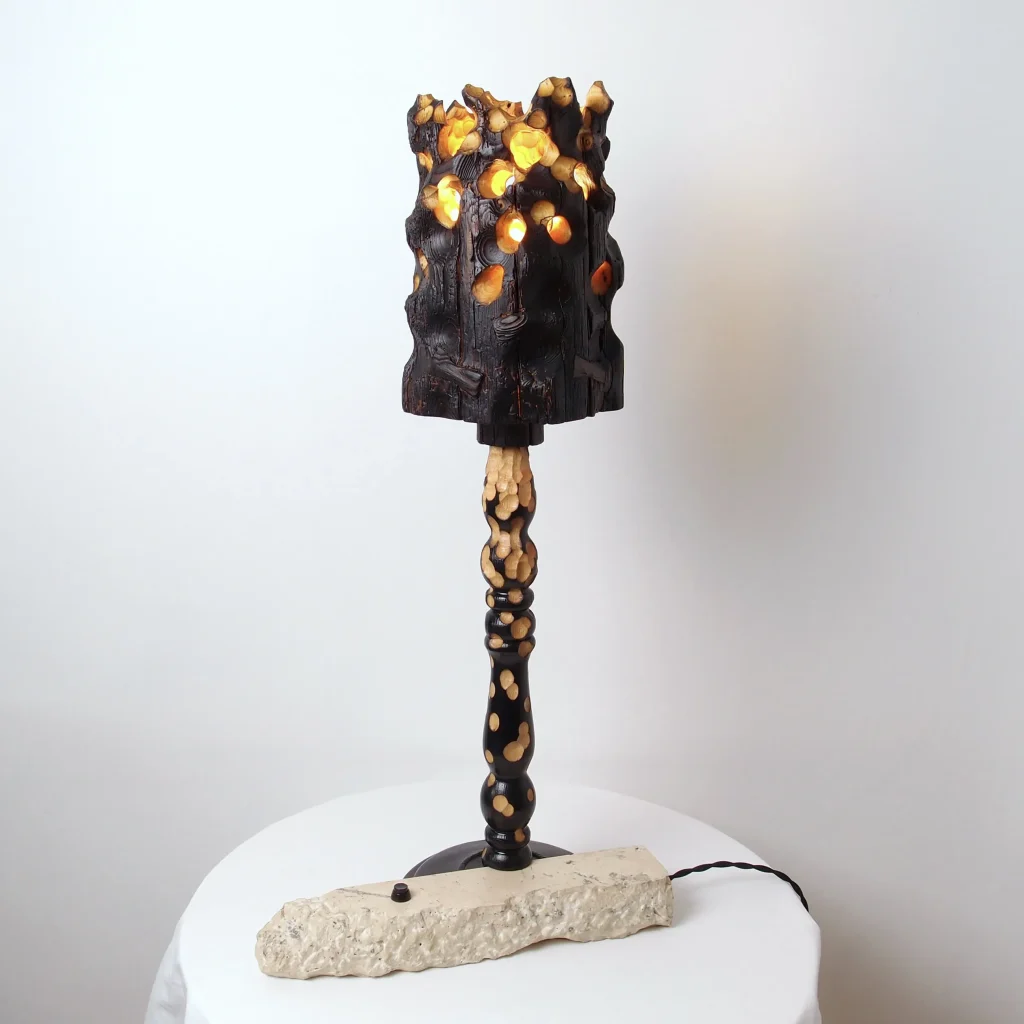
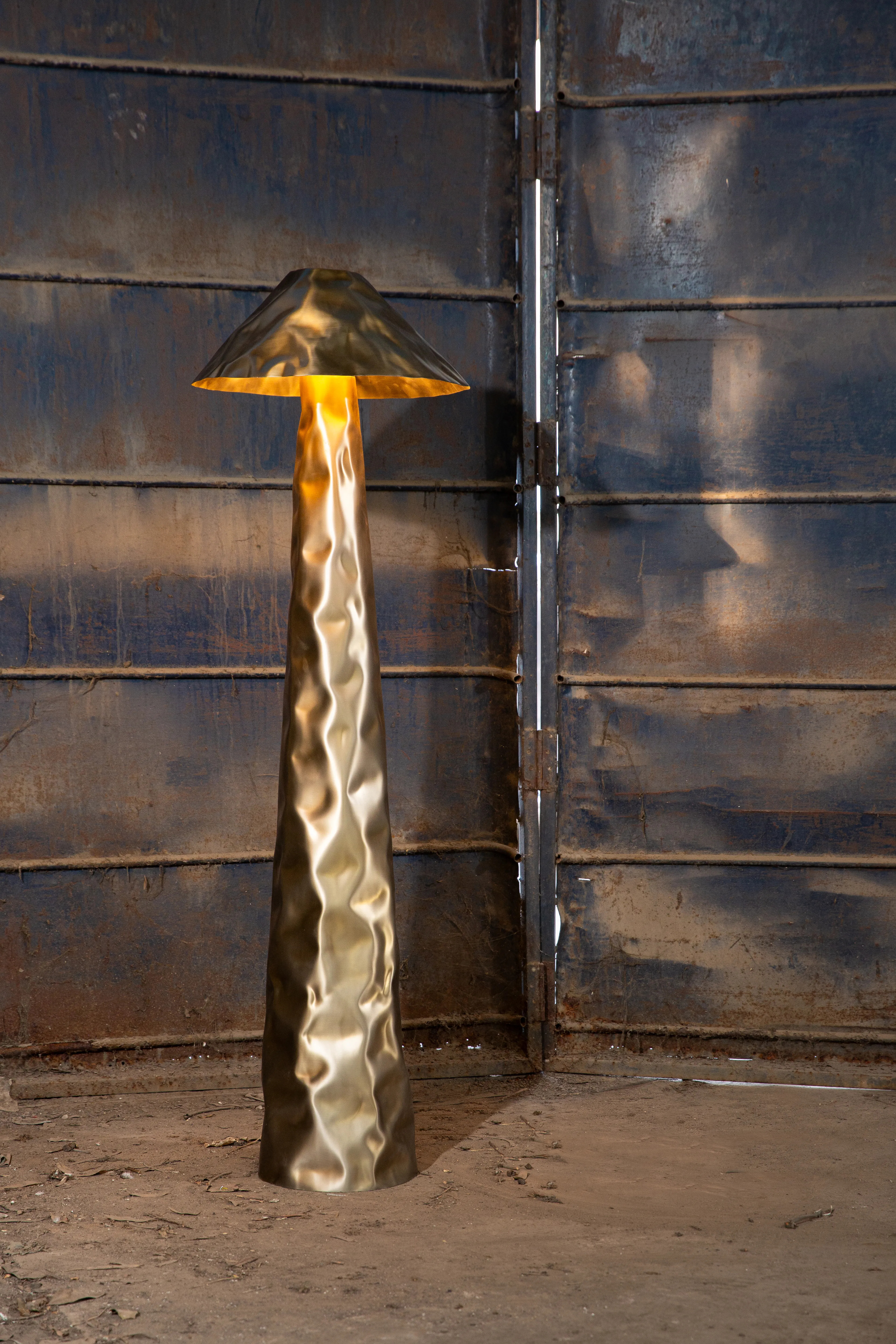
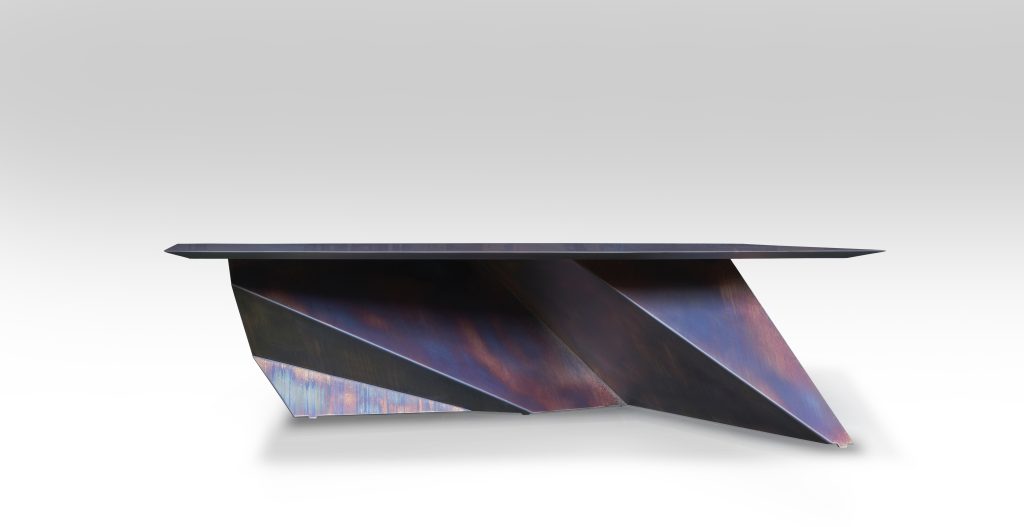
Across the selection, there is a consistent acceptance of change. Charred wood, hammered steel, natural glazes, unfinished metals. Surfaces that will shift with light, with touch, with time. Instead of resisting wear, these materials allow it. They register use – deepening rather than degrading. In that sense, they stay closer to the conditions they came from, exposed, responsive, and never fully fixed.


Earth Day can feel abstract at a distance. These pieces bring it back to something tangible. Material, process, and use all sit closer to the source. What matters here is not a single approach, but a shared awareness. Where things come from, how they are made, and what they become over time.