“Functionality is, of course, paramount, but I believe functional objects can and should also provide aesthetic pleasure and personal significance.” – Francesc Gasch
Updated on: November 22, 2026
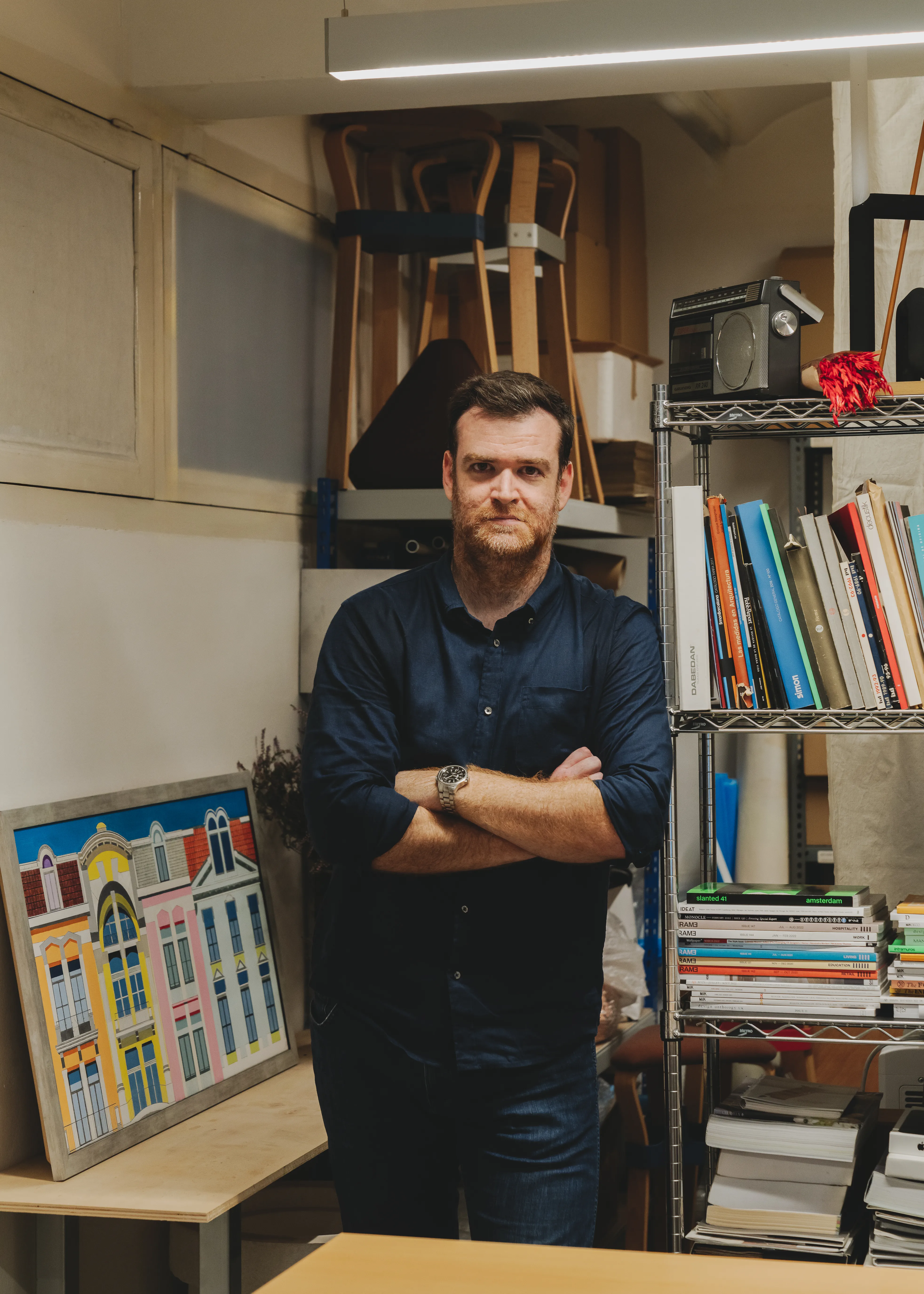
Barcelona-based designer Francesc Gasch embodies a fascinating synthesis of architectural discipline and artisanal innovation. His formative years in Casa Bloc – a pioneering 1930s social housing project known for its rationalist approach to living spaces – provided him with an experiential education in functionalism that continues to inform his practice.
“Growing up in Casa Bloc profoundly influenced my understanding of how design impacts daily life,” Gasch reflects. This architectural inheritance manifests in his work as a distinctive balance between conceptual rigor and sensorial richness, a duality that distinguishes his studio’s output in contemporary design discourse.
Growing Up in Casa Bloc
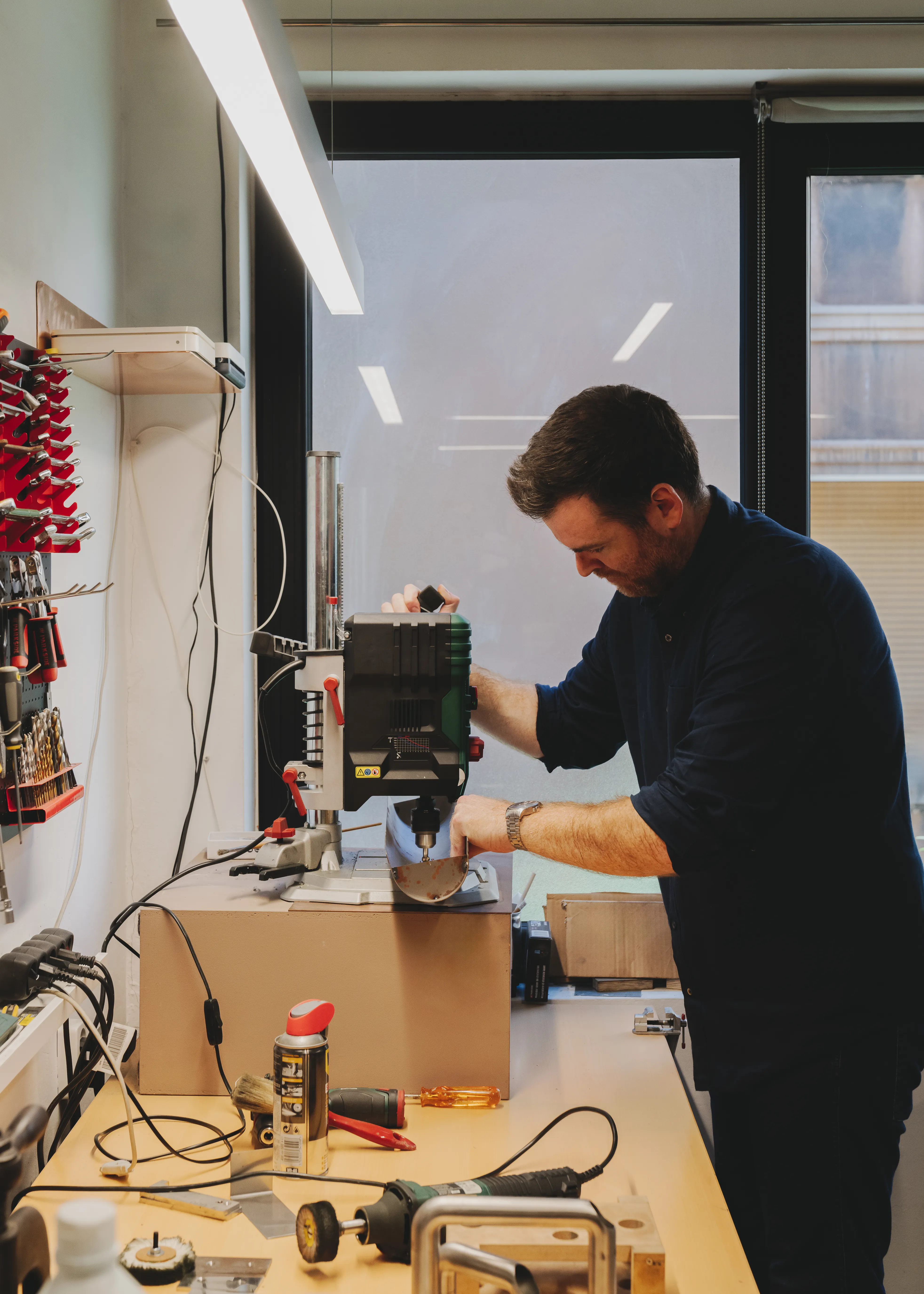
Casa Bloc was built in Barcelona between 1932 and 1936 by Josep Lluís Sert, Josep Torres Clavé and Joan Baptista Subirana of the GATCPAC group. Designed as social housing for workers, its duplex apartments, shared gardens and open walkways put rationalist ideas about light, air and everyday use into practice.
For Gasch, living inside that experiment was a daily lesson in how design shapes behavior. It explains why his objects start from use, from how a hand reaches for a candle or how light falls on a table, and only then move toward expression.
Material Exploration
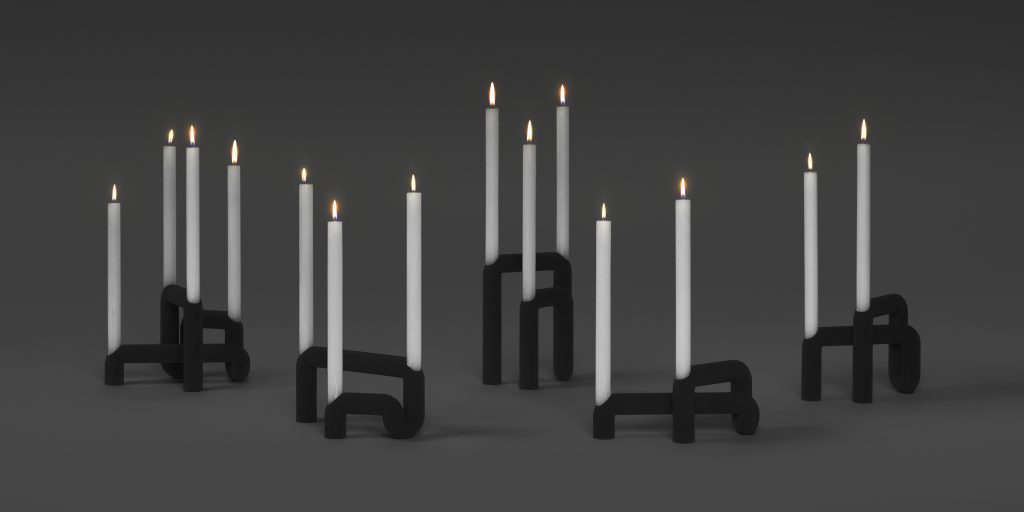
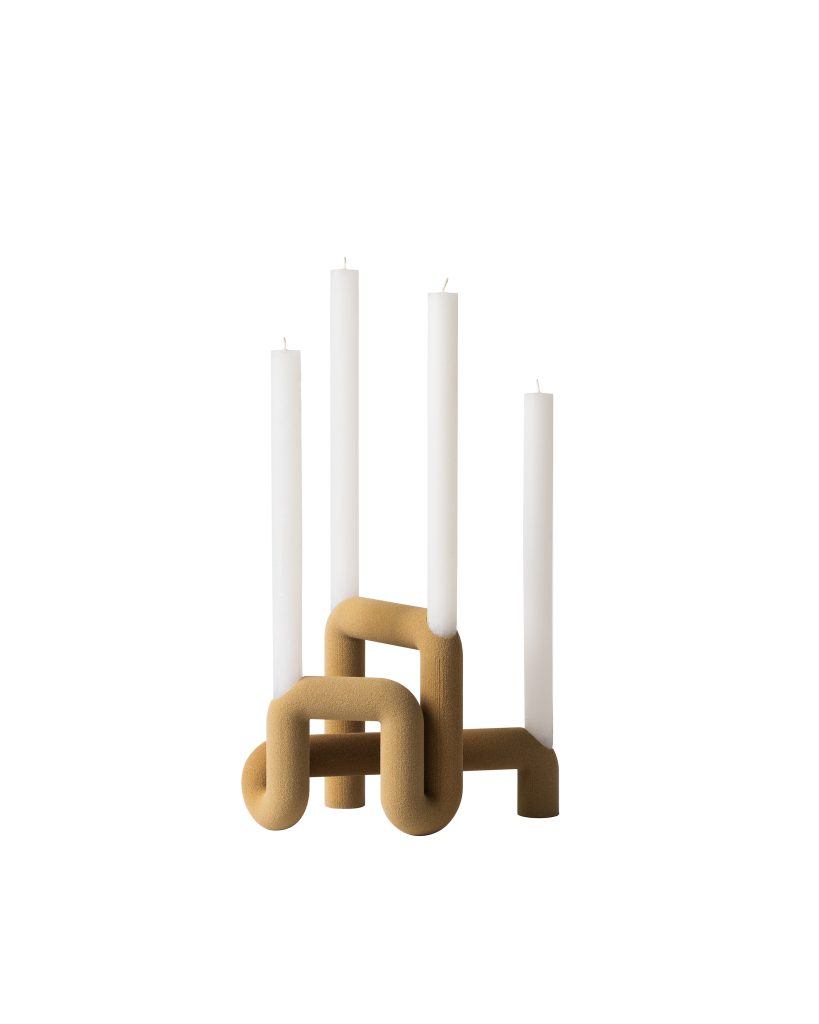
The Sandle candle holders exemplify Gasch’s material intelligence through his unconventional application of quartz sand. “Quartz sand intrigued me because of its natural abundance and unique properties,” Gasch explains. “It allows for the creation of forms that are both organic and precise, bridging the gap between nature and technology.” This material choice reveals a sophisticated understanding of substance and form. The sand’s versatility enables Gasch to explore fluid, intricate geometries while its inherent structural properties enhance functional durability. “Working with quartz sand enables me to explore textures and finishes that are not achievable with traditional materials,” he notes, a material dialogue that challenges conventional manufacturing constraints.
The technique behind Sandle comes from industry. In sand 3D printing, a printer spreads thin layers of fine quartz sand and selectively binds them, building a form layer by layer. Foundries have long used the process to make casting molds; designers like Gasch use it to make the final object itself, with a soft, mineral texture that no mold could produce. For more pieces made this way, see sand 3D printing in design.
Sensorial Design
Gasch’s approach to user experience operates at a notably deeper level than basic utility. “To evoke a personal connection, I design objects that engage the senses and invite interaction”. This multi-sensory consideration encompasses tactile qualities, visual resonance, and emotional engagement – a holistic approach to object creation. His design philosophy centers on the intimate relationship between object and user. “I consider how the user will experience the piece on a daily basis,” Gasch explains, describing a methodology that prioritizes both immediate sensorial pleasure and evolving personal significance. “Functionality is, of course, paramount, but I believe functional objects can and should also provide aesthetic pleasure and personal significance.”
Design Longevity
Gasch’s studio stands apart through its commitment to durability, creating objects meant to develop meaningful connections with users across time. “I aim to create pieces that users will cherish and develop a relationship with over time,” he notes, articulating a philosophy that moves beyond contemporary production cycles and their inherent temporality.
Heritage and Innovation
What distinguishes Gasch’s perspective is his refusal to prioritize either tradition or innovation. Instead, he positions himself at their intersection, a liminal craftsman navigating the fertile boundaries where Barcelona’s rich craft heritage meets the expanding frontier of computational design. This balanced approach produces work that feels simultaneously grounded in cultural context yet forward-looking in its technological expression.
Muuto Design Contest 001 Winner
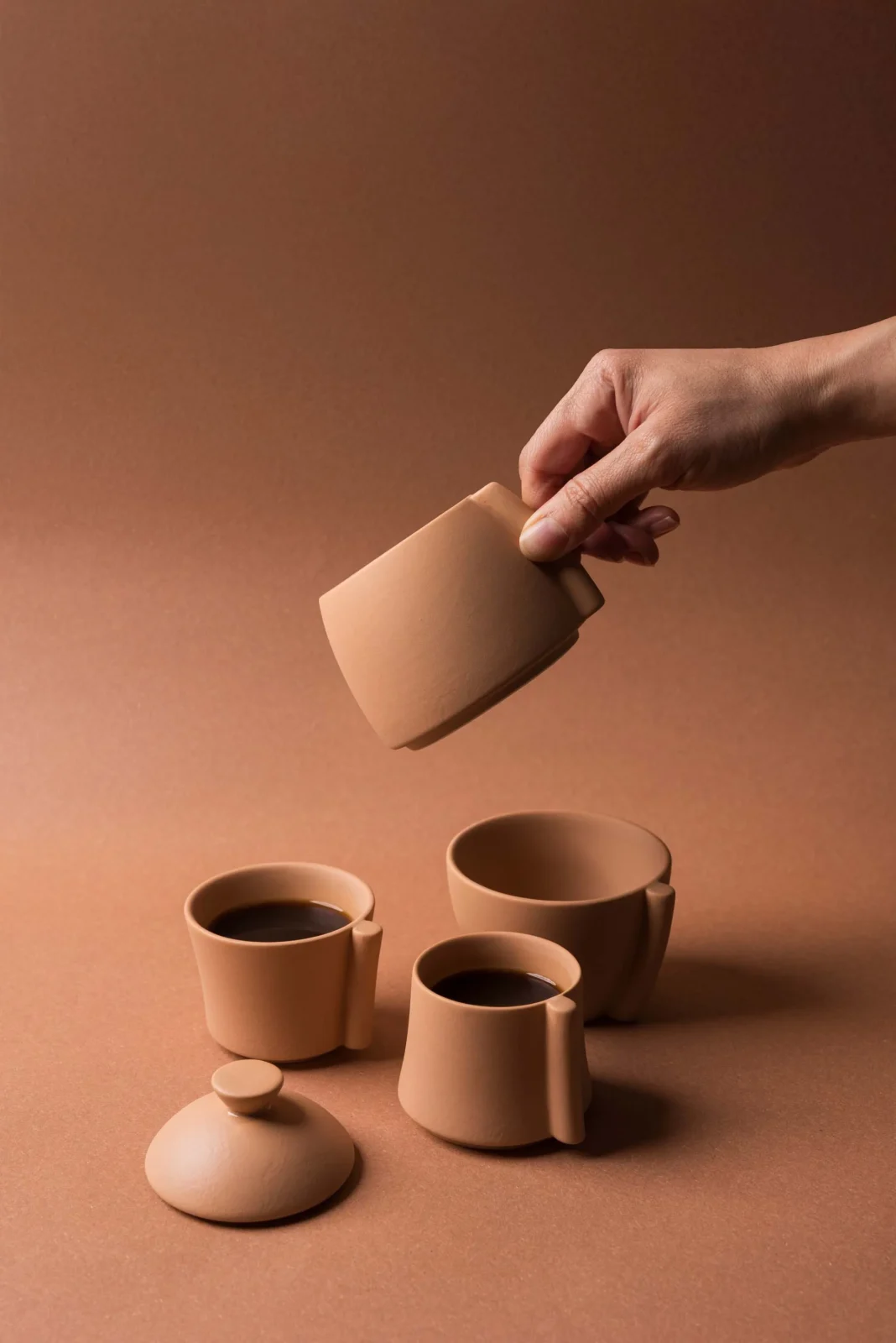
In 2025, Gasch’s commitment to this delicate balance between material poetry and technical exploration was recognized when he was named one of three winners of the inaugural Muuto Design Contest 001. His Waves Vases Collection, crafted through 3D-printed quartz sand, was presented at Muuto’s headquarters in Copenhagen during 3daysofdesign in June 2025, a setting that allowed visitors to encounter the subtle interplay of light, shadow, and texture that defines his work. This milestone highlights how Gasch continues to expand the conversation around design’s role in shaping everyday rituals and connections.
The Waves vases come in cream, ochre and terracotta, and their contoured profiles were inspired by the way the shoreline around Barcelona flows around objects. For a wider look at the festival that year, see Wallpaper*’s guide to 3 Days of Design 2025.
The Sandle Collection
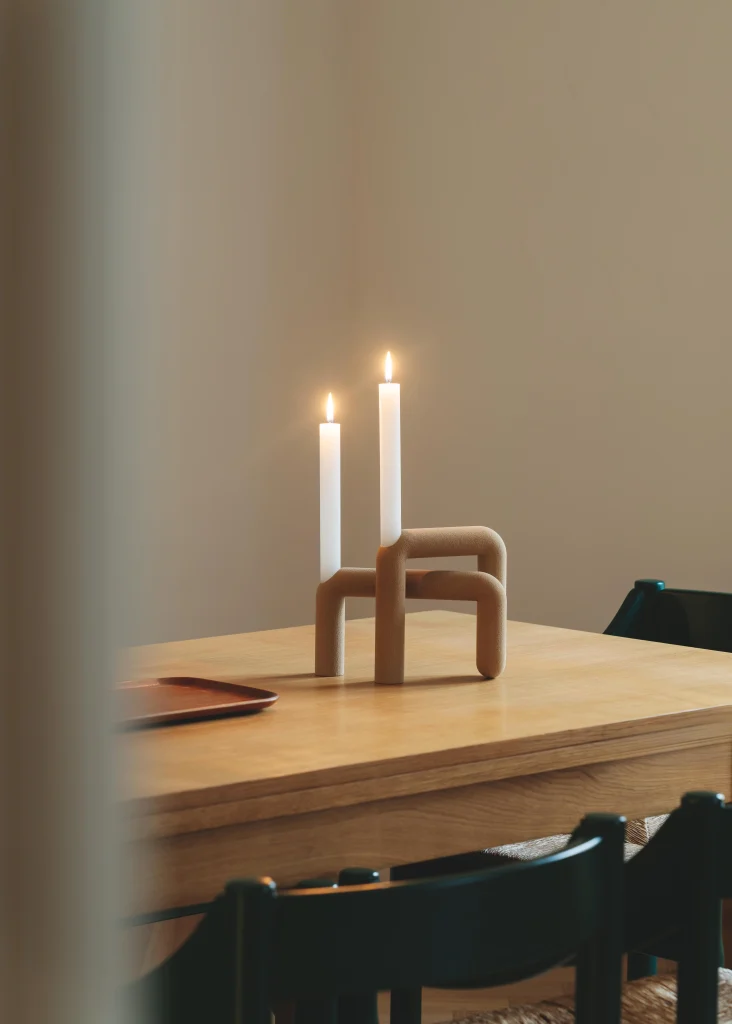
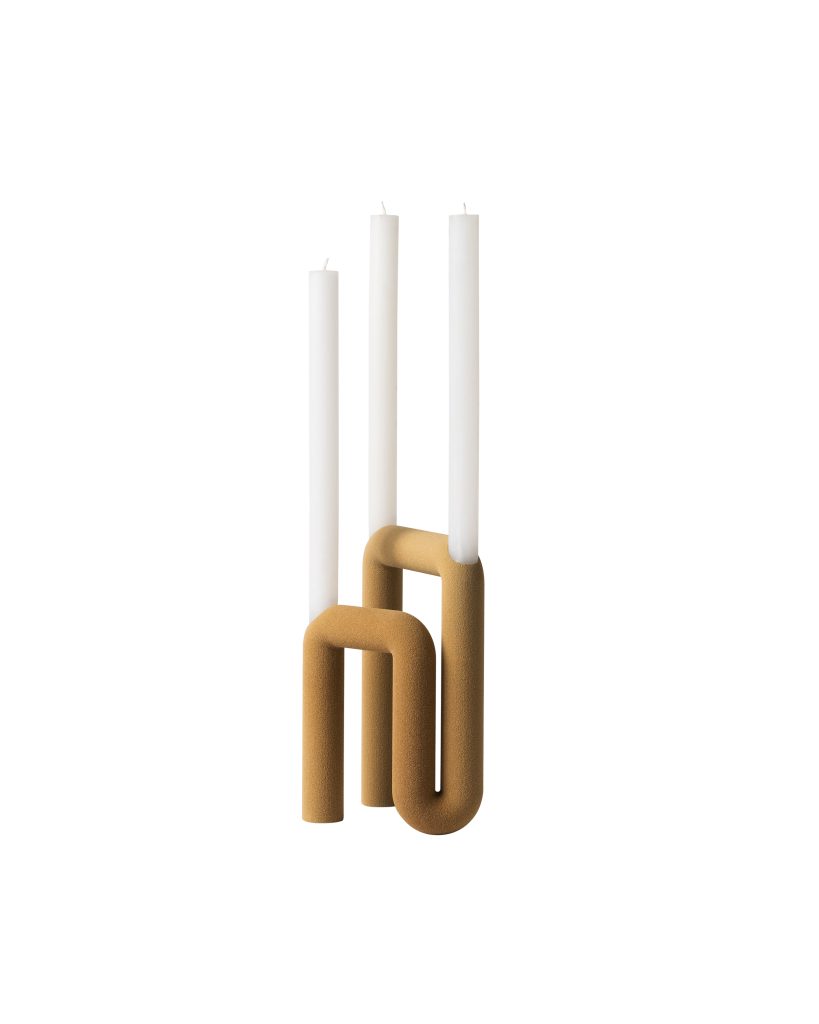
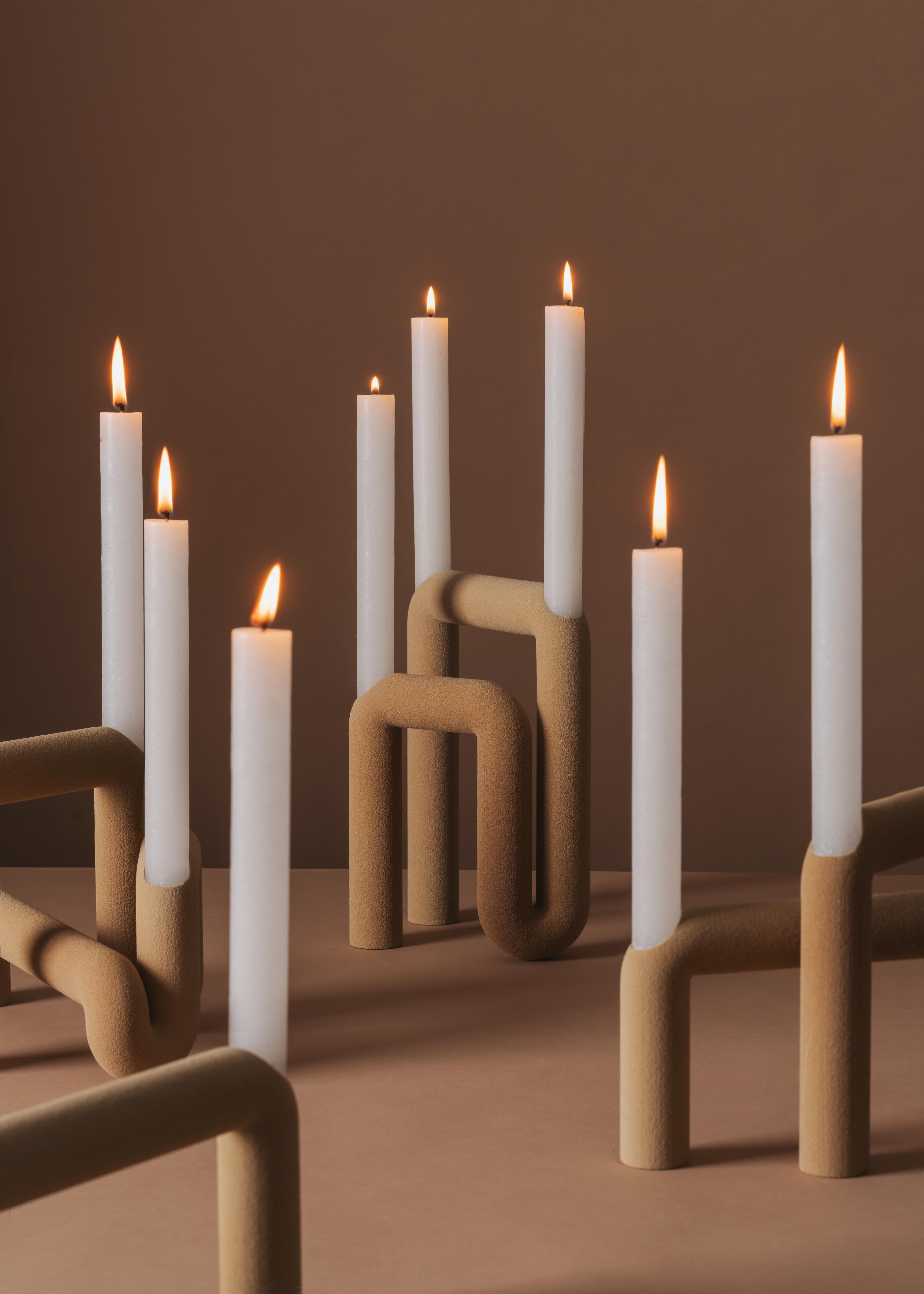
Sandle comes in three designs, each holding a different number of candles, in black or beige quartz sand. Grouped together on a table or shelf, they read as one sculptural piece. Browse more modern candle holders on ADORNO.
Sandle No. 3 Beige Candle Holder by Francesc Gasch Studio

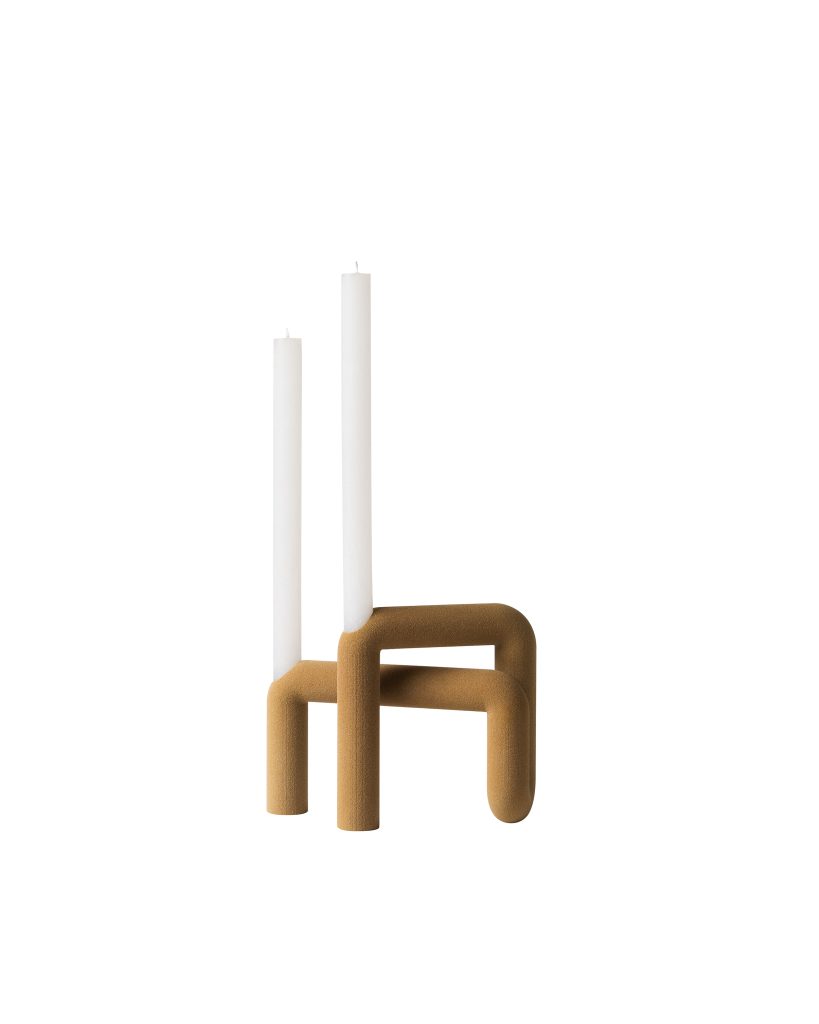
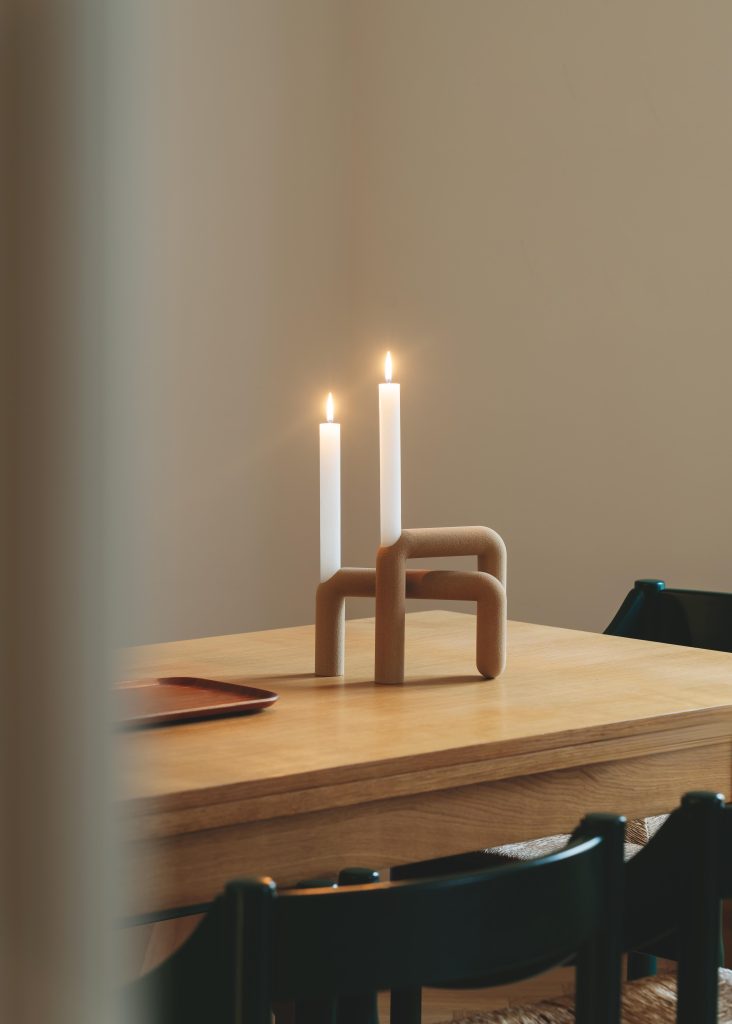
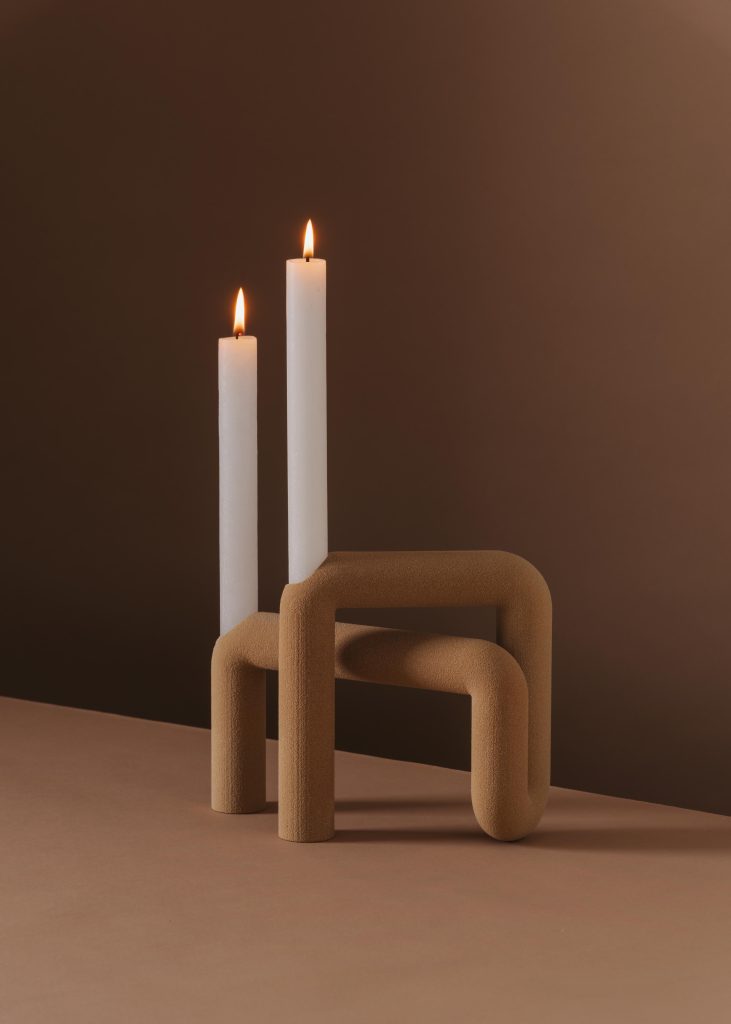
The Sandle No. 3 holds two candles on a looped base 3D-printed from quartz sand, then finished by hand. Its soft beige tone sits easily on a wooden dining table, and the same design comes in black. Nos. 1 and 2 hold three and four candles and can be grouped with No. 3 as a set.
By Francesc Gasch Studio
€280 incl. tax
How to Style Sculptural Candle Holders
Treat a sculptural candle holder as an object first and a light second. On a dining table, place it slightly off center so it does not block sight lines, and keep the candles tall and plain so the form of the base stays the focus. On a sideboard or shelf, group two or three pieces of different heights, or pair one with a stack of books and a small ceramic bowl.
Material contrast helps. Matte quartz sand looks warmest against wood, linen and stone, while black versions stand out on pale surfaces. Always use dripless candles and keep flames at least 10 cm (4 in) from anything flammable above them.