












-

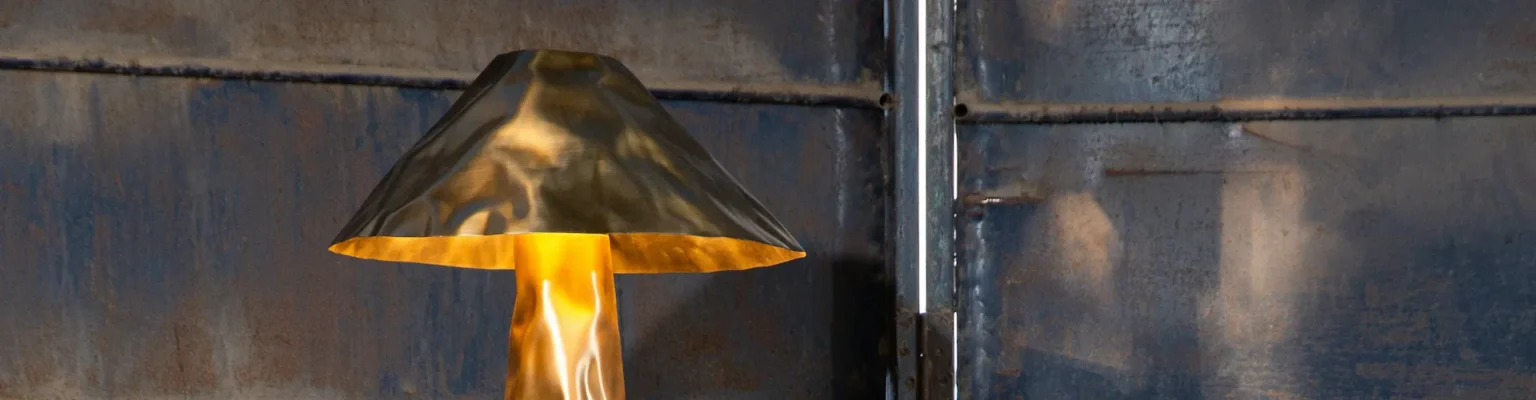
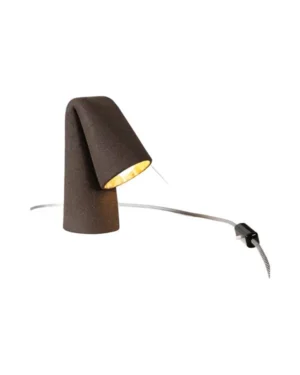
Ombrellina Table Lamp in Earthenware
By mattina moderna
€655 -

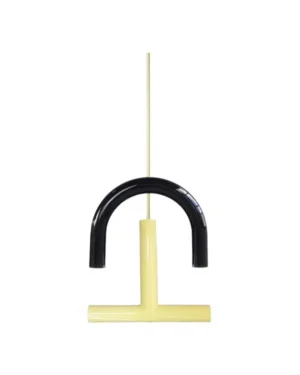
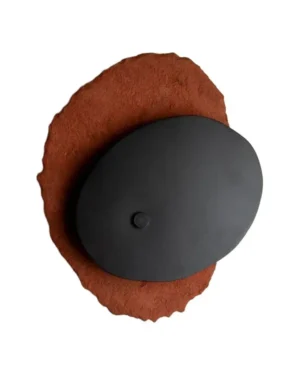
U – 044 – Pendant – Umber
By Rollo Studio
€2.345 -

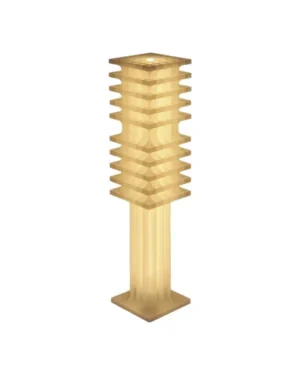
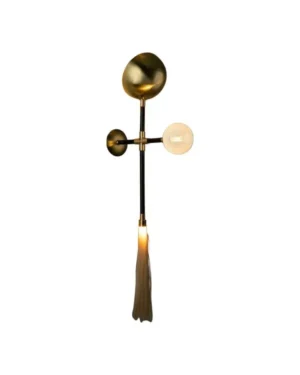
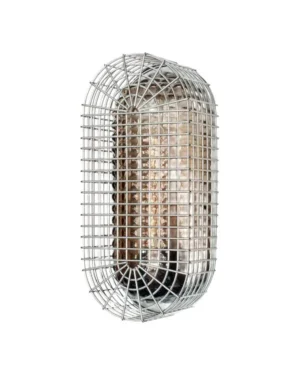
Willow Floor Lamp in Steel and Cotton
By BOTHI
€455 -
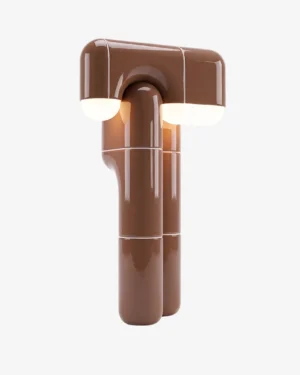
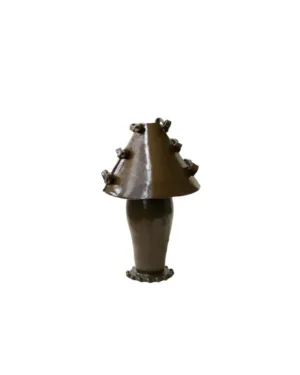
U – 016 – Table Lamp – Umber
By Rollo Studio
€1.380 -
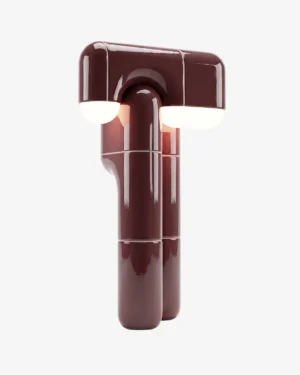
U-016 Table Lamp In Oxblood Pla
By Rollo Studio
€1.380 -

U-044 Pendant Lamp In Oxblood Pla
By Rollo Studio
€2.345 -

U-044 Pendant Lamp In Chalk Pla
By Rollo Studio
€2.345 -

U-044 Pendant Lamp In Cream Pla
By Rollo Studio
€2.345 -
 Sold
Chimney Table Lamp In Aluminum And Steel
By BOTHI
€210 -

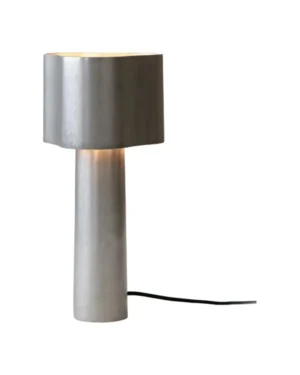
Chimney Table Lamp In Aluminum
By BOTHI
€210
Wine lamps carry a deep, saturated red into the body of a lamp itself, not just its shade, through glazed earthenware, powder-coated steel or hand-painted aluminum. Independent studios reach this color by firing a glaze until it pools into a near-black red at the edges, or by building up thin coats of paint over a printed or metal form. The result sits somewhere between burgundy and oxblood, a color that reads as warm rather than loud.
What gives wine its depth in a lamp
Unlike a dyed textile or a painted wall, a glaze or a powder coat on a lamp has to survive heat, handling and years of switching on and off. Earthenware takes wine red through glazing and a kiln firing, which can leave faint pooling or speckling where the glaze runs thicker, a trace of the hand rather than a flaw. Steel and aluminum take the same color through powder coating, a dry, baked-on finish that resists fingerprints and holds its tone better than wet paint under direct bulb heat.
Hand-painted lamps behave differently again. Brushwork over ceramic or metal can leave a slightly uneven surface, visible under raking light, which is part of the appeal rather than something to sand away.
The range of wine lamps on ADORNO
Within lamps generally, wine appears across a spread of materials and ways of making. Earthenware bases are glazed; steel and aluminum shades and stems are painted by hand; most bodies are 3D printed in PLA, which takes a matte wine finish well and keeps the form sharp at small scale.
- Earthenware bases, glazed in wine
- Painted steel and aluminum stems and shades, powder-coated or hand-painted
- 3D-printed PLA forms with a flat, matte wine surface
- Open editions alongside small-batch, limited-edition runs
Styles lean toward Art Deco silhouettes, where wine red suits a lacquered, geometric stance, Neo-Industrial pieces that pair the color with raw metal joinery, and plainer Minimalist forms that let the glaze or paint stand on its own. For a wider view of the same palette across furniture, the full range of wine pieces spans tables and seating as well as lighting.
Choosing a wine lamp for a room
Scale matters more than color once a lamp is in place. A table lamp should sit roughly at eye level when seated beside it, so the bulb or shade does not glare directly into view; a floor lamp needs to clear the arm of a sofa or the height of a headboard by a hand's width or more.
Finish affects how the color reads in different light. A glazed ceramic surface catches daylight and throws soft reflections, while a powder-coated metal stays flat and matte, better suited to a room with strong overhead light where a glossy surface would bounce glare. Hand-painted pieces sit between the two, with enough texture to soften direct sun.
Placement follows from the room's existing palette. Wine reads well against oak, walnut, cream linen or pale plaster, where it reads as a single deliberate note rather than competing with other saturated color.
Where wine lamps work
Wine suits rooms built for lingering rather than passing through. It holds its own on a console in a living room, beside a sofa where the light is meant to be low and warm in the evening, and on a nightstand in a bedroom, where the same depth of color reads as restful rather than bright. Paired with a metal lamp in a plainer finish nearby, it can anchor a pair of surfaces without the two competing.
Caring for a wine lamp
Glazed ceramic wants a dry or barely damp cloth; standing water or harsh cleaners can dull the glaze or work into any hairline crazing over time. Powder-coated steel and aluminum tolerate more handling but should stay away from abrasive pads, which will scratch through the coating to bare metal. Hand-painted surfaces are the most delicate of the three and are best wiped rather than scrubbed, keeping the brushwork intact.
How do I choose a wine lamp?
Look at how the color is made: a glaze gives depth and slight pooling, powder coating gives an even, matte tone, and hand painting leaves visible brushwork. Pick the surface whose texture suits the room.
How do you care for a wine lamp?
Dust earthenware and metal bases with a dry or slightly damp cloth, and keep them away from abrasive cleaners. Powder-coated and glazed surfaces resist fingerprints and fading better than wet paint.
What size is a wine lamp?
Sizes vary by maker and form, from small table lamps to taller floor pieces. Chat with the maker on the piece's page to confirm exact dimensions.
Which rooms suit a wine lamp?
The depth of wine red reads as warm rather than loud, which suits living rooms, bedrooms and studies where a lamp sits close to eye level and is seen as much as it is used.
Are wine lamps handmade or mass-produced?
Many are wheel-thrown, hand-painted or powder-coated by independent studios, though some bodies are 3D printed. Technique varies by piece, so check the piece's page for specifics.
What are ADORNO's shipping and return policies?
Shipping is insured and worldwide. Returns are accepted within 14 days, except on made-to-order pieces, and every lamp comes with a certificate of authenticity.