

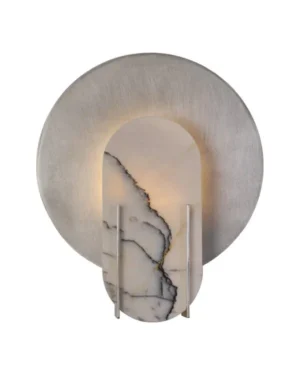

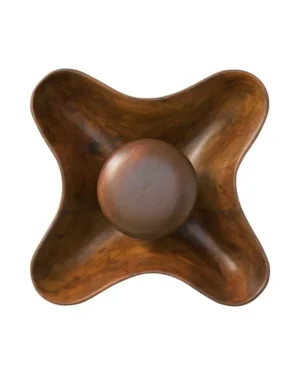
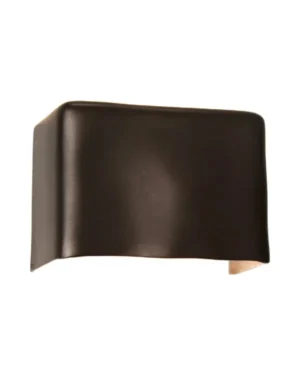

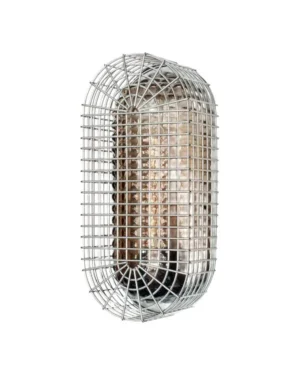
-

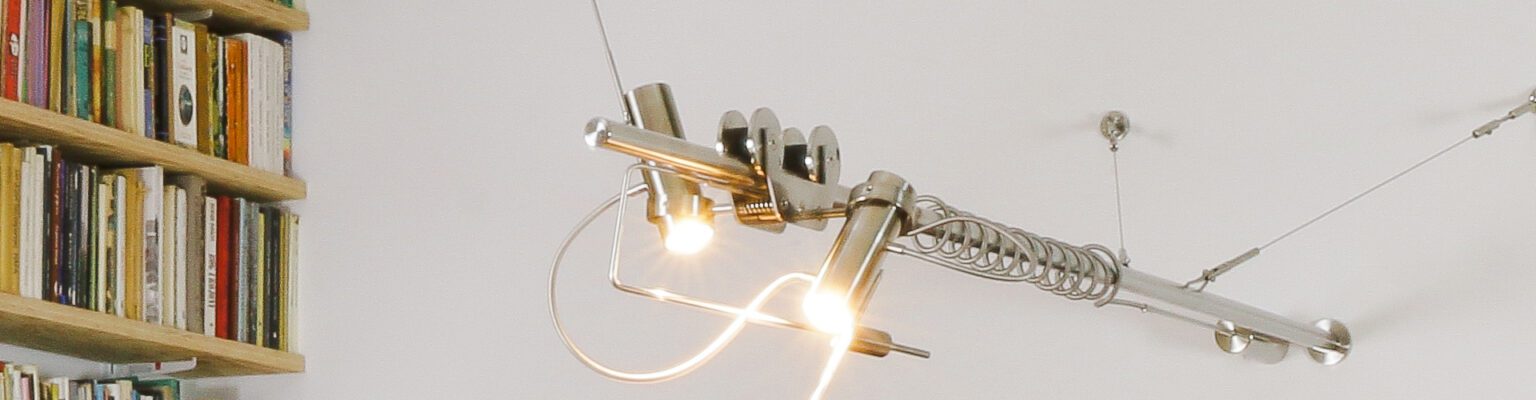
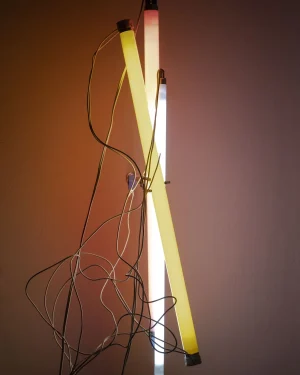
Lightpulse Wall Lamp in Oak Wood and Acrylic
By Studio Lampent
€1.400 -
 In stock
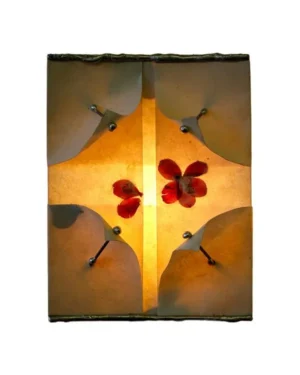
Extreme Il Wall Lamp in Metals
By TUNK I Busra Tunc
€280 -
 In stock
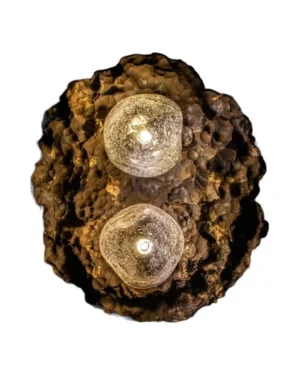
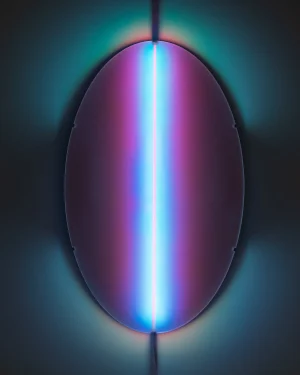
Sigil Crest Wall Sconce in Stainless Steel and Selenite
By Nitush and Aroosh
€1.800 -
 In stock
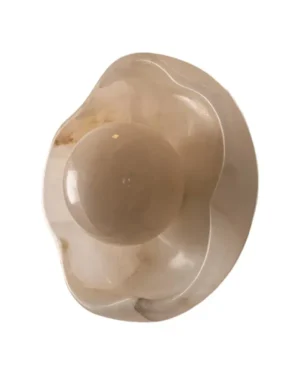
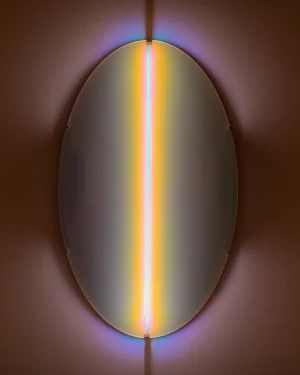
Aurora Frosted Wall Sconce in Acrylic and Aluminum
By Catrinel Sabaciag
€1.352 -
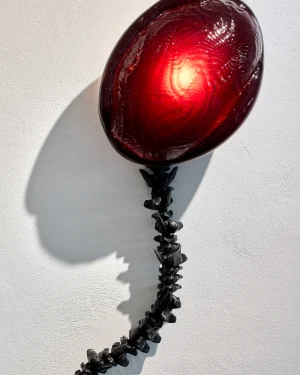
Aurora Gloss Wall Sconce in Acrylic and Aluminum
By Catrinel Sabaciag
€1.341 -
 In stock
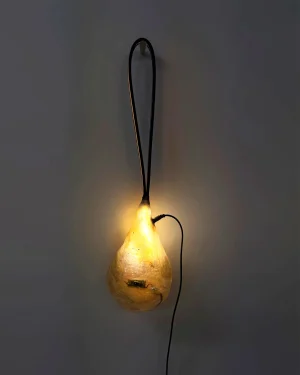
Dysplasio Wall Sconce in Blown Glass
By Anna Jožová
€2.000 - €3.300 -
 In stock
The Hive Wall Lamp in Bioplastic
By Sabrina Merayo Nuñez
€750 -

Étendu – Wall Light Sculpture
By Studio Lampent
€2.020 -
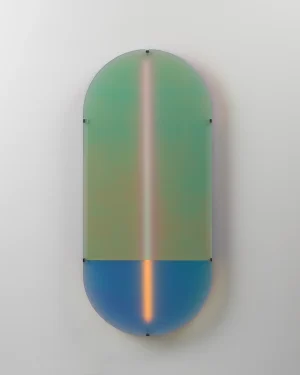
Totem Wall Sconce in Aluminum and Acrylic Glass
By Catrinel Sabaciag
€1.326 -
 In stock
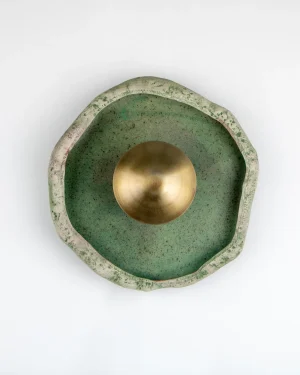
Asea No. 18 Green Wall Sconce In Porcelain And Brass
By Ceren Gürkan
€600 -
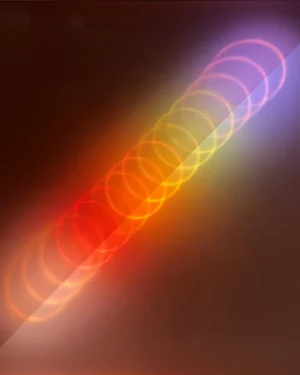
Dhaze – Wall Light Sculpture
By Studio Lampent
€2.700 -
 In stock
Asea No. 20 Wall Sconce In Stoneware And Brass
By Ceren Gürkan
€700 -
 In stock
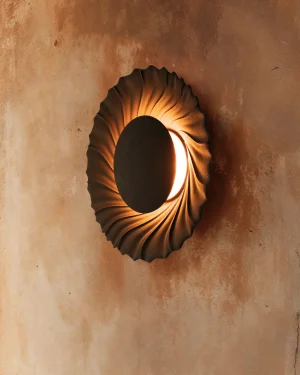
Sun Vxs 01 — Organic Sand Wall Light By Rollo Studio
By Rollo Studio
€880 -
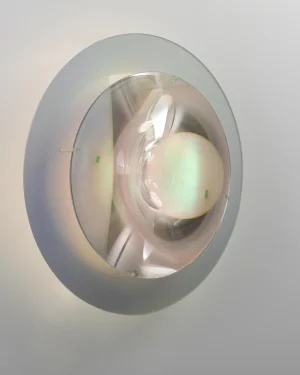
Noosphere Wall Sconce in Aluminum and Acrylic Glass
By Catrinel Sabaciag
€1.072 - €1.112 -
 In stock
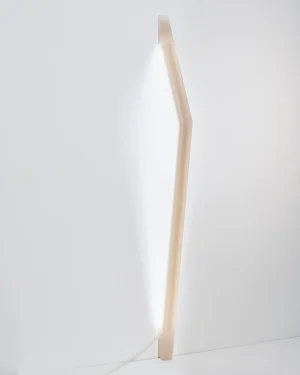
Vanishing Point Wall Lamp in Epoxy Resin
By Ragna Ragnarsdottir
€4.000 - €4.400 -

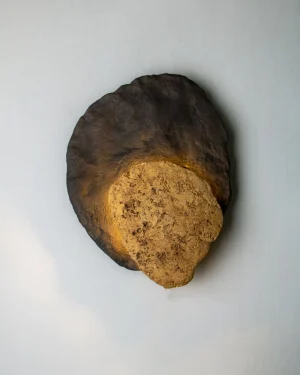
Cirrus – Wall Light Sculpture
By Studio Lampent
€2.020 -
 In stock
Asea No. 21 Wall Sconce In Stoneware
By Ceren Gürkan
€800 -
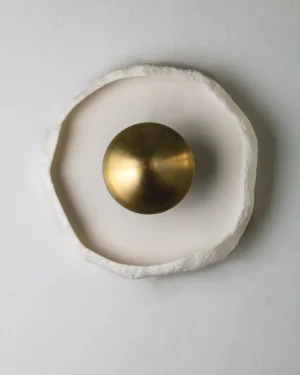 In stock
Asea No. 18 White Wall Sconce In Porcelain And Brass
By Ceren Gürkan
€600 -
 In stock
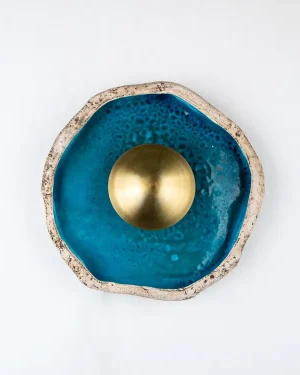
Asea No. 18 Blue Wall Sconce In Porcelain And Brass
By Ceren Gürkan
€600 -
 In stock
Insect Wall Sconce in Aluminum and Ash Wood
By BY JAMPS
€5.000 -
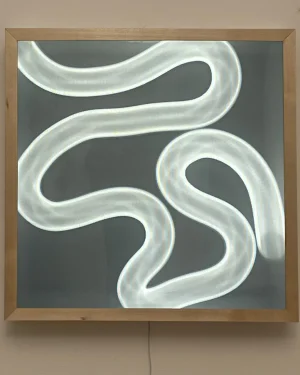
Aramse 01 Wall Light Sculpture
By Studio Lampent
€3.300 -

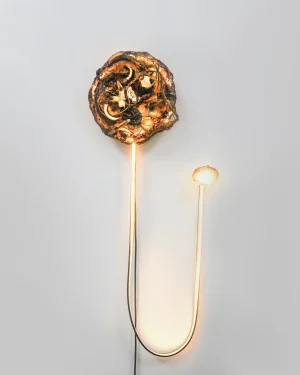
Limbus – Wall Light Sculpture
By Studio Lampent
€1.492 -
 In stock
Siamese Twins II Wall Lamp in Bioplastic
By Sabrina Merayo Nuñez
Price Upon Request
Radical wall lamps carry a design attitude into the one fixture most rooms treat as an afterthought: form overtakes function, geometry overtakes symmetry, and the result reads more like a wall-mounted sculpture than a light source. Studios working this way favor cast metal, molded acrylic and pressed aluminum, pushed into shapes that have little to do with the traditional sconce. What unites them is not a material but a refusal of convention — a willingness to let a lamp interrupt a wall rather than blend into it.
What makes a wall lamp radical
Radical design started as a reaction against tidy, predictable form, and that spirit still shapes these pieces. Instead of a shade and an arm, a radical wall lamp might be a slab, a loop, a cluster of lenses or a shape that gives no clue to its function until it is lit. Asymmetry, exaggerated scale and unexpected color choices are common, because the point is to make the eye stop rather than let it slide past.
The materials and techniques behind these pieces
Acrylic and acrylic glass dominate because they take color and light differently from glass: they glow at the edges, diffuse rather than refract, and can be molded into curves that metal cannot easily hold. Aluminum and brass bring the opposite quality — hard edges, reflective or brushed surfaces, and enough rigidity to cantilever far off the wall. Oak, porcelain, stoneware and MDF appear less often but widen the range, giving radical forms a grain, a glaze or a matte flatness that metal and acrylic cannot.
Behind these materials sit a handful of techniques. Metal casting and metalwork produce the sharper, heavier forms; digital fabrication and 3D printing allow for geometries that would be difficult to cut or forge by hand; glazing and hand-building bring a ceramic logic to a few pieces, where the irregularity of a fired surface becomes part of the radical statement. Editions vary by studio: some pieces are open editions made to order, others are limited editions or unique pieces, each marked as such where it applies.
Color and finish
Color carries as much weight as shape in this group. Multicolor and crimson pieces lean into the maximalist end of radical design, while black, white and sand finishes let an unusual silhouette speak without competing color. Pink, red and yellow show up often in acrylic and molded plastics, where pigment can be mixed directly into the material rather than applied as a coat. Because these are statement pieces, color tends to be a permanent decision: choose a finish you want to live with, not one that matches a single cushion.
How to choose a radical wall lamp
- Pick a finish — metal, acrylic or ceramic — that will hold its color and surface under the room's usual light.
- Leave enough blank wall for the form to read as a single shape, not a cluttered corner.
- Match brightness to use: softer glow for a bedroom, stronger output for a hallway or reading corner.
Where these pieces work and how to care for them
Care depends on the material. Acrylic and acrylic glass should be dusted with a soft, dry cloth and kept from abrasive cleaners, which can dull or scratch the surface. Metal finishes in aluminum and brass can be wiped down with a damp cloth, though brass will darken slightly over years unless it is regularly polished. Oak, porcelain and stoneware pieces follow standard rules for their materials: oak can be waxed occasionally, ceramic should be kept dry at any wired joint.
For a broader look at the attitude behind these pieces, the full range of radical design on ADORNO spans seating, lighting and objects beyond the wall. Within lighting, radical lighting shows how the same ideas play out in floor and table forms, while metal wall lamps narrow in on the cut and cast end of the spectrum. For calmer, more traditional options, the full set of wall lamps covers every style, and living room wall lamps is a useful starting point for placing a bold fixture where it has room to stand out.
How do I choose a radical wall lamp?
Start with the wall it will interrupt: a bold cast or molded shape needs plain surroundings, while a quieter corner can take a more sculptural silhouette without feeling crowded.
What are radical wall lamps made of?
Most are cast metal, molded acrylic or pressed aluminum, with oak, porcelain, stoneware and MDF appearing less often for grain, glaze or matte flatness.
How do I clean and care for an acrylic or metal wall lamp?
Wipe acrylic with a soft, dry cloth to avoid scratching, and dust metal surfaces regularly; avoid harsh solvents on acrylic and excess moisture on unlacquered brass or aluminum.
What size or height should a wall lamp be mounted at?
Sconces are typically centered between 60 and 65 inches from the floor, though scale and placement vary with the lamp's form; the maker can confirm exact sizing on the piece's page.
Which rooms suit a radical wall lamp?
Hallways, living rooms and bedrooms all take them well, since the fixture reads as sculpture first and light source second, holding its own against plain or busy walls alike.
Does ADORNO ship radical wall lamps worldwide, and what about returns?
Shipping is insured and worldwide. Returns are accepted within 14 days, except for made-to-order pieces, and every piece arrives with a certificate of authenticity.