












-

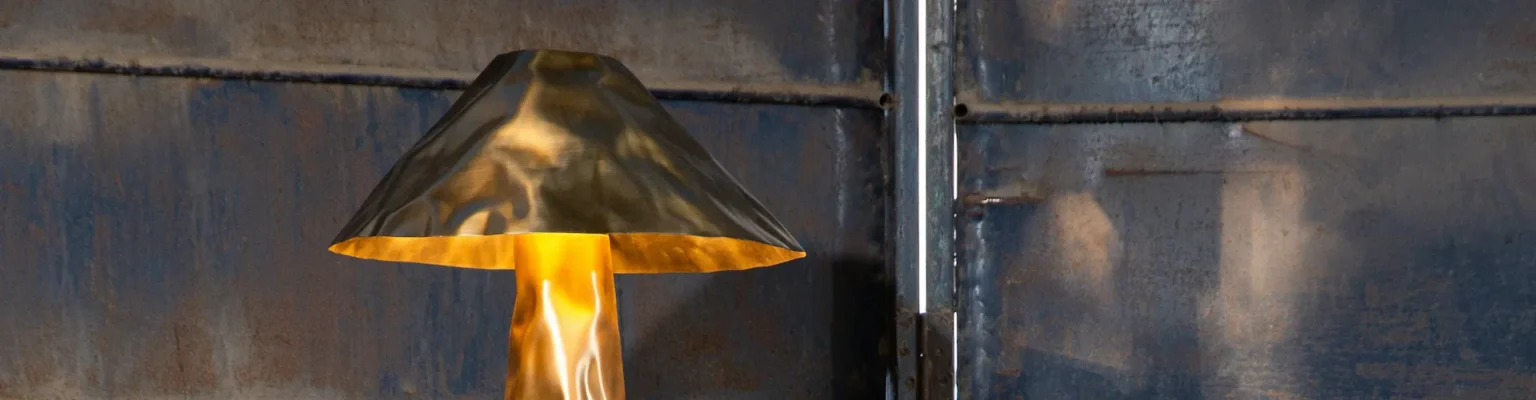
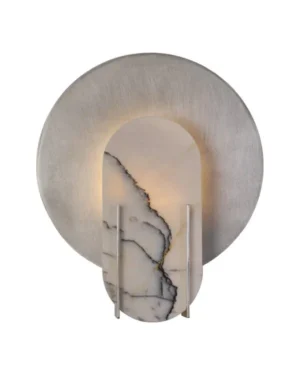
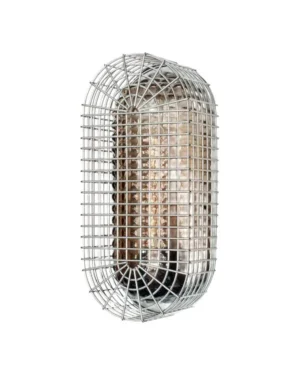
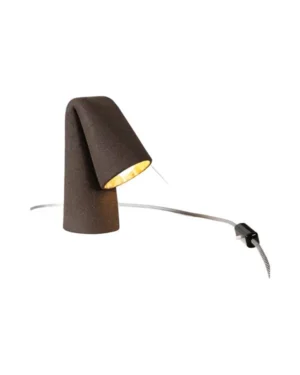
Regina Table Lamp In Marble
By Daniel Orozco Estudio
€2.034 -
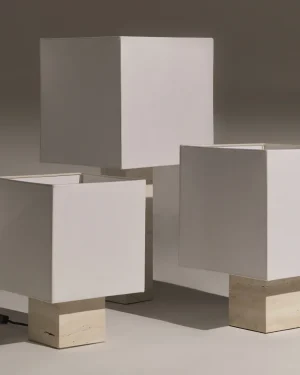
Roma Squared Table Lamp In White Travertine
By NASSI LAMPS
€946 - €1.369 -

Roma Squared Large Table Lamp In Red Travertine
By NASSI LAMPS
€1.522 -
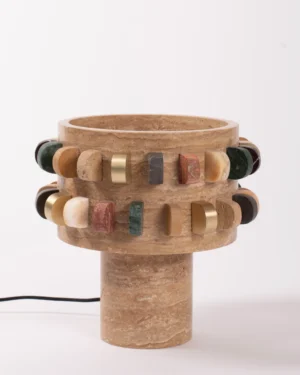
Outcasts Table Lamp In Marble And Travertine
By Harshita Jhamtani Designs
€2.140 -

Roma Squared Medium Table Lamp In Red Travertine
By NASSI LAMPS
€1.205 -

Roma Squared Small Table Lamp In Red Travertine
By NASSI LAMPS
€1.102 -

Roma Dodecagon Large Table Lamp In Red Travertine
By NASSI LAMPS
€1.721 -
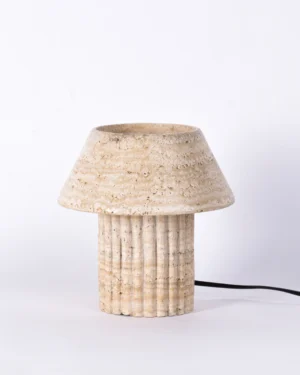
Rio (m) Table Lamp In Beige Travertine
By Harshita Jhamtani Designs
€800 -
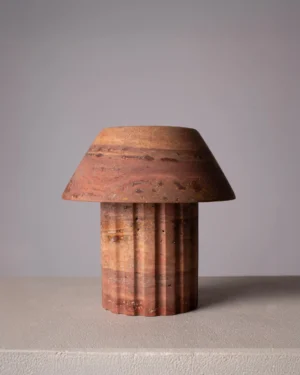
Rio (m) Table Lamp In Red Travertine
By Harshita Jhamtani Designs
€800 -
Rio (l) Table Lamp In Red Travertine
By Harshita Jhamtani Designs
€1.340 -
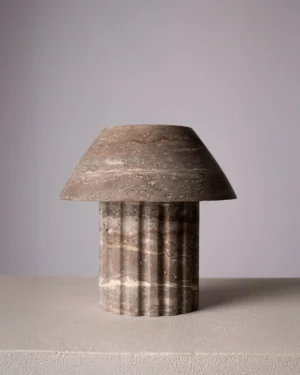
Rio (l) Table Lamp In Titanium Travertine
By Harshita Jhamtani Designs
€1.340 -
Rio (s) Table Lamp In Red Travertine
By Harshita Jhamtani Designs
€430 -

Uiara Floor Lamp In Travertine & Wood
By Estudio Leonardo Zanatta
€2.800 - €3.800 -
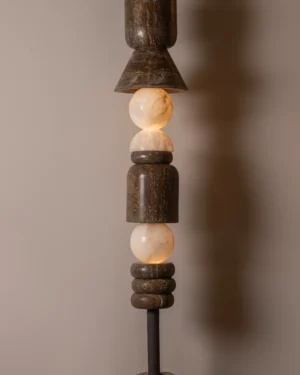
Titan Travertine Totem Floor Lamp In Travertine And Alabaster
By Harshita Jhamtani Designs
€3.070 -
Rio (s) Table Lamp In Beige Travertine
By Harshita Jhamtani Designs
€430 -
Rio (l) Table Lamp In Beige Travertine
By Harshita Jhamtani Designs
€1.340 -
Rio (s) Table Lamp In Titanium Travertine
By Harshita Jhamtani Designs
€430 -
Rio (m) Table Lamp In Titanium Travertine
By Harshita Jhamtani Designs
€800 -
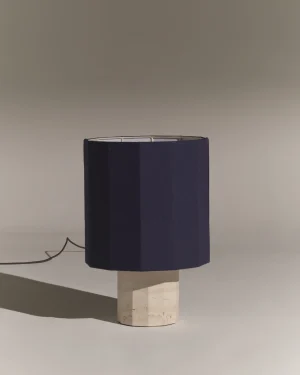
Roma Dodecagon Medium Table Lamp In White Travertine
By NASSI LAMPS
€1.205 -
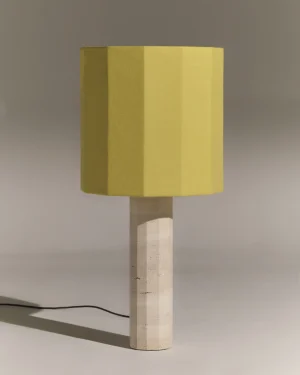
Roma Dodecagon Large Table Lamp In White Travertine
By NASSI LAMPS
€1.575 -
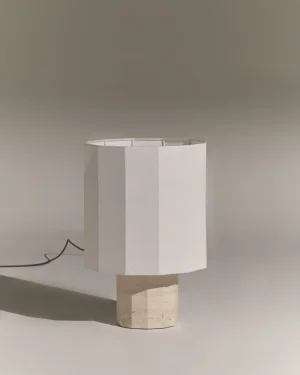
Roma Dodecagon Small Table Lamp In Travertine
By NASSI LAMPS
€1.049
Travertine lamps are shaped from a sedimentary stone formed near mineral springs, where trapped gas bubbles leave behind the small pits and channels that give the material its grain. Independent studios turn, carve or core-drill solid blocks into bases, letting the natural voids stay visible rather than filling them smooth. The result is a lamp that reads as sculpture by day and as a warm, sand-toned glow once lit.
What defines travertine as a lighting material
Travertine forms in bands of beige, red and gray, laid down over long stretches of time, so no two blocks carry the same pattern of veining or pitting. Carvers work with that variation rather than against it, which is why a travertine lamp often shows a slightly different face depending on the angle of view. The stone is dense enough to anchor a shade or diffuser without a weighted base, yet porous enough that light through a thin section takes on a faint, stone-filtered warmth.
The range of stone, color and making found here
Alongside pale and red travertine, studios working in this category also reach for black marble, alabaster and other natural stone, pairing them with textile or natural-fiber shades for contrast. Color runs from beige, off-white and brick red through to gray and black, depending on the quarry and the finish applied. Techniques extend beyond stone carving to plastering and metalwork for fittings, and most pieces come as open editions, made to order rather than numbered.
Styles lean toward contemporary, minimalist and Japandi lines, where the stone's own texture carries the visual weight instead of ornament. A few studios take a wabi-sabi or boho-chic approach instead, pairing a rough-carved base with woven or embroidered shades for a softer, more eclectic result. For a wider view of stone bases across the lighting range, the travertine lighting pages cover pendants and wall fixtures made the same way.
How to choose a travertine lamp
Scale matters more with stone than with most lamp materials, since a travertine base reads as a solid mass on a shelf or table rather than a slim accent. Measure the surface it will sit on and leave enough clearance that the lamp does not crowd what surrounds it. Height should sit low enough to avoid glare at eye level when seated, which is why many travertine bases are built squat and wide rather than tall.
- Honed finishes suit rooms with soft, indirect daylight, where the matte surface will not throw reflections.
- Polished finishes catch more ambient light and work well near a window or mirror.
- Pair a carved stone base with a paper, linen or woven shade to soften the light the stone itself cannot filter.
For bases built specifically to table height, the travertine table lamps make scale easier to judge against a desk or console.
Rooms a travertine lamp suits
The stone's weight and warm tone suit rooms built around rest more than rooms built around tasks. A pair flanking a sofa brings a steady, low glow to a living space, as shown among the living room lamps, while a single base on a nightstand works well where a softer light is wanted before sleep, among the bedroom lamps. Travertine also holds its own on a sideboard or shelf in an entry hall, where its texture reads clearly in passing light.
Caring for a travertine lamp
Travertine is porous and will stain if liquid sits on its surface, so keep it away from drink rings, candle wax and direct spray from cleaning products. Dust with a dry or barely damp cloth, and avoid acidic cleaners such as vinegar, which etch the stone's surface over time. A light coat of stone sealer every year or two helps a honed base resist marking without changing its matte look.
To see how travertine moves across other kinds of furniture, the full range of travertine furniture shows the same quarrying and carving methods applied to tables and seating. Every travertine lamp sits within the wider lamps category, and the complete set of stone pieces, lit or otherwise, is gathered under travertine as a material.
How do I choose a travertine lamp?
Look at how the stone is finished: honed surfaces keep a matte, sand-like look, while polished stone deepens color and sharpens veining. Choose based on the room's light and whether you want the lamp to read as sculpture or as a quieter object.
How do I care for a travertine lamp?
Wipe the stone with a dry or slightly damp cloth, since travertine is porous and can stain or etch with acidic liquids or harsh cleaners. Keep the base dry and avoid soaking its surface.
What size travertine lamp do I need?
Table lamps generally stand low enough to sit beside a sofa or bed without blocking sightlines, while floor-style travertine pieces anchor a corner or reading chair. Check each listing for exact dimensions, since stone blocks vary in size.
Which rooms suit a travertine lamp?
The weight and warmth of travertine fit living rooms, bedrooms and studies equally well, anywhere a steady, ambient glow is wanted rather than task lighting. Its stone base also holds up near shelves or consoles.
Does ADORNO ship travertine lamps worldwide?
Yes, shipping is insured and worldwide. Returns are accepted within 14 days, except for made-to-order pieces.
Can I order a custom travertine lamp?
Some studios take custom requests for size, finish or stone color. Chat with the maker on the piece's page to confirm what's possible.