












-
 In stock
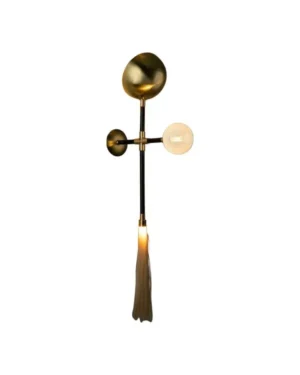
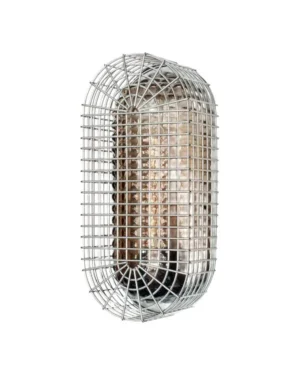
Object 09 Sconce in Nylon and Sand
By Hot Wire Extensions
€1.145 - €1.163 -
 In stock
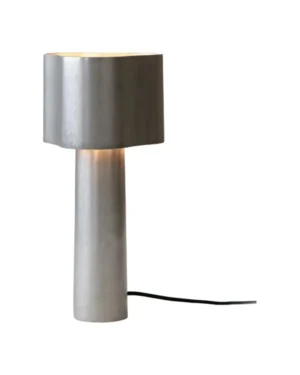
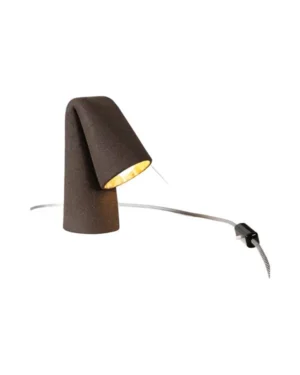
Object 05 Table Lamp in Nylon and Sand
By Hot Wire Extensions
€935 -
 In stock
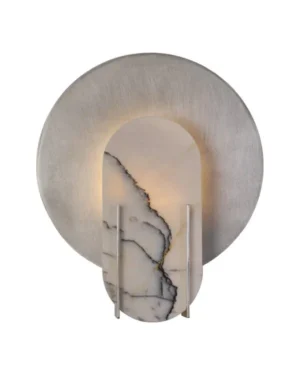
Object 09 Sconce in Nylon and Sand
By Hot Wire Extensions
€935 - €1.145 -
 In stock
Object 12 Sconce in Nylon and Sand
By Hot Wire Extensions
€1.145 - €1.355 -
 In stock
Object 02 Sconce in Nylon and Sand
By Hot Wire Extensions
€1.460 -
 In stock
Object 04 Sconce in Nylon and Sand
By Hot Wire Extensions
€1.208 -
 In stock
Object 07 Sconce in Nylon and Sand
By Hot Wire Extensions
€1.145 -
 In stock
Object 08 Sconce in Nylon and Sand
By Hot Wire Extensions
€1.670 -
 In stock
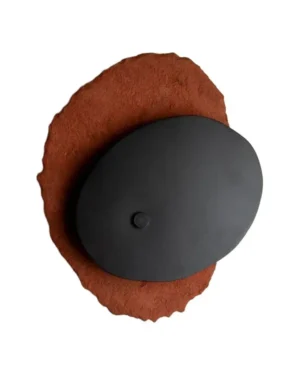
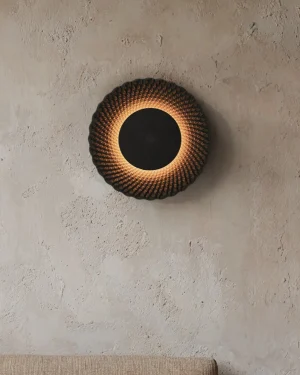
Sun Vxs 05 — Sculptural Wall Lamp In 3d-printed Sand
By Rollo Studio
€1.080 -
 In stock
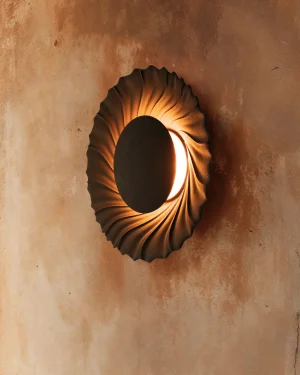
Sun Vxs 01 — Organic Sand Wall Light By Rollo Studio
By Rollo Studio
€880 -
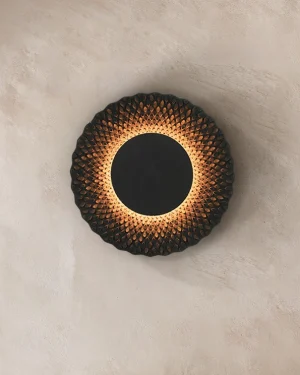 In stock
Sun Vxs 08 — Sculptural Wall Lamp In 3d-printed Sand
By Rollo Studio
€1.080 -
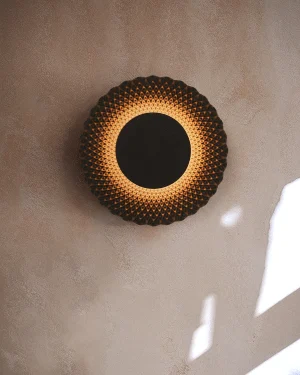 In stock
Sun Vxs 06 — Sculptural Wall Lamp In 3d-printed Sand
By Rollo Studio
€1.080 -
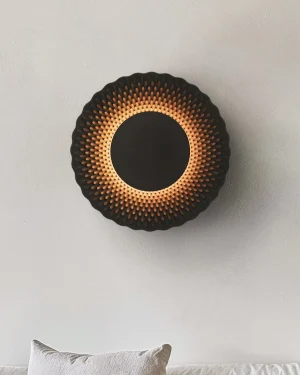 In stock
Sun Vxs 07 — Sculptural Wall Lamp In 3d-printed Sand
By Rollo Studio
€1.080 -
 In stock
“Object 03” Lamp from the “Play” Collection
By Hot Wire Extensions
€1.670 -
 In stock
Sun Vxs.04 – Contemporary Wall Lamp In Textured Quartz Sand
By Rollo Studio
€1.280 -
 In stock
Sun Vxs 03 — Sculptural Wall Lamp In 3d-printed Sand
By Rollo Studio
€1.080 -

Eclipse Pendant Light
By Rollo Studio
€2.400 -
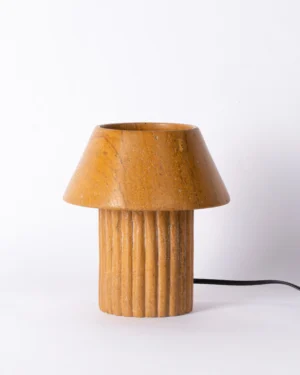
Rio (m) Table Lamp In Sandstone
By Harshita Jhamtani Designs
€690 -
 In stock
“Object 01” Lamp from the “Play” Collection
By Hot Wire Extensions
€1.890 -
 In stock
Sun Vxs 02 — Natural Sand Wall Lamp With Soft Ambient Glow
By Rollo Studio
€980 -
 In stock
“Object 10” Wall Lamp from the “Native” Collection
By Hot Wire Extensions
€1.145 -
 In stock
“Object 02” Wall Lamp from the “Hotel” Collection
By Hot Wire Extensions
€1.145 -
 In stock
“Random Light”
By Hot Wire Extensions
€1.250 -
 In stock
“Object 03” Lamp from the “Basic Knot Variations” Collection
By Hot Wire Extensions
€935 -
 In stock
“Object 05” Wall Lamp from the “Hotel” Collection
By Hot Wire Extensions
€1.208 -
 In stock
“Object 06” Wall Lamp from the “Hotel” Collection
By Hot Wire Extensions
€1.208 -
 In stock
“Object 01” Lamp from the “Basic Knot Variations” Collection
By Hot Wire Extensions
€935 -
Rio (s) Table Lamp In Sandstone
By Harshita Jhamtani Designs
€360 -
Rio (l) Table Lamp In Sandstone
By Harshita Jhamtani Designs
€1.160 -
 Sold
Barchan Dune Floor Lamp
By Rollo Studio
€4.300 -
 In stock
“Object 08” Wall Lamp from the “Native” Collection
By Hot Wire Extensions
€1.995 -
 In stock
“Object 04” Lamp from the “Basic Knot Variations” Collection
By Hot Wire Extensions
€1.040 -
 In stock
“Object 02” Lamp from the “Play” Collection
By Hot Wire Extensions
€1.670 -
 Sold
Dome Dune Table Lamp in Sand
By Rollo Studio
€500 -
 Sold
Para Dune Table Lamp
By Rollo Studio
Price Upon Request
Sandstone lamps carry the color and grain of a sedimentary rock into a tabletop or a wall, so the body of the lamp reads as stone first and light fixture second. Studios work the material by hand or cast it from sand-based compounds, which is why two sandstone lamps from the same batch can still differ slightly in tone. The pieces gathered here span carved, cast and printed forms in sand tones through to charcoal and black.
What gives sandstone its texture and color
Sandstone forms from grains of quartz and feldspar pressed together over long stretches of time, and that origin stays visible in the finished lamp: a faint grain, small variations in grain size, and a surface that ranges from powdery sand to deep charcoal depending on the minerals bound into it. Cream, light gray, dusty pink and yellow turn up alongside black and charcoal, each reflecting the iron oxide or clay content of the original rock. No two blocks are identical, so a sandstone lamp always carries small irregularities rather than a flat, uniform finish.
The stone is porous by nature, which softens the light that passes near it and gives it a matte, absorbent quality rather than a reflective shine. That same porosity means sandstone marks more easily than denser stones, a trait worth knowing before it sits near a damp glass or a lit candle.
How sandstone lamps are made
Stone carving remains the most direct route: a solid block is cut, shaped and hollowed to hold a socket and cord, leaving tool marks that stay part of the surface. Other studios cast sandstone-based compounds into molds, which allows repeatable forms without carving each one from scratch, or work with resin and recycled material blended to resemble stone. A newer group of designers turn to 3D printing and digital fabrication, building sand-like textures in layers or pairing printed structure with a sandstone finish.
Editions vary with the method. Carved pieces tend to stay one-of-a-kind, since no two blocks cut and shaped by hand come out the same, while cast and printed lamps are more often produced as open editions, repeatable within a studio's practice rather than numbered or capped.
Choosing a sandstone lamp for scale and placement
Sandstone carries real weight, so scale matters more than it does with a glass or paper shade. A dense, solid-looking base calls for a side table, console or bedside surface that can bear its weight visually as well as physically, rather than sitting a heavy lamp on something slight. Measure the shade height against the window or artwork behind it, since a heavy base read at the wrong height can crowd a tabletop.
- Pair a carved, rough-finished lamp with a room built around natural materials: oak, linen, unglazed ceramic.
- Choose a smoother cast or printed form for a Bauhaus or Japandi room where cleaner lines are already set.
- Keep contemporary and minimalist lamps against a plain wall so the texture of the stone, rather than a busy backdrop, does the work.
Where sandstone lamps sit in a room
The weight and warmth of sandstone suit rooms built for slow use. A sandstone lamp set beside a sofa or armchair in the living room grounds a seating area the way a stone fireplace would, while the same lamp on a nightstand works as a quiet bedroom light. Because the material absorbs rather than throws light, it reads best close to where someone sits or reads, not as the single source lighting a whole room.
Caring for a sandstone lamp
Dust a sandstone lamp with a dry or barely damp cloth, since standing water and oily hands can stain the porous surface over time. Keep it away from direct, prolonged damp and avoid household cleaners, which can strip whatever sealant a studio has applied. A light wax or stone sealer, reapplied occasionally, keeps the color even and slows the staining that untreated sandstone is prone to.
For other stone lighting on ADORNO, sandstone wall and ceiling pieces sit under sandstone lighting, and the full range of lamps in every material is kept under lamps. Every current sandstone piece, lit or otherwise, is gathered under sandstone.
How do I choose a sandstone lamp?
Think about where the light falls and how much stone you want visible by day. Carved forms read heavier and more sculptural, while cast or printed pieces tend toward lighter, more graphic shapes.
How do you clean and care for a sandstone lamp?
Dust with a dry or barely damp soft cloth, since sandstone is porous and absorbs liquid easily. Keep it away from candles, damp glasses and direct spills to avoid staining.
What size or height should a sandstone lamp be?
Table lamps typically sit between 12 and 24 inches tall, enough to clear a shade without overpowering a nightstand or console. The maker can confirm exact dimensions through Chat with the maker on the piece's page.
Which rooms suit a sandstone lamp?
The matte, absorbent light and earthy tone work well in living rooms, bedrooms and entryways where a softer glow is wanted over a bright one. Keep sandstone lamps away from steady moisture, so bathrooms are a poor match.
Can I return a sandstone lamp if I change my mind?
Yes, ADORNO offers a 14-day return policy, though made-to-order pieces are excluded. Shipping is insured and covers worldwide delivery.
Is a certificate of authenticity included with a sandstone lamp?
Yes, every piece comes with a certificate of authenticity, and ADORNO offers a lowest-price guarantee on top.