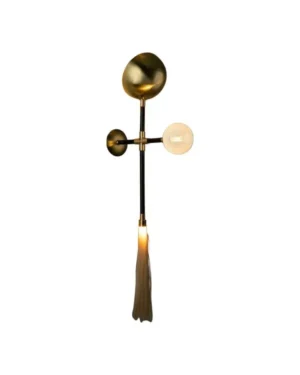








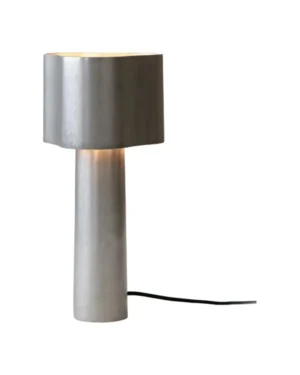

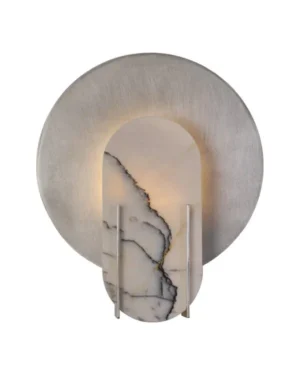

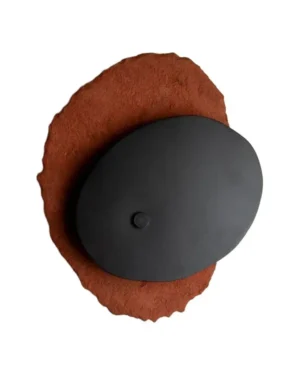


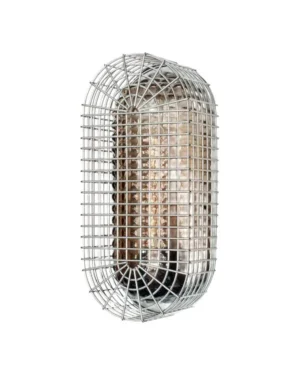

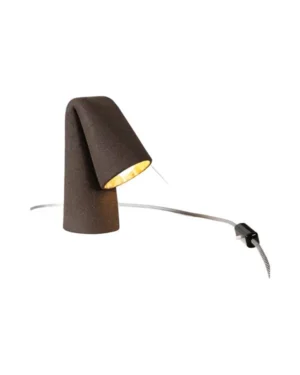
-
 In stock
Object 05 Table Lamp in Nylon and Sand
By Hot Wire Extensions
€935 -
 In stock
Object 09 Sconce in Nylon and Sand
By Hot Wire Extensions
€935 - €1.145 -
 In stock
Object 12 Sconce in Nylon and Sand
By Hot Wire Extensions
€1.145 - €1.355 -
 In stock
Object 02 Sconce in Nylon and Sand
By Hot Wire Extensions
€1.460 -
 In stock
Object 04 Sconce in Nylon and Sand
By Hot Wire Extensions
€1.208 -
 In stock
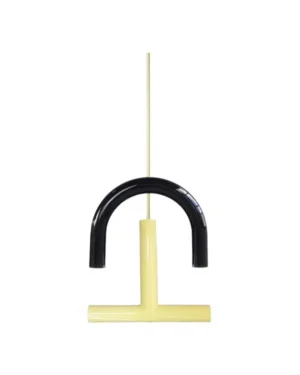
Pa Lamp
By BuRRo
€62 -

L’Été Ceramic Wall Light
By Katia Langeard
€380 -
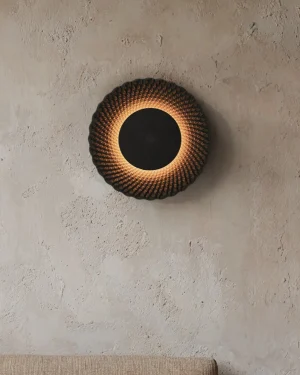 In stock
Sun Vxs 05 — Sculptural Wall Lamp In 3d-printed Sand
By Rollo Studio
€1.080 -
 In stock
Pe Lamp
By BuRRo
€62 -
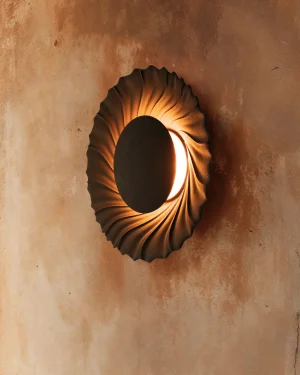 In stock
Sun Vxs 01 — Organic Sand Wall Light By Rollo Studio
By Rollo Studio
€880 -
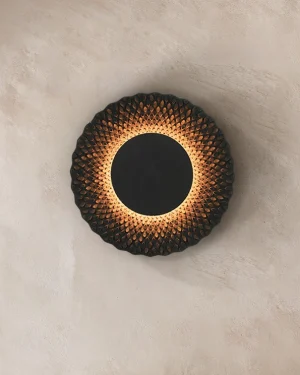 In stock
Sun Vxs 08 — Sculptural Wall Lamp In 3d-printed Sand
By Rollo Studio
€1.080 -
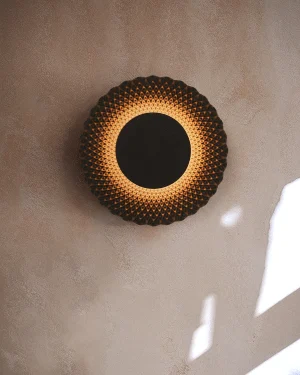 In stock
Sun Vxs 06 — Sculptural Wall Lamp In 3d-printed Sand
By Rollo Studio
€1.080 -
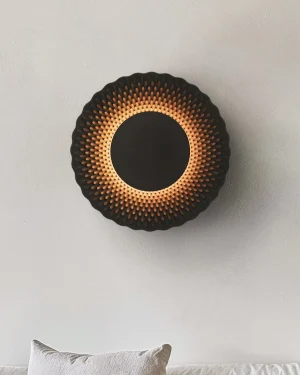 In stock
Sun Vxs 07 — Sculptural Wall Lamp In 3d-printed Sand
By Rollo Studio
€1.080 -
 In stock
Sun Vxs.04 – Contemporary Wall Lamp In Textured Quartz Sand
By Rollo Studio
€1.280 -
 In stock
Sun Vxs 03 — Sculptural Wall Lamp In 3d-printed Sand
By Rollo Studio
€1.080 -

Eclipse Pendant Light
By Rollo Studio
€2.400 -
 In stock
Sun Vxs 02 — Natural Sand Wall Lamp With Soft Ambient Glow
By Rollo Studio
€980 -
 In stock
“Object 10” Wall Lamp from the “Native” Collection
By Hot Wire Extensions
€1.145 -
 In stock
“Random Light”
By Hot Wire Extensions
€1.250 -
 In stock
“Object 03” Lamp from the “Basic Knot Variations” Collection
By Hot Wire Extensions
€935 -
 In stock
“Object 06” Wall Lamp from the “Hotel” Collection
By Hot Wire Extensions
€1.208 -
 In stock
“Object 01” Lamp from the “Basic Knot Variations” Collection
By Hot Wire Extensions
€935 -

Nascar Table Lamp in Quartz Sand
By Jacob Mathias Egeberg
€2.200 -
 Sold
Barchan Dune Floor Lamp
By Rollo Studio
€4.300 -
 In stock
“Object 08” Wall Lamp from the “Native” Collection
By Hot Wire Extensions
€1.995 -
 In stock
“Object 04” Lamp from the “Basic Knot Variations” Collection
By Hot Wire Extensions
€1.040 -
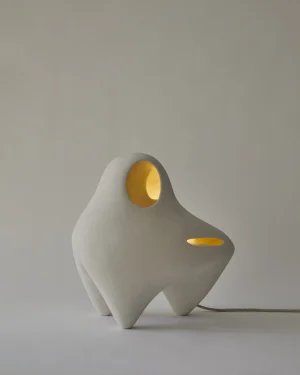 In stock
Nomad II:03 Table Lamp in White Stoneware
By SK - Sofia Karnukaeva
€2.480 -
 Sold
Dome Dune Table Lamp in Sand
By Rollo Studio
€500
Sand lamps carry the texture of a riverbed or a dune crest into a fixture that will stand on a console or project from a wall for years. Independent studios reach this surface mostly by 3D printing sand and sandstone into layered forms, and occasionally by mixing sand into clay and stoneware bodies before they are hand-built. The result reads as geology rather than decoration: a lamp that looks quarried, not finished in a factory line.
What gives sand lamps their texture
Sand behaves differently depending on how it enters the piece. In sand casting, grains pressed into a mold leave their fingerprint on metal or resin once it cools, so the base or shade carries a matte, slightly granular skin that catches low light instead of bouncing it. In clay and stoneware work, sand is folded into the material itself, turning a smooth surface into something closer to sandstone: dry to the touch, warm in tone, with small variations from one lamp to the next because no two handfuls of sand sit identically in a kiln.
The range of sand finishes and techniques on ADORNO
Alongside sand-cast metal and hand-built stoneware, the same grainy look turns up in sandstone carved into solid form, in clay and resin pressed through digital fabrication and 3D printing, and in nylon or polypropylene bodies textured to mimic stone without the weight. Styles run from brutalist blocks with visible seams to contemporary and futuristic silhouettes that smooth the grain into a cleaner line, with boho chic and Bauhaus references turning up in shade shapes and proportions. Editions vary by studio: some lamps are unique pieces where the sand pattern cannot be repeated, others sit in open or limited runs built from the same mold or recipe.
For a broader look at how sand moves through furniture and lighting, the full range of sand pieces spans seating, objects and lighting beyond lamps alone.
How to choose a sand lamp
Scale matters more with a textured surface than a smooth one: a small sand-cast base can look fussy on a large surface, while an oversized stoneware form needs enough floor or shelf depth to read as sculpture rather than clutter. Check the finish in a photo taken in daylight as well as lit, since grain that looks dramatic lit from within can look pale and dusty by day.
- Height: a table lamp should sit roughly eye level when seated nearby; a floor-standing form needs headroom above and around it.
- Finish: raw, unsealed sandstone will mark more easily than a sealed or glazed sand-cast piece.
- Placement: pale sand tones lift a dark corner, while charcoal or black grain holds its own against a bright wall.
Pieces built for a side table or desk are grouped among sand table lamps, which makes comparing scale and base shape more direct.
Where sand lamps sit in a room
The texture suits rooms that already lean toward natural materials: linen, raw wood, stone flooring. A single sand-cast table lamp can anchor a reading corner, while a pair either side of a bed brings the same grain into a space built around touch and low light. Many studios also work the finish into wall-mounted forms, which are worth checking among sand wall sconces for rooms with no surface to spare.
For sitting rooms, the effect tends to read best among other living room lamps chosen in a similarly muted palette, while softer, lower-output versions are common among bedroom lamps.
Caring for a sand finish
Dust with a dry or barely damp cloth; water left sitting on an unsealed stoneware or sandstone surface can darken the patch and leave a ring. Avoid abrasive cleaners, which strip the fine grain that gives the surface its dry, matte quality. Keep sand-cast metal away from constant damp, since the pitted surface can trap moisture and start to oxidize faster than a smooth casting would.
For the wider field of forms and materials this sits within, the full set of designer lamps on ADORNO gives a sense of how sand compares with glass, ceramic and wood as a light source.
How do I choose a sand lamp?
Decide whether you want the grain cast into metal or resin, or worked directly into clay and stoneware, since each reads differently in light. Consider the finish, sand, ivory or charcoal tend to sit quietly, while pigmented pieces add more presence.
How do you care for a sand lamp?
Dust with a dry or barely damp cloth, since the pitted or grainy surface can trap moisture and grit. Keep stoneware and clay pieces away from damp rooms, and wipe metal bases dry if splashed.
What size sand lamp suits a room?
Table versions suit consoles, sideboards and nightstands, while wall-mounted pieces project outward and work where surface space is limited. Exact dimensions vary by piece, so chat with the maker on the piece's page to confirm scale.
Which rooms suit sand lamps best?
Their matte, light-absorbing surface suits living rooms and bedrooms where a softer glow is wanted, though entryways and studies take to them just as well. The grainy texture reads warm rather than bright, so it works best where light is secondary to mood.
Are sand lamps handmade or small editions?
Many are sand-cast or hand-built in small editions, though techniques and run sizes vary by studio. Chat with the maker on the piece's page to confirm whether a specific lamp is a limited edition or a unique piece.
What are ADORNO's shipping and return policies?
Shipping is insured and sent worldwide. Returns are accepted within 14 days, excluding made-to-order pieces, and every lamp arrives with a certificate of authenticity backed by a lowest-price guarantee.