
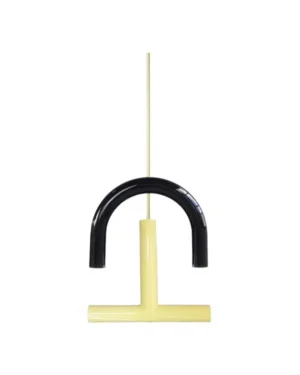
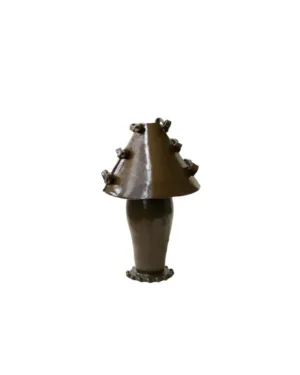
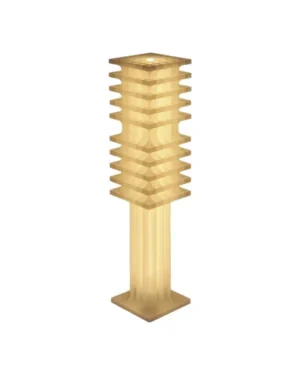
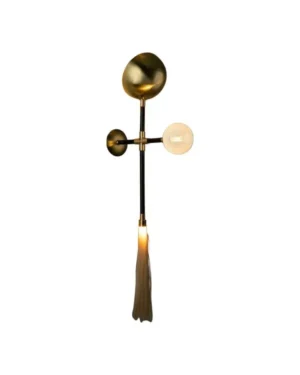













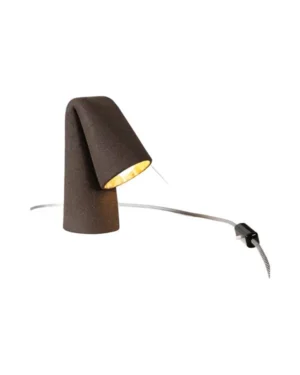
-

Lampadulure Purple Floor Lamp in Metal and Plaster Composite
By BehaghelFoiny Studio
€3.000 -
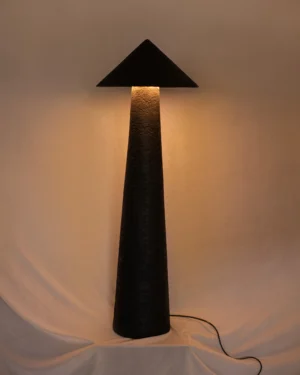
Kasa (m) Lamp In Clay Paste And Mild Steel
By Harshita Jhamtani Designs
€1.460 -
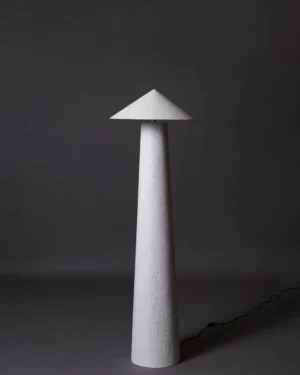
Kasa Floor Lamp In Clay Paste And Mild Steel
By Harshita Jhamtani Designs
€2.130 -
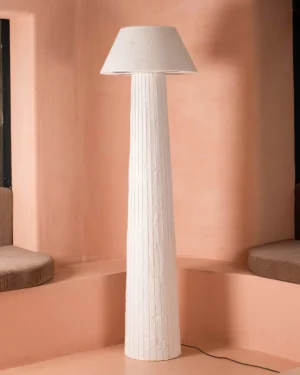
Rio Floor Lamp In Clay Paste And Mild Steel
By Harshita Jhamtani Designs
€2.270 -
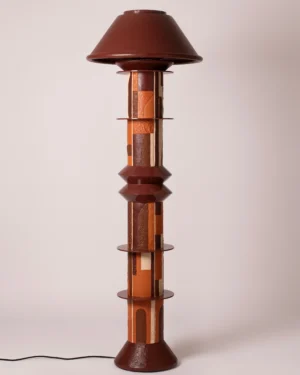
The Rouge Floor Lamp In Clay Paste And Metal
By Harshita Jhamtani Designs
€4.430 -
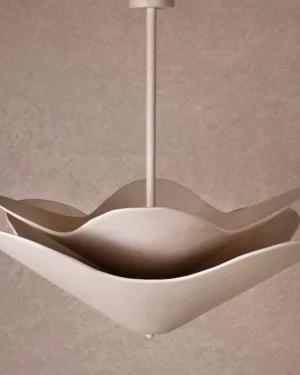
Iris Pendant In Clay Paste
By Harshita Jhamtani Designs
€1.180 -
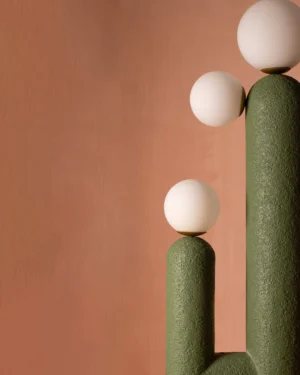
Cactus Floor Lamp In Clay Paste, Mild Steel And Glass
By Harshita Jhamtani Designs
€2.570 -

Clay Cone Pendant In Textured Black Clay Paste And Mild Steel
By Harshita Jhamtani Designs
€1.820 -
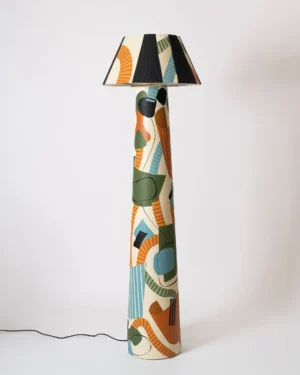
Hand Painted Rio Floor Lamp In Clay Paste And Mild Steel
By Harshita Jhamtani Designs
€3.940 -
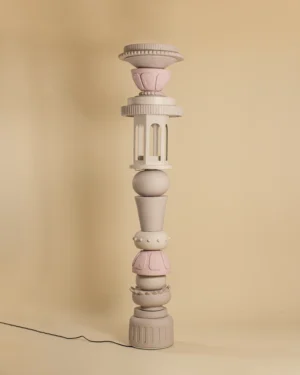
Pillar Of Ties Totem Floor Lamp In Stoneware, Clay Paste And Wood
By Harshita Jhamtani Designs
€3.780 -
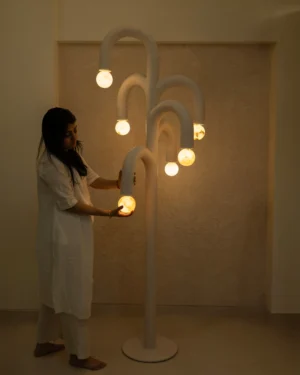
Big Cactus Floor Lamp In Clay Paste, Mild Steel And Alabaster
By Harshita Jhamtani Designs
€3.310 -
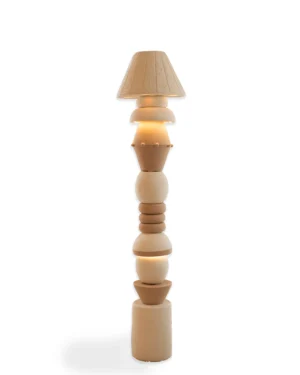
Totem Floor Lamp In Stoneware And Clay Paste
By Harshita Jhamtani Designs
€2.570 -
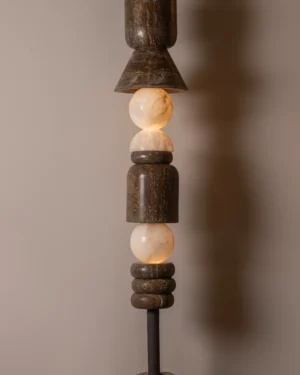
Titan Travertine Totem Floor Lamp In Travertine And Alabaster
By Harshita Jhamtani Designs
€3.070 -
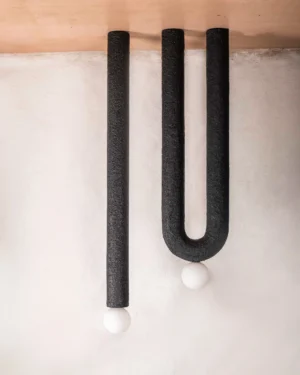
U And I Ceiling Light Set In Clay Paste And Glass
By Harshita Jhamtani Designs
€1.680
Plaster composite lamps pair a mineral fill with a binder, so the mixture can be hand-plastered over an armature or pressed into a mold and still cure hard enough to hold a lamp's weight. Studios working this way favor it because the material takes soft, rounded forms that metal or wood cannot, and because every surface keeps the faint, irregular texture of a hand pass rather than a machine finish. The result sits closer to sculpture than to standard lighting hardware, though it still has to switch on and throw usable light.
What plaster composite does as a lighting material
Unlit, a plaster composite lamp reads as a solid, chalky object, closer to carved stone than to ceramic or glass. Lit, the same surface softens: light grazes the plaster's texture instead of passing through it, so the glow stays local to the lamp rather than filling a room. This is a material for ambient and accent light, not for task lighting, and it behaves consistently across pieces because the mineral fill is dense and opaque by nature.
The matte finish is part of the material, not a coating added afterward. It will not shine, yellow or craze the way lacquered wood or glazed stoneware can, but it is porous, so it marks if handled with wet or oily hands and should not sit in direct, constant moisture.
The range of finishes, colors and editions
Color on these lamps tends to stay close to the plaster itself: off-white, cream and raw white are the most common, sometimes pushed toward terracotta, olive or a deeper black through pigment mixed into the batch rather than painted on afterward. Because the color runs through the material, small chips or wear show as a lighter or darker version of the same tone instead of a bare patch.
- Forms range from soft, organic shapes associated with wabi-sabi and biophilic design to the blunter geometry of brutalist and radical pieces.
- Some studios hand-build each lamp as a unique piece, so surface and shape vary slightly from one to the next; others work in open editions from a shared mold, which keeps the form constant while the hand-plastered surface still varies.
- A few makers finish sections by hand painting, adding a second tone over the base color once the plaster has cured.
For context on how this material performs across other fittings, the wider range of plaster composite lighting and the full set of plaster composite pieces on ADORNO show the same chalky surface applied to pendants, sconces and larger fixtures.
Choosing a plaster composite lamp
Scale matters more with plaster composite than with metal or glass, since the material carries visual weight even when the lamp itself is modest in size. A rounded table lamp can anchor a console or nightstand without needing much height, while a larger floor piece will read as sculpture first and light source second.
Check the base width against the surface it will sit on, and leave room around the lamp rather than crowding it with other objects, since the form depends on being seen in the round. Warm, low-wattage bulbs suit the material best, letting the plaster's texture stay visible instead of washing it out.
Where these lamps work
Plaster composite lamps suit rooms built around quiet, tonal palettes, which is why they turn up often among minimalist lamps and in calmer living room lamps, where a single sculptural object can stand without competing for attention. The same restraint works in bedrooms, where a soft, shadowless glow is more useful than bright task light.
Caring for plaster composite
Dust with a dry or barely damp cloth, and avoid soaking the surface or scrubbing at marks, since standing water can soften the plaster and dull its color. Keep these lamps away from direct sun if the pigment is light, as prolonged exposure can fade an uneven patch over time. For the full spread of forms and materials this family sits within, the complete set of lamps on ADORNO is worth a look alongside this one.
How do I choose a plaster composite lamp?
Decide where the light will sit, since the material throws a local, ambient glow rather than bright task light. Match the form to the room, then ask the maker to confirm scale and wiring for the space.
How do you care for a plaster composite lamp?
Dust it dry and keep it away from direct, constant moisture, since the surface is porous and will mark from wet or oily hands. The matte finish is part of the material and will not yellow or craze like lacquer or glaze.
What size or height should a plaster composite lamp be?
Sizes vary by maker and form, so check the listed dimensions on each piece or chat with the maker to confirm height and base width for a table, console or floor spot.
Which rooms suit plaster composite lamps?
Living rooms and bedrooms suit them best, where accent and ambient light matter more than task light. The chalky, sculptural form also reads well on a console or sideboard in an entry.
Are plaster composite lamps handmade or one of a kind?
Many are hand-plastered over an armature or pressed into a mold, and some are unique pieces while others are made as open editions. Check each piece's listing to confirm which it is.
What should I know about shipping, returns and authenticity when buying from ADORNO?
Shipping is insured and worldwide, with a 14-day return policy that excludes made-to-order pieces. Every piece comes with a certificate of authenticity and ADORNO's lowest-price guarantee.