-
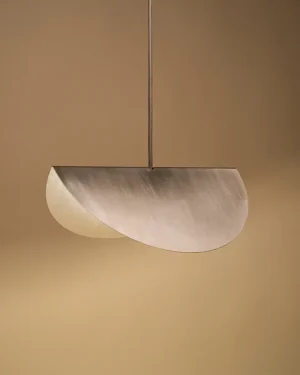
Two Circles Pendant Lamp in Stainless Steel
By Georgiev Kiril
€490 -
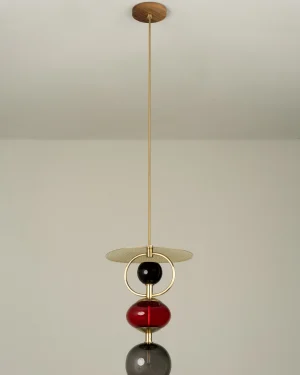
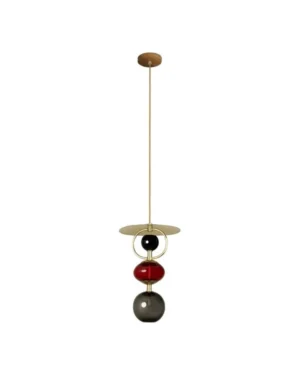
Vitrea Pendant Lamp in Glass and Brass
By Isabel Moncada
€3.802 This product has multiple variants. The options may be chosen on the product page -
 In stock
Less Pendant Lamp in Steel, Wood and Plaster
By Jordi Canudas Faura
€388 This product has multiple variants. The options may be chosen on the product page -
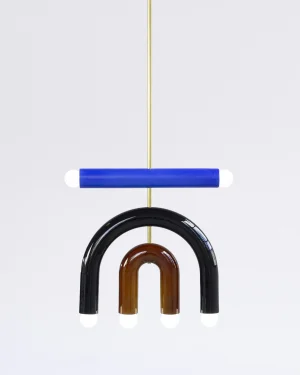
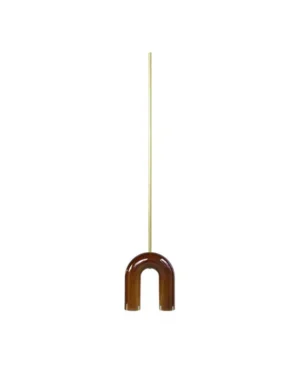
Trn / Model D1 Pendant Lamp in Ceramic
By Pani Jurek STUDIO
€1.080 This product has multiple variants. The options may be chosen on the product page -

Trn / Model A1 Pendant Lamp in Ceramic
By Pani Jurek STUDIO
€470 This product has multiple variants. The options may be chosen on the product page -
 In stock
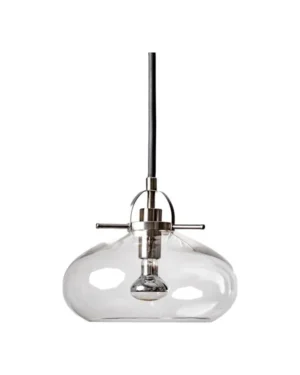
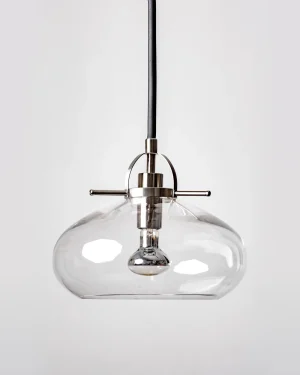
Art Deco Pendant Lamp in Glass and Stainless Steel
By Szostak Atelier
€1.000 This product has multiple variants. The options may be chosen on the product page -
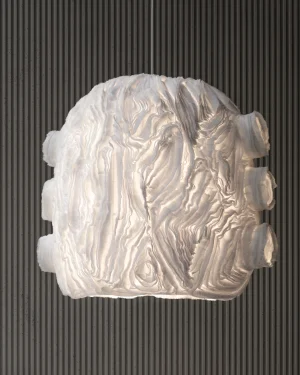
Idea Sluhach Pendant Lamp in Muslin and Metal
By FAINA
€1.950 -

Trn / Model D2 Pendant Lamp in Ceramic
By Pani Jurek STUDIO
€1.080 This product has multiple variants. The options may be chosen on the product page -

Trn / Model E1 Pendant Lamp in Ceramic
By Pani Jurek STUDIO
€1.430 This product has multiple variants. The options may be chosen on the product page -
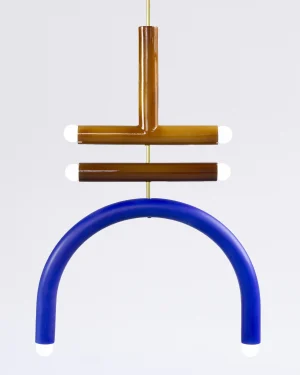
Trn / Model F2 Pendant Lamp in Ceramic
By Pani Jurek STUDIO
€1.600 This product has multiple variants. The options may be chosen on the product page -
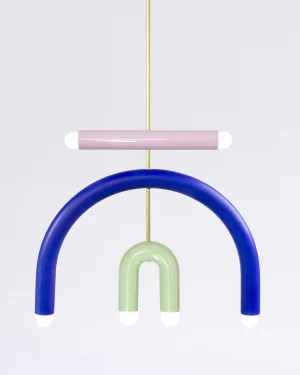
Trn / Model F3 Pendant Lamp in Ceramic
By Pani Jurek STUDIO
€1.600 This product has multiple variants. The options may be chosen on the product page -
 In stock
Y30 Ceiling Lamp in Blown Glass and Brass
By Clara Viladecans
€786 This product has multiple variants. The options may be chosen on the product page -
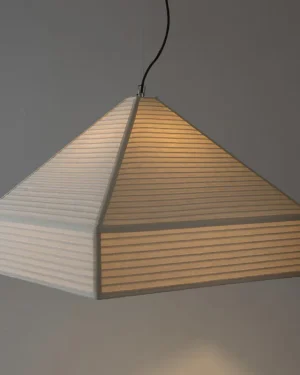
Pyramid Pendant Lamp In Textiles
By NASSI LAMPS
€1.280 - €1.920 This product has multiple variants. The options may be chosen on the product page -

Trn / Model C2 Pendant Lamp in Ceramic
By Pani Jurek STUDIO
€880 This product has multiple variants. The options may be chosen on the product page -

Trn / Model B2 Pendant Lamp in Ceramic
By Pani Jurek STUDIO
€625 This product has multiple variants. The options may be chosen on the product page -

Trn / Model B3 Pendant Lamp in Ceramic
By Pani Jurek STUDIO
€625 This product has multiple variants. The options may be chosen on the product page -
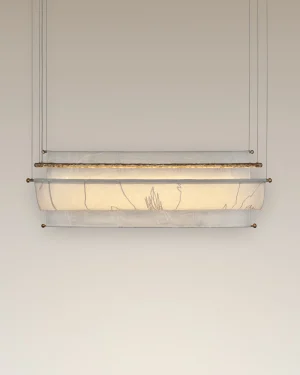
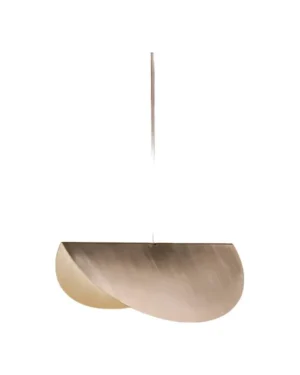
Aria Pendant Lamp In Brass
By Stem
€4.150 -
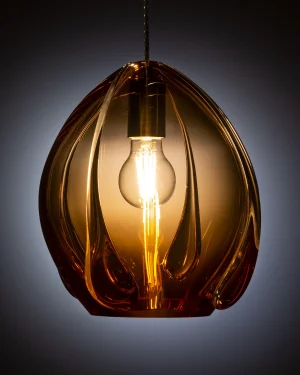
Glass Drops Fire Opal Pendant Lamp in Blown Glass
By Georgiev Kiril
€1.050 -
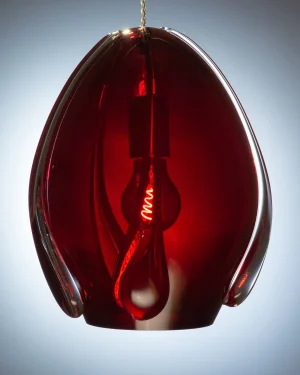
Glass Drop Pendant Lamp in Blown Glass
By Georgiev Kiril
€1.050 -
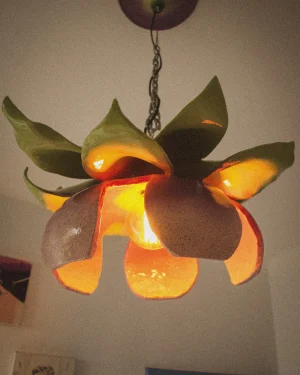
Amaryllis Ceiling Lamp in Glazed Ceramic
By UAU Studio
€1.300 -
 In stock
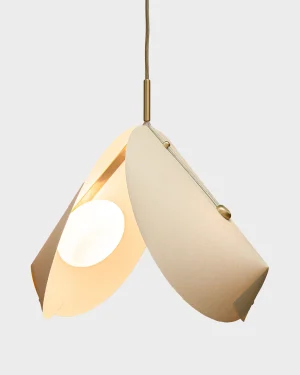
Concha Model 03 Pendant Lamp in Brass and Blown Glass
By MESEME by Riya Panchal
€434 This product has multiple variants. The options may be chosen on the product page -
 In stock
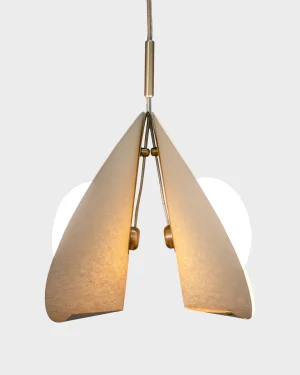
Concha Model 01 Pendant Lamp in Paper, Metals and Glass
By MESEME by Riya Panchal
€375 This product has multiple variants. The options may be chosen on the product page -
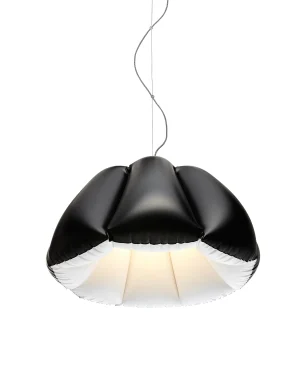 In stock
Orca Pendant Lamp in Galvanised Steel and PVC
By PUFF-BUFF
€430 -
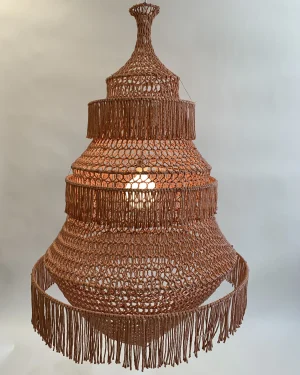
Typha Pendant Lamp in Cotton Rope
By Annie Legault
€1.907 -

M 2 H Pendant Lamp In Bio Plastic
By diploria studio
€255 -

Trn / Model A2 Pendant Lamp in Ceramic
By Pani Jurek STUDIO
€470 This product has multiple variants. The options may be chosen on the product page -
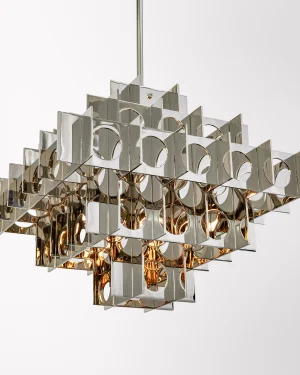
Tenfold 5 T Pendant Lamp in Stainless Steel and Aluminum
By Luft Tanaka Studio
€4.440 - €11.000 This product has multiple variants. The options may be chosen on the product page -
 In stock
Medium Pendant Lamp in Blown Glass and Textiles
By SVITANOK
€300 - €415 This product has multiple variants. The options may be chosen on the product page -
In stock
Large Pendant Lamp in Blown Glass and Textiles
By SVITANOK
€375 - €500 This product has multiple variants. The options may be chosen on the product page -
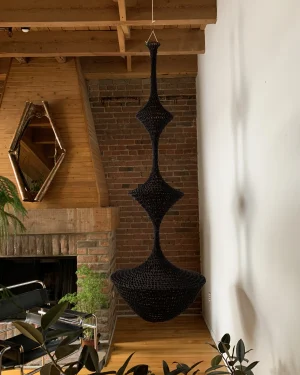
Briza Pendant Lamp in Cotton
By Annie Legault
€2.250 -

Arc 015 Pendant Lamp in Brass and Acrylic
By Naama Hofman
€2.900 -
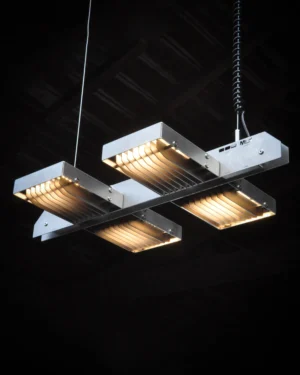
Ads200x04 Pendant Lamp in Matte Steel
By MLK Furniture
€2.400 -
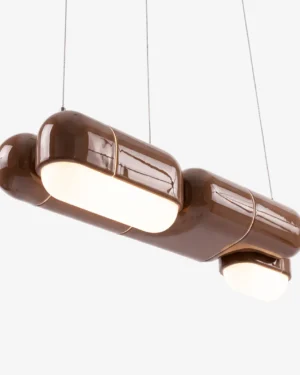
U – 044 – Pendant – Umber
By Rollo Studio
€2.345 -
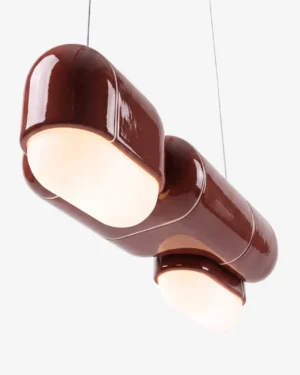
U-039 Pendant Lamp In Garnet Pla
By Rollo Studio
€1.995 -
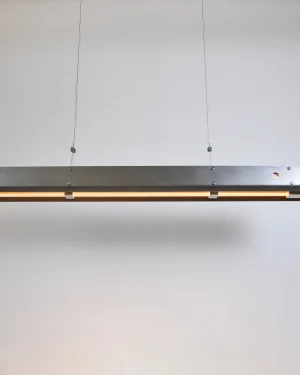
Ne1250/145 Pendant Lamp in Steel and Acrylic
By MLK Furniture
€1.390 -
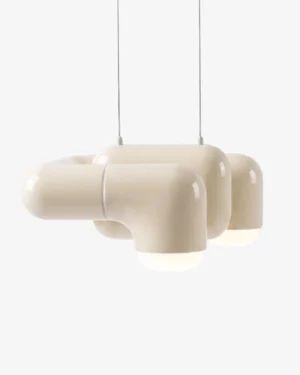
U-048 Pendant Lamp In Cream Pla
By Rollo Studio
€1.765 -
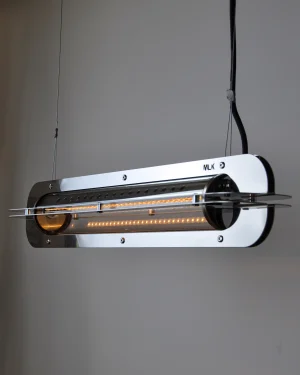
Pill600 Pendant Lamp in Mirror Stainless Steel
By MLK Furniture
€1.090 -
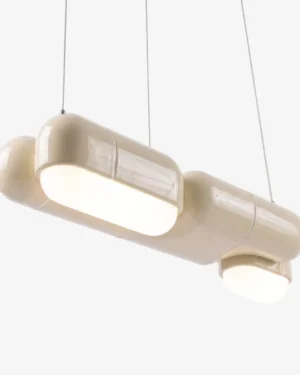
U-044 Pendant Lamp In Cream Pla
By Rollo Studio
€2.345 -
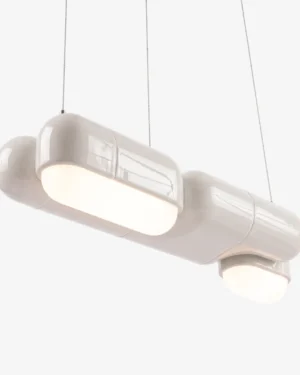
U-044 Pendant Lamp In Chalk Pla
By Rollo Studio
€2.345 -
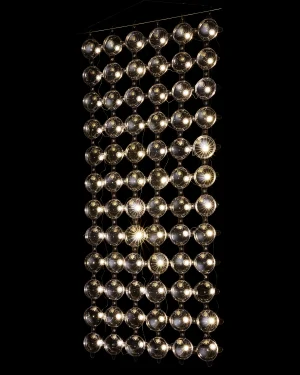
Bubbles Lighting Divider, Pendant Lamp In Air-filled Pvc
By PUFF-BUFF
€1.190 -

Collier P2 Ceiling Lamp in Glass and Aluminum
By Darka
€1.950 -

Florance I Ceiling Lamp in Brass, Glass and Fabric
By Atelier Alz
€575 -

Object 018 Pendant Lamp in Brass and Acrylic
By Naama Hofman
€2.100 -
 In stock
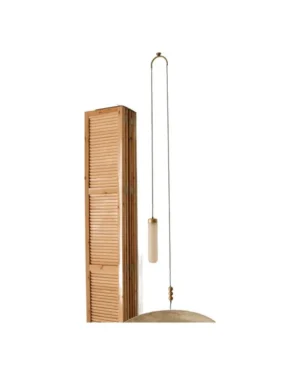
Arinna Pendant Lamp In Oak, Stone And Brass
By MARAU
€15.000 -
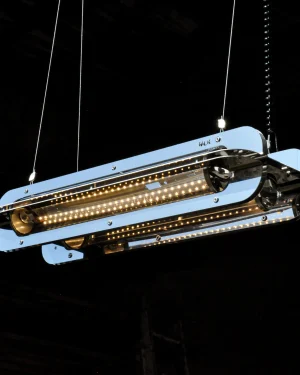
Pill600x2 Pendant Lamp in Mirror Stainless Steel
By MLK Furniture
€1.890 -
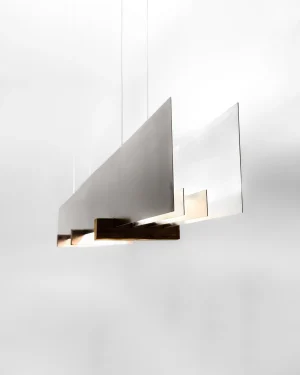
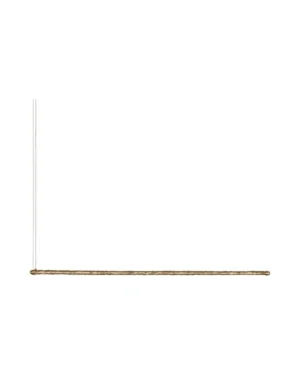
Linear Ceiling Lamp (extra Large) in Aluminum and Wood
By case studios
€1.210 - €1.910 This product has multiple variants. The options may be chosen on the product page -

Vira Triptych Ceiling Lamp In Bio Plastic
By Julie Mallet Studio
€567 -
 In stock
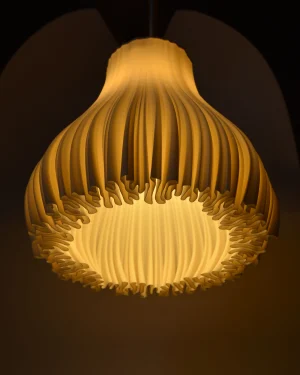
H 2 Pendant Lamp in Bio Polymer
By diploria studio
€255 - €335 This product has multiple variants. The options may be chosen on the product page -
 In stock
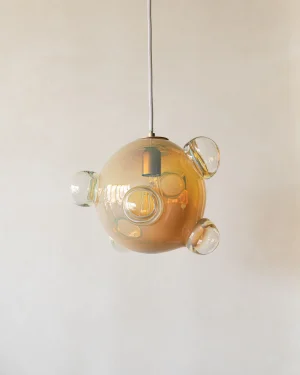
Bubble Pendant Lamp (Large) in Blown Glass
By Sticky Glass
€4.318 This product has multiple variants. The options may be chosen on the product page -
 In stock
H 1 Pendant Lamp in Bio Polymer
By diploria studio
€255 - €425 This product has multiple variants. The options may be chosen on the product page -
 In stock
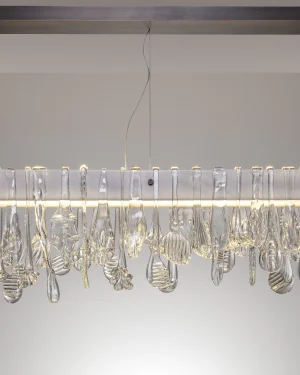
Pingente Pendant Lamp
By Carol Gay
€8.000 -

Slotted Linear 32 Pendant Lamp in Aluminum and Acrylic
By Nolan Talbot-Kelly
€1.200 This product has multiple variants. The options may be chosen on the product page -
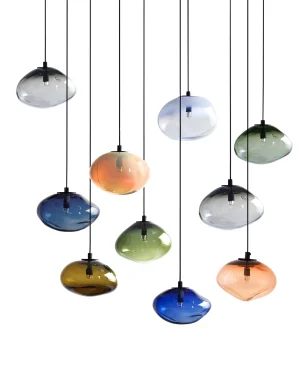
10 Starglow Pendant Lamp in Blown Glass
By ELOA - Unique Lights
€12.980 - €13.270 This product has multiple variants. The options may be chosen on the product page -

Pendulum Triptych Ceiling Lamp In Bio Plastic
By Julie Mallet Studio
€792
Designer Pendant Lighting
A pendant is the most repeatable light in the house. Unlike a chandelier, it is designed as a single unit — one shade, one cord, one source — which means it can be hung alone as a quiet object or multiplied into a row that defines a whole surface beneath it. That flexibility is why pendants end up over kitchen islands, dining tables, stairwells and beds more often than any other ceiling format.
Every pendant here is made by an independent designer or studio, in hand-thrown and glazed ceramic, hand-blown glass, brass, copper and steel, wood, woven natural fibre, paper, leather, concrete and grown biomaterials. The range is unusually broad for collectible design: modest single pieces sit alongside large sculptural commissions, so it is worth browsing pendants under €500 as well as the unique and limited-edition work.
For multi-arm and tiered fixtures, see our chandeliers; where there is no height to hang anything, look at flush mounts.
Pendants Over a Kitchen Island
This is the position most pendants are bought for, and it comes down to four numbers.
- Height: 75–90 cm from the countertop to the lowest point of the shade. Lower gives a more focused pool of light and a stronger sense of enclosure; higher spreads the light but starts to look adrift. Stand at the island and check that the bulb is not visible from where you work.
- How many: one pendant for an island up to about 1.2 m, two up to 2.4 m, three beyond that. Odd numbers suit long islands; a single larger piece often looks better than two small ones fighting for the center.
- Spacing: divide the island length by the number of pendants plus one to find the centers — roughly 60–80 cm apart in practice — and keep the outer pendants at least 15 cm in from the ends.
- Size: the combined width of all the pendants should stay under about half to two thirds of the island’s length. Mini pendants under 30 cm suit tight rows; 30–45 cm is the workhorse range.
Islands are usually specified alongside seating, and our bar and counter stools sit in the same catalogue if the two decisions are being made together.
Over a Dining Table, and Everywhere Else
- Dining table: 75–90 cm above the tabletop on a standard ceiling, centered on the table rather than the room. A row of two or three pendants suits a long rectangular table; a single large piece suits a round one.
- Bedroom: a pendant hung on each side of the bed frees both nightstands entirely — a better solution than table lamps in a small bedroom, provided the cords can be positioned with the bed.
- Stairwells and entrances: a single long-drop pendant reads cleanly in a tall void and is easier to re-lamp than a multi-part fixture.
- Living rooms: best used off-center, above a reading chair or a console, with floor lamps and wall lamps carrying the rest.
- Above a kitchen sink or a desk: a single small pendant gives direct task light without occupying the surface.
Cords, Wiring and Ordering Several
- Cord length: most studios supply a generous cable that is shortened at installation, and many will make a specific drop to order. Send us your ceiling height if you need a long drop for a stairwell or a high-ceilinged kitchen.
- Installation: hardwired to a ceiling box by a qualified electrician. Where you want pendants in a row, the wiring positions have to be set before installation, so confirm dimensions early — this is not a fixture you reposition easily afterwards.
- Dimming and bulbs: pieces with standard E14 or E27 sockets let you choose warmth and output; 2700 K suits dining and living spaces, up to 3000 K over a work surface. Integrated LED designs are dimmable only where specified.
- Ordering multiples: most pieces are made to order, so a set of two or three from the same studio is usually possible. Because glazes, glass and woven fiber vary slightly between pieces, ordering them in one batch keeps a row consistent — tell us the quantity up front.
- Lead times: filter for pieces ready to ship if your timeline is fixed and allow longer for sets.
Explore the full collectible lighting collection, or send our curation team your island or table dimensions and we will propose pieces that fit.
What is a pendant light?
A pendant is a single light fixture suspended from the ceiling on a cord, chain or rod, usually with one shade and one light source. The defining characteristic is that it is designed to be repeated: pendants are commonly hung in twos and threes over a surface, where a chandelier is a single composed fixture intended to work alone.
What is the difference between a pendant light and a chandelier?
Count the fixtures rather than the bulbs. A chandelier is one object with multiple arms, elements or lamps built into it, hung centrally as the focal point. Pendants are individual fixtures, often identical, positioned in a line or a cluster — the composition is created by how you arrange them, not by the piece itself. Pendants are also easier to scale to an awkward room, since you can add, remove or space them as needed.
How high should pendant lights hang above a kitchen island or dining table?
75–90 cm from the surface to the lowest point of the shade in both cases, on a standard 2.4 m ceiling, adding a little for each additional 30 cm of ceiling height. The check differs by position: at an island you are usually standing, so the light source should be hidden from standing eye level and the shade should not block the sightline of anyone seated on the other side. At a table you are seated, so sit down and look across it — you should see the person opposite, not the fixture. Taller households generally want the upper end of the range.
How many pendant lights do I need over an island?
One for an island up to roughly 1.2 m, two up to 2.4 m, three for anything longer. Larger shades mean fewer of them. If you are choosing between two medium pendants and three small ones, the smaller row usually looks more deliberate over a long island, and a single generous piece is often the best answer over a short one.
How far apart should pendant lights be?
Divide the island or table length by the number of pendants plus one, and set the centers at those points — typically 60–80 cm apart. Keep the outer pendants at least 15 cm inside the ends of the surface. Even spacing matters more than any particular figure; an off-center row is the most visible mistake in this category.
What size pendants should I choose for an island?
Keep the total combined width of the pendants to about half or two thirds of the island length. Mini pendants under 30 cm work in rows of three; 30–45 cm is the standard range for a pair. A single pendant over a short island can go considerably larger, since it has nothing to compete with.
Should pendants be centered on the island?
Centered across the width, yes, and spaced evenly along the length. Two complications come up in practice: existing ceiling boxes rarely sit where you want them, and joists limit where a new one can go. Establish the wiring positions before ordering, since a handmade pendant cannot be nudged 20 cm after installation.
Can the cord length be adjusted?
Usually. Most studios supply extra cable that an electrician shortens on site, and many will make a specific drop length to order — useful for stairwells, double-height kitchens and low ceilings alike. Send us the ceiling height and the position you have in mind and we will confirm what the maker can do.
Do you have plug-in pendant lights?
Rarely. Almost everything in this collection is hardwired, since that is how designers intend these pieces to be installed. A plug-in conversion or swag kit fitted by an electrician is sometimes possible, but it changes the look and is not something we can promise for a given piece — ask us before buying if a plug-in solution is your only option.
Can I use a pendant in a bathroom or outdoors?
Not from this collection. Bathroom and exterior positions require rated, sealed fixtures appropriate to the zone, and the requirements differ by country. These are handmade decorative pieces for dry interior use — including in covered porches, where condensation and temperature swings will affect ceramic glazes, paper, fiber and untreated metal.
Can I mix different pendants over the same surface?
Yes, and it often works better than a matched row. The reliable approach is to keep one variable constant — the same maker, the same material or the same silhouette — and vary the rest. Hanging three unrelated pendants together tends to read as indecision rather than curation.
Which pendant materials suit a kitchen?
Glazed ceramic, glass, brass, copper and steel wipe clean and tolerate the heat and humidity of a working kitchen. Woven natural fibre, paper and textile shades are beautiful over a dining table but absorb cooking grease, so avoid hanging them directly above a hob. Ask us for the maker's cleaning guidance for any specific piece.