
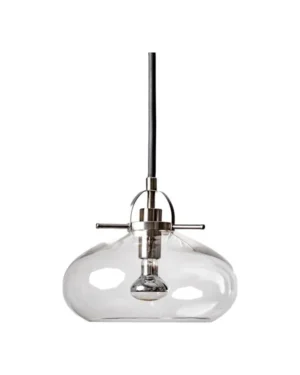

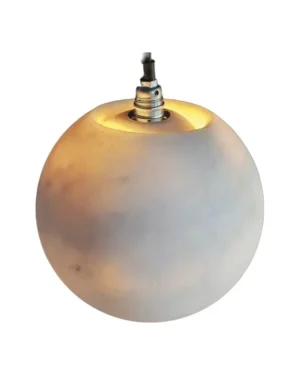
-
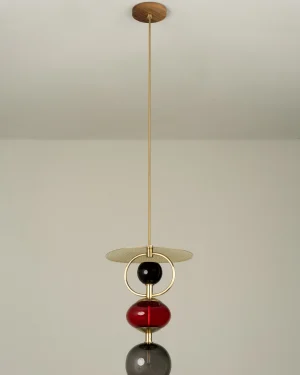
Vitrea Pendant Lamp in Glass and Brass
By Isabel Moncada
€3.802 This product has multiple variants. The options may be chosen on the product page -
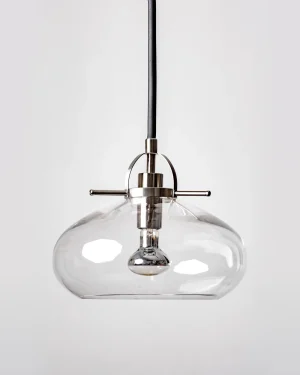 In stock
Art Deco Pendant Lamp in Glass and Stainless Steel
By Szostak Atelier
€1.000 This product has multiple variants. The options may be chosen on the product page -
 In stock
Y30 Ceiling Lamp in Blown Glass and Brass
By Clara Viladecans
€786 This product has multiple variants. The options may be chosen on the product page -
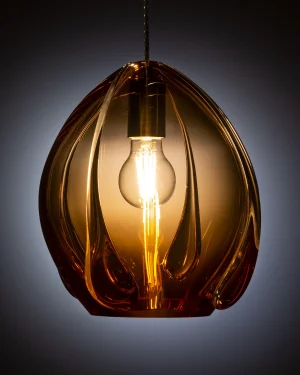
Glass Drops Fire Opal Pendant Lamp in Blown Glass
By Georgiev Kiril
€1.050 -
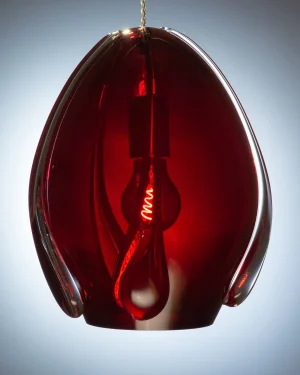
Glass Drop Pendant Lamp in Blown Glass
By Georgiev Kiril
€1.050 -
 In stock
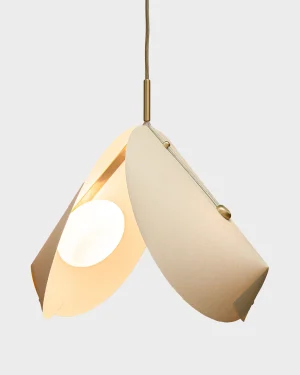
Concha Model 03 Pendant Lamp in Brass and Blown Glass
By MESEME by Riya Panchal
€434 This product has multiple variants. The options may be chosen on the product page -
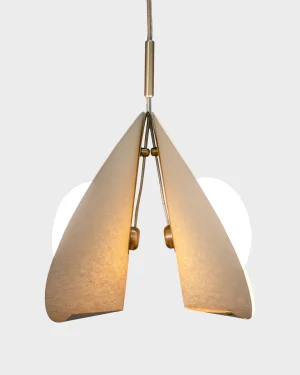 In stock
Concha Model 01 Pendant Lamp in Paper, Metals and Glass
By MESEME by Riya Panchal
€375 This product has multiple variants. The options may be chosen on the product page -
 In stock
Medium Pendant Lamp in Blown Glass and Textiles
By SVITANOK
€300 - €415 This product has multiple variants. The options may be chosen on the product page -
In stock
Large Pendant Lamp in Blown Glass and Textiles
By SVITANOK
€375 - €500 This product has multiple variants. The options may be chosen on the product page -
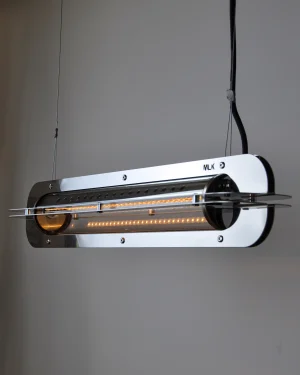
Pill600 Pendant Lamp in Mirror Stainless Steel
By MLK Furniture
€1.090 -

Collier P2 Ceiling Lamp in Glass and Aluminum
By Darka
€1.950 -

Florance I Ceiling Lamp in Brass, Glass and Fabric
By Atelier Alz
€575 -
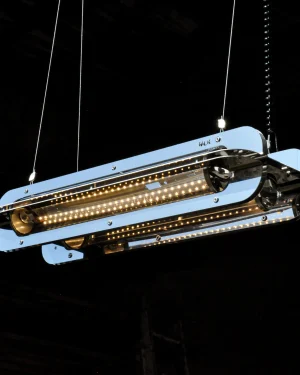
Pill600x2 Pendant Lamp in Mirror Stainless Steel
By MLK Furniture
€1.890 -
 In stock
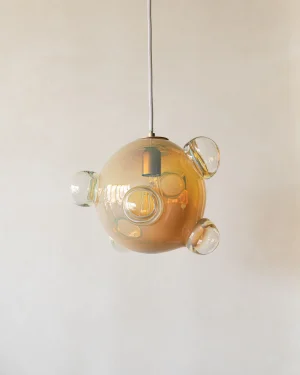
Bubble Pendant Lamp (Large) in Blown Glass
By Sticky Glass
€4.318 This product has multiple variants. The options may be chosen on the product page -
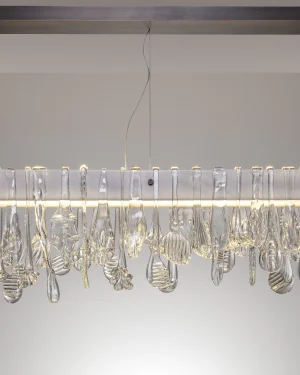 In stock
Pingente Pendant Lamp
By Carol Gay
€8.000 -
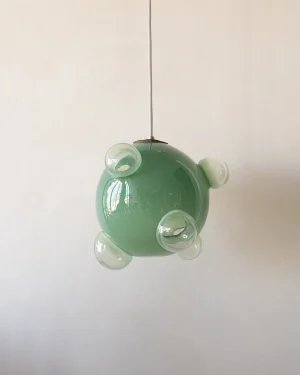 In stock
Bubble Pendant Lamp (Small) in Glass
By Sticky Glass
€2.480 This product has multiple variants. The options may be chosen on the product page -
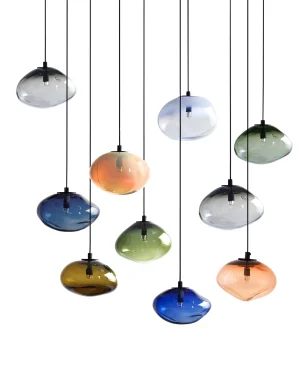
10 Starglow Pendant Lamp in Blown Glass
By ELOA - Unique Lights
€12.980 - €13.270 This product has multiple variants. The options may be chosen on the product page -
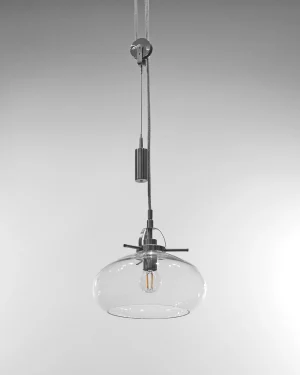
Art Deco Pendant Lamp with Weight in Glass and Steel
By Szostak Atelier
€1.400 -
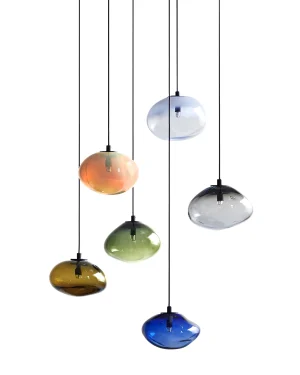
6 Starglow Pendant Lamp in Blown Glass
By ELOA - Unique Lights
€7.750 - €8.040 This product has multiple variants. The options may be chosen on the product page -
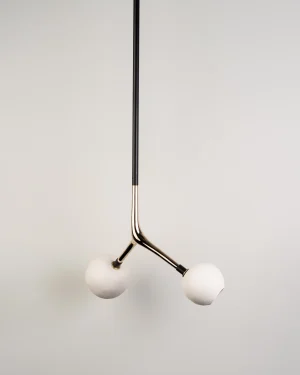
Dupla Pendant Lamp in Bronze, Brass and Glass
By Isabel Moncada
€3.217 - €3.744 This product has multiple variants. The options may be chosen on the product page -

Echin Pendant Lamp in Cotton and Glass
By PletoStudio
€1.100 -
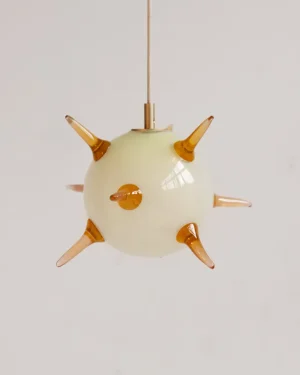 In stock
Pokie Pendant Lamp (Small) in Glass
By Sticky Glass
€2.664 -
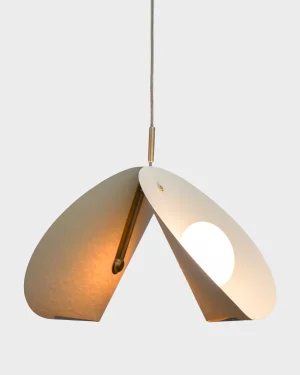
Concha Model 02 (Medium) Pendant Lamp in Paper and Brass
By MESEME by Riya Panchal
€434 This product has multiple variants. The options may be chosen on the product page -
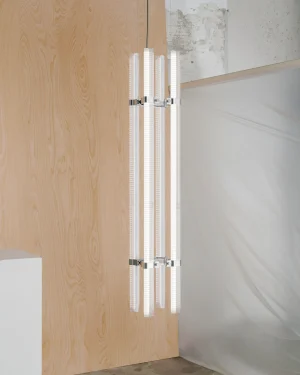
Collier P4 Pendant Lamp in Glass and Aluminum
By Darka
€3.500 -
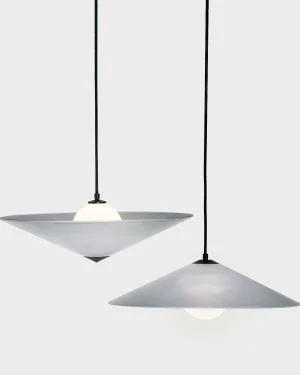
Marsha 01/02 Pendant Light Duo in Glass and Steel
By MESEME by Riya Panchal
€1.649 This product has multiple variants. The options may be chosen on the product page -
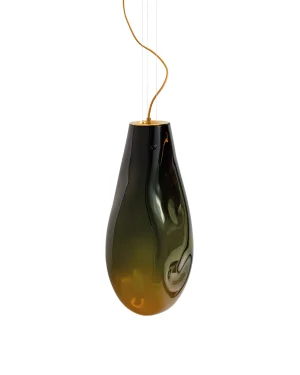
Lyra Pendant Lamp (Yellow Green Blue) in Blown Glass
By ELOA - Unique Lights
€2.330 - €4.750 This product has multiple variants. The options may be chosen on the product page -
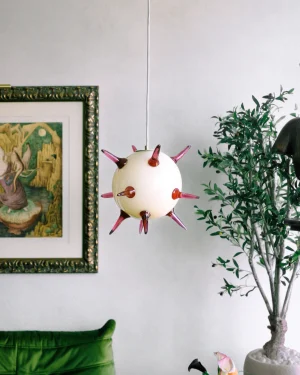
Pokie Pendant Lamp (Large) in Blown Glass
By Sticky Glass
€4.500 -
 In stock
Ines Ceiling Lamp in Blown Glass And Brass
By Clara Viladecans
€550 This product has multiple variants. The options may be chosen on the product page -
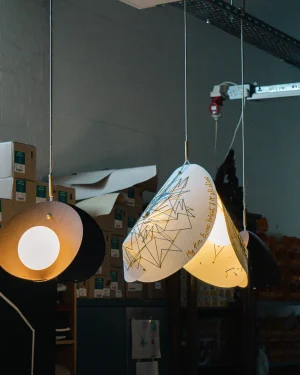 In stock
Concha Embroidure Pendant Lamp in Paper and Brass
By MESEME by Riya Panchal
€788 -
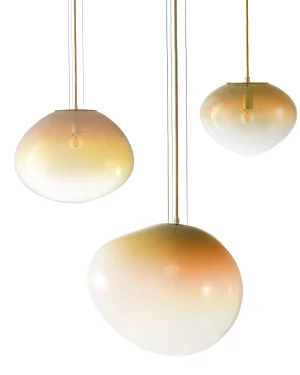
Sirius Pendant Lamp in Blown Glass
By ELOA - Unique Lights
€2.330 - €4.750 This product has multiple variants. The options may be chosen on the product page -
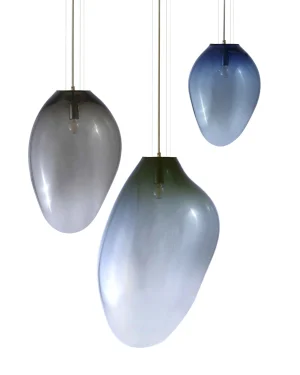
Ceres Pendant Lamp in Blown Glass
By ELOA - Unique Lights
€2.330 - €4.750 This product has multiple variants. The options may be chosen on the product page -
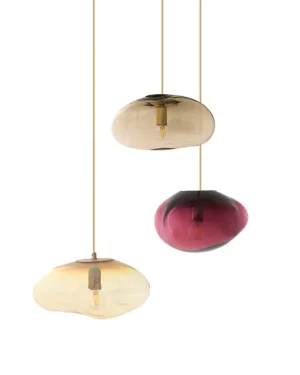
Planetoide Amor Pendant Lamp in Blown Glass
By ELOA - Unique Lights
€7.480 - €7.770 This product has multiple variants. The options may be chosen on the product page -
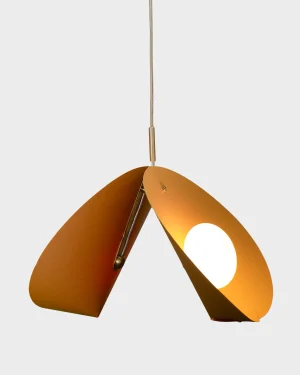
Concha Model 02 (Small) Pendant Lamp in Paper and Brass
By MESEME by Riya Panchal
€375 This product has multiple variants. The options may be chosen on the product page -
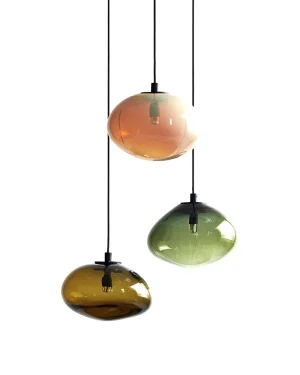
3 Starglow Pendant Lamp in Blown Glass
By ELOA - Unique Lights
€3.905 - €4.195 This product has multiple variants. The options may be chosen on the product page -
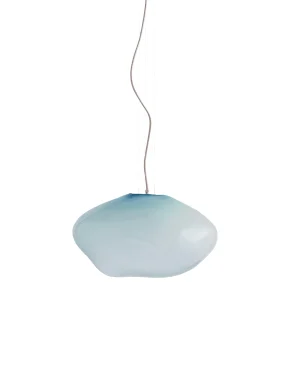
Haumea Convex Pendant Lamp (Blue Opaque) in Blown Glass
By ELOA - Unique Lights
€2.330 - €4.085 This product has multiple variants. The options may be chosen on the product page -
 In stock
Gota Pendant Lamp in Glass and Brass
By Tributo
€382 -
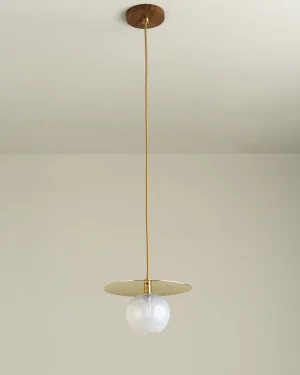
Cometa Pendant Lamp in Brass, Wood and Glass
By Isabel Moncada
€2.340 - €2.691 This product has multiple variants. The options may be chosen on the product page -
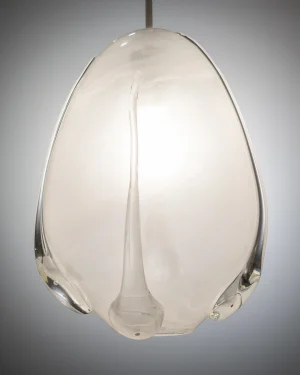
Glass Drops Frosty White Pendant Lamp in Blown Glass
By Georgiev Kiril
€1.300 -

Marsha 01 Pendant Lamp in Glass and Steel
By MESEME by Riya Panchal
€839 This product has multiple variants. The options may be chosen on the product page -
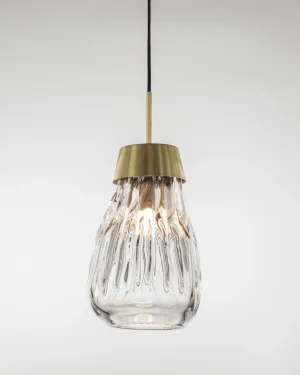
Twist Pendant Lamp
By Carol Gay
€990 - €1.150 This product has multiple variants. The options may be chosen on the product page -
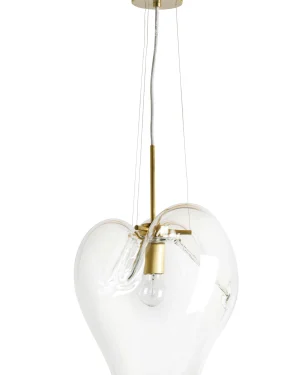
Carambola Pendant Lamp
By Carol Gay
€1.330 -
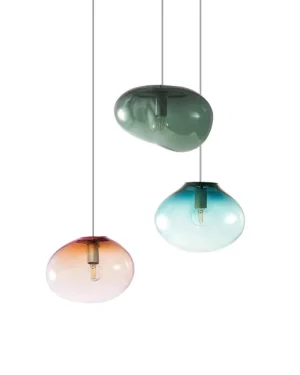
Planetoide Saiki Pendant Lamp in Blown Glass
By ELOA - Unique Lights
€7.480 - €7.770 This product has multiple variants. The options may be chosen on the product page -
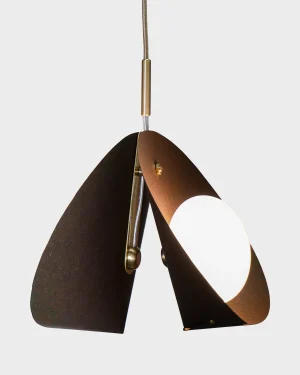
Concha Model 01 (Medium) Pendant Lamp in Paper and Brass
By MESEME by Riya Panchal
€434 This product has multiple variants. The options may be chosen on the product page -
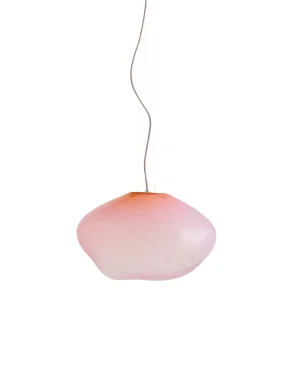
Haumea Convex Pendant Lamp (Flamingo Opaque) in Blown Glass
By ELOA - Unique Lights
€2.330 - €4.085 This product has multiple variants. The options may be chosen on the product page -
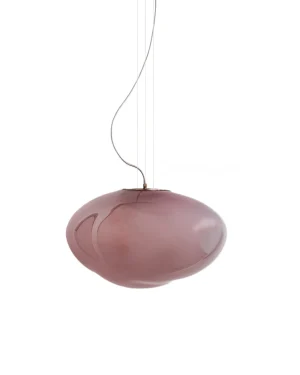
Haumea Convex Pendant Lamp (Flieder Opaque) in Blown Glass
By ELOA - Unique Lights
€2.330 - €4.085 This product has multiple variants. The options may be chosen on the product page -
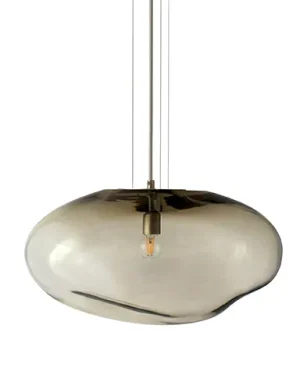
Haumea Amorph Pendant Lamp (Silver Smoke) in Blown Glass
By ELOA - Unique Lights
€2.330 - €4.085 This product has multiple variants. The options may be chosen on the product page -
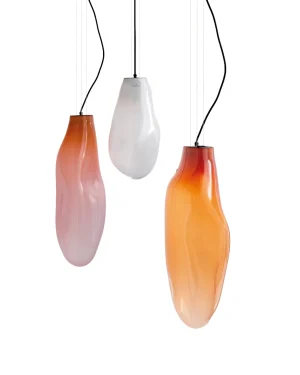
Lyra Pendant Lamp Set of 3 in Blown Glass
By ELOA - Unique Lights
€9.480 -
 In stock
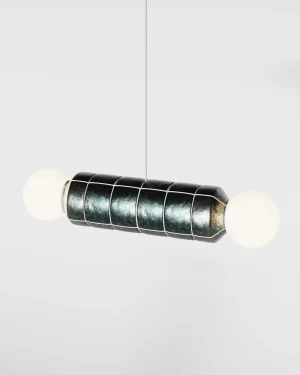
Navazi Horizontal Pendant Lamp in Ceramic and Glass
By SVITANOK
€1.130 - €1.650 This product has multiple variants. The options may be chosen on the product page -

Marsha 02 Pendant Lamp in Blown Glass and Steel
By MESEME by Riya Panchal
€810 This product has multiple variants. The options may be chosen on the product page -

Constellation Set of 3 Pendant Lamp in Blown Glass
By ELOA - Unique Lights
€9.060 -
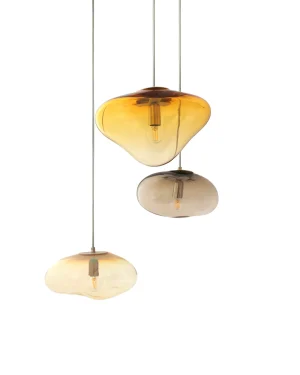
Planetoide Seresi Pendant Lamp in Blown Glass
By ELOA - Unique Lights
€7.480 - €7.770 This product has multiple variants. The options may be chosen on the product page -
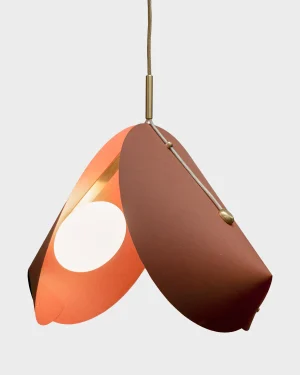
Concha Model 03 (Large) Pendant Lamp in Paper and Brass
By MESEME by Riya Panchal
€521 This product has multiple variants. The options may be chosen on the product page -
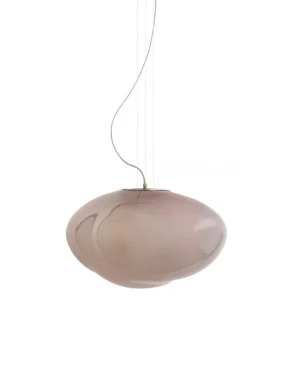
Haumea Convex Pendant Lamp (Taupe Opaque) in Blown Glass
By ELOA - Unique Lights
€2.330 - €4.085 This product has multiple variants. The options may be chosen on the product page -
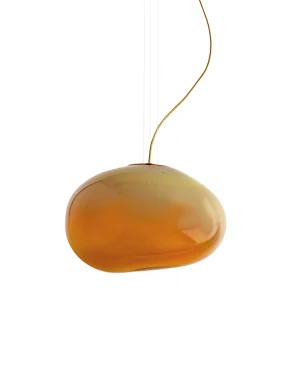
Haumea Convex Pendant Lamp (Amber Iridescent) in Blown Glass
By ELOA - Unique Lights
€2.330 - €4.085 This product has multiple variants. The options may be chosen on the product page
Glass pendant lamps take their character from a single material worked by hand: silica heated until it turns molten, then shaped by breath and gravity into a shade that holds, bends, or scatters light rather than hiding the source. Studios building in this material rely on glassblowing, sometimes pairing a blown shade with metalwork or blacksmithing for the fittings, so the glass stays the visible part of the piece while brass, aluminum, or steel disappears into cord and canopy. The result is a light fixture that reads as an object first, a lit object second.
How glass behaves in a pendant lamp
Glass is transparent or translucent by nature, which means a glass pendant changes depending on whether the bulb is on or off. Clear and lightly tinted shades let the filament or diffuser show as a detail in the room; smoked, amber, or opaque colors soften the source into a glow and hide the hardware instead. Borosilicate glass, the same type used in lab ware and cookware, turns up in pendants for its resistance to heat and its slightly harder, cooler look next to standard soda-lime glass.
The range of glass pendant lamps on ADORNO
What is listed here changes as pieces sell and new ones are added, but the kinds stay consistent. Expect shades in clear, black, amber, green, pink, coral, and white glass, some left plain and some brushed or silvered on the inside to throw light back rather than through. Styles span contemporary and art deco silhouettes to mid-century modern curves, boho chic clusters, and futuristic forms built from repeated glass units. Most pieces are made to order in open editions; a smaller number are one-off, unique pieces where no two shades blow identically.
- Finishes: clear, smoked, frosted, colored, and mirrored glass
- Fittings: brass, aluminum, steel, and blackened metal hardware
- Techniques: glassblowing paired with metalwork or hand assembly
- Editions: open editions and unique, hand-blown pieces
For a broader view of what glass covers beyond lighting, the full range of glass pieces on ADORNO includes tableware, decor, and accessories worked in the same material.
How to choose a glass pendant lamp
Scale matters more with glass than with opaque shades, since a large clear form can disappear visually while a large colored one will dominate a ceiling. Measure the shade's width against the table or counter it hangs over, and leave enough drop that the lowest point sits below eye level when seated but clear of sightlines when standing. Clustered glass pendants read as one fixture from across a room, so count the group rather than each shade when judging scale.
Finish decides how much glare reaches the eye. Clear and lightly tinted glass shows the bulb directly, so a warmer, lower-wattage source keeps it comfortable at table height; frosted, smoked, or opaque glass tolerates a brighter bulb since the shade itself diffuses it. Metal fittings in brass or aluminum tend to read warmer, steel and blackened metal cooler, which is worth matching to faucets, hardware, or furniture frames already in the room.
Where glass pendants work
Kitchens and dining rooms are the most common setting, hung low over an island or table where the light needs to be direct and the fixture doubles as a sculptural point above the surface. In a living room, a single glass pendant or a low cluster can replace a floor lamp as the main light near a seating group; see how that plays out among pendant lamps suited to living rooms. Stairwells and entries suit a single larger shade hung where it can be seen from more than one angle, since glass catches light differently depending on where you stand.
Caring for glass pendant lamps
Glass does not absorb odors or stain, so cleaning is mostly about dust and fingerprints. A soft, dry cloth handles most surfaces; for colored or frosted glass, avoid abrasive cleaners that can dull a matte finish over time. Let the lamp cool before cleaning if it has been on, since sudden temperature change can stress glass, particularly on thinner hand-blown shades.
To compare glass against other materials in the same format, the full range of pendant lamps covers ceramic, wood, and woven options alongside glass, while contemporary pendant lamps shows how glass sits next to other materials within one style line.
How do I choose a glass pendant lamp?
Consider the glass itself: clear glass throws a sharp pool of light, while tinted or frosted glass softens it into a glow. Match the shade's scale to the table or surface it hangs over, and consider whether it is hung alone or in a row.
How do I clean and care for a glass pendant lamp?
Dust with a dry or slightly damp soft cloth, and avoid abrasive cleaners that can scratch the surface. Let the glass cool before cleaning, and check that any metal fittings stay dry to prevent tarnishing.
What size pendant light do I need and how low should it hang?
Over a dining table, hang the shade so its base sits around 30 to 36 inches above the surface. In a stairwell or entryway, allow more clearance so the lamp reads as a fixture, not an obstacle.
Which rooms suit a glass pendant lamp?
Glass pendants work wherever light needs to be seen as well as felt: kitchen islands, dining tables, bedsides and stairwells. Their transparency keeps them visually light even at a larger scale, so they rarely crowd a small room.
Is glass pendant lighting fragile and hard to maintain?
Glass is more durable than it looks once properly mounted, though it can chip or crack under impact. Handle fittings and shades carefully during installation and cleaning, and avoid sudden temperature changes.
How does buying a glass pendant lamp from ADORNO work?
Shipping is insured and worldwide, with a 14-day return policy on all but made-to-order pieces, and every lamp arrives with a certificate of authenticity. ADORNO also offers a lowest-price guarantee; for details on a specific piece, chat with the maker on its page.