

-
 In stock
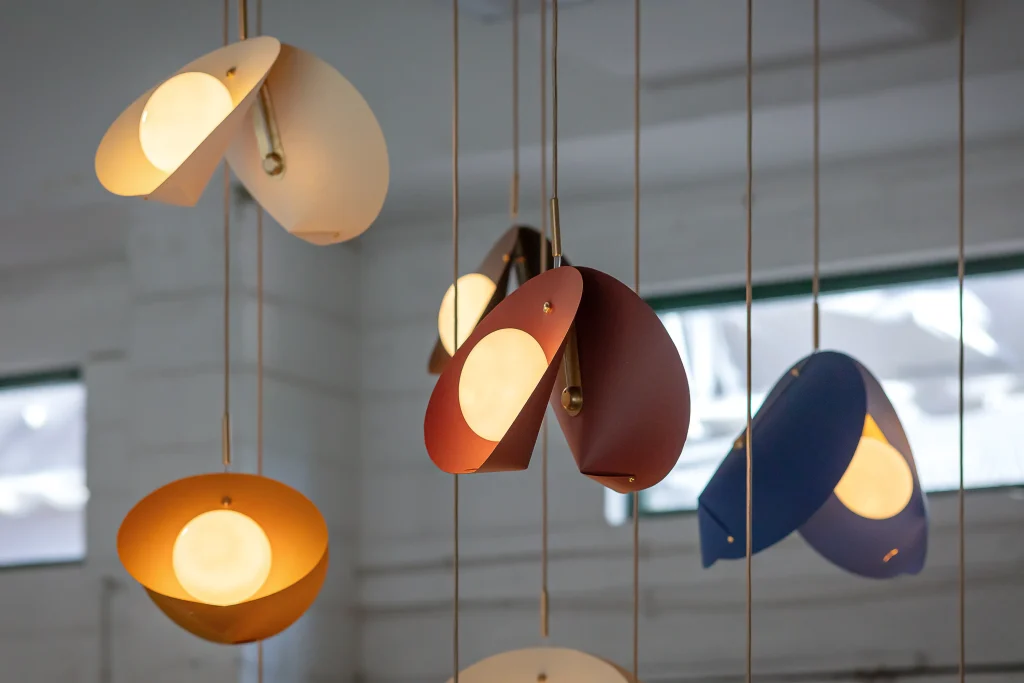
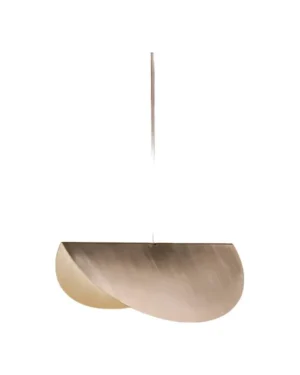
Concha Model 03 Pendant Lamp in Brass and Blown Glass
By MESEME by Riya Panchal
€434 This product has multiple variants. The options may be chosen on the product page -
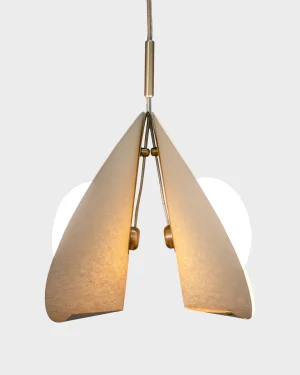 In stock
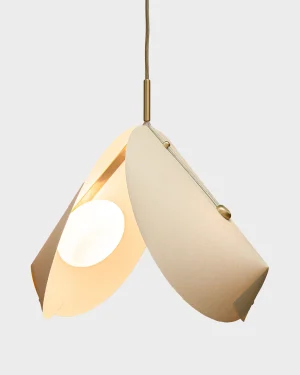
Concha Model 01 Pendant Lamp in Paper, Metals and Glass
By MESEME by Riya Panchal
€375 This product has multiple variants. The options may be chosen on the product page -
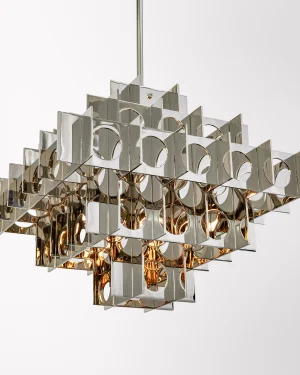
Tenfold 5 T Pendant Lamp in Stainless Steel and Aluminum
By Luft Tanaka Studio
€4.440 - €11.000 This product has multiple variants. The options may be chosen on the product page -

Collier P2 Ceiling Lamp in Glass and Aluminum
By Darka
€1.950 -
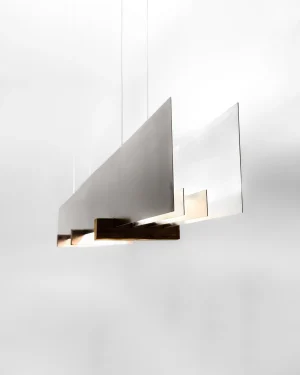
Linear Ceiling Lamp (extra Large) in Aluminum and Wood
By case studios
€1.210 - €1.910 This product has multiple variants. The options may be chosen on the product page -

Slotted Linear 32 Pendant Lamp in Aluminum and Acrylic
By Nolan Talbot-Kelly
€1.200 This product has multiple variants. The options may be chosen on the product page -

Veil Pendant Lamp in Glass and Aluminum
By Andrew King Studio
€315 This product has multiple variants. The options may be chosen on the product page -
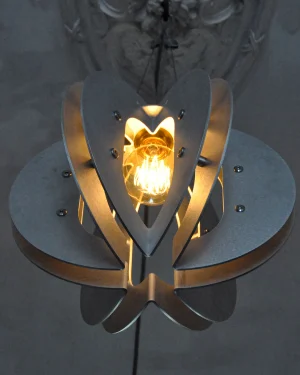 In stock
D300 Lampion Pendant Lamp in Matte Aluminum
By MLK Furniture
€390 -
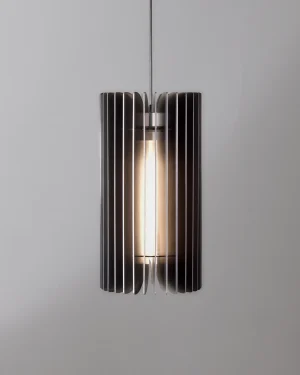
Bare Barrel – Metal Pendant Lamp
By Jochen Lavéno Mangelsdorff Studio & Objects
€760 - €920 This product has multiple variants. The options may be chosen on the product page -
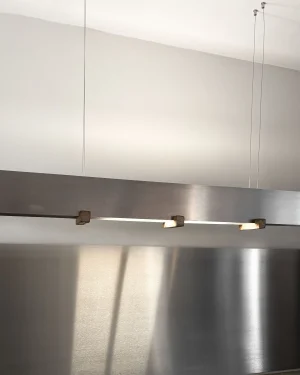
Linear Ceiling Lamp (Medium) in Aluminum and Wood
By case studios
€1.001 - €1.200 This product has multiple variants. The options may be chosen on the product page -
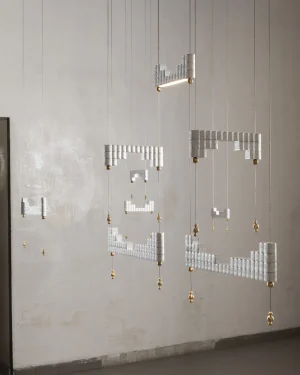 In stock
Inro Lamp
By Atelier Nuanda
€6.885 -
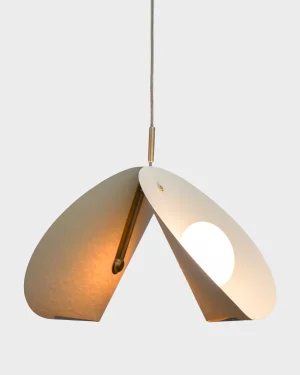
Concha Model 02 (Medium) Pendant Lamp in Paper and Brass
By MESEME by Riya Panchal
€434 This product has multiple variants. The options may be chosen on the product page -
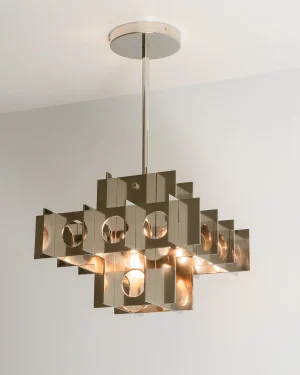
Tenfold 3 T B Pendant Lamp in Stainless Steel and Aluminum
By Luft Tanaka Studio
€2.895 - €8.675 This product has multiple variants. The options may be chosen on the product page -
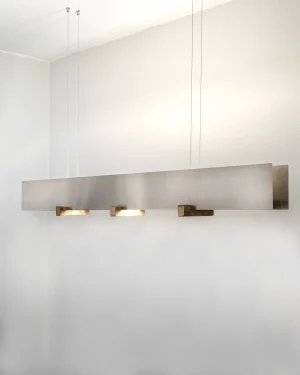
Linear Ceiling Lamp (Large) in Aluminum and Wood
By case studios
€1.444 - €1.844 This product has multiple variants. The options may be chosen on the product page -

Rand Ceiling Lamp in Aluminum
By Darka
€3.500 -
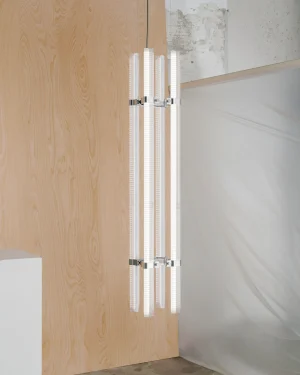
Collier P4 Pendant Lamp in Glass and Aluminum
By Darka
€3.500 -

Wind Pendant Lamp in Aluminum, Copper & Recycled Plastic
By SIGNATURE OBJECTS
€1.200 -
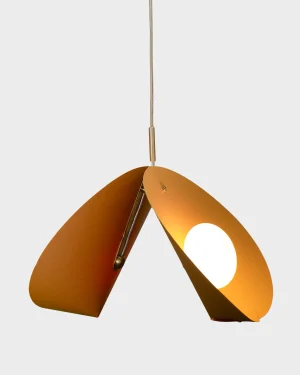
Concha Model 02 (Small) Pendant Lamp in Paper and Brass
By MESEME by Riya Panchal
€375 This product has multiple variants. The options may be chosen on the product page -
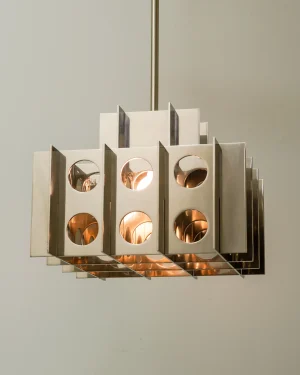
Tenfold 3 T A Pendant Lamp in Stainless Steel and Aluminum
By Luft Tanaka Studio
€2.895 - €8.675 This product has multiple variants. The options may be chosen on the product page -
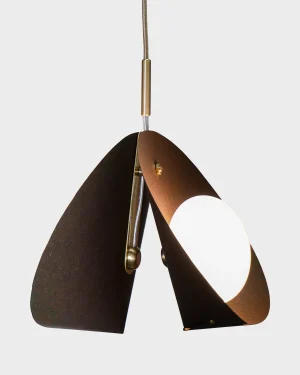
Concha Model 01 (Medium) Pendant Lamp in Paper and Brass
By MESEME by Riya Panchal
€434 This product has multiple variants. The options may be chosen on the product page -
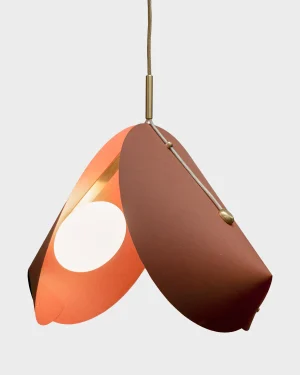
Concha Model 03 (Large) Pendant Lamp in Paper and Brass
By MESEME by Riya Panchal
€521 This product has multiple variants. The options may be chosen on the product page -
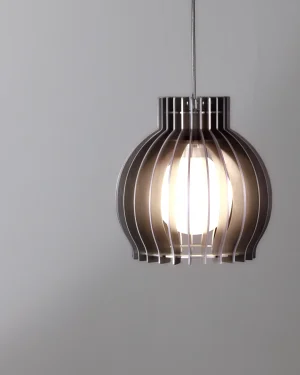
Flower Drop – Metal Pendant Lamp
By Jochen Lavéno Mangelsdorff Studio & Objects
€756 -
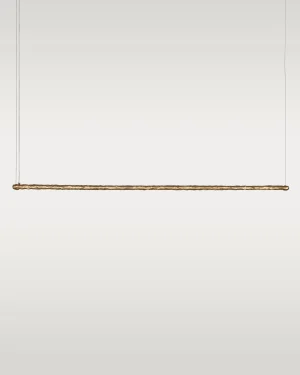
Aria Linear Ceiling Lamp In Brass
By Stem
€1.550 - €2.100 This product has multiple variants. The options may be chosen on the product page
Aluminum pendant lamps are built around a metal that is light enough to hang from a single cord yet rigid enough to hold a precise shade profile without bracing. Studios work it by spinning, sand casting, CNC milling and laser cutting, then finish it raw, brushed, anodized or powder coated. The result is a ceiling light that reads as sculptural metalwork first and illumination second.
What defines aluminum in a pendant lamp
Aluminum does not rust, so a shade can stay thin-walled and still survive decades of handling and heat from the bulb inside it. Its low weight means a single hook or a slim canopy can carry a wide diffuser, something a lamp in cast iron or solid brass could not manage without a reinforced ceiling point. Where steel pendant lamps or metal pendant lamps in heavier alloys tend toward visible weld lines and thicker gauges, aluminum allows for smoother curves, spun cones and folded, almost paper-like planes.
Surface finish changes how the light behaves as much as how it looks. A brushed or raw aluminum shade throws a cooler, more directional beam and will show fingerprints and fine scratches over time, which most owners read as patina rather than damage. An anodized or powder-coated surface seals the metal in silver, gray or color and resists marking, trading some of that raw-metal sheen for consistency.
The range of aluminum pendant lamps on ADORNO
Within this material, the forms run from single-shade pendants with a spun or sand-cast bowl to multi-arm fixtures that cluster several aluminum sources over one point. Styles span contemporary and modern silhouettes, pared-back minimalist cones, neo-industrial pieces that leave rivets and seams exposed, and futuristic or brutalist shades that treat the metal as a sculptural mass rather than a simple reflector. Some studios pair aluminum with brass fittings, wood canopies or glass diffusers for contrast in material and weight.
Editions vary by studio: some pendants are produced as open editions on a standing production line, others appear as limited editions in small numbered runs, and a smaller group are unique pieces finished individually by hand. Anyone set on a particular finish or run size should check each listing, since the same silhouette can exist across more than one edition type.
How to choose an aluminum pendant lamp
Scale first: a shade under roughly 20 centimeters across reads as a point of light and suits a bedside or a narrow hallway, while anything wider becomes a focal object that needs clearance on all sides. Hanging height matters more with aluminum than with fabric or paper shades, since the metal's hard edge and reflective underside can glare at eye level if hung too low over a seating area.
- Over a dining table or kitchen island, aim for the shade's lowest edge to sit roughly 70 to 90 centimeters above the surface.
- In a stairwell, choose a narrower profile that will not catch shoulders or bags in transit.
- Pair a polished or anodized finish with other metal hardware already in the room, and a raw or brushed finish with wood or stone, so the pendant does not fight the existing palette.
Where aluminum pendants work in a room
Because the shade stays light and the beam can be aimed, these pendants suit kitchens, dining tables and desks where direct, controllable light matters more than ambient glow. They also sit comfortably in a living room hung low over a side table or reading chair, where the metal's cool tone offsets warmer upholstery and wood. For anyone building a scheme around one material, matching an aluminum pendant with aluminum furniture or aluminum seating keeps the finish consistent from ceiling to floor.
Caring for an aluminum shade
Aluminum needs little upkeep: wipe raw or brushed surfaces with a dry or barely damp cloth, since standing water can leave mineral marks on an unsealed finish. Anodized and powder-coated shades tolerate mild soap and water but should avoid abrasive pads, which will dull the surface and expose the metal underneath. Keep any exposed wiring and the bulb's heat output within the fixture's rated limits, since aluminum conducts heat quickly and the shade itself will warm during use.
For a broader look at the material across lighting and furniture, the full range of aluminum pieces on ADORNO spans wall fixtures as well as ceiling lights, including aluminum wall lamps for anyone building a room around the same finish from more than one angle. Those returning to the wider format can also compare every option among all pendant lamps before narrowing by material again.
How do I choose an aluminum pendant lamp?
Look at the finish and shade shape first, since these set the mood of light, then check the drop length against your ceiling height and the surface it will hang over.
Does aluminum need special care?
Aluminum resists rust and holds up in humid rooms, so care is limited to dusting and an occasional wipe with a dry or lightly damp cloth, no polishing needed.
What height should a pendant lamp hang at?
Over a dining table or island, allow around 30 to 36 inches between the bottom of the shade and the surface, and raise it in rooms with more open floor space below.
Which rooms suit aluminum pendant lamps?
Their light weight and resistance to moisture make them a fit for kitchens, dining rooms and bathrooms, while their reflective surface also reads well in living rooms and stairwells.
Can I order a custom aluminum pendant lamp through ADORNO?
Some makers take custom requests on finish, size or cord length. Chat with the maker on the piece's page to confirm what is possible.
How does shipping, returns and authenticity work on ADORNO?
Shipping is insured and worldwide, with a 14-day return policy excluding made-to-order pieces. Each lamp comes with a certificate of authenticity and a lowest-price guarantee.