

-
 In stock
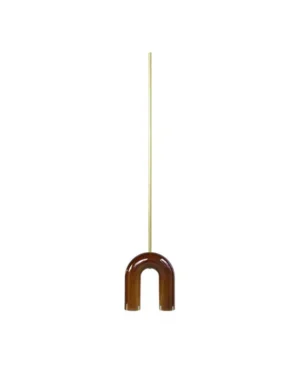
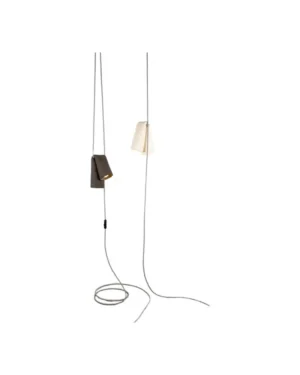
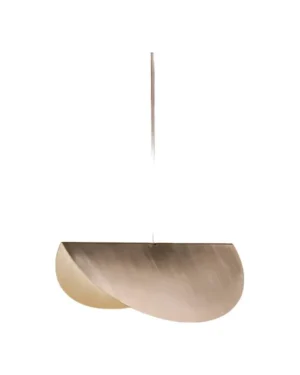
Less Pendant Lamp in Steel, Wood and Plaster
By Jordi Canudas Faura
€388 This product has multiple variants. The options may be chosen on the product page -
 In stock
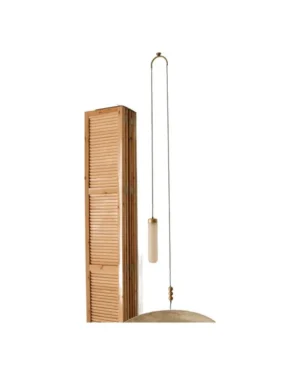
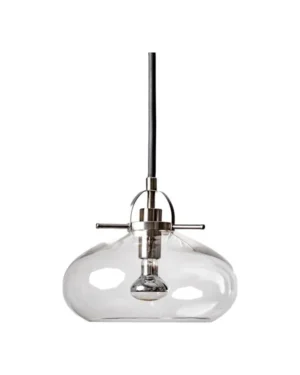
Arinna Pendant Lamp In Oak, Stone And Brass
By MARAU
€15.000 -
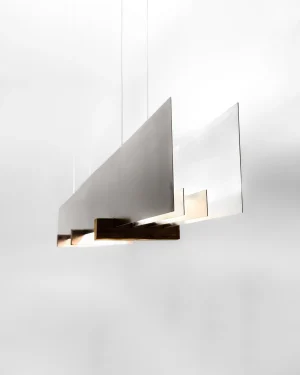
Linear Ceiling Lamp (extra Large) in Aluminum and Wood
By case studios
€1.210 - €1.910 This product has multiple variants. The options may be chosen on the product page -
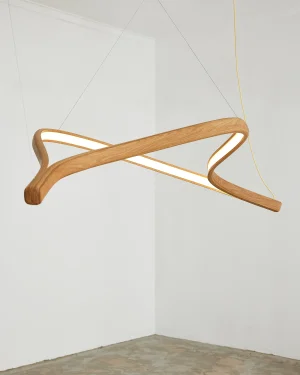 In stock
Perola Pendant Lamp in Oak Wood
By Poémia
€8.000 -
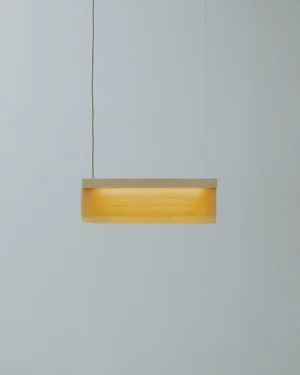
Cenit S Pendant Lamp in Ash Wood and Celium
By Natural Urbano - Sebastián Beltrán
€740 -

Lomo Pendant Lamp in Ash Wood and Wool
By Natural Urbano - Sebastián Beltrán
€400 -
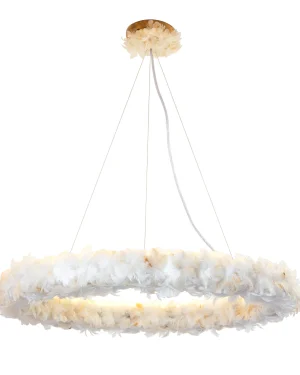
Halo Pendant Lamp in Peroba Wood and Feathers
By YANKATU
€3.700 -
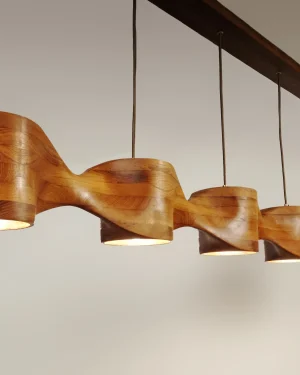
N2-5 Pendant Lamp In Teak Wood
By Aaron Scott
€9.650 -
 In stock
Patagonia Pendant Lamp in Natural Wood
By espina corona
€350 -
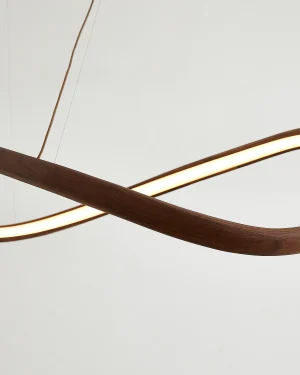 In stock
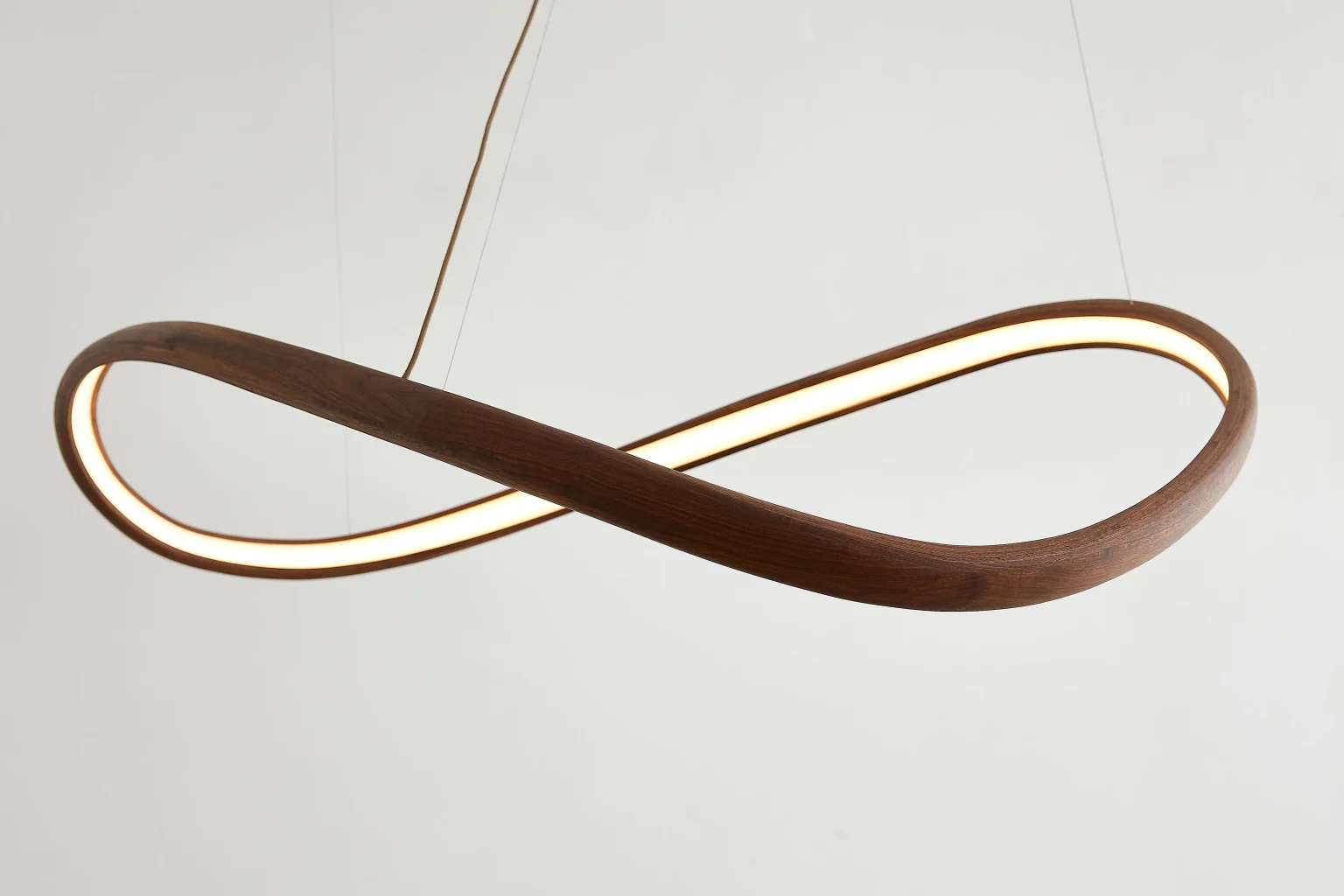
Horizonte Pendant Lamp in Walnut Wood
By Poémia
€8.450 -
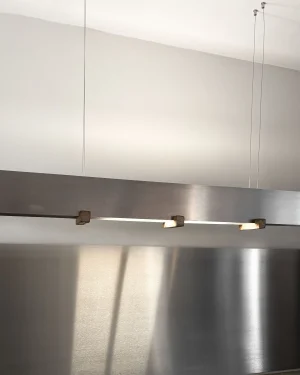
Linear Ceiling Lamp (Medium) in Aluminum and Wood
By case studios
€1.001 - €1.200 This product has multiple variants. The options may be chosen on the product page -

Fos 05 Pendant Lamp in Wood and Marble
By Daniel Orozco Estudio
€1.390 -
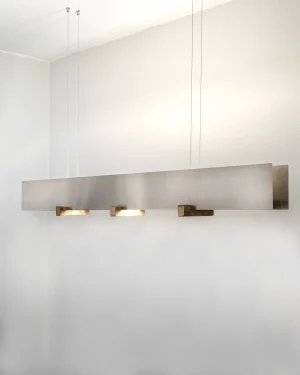
Linear Ceiling Lamp (Large) in Aluminum and Wood
By case studios
€1.444 - €1.844 This product has multiple variants. The options may be chosen on the product page -
 In stock
02 Pendant Lamp in Ash Wood
By Studio Victor Hahner
€2.000 -
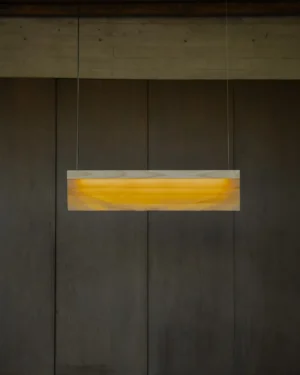
Cenit L Pendant Lamp in Ash Wood and Celium
By Natural Urbano - Sebastián Beltrán
€895 -
 In stock
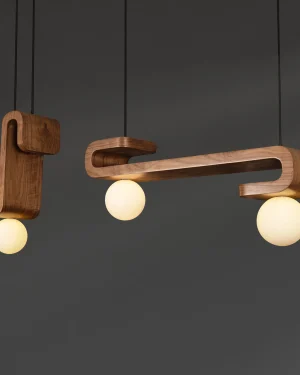
Esse Ceiling Lamp in Wood
By Saadia Design
€1.200 - €2.500 This product has multiple variants. The options may be chosen on the product page -
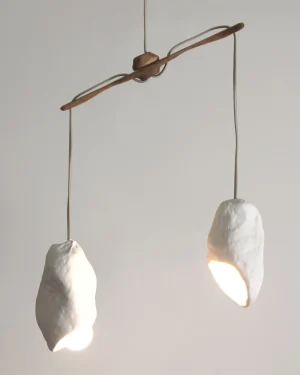
MAAT Ceiling Lamp in Walnut Wood and Plaster
By Dace Sūna
€1.200 -
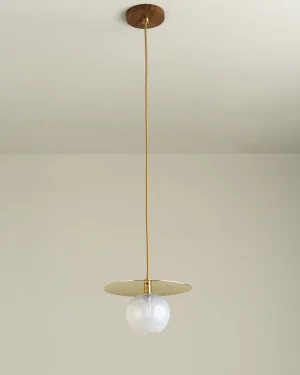
Cometa Pendant Lamp in Brass, Wood and Glass
By Isabel Moncada
€2.340 - €2.691 This product has multiple variants. The options may be chosen on the product page -

Patagonia Pendant Lamp in Black Wood
By espina corona
€350 -
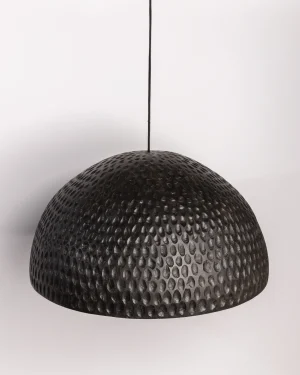
Chema Pendant Lamp in Parota Wood
By Daniel Orozco Estudio
€1.154 -
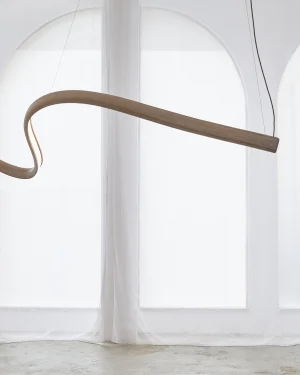 In stock
Brisa Pendant Lamp in White Ash Wood
By Poémia
€5.750 -
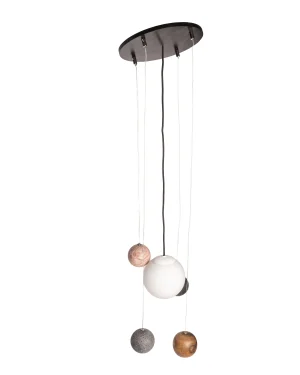
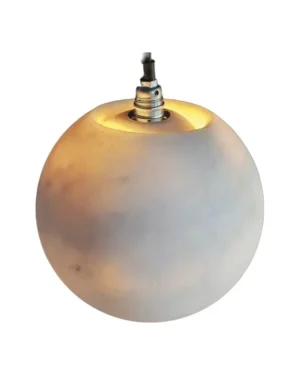
Planeta Ceiling Lamp in Marble and Volcanic Stone
By Daniel Orozco Estudio
€1.260 -
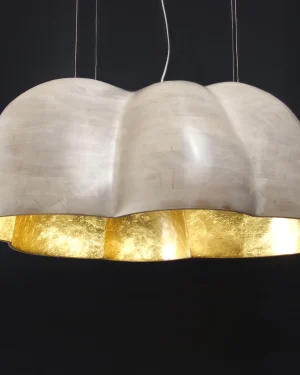 In stock
N2 Cloud Ceiling Lamp in Cherry Wood and Gold Leaf
By Aaron Scott
€10.300 -

Patagonia Pendant Lamp in Wood
By espina corona
€650 -

Moono Sliding Pendant Lamp In Wood And Metals
By SHRE Studio
€2.500 - €2.700 This product has multiple variants. The options may be chosen on the product page -
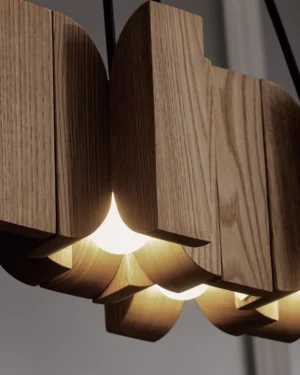
Natura Flower Pendant Lamp In Wood
By SHRE Studio
€330 This product has multiple variants. The options may be chosen on the product page -
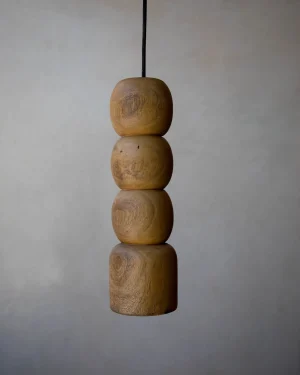
Original Root Lamp In Jabin Wood
By Daniel Orozco Estudio
€450 This product has multiple variants. The options may be chosen on the product page
Wooden pendant lamps bring a single turned or carved form to the ceiling, where most lighting is glass or metal. Studios working in chestnut, ash, walnut and beech shape the shade on a lathe, build it up panel by panel in cabinetmaking joints, or cut it by CNC mill, then leave the grain visible rather than painting over it. The result reads as furniture that happens to hold a bulb, warmer in the hand and in the room than steel or ceramic.
What defines a wooden pendant lamp
Wood behaves differently from the metals and glass that dominate ceiling lighting. It is lighter to hang, better at softening a bare bulb into diffused light, and it ages rather than wears: chestnut darkens, ash stays pale and faintly striped, walnut deepens toward brown-black. Because the material is solid or veneered rather than cast, each shade can carry tool marks, a visible seam, or the turned rings of a lathe, so the making stays part of the object instead of being sanded away.
Finishes and styles in the range
Color here means the wood itself more than any applied stain: light brown, chestnut, beige, and the gray that comes from fumed or weathered oak-adjacent species. Some studios pair the wood with blackened steel fittings or copper hardware for contrast. Stylistically the pieces run from pared-back contemporary and minimalist shades to Art Deco turnings, wabi-sabi forms that keep a live edge or a visible knot, and boho or eclectic designs that group several small shades on one cord. A few are produced as open editions, others as limited editions or unique pieces, so the same silhouette can exist as a run or as a one-off depending on the maker's way of working.
How to choose one
Start with scale: a single wide shade reads as a focal object, while several narrow ones strung in a row behave more like a line of light. Hanging height matters more with wood than with slimmer materials, since a solid shade has real visual weight and needs enough drop to avoid looking stranded against the ceiling. Check the finish for the room it will sit in: oiled or waxed surfaces suit drier living spaces, while a lacquered or sealed shade tolerates the steam of a kitchen better.
- Over a dining table or kitchen island, a low-hung wood shade concentrates light downward without competing with what's underneath
- In a stairwell or hallway, taller or multiple pendants can be set at different drops to follow the sightline
- Beside a bed, a smaller turned shade keeps the light close and the fitting unobtrusive
Rooms it suits
Because wood reads as warm rather than industrial, it sits comfortably in living rooms and bedrooms where metal pendants can feel cold, and it holds its own in dining rooms where the lamp hangs at eye level and its grain is on constant view. It also works in studies and reading corners, where a single turned shade over a desk adds a quiet, furniture-like presence rather than a purely technical fixture.
Caring for a wooden shade
Dust with a dry or barely damp cloth, since standing moisture can mark an oiled or waxed surface. Keep pendants away from direct heat sources such as uncovered halogen bulbs, which can dry and crack thin veneers over time. An occasional pass of furniture oil on solid wood shades keeps the surface from going chalky, matching the kind of upkeep used on wooden furniture elsewhere in the house.
For the full spread of forms, see pendant lamps as a category, narrow by room with living room pendant lamps, by idiom with contemporary pendant lamps, or step back to see the full range of wood pieces across lighting and furniture alike.
How do I choose a wooden pendant lamp?
Match the wood tone to nearby furniture, chestnut and walnut read warm and dark, ash and beech stay light. Consider the shade shape too, solid wood diffuses light softly while cut or slatted wood casts pattern.
How do I care for a wooden pendant lamp?
Dust with a dry or barely damp cloth and keep the lamp away from direct heat sources like radiators, which dry wood out and can cause cracking. Avoid damp bathrooms unless the wood is sealed for moisture.
What size pendant light do I need and how low should it hang?
Over a dining table, hang the base of the shade about 30 to 36 inches above the tabletop. Over an island or entry, allow enough clearance for anyone walking beneath, typically 80 inches from the floor to the fixture's bottom.
Which rooms suit wooden pendant lamps?
Wood warms kitchens, dining rooms and living rooms, and suits entries and stairwells where its grain catches passing light. It pairs naturally with other natural materials like stone, linen and woven fiber.
Does wood change color or darken over time?
Most woods shift slightly with light exposure, oak and walnut deepen, ash and beech can lighten or yellow. This patina is normal and part of how solid wood ages rather than a flaw.
How does shipping, returns and authenticity work on ADORNO?
Shipping is insured and worldwide. Returns are accepted within 14 days, except made-to-order pieces, and every piece arrives with a certificate of authenticity alongside ADORNO's lowest-price guarantee.