











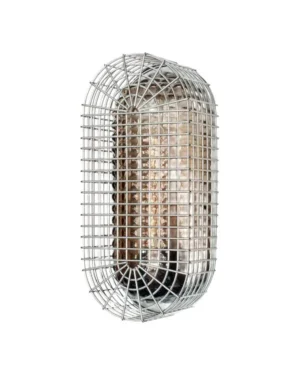

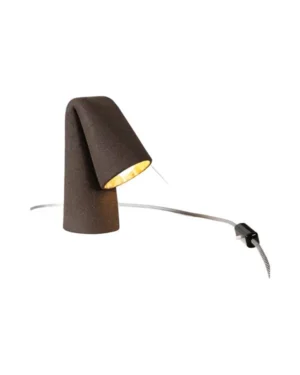
-
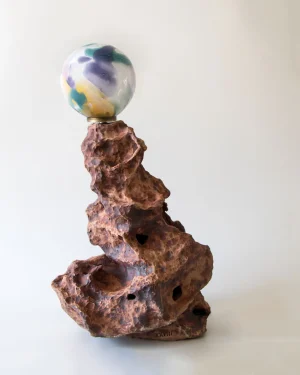 In stock
Abyss No. 28 Table Lamp in Stoneware
By Ceren Gürkan
€1.400 -
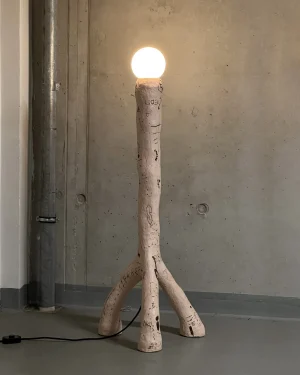 In stock
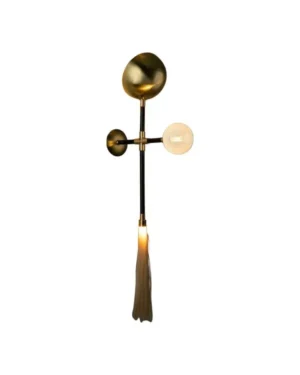
Tattooed Shining Creature Floor Lamp In Paper And Steel
By David Čáp
€1.400 -
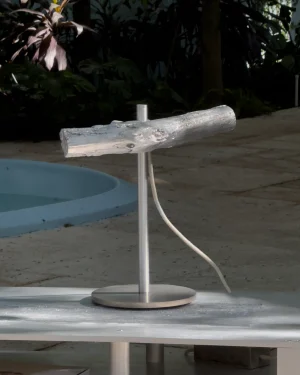 In stock
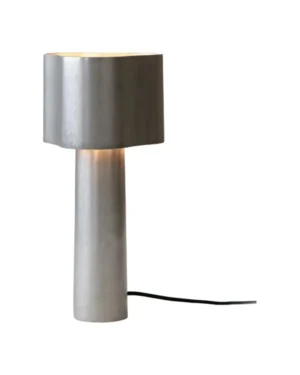
Aluminum Veneer Table Lamp in Cast Aluminum
By Bureau.parso
€1.400 -
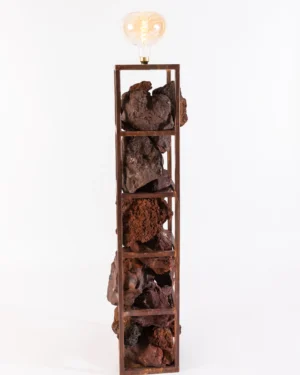
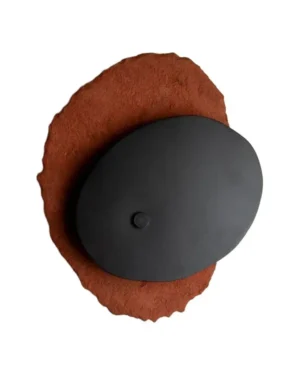
Zm Tezontle Floor Lamp in Metal and Volcanic Stone
By Daniel Orozco Estudio
€2.820 -
 In stock
Peony Floor Lamp In Fiber-cement
By Donatas Žukauskas
€2.450 -
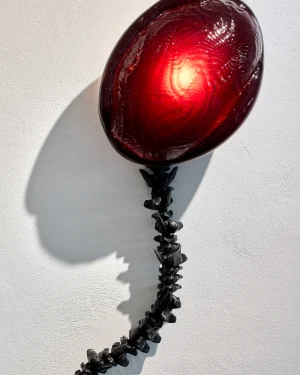 In stock
Dysplasio Wall Sconce in Blown Glass
By Anna Jožová
€2.000 - €3.300 -
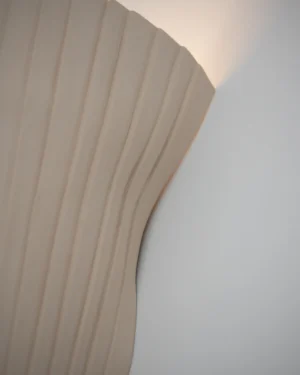 In stock
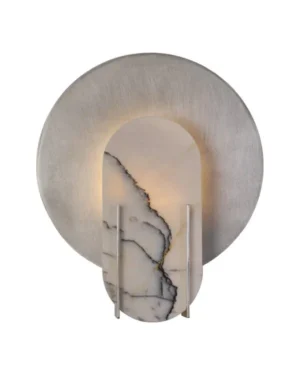
Tenderness Sconce | Large
By Studio Ēeme
€1.300 -
 In stock
Abyss No. 31 Table Lamp in Stoneware and Glass
By Ceren Gürkan
€1.400 -
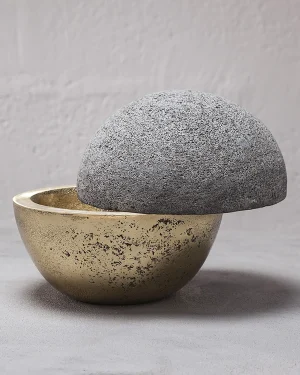
Hemisferio Table Lamp in Bronze and Volcanic Stone
By ANDEAN
€638 -
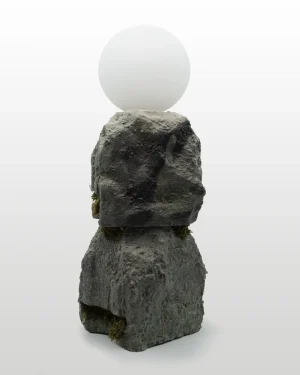 In stock
La Cauna Tesa Table Lamp in Concrete
By Pierre Klein
€800
Neolithic lamps take their name from the earliest human objects: forms built by hand before the wheel or the kiln as we know it existed. Studios working in this style return to that moment, pressing stoneware, carving volcanic stone or casting bronze into shapes that look worn by time rather than drawn on paper. The result sits closer to an artifact than a fixture, something pulled from the ground as much as designed.
What defines a neolithic lamp
A piece in this style resists symmetry. Walls are thick, edges are irregular, and the surface often carries the marks of the hand or tool that made it: a thumbprint in clay, a chisel path in stone, the grain left by a sand mold in cast bronze. Light moves differently through these forms than through glass or steel - it pools in a hollow, catches on a ridge, or glows faintly through a thin stoneware wall, giving the lamp a second, unlit life as sculpture.Materials, finishes and techniques found here
Stoneware and other hand-built ceramics dominate, often left in gray, cream or off-white tones that read as raw clay rather than glaze. Volcanic stone appears carved into blocky, porous bases, while bronze and other metals are sand cast or metal cast into dense, weighted forms with a dark or burnished patina. Paper pulp and papier-mâché show up in lighter pieces, built up by hand into shapes that feel geological despite their weight. Blown glass sometimes supplies the diffuser, its bubbles and irregularities matching the handmade logic of the base.- Stoneware and other ceramics, hand-built rather than thrown on a wheel
- Volcanic stone and other dense stone, shaped by carving
- Bronze and metals, sand cast or metal cast into solid forms
- Paper pulp, built by hand into light, rough-surfaced shapes
Editions vary by maker: some pieces are open editions repeated in small batches, others are limited editions or unique pieces where no two casts or hand-built forms come out quite the same. Where a listing states a run size, that number holds; where it does not, treat the piece as a one-off within a loose family of shapes.
How to choose a neolithic lamp
Scale matters more here than in most lighting, since these forms read as objects first and light sources second. A squat stoneware or volcanic stone base needs floor space around it or a low table wide enough to let its shadow fall without crowding. Bronze pieces, being dense, sit well on surfaces that can carry real weight without looking overloaded. Check the finish before placing a piece near a window: unglazed stoneware and raw stone can fade or stain with direct sun and standing moisture, while bronze will darken slightly with handling and age, which most owners read as part of the material rather than a flaw.Where these lamps belong
A neolithic lamp holds its own in a living room, standing beside seating in neolithic seating or alongside other earthenware and stone pieces listed under neolithic decor. It also works as a single grounding object in an otherwise plain bedroom or hallway, where its texture stands out precisely because nothing around it competes. For a softer, everyday reading light, pair a smaller stoneware piece with other living room lamps rather than placing it alone.Caring for stoneware, stone and bronze
Unglazed stoneware and volcanic stone are porous and will absorb oil, water rings and dust into their surface over time, so a dry cloth and occasional light wiping keep the texture intact without sealing it over. Bronze develops a patina through handling and air exposure; leave it alone if a dark, uneven surface is wanted, or wax it lightly to slow further change. Paper pulp pieces should stay away from damp rooms, since moisture softens the fiber. For the wider range of forms and finishes this style covers beyond lighting, see every neolithic piece on ADORNO, or look across the full set of lamps to compare how other materials and periods handle the same job of being looked at and looked through.How do I choose a neolithic lamp?
Decide whether it should read as a sculpture by day: a heavy stone or bronze base for a console, a pale stoneware form where light can glow through thin walls after dark.
What are neolithic lamps made of?
Most are hand-built stoneware, carved volcanic stone, or sand-cast and metal-cast bronze, sometimes paired with blown glass diffusers or built up from paper pulp.
How do you care for stoneware or bronze lamps?
Dust stoneware with a dry cloth and keep it away from damp to protect raw, unglazed surfaces; wipe bronze with a soft cloth and avoid abrasive cleaners that strip its patina.
What size lamp suits a table or console?
Sizes vary by piece, so check the listed dimensions, or chat with the maker on the piece's page to confirm height and base width against your table or console.
Which rooms suit a neolithic lamp?
Their weight and texture suit living rooms and bedrooms where they can sit as a single object, on a console, side table or nightstand, rather than compete with other forms.
What should I know about shipping, returns and authenticity?
Shipping is insured and worldwide, returns are accepted within 14 days except on made-to-order pieces, and each lamp arrives with a certificate of authenticity and a lowest-price guarantee.