



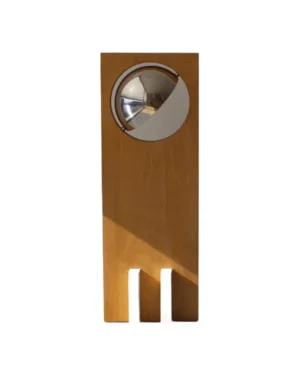
-
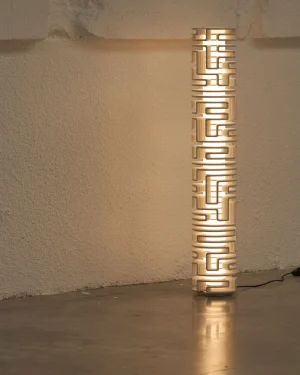
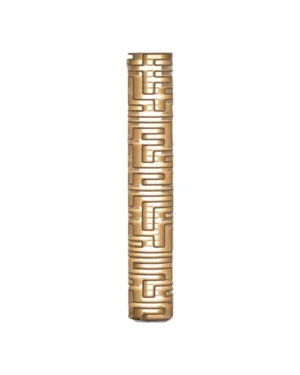
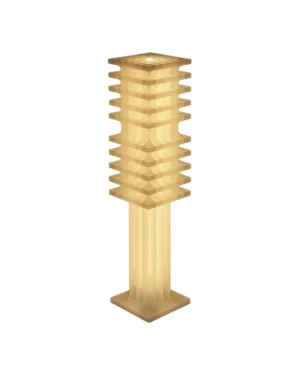
Maze Floorstander Floor Lamp in Recycled Plastic
By Stijn van Aardenne
€1.447 -
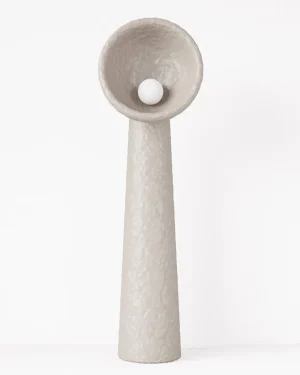 In stock
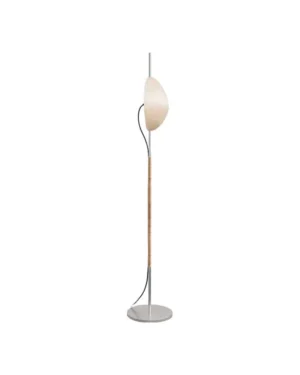
Soniah Floor Lamp in ZTISTA
By FAINA
€7.000 -
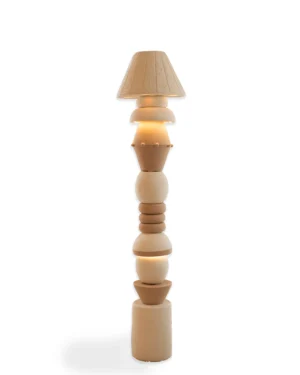
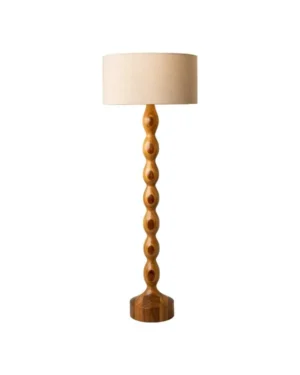
Totem Floor Lamp In Stoneware And Clay Paste
By Harshita Jhamtani Designs
€2.570 -

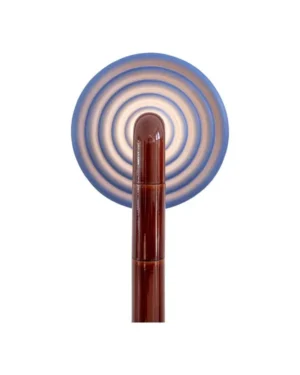
Too 60 Sculptural Ceramic Floor Lamp
By Katia Langeard
€1.200 -
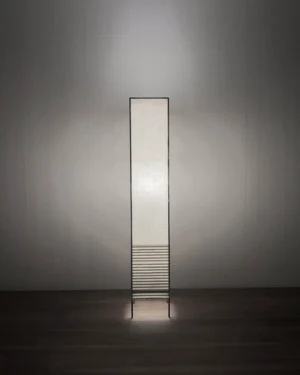
Biiit 003 Floor Lamp in Paper and Brass
By Bo Ah Kim
€1.900 -
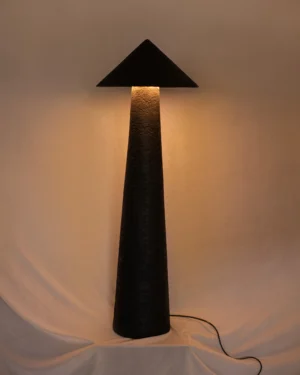
Kasa (m) Lamp In Clay Paste And Mild Steel
By Harshita Jhamtani Designs
€1.460 -
 In stock
Peony Floor Lamp In Fiber-cement
By Donatas Žukauskas
€2.450 -

Bella Pupa Floor Lamp in PVC and Stainless Steel
By PUFF-BUFF
€2.130 -
 In stock
“Object 03” Lamp from the “Play” Collection
By Hot Wire Extensions
€1.670 -

Soniah Medium Floor Lamp in ZTISTA
By FAINA
€6.300 -

Lacuna Floor Lamp in Natural Stone
By Studio AOAO
€4.500 - €8.500 -
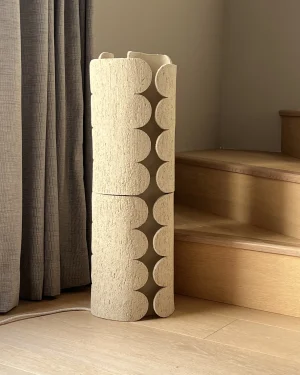
My Stone Flower – Ceramic Floor Lamp Medium
By Katia Langeard
€900 -
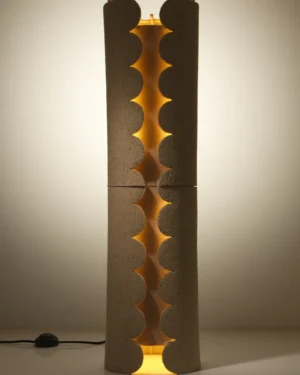
My Stone Flower Large Floor Lamp in Stoneware
By Katia Langeard
€2.330 -
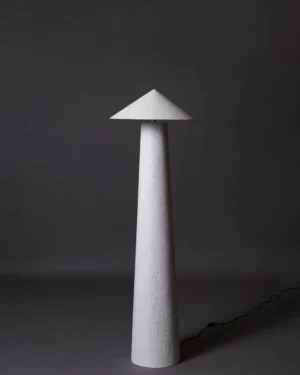
Kasa Floor Lamp In Clay Paste And Mild Steel
By Harshita Jhamtani Designs
€2.130 -
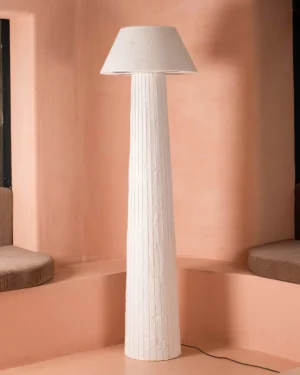
Rio Floor Lamp In Clay Paste And Mild Steel
By Harshita Jhamtani Designs
€2.270 -
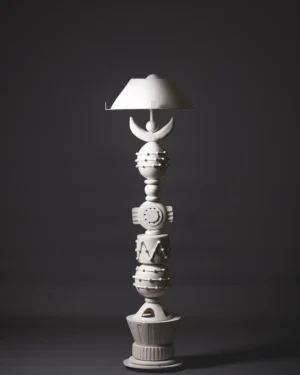
Asteroid Floor Lamp In Stoneware And Mild Steel
By Harshita Jhamtani Designs
€2.570 -

Soniah Small Floor Lamp in ZTISTA
By FAINA
€5.600 -
 In stock
Condition Sluhach Floor Lamp in Steel, Muslin and ZTISTA
By FAINA
€2.440 -
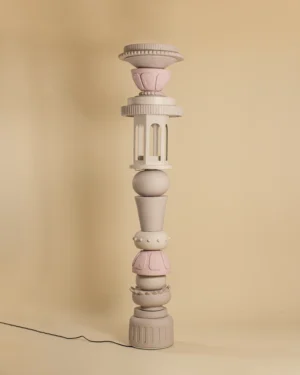
Pillar Of Ties Totem Floor Lamp In Stoneware, Clay Paste And Wood
By Harshita Jhamtani Designs
€3.780 -
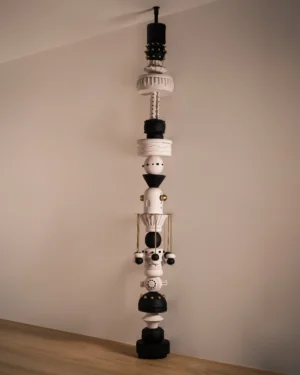
Asteroid Floor-to-ceiling Totem In Stoneware And Brass
By Harshita Jhamtani Designs
€6.900 -
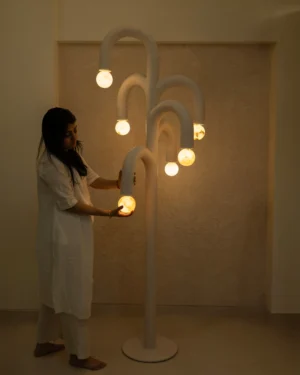
Big Cactus Floor Lamp In Clay Paste, Mild Steel And Alabaster
By Harshita Jhamtani Designs
€3.310
Off-white floor lamps carry a glow that sits between white and sand, warm enough to avoid the clinical look of pure white and neutral enough to work in almost any room. The color comes from the material itself — unglazed stoneware, plaster composite, brushed mild steel — rather than a paint layer added afterward, so it shifts slightly with the light and the angle you view it from. Studios working in these materials favor hand-building, metalwork, plastering and wheel throwing, methods that leave the surface a little uneven and the tone a little warmer than a factory finish would give.
What gives off-white its range of finishes
No two off-white floor lamps read exactly the same, because the finish depends on what produced the color in the first place. Stoneware fired at low temperature keeps flecks of its clay body visible under a thin glaze. Plaster composite dries chalky and matte, closer to raw wall than to furniture. Brushed mild steel carries the flattest, most even version of the tone, while brass left unlacquered will warm toward yellow over years of handling.
Materials and techniques behind the range
The base and stem decide how off-white floor lamps behave once they're placed, and that is where material choice matters most. What shows up most often:
- Mild steel and brass bases, worked through metalwork, give a narrow footprint and enough weight to stand without a wide tripod.
- Stoneware bases, built or thrown, carry more visual mass and sit lower to the floor.
- Plaster composite bodies, built up by hand and smoothed by plastering, are lighter than they look and show faint tool marks if you look closely.
- Acrylic, composite and recycled plastic shades diffuse light evenly and hold their off-white tone longer than you might expect.
Editions vary by studio: some lamps are made in open runs, others in limited editions of a fixed number, and a few as one-off pieces where no two bases turn out exactly alike.
Choosing a floor lamp for scale and placement
A floor lamp holds a fixed spot in a room, so its height and footprint matter before its finish does. Measure the chair or sofa it will stand beside; the shade should sit at or slightly below eye level when you're seated, not looming over it. A wide tripod base needs floor space around it, while a single-column steel or brass base can slide into a narrower gap near a reading chair.
Off-white works as a quiet background tone, picking up whatever light falls on it rather than competing with it, which is why it reads well against both pale walls and darker ones. If you're furnishing a room with other neutral pieces, pair a matte plaster base with a glossier metal accent nearby so the materials don't collapse into one flat surface. For a broader sense of scale and base styles, the wider range of floor lamps is worth comparing before you settle on one tone.
Where these lamps work
Off-white floor lamps suit living rooms and bedrooms equally, standing beside a sofa arm or a bed where a side table won't fit. In a living room, a taller steel or brass piece can anchor a reading corner the way a chair does, holding its ground without a shade pattern or finish that competes with the upholstery. For a fuller set of pieces suited to that room, see living room floor lamps.
Caring for plaster, stoneware and metal finishes
Off-white surfaces show marks more readily than darker ones, so care depends on what the lamp is made of. Dust plaster composite and stoneware with a dry or barely damp cloth; water left standing on plaster will leave a ring. Mild steel wipes clean with a damp cloth, while unlacquered brass will darken with handling unless you polish it now and then.
To compare bodies made purely in steel and brass, see metal floor lamps. Pieces built around plain geometry and a single material sit within minimalist floor lamps, and the same tone continues across other rooms and objects in every off-white piece on ADORNO.
How do I choose an off-white floor lamp?
Match the base material to the weight you want in the room: steel for a narrow, upright profile, stoneware or plaster for more visual mass and a lower stance.
How do you clean and care for an off-white floor lamp?
Dust stoneware and plaster with a dry or barely damp cloth, since both are porous and absorb liquid. Wipe mild steel with a dry cloth, and let unlacquered brass darken on its own.
Will an off-white floor lamp's color change over time?
Yes. Unglazed stoneware and plaster shift slightly with light and handling, and unlacquered brass warms toward yellow over years of use.
What height floor lamp should I get?
Height depends on the base and the seating nearby, since the lamp needs to clear armrests and read in proportion to the room. Ask the maker for exact dimensions through Chat with the maker on the piece's page.
Which rooms suit an off-white floor lamp?
The tone is neutral enough for living rooms, bedrooms and reading corners alike, warmer than pure white so it sits comfortably against most wall colors and floors.
How does shipping, returns and authenticity work when buying through ADORNO?
Shipping is insured and worldwide, returns are accepted within 14 days except on made-to-order pieces, and each lamp comes with a certificate of authenticity.