


-
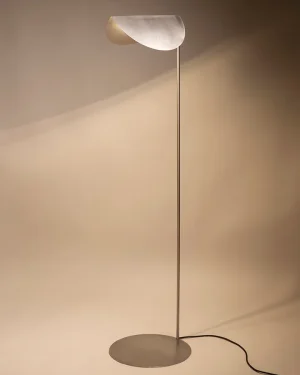
Two Circles No. 1 Floor Lamp in Stainless Steel
By Georgiev Kiril
€995 -

Trilight 70 Floor Lamp In Aluminum
By Obscure Objects
€800 -
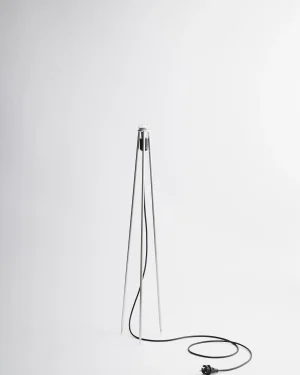
Trilight 100 Floor Lamp In Aluminum
By Obscure Objects
€840 -
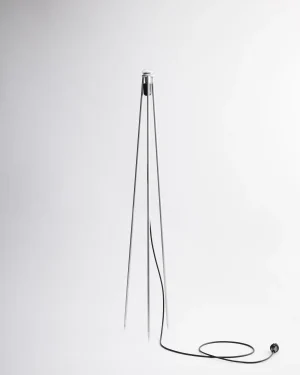
Trilight 130 Floor Lamp In Aluminum
By Obscure Objects
€925 -
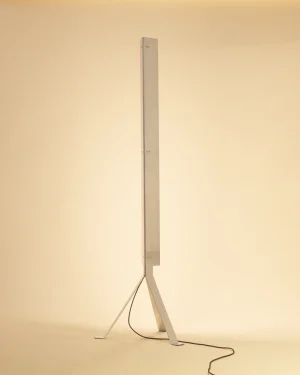
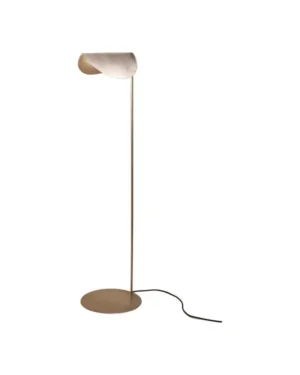
L1 High Floor Lamp in Aluminum
By Luiz Solano
€1.200 -
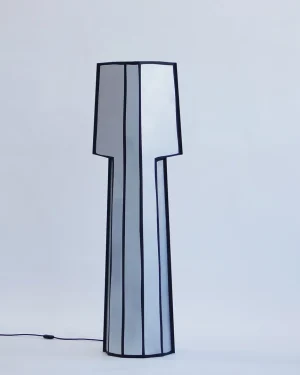
Hex Floor Lamp in Aluminum
By STUDIO GUILTY
€1.256 -
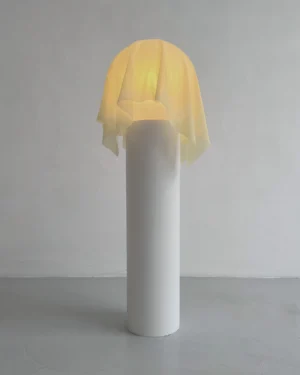 In stock
Carnmarina Floor Lamp In Plastics
By Pierre Klein
€1.500 -
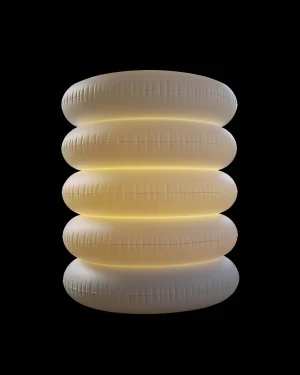 In stock
Big Puff Floor Lamp in Polyurethane
By PUFF-BUFF
€690 -
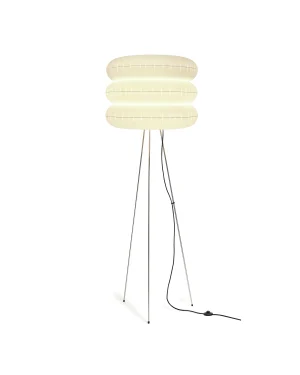 In stock
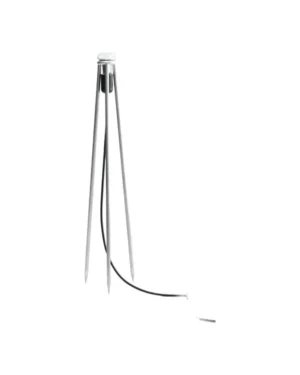
Big Puff Tripod Floor Lamp in Polyurethane and Steel
By PUFF-BUFF
€800 -

Lasso Floor Lamp in Stainless Steel and Glass
By Nitush and Aroosh
€2.850 -
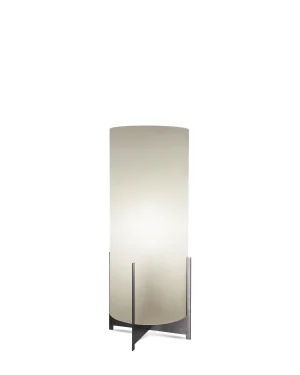 In stock
Lumix Floor Lamp in Stainless Steel and Polycarbonate
By Pablo Sinan Design
€510 -

Pill1200 Floor Lamp In Stainless Steel
By MLK Furniture
€1.690 -
 In stock
Crush On You Floor Lamp in 3D Printed PLA
By M’ama edizioni
€380 -
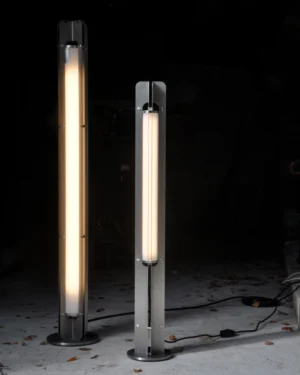
Pill600-70 Floor Lamp In Stainless Steel
By MLK Furniture
€1.490€1.267 -

Rakis Floor Lamp In Ceramic
By Catalin Filip
€1.900 -

Sky-set Floor Light
By Dace Sūna
€5.800 -
 In stock
Cheese Floor Lamp in PLA-Woodfill
By M’ama edizioni
€380 -
 In stock
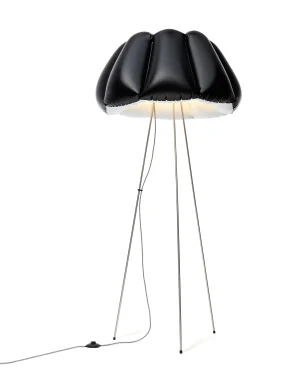
Orca Floor Lamp in PVC and Stainless Steel
By PUFF-BUFF
€650 -
 In stock
Sigil Tower Floor Lamp in Stainless Steel and Alabaster
By Nitush and Aroosh
€4.150 -

Bella Pupa Floor Lamp in PVC and Stainless Steel
By PUFF-BUFF
€2.130 -
 In stock
“Object 03” Lamp from the “Play” Collection
By Hot Wire Extensions
€1.670 -
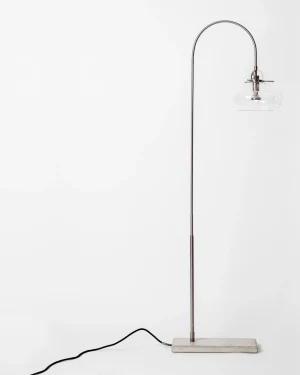
Art Deco Floor Lamp in Glass, Stainless Steel and Concrete
By Szostak Atelier
€2.100€1.995 -

Caida Libre Floor Lamp in Metal and Glass
By Saadia Design
€660 -
 In stock
“Random Light”
By Hot Wire Extensions
€1.250 -
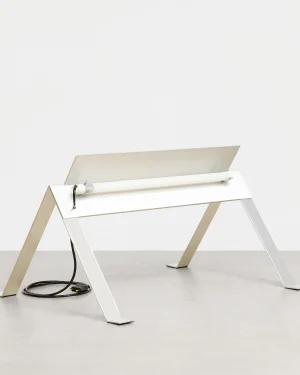
L1 Low Floor Lamp
By Luiz Solano
€900 - €1.200 -
 In stock
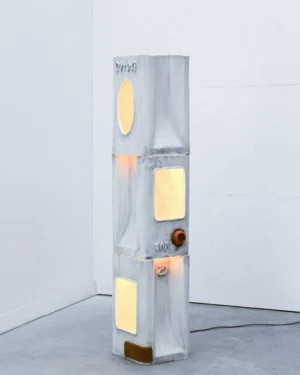
Vestigi 01 – Stoneware Floor Lamp
By Pierre Klein
€7.200 -
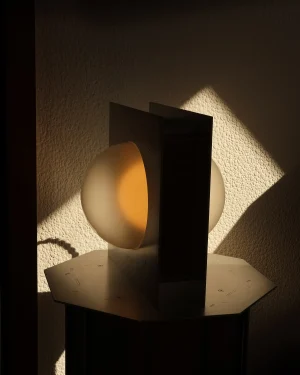
Event Horizon Table Lamp in Aluminum
By BUREAU OF ENTROPY
Price Upon Request -
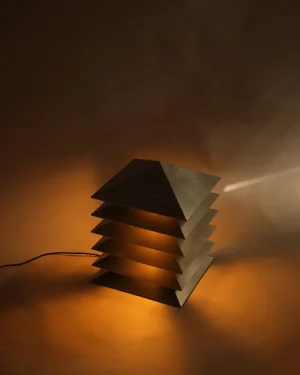
Kōtō – 光塔 – Floor Lamp in Aluminum
By BUREAU OF ENTROPY
Price Upon Request -
 In stock
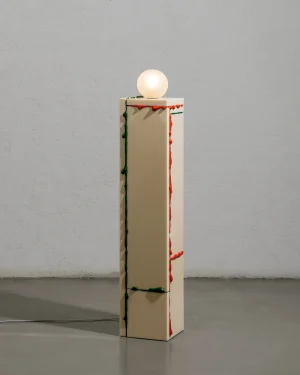
B.S.P Series Floor Lamp in Recycled Plastic
By Atelier SOHN
Price Upon Request -

Aperture Protocol Floor Lamp in Aluminum
By BUREAU OF ENTROPY
Price Upon Request
Futuristic floor lamps read as objects first and light sources second, standing on the floor the way a sculpture would and built from aluminum, stainless steel, polyurethane or 3D-printed polymer rather than the softer materials found elsewhere in lighting. Studios working in this style lean on metalwork, laser cutting, CNC milling and digital fabrication, methods borrowed from industrial production, to produce silhouettes that look forward instead of back. Runs stay small, some down to a single unique piece, since many of these forms are made to order rather than kept in stock.
What gives a futuristic floor lamp its look
The style is less about a single material and more about a finish and a geometry. Raw or polished aluminum, chromed steel and powder-coated metal in silver, gray, cream, white or black carry the hard, reflective surface that reads as machine-made. Glass diffusers and molded polyurethane shades soften the light without softening the form, and touches of rust, light pink or blue and white show up where a maker wants a futuristic shell to carry an unexpected color.
The materials, finishes and editions on ADORNO
Within futuristic design across every category, the floor lamps lean heavily on metal: aluminum and stainless steel dominate, with raw aluminum and chrome used where a maker wants the structure itself to catch light. PLA and other printed plastics appear where a studio works by 3D printing rather than casting or welding, giving geometric or lattice forms that metal alone cannot hold. Anodizing and powder coating set the color on metal bodies, while blacksmithing and hand metalwork still turn up behind pieces that look entirely machined.
- Open editions, for forms a studio keeps in ongoing production
- Limited editions, numbered or capped runs in a given finish
- Unique pieces, one-offs that will not be repeated once sold
How to choose one
A floor lamp is judged from across the room before it is ever switched on, so scale and silhouette matter as much as the light it throws. Measure the footprint against the furniture it will stand near, and check the overall height against seat height and sightlines, since a futuristic form with a wide base or an angled arm needs clearance to read as sculpture rather than obstacle. Matte and polished finishes behave differently under daylight: polished chrome and raw aluminum throw reflections that can compete with a television or window, while powder-coated or anodized surfaces in gray, black or white sit more quietly.
Placement follows the same logic as any sculptural object. A single futuristic floor lamp works best with room to stand clear of a wall, where its structure and cast shadow both become part of the piece, rather than pushed into a corner where only the shade shows.
Where these lamps work
Living rooms are the most common setting, where a floor lamp built for a living room can stand beside a sofa or reading chair and do the work a side table lamp cannot, reaching higher and throwing light across a larger area. Studies and home offices suit the more angular, task-oriented forms, while bedrooms take the smaller, quieter versions in soft white or cream rather than raw chrome. Entryways and landings can carry a single sculptural piece well, since there is rarely competing furniture to argue with its shape.
Caring for metal and polymer finishes
Aluminum and stainless steel need little beyond a dry or barely damp cloth; avoid abrasive cleaners, which dull a polished or chromed surface over time. Anodized and powder-coated finishes resist fingerprints and fading better than raw metal, but both still scratch, so lift rather than drag a lamp when moving it. Polyurethane and printed plastic shades should stay out of direct sun for long stretches, since UV exposure can yellow light colors such as cream or white. For a wider view of pieces built the same way, the metal floor lamps and futuristic lighting ranges sit alongside the full floor lamp offering on ADORNO.
How do I choose a futuristic floor lamp?
Start with the finish you want to live with: raw or polished aluminum and chrome catch light and read as hard-edged, while powder-coated metal softens the same geometry. Let the silhouette, not the bulb, decide the spot it stands in.
What are futuristic floor lamps made of, and how do I care for them?
Most are aluminum, stainless or chromed steel, or molded polyurethane and polymer; glass diffusers appear too. Wipe metal and glass with a dry or barely damp cloth, keep polymer shades out of direct sun, and avoid abrasive cleaners on anodized or polished surfaces.
What size or height should a futuristic floor lamp be?
Since the piece stands like a sculpture, judge it by footprint and silhouette rather than a fixed height rule. The maker can confirm exact dimensions with Chat with the maker on the piece's page.
Which rooms suit a futuristic floor lamp?
Their hard, reflective surfaces and sculptural forms hold their own in a living room or study where there's space to walk around them. They also work well in an entryway or corner that benefits from a strong, standalone shape.
Are futuristic floor lamps handmade, and are they limited editions?
Many are produced through metalwork, laser cutting, CNC milling or 3D printing in small runs, some down to a single unique piece, since they're often made to order rather than kept in stock. Edition details vary by maker.
What are ADORNO's shipping, returns and authenticity policies?
Shipping is insured and worldwide. Returns are accepted within 14 days, except made-to-order pieces, and every piece arrives with a certificate of authenticity alongside ADORNO's lowest-price guarantee.