
-

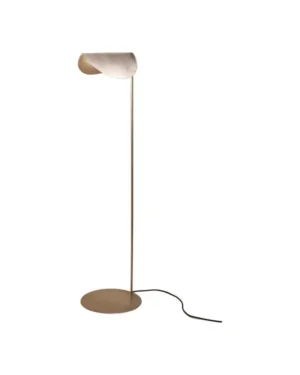
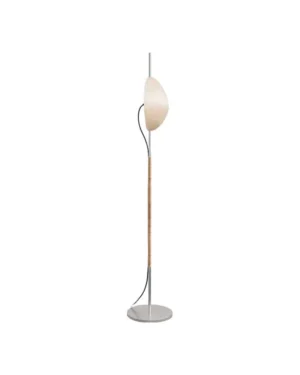
Lampadulure Pink Floor Lamp In Metal
By BehaghelFoiny Studio
€1.700 -
 In stock
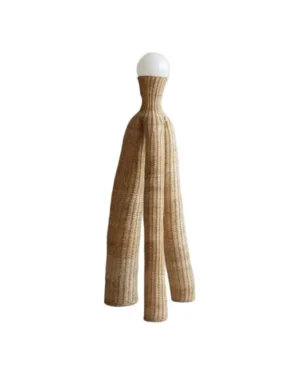
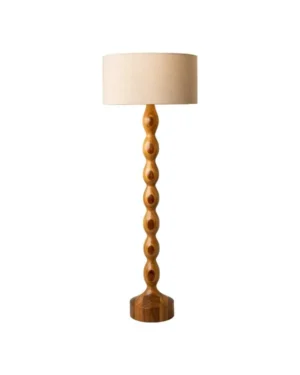
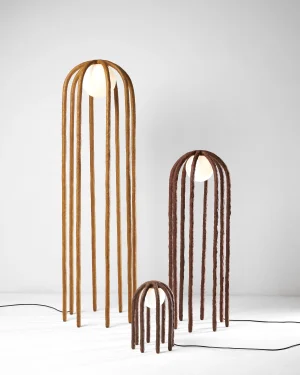
Açafrão and Urucum Floor Lamp in Anatto and Saffron
By Cultivado em Casa
€1.234 - €2.971 -
 In stock
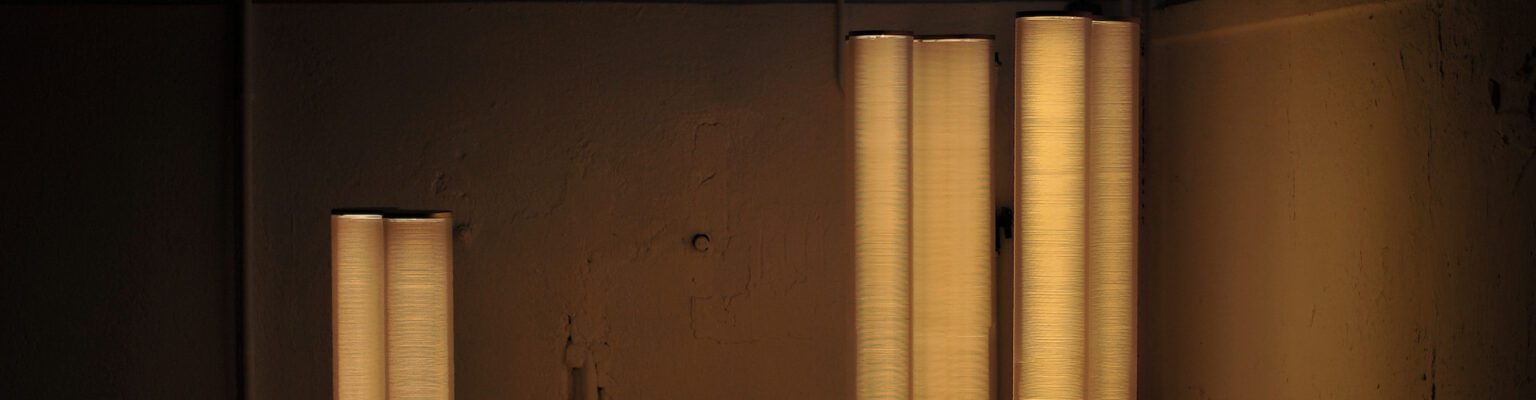
Lampadulure Purple Floor Lamp In Metal And Plaster Composite
By BehaghelFoiny Studio
€3.000 -

Laco Floor Lamp in Biocomposite and Linen
By PletoStudio
€3.600 -

Shadow Wool Floor Lamp in Biocomposite and Carpathian Wool
By PletoStudio
€2.200 -

Sea Star Floor Lamp in Biocomposite and Cotton
By PletoStudio
€3.600 -

Orbita Floor Lamp in Biocomposite and Bouclé Wool
By PletoStudio
€5.000 -
 In stock
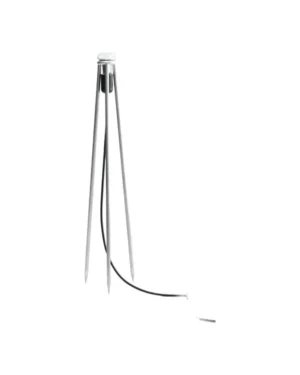
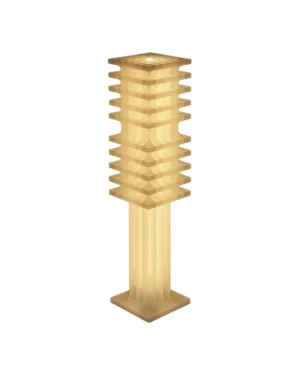
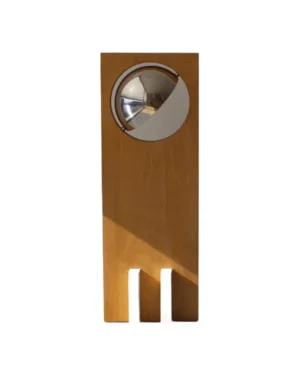
“Object 03” Lamp from the “Play” Collection
By Hot Wire Extensions
€1.670 -

Vereteno Floor Lamp in Biocomposite and Linen
By PletoStudio
€5.800 -

Silva Soft Floor Lamp in Biocomposite and Cotton
By PletoStudio
€1.100 -

Silva Sculptural Floor Lamp in Biocomposite and Raffia
By PletoStudio
€1.600 -
 In stock
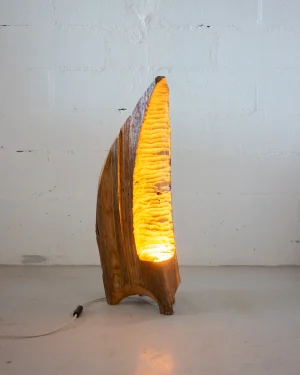
A Plant From My Garden Floor Lamp in Antique Oak
By Atelier Musset
€2.200 -

Ember Floor Lamp in Biocomposite and Raffia
By PletoStudio
€3.200 -
 In stock
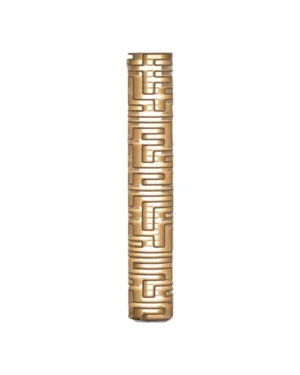
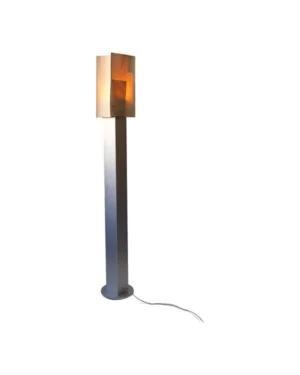
“Random Light”
By Hot Wire Extensions
€1.250 -

Cypress #1 Floor Lamp in Cypress Wood
By Studio Kloak
€4.600 -
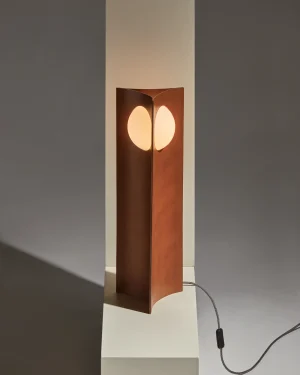
Hecate Floor Lamp In Brown Leather
By Studio Aristotelis Barakos
€610
Biomaterial floor lamps bring cellulose, clay, hemp, and recycled matter into a room as standing light, shaped by hand or grown in a mold rather than cut from metal or milled from wood. Independent designers and studios work these materials wet, pulped, or pressed, building a base and shade that carry their own grain, texture, and weight. The result sits closer to a sculptural object than a fixture, with a surface that keeps the mark of how it was made.
What defines biomaterial floor lamps
Cellulose and paper pulp are pressed or layered into shades that glow unevenly, letting light pass through fiber rather than glass. Clay is hand-built into bases that hold a visible seam or thumbprint, heavier at the foot than a metal stand would be. Hemp, linen, and nylon are worked into woven or knotted shades with a textile's give, while mineral powder, wood shavings, and other recycled material are bound into composites that read as stone or wood without being either.
Color here tends to come from the material itself rather than a sprayed finish: the cream and light yellow of raw pulp, the charcoal and brown of unglazed clay, the aqua or dusty pink of a pigmented composite. These tones shift under different bulbs and with age, which is part of what gives biomaterial floor lamps their wabi-sabi or rustic character rather than a uniform, factory finish.
How these lamps are made
Biofabrication grows material in a mold rather than assembling it from parts, so a base can arrive with a density and surface that no tool imposed. Hand-building covers coiled or slab-built clay and layered papier-mâché, both slow processes that leave a slightly irregular silhouette. Textilework produces woven hemp and linen shades, wood carving and cabinetmaking shape structural stands, and 3D printing lets mineral and recycled composites take on forms a mold could not easily.
Because many of these techniques depend on a maker's hand or a single mold run, some pieces come as open editions, repeatable within the same method, and others as unique pieces where no two bases dry, carve, or grow the same way twice.
Choosing a biomaterial floor lamp for your room
A floor lamp is chosen the way a chair is: by footprint, height, and the silhouette it holds as you walk past it. A tall, narrow cellulose or linen shade throws soft, diffused light upward and suits a reading corner or the side of a sofa, while a low, heavy clay or composite base anchors a room on its own and reads more as an object than a light source. Match the finish to the room's other surfaces, a raw or unglazed piece against wood and stone, a smoother composite against plaster or paint.
These lamps suit contemporary, minimalist, boho chic, mid-century modern, and eclectic rooms equally, since the material does most of the visual work rather than a particular period style. For a seating area, look through living room floor lamps; for a quieter corner, bedroom floor lamps in these same materials tend to run lower and softer in output.
Living with biomaterial light
Unfired clay, pulp, and fiber react to damp air and direct sun more than metal or glass does, so keep these pieces away from radiators, humid bathrooms, and strong midday light, which can dry, warp, or fade an unsealed surface over time. Dust with a dry or barely damp cloth rather than a wet one, and avoid household cleaners on raw or unglazed finishes. Handled this way, a biomaterial floor lamp ages the way the material itself would in nature, closer to a weathered object than a worn-out fixture.
For the wider range of standing lights beyond this material, the floor lamps category covers brass, oak, and hand-blown glass alongside these, and the biomaterials material page extends into seating, stools, and objects made the same way. Within lighting specifically, biomaterial lighting gathers sconces and pendants in the same cellulose, clay, and recycled forms.
How do I choose a biomaterial floor lamp?
Match the material to the light you want: pulp and paper shades glow unevenly and soften a room, while clay or composite bases stay opaque and read more as sculpture. Weight and footprint matter too, since these bases sit heavier than a metal stand.
How do you clean and care for a biomaterial lamp?
Dust with a dry or barely damp cloth and keep pulp, paper, and woven shades away from direct moisture and strong sun, which can fade or warp fiber. Clay bases wipe clean easily but can chip, so lift rather than drag them.
Will the color change over time?
Yes. Raw pulp, unglazed clay, and pigmented composites shift tone under different bulbs and with age, which is part of their character rather than a flaw or a uniform factory finish.
What size floor lamp fits my room?
A floor lamp is chosen like a piece of furniture, by the footprint and height you want to walk around rather than a fixed rule. For a specific piece, use Chat with the maker on its page to confirm dimensions.
Which rooms suit biomaterial floor lamps best?
Their uneven glow and tactile surface work well in living rooms and reading corners where you sit close to the light, and in bedrooms where a softer, textured source suits low light better than a hard metal fixture.
How does shipping, returns, and authenticity work at ADORNO?
Shipping is insured and worldwide. Returns are accepted within 14 days, except on made-to-order pieces, and every piece arrives with a certificate of authenticity alongside a lowest-price guarantee.